The Most Important Thing Is Not the Method but Letting Go of Thoughts
Apr 1, 2026. Day 3 of Bhutanese Visitors' Itinerary (Visit to Cheongyang-gun and Imsil Cheese Village)
Hello. Today, Sunim visited the Cheongyang Food Integration Support Center and Imsil Cheese Village with the Bhutanese visitors.
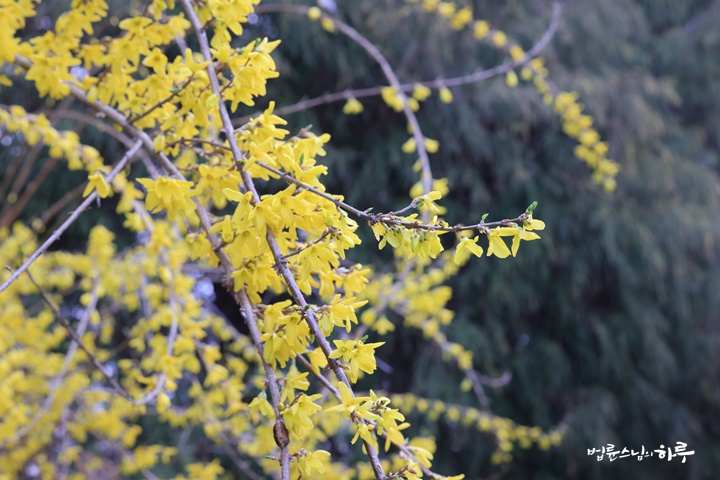
After morning practice and meditation, Sunim met the Bhutanese visitors in front of their accommodation at 7:30 AM and went to the village café ‘Chorok Idungji’ for breakfast.
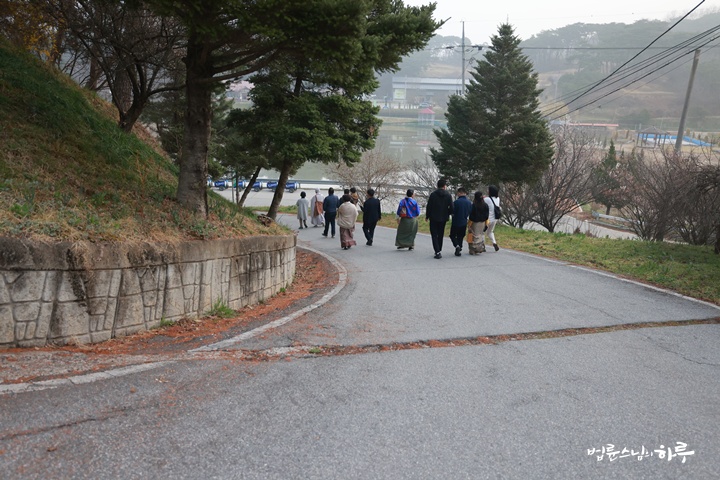
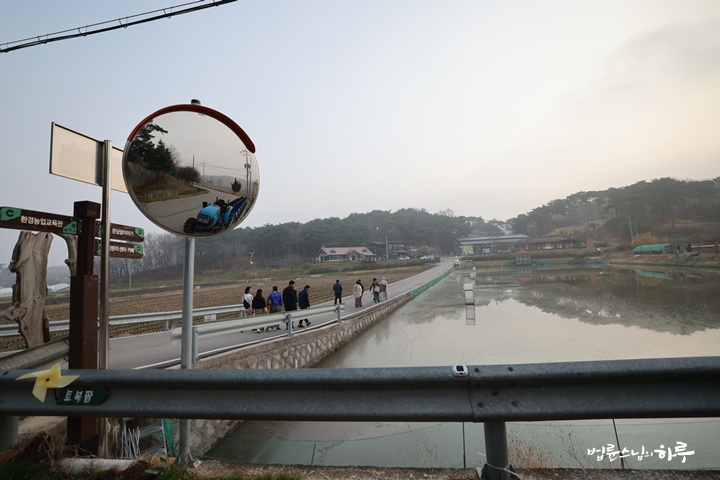
The morning village path, which took about 5 minutes to walk, was filled with the sounds of ducks and birds.
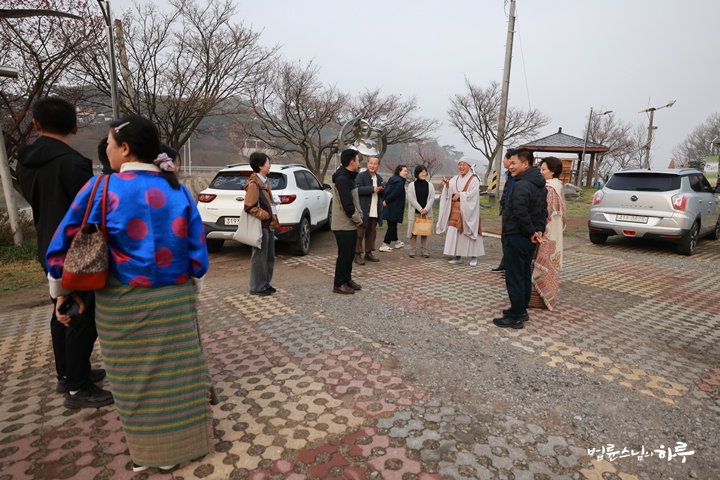
Upon arriving at the village café, CEO Joo Hyung-ro was there early to greet them. He explained that the village not only cultivates organic rice but also uses it to make bread and snacks, creating healthy food products and running baking experience programs.
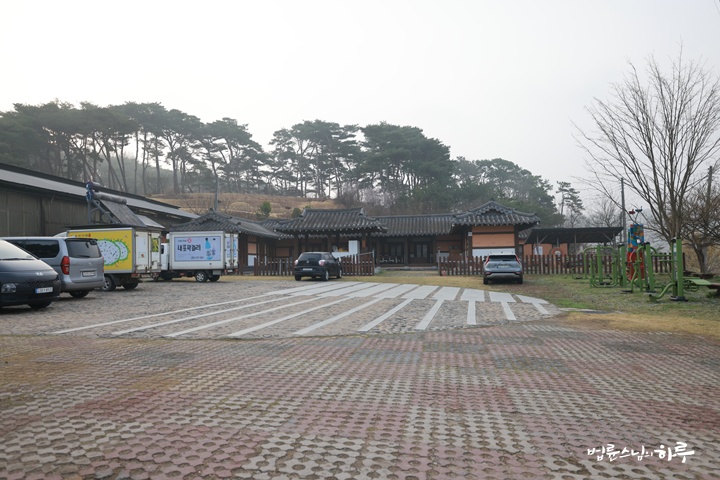
Next to it was a hanok (traditional Korean house). It was a faithful reproduction of a traditional hanok, used as accommodation. They heard stories about how they initially built traditional-style toilets, which resulted in very few guests due to the inconvenience, so they changed to modern toilets. CEO Joo Hyung-ro also shared how he gave young people the opportunity to freely operate the hanok accommodation business.
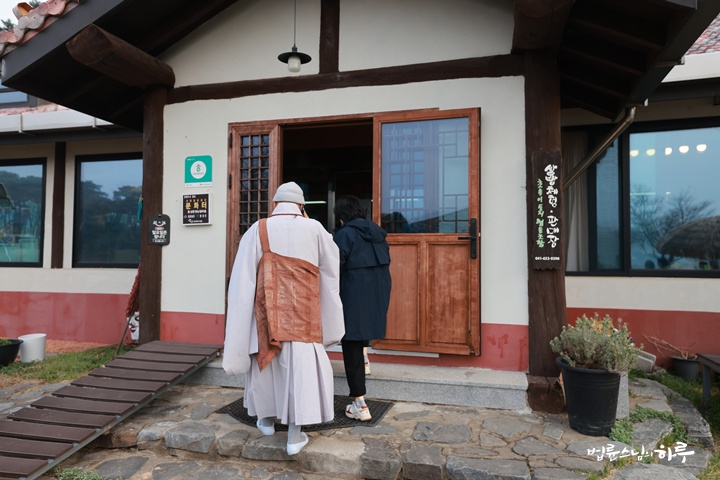
At 7:30 AM, they entered the village café for breakfast. The café’s signature rice bread was prominently displayed on the serving counter, along with fresh salads made with vegetables.
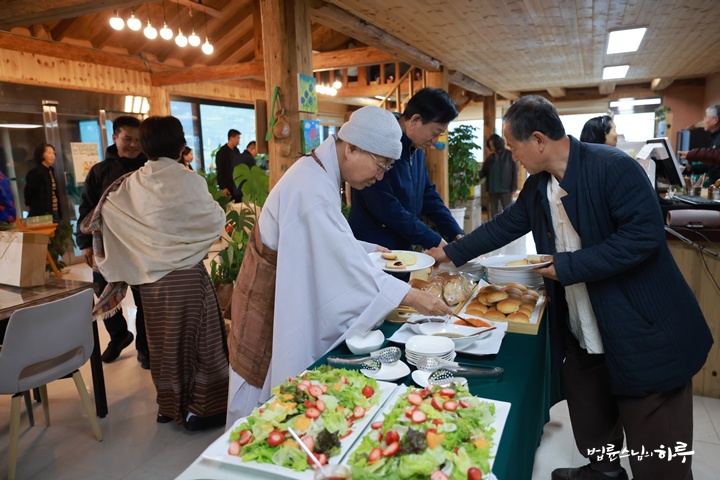
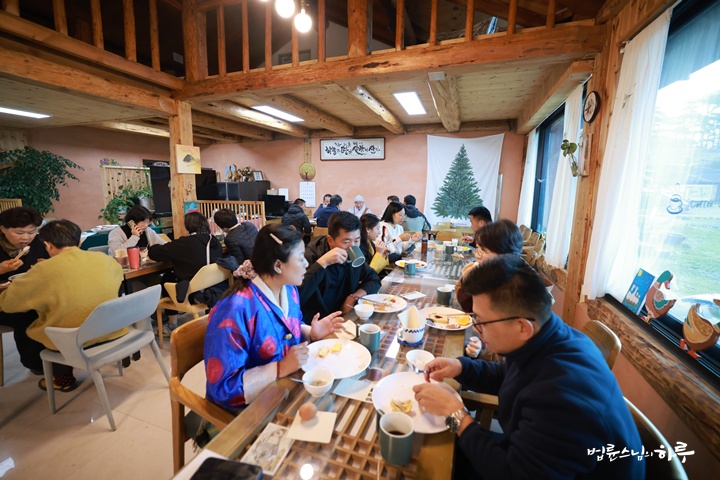
Everyone served themselves according to their taste and had breakfast. Sunim also had a bowl of nurungji (scorched rice) that quickly expanded when hot water was poured over it.
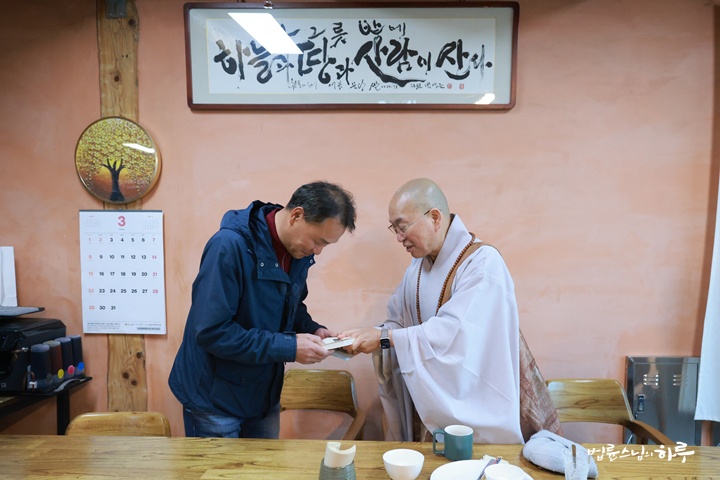
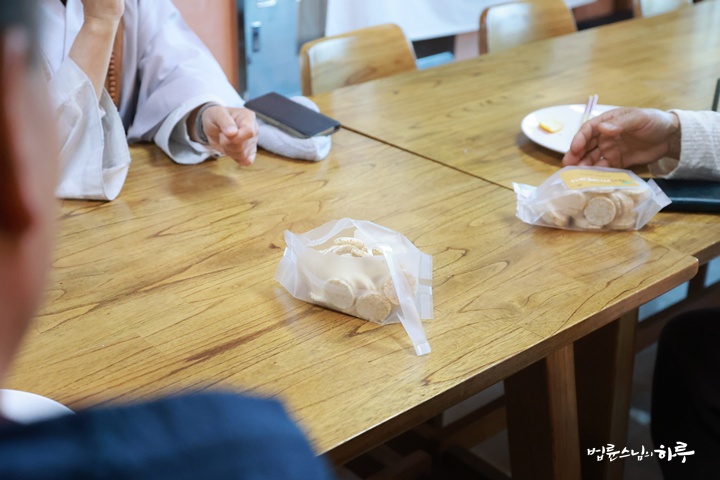
During the meal, the village chief who had performed in the pungmul (traditional Korean percussion) performance at the education center yesterday came to greet them. Sunim expressed gratitude to the village chief on behalf of the performance troupe for their spirited performance. CEO Joo Hyung-ro also explained rice puffed snacks made from rice and let the Bhutanese visitors taste them, which they showed interest in.
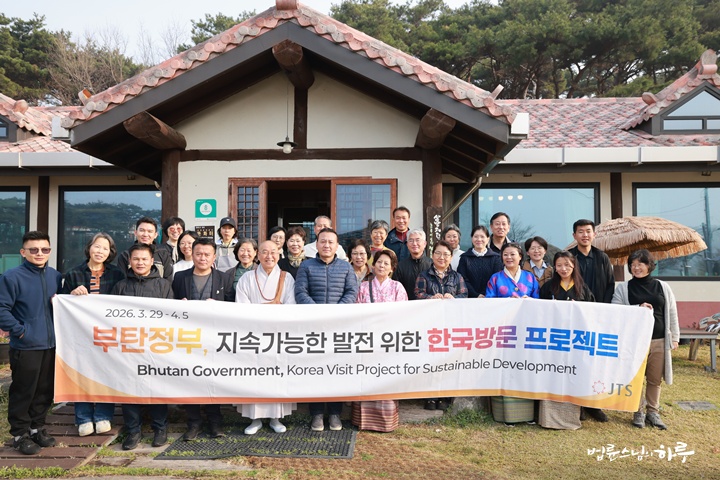
After the meal, they took a commemorative photo in front of the café. Everyone boarded two vehicles and decided to tour the village where CEO Joo Hyung-ro and other villagers live. They observed houses characterized by the absence of utility poles and ditches, and the use of solar panels for hot water.
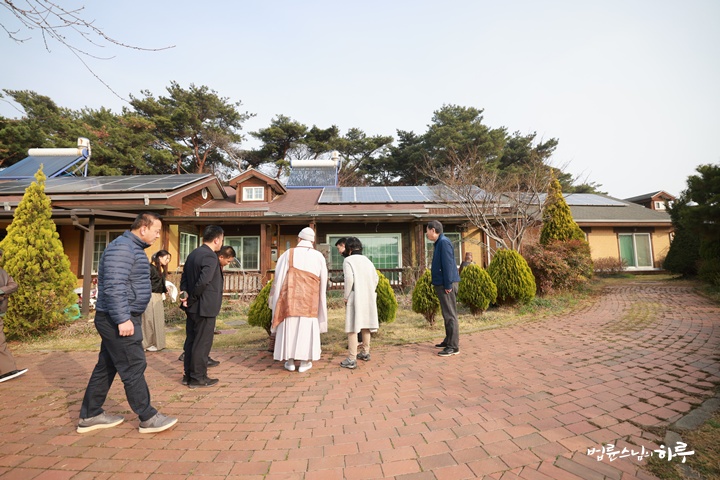
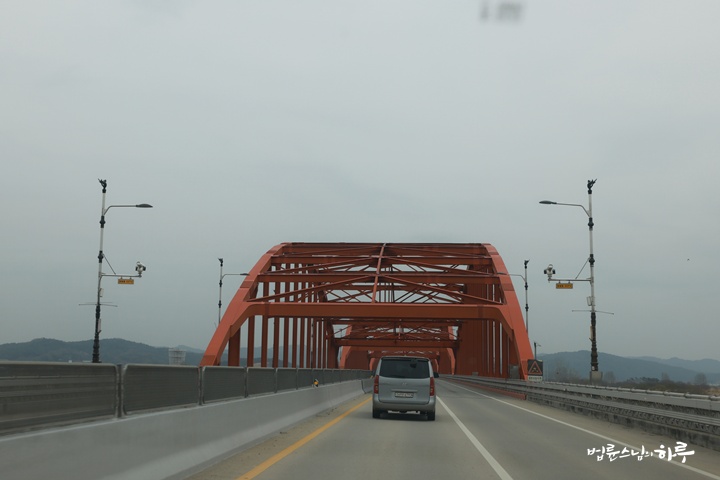
Due to a tight schedule, they couldn’t stay long and headed to Cheongyang-gun (청양군) after just viewing the village houses. After 30 minutes, they arrived at Cheongyang Food Town.
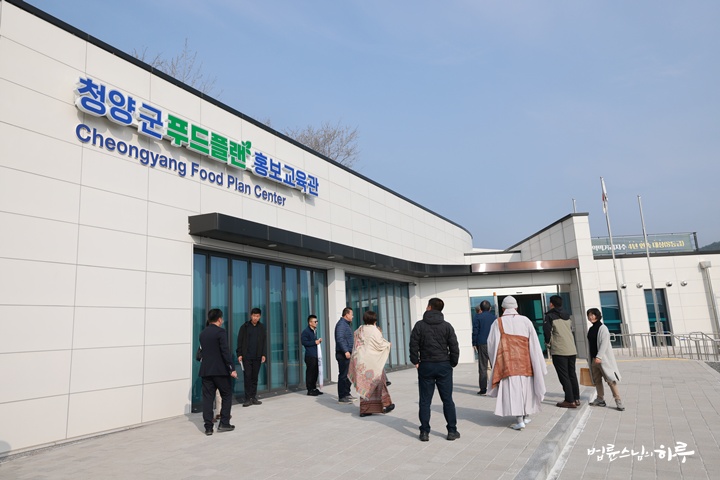
Cheongyang-gun was chosen for the visit as it serves as a model for other local governments by creating a structure where local government and farmers cooperate in the production, distribution, and consumption of local agricultural products, providing a good learning opportunity for the Bhutanese visitors.
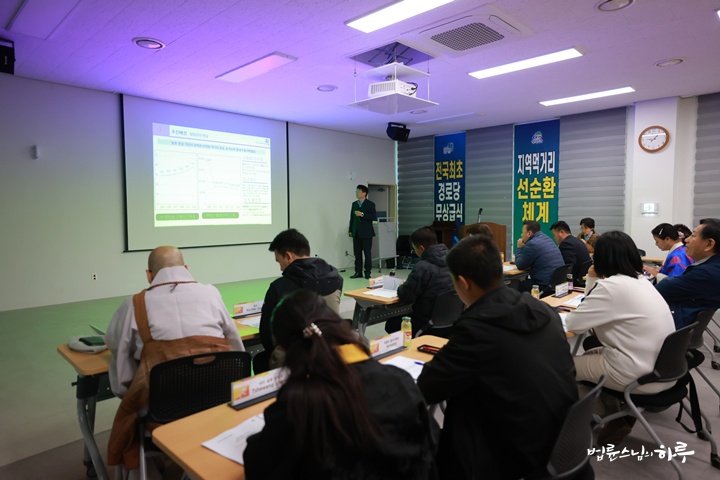
Cheongyang-gun is a small area with a population of 30,000 and was the first in the nation to implement free meals for senior centers. It is now characterized by a gradual increase in the youth population. They heard vivid case presentations from Ban Jae-woon, Director of the Food Integration Support Center, and Noh Seung-bok, Team Leader of Cheongyang Village Development.
Today was the day of the Weekly Dharma Assembly. Sunim had visited the flood-affected Aceh region in Indonesia last weekend for emergency relief, and the edited video footage was to be presented to Jungto practitioners. Sunim, who was with the Bhutanese visitors, decided to briefly connect online at 10 AM during the Weekly Dharma Assembly to give greetings.
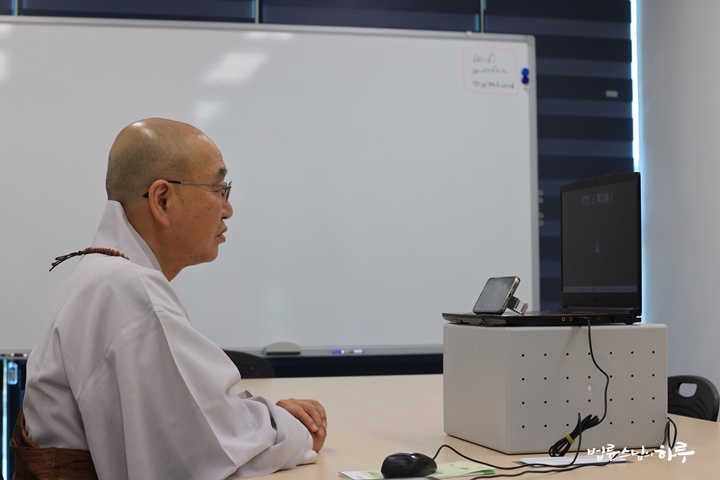
They borrowed a separate space from where the lecture was being held and quickly set up a laptop, conducting audio tests and adjusting screen height to prepare for Sunim’s online participation in the assembly. At 10:04 AM, Sunim sat in front of the laptop. After watching the weekly Jungto practitioner news video, they requested a Dharma talk from Sunim with a chanting request and three prostrations. Sunim explained his current situation and the video they would watch today. He detailed how the donations from many members were well distributed as household items like kitchenware and cleaning supplies to flood victims in Aceh who needed help, emphasizing that the donations were used meaningfully.
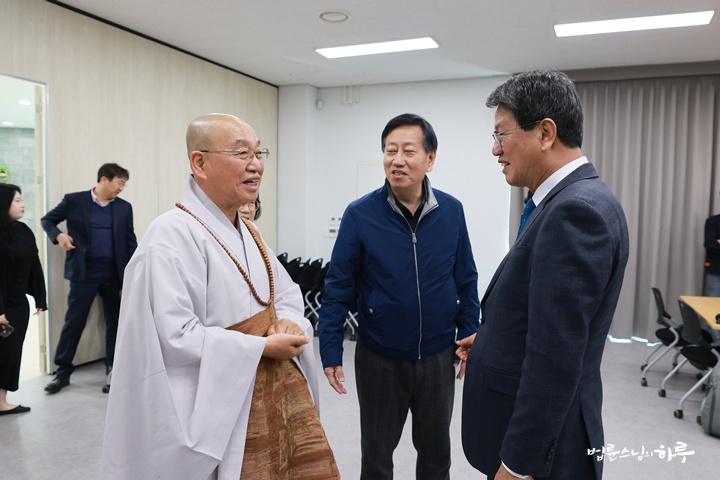
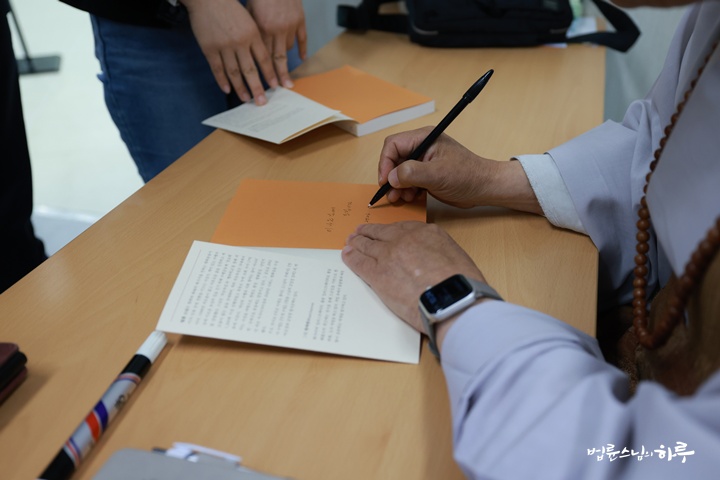
After the online connection ended, Sunim immediately returned to the lecture room to participate in the ongoing program. During a brief break, Sunim introduced the county governor and the Bhutanese visitors to each other, exchanged greetings with staff members, and personally signed books for staff who had prepared them.
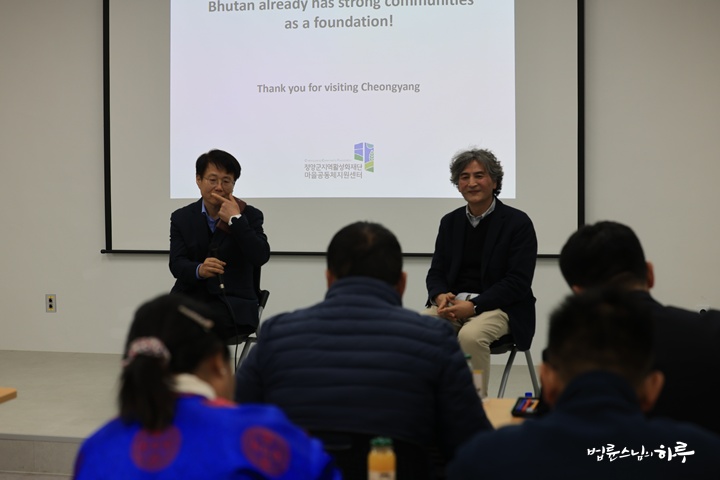
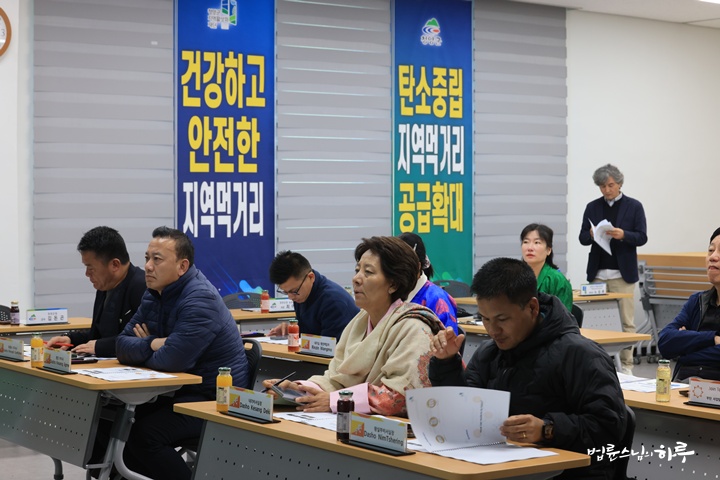
The lecture resumed. It was time for presenters and audience members to ask and answer questions. The Bhutanese visitors showed interest in the efforts and activities that have made agriculture sustainable in Cheongyang-gun and asked questions about them. Discussions covered everything from the system where food grown in Cheongyang-gun is used for school meals to the need for establishing intermediate systems that allow Cheongyang-gun residents to participate in decision-making as owners.
Finally, Professor Park Jin-do explained to the Bhutanese visitors that the cases of Hongseong-gun visited yesterday and Cheongyang-gun visited today were different. Although both are counties in South Korea, he clarified once more that one is a case of an agricultural environmental village while the other is operated by local government, representing two different cases.
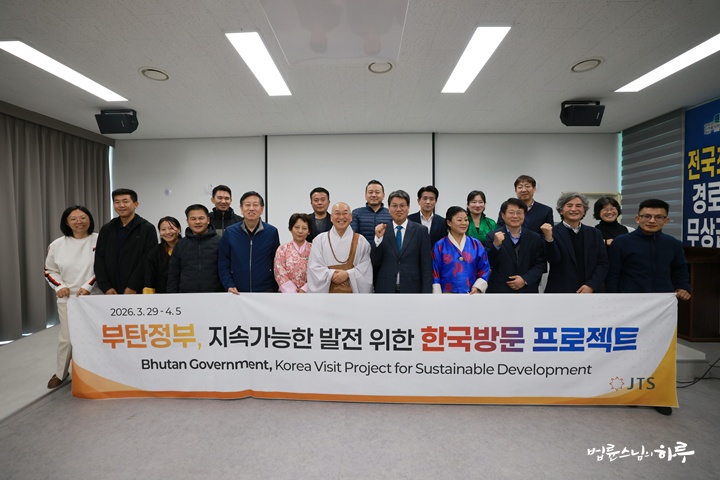
When there were no more questions, they took a commemorative photo and moved to the building next door.
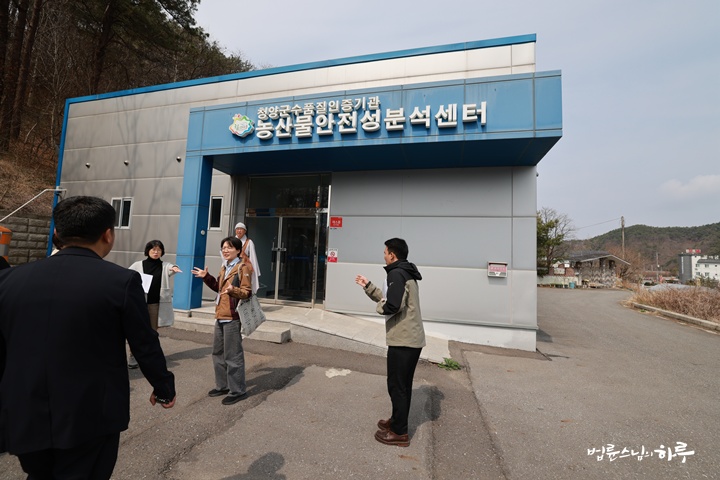
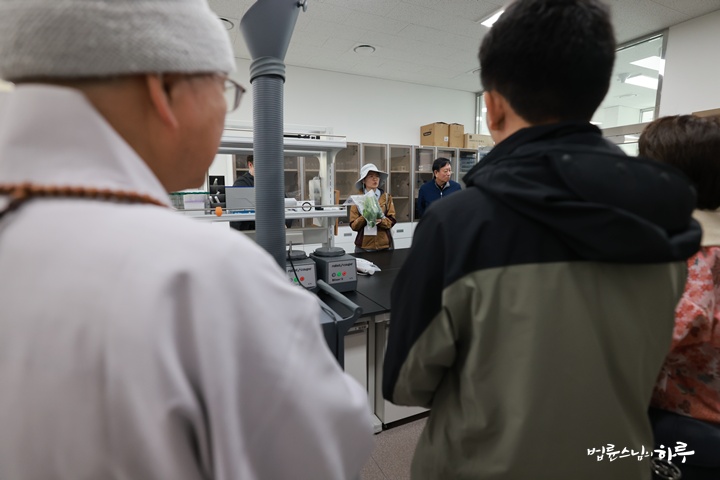
It was the Safety Analysis Center, which systematically analyzes the safety of food grown in Cheongyang-gun. It tests for pesticide risks and other hazards.
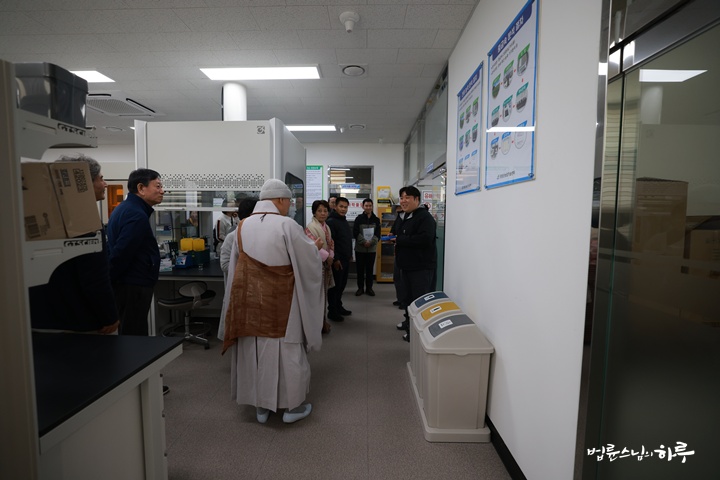
A Bhutanese visitor asked Director Ban Jae-yoon specific questions about the costs involved in setting up the Safety Analysis Center building and internal equipment.
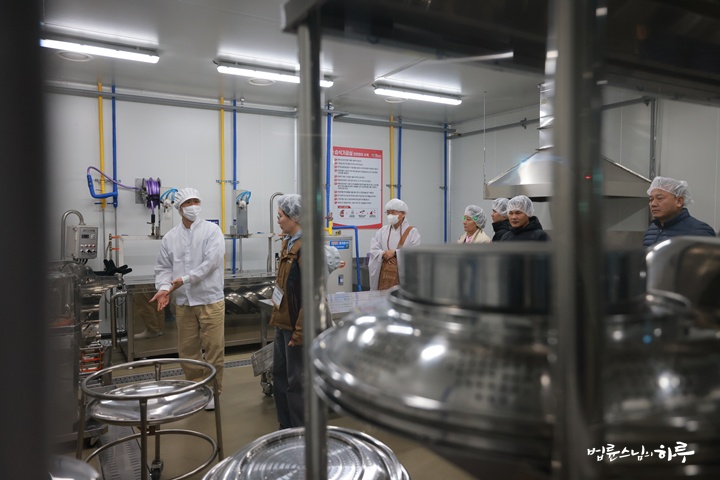
They then went to the Agricultural Products Processing Center. Fortunately, it wasn’t operating today, so they were able to enter with permission and tour the facilities. During the tour, they had to use disposable hygiene caps and shoe covers for sanitation purposes. After one use, all hygiene items were disposed of in the trash.
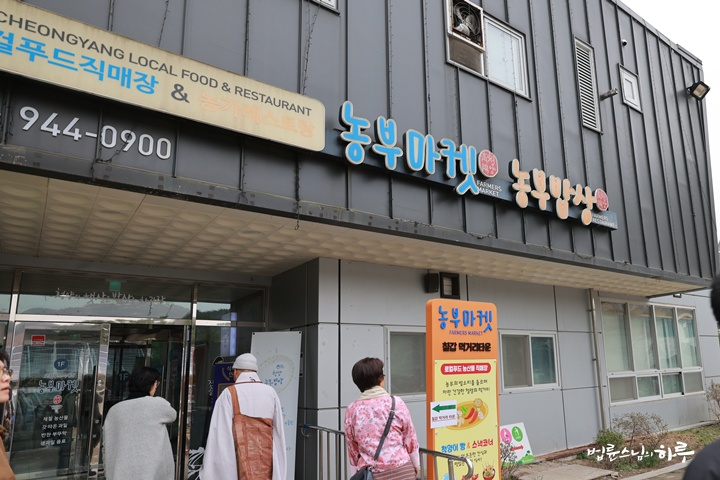
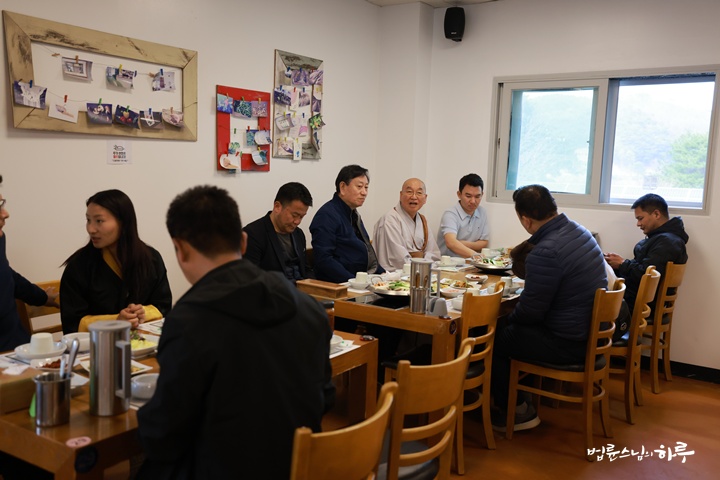
They went to a restaurant for lunch. At the Cheongyang Local Food Direct Store, they could have a healthy meal made with ingredients grown in Cheongyang-gun, and on the first floor, they could see how food ingredients and products were produced and consumed.
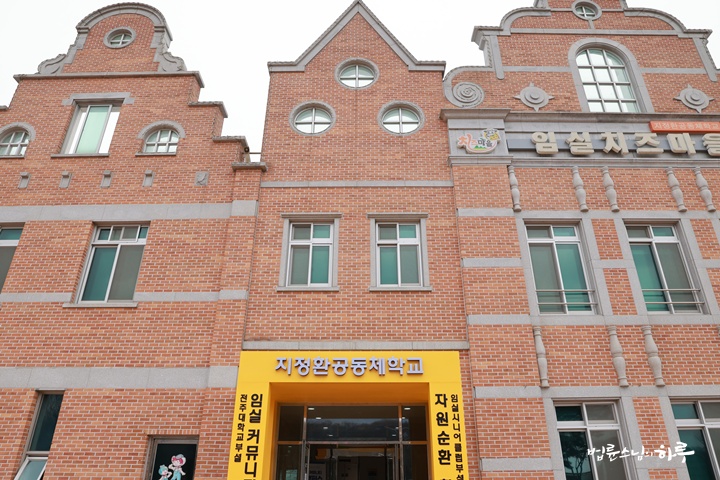
After touring Cheongyang-gun’s local food system, they moved to Imsil Cheese Village in Imsil-gun, Jeollabuk-do. It took about 2 hours and 20 minutes. There was an introduction to Imsil Cheese Village in the second-floor auditorium of the Jijeong-hwan Community School. Imsil was the first place in Korea to make cheese, making the village name a brand. They visited as a successful case of appropriate linkage between production, processing, and tourism.
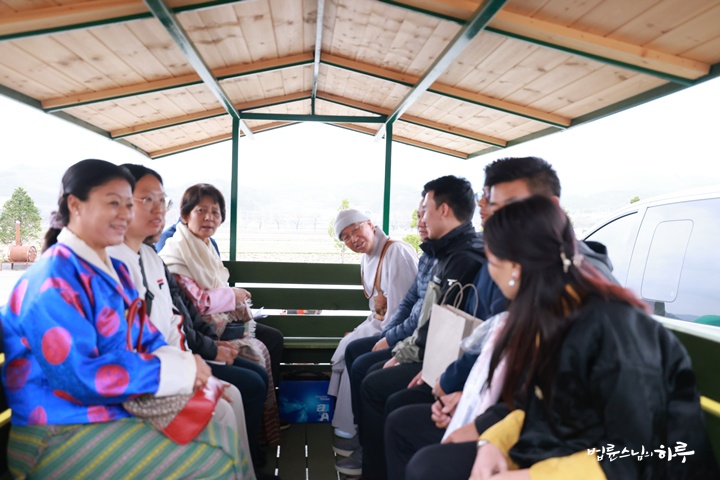
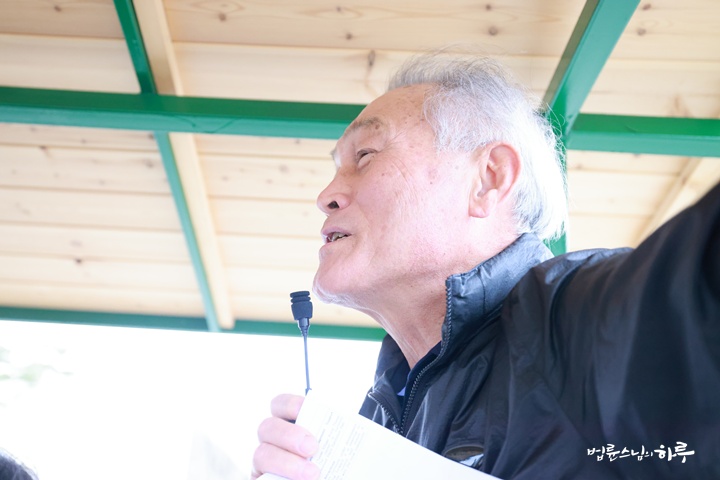
Guided by Lee Jin-ha, Chairman of the Imsil Cheese Village Operating Committee, they rode a cultivator around the village to tour various parts of the cheese village. Spring flowers were in full bloom around them.
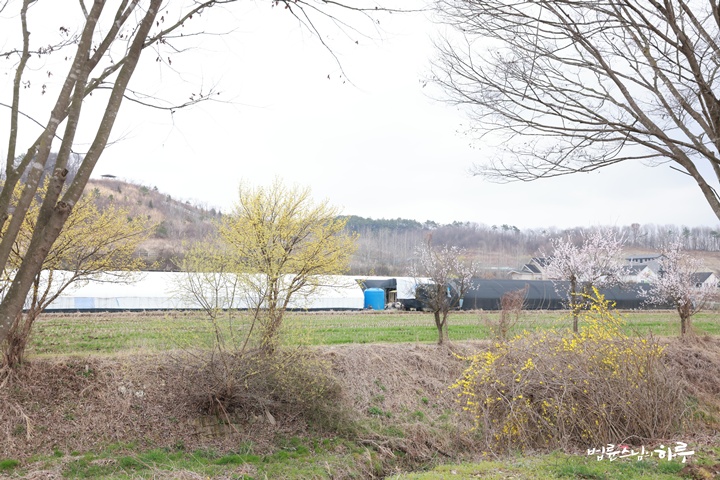
“Beautiful flowers have bloomed in full because beautiful people have visited.” The Bhutanese visitors smiled shyly at Chairman Lee Jin-ha’s words. He sincerely guided them through the businesses being operated while touring the village.
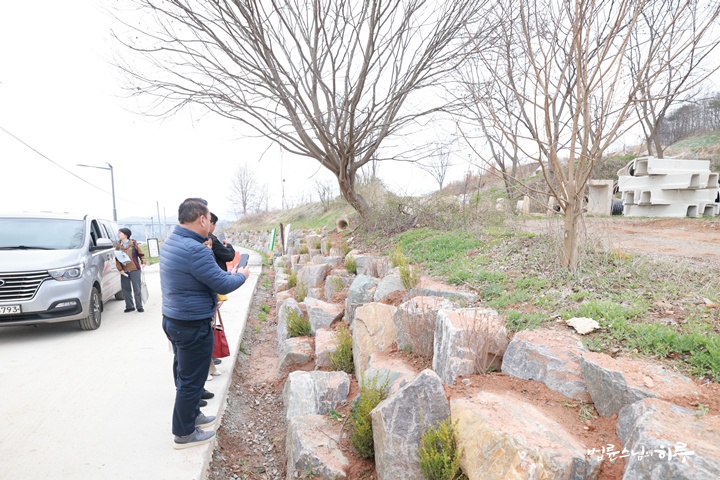
The Bhutanese visitors were very interested in the beautifully built stone retaining walls. Seeing the recently built retaining walls, everyone took photos and showed interest.
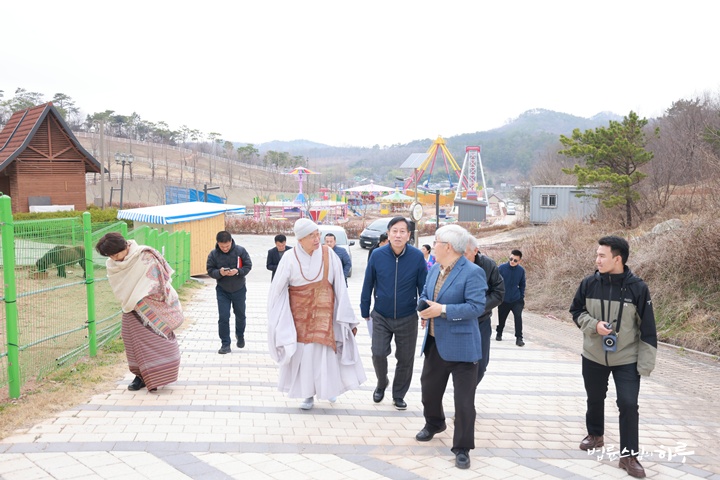
After touring the cheese village, everyone slowly walked up to the Imsil Cheese Theme Park.
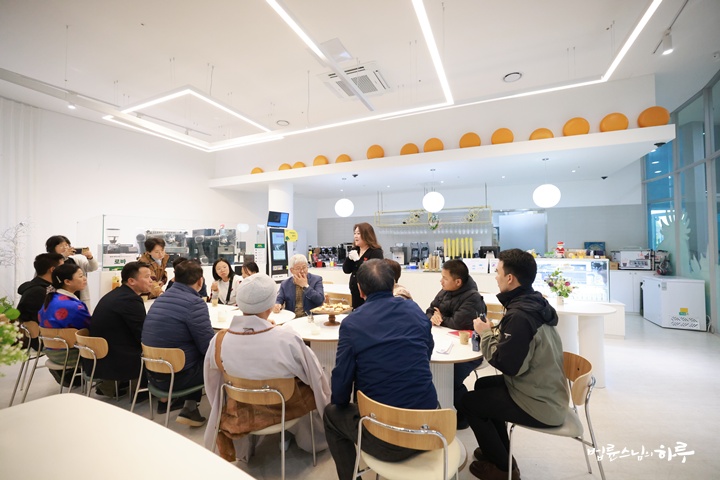
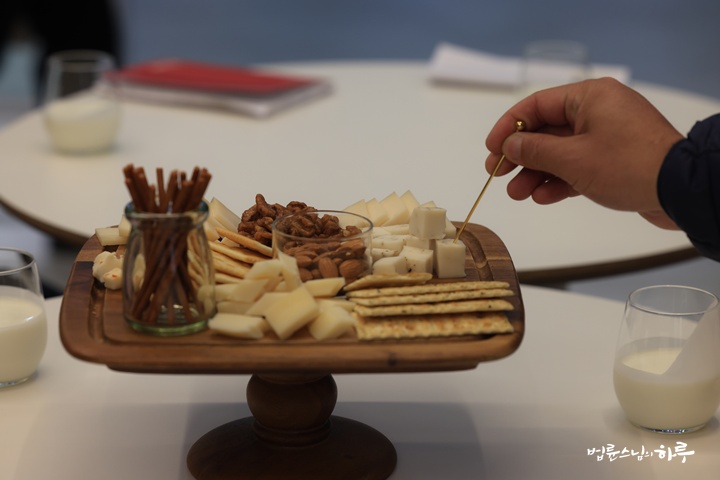
They toured the Cheese History Museum and tasted various types of cheese from Imsil Cheese Village and yogurt from the Imsil region.
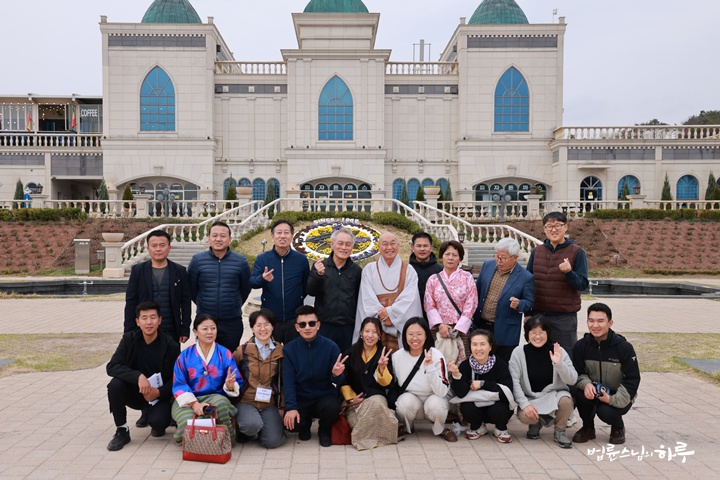
After taking a walk through the Imsil Cheese Village Theme Park, they moved to a restaurant for dinner. The accommodation for the Bhutanese visitors tonight is Silsangsa Temple in Sannae-myeon, Namwon City. Sunim suggested having an early dinner and moving, as arriving too late at the temple would be impolite. The dinner of grilled cheese was very hearty. After dinner, the Bhutanese visitors and JTS volunteers boarded vehicles and headed to Silsangsa Temple. Sunim decided to go up to Seoul as there would be a Nirvana Day ceremony tomorrow.
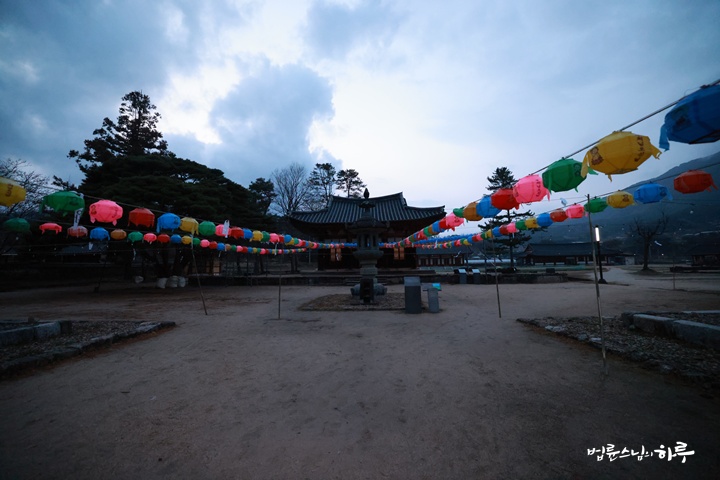
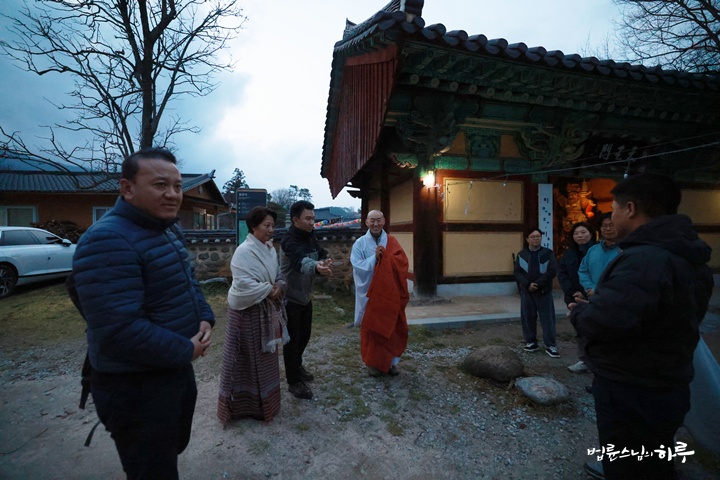
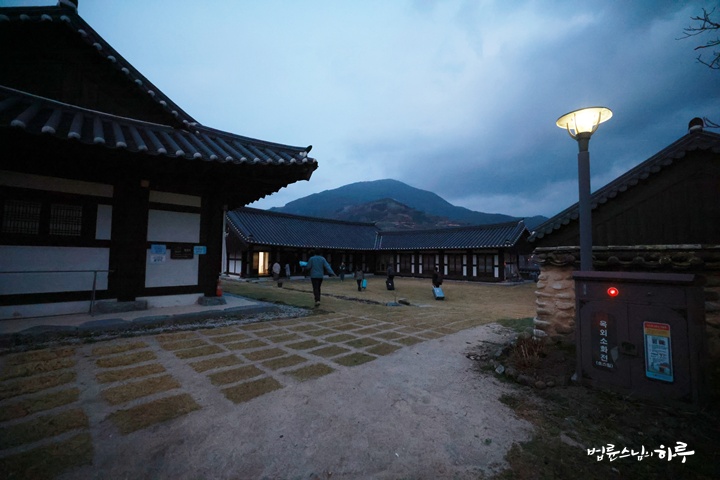
Tomorrow, the Bhutanese visitors plan to gather at 7 a.m., load their luggage, have breakfast, tour the Silsangsa village community, and then head to Gyeongju. At Bulguksa Temple in Gyeongju, the Bhutanese visitors are scheduled to meet with Sunim.
After escorting Professor Park Jin-do, who had provided guidance and lectures, to his home, Sunim arrived at Seoul Jungto Center and took a rest.
Since there was no Dharma talk today, this post concludes with a Dharma Q&A session from yesterday in Hongseong.
The Most Important Thing Is Not the Method but Letting Go of Thoughts
“From a layperson’s perspective, I understand that monks often meditate to achieve certain states of realization. I would also like to practice meditation little by little in my daily life. If there are methods that laypeople can easily practice, I would be grateful if you could share them. I’m also curious about the lotus position. Is it better to meditate in the lotus position? I’ve tried sitting in the lotus position for about an hour, and it didn’t seem bad. I would appreciate it if you could briefly explain the methodology.”
“You can find many methodologies on YouTube, so I recommend looking there. But is there just one method or many? There are many, of course. If I mention one method, you might say, ‘But another monk said this,’ or ‘That person said that,’ and eventually you’ll fall into making distinctions and judgments.For example, if a doctor tells a patient, ‘You lack exercise, so please do some exercise,’ and the patient asks, ‘What kind of exercise should I do?’ – if they ask a soccer player, they’ll say play soccer; if they ask a basketball player, they’ll say play basketball; if they ask a table tennis player, they’ll say play table tennis; if they ask a jogger, they’ll say go jogging. The important thing isn’t any specific method. Each person speaks according to their own circumstances and experience. For instance, if you ask a Tibetan monk about meditation methods, they’ll recommend Buddhist mantra practice; if you ask a Korean monk, they’ll suggest Seon meditation; if you ask a Myanmar monk, they’ll recommend Vipassana. I don’t think the method itself is particularly important. It’s like exercise – it’s not about what kind of exercise you do, but rather doing exercise that suits your physical condition. Do whatever feels right for you. Depending on the situation, I practice walking meditation, sitting meditation, Vipassana, and sometimes mantra recitation. When I’m in Tibet, I do mantra practice; when I’m in Theravada countries, I practice Vipassana; in Korea, I do Seon meditation; and where they chant, I chant. I simply practice naturally according to the given conditions. The key isn’t the method but ‘letting go of thoughts.’ Since all suffering arises from thoughts, we must let go of those thoughts. When you close your eyes, you can’t tell whether you’re in Korea or Bhutan. You can’t even tell if it’s day or night. In other words, you transcend time and space. The moment you let go of thoughts, time and space themselves disappear. That’s why what’s important is the place where thoughts cease. A hwadu is the place before thoughts arise, and in Vipassana, when they say ‘just be aware of the breath,’ it ultimately means to stop thinking and maintain awareness with just the feeling. But can thoughts completely stop? They don’t stop easily. So even when thoughts arise, since the goal is not to generate thoughts, you shouldn’t attach any meaning to them. For example, when a thought of your mother arises, if you don’t attach meaning to it, it simply arises and disappears. But we tend to recall having tea with our mother, and then one thought leads to another in a chain. This is what we call afflictions. So in many cases, rather than meditating, we’re just sitting and thinking various thoughts. The essence of Vipassana or Seon meditation is to let go of thoughts and just be aware. On the other hand, most meditation involves gathering or managing thoughts. Ultimately, what’s important isn’t the method but not attaching meaning to thoughts. If you’re aware of breathing, just be aware; if you’re eating, just eat; if you’re contemplating a hwadu, just contemplate. That state of ‘just that and nothing more’ is what we can call meditation.”
“Yes, I understand well.”