Is the Middle Way Just Whatever You Want It to Be?
Mar 17, 2026. Picking Spring Herbs, Clinic Visit, Tending the Garden
Hello. Today, Sunim spent the day picking spring herbs, visiting a local clinic, and tending the garden.
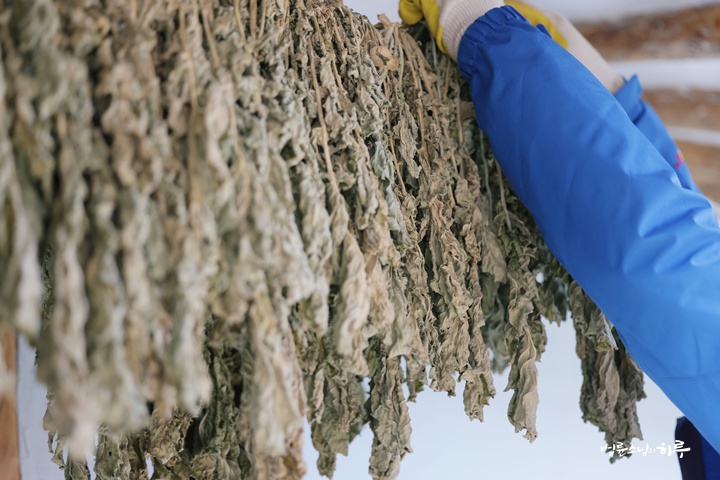
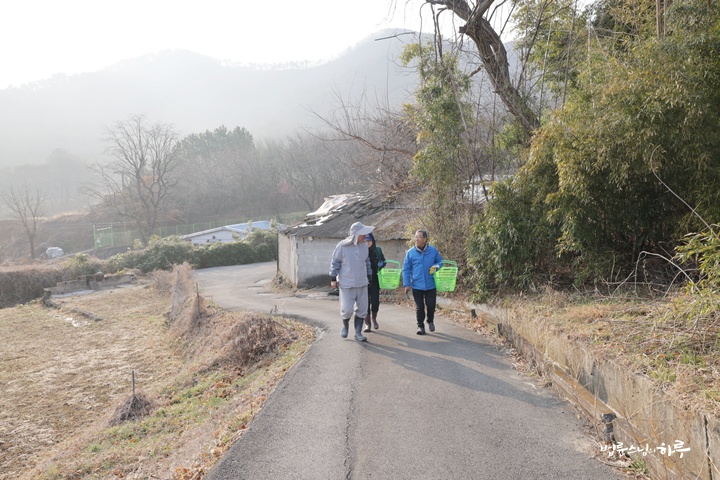
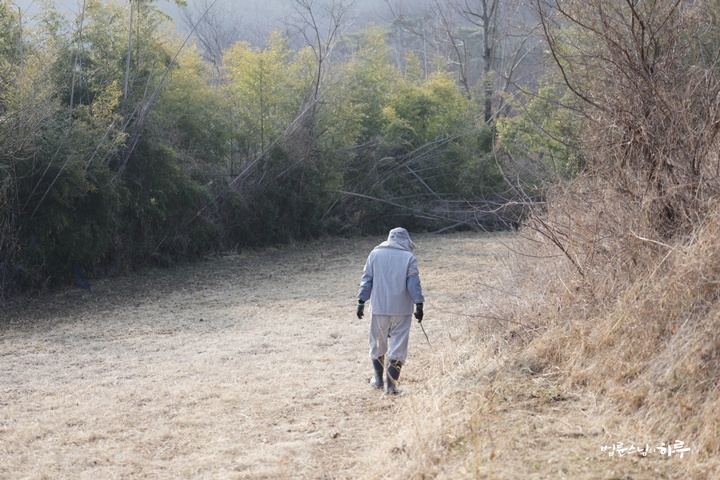
After morning practice and meditation, Sunim had breakfast and began picking spring herbs at 8 AM. The previous evening, he had surveyed Dubuk Farm (두북 농장) and the village to check what spring herbs were available and how much they had grown. Sunim changed into work clothes, gathered simple tools, and headed to where the daylilies (원추리) were growing.
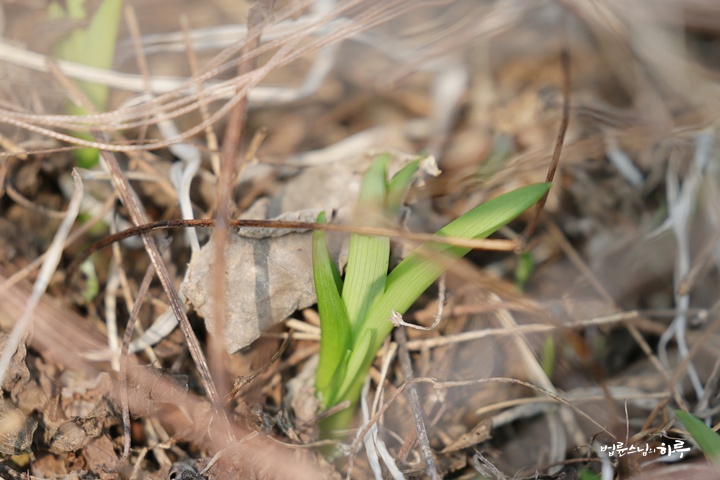
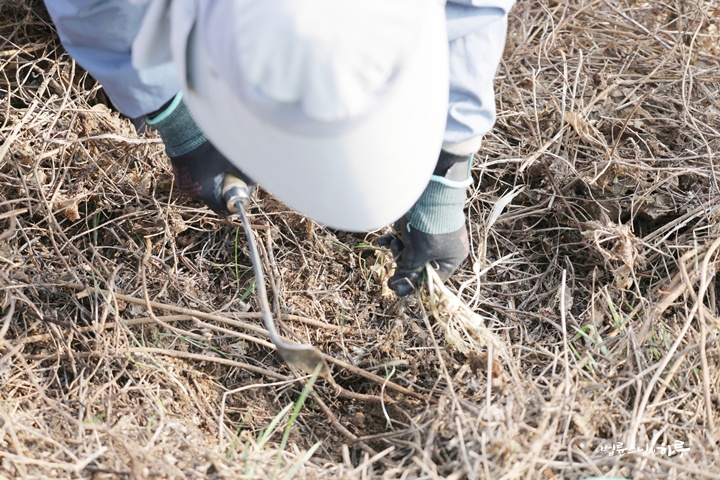
After removing the dry straw, light green daylilies became visible. Sunim bent down and cut the daylilies.
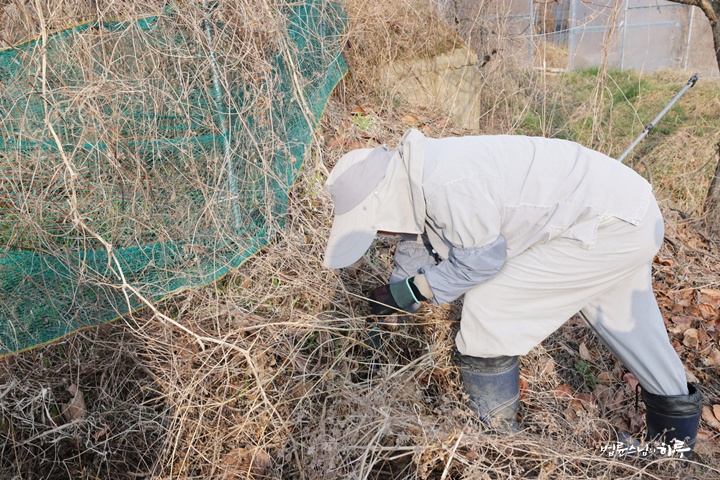
Sunim explained the precautions to take when picking spring herbs. The daylilies on the sunny side were larger than those on the shady side.
Moving to another location, wild chives (달래) were hiding under the straw this time.
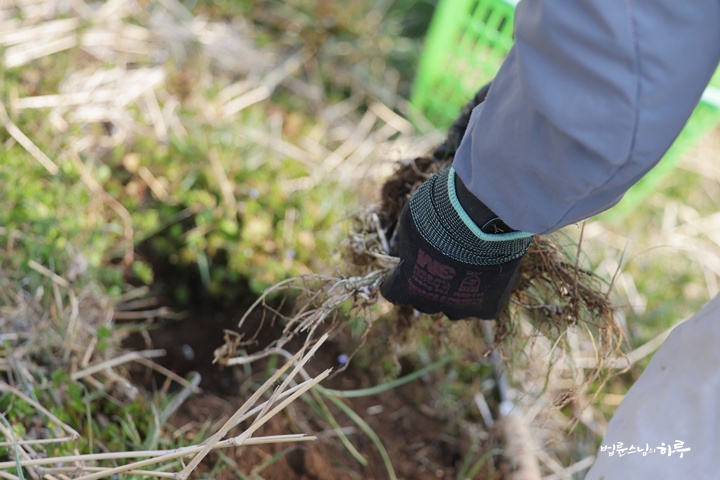
“Sunim, how do you find them so well?”
“When you live in the countryside, you need to know where everything is. If you know where to find daylilies, where to find wild chives, and where to find mugwort (쑥), you can have a feast just by picking herbs in spring.”After gathering daylilies and wild chive, they decided to return to the yard with the lettuce garden to clean them.
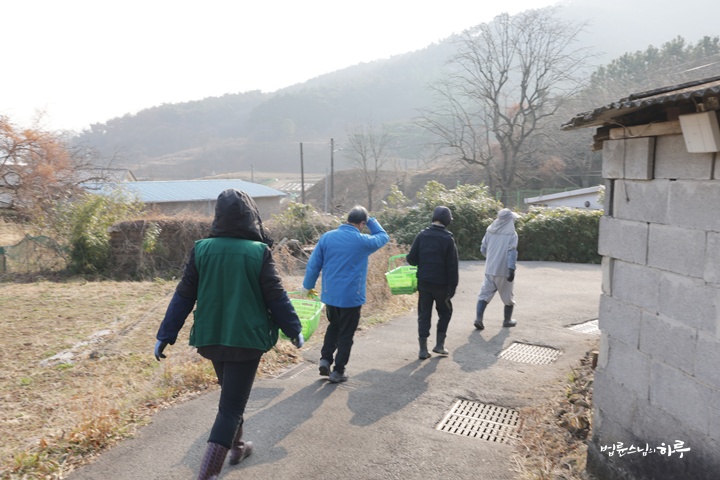
On the way back, in a corner of the village among dense bamboo, there was something that looked like scrap material. Sunim stopped walking.
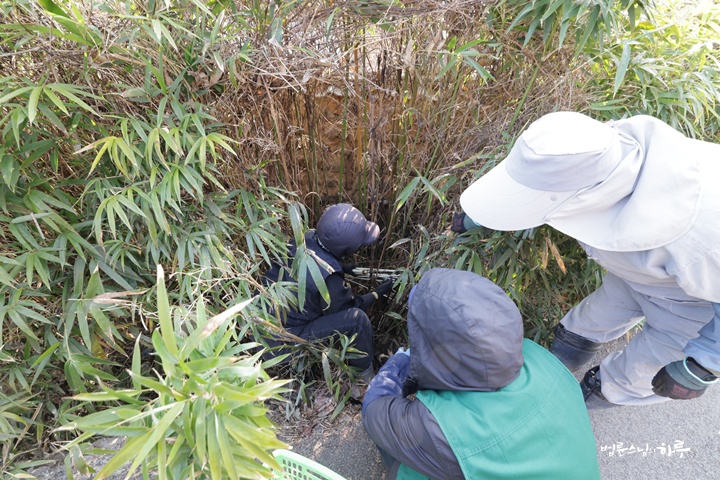
A long white object had been discarded. He checked to see if it was metal equipment that could be reused for farming. It wasn’t metal equipment suitable for agricultural reuse.
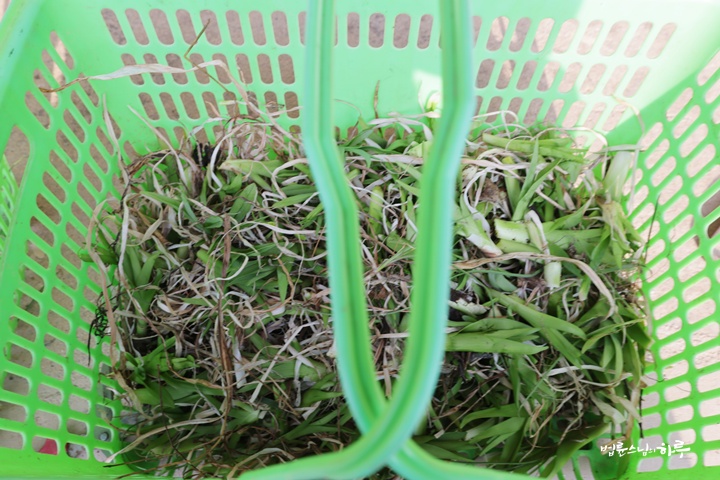
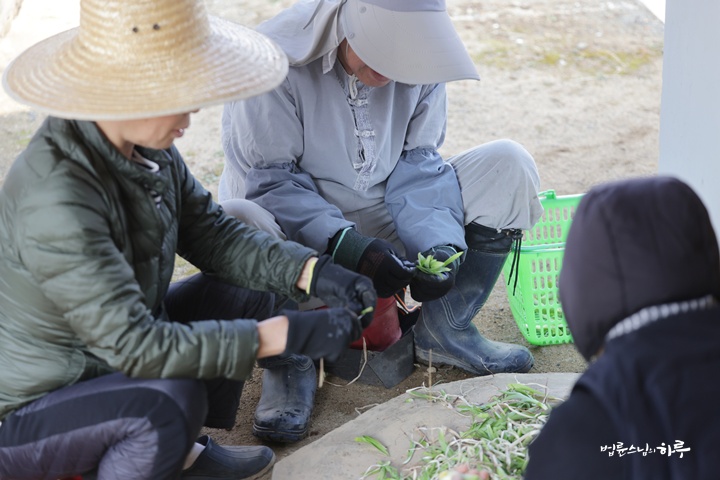
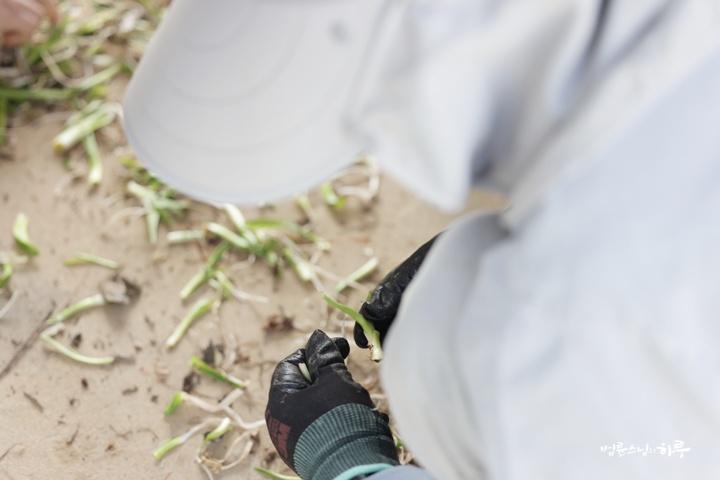
Back in the yard, he cleaned the daylilies and wild chives picked in the morning. He removed yellow leaves and shook off the dirt. There was enough for one meal.
After finishing cleaning the herbs, the next task was transplanting lettuce seedlings to the garden. He covered the empty garden bed with plastic sheeting and watered it thoroughly before transplanting the lettuce.
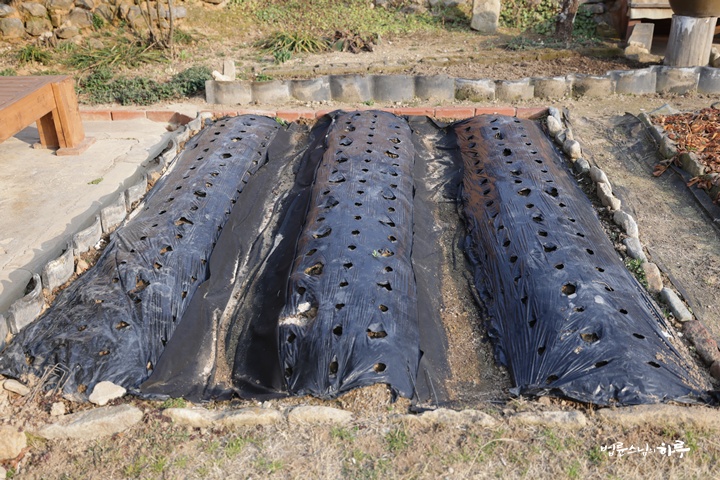
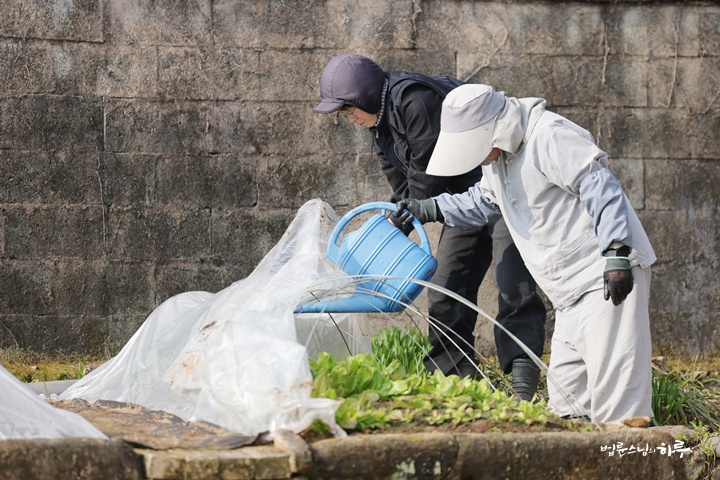
When he was about to plant the lettuce, the sun was strong. If lettuce is transplanted in such conditions, the young seedlings could burn, so Sunim decided to transplant them in the evening when the sun was weaker. Since rain was forecast for the next morning, they decided to plant the lettuce seedlings later in the afternoon. After watering the lettuce bed thoroughly, he finished the morning work.
After finishing the morning work, Sunim went to a doctor’s appointment.
After returning, Sunim took a brief rest, then changed into work clothes in the late afternoon and began transplanting lettuce seedlings.
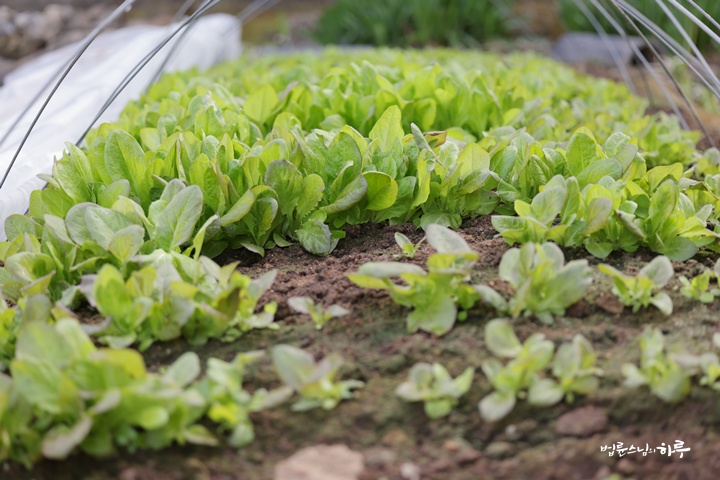
Before going abroad last winter, Sunim had sown lettuce and coriander seeds in the garden and covered them with plastic. After returning from two months abroad, the garden under the plastic was densely filled with light green lettuce.
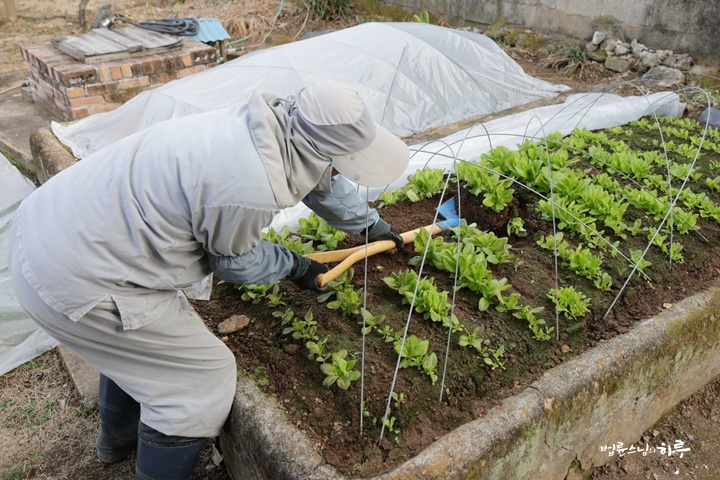
Sunim dug up appropriately grown lettuce seedlings with a shovel. He planned to transplant some to the yard garden and give some to the farming team leader so the Dubuk community (두북 공동체) members could grow and eat them. Sunim said that seedlings grown in the garden over winter grow quickly when transplanted in spring. He also mentioned that if you grow seedlings under low plastic covering in a greenhouse and manage them well, you can eat salad vegetables throughout the winter.
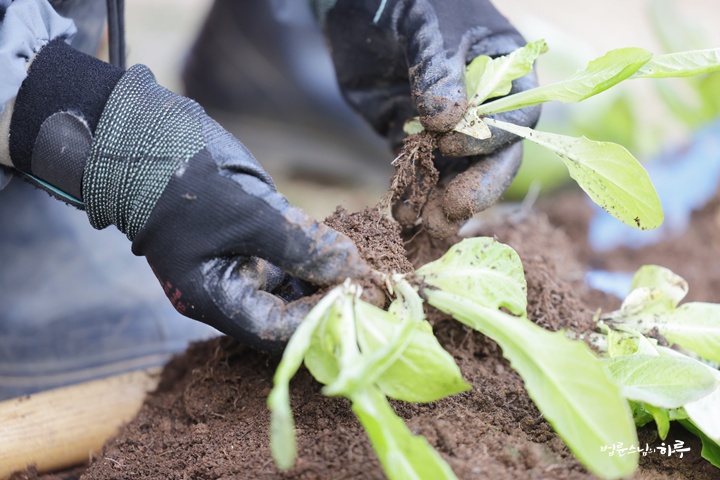
Sunim carefully separated the lettuce from the clumps of soil dug up with the shovel, one by one, being careful not to damage the roots.
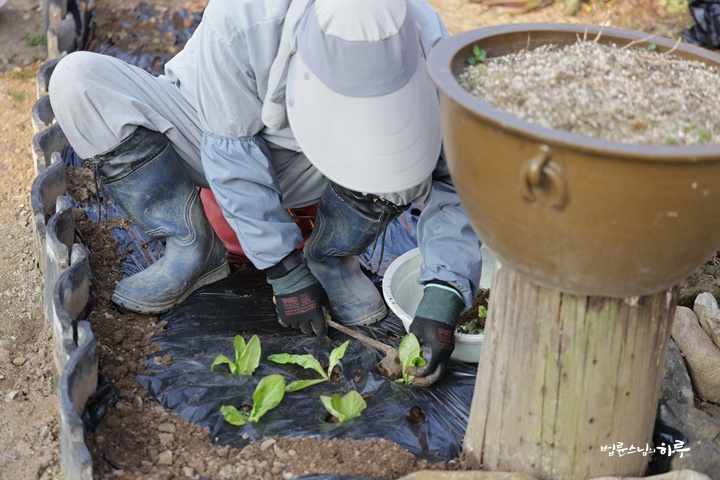
He collected only those suitable for planting as seedlings and transplanted them to another garden bed. Lettuce that had grown too large to be used as seedlings was set aside for use as food ingredients.
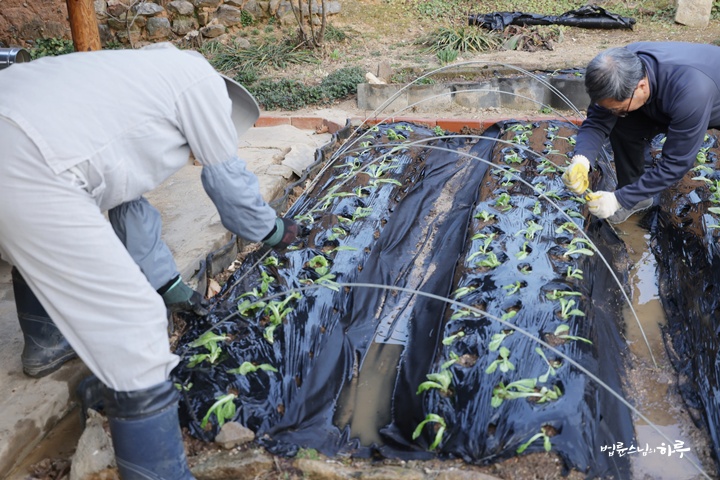
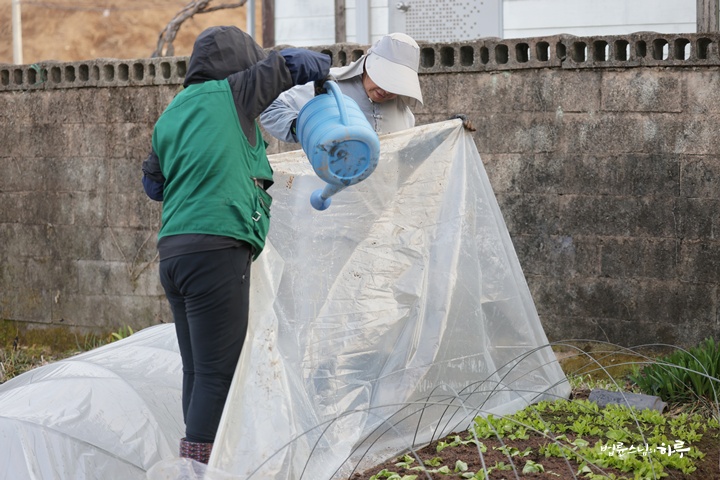
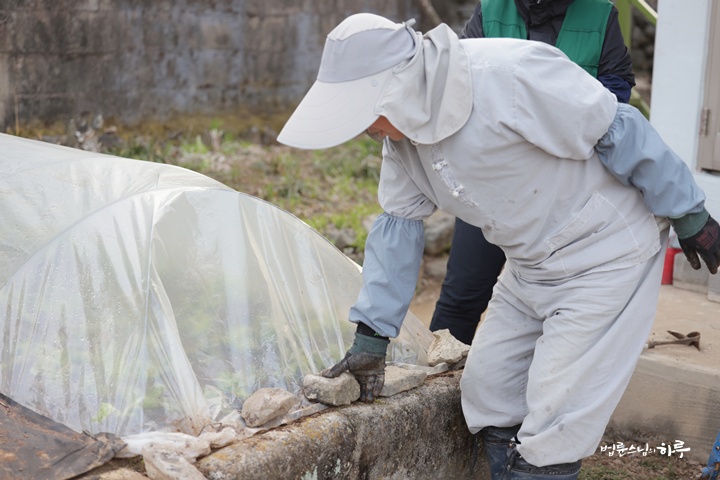
To help the transplanted young lettuce take root well, he made hoops with long wires and covered them with fabric. This was to prevent the lettuce from burning in the midday sun for several days. The four empty furrows were now full of lettuce seedlings. He also covered the entrance well with wooden logs to prevent the fabric from blowing away.
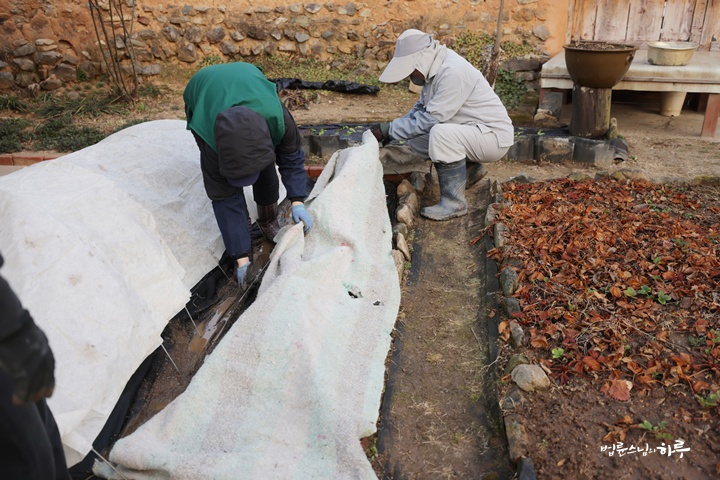
He leveled the hollowed-out soil where the lettuce seedlings had been removed and replanted young lettuce seedlings. After watering thoroughly, he covered them with plastic again.
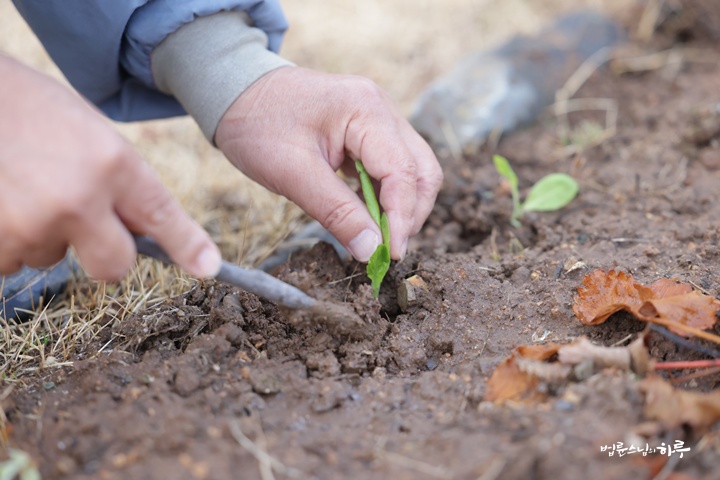
Just as he was about to finish the lettuce transplanting work, Sunim discovered young lettuce seedlings abandoned at the edge of the strawberry patch. A practitioner who had worked with him had gathered them in one place because they were too small to plant as seedlings. Sunim dug the ground with a small wooden stick and planted the abandoned young lettuce seedlings one by one.
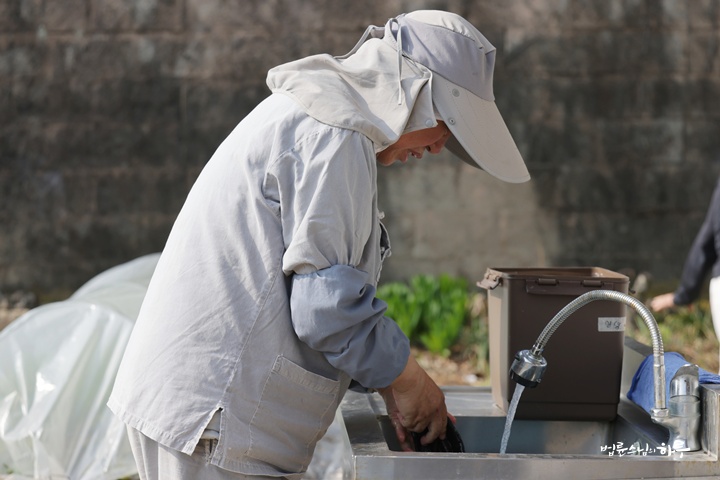
After finishing all the lettuce transplanting, he organized the work tools and completed the afternoon work.
Sunim took a rest and finished his daily activities.
Tomorrow, he will attend the morning Weekly Dharma Assembly (수행법회), hold the spring farming launch ceremony at Dubuk Farm, and then go to a doctor’s appointment
Since there was no Dharma talk today, this post concludes with a Dharma Q&A session from the Special Division Members’ Day held at Jungto Social and Cultural Center (정토 사회문화회관) on March 15th.
Is the Middle Way Just Whatever You Want It to Be?
“My mother is a Buddhist, so I naturally came to encounter Buddhism. The Buddhism I encountered as a child taught that ‘everything is relative, therefore nothing is fixed.’ But recently I’ve been wondering if the ‘Middle Way’ really exists and what it is. When I asked a monk at a local temple, ‘Isn’t the Middle Way just something monks made up so they could drink alcohol and eat meat?’ he hit me. (Audience laughs)”
“To understand the concept of the Middle Way (중도 : 中道), let’s first look at the philosophical situation in Indian society during Buddha’s time. During Buddha’s lifetime, there were two major philosophical and ideological currents in India. One was Brahmanism, the mainstream religion at the time. The core of this philosophy was that Brahman, the absolute god, manifests and enters into individual souls and everywhere in this world. So they believed that if we wished for something, god would make it happen. This logic had continued for hundreds of years, but Indian society at the time had severe survival of the fittest and wealth gaps, and many people even died unjustly. If god knows everything according to Brahmanic logic, these things happening in Indian society should be explained, but they couldn’t be. So many new theories emerged opposing the mainstream ideology. These new thinkers who appeared were called śramaṇa (श्रमण, [ʃrɐmɐɳɐ]), or samana(사문, 沙門) in Korean. They believed there was no absolute being creating the universe, but rather that various small elements gathered together to form the self and the world. So philosophically, Brahmanism is called the transformation theory because everything comes from god, while the samana path is called the accumulation theory because the world is formed by various elements gathering and accumulating. The accumulation theory is philosophically materialistic and takes a view that denies an absolute god. From a practice perspective, Brahmanism belongs to hedonism while the samana path belongs to asceticism. The difference between them was as great as between communism and capitalism. Buddha was born into royalty and learned mainstream ideology as a child, but seeing the miserable conditions of people living outside the palace, he felt contradictions about Brahmanism and sympathized with the newly emerging non-mainstream philosophy, becoming a wandering samana. To attain enlightenment, he tried both practice methods. Through actual practice, he came to know the strengths and weaknesses of each. After attaining enlightenment this way, what Buddha first taught was the Middle Way. The Middle Way doesn’t mean the middle between this and that. Since both this and that have contradictions, the Middle Way is a third path that transcends both this and that. For example, if you ask for directions to Seoul (서울), one person says go east, another says go west. That doesn’t mean you go north, which is between east and west, right? The way to Seoul isn’t fixed as east or west. It could be east, west, or even north depending on where you are. So this means there’s variability depending on the situation and conditions. But it doesn’t mean go anywhere randomly. Once your position is determined, Seoul could be north, east, or west from your position. The Middle Way means it’s not fixed as ‘Seoul is east’ or ‘Seoul is west’.The Middle Way is the Most Correct and Accurate Path
Returning to the main point, the purpose of our practice is liberation. Liberation means a state without suffering. The most correct and accurate path to liberation is the Middle Way. But because it uses the character for middle (중 : 中), it’s often misunderstood as meaning the middle. If you look up the character for middle (中) in the dictionary, it has many meanings explained, and the thirteenth meaning is ‘hitting the target.’ It says it means hitting the center. Hitting the target means an arrow flying and hitting exactly the center of the target. According to this meaning, the Middle Way is the path where the arrow flies and hits the center of the target. It means the most correct path. That’s why it’s called the Middle Way, and also called the Right Way. When speaking of the eight correct paths for practice to attain enlightenment, ‘speak correctly’ is called Right Speech (정어 : 正語). The Eightfold Path (팔정도 : 八正道) explains the Middle Way divided into eight parts. Now you need to experience the Middle Way yourself. The Middle Way, the most correct path for attaining enlightenment, differs depending on where you are or what situation you’re in. For example, when your shoulder hurts, some people need bone setting, some need stretching, and some need acupuncture to heal. The Middle Way is what heals according to how your shoulder hurts. The treatment method that matches the cause of pain is the Middle Way. In China, they also say it’s neither excessive nor lacking. You can’t definitively say it’s this or that. But if you misinterpret the Middle Way like the questioner, you understand it your own way thinking ‘it can mean whatever I want it to mean’ so you wonder if monks just made it up. You can’t determine whether drinking alcohol is the right path or not drinking is the right path. If you drink and get drunk, that wouldn’t be the right path, would it? But have you seen people add makgeolli when making herbal medicine to help the medicinal ingredients steep well? Have you seen people add a little soju when cooking? When used in medicine or food like this, it’s not alcohol but a medicinal ingredient or food ingredient. So you can’t determine whether you can drink alcohol or not. It’s because depending on when and for what purpose it’s used, it can be either medicine or poison. In the world, people conclude ‘This is medicine’ or ‘That is poison.’ But actually, substances have neither medicinal nor poisonous properties. They’re just called medicine when they act medicinally, and called poison when they act poisonously. Therefore, the Middle Way becomes emptiness (공 : 空).”“Sunim, your words are too difficult. I think I don’t properly understand Buddhism. That’s why I applied for Jungto Sutra Course this time.”
“Well done. To truly understand, you need to study. However, due to its nature, ‘the Middle Way’ is difficult to grasp through knowledge alone. Let’s take tightrope walking, a traditional Korean performance, as an example. Imagine teaching a tightrope walker who crosses a rope with just a fan in hand. You would say, ‘Don’t fall to this side, don’t fall to that side, keep your balance and go straight.’ The words are simple. But when you actually get on the rope and try it, does it work well? It doesn’t. Does that mean it’s impossible? Not at all. It just requires a lot of practice. Through countless practice sessions, you must physically learn how to maintain your center while swaying. This is precisely the Middle Way.
The Right Path Varies According to Circumstances: The Middle Way
The Middle Way means hitting the mark, or the right path. While it seems simple, that right path differs according to circumstances. In Buddhism, we call these circumstances ’causes and conditions (인연).’ It means we must always maintain our center according to causes and conditions. For example, there’s no fixed rule that says ‘a husband must come home early’ or ‘he can come home late.’ When people talk to me, some wives complain that their husbands come home late every day, while others say they can’t stand it when their husbands come straight home right after work. They wonder, ‘Doesn’t this man have any friends? I wish he would go out for drinks and socialize before coming home.’ When the husband is always at home, the wife feels she can’t move freely either. Thus, human suffering varies according to circumstances. Finding the exact right approach for each case—that is the Middle Way.”“So does that mean nothing is fixed?”
“Just because nothing is fixed doesn’t mean ‘there’s no method at all.’ When we say nothing is fixed, it means ‘it’s determined differently according to causes and conditions.’ When circumstances are given, there is definitely a right method for those circumstances. To use an analogy, we cannot predetermine whether a person should put on or take off clothes. However, when entering a bathhouse, you must take off your clothes, and when going outside, you must put them on.”“Wouldn’t that make the method too vague, potentially leading to personal bias or inability to escape from obstinacy?”
“Of course, someone might apply it backwards—undressing outside and wearing clothes in the bathhouse. But it becomes even more problematic if we fix it to one side, saying ‘you must always wear clothes’ or ‘you must always be undressed.’ You can’t enter the bedroom in formal attire just because you need to act like a gentleman, right? Insisting on one principle without considering circumstances is what we call an ‘extreme.'”“Sunim, I still don’t quite understand.”
“The reason it feels unclear is because your thinking is rigid. In fact, the principles of nature are not difficult at all. It’s like asking, ‘Should I close my hand or open it?’ When picking up an object, you close your hand; when releasing it, you open your hand. The freedom to close when you need to close and open when you need to open—that is the Middle Way. If you say ‘hands must always be closed,’ you have the disability of not being able to open them. If you say ‘they must always be open,’ you have the disability of not being able to grasp. Closing and opening according to causes and conditions, wearing and removing clothes according to the weather—these are not difficult things at all.The Middle Way Is Naturalness Based on Reality
Our relationships work the same way. When I meet my mother, I become a daughter; when I meet my child, I become a mother. When I meet my husband, I become a wife; when I go to school, I take on a parental role. My role changes according to causes and conditions—this is reality. I’m not fixed as ‘I am an office worker’ or ‘I am a husband.’ I’m simply called that temporarily within those relationships. If a married person claims ‘It’s my freedom to date other people’ as if they were single, that’s an extreme that deviates from causes and conditions. Conversely, confining oneself by saying ‘I was married once, so I can’t meet anyone else’ even after being widowed or divorced when that relationship has ended is also an extreme. Living alone because you want to is freedom, but there’s no reason it must be that way. When causes and conditions bring you together as a couple, you observe the etiquette of marriage; when the relationship ends, you become single again. This is a much more natural way of life. The Middle Way can be said to be naturalness based on reality. Some people exploit the Middle Way for their own convenience. They might undress outside or enter a bathhouse fully clothed, claiming ‘This is my freedom.’ If such people seem to you to be misusing the Middle Way, I fully understand your feeling. But doing whatever is convenient for oneself is not the Middle Way. They’re merely claiming it’s the Middle Way while walking a path that doesn’t match their causes and conditions.”“Thank you, Sunim.”