Let’s Create the Future of Our Village Together
February 12, 2026. India JTS Board Meeting, Dialogue with Village Leaders, Preschool Teachers, and Indian Staff
Hello. Today, the India JTS board meeting and general assembly were held at Sujata Academy, and in the afternoon, Sunim had conversations with village leaders, preschool teachers, and Indian staff members.
After completing the morning practice and meditation, Sunim spent the morning proofreading manuscripts and handling administrative work in preparation for the board meeting. At 9:30 AM, Venerable Priyapal, the chairman of India JTS, arrived at the school. Sunim discussed the agenda items for the board meeting and general assembly with Venerable Priyapal in the office.
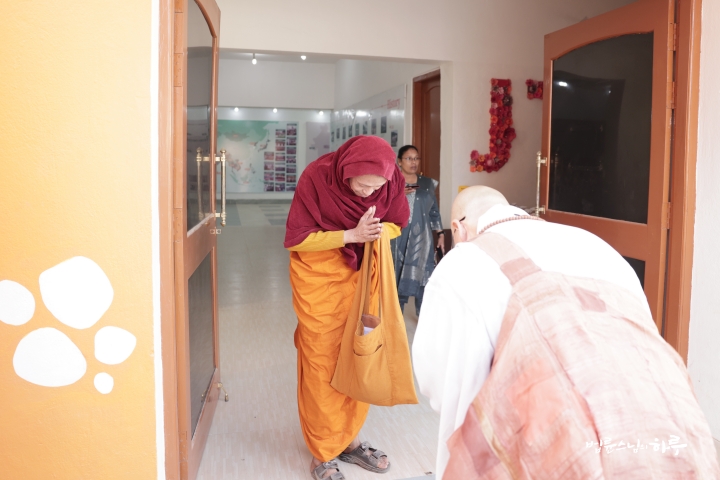
At 10:00 AM, Sunim moved to the classroom where the board meeting would be held, accompanied by Venerable Priyapal. With all JTS Indian staff members and board members present, the board meeting began with reports on the past year’s projects.
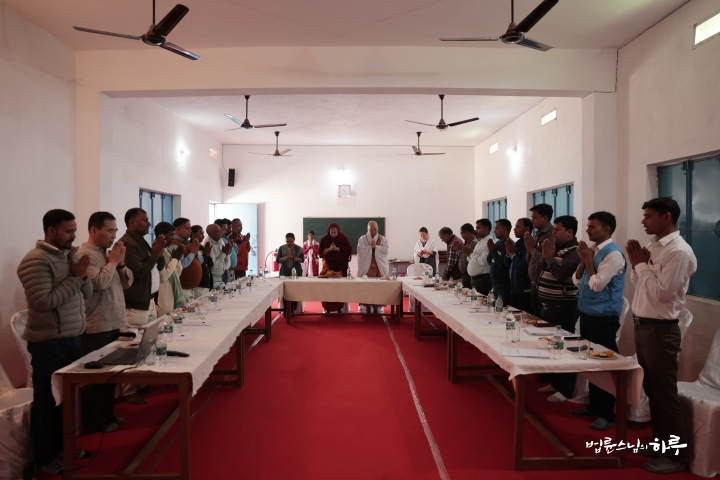
Ajay, in charge of Sujata Academy, Banjai, in charge of Jivaka Hospital, Sambu, in charge of village development, and Pawan, in charge of the construction technology department, presented their 2025 operational achievements and 2026 business plans in turn.
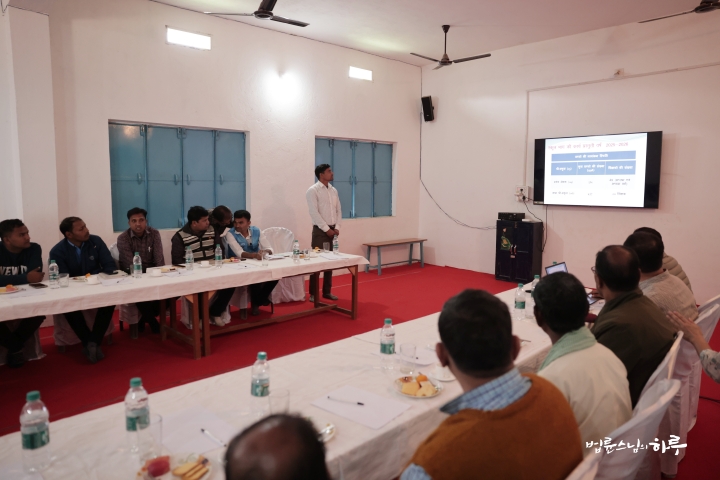
At Sujata Academy, a total of 998 children are registered and receiving education across 15 preschools. Of these, 9 preschools operate on a volunteer basis with senior Sujata Academy students dispatched as teachers, while 6 preschools are run by village residents. A total of 20 teachers have been assigned to all preschools. In the elementary and middle school programs, 617 students are currently enrolled. Students received support including uniforms, bags, shoes, and stationery, and teachers held regular training sessions and meetings every Saturday.
Special education programs included computer classes for grades 5-8 and online English classes in collaboration with overseas volunteers. The school particularly excelled in taekwondo (태권도), with 12 students participating in regional competitions and winning 5 gold medals, 4 silver medals, and 3 bronze medals. Additionally, 29 students took the Olympiad external examination, and various programs were conducted including tree planting activities for environmental protection.
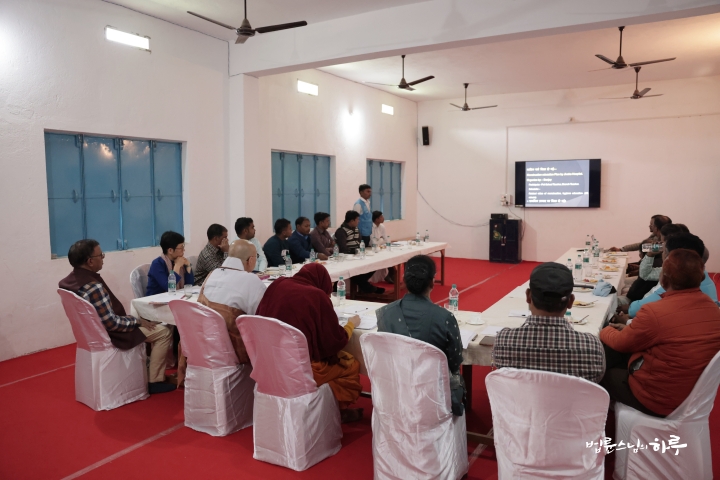
In the healthcare sector, a total of 10,639 patients were treated over the past year. Mobile clinics operated 77 times annually, treating 4,247 patients. Nine tuberculosis patients receive weekly nutritional supplements including flour, lentils, and vitamins. Through the maternal and child health program, 98 newborns from 14 villages were registered and managed, with clothing support provided. Blood type testing, health checkups, hygiene education, and first aid training were conducted for 482 students.
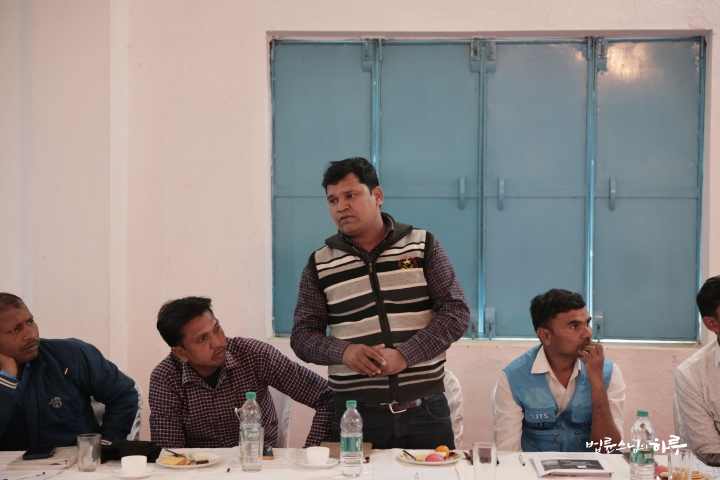
In village development, waste collection centers were established in each village, with village cleaning campaigns conducted three times a year, collecting over 7,000 bags of dry waste. For environmental protection, a total of 600 trees were planted, including mango, amla, guava, and mahogany. A sewing training program for women’s income generation was operated, with 27 participants completing the first session and 30 registered for the second session. For water supply projects, hand pumps in 15 villages were inspected and over 100 were repaired.
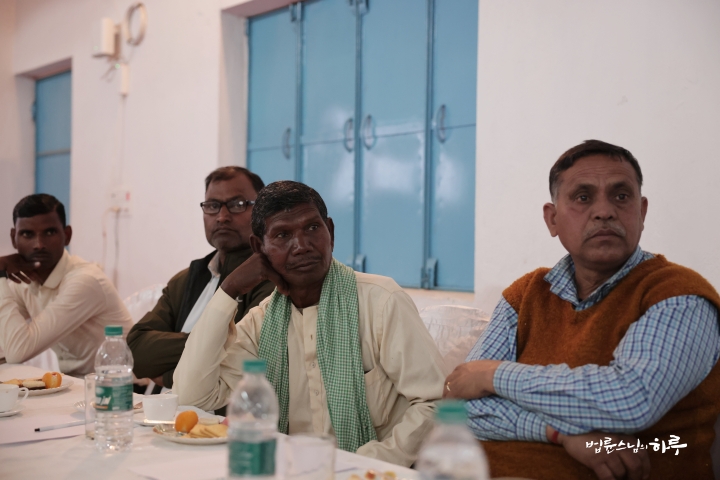
For extremely poor families, 3 new houses were constructed, and cement roofing materials and waterproof sheets were distributed in preparation for the rainy season. Rice, lentils, cooking oil, and salt were provided to approximately 60 households four times throughout the year.
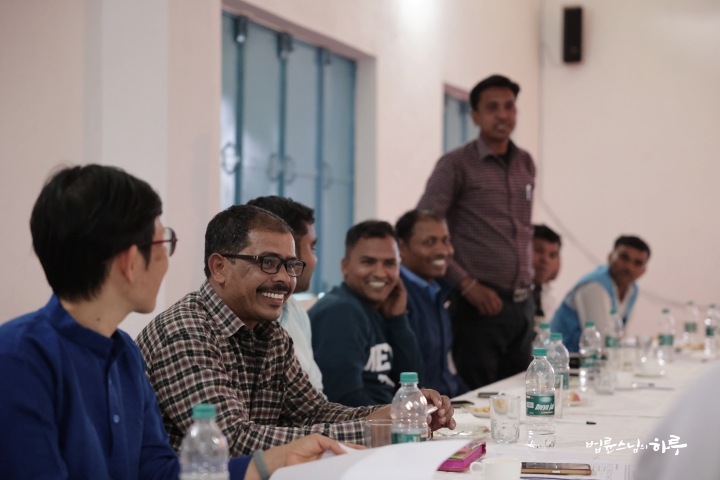
The construction technology department completed painting work on the school main building, dormitory, JTS center, and student public water facilities, and finished painting two preschools located in Antubigha and Amarpur. For online class operations, 10 tables were manufactured for the computer room and electricity was connected. Doors, windows, desks, and chairs in all classrooms and bathrooms at Sujata Academy were repaired. The deteriorated metal roof at Mangkoshil preschool was replaced, and the classroom roof at Kanahol branch school was repaired. The dormitory front was remodeled, and water pipes damaged by monkeys were repaired, maintaining facilities throughout the school and JTS center.
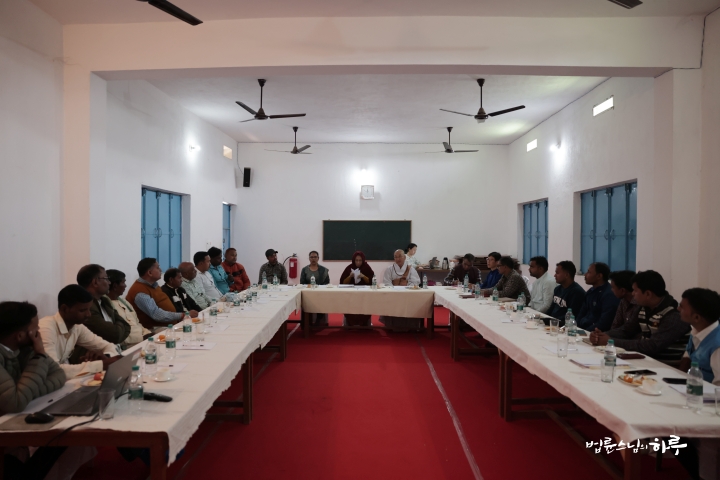
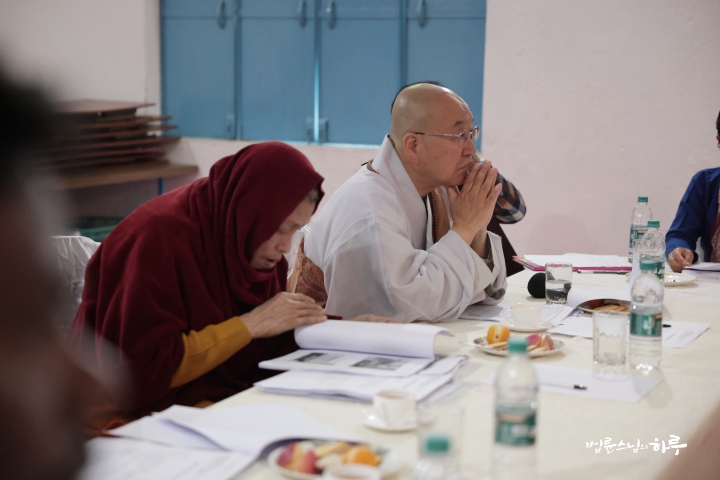
Before they knew it, an hour and a half had passed while listening to each department’s presentation. Sunim and Venerable Priyapal encouraged the staff for their hard work throughout the year and asked several questions about their activities.
Following the board meeting, Sunim conducted the JTS general assembly. The main agenda item was changes to the board membership. Sunim explained the background.
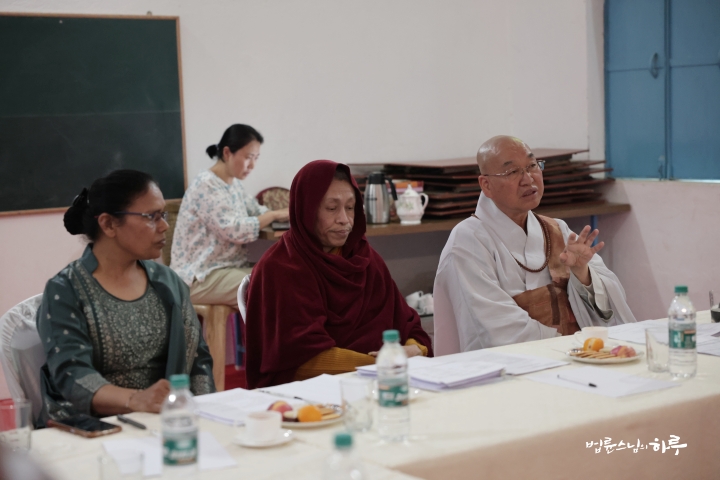
Sunim recommended Vinay, who was active in the early days of India JTS, and Amitabh, a Sujata Academy graduate who has been actively helping with JTS’s external and administrative work, as new board members. With unanimous consent from all general assembly attendees, the two became new board members.
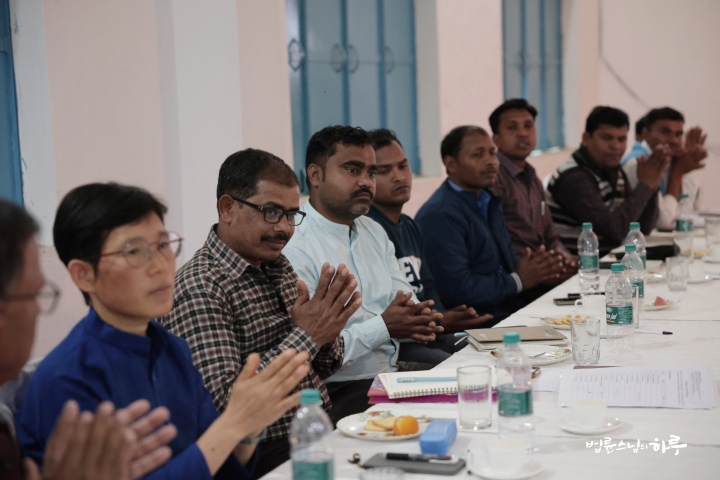
Concluding the general assembly, Sunim spoke about the future direction of village development and remaining challenges in school operations.
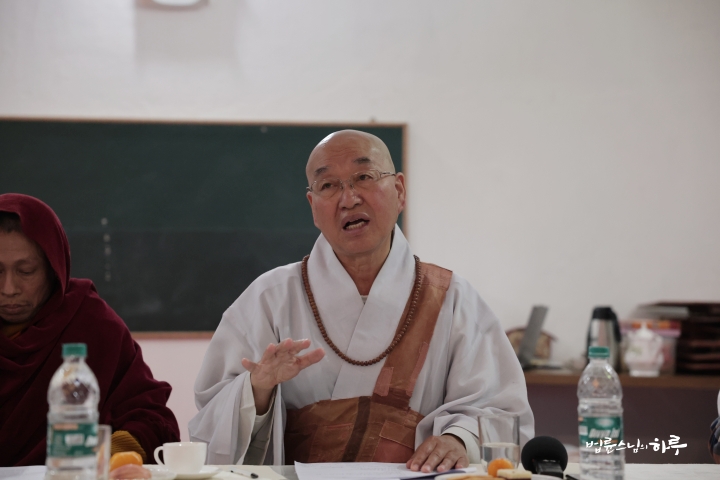
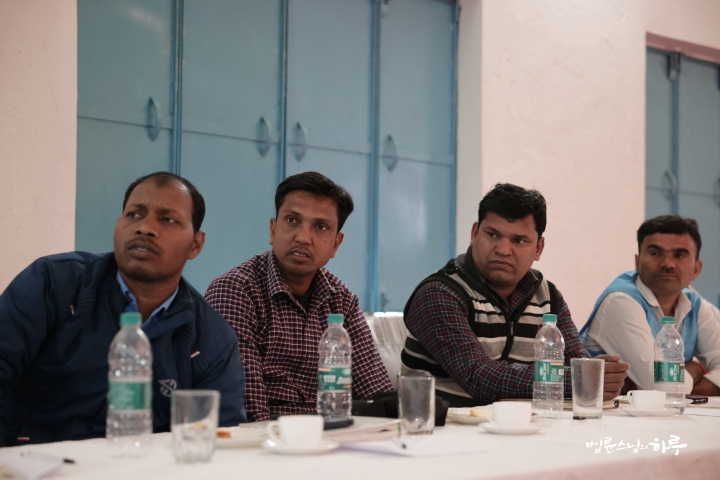
From Literacy to Village Development: The Next Challenge for Dungeshwari
Among the village development projects, there is the issue of building houses for those without homes. This requires not only material support but also drawing out cooperation from villagers from the perspective of the ‘common good.’ We are experimenting with a method where JTS provides materials when villagers promise to work together to build houses for their poor neighbors. However, since building houses benefits individuals, it’s not easy to gain cooperation from the villagers. In Bhutan, villagers unite and do this kind of work very well. Another issue is that residents have started using a lot of water since water taps were installed, but they just dump it on the streets. This mixes with cow dung, rainwater, and sewage, making the entire village muddy. In the past, they used water sparingly by carrying it in buckets, but now with running water, there’s much more wastewater. So it seems we need to do sewage work and road paving in each village. This should also be done with JTS providing materials and residents participating in the labor. We’re trying to start a movement of ‘Let’s develop our village with our own hands.’ We’ll see if we can do things like building houses, creating sewage systems and roads. Tomorrow, I’ll inspect the entire village directly to check on this. This afternoon, village leaders will come, so we’ll discuss it together. The Dungeshwari area is where the Buddha practiced asceticism for six years, and it’s a globally known sacred site. However, living conditions are extremely poor. Let’s work together so that even if we remain poor, we can create an image of living cleanly.”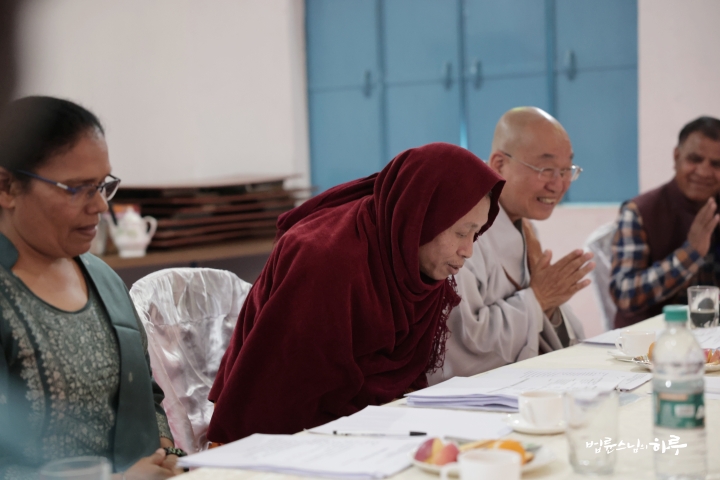
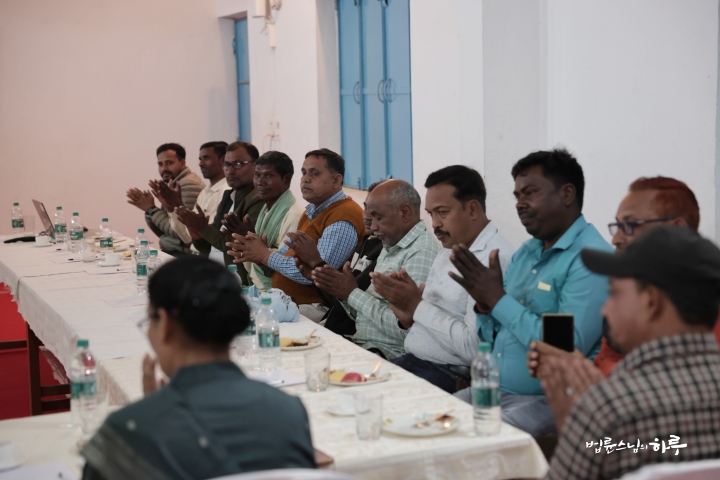
The general meeting finally concluded at 1 PM, and a commemorative photo was taken.
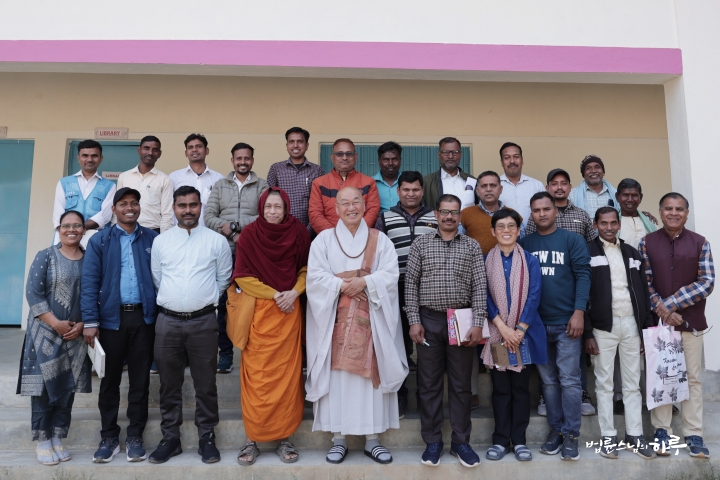
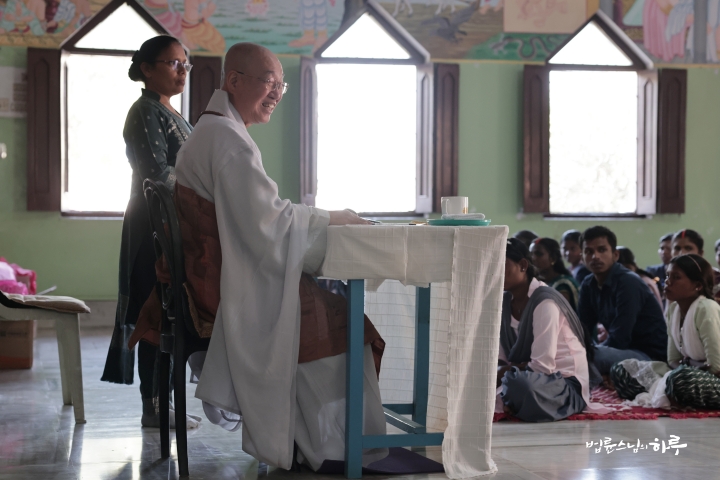
After having lunch at Sujata Academy, Sunim met with village leaders and preschool teachers at the Dharma Hall starting at 2 PM.
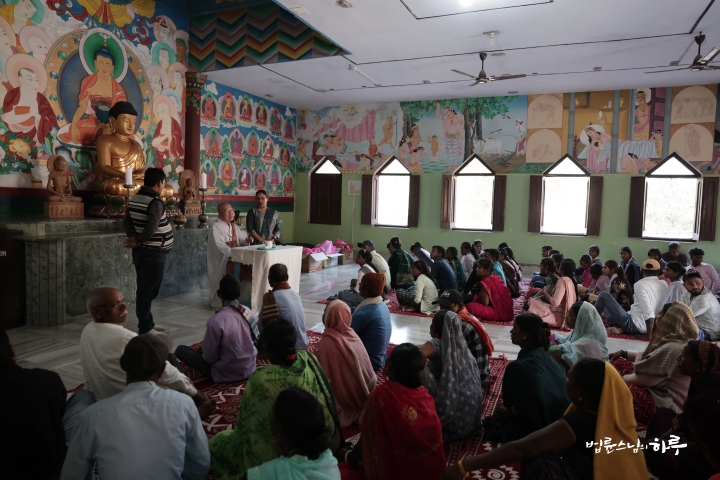
Sunim greeted the village leaders and preschool teachers and inquired about the progress of the house-building project for the extremely poor, which is currently underway as part of the village development program.
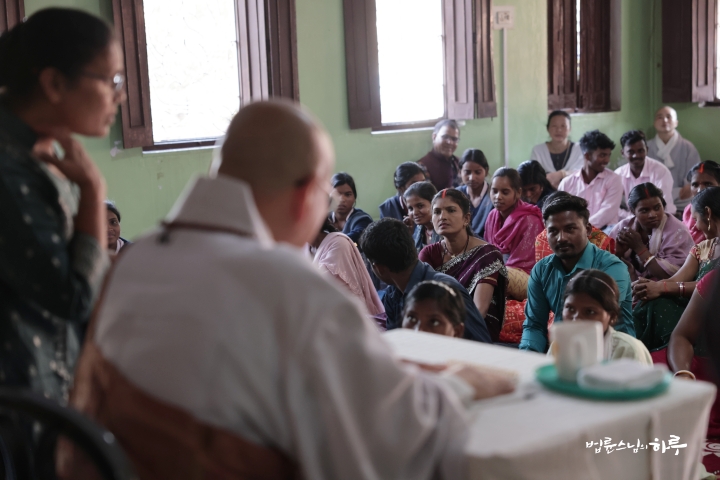
The village leaders from Santinagar and Sorajbigha responded.
“Yes, the villagers are helping.”
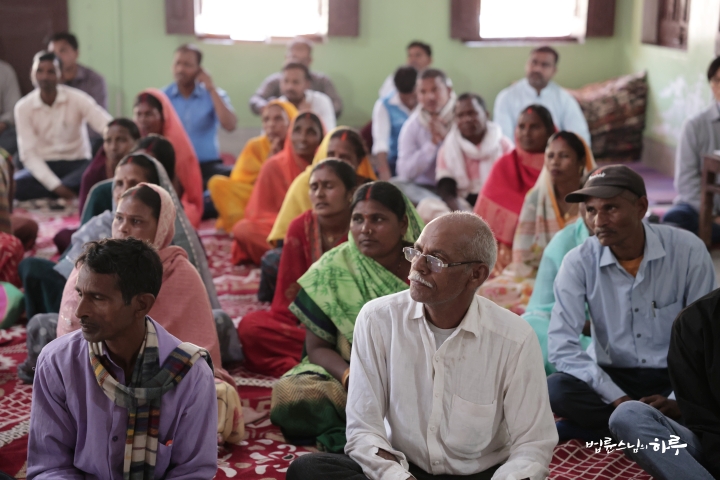
“Yes, the construction is almost complete.”
However, in Jagdishpur village, the villagers were not helping, and only relatives were building the house together. Sunim reiterated the purpose of this project.
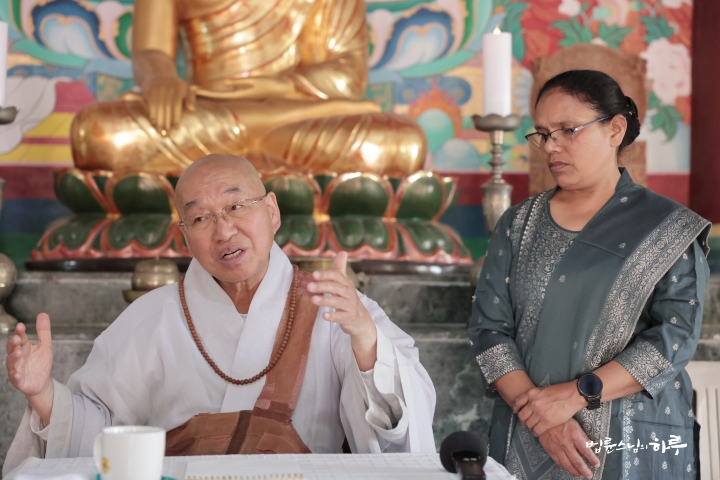
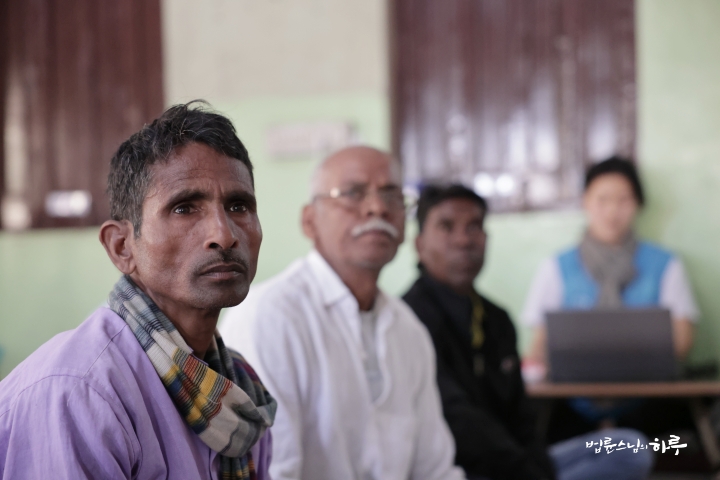
Sunim then asked about the village’s sewage system.
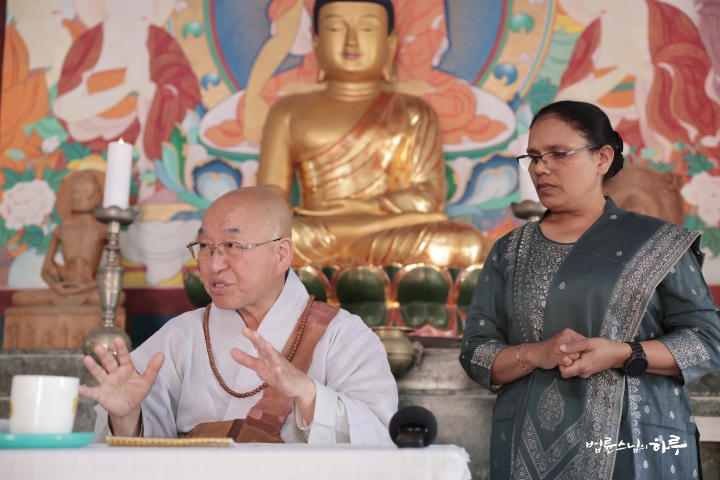
“Of course. That sounds good.”
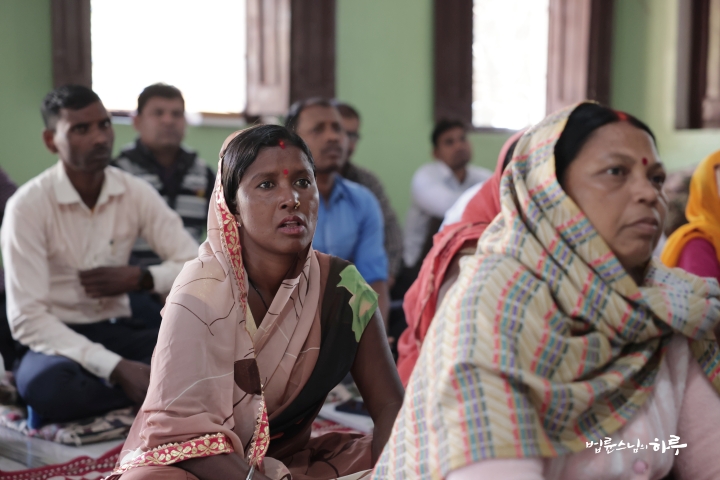
The village leaders fell silent for a moment at Sunim’s suggestion. Giving up one’s own land is not an easy decision. Finally, Sunim urged the village leaders to create their village’s future themselves.
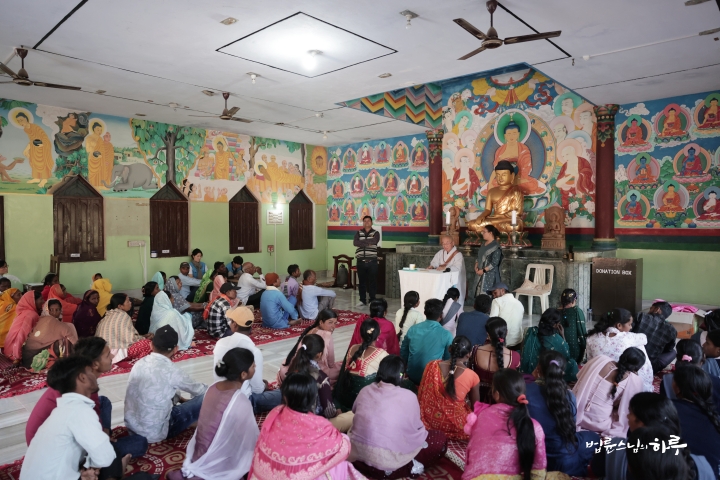
Let’s Create the Future of Our Village Ourselves
“Rather than just waiting for government help, shouldn’t we take care of our own village? Even if the government handles the main roads, we should take care of the roads within our neighborhood. So please propose projects that you think would be good for your village. I’ll visit all your villages tomorrow, so at that time, please suggest ‘How about we try this in our village?’ What do you think?”“That’s a good idea. When you visit in person, you’ll be able to see the village situation.”
“Thank you.”
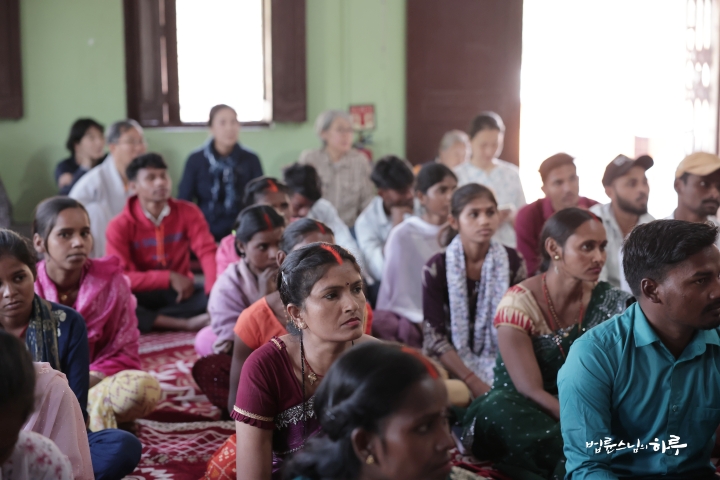
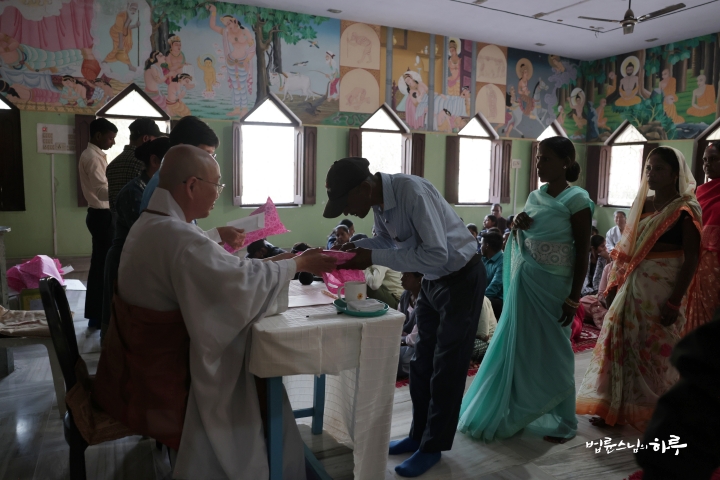
After conversing with the leaders and preschool teachers from each village for an hour and a half, Sunim distributed the prepared gifts.
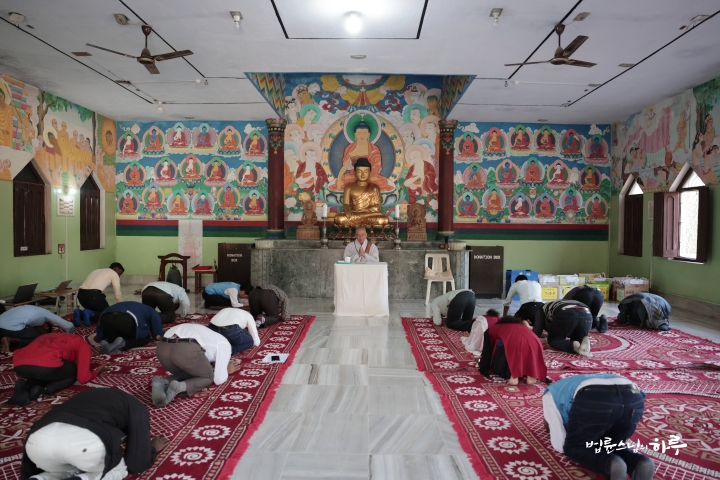
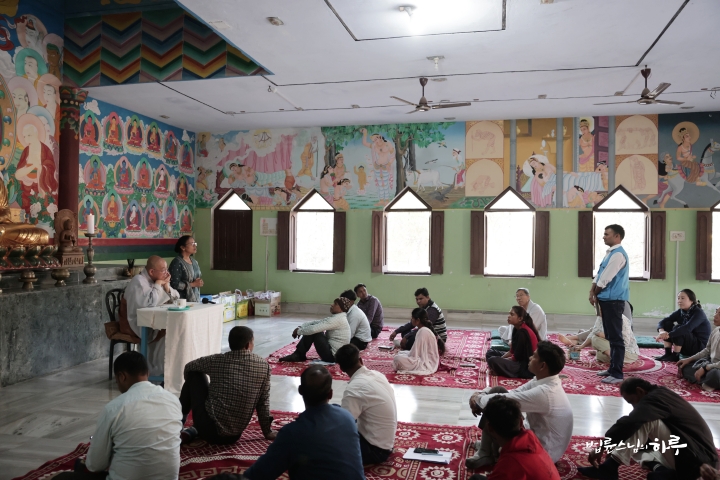
He immediately had a meeting with the Indian staff members. The staff greeted Sunim with three prostrations and then sat in meditation for a while.
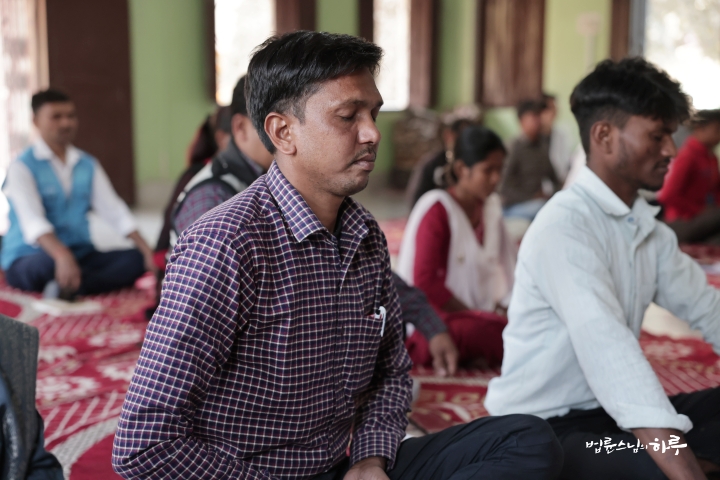
Sunim checked with the staff to see if there were any matters to discuss regarding the school, hospital, and village development, or if there were any operational needs.
The Most Important Thing Is the Children’s Education
The discussion began with education. The issue was raised that children’s educational pathways had become complicated after middle schools disappeared in the Sorajbigha, Antubigha, and Ajadbigha areas. Children in this region attend preschools operated by Sujata Academy and then advance to government elementary schools. The problem comes next. With no middle schools, they have nowhere to go. The nearest Banduwa middle school is over a 30-minute walk away, and students must cross wide railway tracks, risking danger from passing trains.
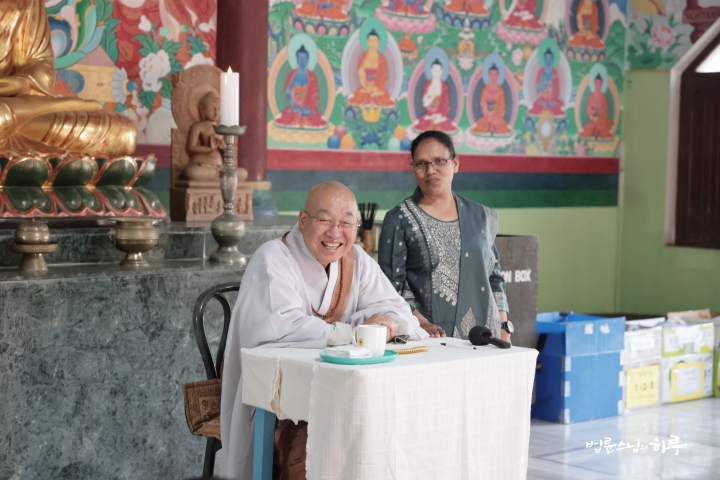
Sunim asked. The answer came that the middle school had been closed since 2015. For over 10 years, children in this village had no proper middle school.
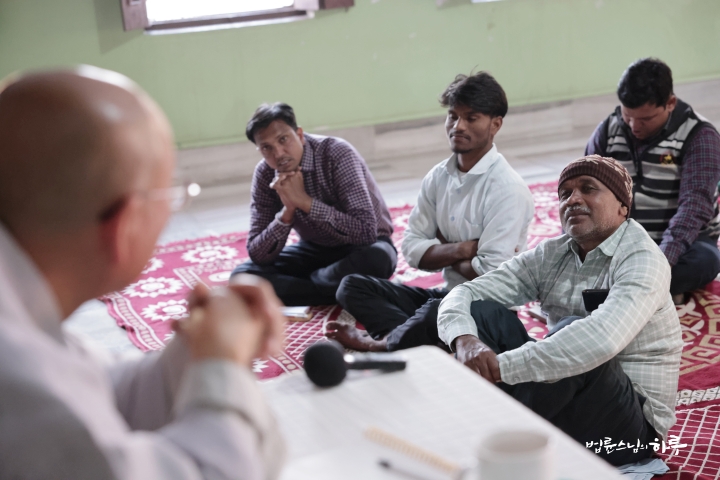
As the discussion deepened, a more complex reality emerged. It seemed like the problem would be solved if Sujata Academy accepted these children, but government elementary school teachers were opposing it. They feared that if student numbers decreased, school operations would become difficult and their jobs would be at risk. The education coordinator explained.
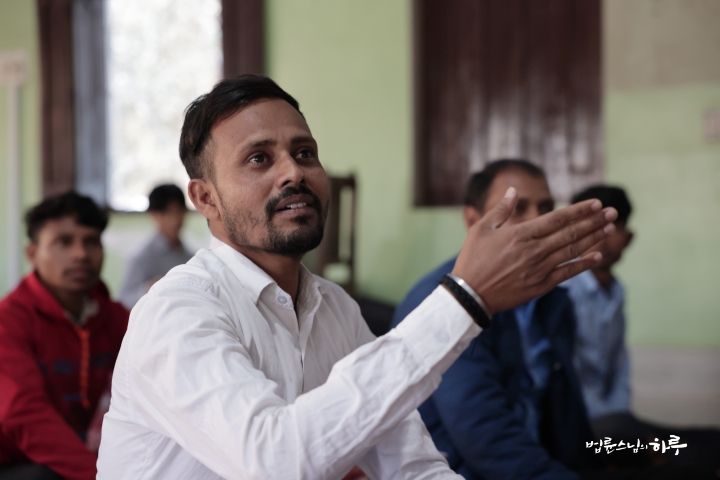
“Parents in Sorajbigha have continuously requested that Sujata Academy accept their children from first grade, but government school teachers opposed it. If parents don’t send students to government schools, the teachers will lose their jobs.”
School operations and jobs were being prioritized over children’s education. Sujata Academy had deliberately not accepted students, considering its relationship with government schools. However, faced with the reality that children cannot receive middle school education due to gaps in government policy, they could no longer just stand by and watch. Understanding the situation, Sunim continued.
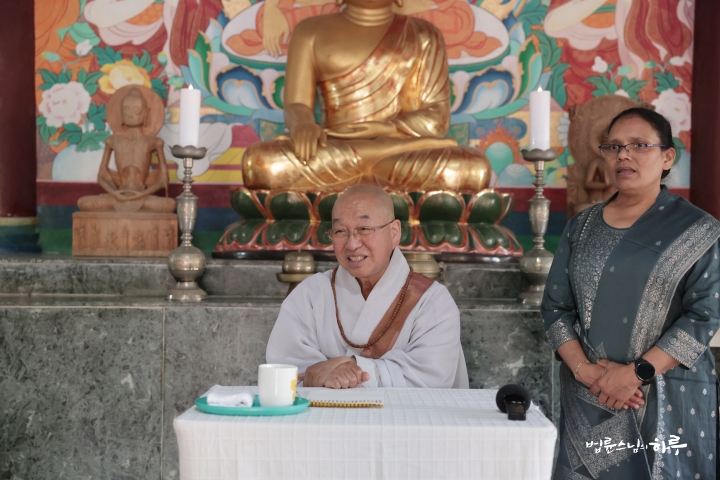
The staff made various suggestions.
“While the school is developing, the teachers’ level seems to be stagnating. Teachers also need education and training.”
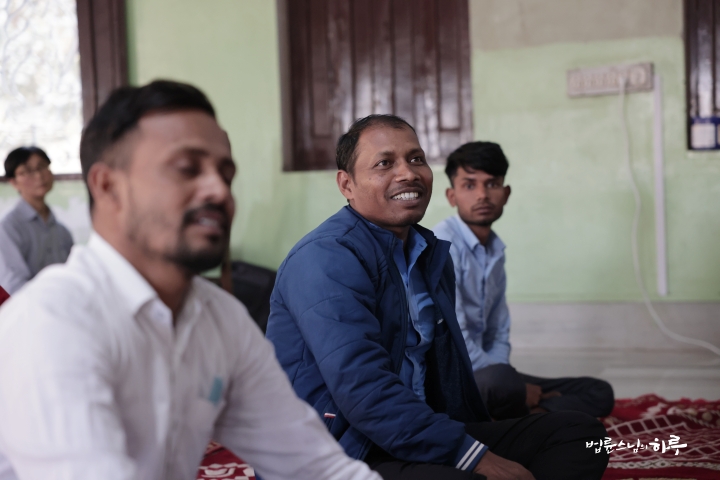
Dinesh’s suggestion, who wanted to provide high-quality education to children, led to consideration of teacher training programs.
If There Are People Willing to Do It, I’ll Support as Much as Needed
Following the education discussion, they moved on to hospital operations. The healthcare coordinator raised the first issue. There were people coming for treatment from outside Dungeshwari, and the question was whether to accept them. Sunim’s answer was clear. The principle is to serve Dungeshwari and village residents where preschools are located. However, they decided to leave the door open for one or two people in special cases. If they increase external patients, it would reduce treatment opportunities for villagers.
The second issue was more urgent. It was about fracture patients.
“Many fracture patients come to the hospital, and we need X-ray facilities. With X-ray facilities, we could provide more treatment within the hospital.”
While simple injuries can be treated at Jivaka Hospital, completely broken bones require X-rays to align them accurately before fixing them. However, the hospital doesn’t have X-ray equipment. Currently, local doctor Kamiswalji has an X-ray machine at his home, so when patients come, he takes them to his house for X-rays. Sunim said.
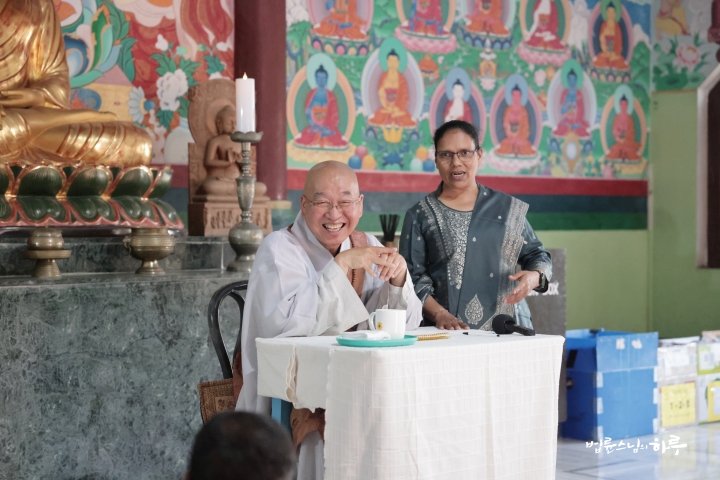
“Thank you.”
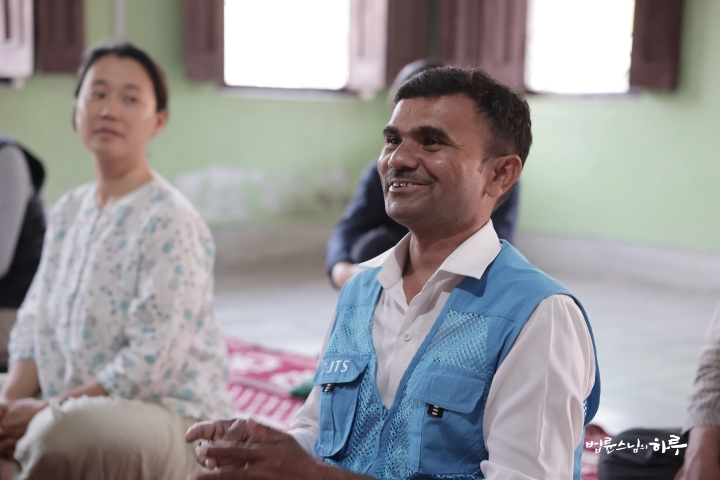
Finally, they discussed village development.
“More villages are applying for the project to build houses for the extremely poor. The villagers say they will help.”
When the conversations between staff and Sunim began several years ago, Sunim had more questions and concerns, but as the years have passed, the staff have been asking more questions and their proposals have become more thoughtful. The staff’s questions and proposals clearly reflected their on-site experiences and deliberations.
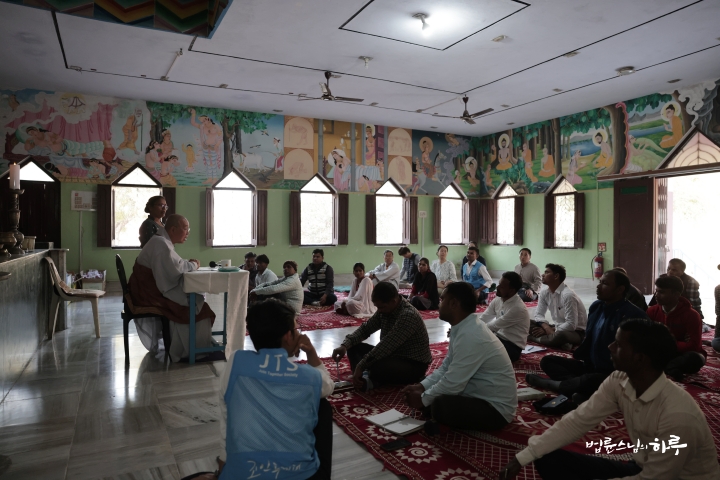
Seeing the staff members contemplating building houses for the extremely poor, Sunim asked about the condition of the Indian staff’s own homes and whether any of them needed to build separate houses after getting married.
“Who is currently building their own house?”Most of the staff were gradually saving their activity allowances to repair the interiors of their homes. Sunim spoke again.
“I would like to support you in building your houses. However, if I support one person, others will ask ‘Why not me?’ so it’s not easy to provide support.”Then one staff member said.
“Actually, almost none of us have complete houses. Some have only walls up without plastering, others have plastering done but no bathroom. No one lives in a finished house. If you could support us in building houses, it would be good if you could support all of us.”
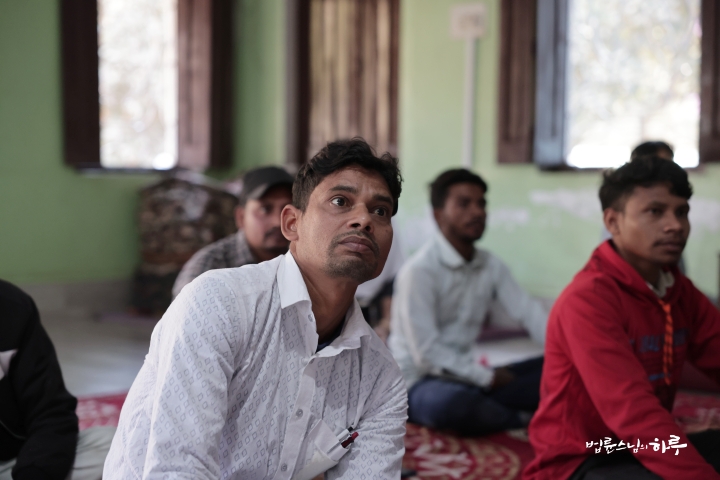
“Thank you.”
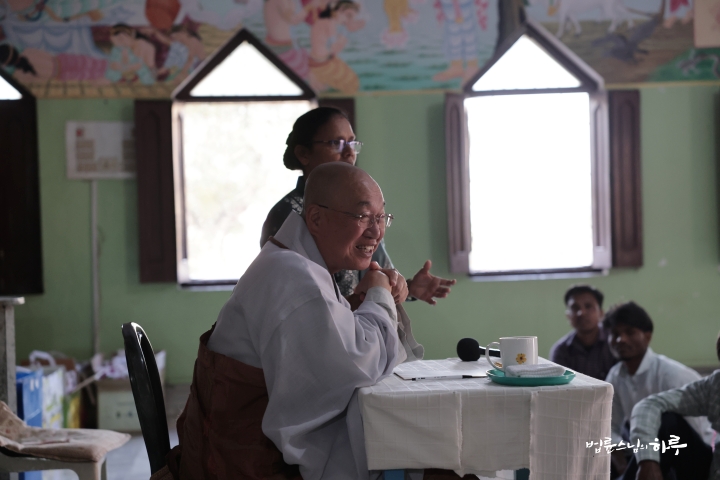
The conversation with the Indian staff went on for two hours before they knew it. Sunim distributed the gifts he had prepared and concluded the conversation.
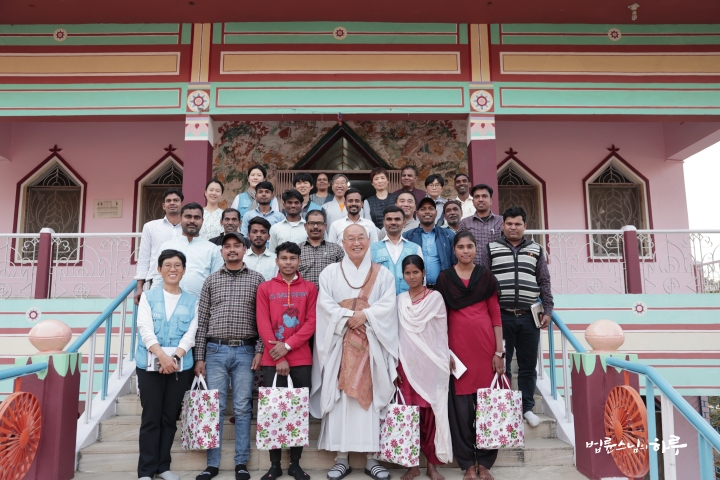
Finally, he also gave gifts to the construction department volunteers. These are the people who repair and inspect villages, kindergartens, schools, and hospitals everywhere.
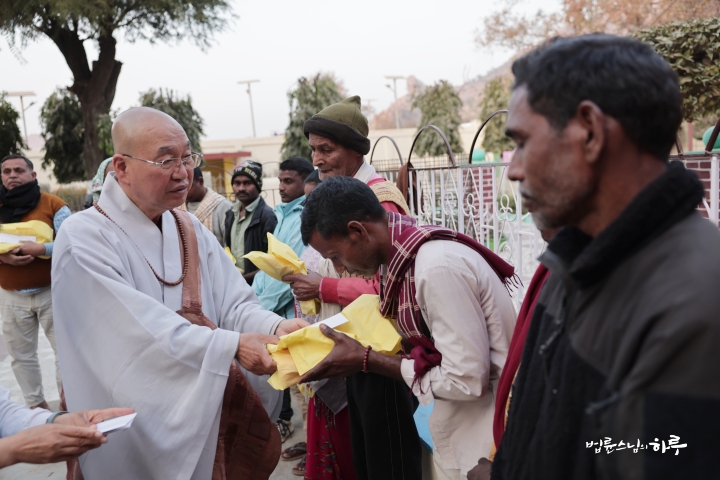
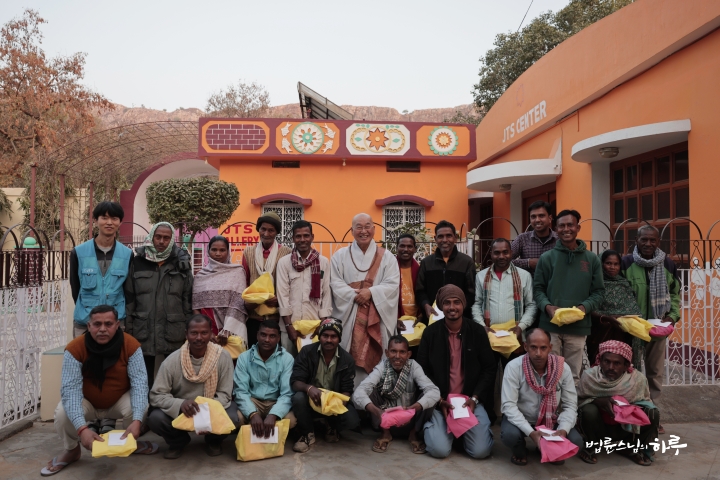
Starting with the board meeting, Sunim completed all scheduled activities until 6 PM. After dinner, Sunim edited manuscripts and rested in his quarters.
Tomorrow, he will tour all the villages around Sujata Academy starting at 7 AM, and at 4 PM, he will broadcast the Friday Dharma Q&A.