I Keep Procrastinating on Important Tasks. How Can I Fix This?
December 7, 2025 - Day 2 of the 2nd-1st 1000-Day Practice Closing Retreat
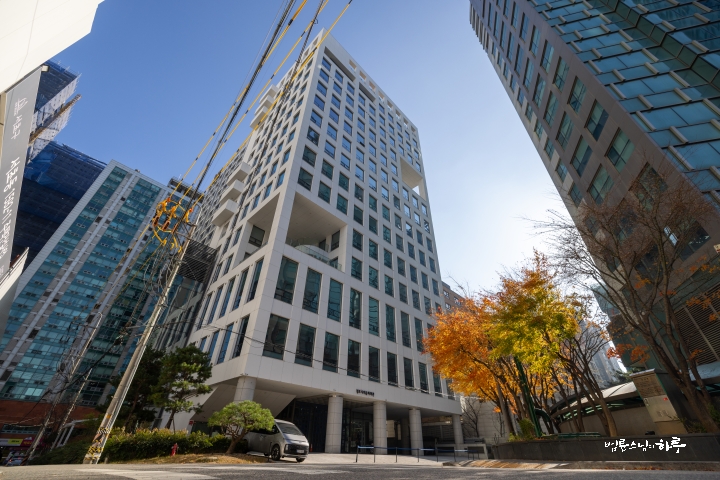
Hello. Today is the second day of the 2nd-1st 1000-Day Practice Closing Retreat. The 1,200 participants gathered at Jungto Social and Cultural Center and other main temples nationwide to begin their day together with morning prayers and 1000-Day Practice prayers.
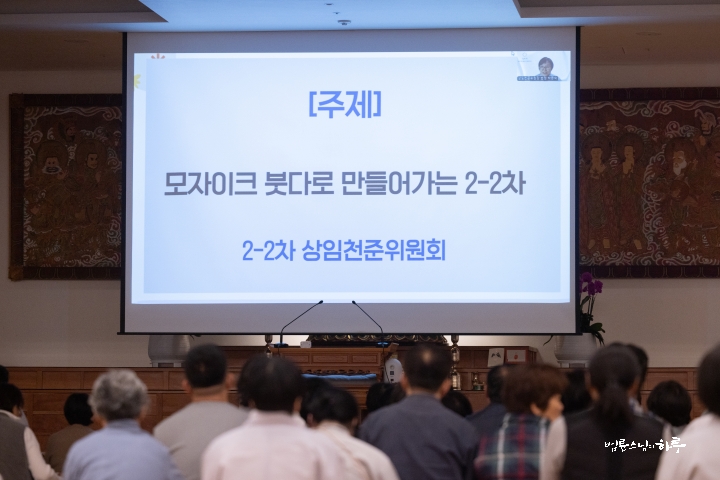
After finishing the prayers, everyone had breakfast with the lunch boxes they had brought from home. After breakfast, they gathered again at 7:15 AM. Before the group discussion session, the Standing 1000-Day Preparatory Committee provided a detailed explanation of the discussion topics: ‘Community Practice and Group Activities We Create.’
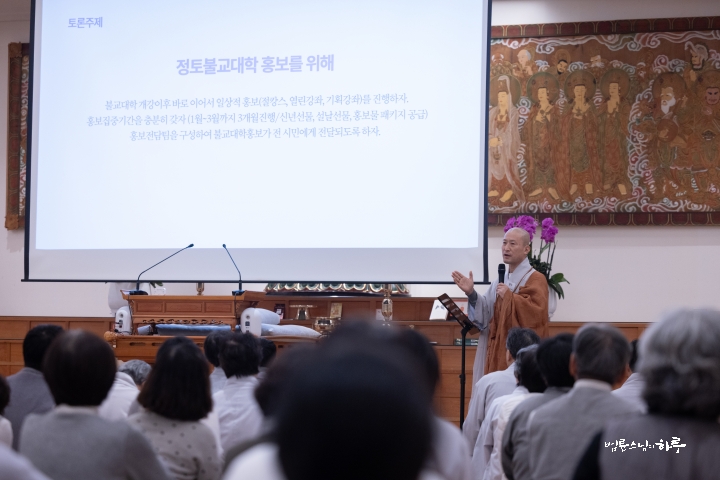
Next, Venerable Yusu, chairperson of the 300-Day Special Practice, reported on the progress so far and then introduced another discussion topic in detail: ‘Promoting Jungto Dharma School in Daily Life.’
After understanding the discussion topics, participants began group discussions on one of the two themes. Following the volunteers’ guidance, they scattered to various locations and engaged in focused discussions for an hour and a half.

After the lively discussions, everyone gathered again at 9:30 AM. They then had a Dharma Q&A session with Sunim. Anyone who had difficulties, questions, or suggestions from their activities could raise their hand and ask Sunim questions.
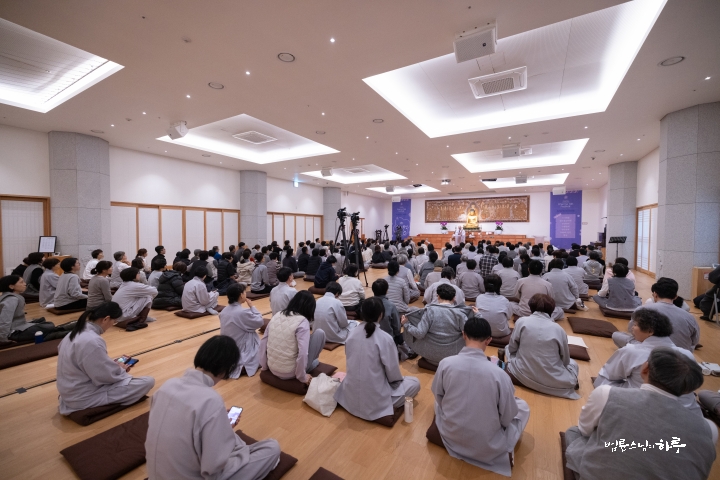
During the hour-long session, four people asked various questions and shared their opinions. One person honestly shared their struggle with finding practice burdensome and constantly procrastinating, despite knowing its importance.

I Keep Procrastinating on Important Tasks. How Can I Fix This?
“I continue as a lead volunteer because I have a strong desire to be recognized. However, rather than doing it with a pure heart like a true practitioner, my desire for recognition makes me feel more burdened by practice and I keep procrastinating. I know practice is important, but I always think first about ‘how can I avoid doing it’ and make excuses. Especially when practicing alone at home, I lack motivation. In the past, when I came to the Dharma center for practice, I naturally did it because of the atmosphere, but when I’m alone, my mind seems to weaken. Even when facing important tasks, the burden grows so heavy that I keep putting them off, and my heart just feels heavy. How can I fix this habit of procrastinating and feeling burdened by important things? Is there a way to practice more lightly?”
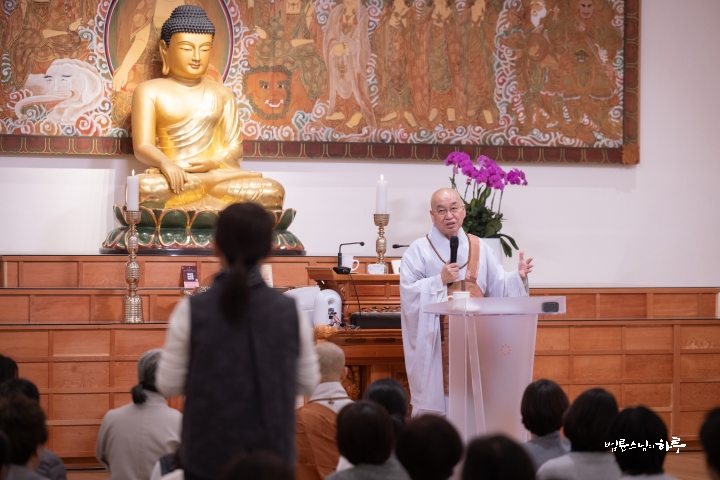
“Thank you. I’m glad I asked this question today. I’ll take Sunim’s words to heart and become a practitioner who practices diligently.”
“Looking at how you speak, I don’t think you’ve got it yet.” (laughter)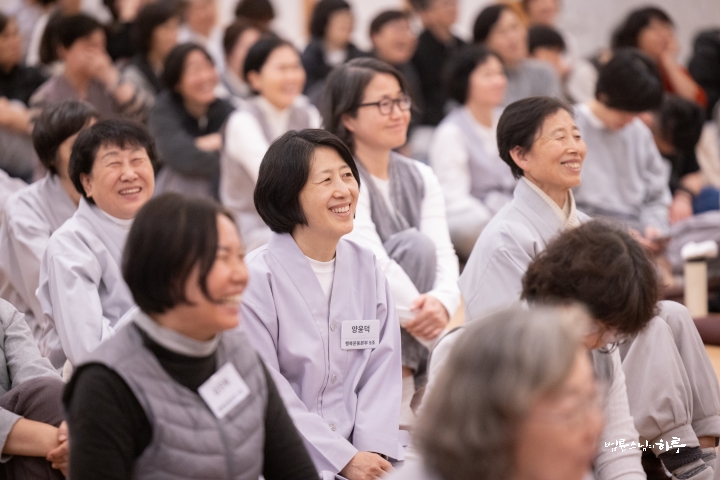
“Haha, yes, I’ll just do it. I’ll just do it as you said!”
“Good. That’s better.”Questions continued to flow.

I want to engage in legislative campaigns for environmental solutions, such as mandatory cigarette butt receptacles and single-use item regulations. What preparations should we start with to realize such legislative campaigns through Eco Buddha?
I think cultural groups like traditional music bands are needed in Jungto Society, beyond just practice-centered culture. What are your thoughts on allowing cultural groups within the practice community?
Experiencing the Awakening Retreat during Jungto Dharma School can enhance understanding of sutras and motivation for volunteering. How can we effectively encourage participation in the Awakening Retreat?
I propose unifying titles to use ‘nim’ instead of gender/marital status-based titles like ‘bosal’ or ‘geosa.’ What do you think about Jungto Society adopting an egalitarian title culture suited to our times?
I propose an ‘Online Special Division’ to experiment with online dharma spreading and community management in line with the national practice app development. I’d like to promote Jungto Society’s digital experimentation and organization through an online division.
When there were no more questions, the Dharma Q&A session ended and time was given for presenting the morning’s group discussion results.
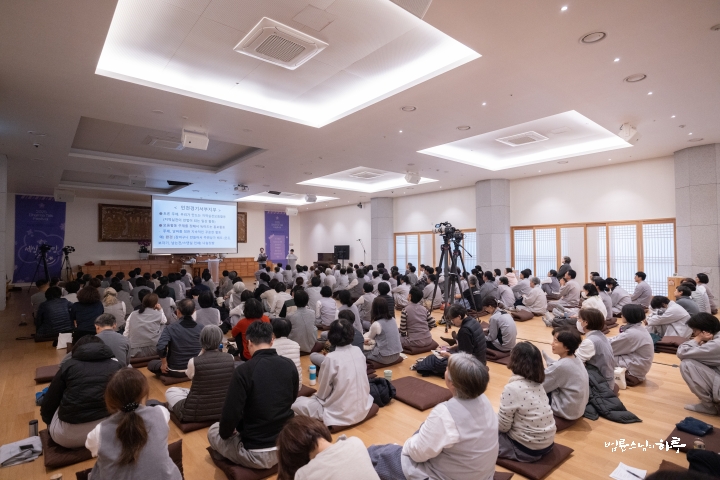
Various ideas poured out regarding the discussion topics ‘Community Practice and Group Activities We Create’ and ‘Promoting Jungto Dharma School in Daily Life.’ Loud applause erupted whenever good ideas were presented.

“Let’s form local practice groups that link SNS promotion with offline volunteer activities. It would be good to regularly continue activities that anyone can easily participate in, like plogging, river restoration, environmental cleanup, and sharing gardens.”
“How about promoting Jungto Dharma School through light and accessible programs like temple stays or half-day experiences, making it easy for general citizens to participate?”

“How about making and distributing shopping bags or eco-friendly scrubbers from recycled clothes? We can practice environmental protection in connection with the Earth-saving movement and naturally make Jungto Society known.”
“How about setting up tree and flower name signs along local walking trails, with a line from Sunim’s Letter of Hope and a QR code for Jungto Dharma School underneath? Citizens walking by might naturally become interested.”
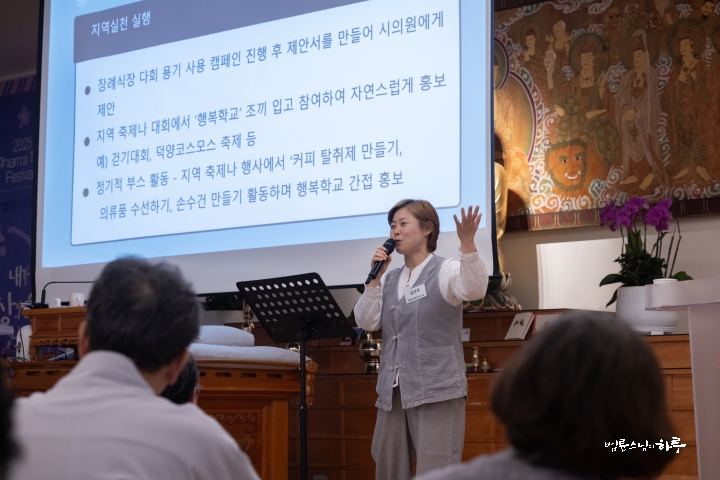
Beyond the existing level of plogging and distributing promotional materials, many creative and visual ideas for communicating with local communities emerged.
Sunim listened carefully to the presentations and took notes. To ensure these fresh ideas wouldn’t be wasted, each department agreed to collect them well, and all presentations concluded at 11:40 AM. Sunim then gave closing remarks.
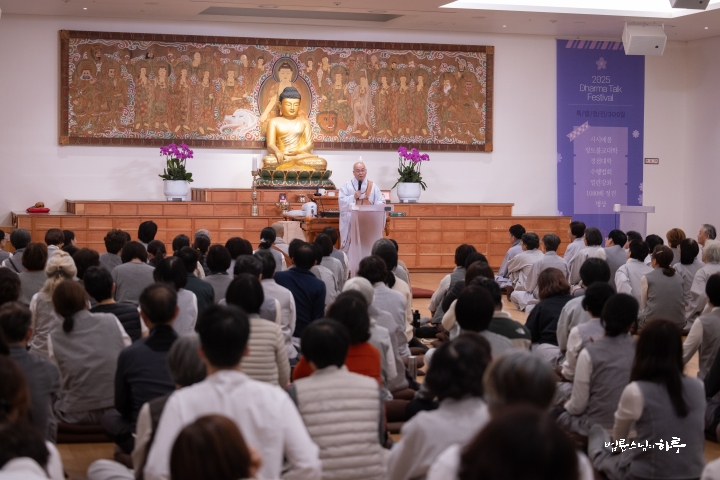
Jungto Society Is an Experimental Community
If an individual proposes to try something directly and it doesn’t deviate from the overall framework, we can allow it experimentally. We can modify what needs to be modified based on the results. From that perspective, I hope you’ll actively put these proposals into practice. Jungto Society generally has a culture where those who make proposals must take responsibility for them. That’s why some people are careful with their words, but this time it seems many of you forgot and enthusiastically shared your opinions. (laughter)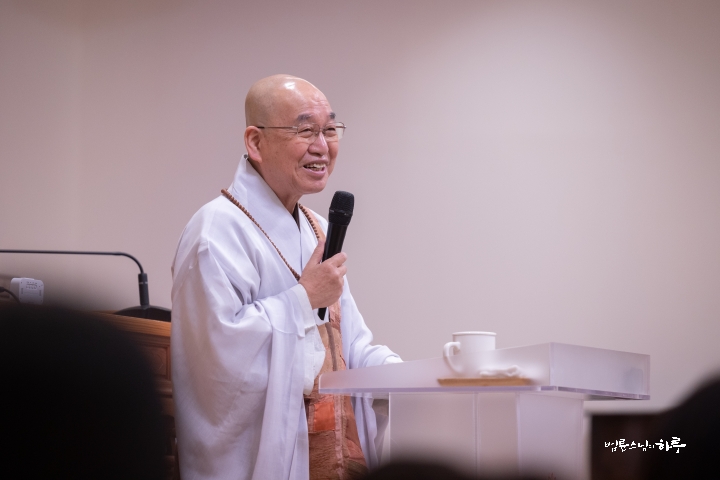
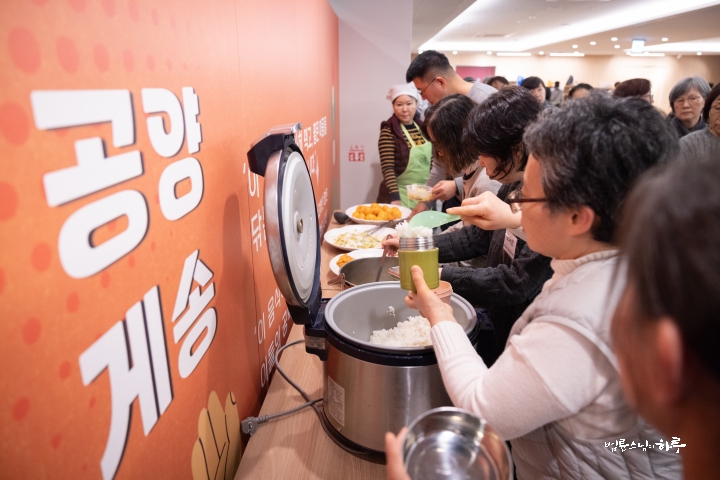
Everyone then had lunch with the side dishes they had brought from home.

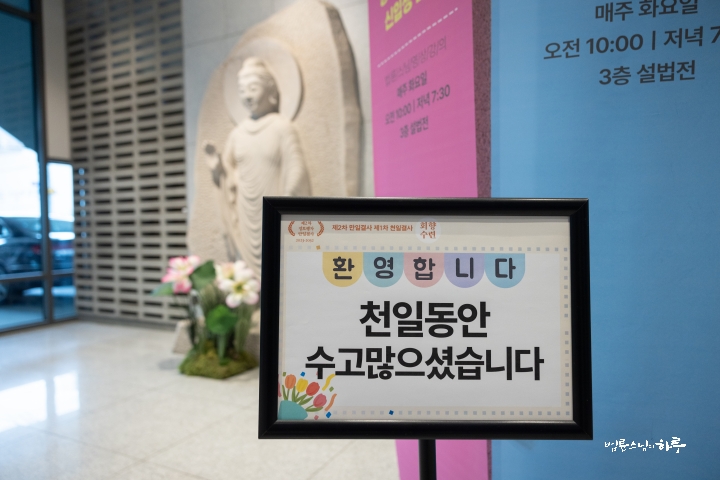
After lunch, everyone gathered again at 1:40 PM for the closing ceremony to conclude the two-day closing retreat. The assembly recited the Three Refuges and Heart Sutra, then requested a Dharma talk from Sunim with three prostrations.
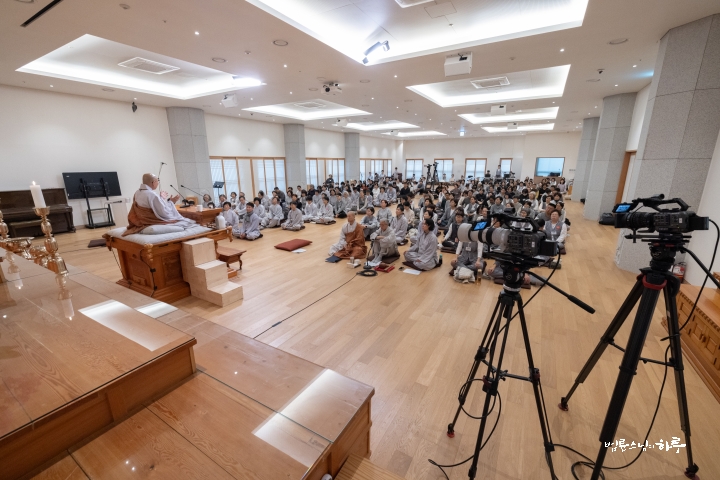
Sunim emphasized that the process of living while enduring discomfort is itself practice, and that the inner transformation and confidence gained through the process, rather than results, are the true assets.
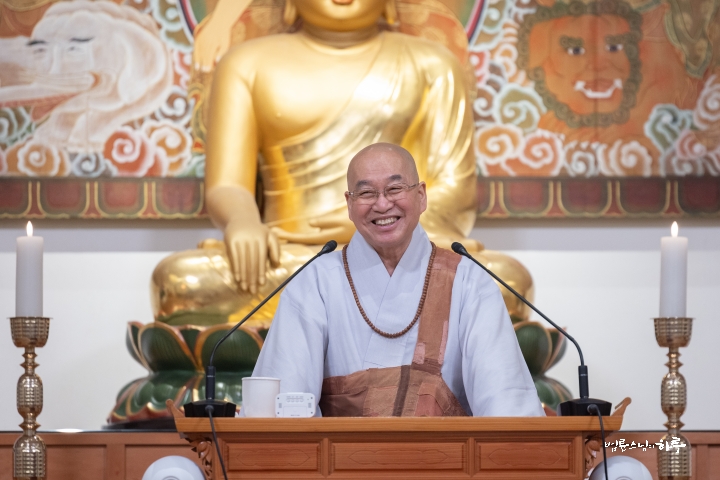
“Yes!”
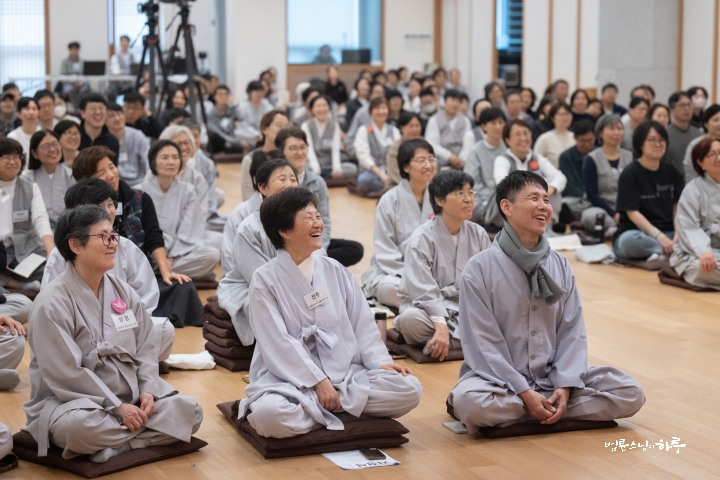
The Perspective of Practice That Lightens Life
In our daily lives, thoughts like ‘I don’t want to get up,’ ‘I don’t want to go to work,’ ‘I don’t want to meet people’ arise every day. But if we remain captive to the feeling of ‘not wanting to do it’ and just lie there, that itself is suffering. If staying stuck in thoughts is suffering, then practice is transcending through action. For example, when you’ve decided to do prostrations but your body feels heavy and you hesitate, just try doing a few. Even if you feel reluctant before prostrating, if you first do just a few, in many cases you’ll think ‘Yes, I did well.’ And with that feeling, the next day even if hesitation comes before doing it, you just do it. Repeating such experiences is precisely the attitude of practice. In other words, don’t judge before doing it; judge after trying it first. When you do this, whether it’s prostrations, volunteering, or any aspect of life, it’s no longer a burden or obligation but ‘just something you do.’ The same applies to our talents, wealth, position, or knowledge. They aren’t originally meant for ourselves alone. What’s given to us is given to be distributed and shared. If your position is high, you can have a good influence; if your position is low, you can develop patience and learn humility. If you know a lot, you can help others; if you don’t know, it’s good because you can learn. This perspective is precisely the practitioner’s perspective.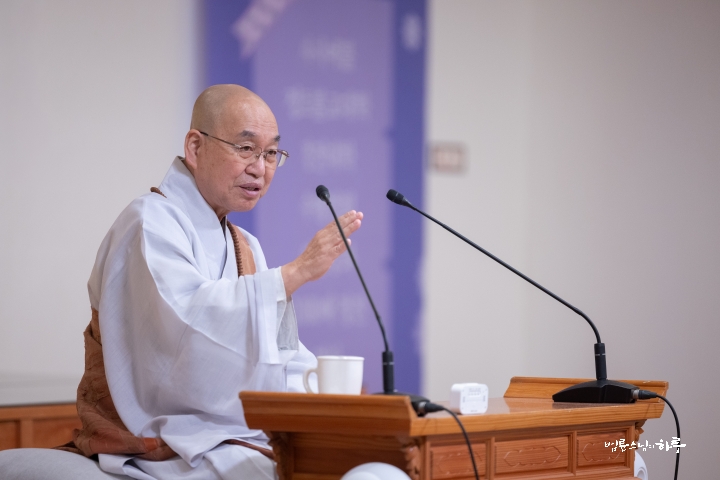

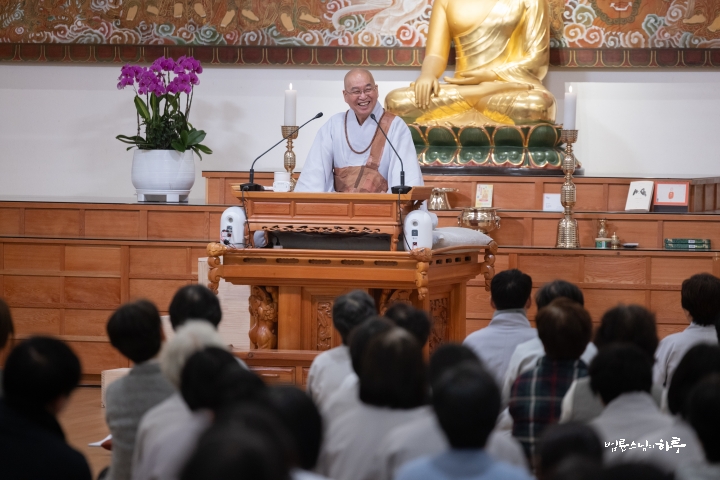
The Real Achievement of the 1000-Day Practice Is Not Numbers but Our Experience
And if we do even a little for the world, to brighten dark places—through small acts of kindness, sharing, or service—it can serve as ‘light and salt’ for the world. Of course, don’t force yourself to sacrifice or do Jungto activities with a do-or-die attitude. While it’s important to do something for others, you yourself are also a precious being. We don’t live to throw away our lives. If you lose yourself and live only for others, feelings of regret and betrayal may arise later, and suffering will eventually return to you. That’s why protecting yourself is very important. Looking back at the decades Jungto Society has walked, it has never been easy. There have been many difficulties in terms of the times and circumstances. However, those difficult moments have made Jungto Society what it is today and have brought our community this far. So the achievements of the past three years of the 1000-Day Practice don’t remain in numbers or buildings, but in each of your experiences and lives. That is the real asset and the foundation of strength to move forward. Now, let’s use that experience as capital and move toward the next thousand days. Thank you all for your hard work.”With loud applause, everyone took Sunim’s words to heart.
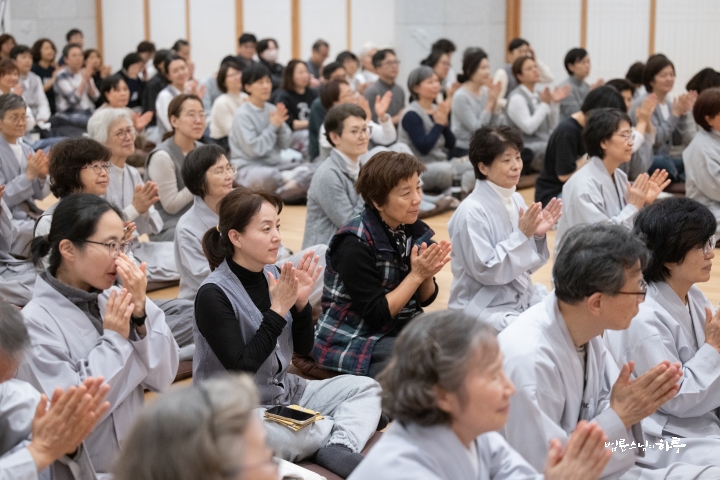
After hearing closing remarks from Dharma Teacher Seonju, the head of the Dharma Teacher group, the 2-1st 1000-Day Practice Closing Retreat concluded with the Four Great Vows. It was a time to reflect on the past thousand days and commit to a new beginning for the next thousand days.
The participants gathered in groups for mindful sharing and then thoroughly cleaned the spaces they had used.
After everyone returned home, Sunim packed for tomorrow’s departure to the Philippines. As the sun set, he spent the evening proofreading manuscripts and catching up on pending work before retiring early.
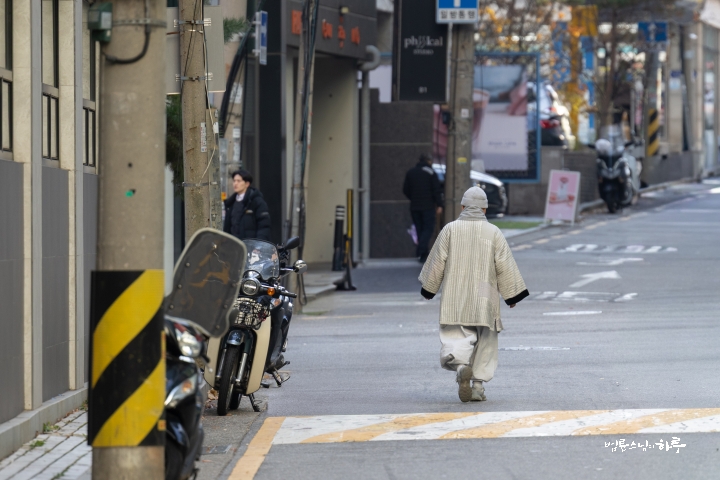
Starting tomorrow for six days, completion ceremonies will be held at 8 of the 15 new schools JTS built this year in Mindanao, Philippines. To attend the ceremonies, Sunim will depart from Jungto Center at 4 AM, arrive at Incheon Airport, and spend the entire day traveling by plane to Mindanao, Philippines.