
Jun 26, 2024 – Osaka, Japan, Dharma Q&A for Korean Expatriates
Hello. Today, Sunim is giving a Dharma Q&A for Korean expatriates in Osaka, Japan.
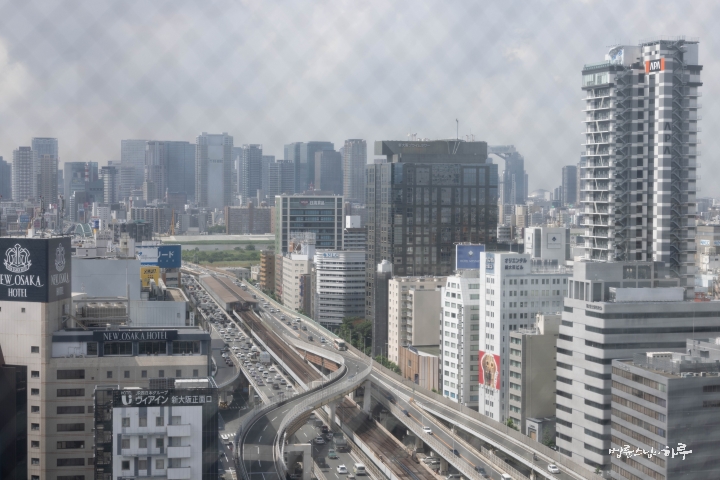
After completing morning practice and meditation, Sunim had breakfast at his accommodation at 6:30 AM. After having a Japanese-style meal and getting ready, he conducted a live broadcast of the Weekly Dharma Assembly from his accommodation starting at 10 AM.
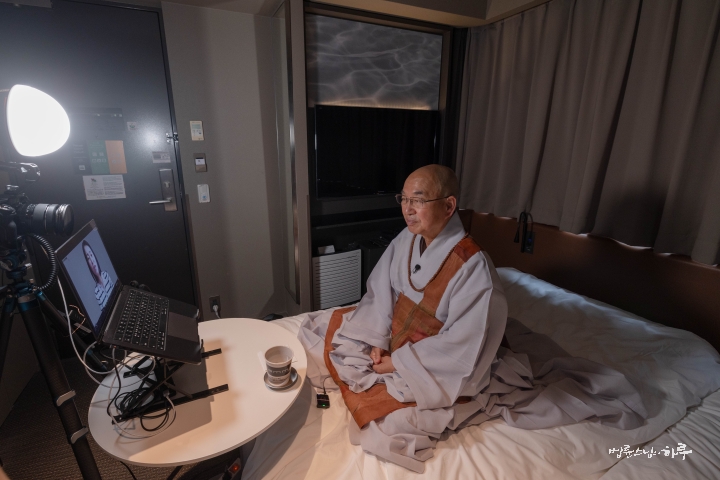
Due to the small accommodation, Sunim sat on the bed to conduct the assembly. Jungto Society members entered the video conference room and requested a Dharma talk from Sunim with three prostrations. After a brief meditation, Sunim gave his opening remarks.
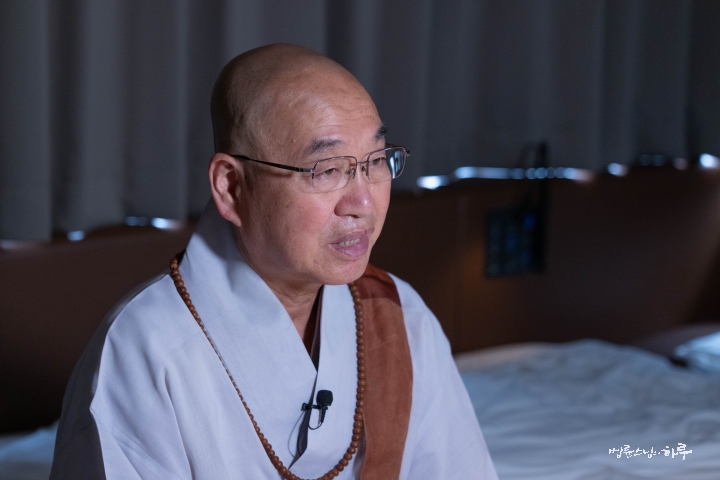
“After completing the field survey in China to resume the Northeast Asian History Tour, I arrived in Japan yesterday via Korea from China. I plan to give Dharma Q&A sessions for Korean expatriates in Osaka and Tokyo, and also conduct Dharma Q&A sessions for local Japanese people with Japanese interpretation.
Finding Ways for Jungto Society Members to Contribute to Enhancing Human Happiness
Next, I’ll go to Vietnam for five days to visit various temples and discuss educational issues with monks. Then I’ll go to Cambodia for the completion ceremony of the female students’ dormitory. JTS has built a dormitory at the Royal Buddhist University of Cambodia to enable female students to study, and it has now been completed, so I’ll attend the completion ceremony. After that, I’ll go to Bhutan to inspect the sustainable development pilot projects currently underway there. This summer, I’ll be visiting 10 countries, giving Dharma talks and providing humanitarian aid. I’ll continue to find ways for Jungto Society members to contribute to enhancing human happiness overseas. I ask all of you to dedicate yourselves to spreading the Dharma so that many people both domestically and internationally can encounter the Buddha’s teachings. I especially ask the international divisions to work diligently so that foreigners can also encounter the Buddha’s teachings.”
Sunim then received questions about any concerns. Three people had registered questions in advance and had conversations with Sunim. One of them asked for Sunim’s advice on how to reduce mistakes without getting tense, as they often make mistakes and become tense when trying to reduce them.
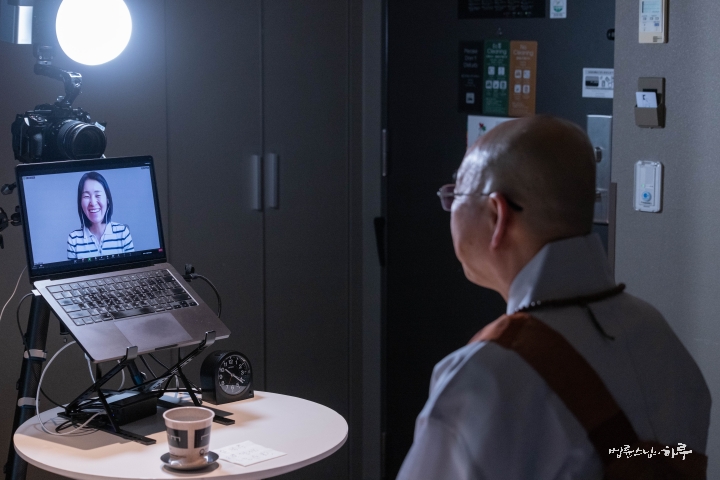
How Can I Reduce Mistakes Without Getting Tense?
“When anyone works, it would be best if they could work comfortably while paying careful attention to details. However, most people live under stress, always being tense and trying hard to do well. When it becomes too difficult, they give up saying ‘I don’t care anymore!’ and end up doing things carelessly. When their mind is comfortable, they can’t do the work properly, and when they do the work well, they’re extremely tense and stressed. Most people repeat this pattern, going back and forth between these two states.
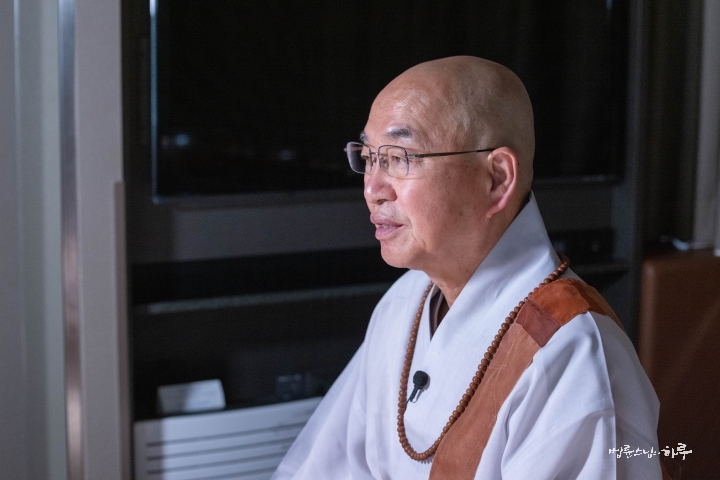
For example, when meditating, if your legs hurt, you either stretch them out or grit your teeth and endure without stretching them – you take one of these two paths. These are the two ways all people in this world respond when desires arise. Most people either follow their desires or suppress them. If you follow desires, you receive karmic consequences; if you suppress desires, you experience stress. So either way becomes problematic. In Buddhism, this is expressed as ‘the cycle of pleasure and pain.’ Liberation from the suffering of this cycle is called enlightenment. Enlightenment means neither following nor suppressing desires. In other words, the goal of Buddhist practice is to maintain very careful awareness while being comfortable, neither tense nor giving up. That’s why we say ‘just be aware in comfort.’
However, because we’ve always either followed desires or gritted our teeth to endure them, we endure until we can’t anymore and then explode. After exploding and experiencing losses, we feel regret. Due to our lifelong habits, we unconsciously repeat this pattern back and forth. We need to accept this reality. There’s an old saying: ‘Someone who can’t even crawl is trying to fly.’ This means don’t try too hard to solve everything at once. While theoretically it seems possible to transcend immediately, in reality it doesn’t work well. For example, let’s say you’re walking on a tightrope stretched between two buildings. Theoretically, you can explain in one short sentence how not to fall from the rope:
‘Don’t lean to this side or that side, keep your balance and just move straight forward.’
However, when you actually get on the rope, you’ll fall by leaning to one side or the other. The same result occurs even after multiple attempts. This might make you think, ‘Is it impossible to balance on a rope?’ But it’s not impossible. If asked, ‘Can anyone balance on a rope?’ the answer would be yes, it’s possible. But if asked, ‘Can it be done easily?’ the answer would be that it’s not easy. Because while it’s not impossible and anyone can do it, it’s so difficult that it’s almost impossible. Just because something is difficult doesn’t mean it’s impossible. As we steadily move toward the goal of enlightenment, we must go through a process of gradual improvement. For example, if completing a 10-meter tightrope walk is 100 percent, you might fall after 8 meters or 9 meters. While this is almost complete, compared to 100 percent, it’s still not finished. However, you can’t say ‘that person failed.’ At first, you couldn’t even stand on the rope, but gradually you advance step by step. In reality, improvement is gradual, though theoretically it could happen instantly.
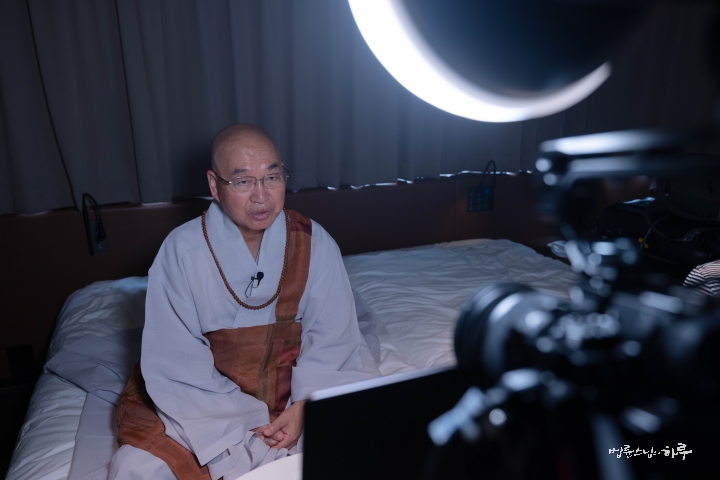
So you need to choose whether to be tense and perform slightly better at work, or to let go of tension and accept making a few more mistakes while being comfortable. I think we should realistically accept the side of being comfortable with a few more mistakes. Being relaxed and comfortable doesn’t necessarily mean you’ll make more mistakes. When you work in a comfortable state, you might actually make fewer mistakes. However, for beginners, the reality is that when they let go of tension and become comfortable, they tend to make more mistakes. We need to accept this reality first. I think it’s better to live life comfortably even if it means making a few more mistakes. When you make a mistake, you can apologize. Say ‘I’m sorry. I’ll try harder’ and then continue working comfortably. This doesn’t mean rationalizing your mistakes by saying ‘Making mistakes is natural in life. This is all I can do.’ It means acknowledging your shortcomings while prioritizing being comfortable.
If you keep practicing like this, by becoming comfortable, you can actually become more aware than when you’re tense. For example, when a guard carefully watches the surroundings, they do so with great tension. Because they’re watching tensely, they become exhausted over time, and then they might doze off or unconsciously give up. Then they miss movements around them. When comfortable, the power of awareness weakens. You might feel more sleepy too. However, if you gradually develop the power of awareness while being comfortable, you won’t feel stressed, so it won’t be tiring. This way, you develop the power to be aware for much longer. Accept the current reality but keep practicing steadily, and you’ll eventually reach a result where you have greater power to observe details while being comfortable.
Since all of this is a process toward liberation, in that process you need to choose what to prioritize more. It’s a matter of whether to prioritize not making mistakes or prioritizing being comfortable. If you’re always tense and stressed and want to prioritize being comfortable, you need to have the perspective of living while willingly accepting losses from mistakes and apologizing. This doesn’t mean being satisfied with comfort and rationalizing mistakes. I hope you’ll have the perspective of gradually increasing the power of ‘awareness’ – the power to steadily observe without tension.”
“Thank you.”
Questions continued one after another. After finishing the dialogue, Sunim gave closing remarks.
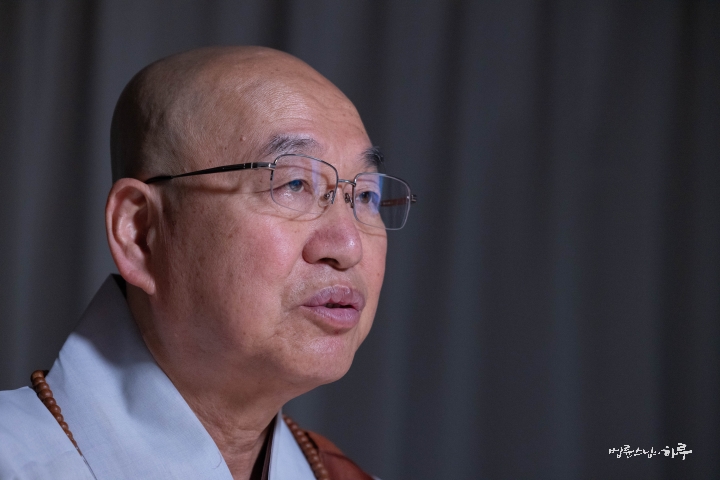
“Leading members who have entered the semi-annual retreat, please focus on your practice. For members who haven’t entered the retreat, the video of the ‘6.13 Ten Thousand People Dharma Assembly Praying for Peace on the Korean Peninsula and National Unity’ held at Jukrimjeongsa on June 13th is available on YouTube. Please spread the word widely. And let’s all work together so that many people can connect with the Jungto Dharma School opening in September, helping their lives become more free and happy.”
After finishing the Dharma assembly, Sunim packed up and moved to have lunch.
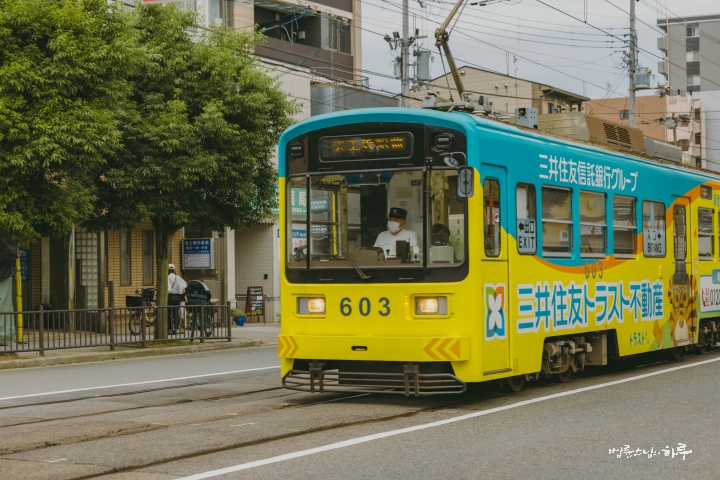
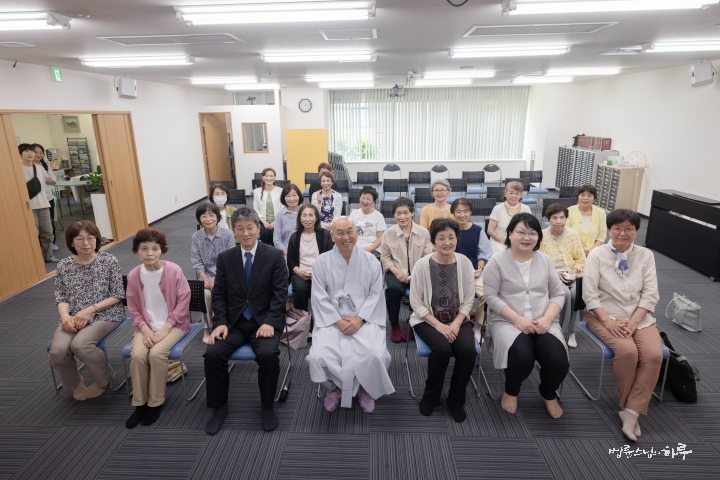
On the way, Sunim visited the Church of the Heavenly Peace Federation. A person who was deeply moved by Sunim’s Dharma Q&A and A Day in the Life of Sunim and prepares accommodation and meals whenever Sunim visits Japan made a special introduction, so Sunim decided to stop by briefly.
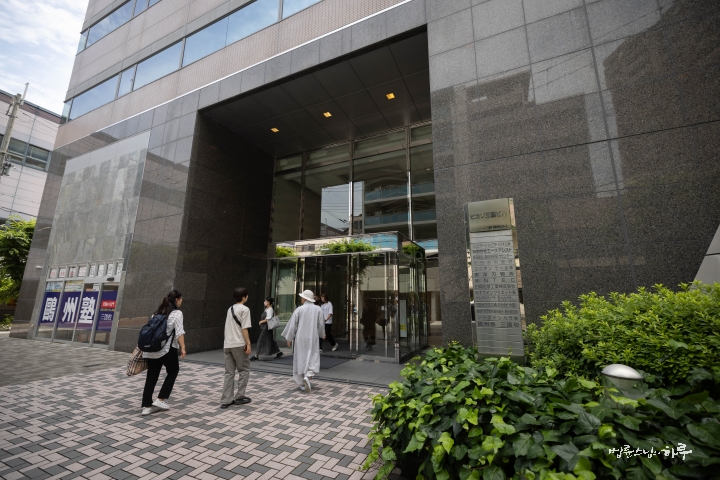
When the congregation welcomed him with loud applause, Sunim briefly gave words of encouragement.
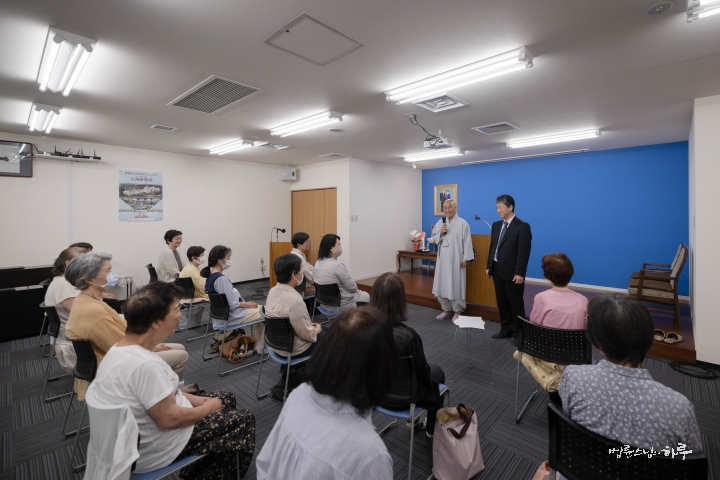
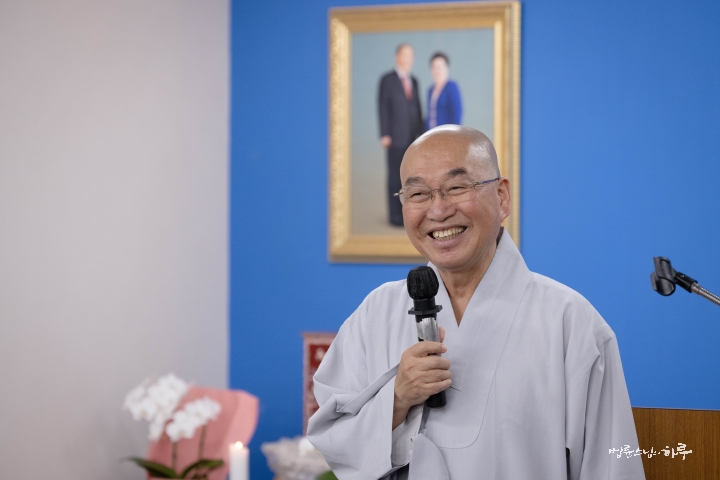
“The Korean Peninsula is currently in a situation where war might break out due to severe conflict between South and North Korea. I hope you will pray a lot and unite your hearts so that peace can be maintained. Please pray a lot so that South and North Korea can overcome their hatred for each other, reconcile, and achieve peaceful unification on the Korean Peninsula.”
After taking a commemorative photo together, Sunim left the church.
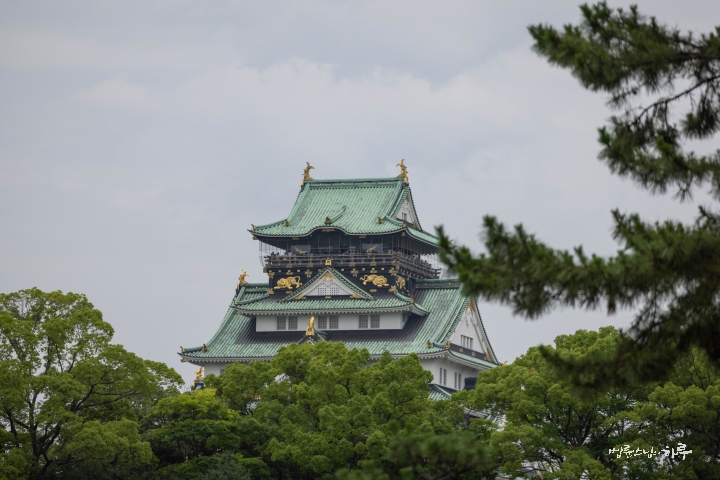
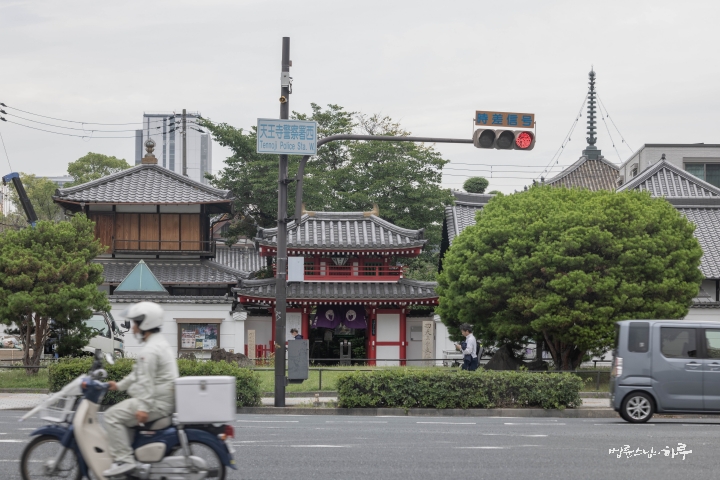
After having lunch with buckwheat soba at a restaurant, Sunim departed for the meeting venue. On the way, he passed Osaka Castle and Shitennoji Temple, the most famous sites in Osaka.
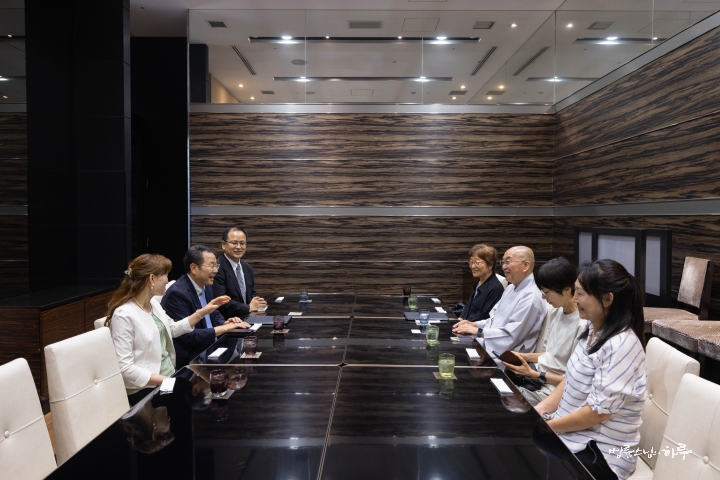
At 2 PM, Sunim arrived at the hotel, the meeting place, and had a meeting with Japanese civil society activists working for peace and unification on the Korean Peninsula.
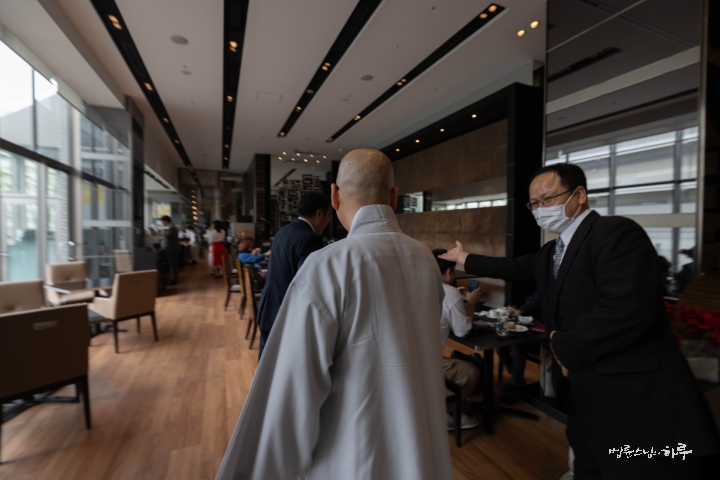
They discussed for an hour and a half about what activities would be good to pursue within Japanese society for peace and unification on the Korean Peninsula, the current state of Chongryon and Mindan activities in Japan, and the utilization of Korean schools that are gradually disappearing.
Next, they went to today’s lecture venue, Abeno Ward Community Center. The area where Abeno Ward Community Center is located is emerging as a new city in Osaka.
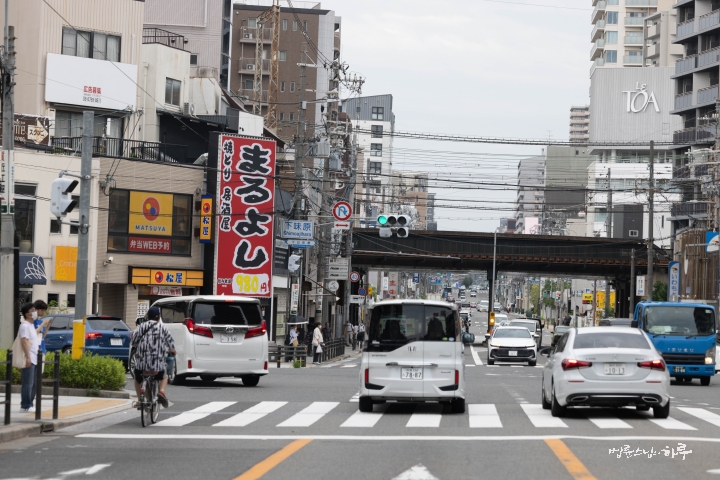
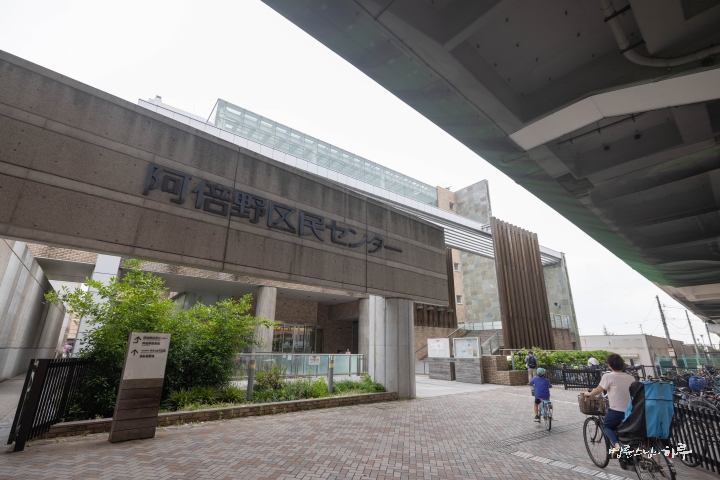
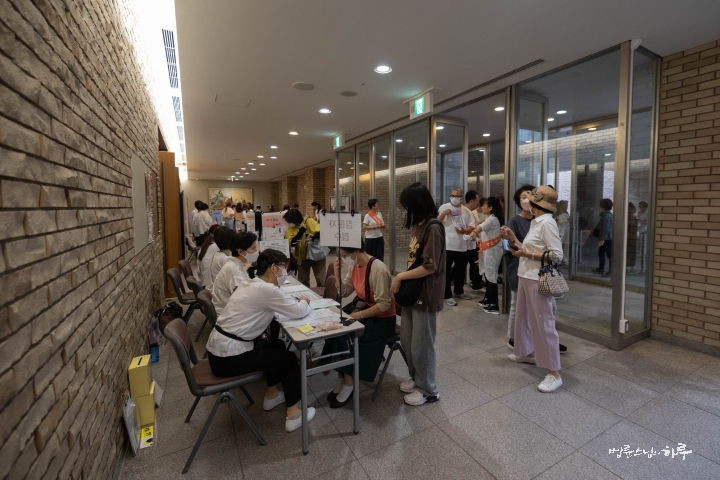
Members of Japan Jungto Society were preparing for the lecture everywhere.
Since Sunim had to take a train to Tokyo immediately after the lecture today, they took a commemorative photo with the volunteers in advance. They took the photo in front of the stage with empty seats in front.
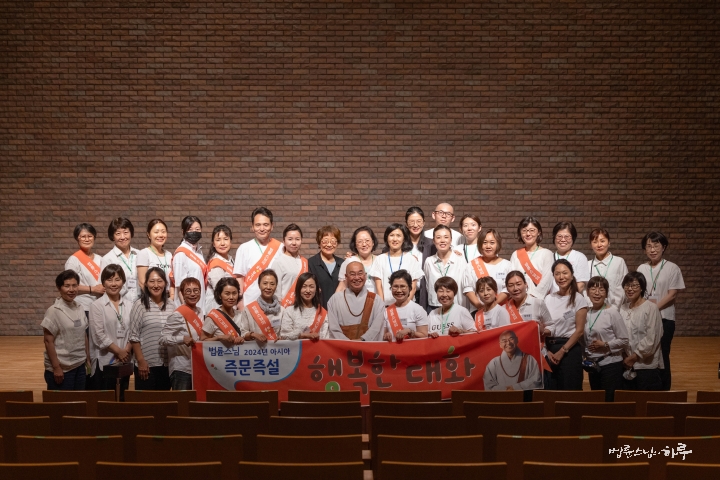
“Osaka fighting!”
After taking the commemorative photo, they sat in the audience seats and had a brief conversation with the volunteers. Sunim first checked where in Japan all the volunteers had come from.
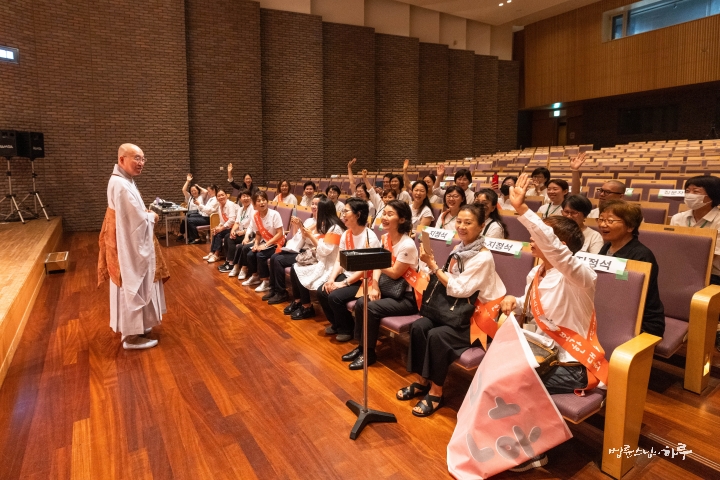
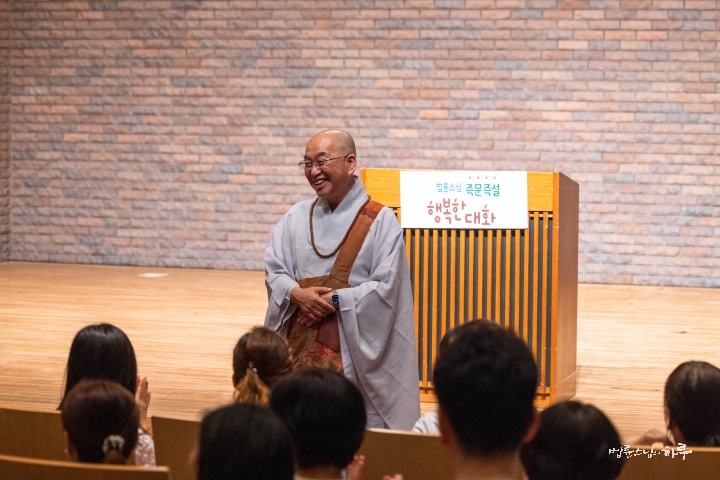
“Where does everyone live?”
Korean residents living all over Japan – Kyoto, Tokyo, Osaka, Hiroshima, Tottori, Fukui, Nagoya, Fukuoka – had traveled long distances to volunteer. There were even people who flew in from Yamagata Prefecture and Korea. After welcoming each other with loud applause, Sunim began speaking.
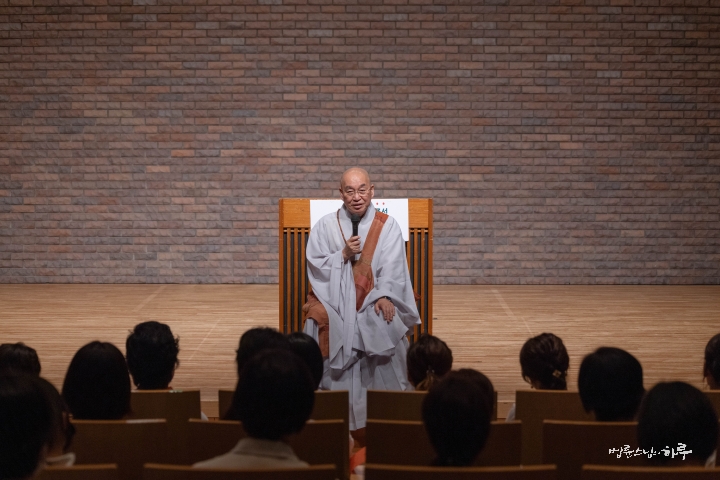
“Since you all need to volunteer during the lecture, let’s have a conversation among ourselves first. If you have any questions, feel free to ask anything.”
Anyone could raise their hand and ask questions casually. While everyone was well aware of Jungto Society’s recent news from reading A Day in the Life of Sunim, they were curious about more detailed information.
You visited China recently. What has changed a lot?
You mentioned your leg was hurting. Are you okay now?
When can we go on the Northeast Asian History Tour?
A Day in the Life of Sunim doesn’t provide detailed information about your activities for peace on the Korean Peninsula in Japan, so I’m curious.
The last questioner expressed concern about the war crisis on the Korean Peninsula and asked about the role of Korean residents in Japan.
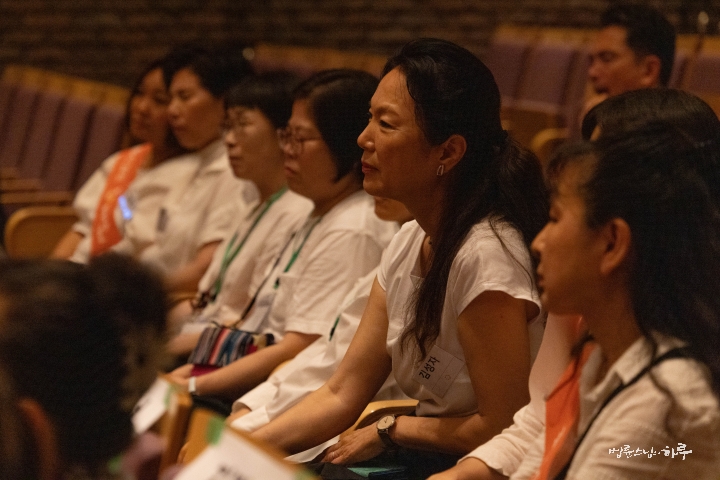
It Seems Like War Will Break Out on the Korean Peninsula Soon. What Should Korean Residents Do?
“The key to resolving the current war crisis is not Japan or Korea, but the United States. This problem will be resolved or not depending on what the United States does.
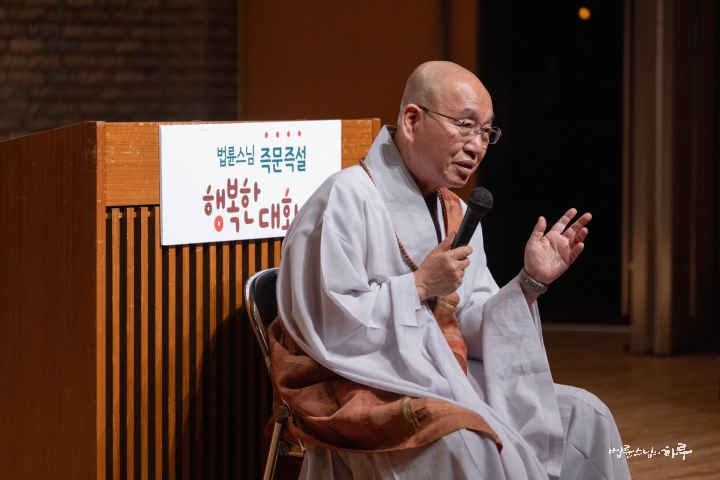
Until now, Japan hasn’t been that important, but currently Japan has come to a situation where it can play an important role. Dialogue between the US and North Korea has failed, and it’s been two years since dialogue between South and North Korea stopped. So I think it would help prevent the war crisis if Japan could at least use its influence to facilitate dialogue between the US and North Korea. When I recently went to the White House and suggested that the US support dialogue between Japan and North Korea, I heard that the US is also working on that. However, Japanese politicians tend to be cautious and are very conscious of the US. So I’m also meeting with influential people in Japanese politics to have conversations.
‘Right now, North Korea isn’t talking with South Korea, and the US isn’t talking with North Korea either, so this is a good opportunity for Japan to do something. After the US election ends, around next year, there’s a possibility the US might engage in dialogue with North Korea, so it would be good if Japan, instead of always following behind the US, could take action one step ahead to prevent war risks.’
I’m trying to persuade them during this visit to Japan. Japan has weak diplomatic efforts compared to its national strength. This is especially true in East Asia. So I’m persuading politicians that this is a good opportunity. If war breaks out, an enormous number of people will die, beyond just Japan or Korea. That’s why maintaining peace is now an issue that transcends individual nations.
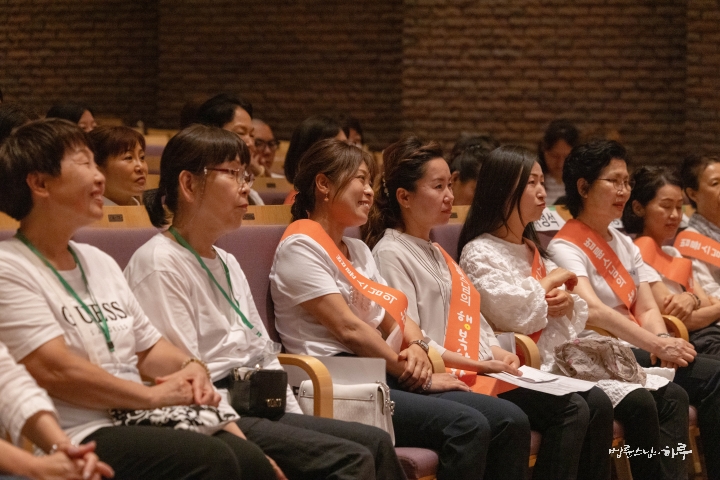
Americans don’t think a war on the Korean Peninsula is such a big problem. They think that even if some people die, it’s not a big deal as long as they achieve what they want. But we are the people living on this land, aren’t we? So we need to cry out, ‘People live here. We cannot die.’ Only then will outsiders realize the danger of war. Otherwise, whether they’re Americans or people living abroad, they don’t really care if some people die. Everyone is like that. For example, when it comes to problems in some African country, we don’t really care how many people die there as long as it’s advantageous to us. Similarly, from their perspective, they can think that way. So since war on the Korean Peninsula is our problem, we need to step up, persuade others, and cry out. Only then can we protect our lives and property.”
Sunim wanted to continue the conversation, but it was getting close to time to start the lecture.
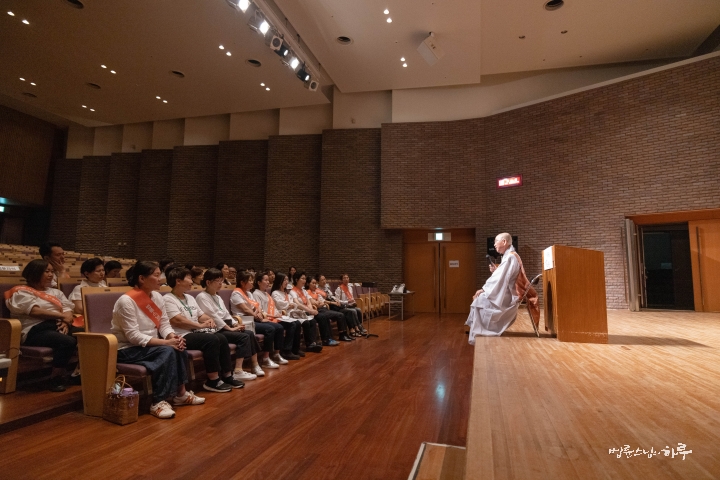
“Please do your volunteer work well today. Thank you.”
Though it was regrettable, they ended the conversation and everyone went to their positions to prepare to welcome people. Soon, the audience began arriving at the lecture hall.
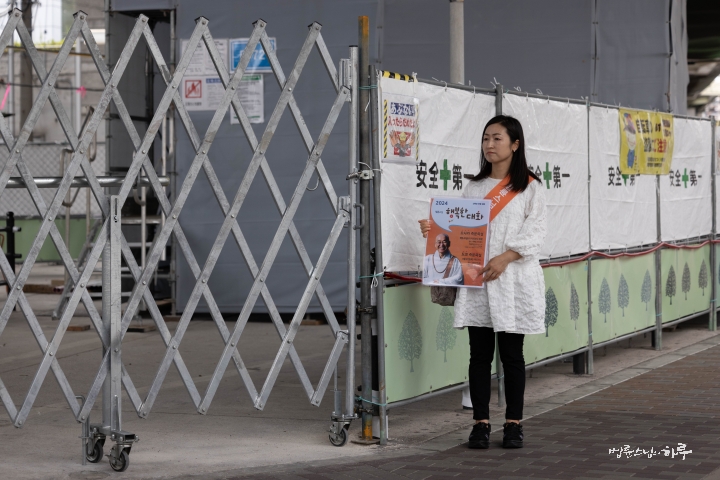
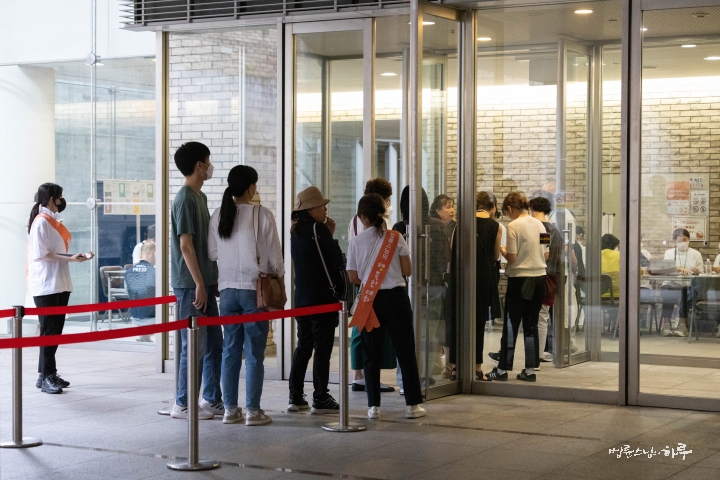
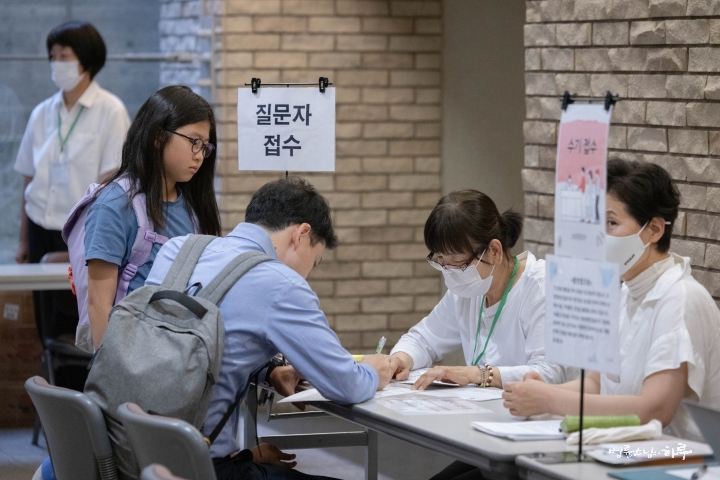
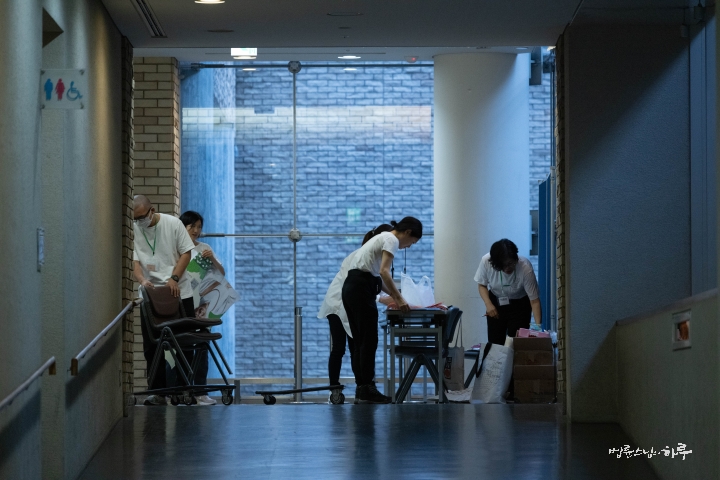
Today, it was decided to hold the book signing before the lecture. All the books were sold out before the signing began.
At 6 PM, the book signing started.
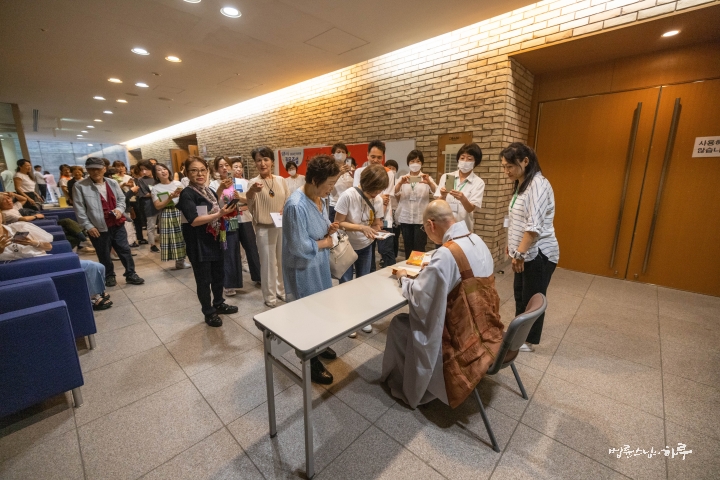
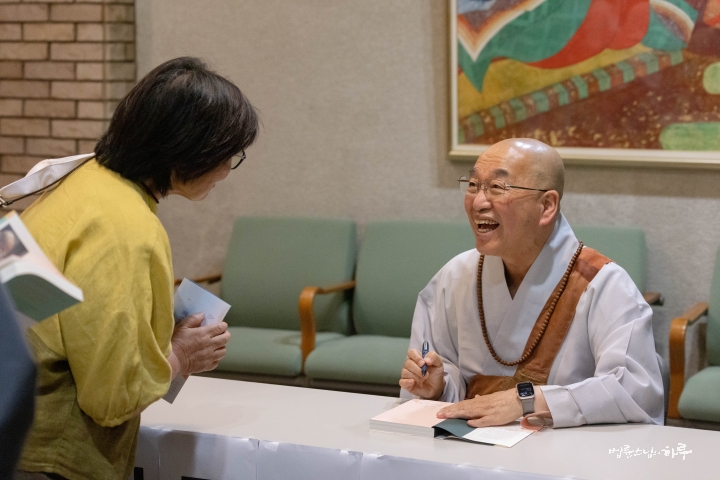
“Sunim, I respect you the most.”
“Sunim, thank you so much.”
Kim Jeong-nam and her husband Tanaka, who had prepared accommodation and meals in Osaka, also came to exchange greetings.
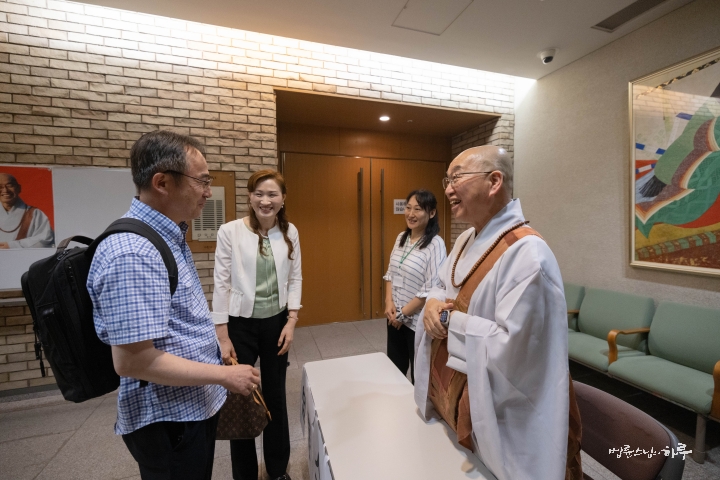
“Thank you. Thanks to you, I had a good stay in Osaka.”
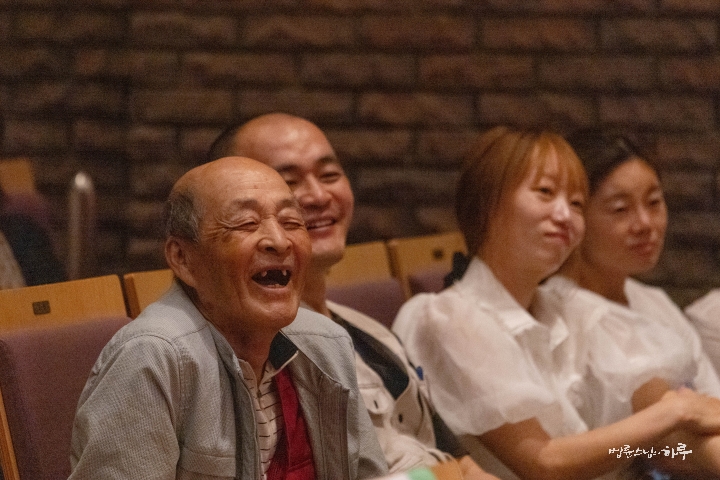
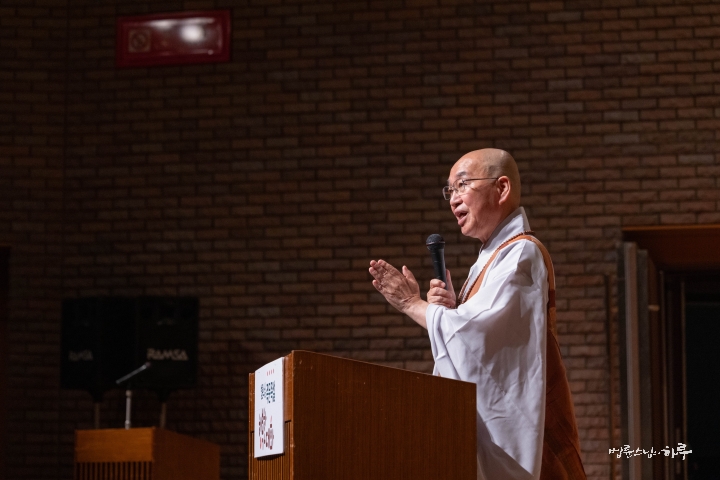
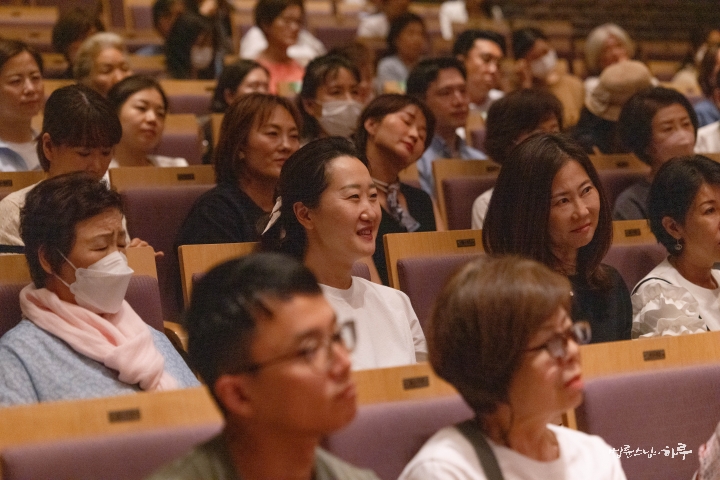
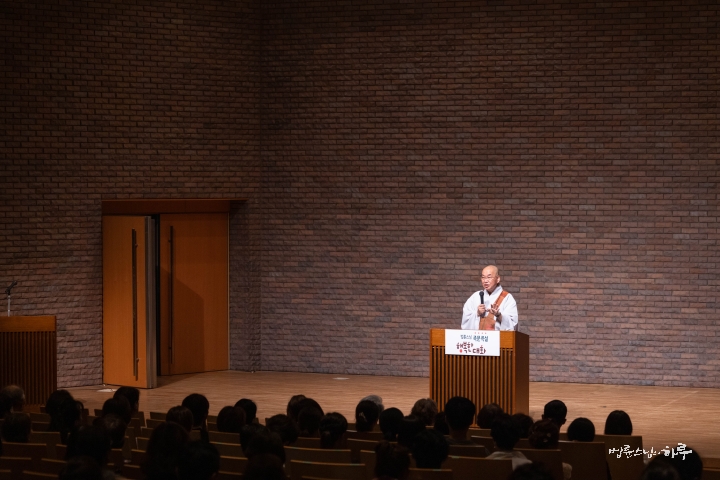
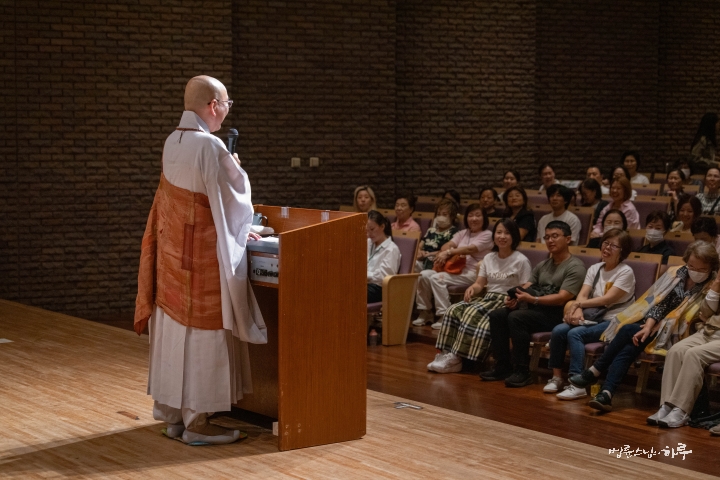
After finishing the book signing, the lecture began at 6:30 PM. With about 160 Korean residents in attendance, after the video introducing Sunim ended, he came up on stage with loud applause.
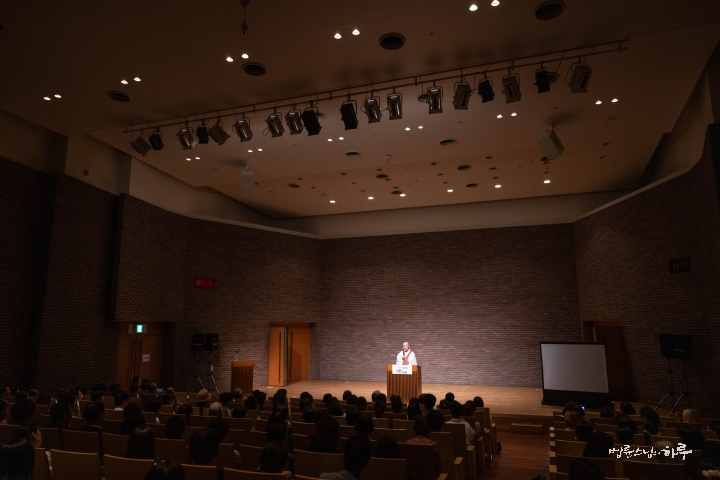
First, Sunim gave his greeting with a bright smile.
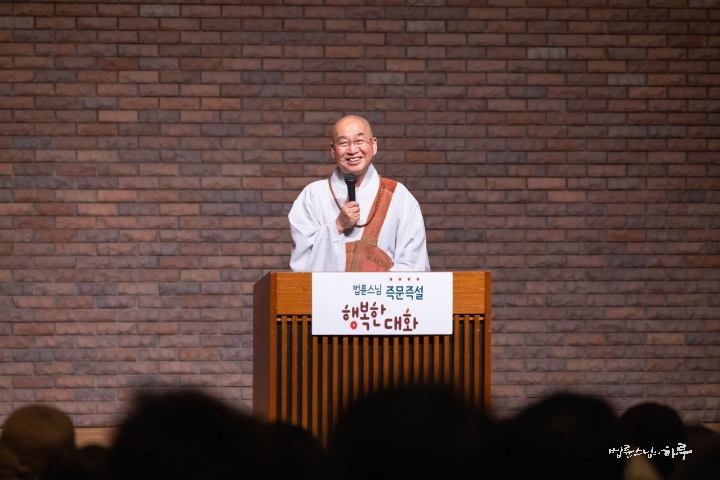
“The last time I visited Osaka was 7 years ago. Is there anyone here who came to the Osaka lecture in 2017? I see there aren’t many, so it seems everyone here today is new. Nice to meet you.”
He then explained the purpose of the Dharma Q&A and began taking questions. Those who had signed up for questions in advance took turns raising their hands and having conversations with Sunim.
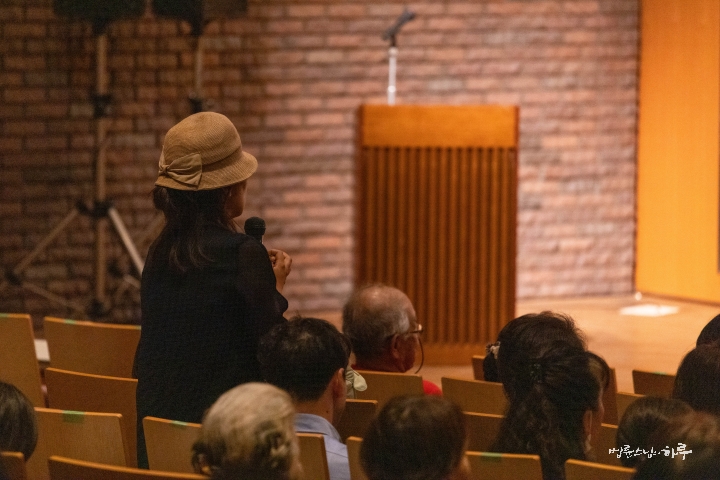
Six people asked questions over about two hours. One of them said she was Korean but born in China and now has Japanese citizenship, and asked for Sunim’s advice on how to establish her identity and what to do about her son who doesn’t want to learn Korean.
I’m Korean, Born in China with Japanese Citizenship. What Is My Identity?
“In the past, people mainly lived their entire lives only in the place where they were born. If you were born in Korea, you lived your whole life only in Korea. Even within Korea, if you were born in Gyeongsang Province, you lived your whole life only in Gyeongsang Province. Even within Gyeongsang Province, if you were born in Gyeongju, you lived your whole life only in Gyeongju. But as times changed, people began moving from their birthplace to live elsewhere. If someone was born in Jeolla Province but grew up after their father got a job at a factory in Ulsan and moved there, the problem arises of whether they’re from Jeolla Province or Gyeongsang Province. Let’s think beyond one country. There are cases where someone was born in Korea but moved to live in America, or was born in China as ethnic Korean but lives in Japan.
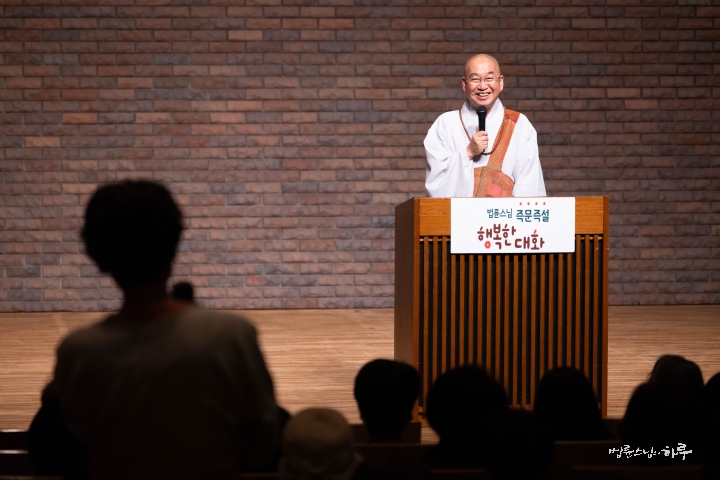
This trend will increase more and more in the future due to globalization. However, people’s thinking doesn’t always change at the same pace as the times. So questions like ‘Where is your hometown?’ or ‘Which country are you from?’ can be seen as coming from stereotypes steeped in past culture.
In the past, if parents had a religion, whether Buddhism, Christianity, or Islam, children automatically had the same religion as their parents from birth. But now you can have whatever religion you want. As the world has become more diverse, the classification of identity has also become more diverse. If someone’s nationality is American but their ethnicity is Korean, this is classified as Korean American. Similarly, identity can be classified as Chinese American, African American, German American, Italian American, and so on. Religious identity has also become diverse. If someone was born into a Christian family and became Buddhist, they’re called a Christian Buddhist. Korean American, Christian Buddhist – these are new identities that didn’t exist before.
So questions like ‘Which country are you from?’ can be said to come from old stereotypes. These days, when entering a country, they ask ‘What is your nationality?’ You would answer Japan. If they ask ‘What is your native language?’ you would answer Korean, and if they ask ‘Where were you born?’ you would answer China. This is exactly the changed aspect that didn’t exist before. You might find it difficult to answer questions asked by people steeped in past culture with fixed ideas. But nowadays, the way of asking has changed, so there’s no problem. If someone asks in the old way, you can just keep quiet and stay still. (Laughter)
Otherwise, you can ask them back, ‘What do you mean by that?’ You can ask whether they’re asking about your nationality, where you were born, or what your native language is, and then answer according to their clarified question.
If you were born in Korea and lived there your whole life, you speak Korean well. However, if you were born in Korea but grew up in the United States, you won’t speak Korean as well as someone who lived their entire life in Korea. You also won’t speak English as well as someone who lived their entire life in America. That’s a perfectly natural outcome. But the problem is that you’re defining yourself as ‘someone who can’t speak Korean well or English well.’ In this case, you should think, ‘I can speak both Korean and English.’ That’s the proper self-identity. You should make your ability to speak three languages part of your identity as an advantage. Comparing yourself and thinking your Japanese isn’t as good as a Japanese person’s, your Chinese isn’t as good as a Chinese person’s, and your Korean isn’t as good as a Korean person’s is greed. You’re essentially wanting to be better than people who have only used their native language. You should establish your perspective that while you may be slightly less proficient than monolingual speakers, being able to use all three languages is precisely what defines your identity.
If you’re experiencing confusion about your identity, it will naturally resolve itself as you live longer. This is because the number of people like you will continue to increase in the future. In the United States, this isn’t a big problem because America is a nation built by immigrants. The same goes for China. It became the Republic of China by uniting various ethnic minorities. Just like that, you are simply a global citizen. You’re a global citizen with Japanese nationality, Korean ethnicity, and born in China.”
“My son dislikes Korea and has no intention of learning Korean. How should I resolve this issue?”
“Your son is a Japanese person who was born in Japan and has Japanese nationality. Of course, since his mother and grandmother have Korean ethnicity, he would be a Korean-Japanese person. Your desire for your son to learn Korean is your own wish, and if he doesn’t want to, he has the freedom not to. Of course, learning Korean would be more advantageous for him in the long run. Korean parents living in America used to not teach their children Korean. They thought English was enough and wondered where Korean would be useful. However, as K-culture has developed and gained popularity, being able to speak Korean has become an advantage in America these days. So even without being forced to learn, young Korean-Americans are learning Korean on their own. Therefore, you don’t need to worry in advance. From your son’s perspective, he might have experienced discrimination from friends at school for being Korean or Chinese, or felt an unwelcoming atmosphere. This could have created a defensive psychology where he keeps quiet about his background and tries to appear more Japanese.”
“It seems like my son’s friends often talk about how the relationship between Korea and Japan is bad.”
“When China-Korea relations are bad, ethnic Koreans in China find themselves in a difficult position. When Japan-Korea relations are bad, Korean residents in Japan face difficulties, and Japanese people living in Korea also find themselves in an awkward position. This happens because we live mixed together. Nothing has only advantages. So it’s best to just leave your son alone without trying to interfere too much.
If you deliberately don’t teach your child Korean to hide the fact that he’s Korean, that would be a problem. However, if the child dislikes it even though his mother speaks Korean to him, you don’t need to be too concerned. If you want your child not to forget Korean, one method is to use only Korean at home even if he speaks Japanese outside. If the child speaks Japanese at home and the mother doesn’t respond, he’ll speak Korean when he urgently needs something. Rather than forcing your child to speak Korean, you can simply use Korean yourself at home. This might lead to gradual improvement.
As globalization accelerates, there are currently about 100,000 women from Vietnam who have married and moved to Korea. Children born there are experiencing situations similar to your child’s. When they go to school, they face teasing or feel discriminated against, so they don’t want to learn Vietnamese. This leads to various problems later due to weakened identity. That’s why I’m planning to gather Vietnamese-Korean children and hold Vietnamese speech contests or Vietnamese singing competitions, with prizes including trips to visit their maternal grandparents’ homes in Vietnam. This isn’t to emphasize that the children are Vietnamese, but to encourage them to respect their mothers.
A Korean-American woman was elected to the U.S. House of Representatives for the first time. She was born to a Korean mother and an African-American father. She made headlines by taking her oath of office wearing a hanbok – a red jeogori (jacket) and purple chima (skirt) – at the House opening ceremony. She said she wore the hanbok so her mother could easily spot her among the crowd. This respectful attitude toward her mother stems from taking pride in her ethnic heritage. This leads to establishing one’s identity. For this to happen, you as the mother need to be confident first. Seeing your child trying to hide their identity suggests you haven’t been very confident yourself. There’s absolutely no reason to hide where you were born or your ethnicity.
However, the more similar people look, like Japanese and Koreans, the more they tend to hide their identity. Koreans living in Japan can’t be distinguished if they don’t speak, which triggers this psychological tendency to hide. People from North Korea or ethnic Koreans from China also try to hide their identity in South Korea because they can’t be distinguished from South Koreans if they don’t speak. They do this because they don’t want to face discrimination. Whether it’s ethnic or gender discrimination, discrimination should not exist. In the end, children get hurt by the atmosphere created by adults. Living while hiding causes great psychological suffering. That’s why it’s best to just be open about it. In your case, I think it’s best not to interfere too much with your children and just let them be.”
“Thank you.”
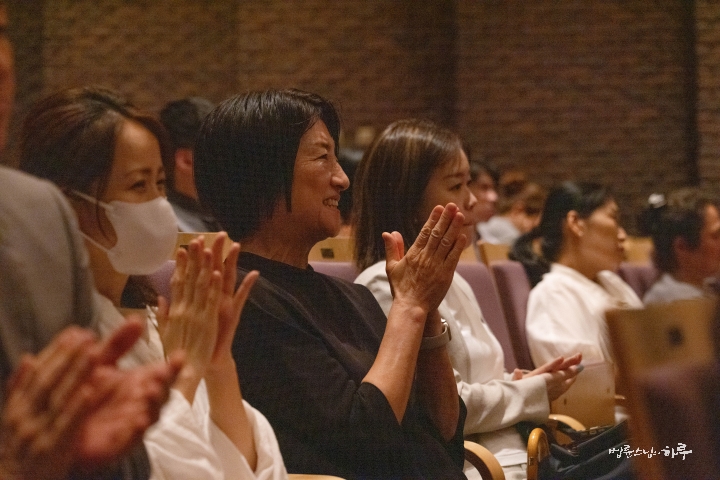
Questions continued to follow.
I have three children. The first and third are doing well on their own, but my second child has failed to get into their desired university three times. I don’t pressure them, but what advice can I give as a parent?
I practiced Zen meditation but stopped because it interfered with my work. I had two mystical experiences that healed my illness, and I believe I received grace, so I want to build a temple. How can I do this?
I was born in Japan but my nationality is Korean. I graduated from a Korean school, and my children also attended Korean schools. What identity should I have?
I’m curious about Sunim’s thoughts on the unification of the Korean Peninsula.
I often think that I am the subject who perceives this world, everything revolves around me, and when I die, this first-person perspective will disappear. How does Buddhism view such thoughts?
Many foreigners come to live in Wakayama where I live. As a Korean, I want to show a good image. How can I do this?
After answering all the questions, Sunim gave closing remarks.
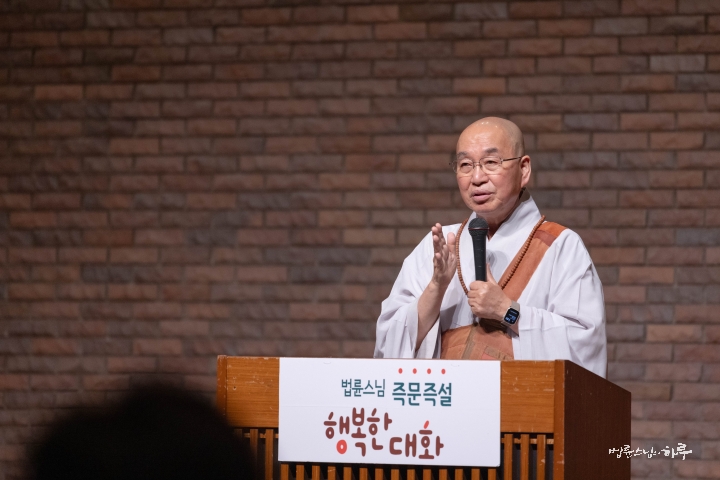
“We should practice with the goal of living freely and happily as individuals in any situation. Based on this practice, I hope you will also participate in work that benefits the world. As the atmosphere of war looms over the Korean Peninsula, I hope you will actively participate in the peace movement to prevent the suffering caused by war.”
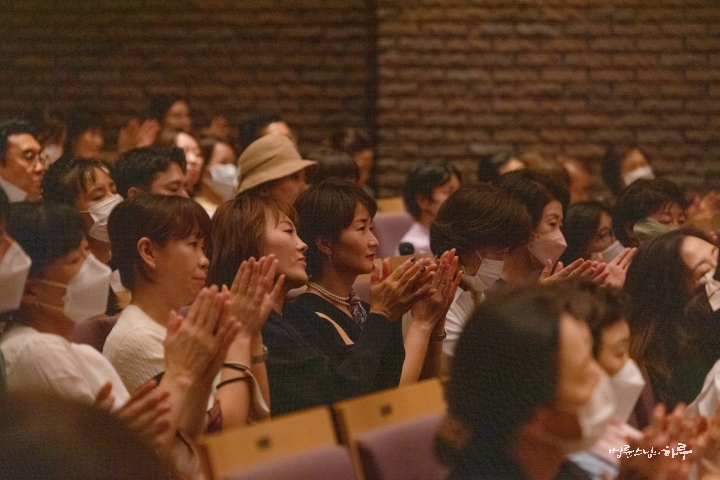
There were more people who wanted to ask questions, but the lecture ended at 8:15 PM as Sunim had to take a train to Tokyo.
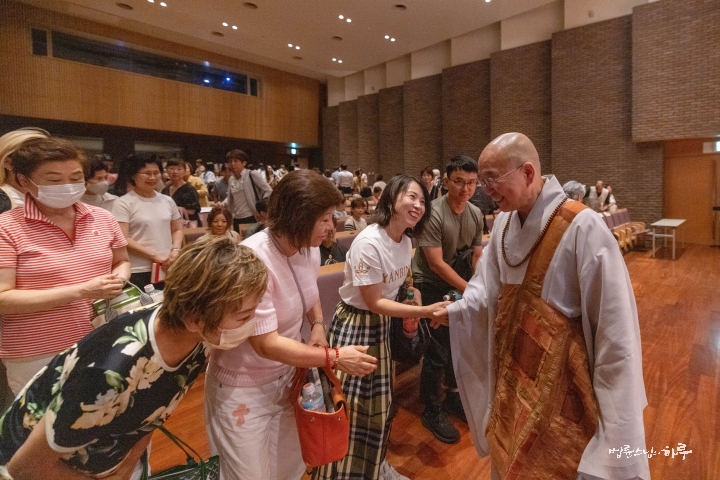
After stepping down from the stage, Sunim shook hands with the audience. He had to leave immediately, so he couldn’t shake hands with everyone and hurriedly left the venue.
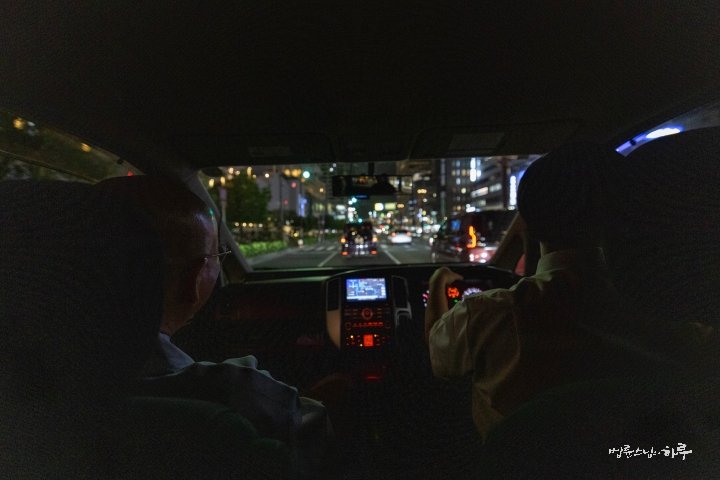
He immediately went to Shin-Osaka Station. Arriving at the train station at 8:50 PM, he went to the accommodation to quickly retrieve his luggage.
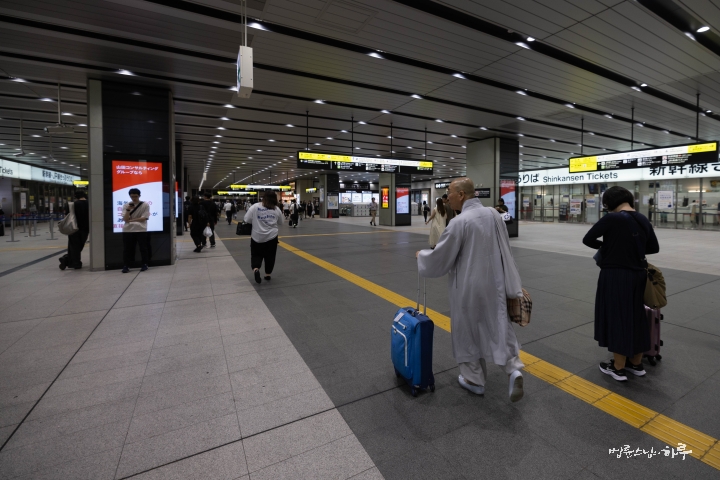
Running with his luggage, he arrived at the boarding gate for Tokyo at 9:05 PM. There were about 20 minutes left until 9:24 PM.
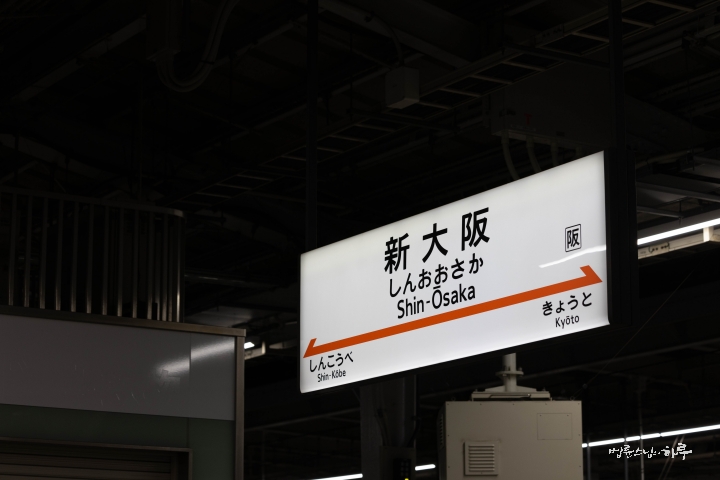
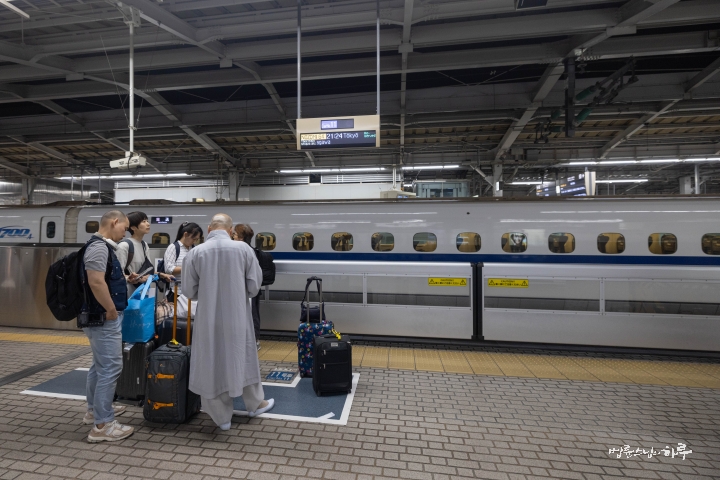
“We arrived quickly. If I had known this, I should have lectured for 10 more minutes.” (laughter)
At 9:24 PM, the Shinkansen train arrived.
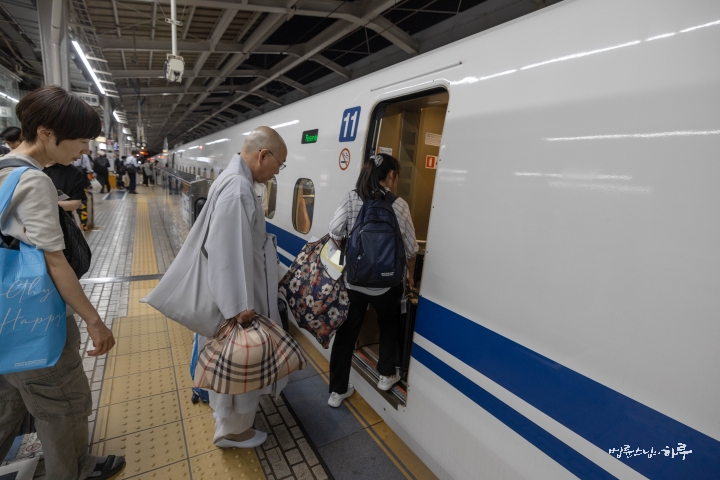
On the train, he had a late dinner with a bento box and briefly closed his eyes.
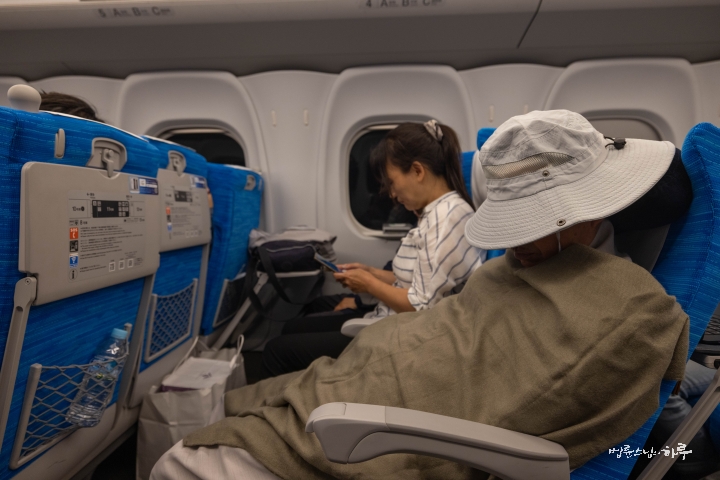
The Shinkansen train traveled for 2 hours and 20 minutes, arriving at Tokyo Station at 11:44 PM.
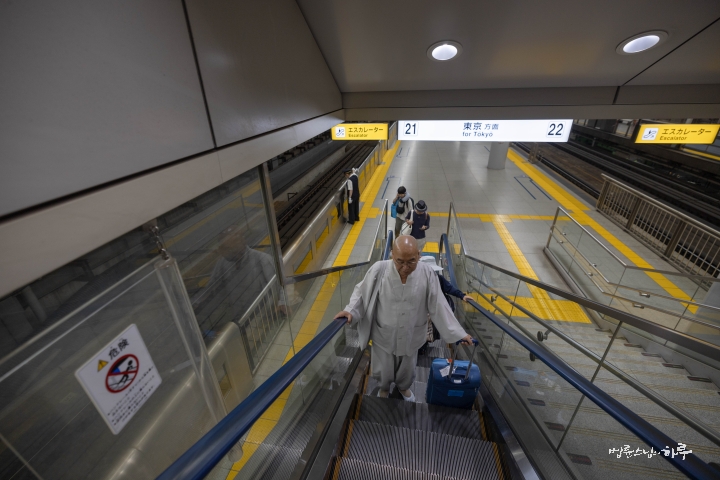
After getting off at Tokyo Station, he transferred to the subway. Although it was close to midnight, the train was crowded with many people.
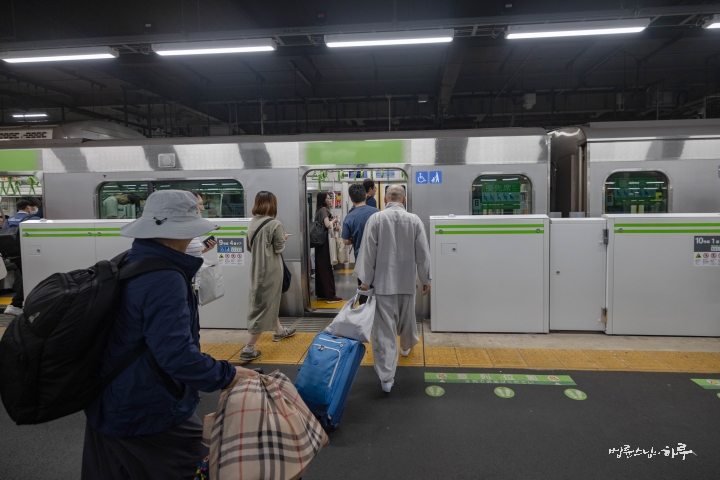
He arrived at Takadanobaba Station in Tokyo at 12:20 AM and headed to the accommodation with his luggage.
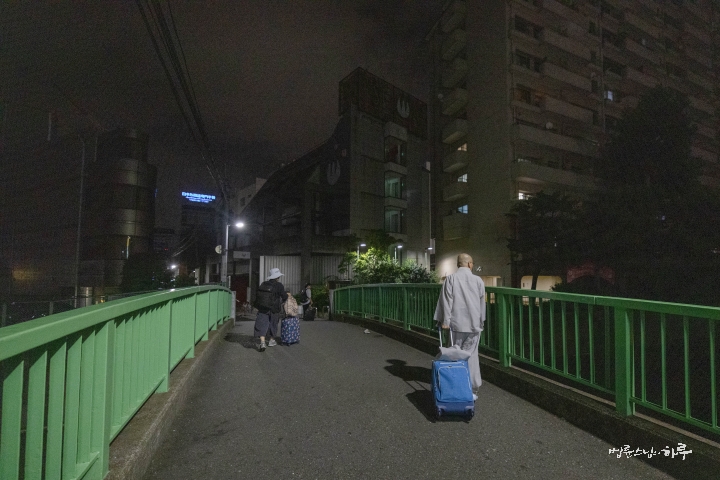
Walking through the alley, he arrived at the accommodation where he would stay during his time in Tokyo at 12:40 AM.
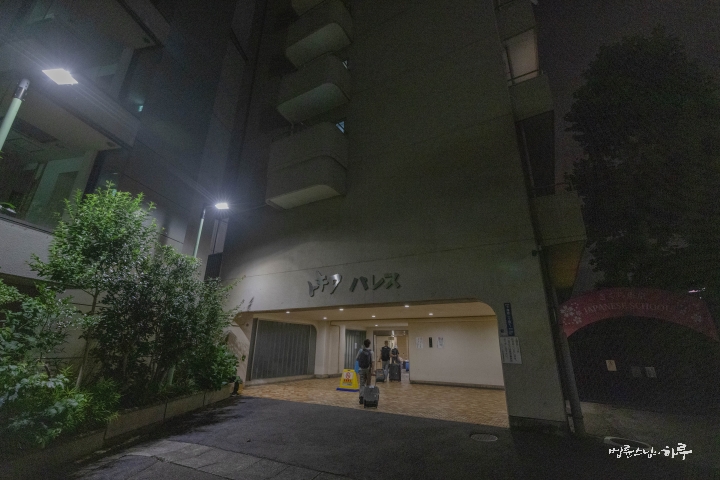
The accommodation was a newly renovated house for rent by an acquaintance of Jungto Society member Lee Ju-eun. The house was temporarily vacant before new tenants moved in, so it was lent to Sunim’s group. Sunim worked on manuscript editing and went to bed after 2 AM.
Tomorrow, he will visit Rissho Kosei-kai in the morning and have lunch with the Chairman of the Niwano Foundation. In the afternoon, he will meet with a Korean-Japanese politician for a dialogue. In the evening, he is scheduled to give a Dharma Q&A lecture for Korean residents living in Tokyo.