How Could the Buddha’s Teachings Be Transmitted After His Passing?
Jan 29, 2026- Day 6 of the India Pilgrimage, Rajgir
Hello. The sixth day of the India pilgrimage has dawned. Today is the day to visit the sacred sites of Rajgir.
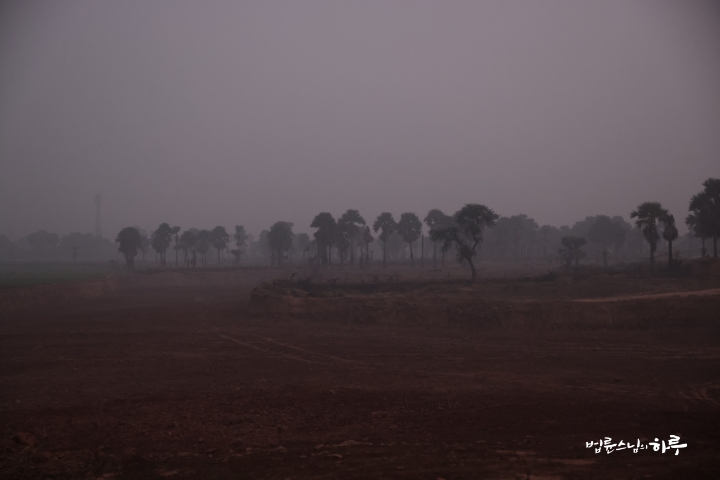
Rajgir was the capital of the ancient Magadha Kingdom, called ‘Rājagṛha’ at that time and written as Wangsaseong (왕사성 : 王舍城) in Chinese characters. After attaining enlightenment at Bodh Gaya, the Buddha traveled to Sarnath to deliver his first sermon, and then came to Rajgir. It was here that his teachings spread widely.
Rajgir is home to several important Buddhist sacred sites. Today, the pilgrimage visited Jethian, where King Bimbisara came out to greet the Buddha when he first arrived in Rajgir after his enlightenment; Vulture Peak (영축산), where numerous Mahayana sutras including the Lotus Sutra (법화경), Heart Sutra (반야심경), and Nirvana Sutra (열반경) were taught; Bamboo Grove (죽림정사), the first monastery; and Saptaparni Cave (칠엽굴), where the Buddha’s teachings were compiled after his passing.
Sunim and the pilgrimage group woke up at 3:40 AM and began loading luggage at 4:10 AM. The buses departed for Rajgir one by one as loading was completed. The day began with morning practice and meditation on the moving buses.
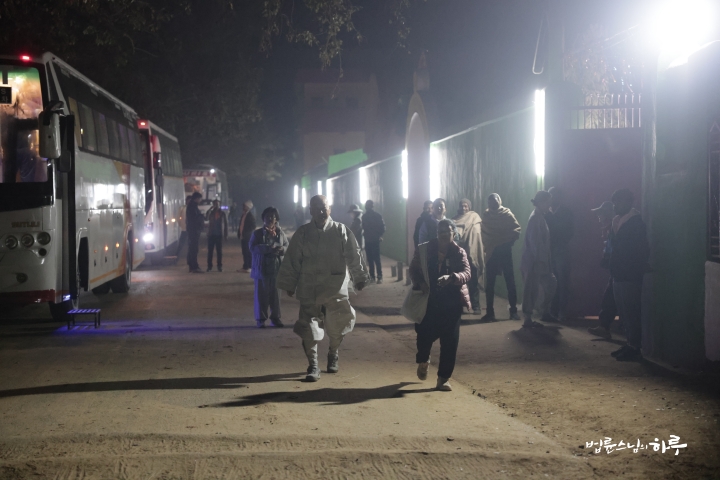
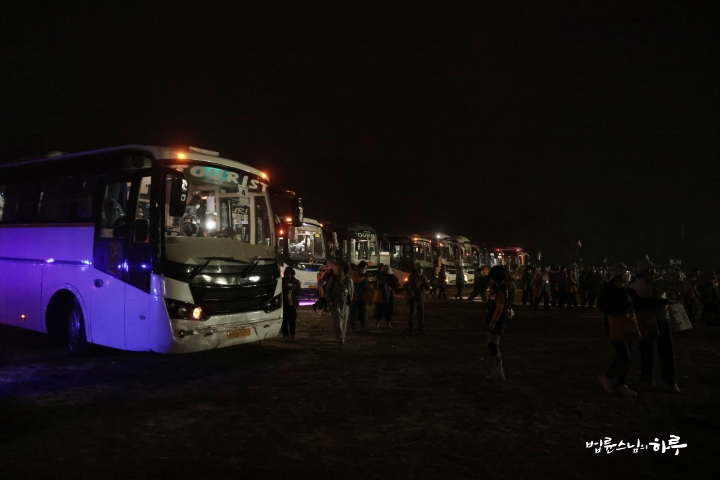
After about an hour and a half of travel, the buses arrived at 6:20 AM near Jethian, approximately 14 km west of Rajgir. Parking the buses in a wide open area, Sunim and the pilgrimage group walked through the dark village streets toward Jethian. Since the villagers were still sound asleep at this hour, the group moved quietly.
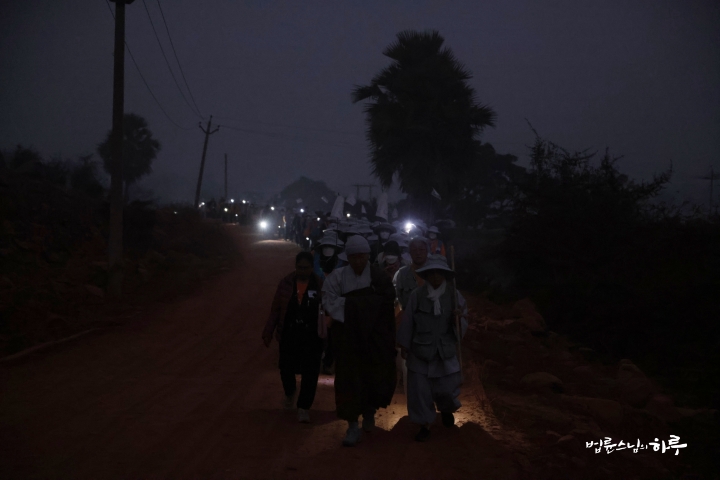
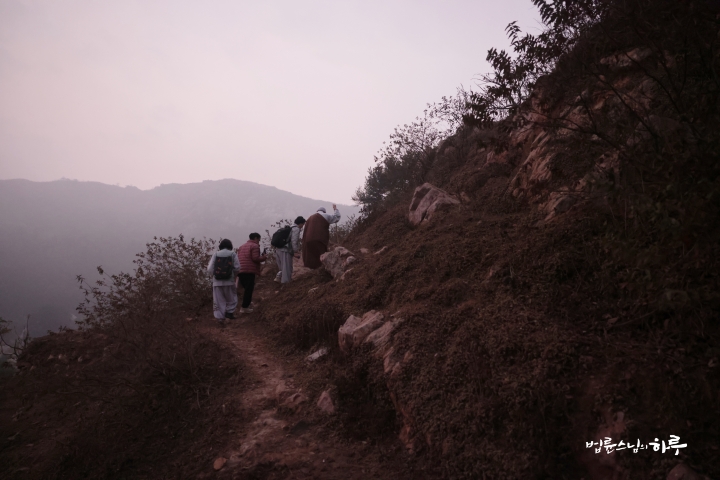
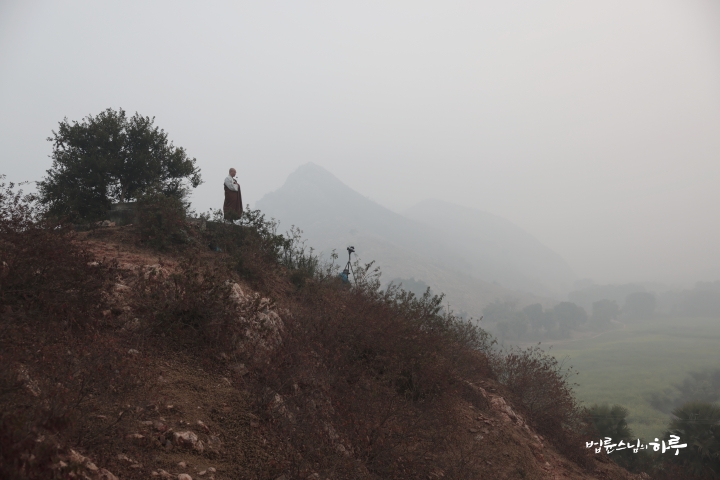
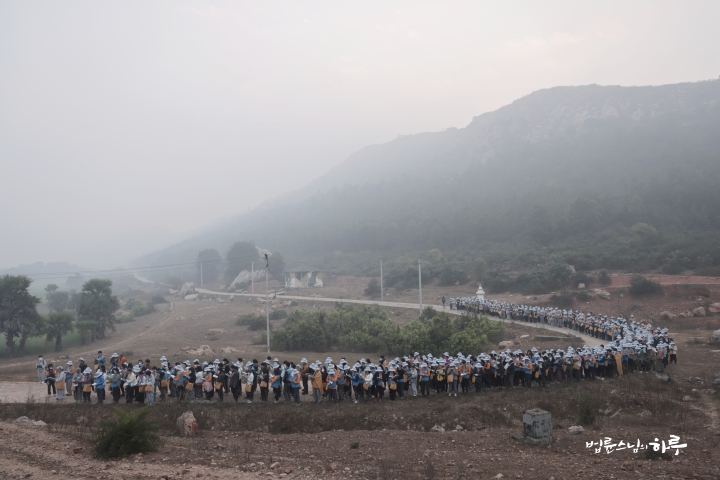
As they arrived at Jethian, the eastern sky finally began to brighten. The pilgrimage group positioned themselves on a road that curved widely like the handle of a walking stick, while Sunim climbed up the hill where the ruins of the Jethian stupa stood.
Sunim and the pilgrimage group stood in place for a moment of meditation.
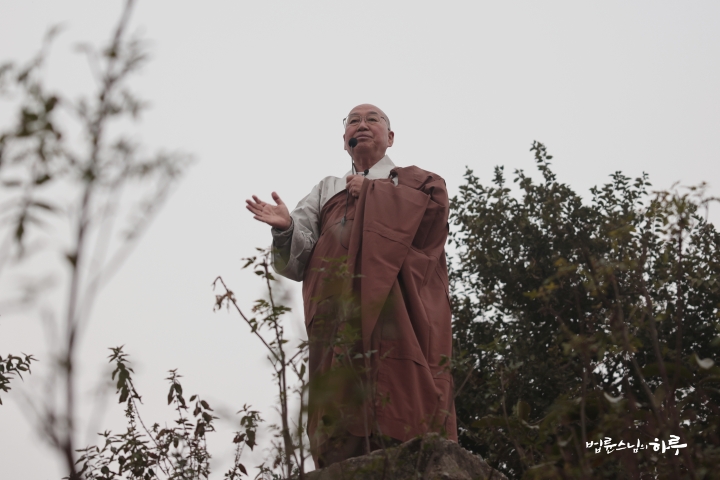
After meditation, Sunim shared the story of the historic meeting between King Bimbisara and the Buddha at Jethian.
This Person Is My Teacher, and I Am His Disciple
At that time, Uruvela Kassapa was a leader of 1,000 practitioners and a very influential religious leader even in the Magadha Kingdom. When Uruvela Kassapa came to Rajgir leading 1,000 followers, King Bimbisara also came out to greet him according to protocol, accompanied by 1,000 ministers. When the two groups met and settled here, a question arose in the minds of the king and his ministers. ‘Can it really be that the young ascetic Gotama is the teacher of the eighty-year-old monk Uruvela Kassapa?’ As this doubt would not easily subside, King Bimbisara asked Uruvela Kassapa directly. ‘Great Ascetic, according to rumors, you have taken a young practitioner as your teacher. Is this true? It seems as difficult to believe as a three-year-old child pointing to an eighty-year-old man and saying, “This is my grandson.”‘ Then Uruvela Kassapa rose from his seat, circumambulated the Buddha three times in reverence, prostrated with his forehead touching the Buddha’s feet, and said: ‘This person is my teacher, and I am his disciple. Before I met him, I was planting seeds of rebirth, but after meeting him, I abandoned those seeds and attained liberation.’ The moment they heard this confession, all doubts among the assembly vanished. ‘Indeed, as rumored, this person is Uruvela Kassapa’s teacher.’ King Bimbisara requested the Dharma from the Buddha and listened to his teaching, and right there he opened the eye of wisdom. The king’s mind became clear and light. He then confessed his wishes: ‘When I was a prince, I made five wishes. First was to become king, second was for a Buddha to appear in my country. Third was that I would meet the Buddha in person, fourth was to hear the Buddha’s teaching. Fifth was to attain realization upon hearing that teaching. Today, all five of these wishes have been fulfilled. So please, come to the palace and accept my offering.’ However, the Buddha quietly declined the king’s invitation. The king pondered where would be an appropriate place for the Buddha and his assembly to stay, and recalled a bamboo grove outside the city that he cherished. It was not too close to the capital to be noisy, yet not too far for alms rounds. The king made another request to the Buddha: ‘There is a bamboo grove outside the north gate. How about staying there?’ The Buddha accepted with his silence. From then on, the Buddha and his assembly stayed at the bamboo grove outside the north gate of Rajgir, Venuvana Vihara. This is what is known today as the Bamboo Grove, Buddhism’s first monastery.”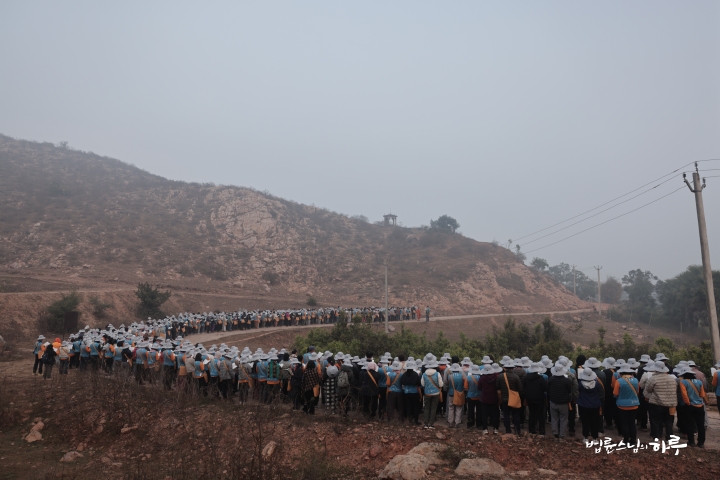
After the Dharma talk ended, Sunim and the pilgrimage group meditated briefly and chanted the Heart Sutra.
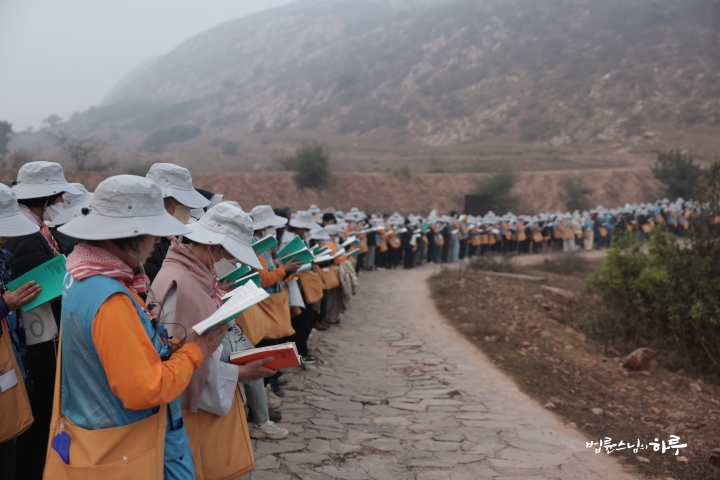
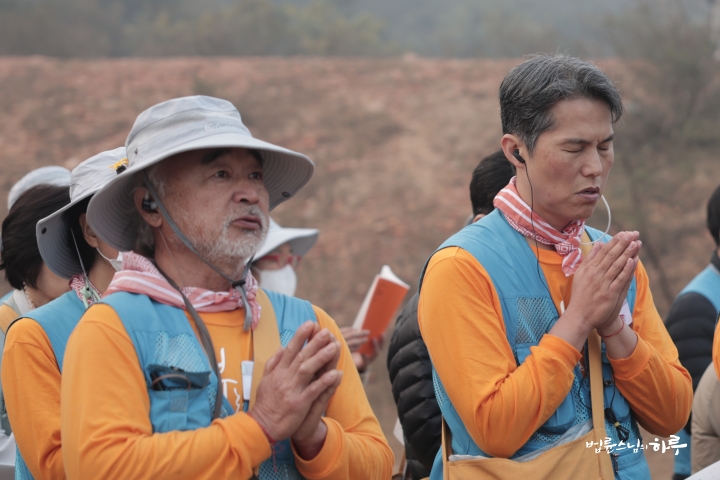
As they descended from the Jetavana and reached the parking lot, the darkness had completely lifted and the sky was bright. At 7:30 AM, they left Jetavana and headed for Vulture Peak. When the Buddha stayed in Rajgir, the capital of Magadha, he primarily resided at Vulture Peak. Therefore, Vulture Peak (영축산) is where many important teachings were delivered and is a place deeply connected with Mahayana Buddhism.
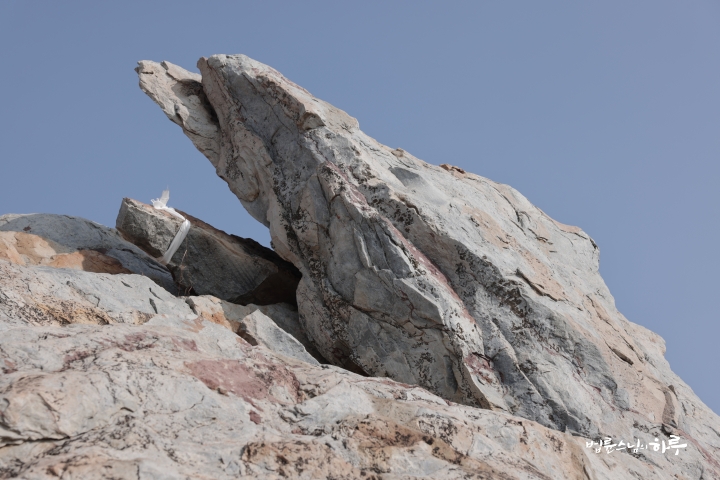
The pilgrimage group took buses to the southern gate of Rajgir. Passing by the site with chariot wheel tracks and the mango grove of Jivaka, the Buddha’s physician, they arrived at the entrance to Vulture Peak at 8:30 AM.
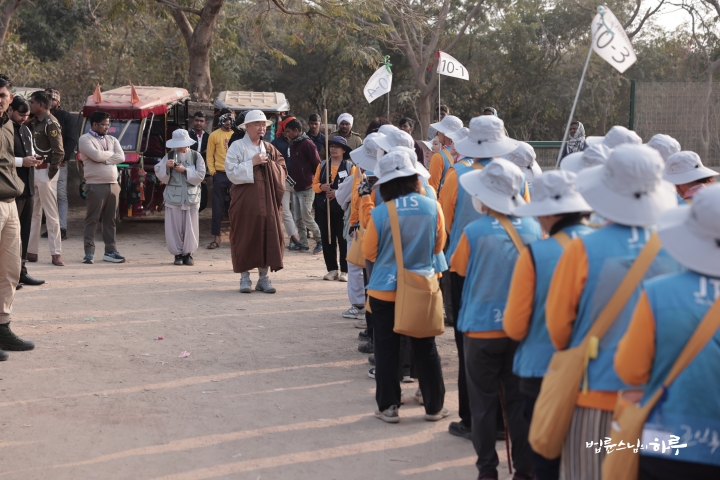
Sunim got off the bus and slowly began climbing the mountain path. The pilgrimage group followed behind.
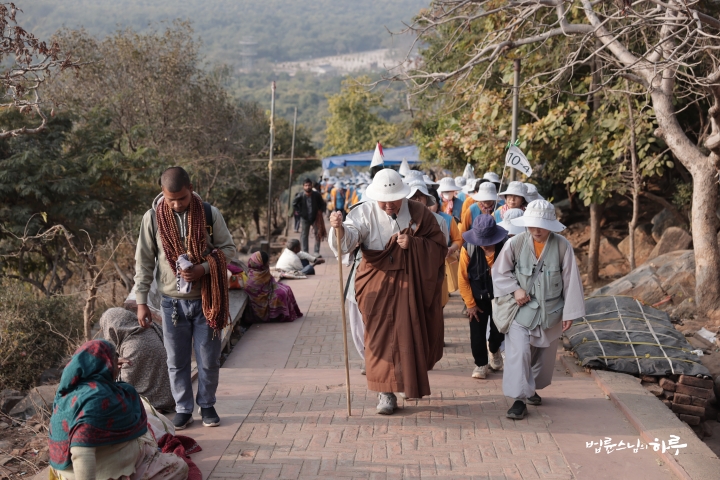
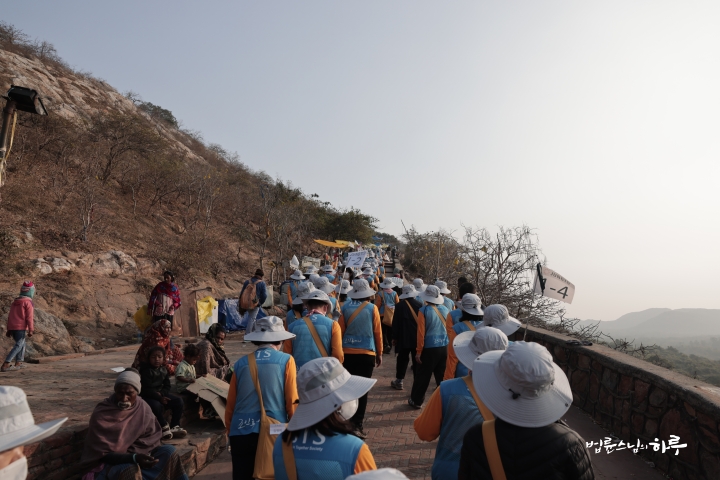
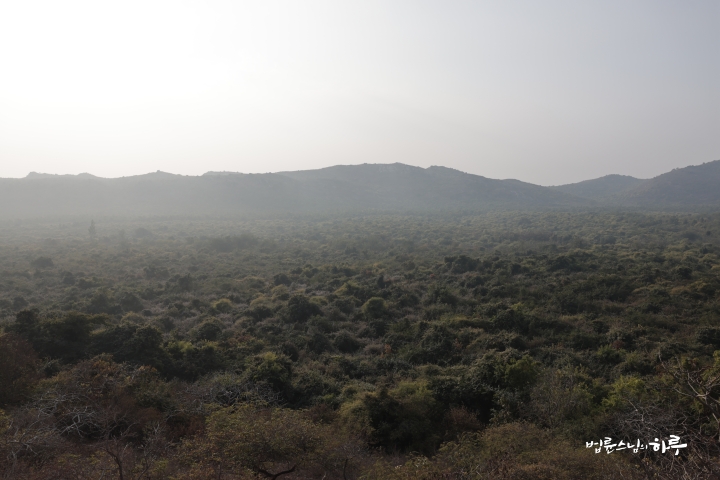
As they approached the summit, the caves of Venerable Ananda (아난존자) and Venerable Sariputta (사리불 존자) appeared in succession.
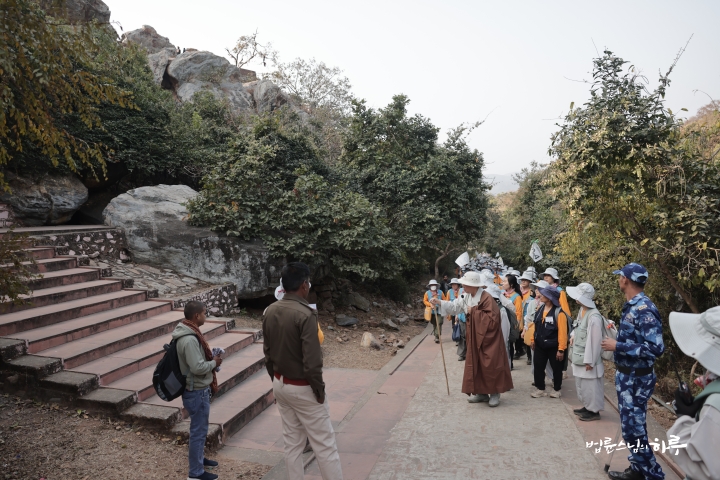
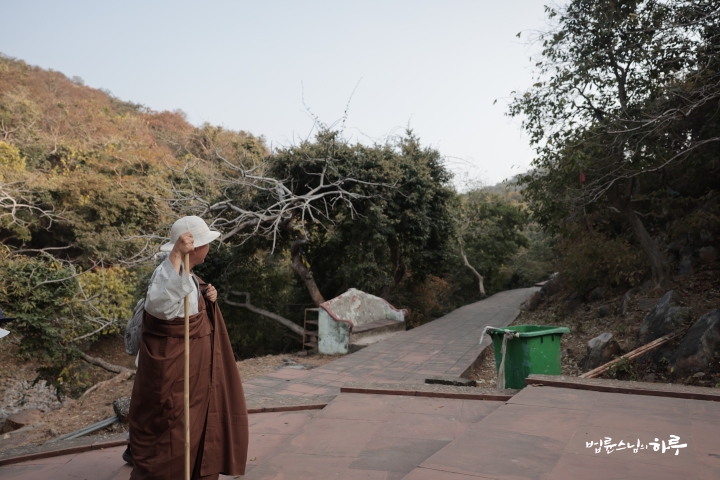
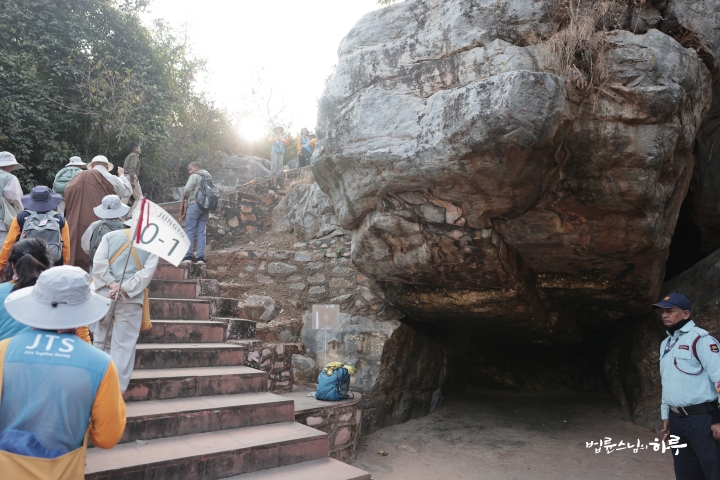
They finally arrived below the summit of Vulture Peak. This place is usually crowded with pilgrims, but today it was relatively quiet due to the early hour. Before paying respects at the summit, Sunim gave instructions to the pilgrimage group.
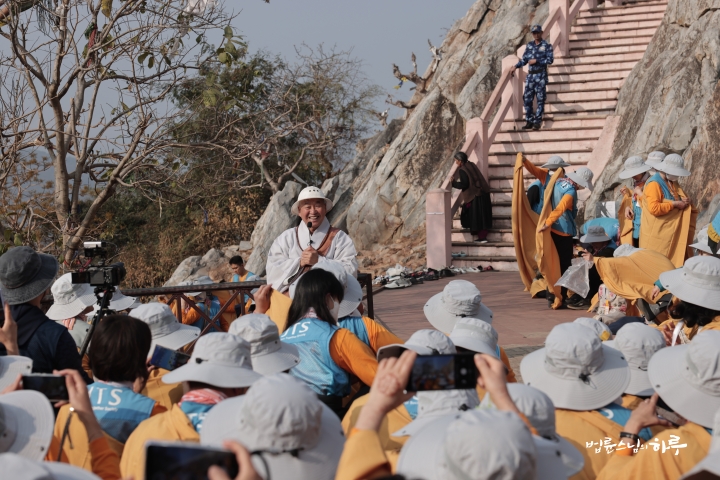
The pilgrimage group orderly paid their respects at the summit and came down to settle in an area below where the Buddha had taught.
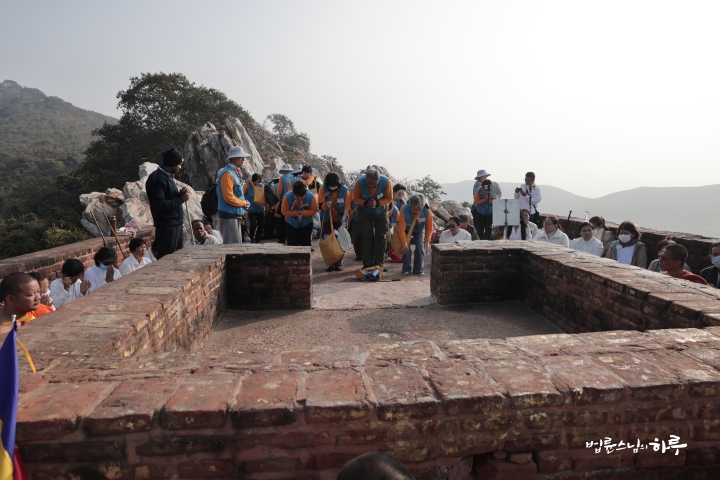
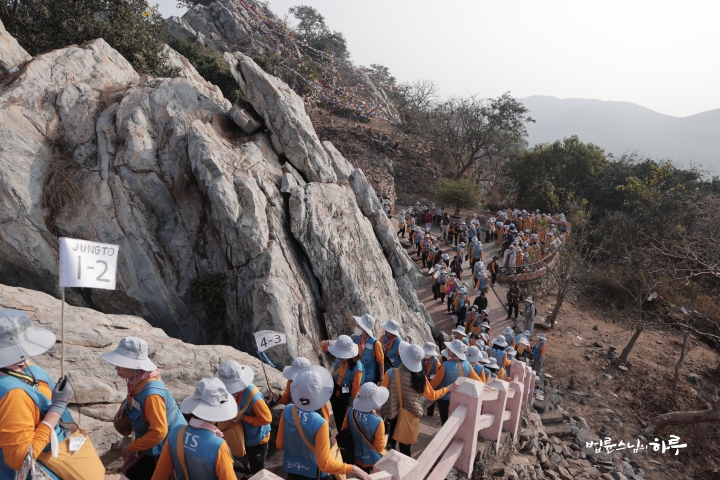
After a brief meditation, Sunim explained what had happened here at Vulture Peak during the Buddha’s time.
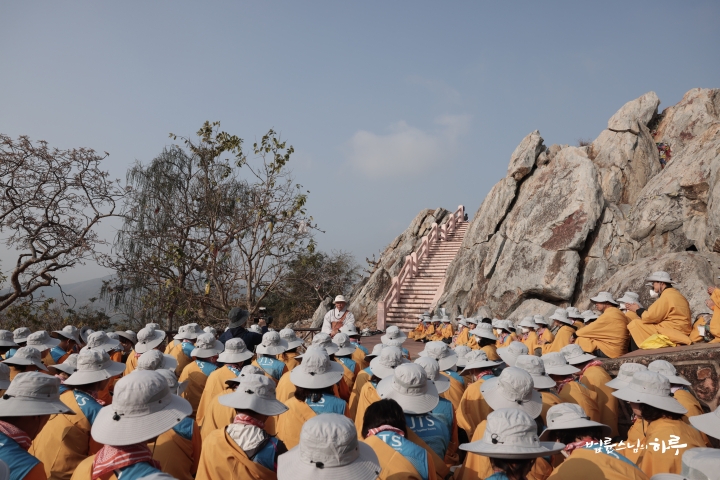
)
is a scripture that records day by day the Buddha’s last year before entering parinirvana. According to these records, the starting point of the Buddha’s journey to parinirvana was right here at Vulture Peak. When the Buddha was staying at Vulture Peak, King Bimbisara of Magadha had died and his son Ajatasattu became king. Ajatasattu was someone who overthrew his father and seized power through a coup. After imprisoning King Bimbisara and starving him to death, he became king himself. At first, he did not view the Buddha favorably, but over time he deeply repented his actions and became an ardent supporter of the Buddha.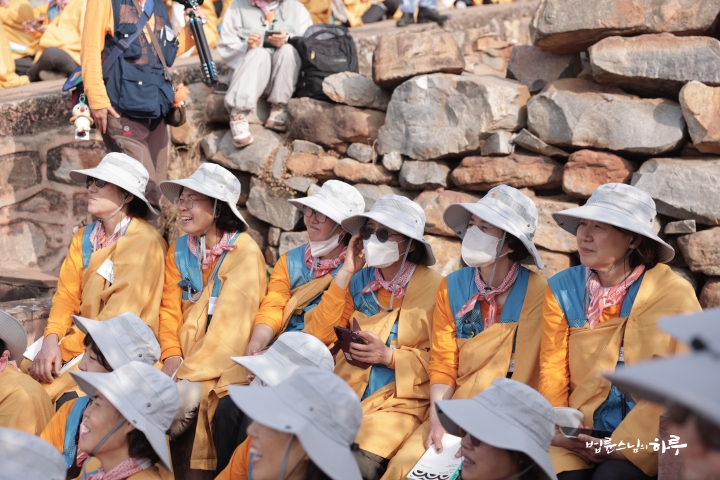
Seven Principles That Prevent a Nation from Falling
One day, King Ajatasattu planned to invade the Vajji people of Vaishali and sent a minister to ask the Buddha whether there was a chance of victory in the war. Since the Buddha was wise, he wanted to hear his judgment. The minister paid respects to the Buddha, conveyed the king’s greetings, and explained the invasion plan. However, the Buddha did not answer the minister’s question but instead called Ananda and asked him. ‘Ananda, when I visited the territory of the Vajji people before, I heard that they frequently gather to discuss matters. Is this still the case?’ Ananda replied. ‘They still frequently gather to discuss matters.’ The Buddha asked again. ‘I heard that when the Vajji people reach a conclusion through discussion, they all unite in agreement. Is this still the case?’ Ananda said. ‘It is still so, I hear.’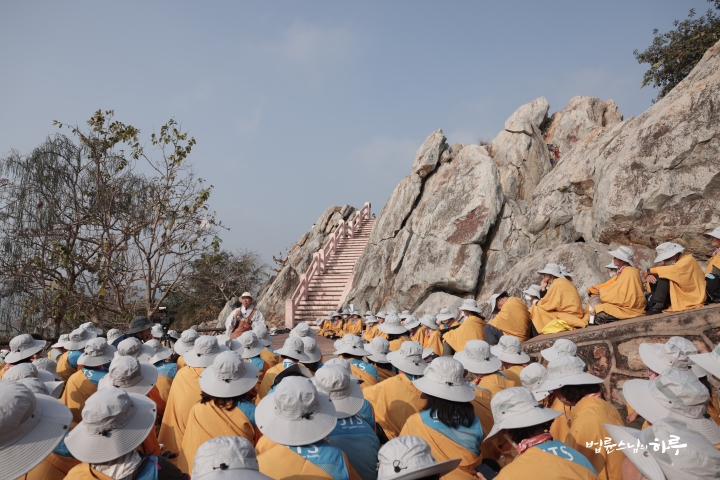
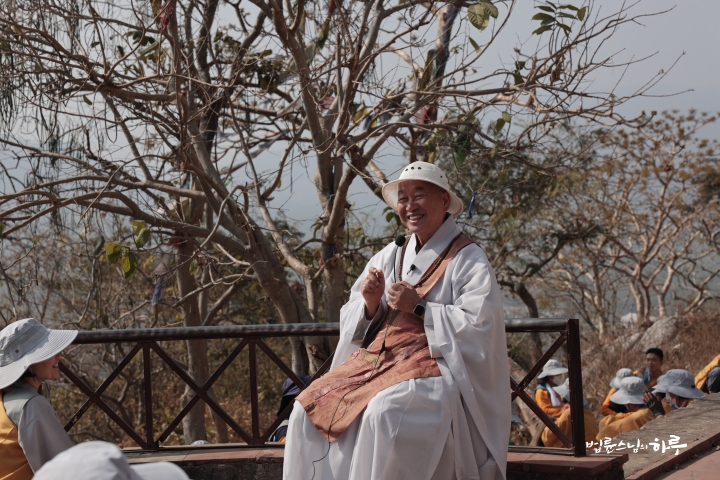
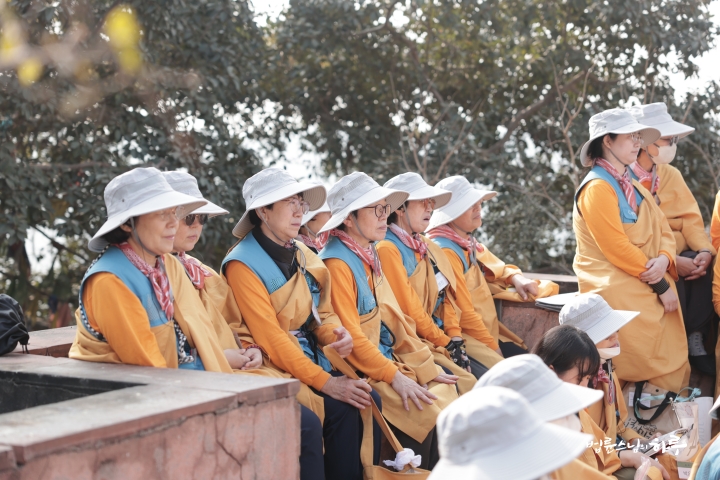
After completing the explanation of the sacred site, the pilgrimage group proceeded with sutra recitation, Buddhist service, Heart Sutra chanting, and offered prayers.
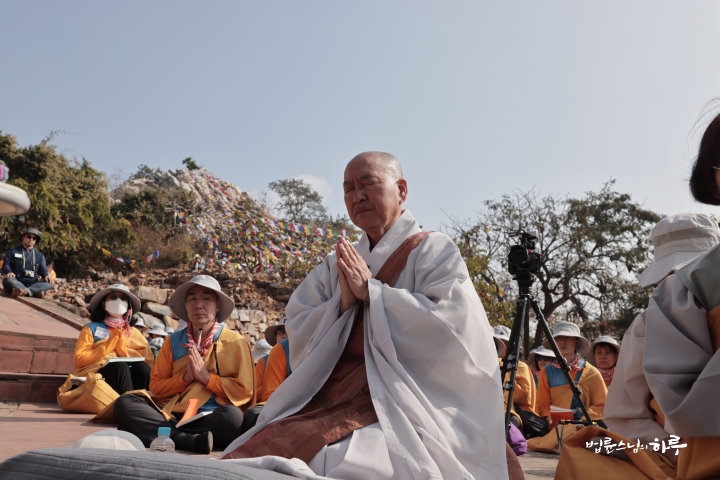
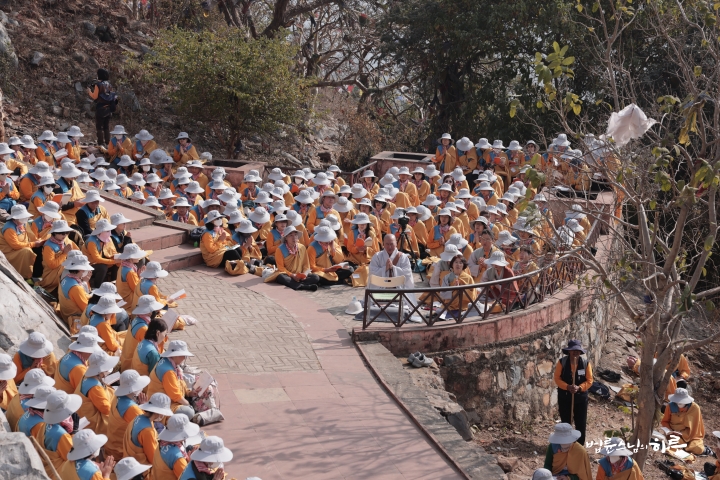
After finishing the prayers, they meditated briefly.
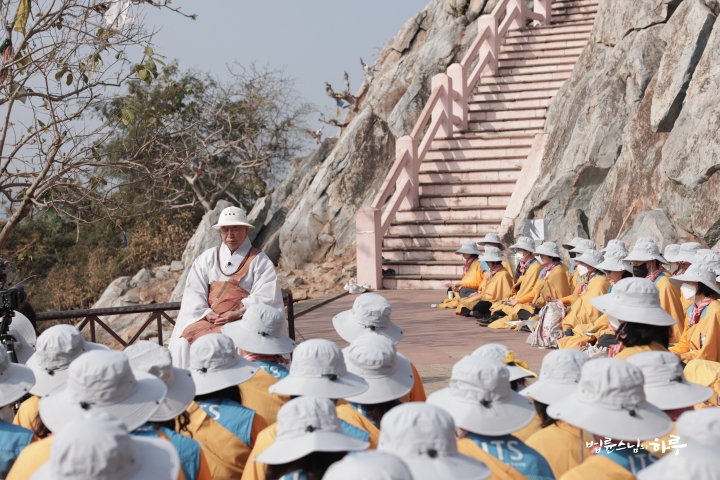
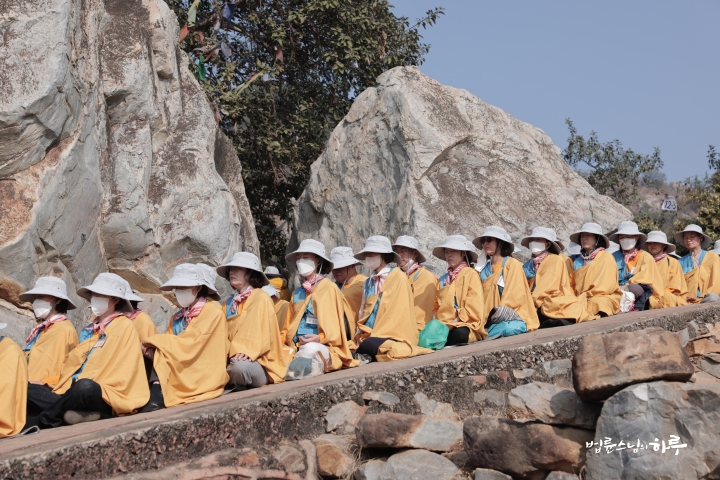
After completing the visit to Vulture Peak, the pilgrimage group headed to Veluvana (Bamboo Grove Monastery). Veluvana was the first monastery where the Sangha community stayed during the Buddha’s time. At 11:30 AM, they arrived at Veluvana. Everyone was hungry after the schedule that had started at 4 AM. First, they had breakfast and lunch combined with packed meals.
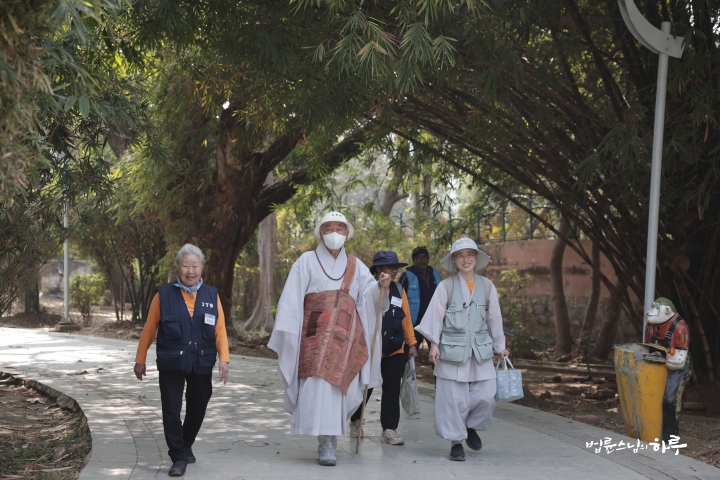
After finishing the meal and meditating briefly, Sunim explained the events that occurred at Veluvana during the Buddha’s time.
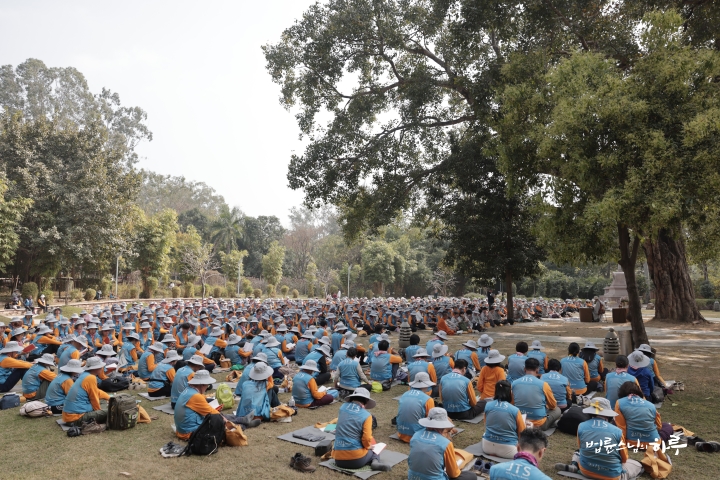
)
, there was a skeptical school led by Sanjaya. These people never gave definitive answers to any questions, always saying ‘It cannot be known’ or ‘It cannot be determined.’ While their non-dogmatic approach had merit, they also had limitations in viewing everything skeptically, saying it was neither this nor that. Sanjaya had two outstanding senior disciples, who were none other than Sariputta and Moggallana. Both were from the Nalanda area not far from here and were born into Brahmin families. After becoming Sanjaya’s disciples and practicing for a long time, each had become a great teacher with about 100 disciples. The two had been close friends who grew up together in the same village since childhood, and they had promised each other that if either found good news of enlightenment, they would not keep it to themselves but would definitely share it with the other.Hearing the Law of Dependent Origination (연기법) and Opening the Eye of Dharma
One day, as Sariputta was walking along the road, he saw Bhikkhu Assaji walking quietly with his alms bowl. Without looking around or being distracted, walking while looking only at the ground ahead, his deportment appeared very proper. Deeply impressed by this sight, Sariputta approached Bhikkhu Assaji and asked: ‘Who are you, and what do you teach?’ Bhikkhu Assaji replied: ‘I am a disciple of Gautama Buddha.’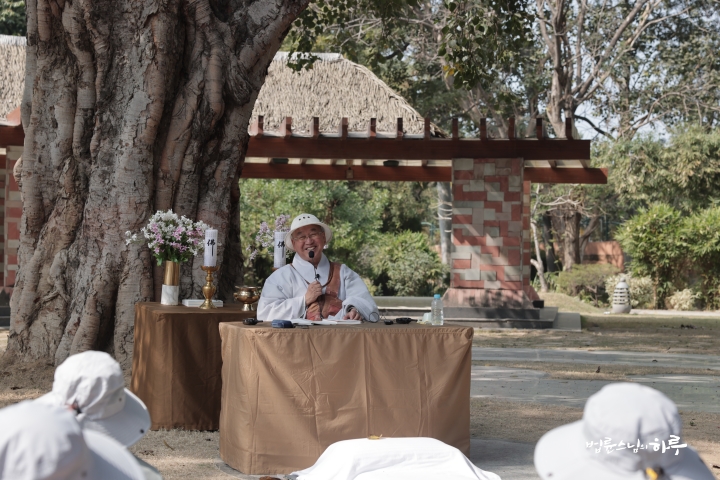
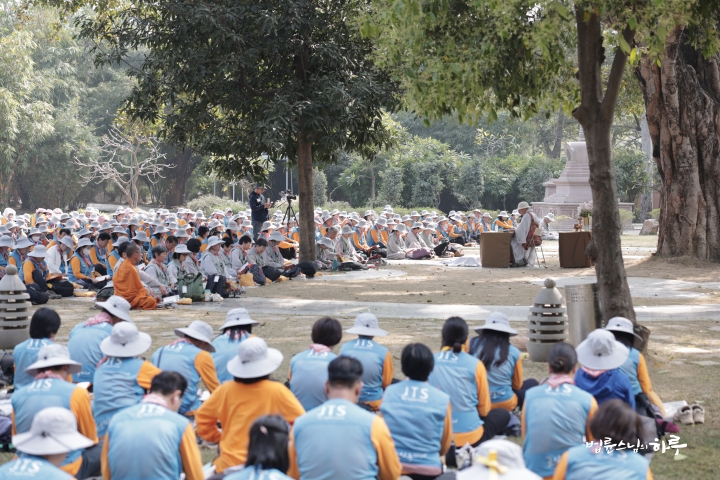
After finishing the explanation, Sunim chanted sutras and offered prayers.
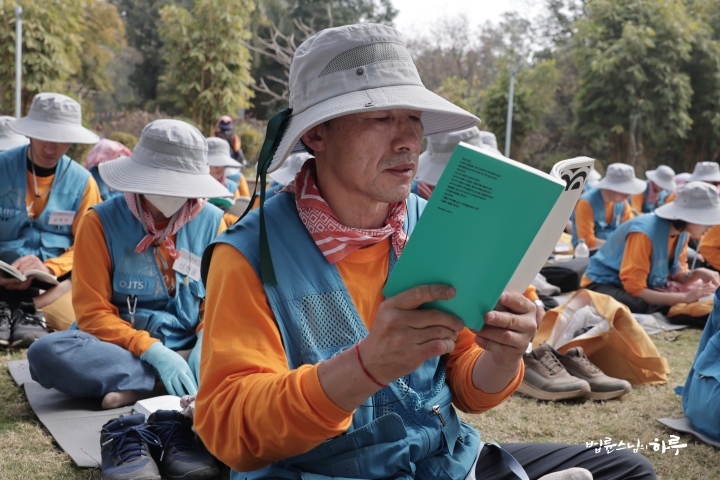
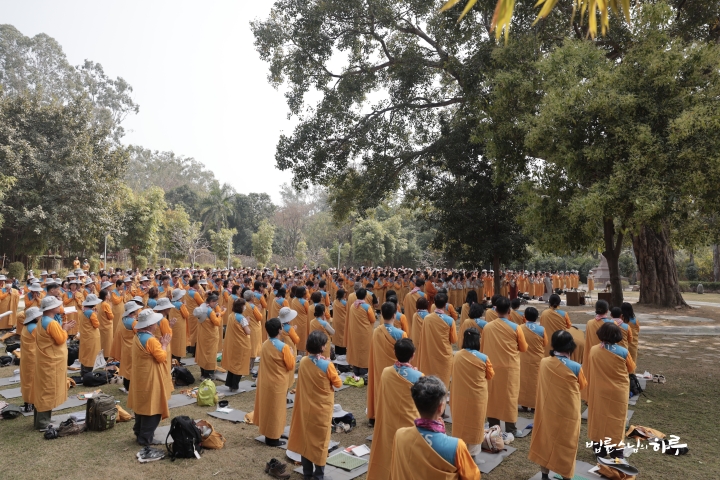
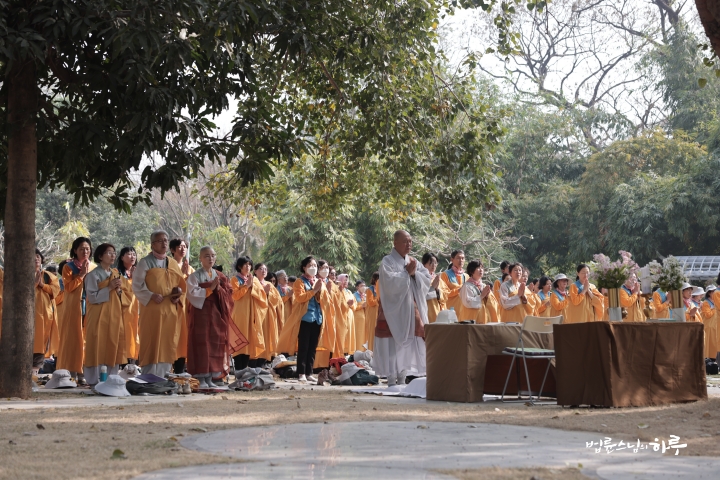
After completing the prayers, Sunim’s Dharma talk continued.
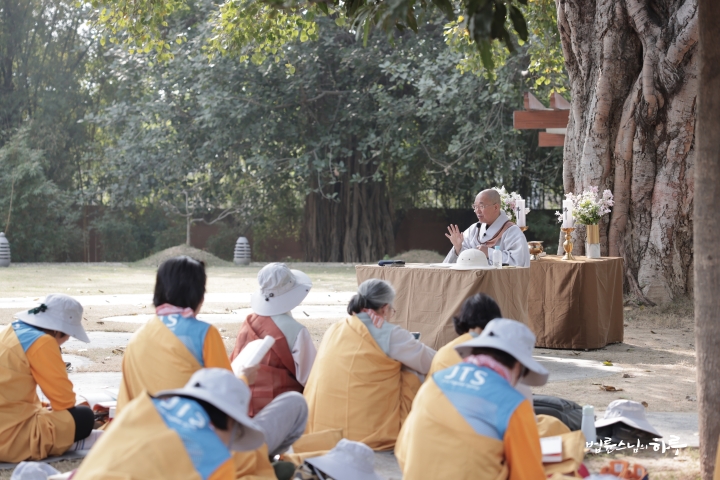
Moggallana, the Disciple Who Renounced Supernatural Powers
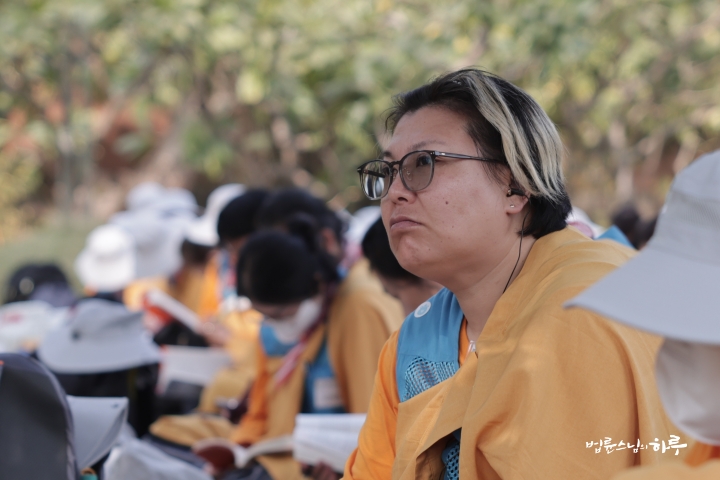
One year, there was a severe drought and everyone in the community was starving. Even when the bhikkhus went out for alms, they could not obtain food, and the entire practice community faced great hardship. Feeling compassion for this situation, Moggallana said to the Buddha: ‘I will use my supernatural powers to fly north to where wild rice grows and bring back food.’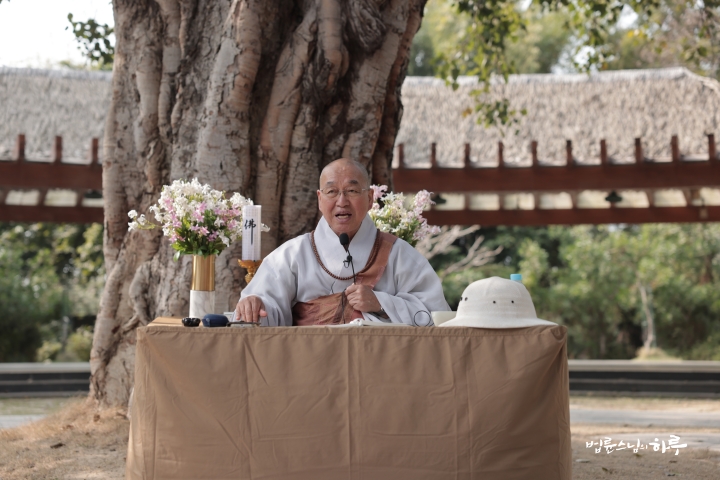
How Buddha’s Single Remark Changed Mahakasyapa’s Life
Venerable Mahakasyapa was born into the highest caste, in a family wealthier than royalty. Moreover, as the only son born late to his parents, one can imagine how preciously he was raised. When such a person became a monk, did the habits ingrained in him from before his ordination disappear at once? Probably not. There is an anecdote that illustrates this well. One day, after Buddha returned from alms rounds and was having his meal, he saw Venerable Mahakasyapa, touched the hem of his robe, and said: ‘Venerable, what a fine robe you have.’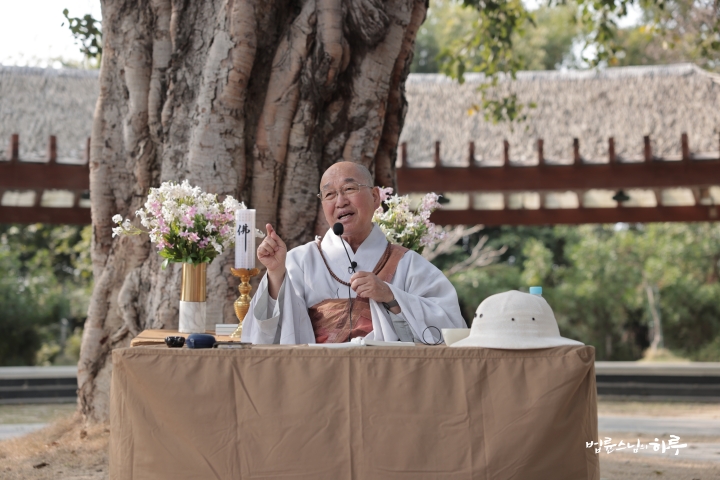
Making the Buddha’s Single Word a Lifelong Vow
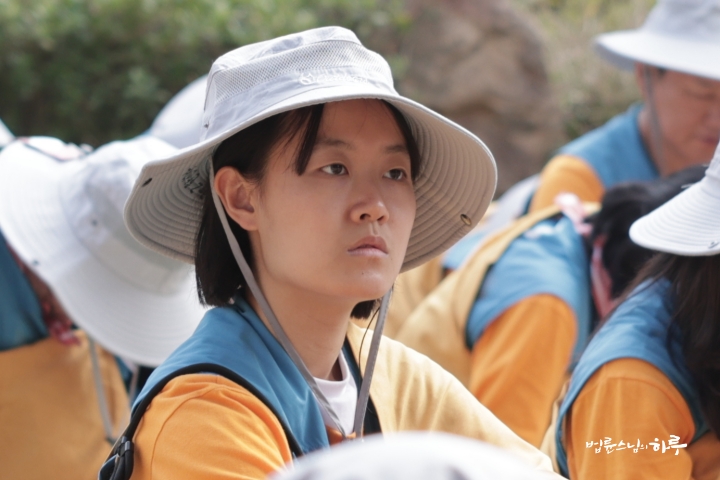
There was another disciple similar to this. It was Venerable Aniruddha. In Chinese, he is called Analü (아나율:
阿那律), and he was from the Sakya clan, the Buddha’s cousin. One day, Venerable Aniruddha was nodding off while listening to a Dharma talk. Seeing this, the Buddha said a word. ‘You lack sleep.’ Hearing these words, Venerable Aniruddha made a great resolution. From that day on, he practiced with fearless determination without sleeping, and eventually developed an eye disease. After examining him, the physician Jivaka said: ‘This disease cannot be cured by any medicine. You must sleep.’ Hearing this, the Buddha called Aniruddha and admonished him. ‘I meant don’t doze off, not that you shouldn’t sleep.’ However, Venerable Aniruddha did not stop his practice, and eventually lost his sight. Though he lost his physical eyes, he gained the heavenly eye instead, and Venerable Aniruddha came to be called ‘Foremost in Divine Vision (천안제일:
天眼第一).’ This anecdote shows that when the Buddha’s disciples were pointed out their shortcomings, they didn’t let the words pass by but used them as an opportunity to transform their entire lives. They accepted a single teaching as a lifelong practice guideline.”After finishing the Dharma talk, Sunim looked at the assembly and said with a smile.
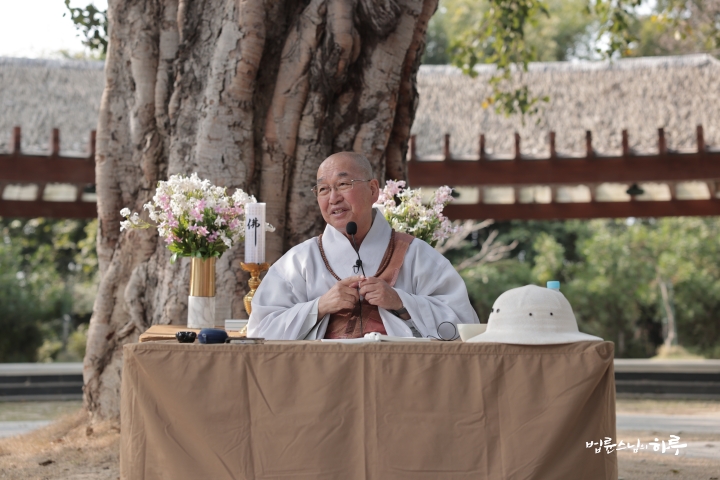
Sunim then explained the meaning of the prostration verses one by one. After finishing the explanation, he departed for Saptaparni Cave at 2:50 PM.
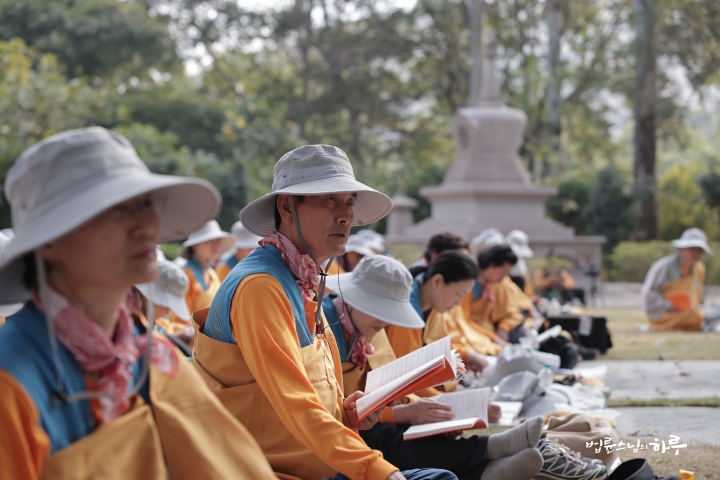
At 3:30 PM, the pilgrimage group arrived at the entrance to Saptaparni Cave. Just as they were about to go up, the police guarding the entrance blocked the way.
“If you go up now, it will be too late. Entry to Saptaparni Cave is not allowed after 3 PM, and everyone must come down by 5 PM.”
“I’ve come with pilgrims. We’ll go up now and definitely come down before 5 PM. I’ll guide the people and be the last one to come down.”The police hesitated for a moment, then allowed entry on the condition that they arrive below Saptaparni Cave before 5 PM.
The path up to Saptaparni Cave was steeper than expected. Sunim caught his breath and slowly moved forward. As he got closer to the top, his breathing became increasingly labored. Sunim had to stop and rest seven times.
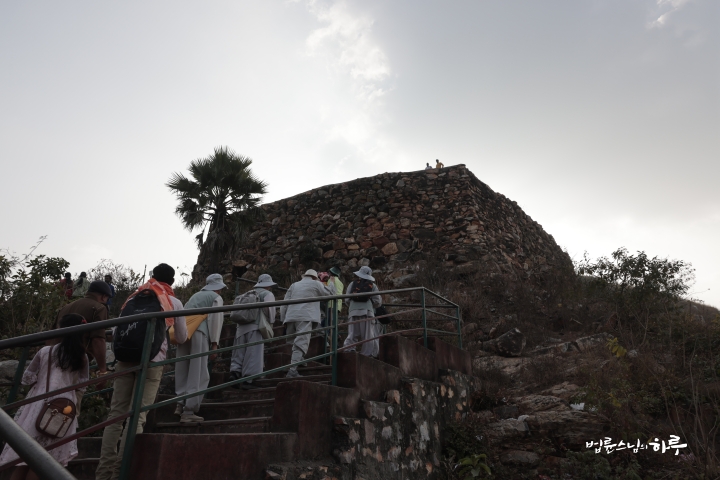
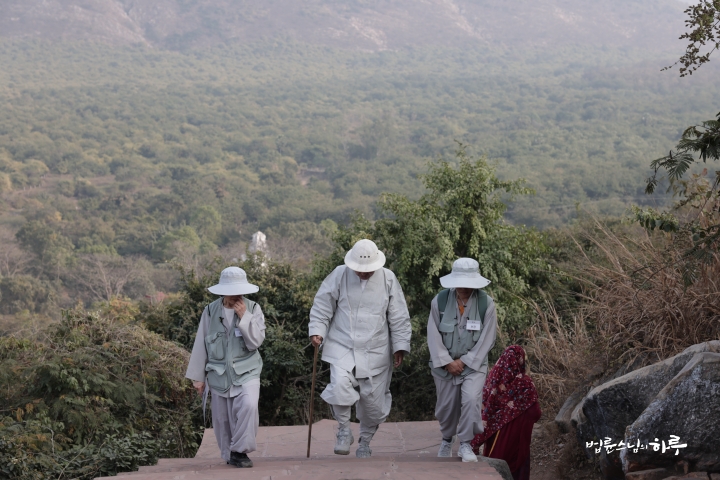
Although Sunim had started before the pilgrimage group, one by one they began to pass him going up. Those who arrived first began to sit at the top. Leaving a passage for other pilgrims to pass through, the 500 pilgrims arrived in turn and sat densely in front of Saptaparni Cave.
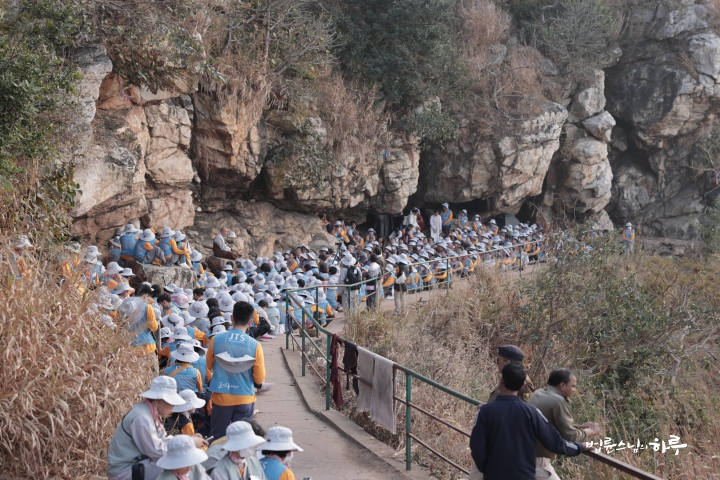
Sunim also arrived at Saptaparni Cave (칠엽굴), caught his breath, and explained about the First Council (제1차 결집) that took place at this location.
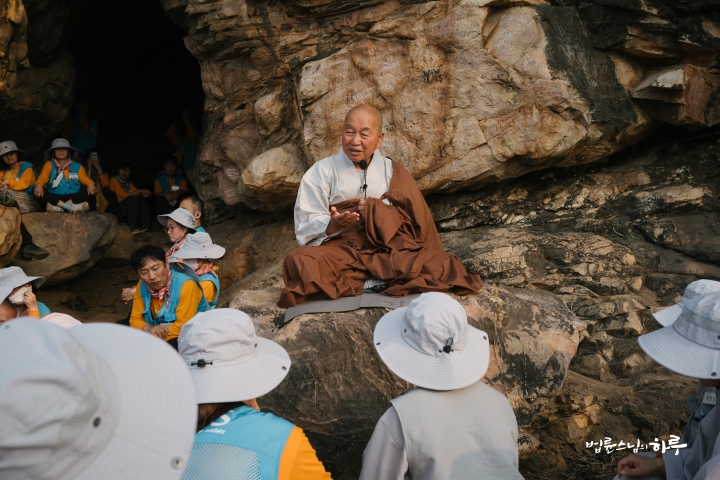
After the Buddha Passed Away, How Could His Teachings Be Transmitted?
After the Buddha entered parinirvana, the assembly was all immersed in the sorrow of losing their great teacher. However, it is said that among some young monks, words emerged saying, ‘Now that the old man is gone, we won’t have to listen to his nagging anymore.’ Hearing this story, Venerable Mahakassapa was greatly concerned. If such words were being said not long after the Buddha’s parinirvana, he thought there was no telling what might happen as more time passed. Therefore, Venerable Mahakassapa decided to gather the disciples who had directly heard the Dharma from the Buddha to organize the Buddha’s words. This was the First Council.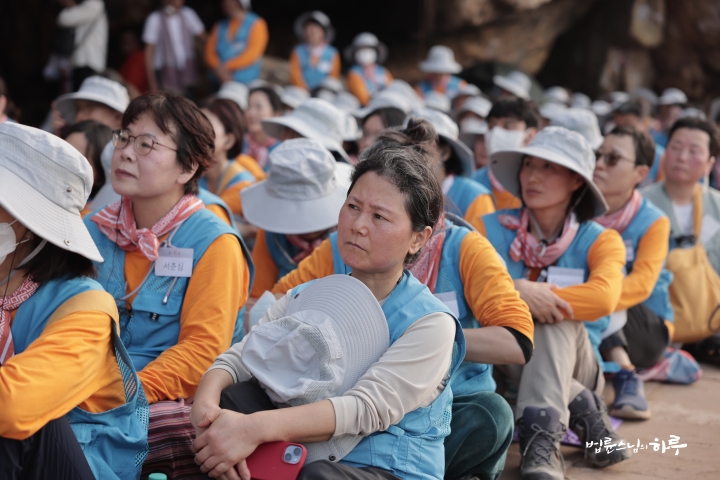
:
經), the Buddha’s words. It was also decided that Upali would be appropriate to handle the initial draft of the vinaya (율:
律), the rules that the Sangha should observe. Venerable Mahakassapa took charge of leading the entire council. The initial draft of the sutras recited by Venerable Ananda begins with ‘Thus have I heard’ (여시아문:
如是我聞 in Chinese). It means ‘I have heard thus.’ Since people understand the same Dharma talk differently, it is more accurate to express it as ‘I heard thus’ rather than asserting ‘The Buddha said this.’ Venerable Ananda clearly stated when, where, to whom, what, and how the Buddha spoke, following the principle of the five W’s and one H. Even looking at the Diamond Sutra transmitted today, it follows the format: ‘When the Buddha was at Jetavana (기원정사)
, he was with 1,250 bhikkhus. At that time, Subhuti rose from his seat and asked a question, and the Buddha answered thus.’ It is said that the Dharma talks recited by Ananda at that time were almost no different from the Buddha’s actual teachings in voice, rhythm, and content. Therefore, it is said that the assembly who heard this had three thoughts: ‘Has Ananda attained Buddhahood?’, ‘Has the Buddha come back to life?’, or ‘Has a Buddha from another place come to this gathering?’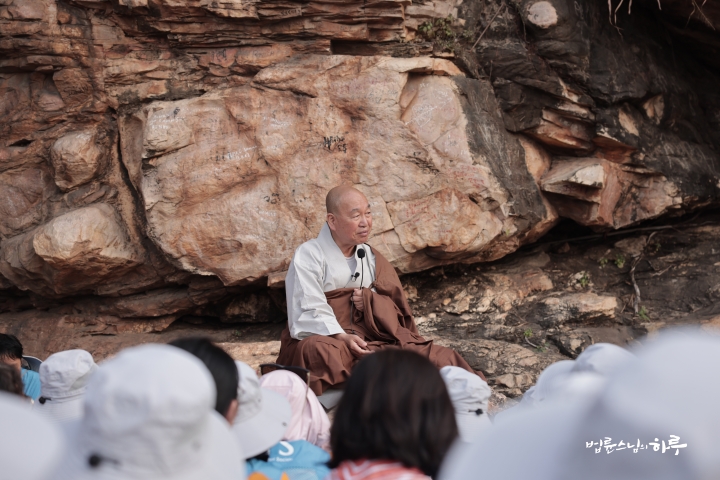
)
were compiled. The Abhidhamma Pitaka (논장)
began to appear about 200 years later. For this reason, it can be said that Saptaparni Cave (칠엽굴)
is where Buddhism truly began after the Buddha’s parinirvana.”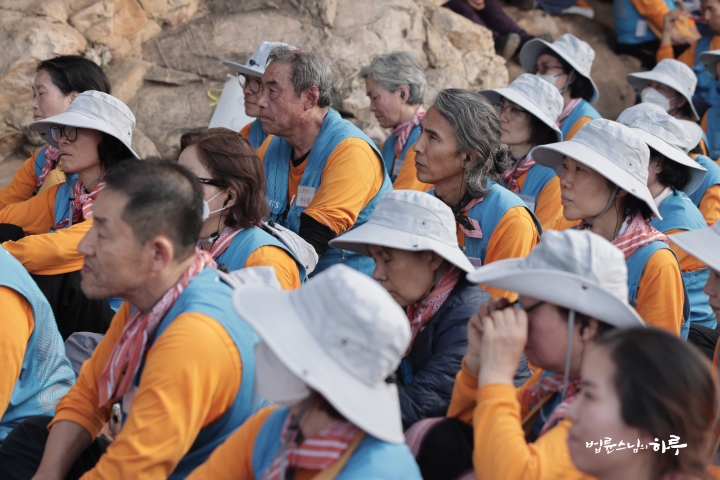
After finishing the explanation of the sacred site, Sunim gave instructions to the pilgrimage group.
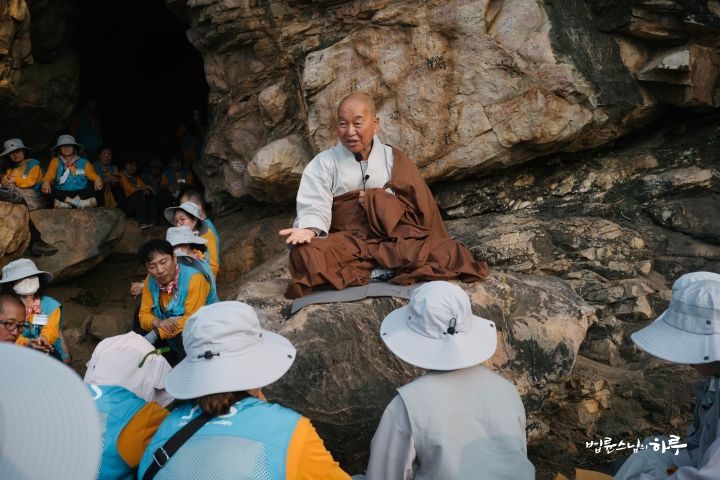
Finally, Sunim walked around inside and outside the cave to check if anyone was still there.
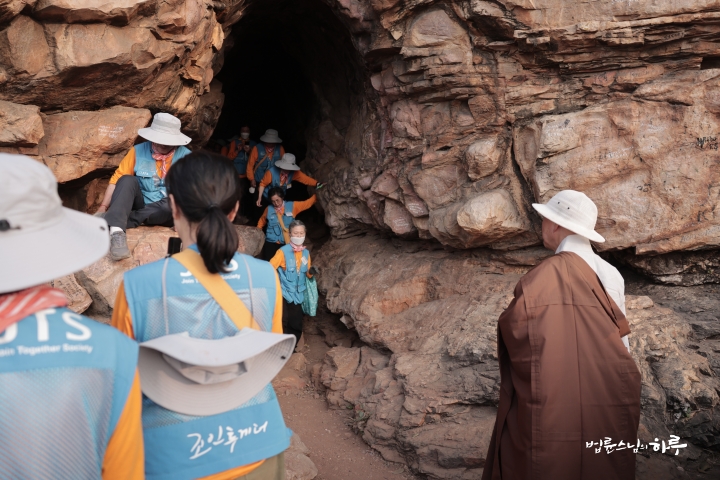
People began emerging from the cave one by one.
“Let’s go down now. Everyone, please go ahead of me.”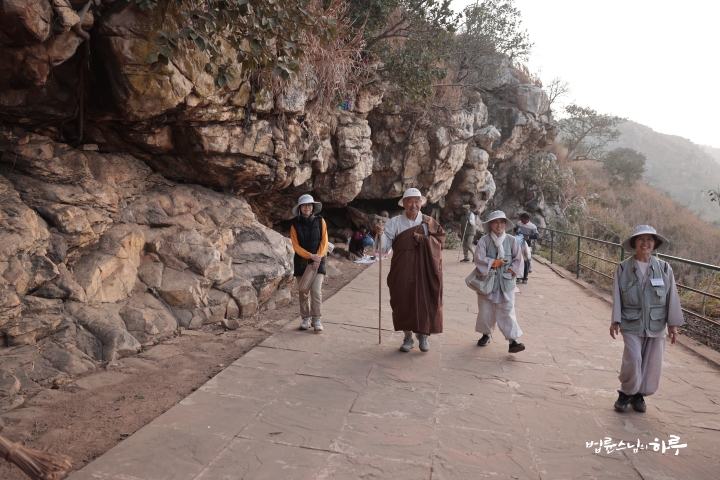
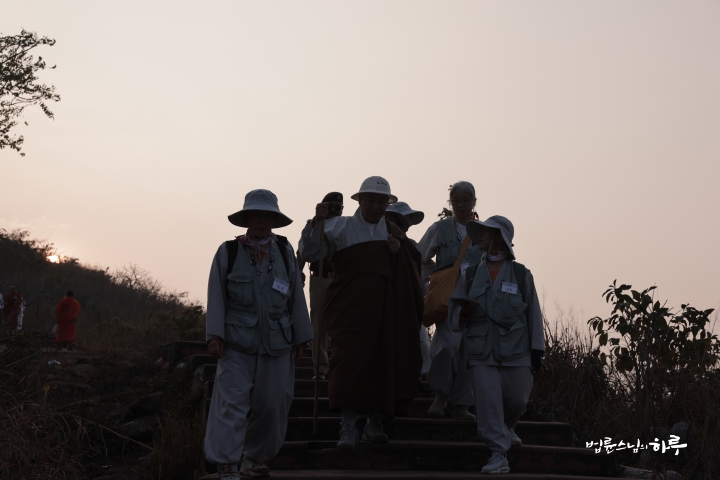
The pilgrimage group quickly descended from Saptaparni Cave. As promised, they arrived at the bottom of the mountain before 5 PM.
“We kept our promise. Thanks to you, we had a good visit. (laughter)”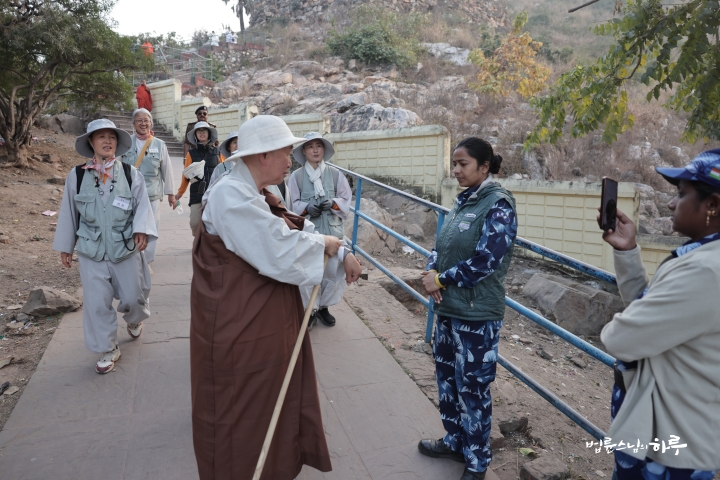
Sunim thanked the police officer and headed to the accommodation.
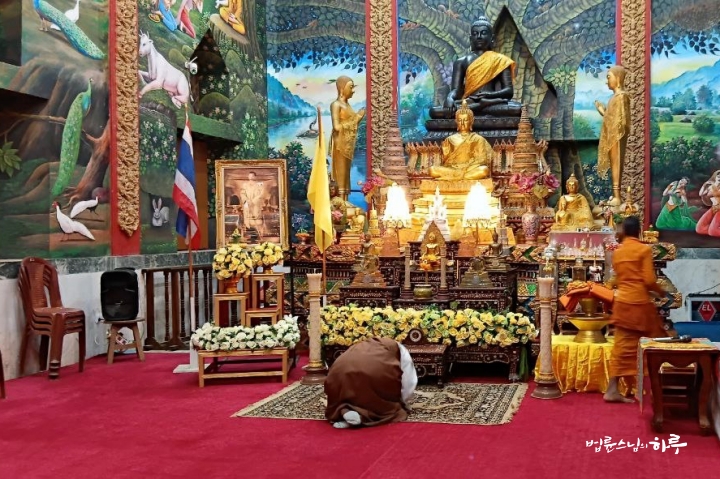
At 5:30 PM, they arrived at a Thai temple in the Nalanda region. Upon arrival, Sunim immediately paid respects at the main hall and had dinner.
Today, everyone retired early without an evening program. Tomorrow, they will travel to Vaishali, the site of the first ordination of women.