I Keep Crying After Being Diagnosed with Stage 3 Breast Cancer
Oct 22, 2025 - Religious Leaders' Meeting, Weekly Dharma Assembly, Peace Research Seminar
Hello. Today is the day for the religious leaders’ meeting for national reconciliation and peace, and the Weekly Dharma Assembly where Jungto Society members examine their practice.
After completing his morning practice and meditation, Sunim headed to the Jungto Social and Cultural Center for the religious leaders’ meeting. When Sunim arrived, pastors, priests, bishops, and religious leaders from various faiths also arrived one by one at the basement dining hall.

After having breakfast prepared with care by The Peace Foundation staff, they moved to The Peace Foundation conference room to continue their conversation.
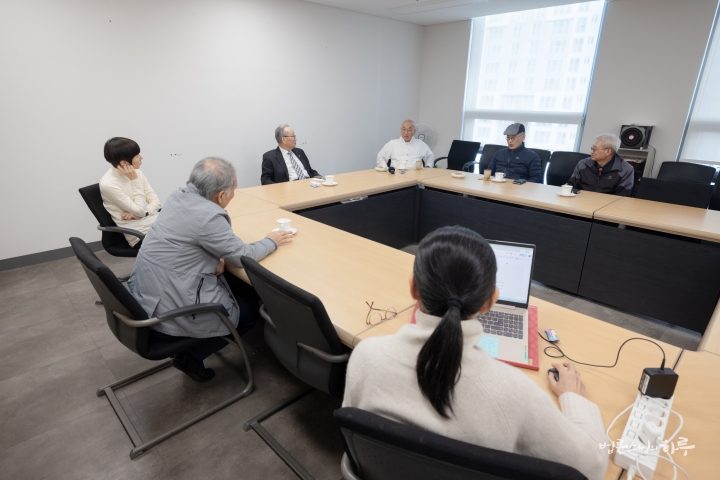
First, Sunim shared the results of his early October visit to Washington D.C. for peace on the Korean Peninsula, where he met with U.S. government, congressional, and think tank officials. They then discussed the prospects for a North Korea-U.S. summit during the upcoming APEC Summit in Gyeongju.
Finally, they freely discussed issues reported in the media over the past month regarding peace on the Korean Peninsula and national unity. The religious leaders expressed concern about the increasingly severe confrontation between the ruling and opposition parties. Sunim also shared his concerns.
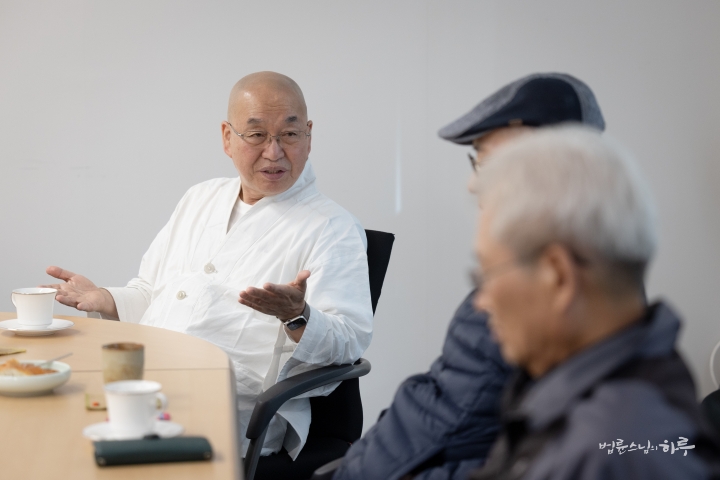
Now Is Not the Time to Fight, but to Put Our Heads Together
For national development, we must embrace minor differences and boldly reach consensus on major goals. Without this perspective, national unity is difficult. Looking at the North Korea issue alone, if we nitpick everything saying ‘How can we talk with such a counterpart?’, dialogue becomes impossible. For the greater goal of peace, we must engage in dialogue with North Korea. The same applies to Japan. If we dwell on every past issue, cooperation is impossible, but to protect our national interests amid the U.S.-China hegemonic competition, we must cooperate with Japan where cooperation is needed.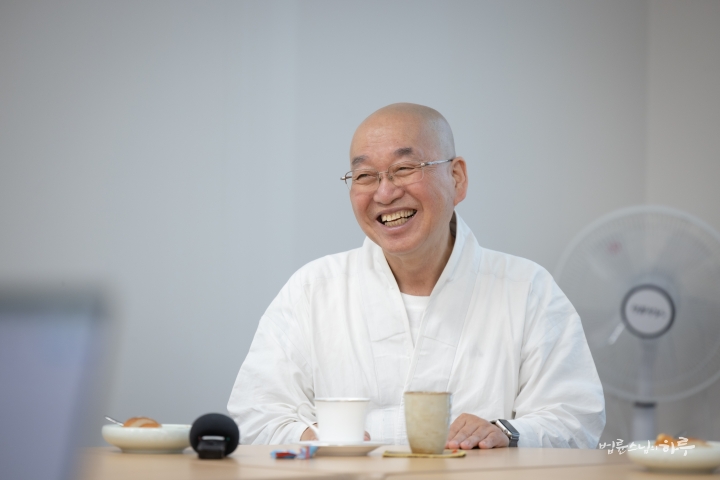
The religious leaders each shared their opinions.
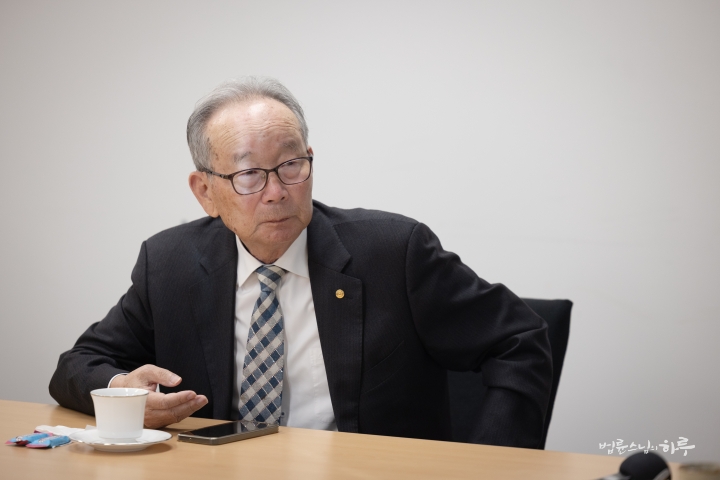
“While the public has been somewhat aware of the need for prosecutorial reform, I don’t think they knew the judiciary was this corrupt. I believe that not only prosecutorial reform but also judicial reform must be achieved.”
“But because the ruling and opposition parties are fighting so much, the original meaning of eliminating insurrection is becoming increasingly obscure, appearing only as political sparring, and the public seems to be feeling fatigued.”
“Politicians care more about winning party primaries than public opinion, so they have to watch their hardcore supporters, which creates a structure where they have no choice but to fight more.”
“If only a few were punished for insurrection, trials could proceed quickly, but as the targets expand to include prosecutors and the Supreme Court, trials are delayed and controversies over judicial independence are growing. I’m worried whether proper reform is possible under these circumstances. It might all fizzle out by next year’s local elections.”
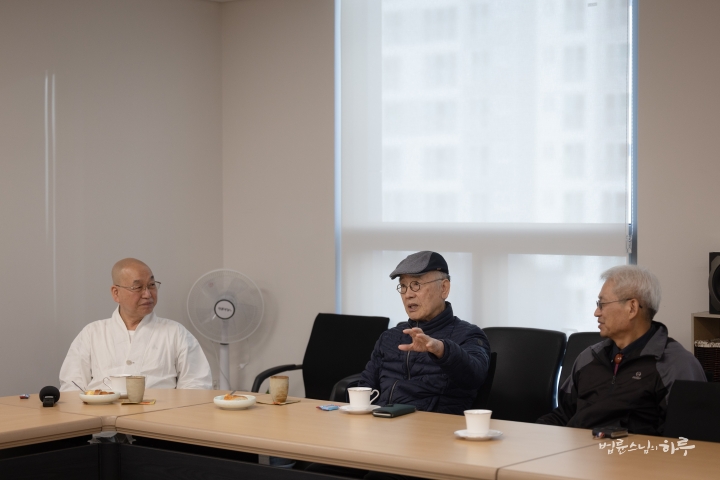
While the religious leaders generally agreed on the need for national unity, they had differing opinions on the scope and methods of eliminating insurrection. Therefore, they decided to watch how the confrontation between the ruling and opposition parties unfolds and whether meaningful contact between North Korea and the United States occurs during the upcoming APEC Summit, then continue more in-depth discussions next month.
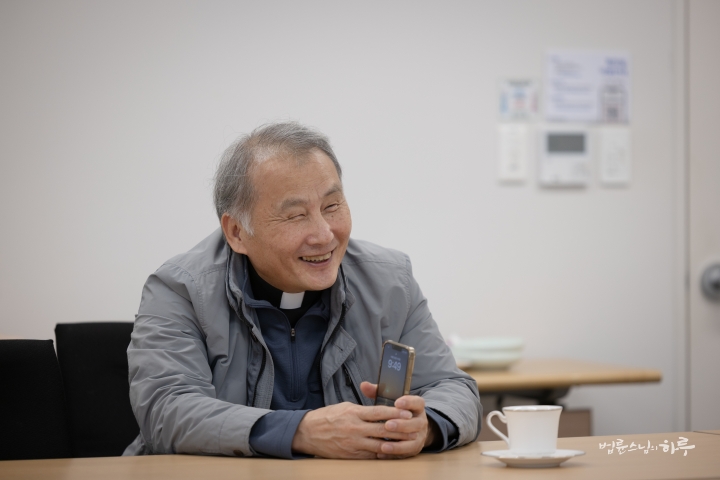
They concluded their conversation by agreeing to hold next month’s meeting in Yeongdong County, North Chungcheong Province, where Father Kim Hong-jin is farming.
After seeing off the religious leaders, Sunim headed to the Dharma Hall on the third floor for the Weekly Dharma Assembly.
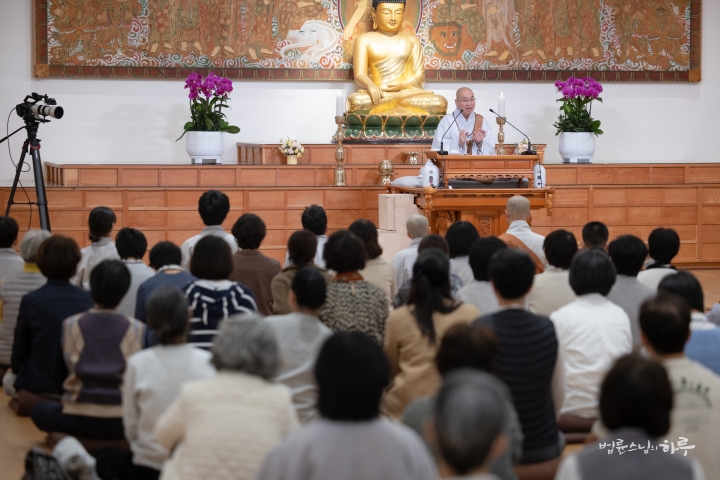
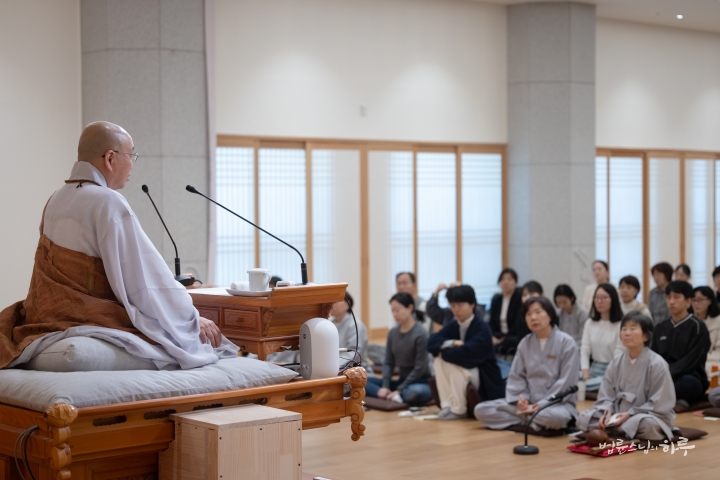
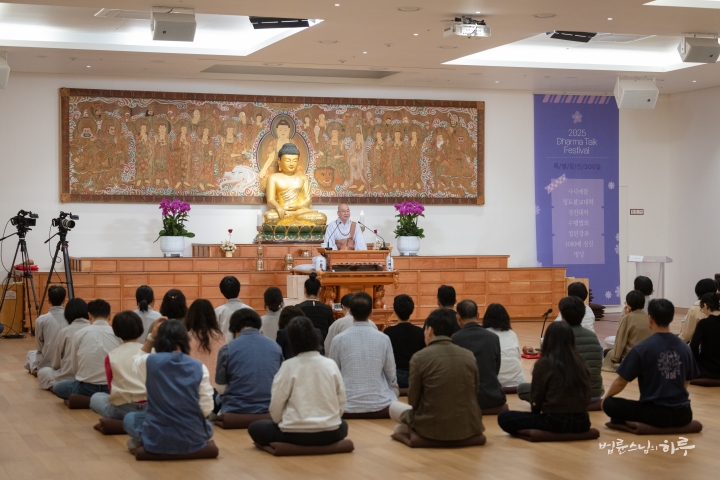
About 100 members of the Sangha had gathered in the Dharma Hall. At 10 AM, the Weekly Dharma Assembly began with the Three Refuges and Heart Sutra recitation. Jungto Society members participated online by connecting to the video conference room.
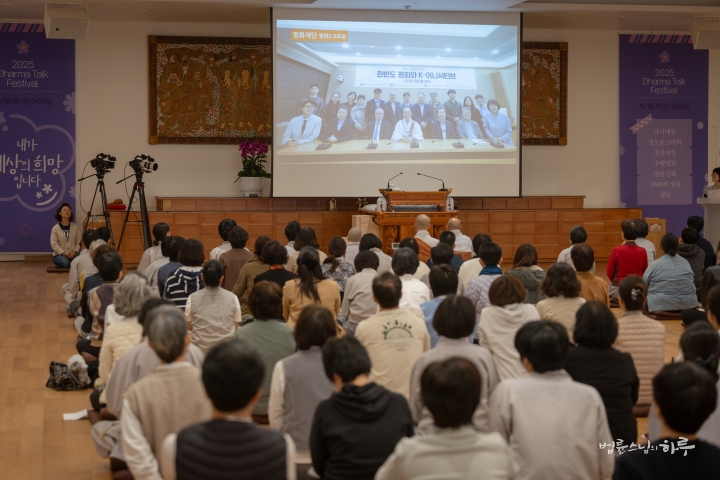
After watching a video of weekly Jungto practitioner news, the assembled members requested a Dharma talk from Sunim with three prostrations. First, Sunim gave his greeting.
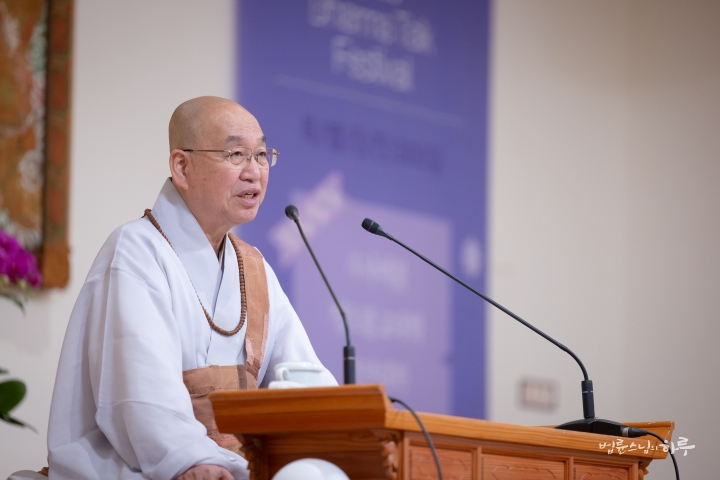
“Yes.”
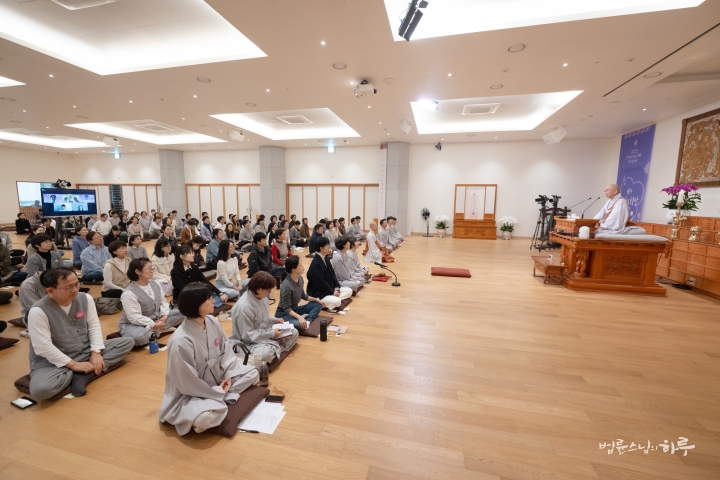
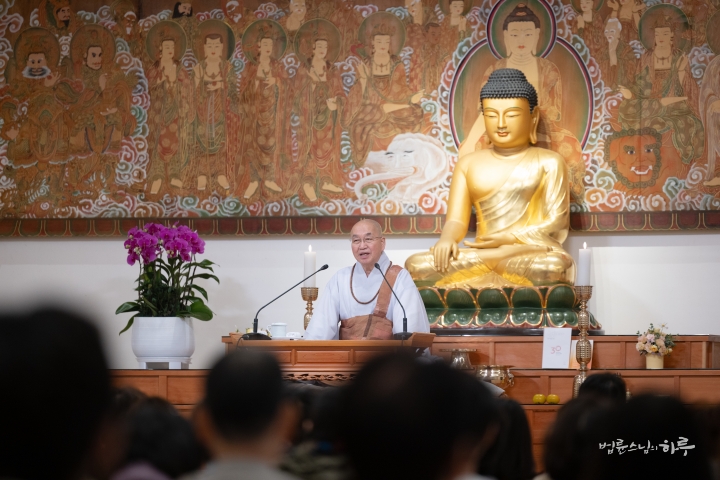
Praying for the APEC Summit to Become a New Turning Point for Peace on the Korean Peninsula
While the APEC Summit is a national event, the greatest interest in this meeting actually lies not in the APEC main conference itself, but in whether President Trump and Chairman Kim Jong-un will have a surprise meeting. Although it may seem like a simple event, if such a meeting were to take place, it could serve as an opportunity to open channels for dialogue between North Korea and the United States, which could then develop into inter-Korean dialogue and become a major turning point for establishing peace on the Korean Peninsula. Let us gather our earnest wishes and pray for the day when there will be no more war on the Korean Peninsula and peace will take root. If human power alone is not enough, let us combine the grace of God, Buddha, Bodhisattvas, and our ancestors to ensure that our wishes come true. Of course, if the meeting doesn’t happen, it won’t cause major problems, but if it does, peace on the Korean Peninsula will come that much sooner.”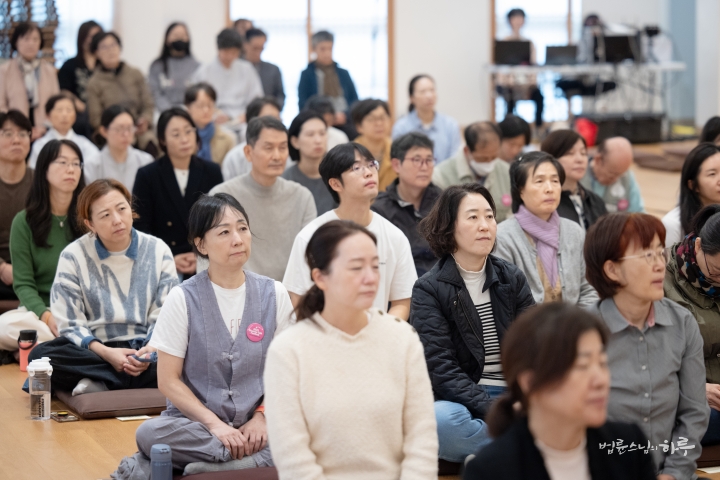
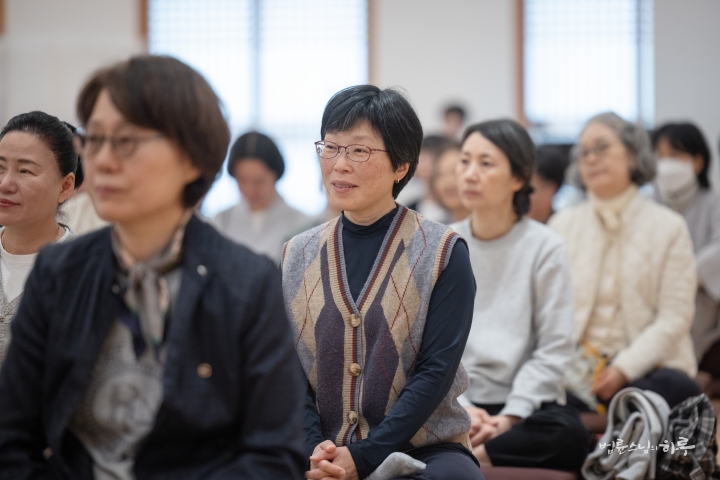
Following this, Sunim took questions from those who had submitted them in advance. After one person asked a question online, another person raised their hand and asked a question from the audience. One of them shared that whenever she discusses politics with her college-aged son around election time, they always clash, and asked Sunim for advice on how to maintain a balanced perspective despite their differing views.
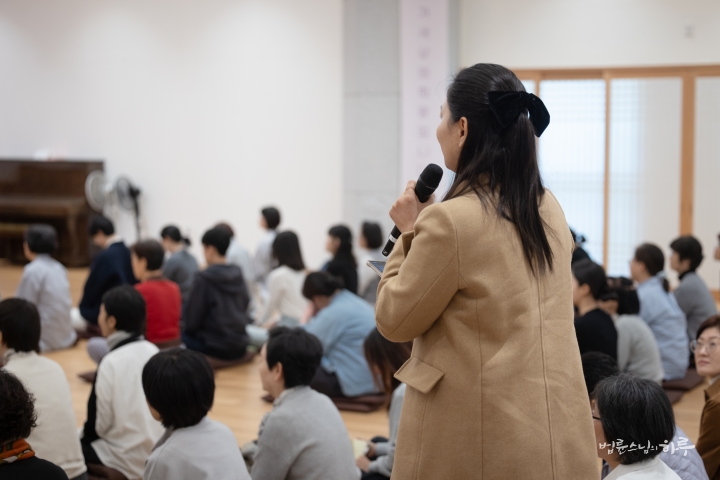
My Son and I Clash Whenever We Talk About Politics. How Can We Communicate Better?
“Around the presidential election, my college-aged son often brings up political topics. When I express my opinion, he immediately refutes it, and our views are so different. It feels like we’re talking with a wall between us. Thinking this couldn’t continue, I suggested we watch Yonhap News together, which we both consider neutral, and my son agreed. Since then, I’ve stopped watching my favorite YouTube channels and have been focusing on Yonhap News instead of my usual news sources. Sunim, you enlighten us about international affairs and current events with your extensive knowledge. I’m curious about how you keep up with the news and what approach you recommend for accessing world news to maintain a balanced perspective.”
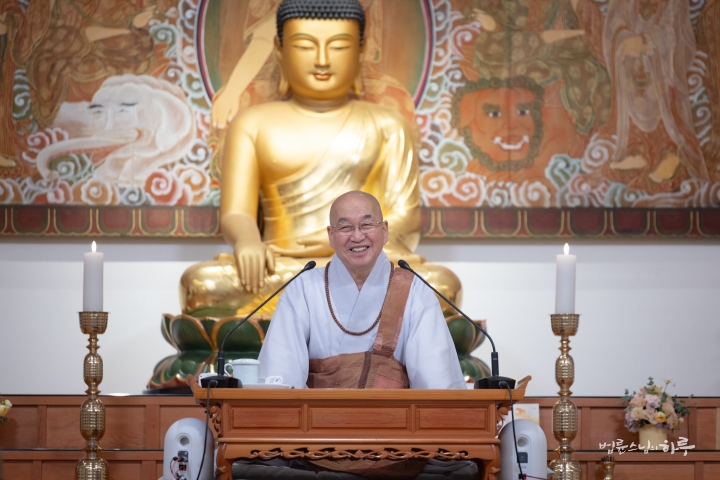
“Looking at statistics on political tendencies, when we generally divide people into progressive and conservative, the most conservative age group is those in their 70s and above. You might think the 60s would be next, but actually, men in their 20s are the second most conservative. Third is those in their 60s, and fourth is men in their 30s.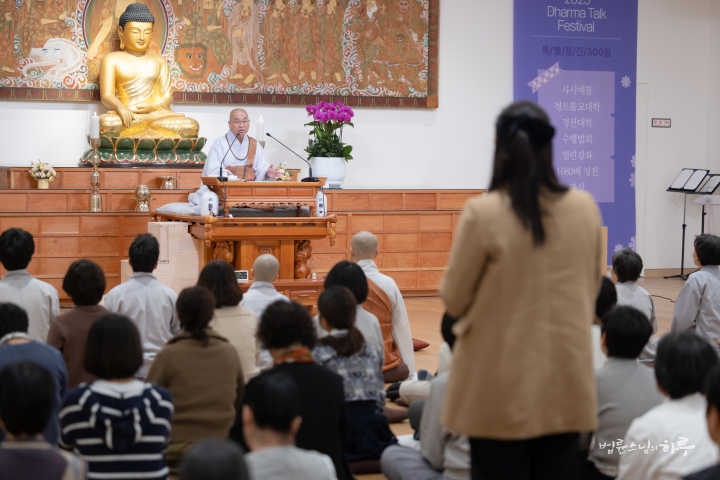
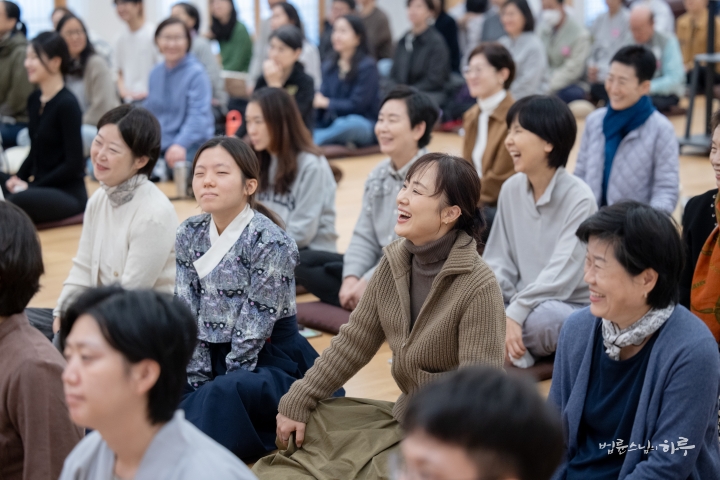
“Hearing that it’s natural to have different political views from my 20-year-old son has put my mind at ease. From now on, I’ll approach conversations with my son with a more open mind. I’ll also constantly examine whether my own thoughts are biased to one side. Thank you.”
“You don’t necessarily need to share the same views as your son. Having different positions is perfectly natural. While it might be more comfortable when family members living together have similar opinions, they don’t have to be identical. What’s important is recognizing that even after sharing sufficient information, people can still have different views.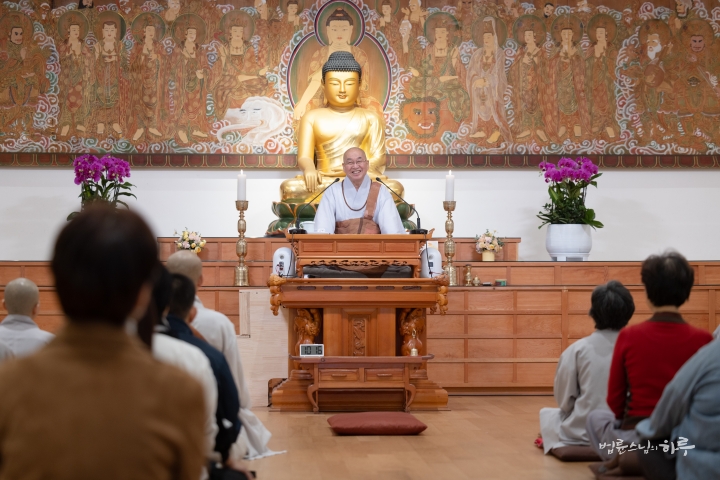
After receiving one more question, it was time to conclude the Dharma assembly. After watching a video about various upcoming Jungto Society events scheduled for next week, the Weekly Dharma Assembly concluded with the Four Great Vows.
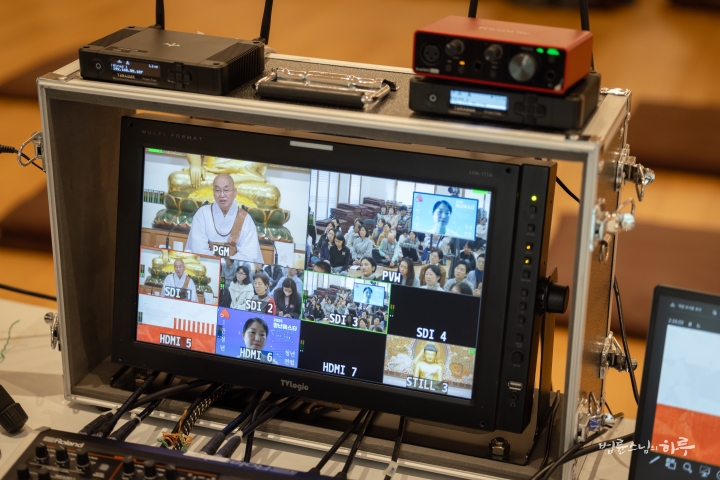
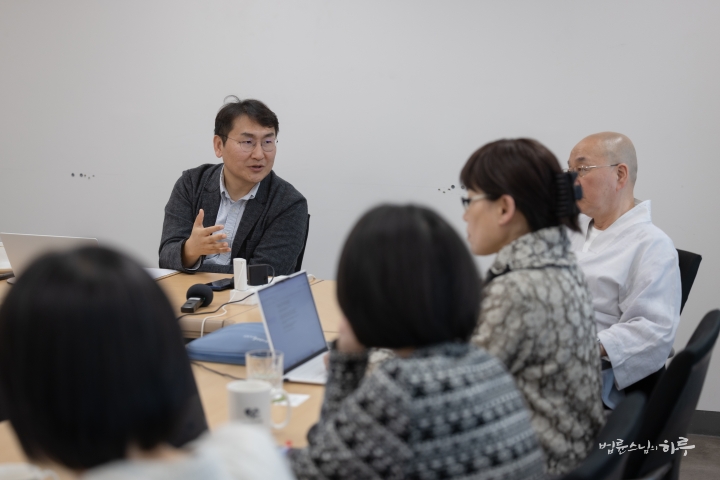
After lunch, from 1 PM, Sunim attended a Peace Foundation research seminar held in the Peace Foundation conference room on the topic of ‘AI and Human Mental Health.’
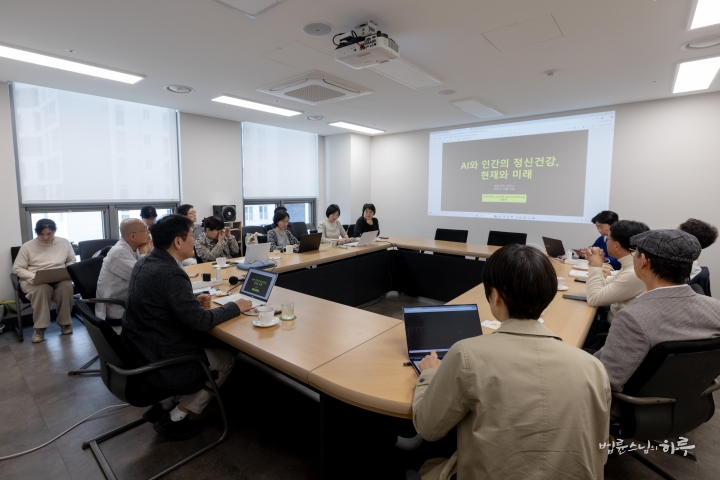
In today’s seminar, Professor Cho Chul-hyun from the Department of Psychiatry at Korea University Anam Hospital gave an in-depth two-hour presentation on the therapeutic innovations and ethical risks that artificial intelligence will bring to psychiatry, as well as the possibilities for collaboration with human therapists.
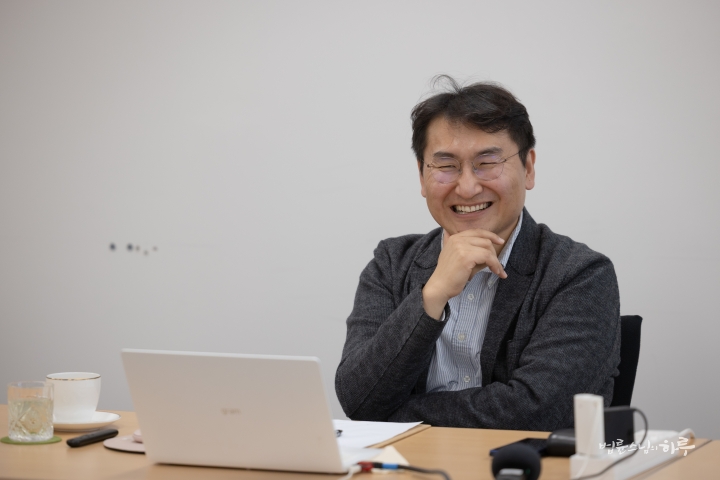
Professor Cho first introduced his ongoing research, then continued with a full presentation on AI and human mental health.
“In the first part, I briefly introduced what research I’m conducting and how digital technology can be integrated into psychiatric research. Today, I hope this will be a time for us to think together rather than finding definitive answers. I was very impressed that the Peace Foundation is addressing this topic in such depth.”
Professor Cho pointed out that as industrialization and technological development intensify, human mental health faces greater crises. He noted that Korea still records the highest suicide rate among OECD countries, and people suffering from mental difficulties face a reality where accessing treatment is difficult. He then mentioned recent changes in hospital wards. While adult schizophrenia patients used to be the majority, the age of hospitalized patients has dropped dramatically, with many now in their teens and twenties. He expressed concern that self-harm cases have increased to disaster levels, and adolescents’ mental suffering is intensifying both inside and outside hospitals.
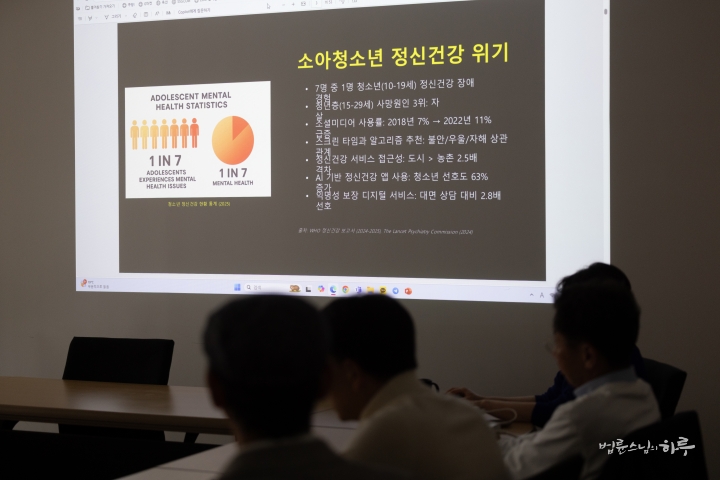
Professor Cho analyzed that while the causes of these changes cannot be attributed to a single factor, the influence of digital environments such as SNS and algorithm-based video platforms is significant. He also pointed out that even when technology is designed with good intentions, it risks reinforcing distorted cognition in psychologically vulnerable people. He mentioned that cases are increasing where some patients ask ChatGPT about their symptoms before visiting a psychiatrist, or trust ChatGPT’s answers more than a doctor’s judgment.
Professor Cho then carefully examined the clinical effects and limitations of AI. He explained that while generative AI-based counseling chatbots have shown some effectiveness for mild to moderate patients in certain studies, they have clear limitations for severe mental illnesses like schizophrenia or bipolar disorder. He also emphasized that what’s important in counseling is trust and empathy between counselor and client, and this ‘connection of hearts’ remains a unique strength of human counselors. He added that more research and discussion are needed on how much such relationships can be formed through non-face-to-face or app-based counseling.
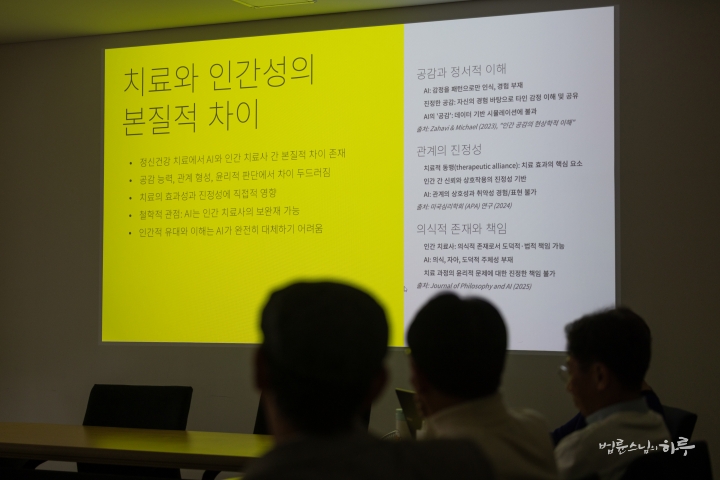
“To summarize, AI has both uses and limitations from a psychiatric perspective. Those limitations are now appearing sporadically as various issues. We stand before such a period of change. While we need to verify effectiveness through research, the limitations are still clear. It’s effective for mild cases but can be dangerous for severe ones, and ethical issues like algorithmic bias and privacy protection follow. Some issues will be resolved over time, while others will become more problematic.
I don’t think we need to insist on the traditional form of therapist. Eventually, a tripartite model of human-AI-client is likely to become standard. We need to consider how to establish each party’s role. Since problems including value confusion are expected not only in psychiatry but in various fields, experts from different areas need to work together to explore directions from philosophical, ethical, social, and religious perspectives. I’ll conclude with these thoughts.”
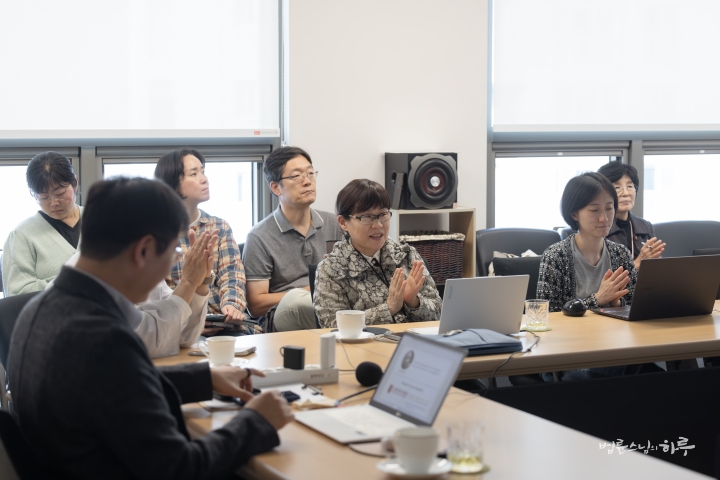
During the Q&A session following the lecture, conversations covered various topics. Many questions were raised, including: basic classifications and symptom differences of mental illnesses; criteria for distinguishing major conditions like depression, anxiety disorders, panic disorder, and schizophrenia; the impact of digital environments on mental health; the effects of AI and humanoid robot development on mental health; issues of bereavement and funerals with robots; the possibility of AI developing self-awareness; the extent of mental health research in North Korea; and privacy protection issues with AI data.
Sunim particularly emphasized the importance of early detection and treatment of mental illnesses and shared several questions and opinions with Professor Cho.
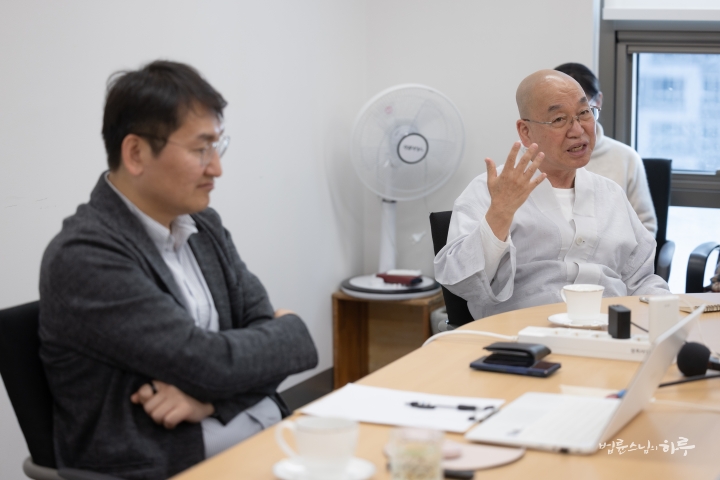
Why Do Schools Have Nutritionists but Not Psychological Counselors?
“While nutritionists and nurses are stationed at schools and health centers for physical health, there’s almost no system for mental health care. Many schools don’t even have one properly assigned counselor. However, mental illness is something that needs to be detected and addressed early, like a cold. Our society only begins to pay attention when symptoms become so severe that people wonder if someone has ‘gone crazy.’ By then it’s already too late – the illness becomes chronic and treatment becomes difficult. That’s why I’m proposing to the government that every school should have at least one psychiatrist, or at minimum a psychological counselor. Another problem lies in the structure where homeroom teachers must directly manage students’ mental difficulties. When a student is suspected of having mental problems, parents react sensitively, fearing disadvantages in school records. However, if we establish a system where specialists are dedicated to counseling students or connecting them to hospitals, these issues would naturally be resolved. Furthermore, if we could station mental health personnel at administrative welfare centers or health centers to detect and treat residents’ mental illnesses early, it would greatly help reduce Korea’s high suicide rate.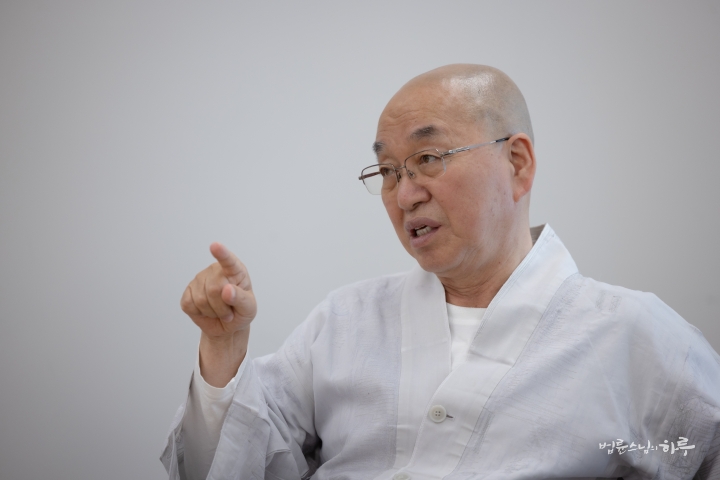
Professor Cho actively agreed with Sunim’s thoughts and said:
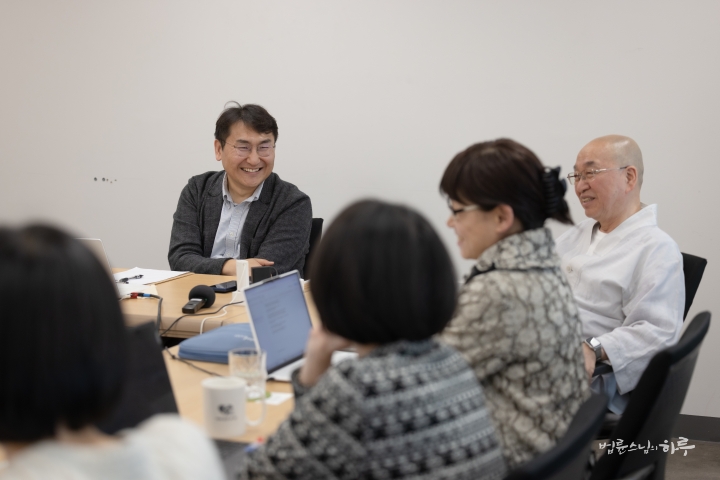
“Sunim is right. As an aside, I heard that a certain large corporation has at least one psychiatrist at every workplace and employs multiple psychological counselors. They do this because they see it as beneficial to the company. And it actually does have that much effect. We need this kind of system throughout society as a whole.”
Sunim continued to share his opinions, and Professor Cho added his thoughts, as they continued their discussion.
Schools Playing ‘Hot Potato’ with Problem Students – Is There No Solution?
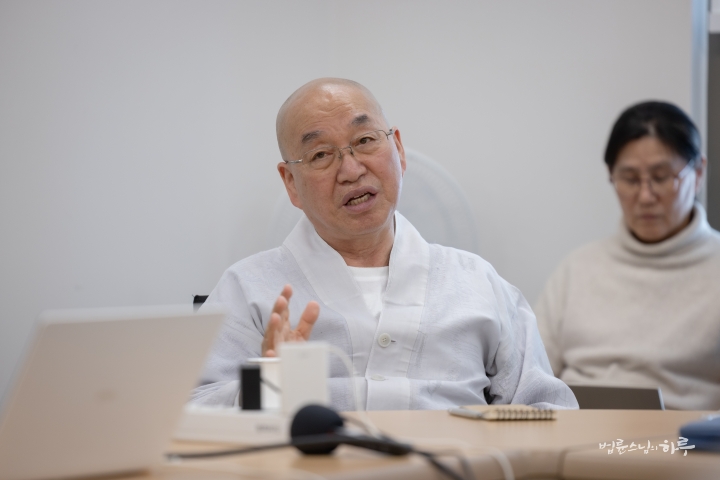
“In my opinion, it would be more rational to organize classes based on students’ IQ and mental health status. While general students could be assigned about thirty per class, students needing intensive management should be reduced to fifteen or fewer, and students requiring special help should be grouped in small numbers with multiple teachers assigned. But right now, we’re doing the opposite. The current approach is to mix one or two difficult students into each class. In the end, teachers are essentially playing ‘hot potato,’ sharing the burden among themselves. That’s why being a first-grade homeroom teacher is said to be the hardest. From second grade on, students needing management are somewhat identified and can be distributed, but with newly enrolled first graders, there’s no information at all. So when students needing management end up concentrated in one class, the teacher really struggles. The fundamental cause of these problems ultimately lies in the absolute shortage of doctors and counseling professionals. Compared to the rapid increase in mental health patients, the number of psychiatrists graduating from medical schools is woefully inadequate. In fact, even without going all the way to treatment, just early detection and referral to hospitals can have significant effects.”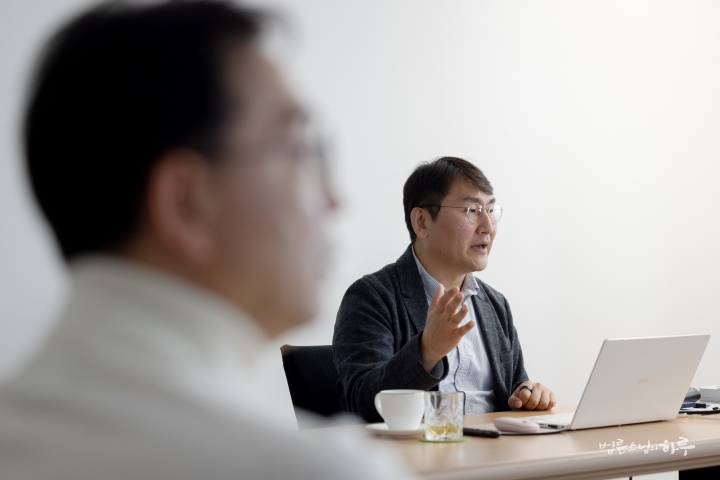
“As you mentioned, if professional personnel with a certain level of competence are deployed to each site, it will certainly be effective. However, schools require more dedication. It’s not just about having a certificate. To properly function in a school setting, additional educational courses or certification procedures are necessary.
The fundamental problem is that the medical delivery system has collapsed. In our society, when someone identifies a person with mental illness, that person bears all the responsibility. Otherwise, they are seen as someone who hasn’t fulfilled their social responsibility. However, this culture is unhealthy. We need a continuous system where, after fulfilling a certain role, one can naturally hand over to other professionals or institutions. This way, each person’s fatigue is reduced, and their role becomes clearer.
Even in hospitals, counselors alone cannot fully understand patients. Internships or clinical experience must be combined to understand the patient’s actual condition. Many cases that could have been easily treated if they had come to the hospital early end up worsening because they only received counseling. To prevent such problems, we need a structure where each professional clearly knows their role and can cooperate.”
As the professor calmly explained, Sunim nodded and spoke again.
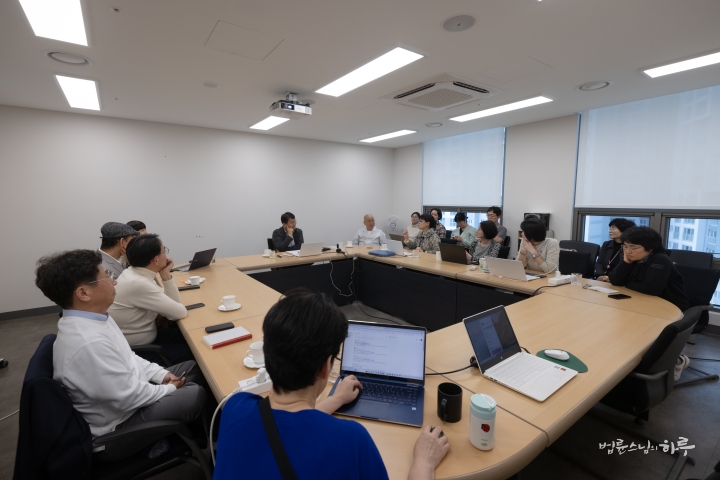
The presentation and discussion continued for three hours. At nearly 4 PM, everyone took a commemorative photo together and concluded the seminar.
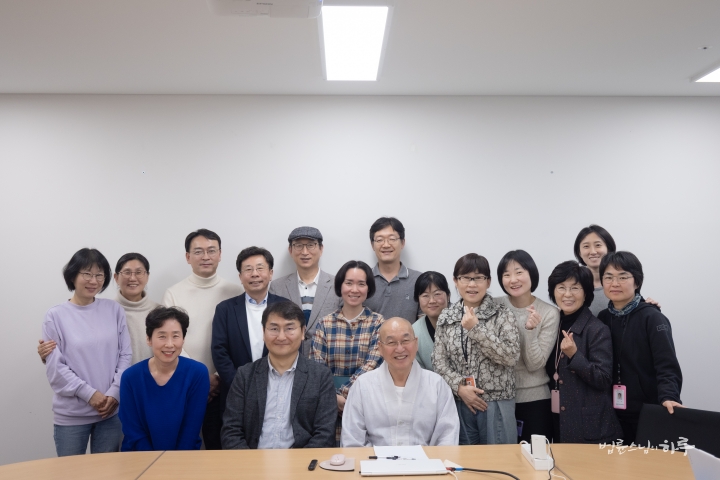
After expressing his gratitude to Professor Cho Chul-hyun, Sunim immediately attended the Peace Foundation Planning Committee meeting. For two hours, they discussed various perspectives on the possibility of a North Korea-US summit at the Gyeongju APEC Summit, the subsequent Korean Peninsula situation, and the role of the Peace Foundation within it.

As the sun set, at 7:30 PM, Sunim conducted the evening Weekly Dharma Assembly live broadcast. About 80 people gathered in the third-floor Dharma Hall, while Jungto Society members connected through online video conferencing.
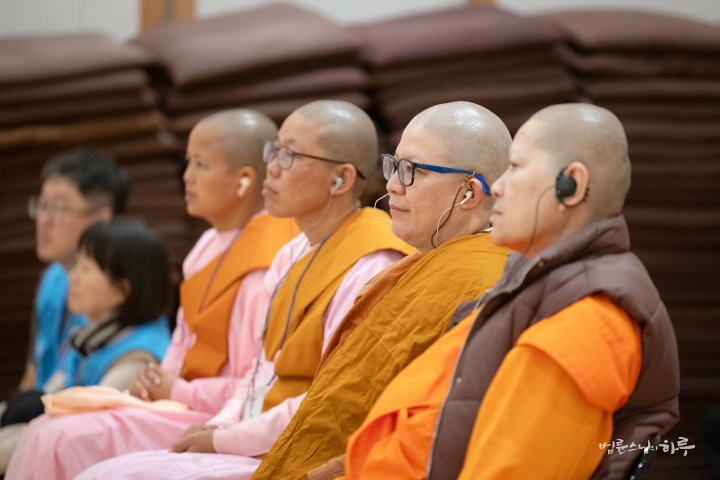
Female INEB participants from Southeast Asia observed the evening assembly as part of their Jungto Society tour program.
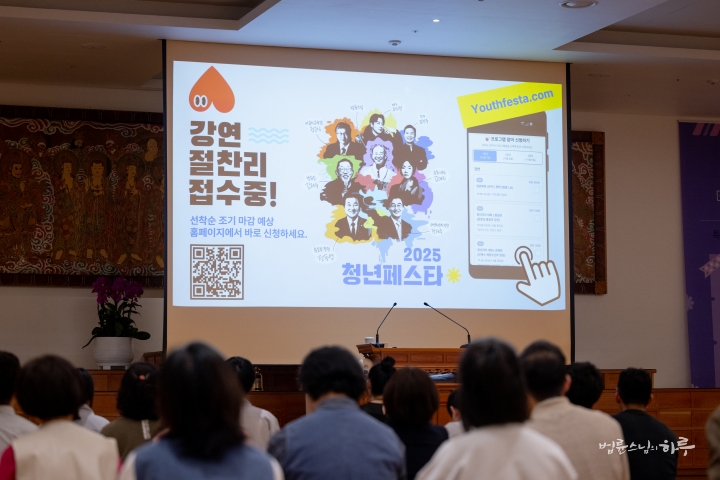
After watching the weekly Jungto practitioners’ news video together, the assembly requested a Dharma talk from Sunim with three bows. Sunim shared news of the deepening autumn and urged Jungto Society members to actively promote the upcoming Youth Festa so that many young people in Korea could participate, then began the dialogue.
Four people asked Sunim questions during the one-hour session. One of them, diagnosed with stage 3 breast cancer and undergoing treatment, asked for Sunim’s advice on how to understand her feelings of both being “fortunate that the cancer was discovered” while also experiencing tears.
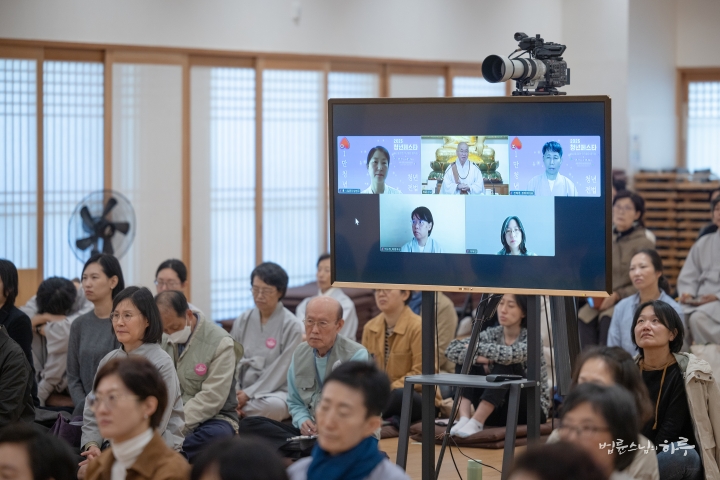
I Keep Crying After Being Diagnosed with Stage 3 Breast Cancer
“I was recently diagnosed with stage 3 breast cancer. The cancer cells have spread throughout my breast and metastasized to lymph nodes and other tissues. Currently, I’m receiving chemotherapy with a peaceful mind. When the pain is severe during chemotherapy, I think positively that the cancer cells are disappearing along with the pain. They say one in four modern people get cancer. I had a high probability of getting cancer someday, and I think it’s actually fortunate that I got it now in my 40s. Even now the side effects are severe, but if I had gotten it in my 60s or 70s, it would have been much harder. My family members would have been older too, making caregiving more difficult. Also, since I have options like chemotherapy, surgery, and radiation therapy, I think I’m much more fortunate than patients with rare cancers. I’m currently on sick leave, and even if I take medical leave, I don’t have to worry about being fired. I’m also insured, so I have no other concerns. Now that I know about the cancer, I can receive treatment and manage it afterward, so I’m grateful for all of this. However, when I talk to other people, I find myself tearing up unconsciously. While I think I feel comfortable and grateful, I wonder if I’m deceiving myself, which is why I’m asking this question.”
“It’s difficult to say you’re deceiving yourself. Your heart feels depressed, but your mind is saying, ‘It’s okay, it’s good.’ That’s why your heart suddenly wells up. The attitude of trying to think positively certainly helps. Just as we think ‘I should take care of my parents,’ but feel uncomfortable with their nagging when we’re actually with them, our thoughts and feelings don’t always align. We rationally console ourselves thinking ‘I should still be filial,’ but emotions move separately. Similarly, like thinking ‘I should pray’ in the morning while feeling ‘I don’t want to get up,’ when thoughts and feelings diverge, it can feel like you’re deceiving yourself.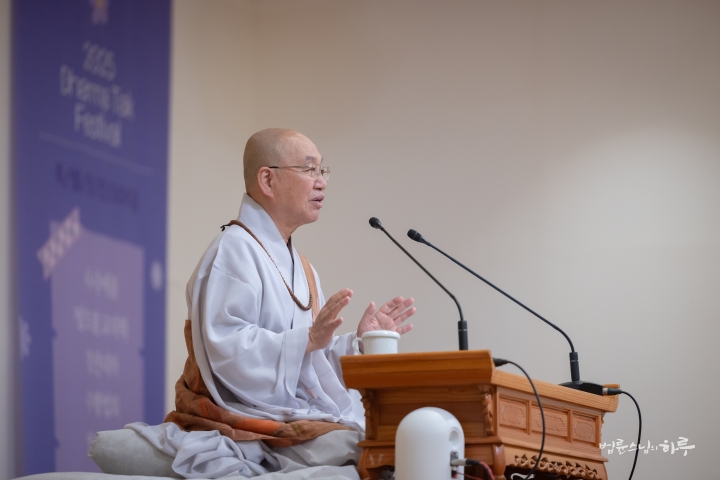
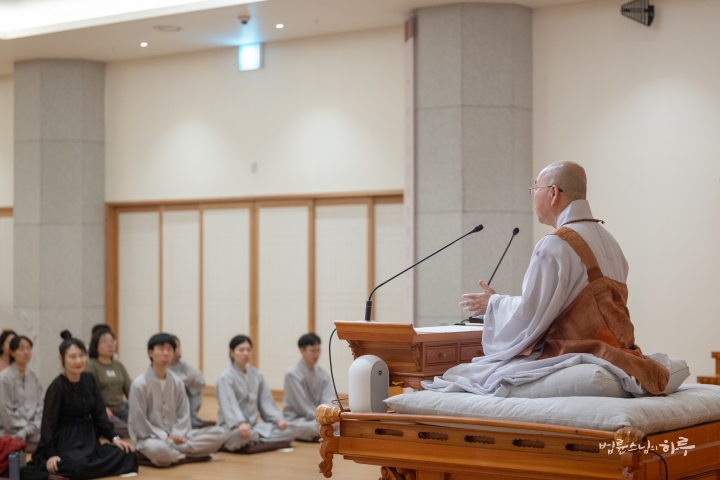
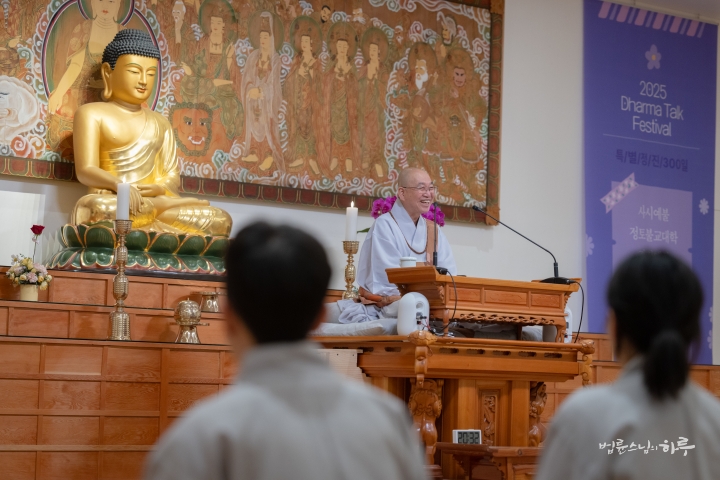
“I’m 47 years old.”
“By old standards, you’ve already exceeded the average lifespan. Even if you were to die now, there wouldn’t be much to regret. Are you single?”“Yes, I’m single.”
“There’s a reason I asked if you live alone. If you had been breastfeeding a baby or had physical contact with a spouse, you would likely have discovered the abnormal signs much earlier.”“But in my case, even when the cancer was first discovered, it was already somewhat large, and it spread throughout my body in just six days, so it’s a bit different from typical cases.”
“The progression rate of cancer varies from person to person. It can spread rapidly or progress very slowly. Early detection is especially important for breast cancer. That’s why women living alone need to pay more attention to self-examination. Fortunately, since you’re alone, you don’t have to worry much about a spouse or children.”“Yes, that’s right.”
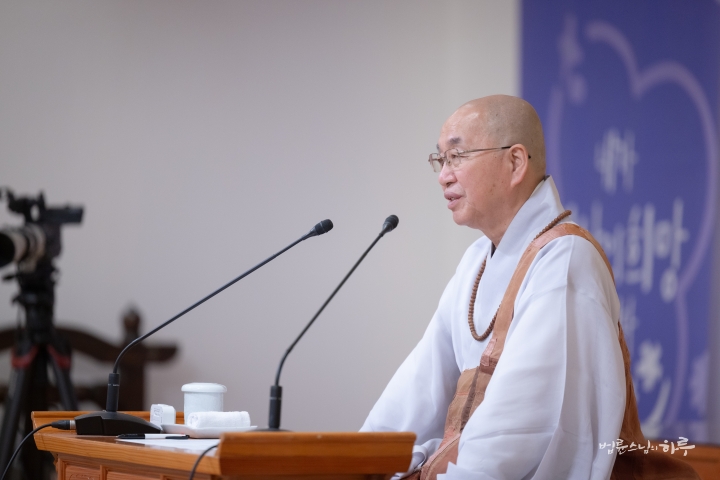
“I understand, Sunim.”
“That won’t be easy, will it? Because there’s attachment to life.”“Yes, I’ll try to let go of my attachment to life. I’ll think more deeply about ways to maintain a peaceful mind.”
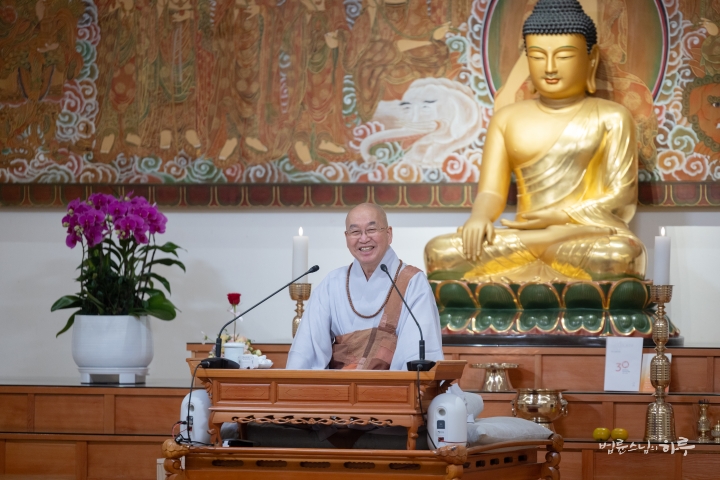
Questions continued to follow.
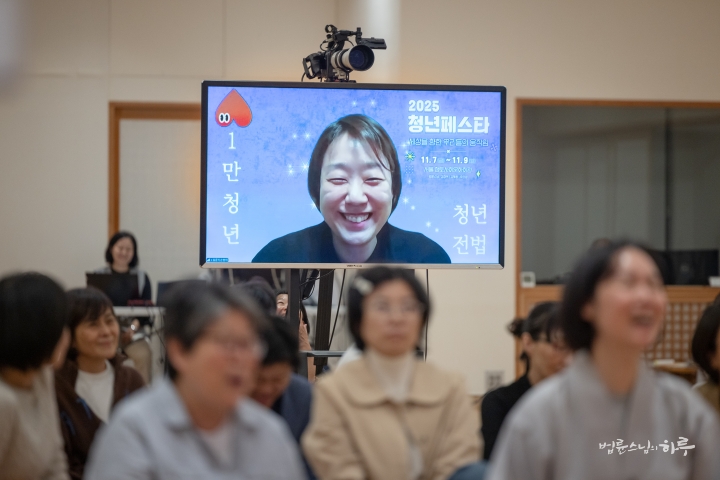
I manage my mind by thinking everything is ‘my fault,’ but is it okay to let things go like this regardless of the facts?
What does Sunim think about establishing new programs like children’s Dharma assemblies and youth Dharma assemblies at Jungto Society?
After our parents passed away, we put the house where my unmarried brother and disabled brother will live together under the unmarried brother’s name. What should we do when conflicts arise over property issues like this?
After finishing the dialogue, it was past 9 PM. After concluding the Dharma assembly with the Four Great Vows, the members of the Sangha sat in circles by group for mindful sharing.
Tomorrow, Sunim will have an early morning breakfast meeting with North Korea experts at The Peace Foundation, meet with a social figure visiting The Peace Foundation for lunch, and in the afternoon, have a dialogue session with female INEB participants who are touring Jungto Society.