Standing on the shoulders of the forgotten, we find confidence through historical consciousness
Aug 8, 2025 - Day 6 of the Northeast Asian History Tour: Ando, Bohaizhen, Dunhua
Hello. This is the 6th day of the Northeast Asian History Tour. Today, we will explore the traces of Venerable Yongseong’s independence movement and visit Bohaizhen to examine the history of Balhae.
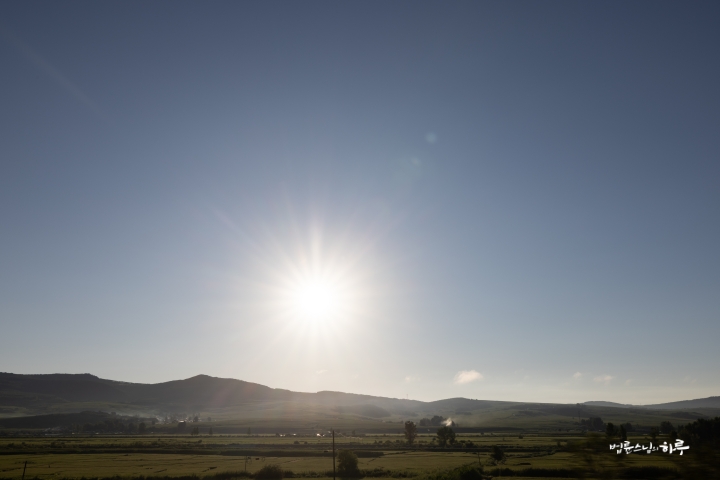
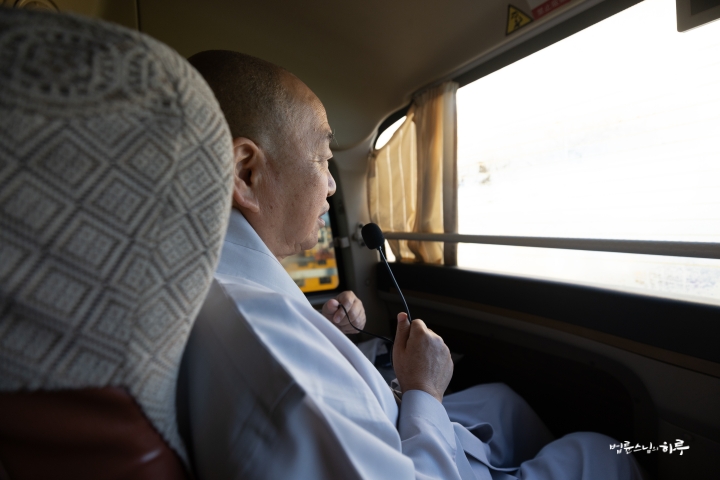
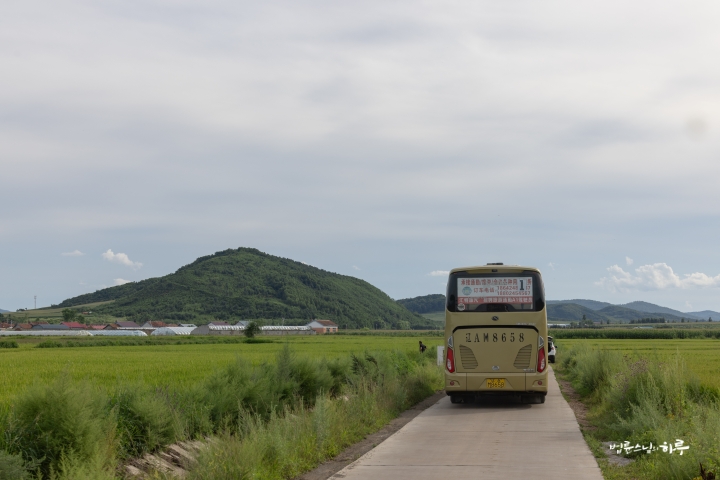
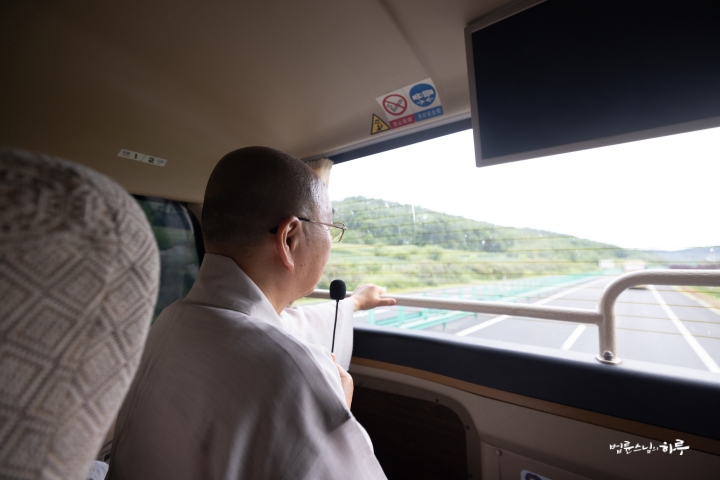
The group woke up at 4:20 AM and departed from Yanji at 5 AM, heading to Ando County. As the bus departed, Sunim briefly explained the day’s schedule.
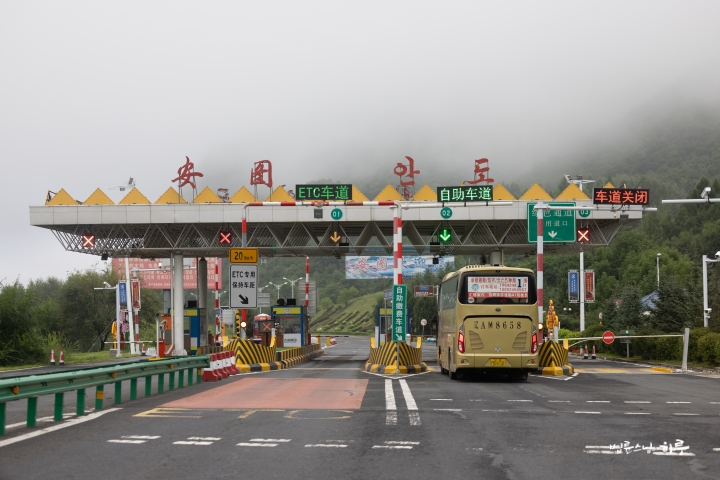
After an hour’s bus ride, the group arrived in Ando County at 6 AM. Ando County is where the Myeongwolgu Conference was held to counter Japan’s invasion of Manchuria, and where the Gando Special Unit, a pro-Japanese military organization centered on Korean youth, was active. Here, Venerable Yongseong established large-scale farms in Myeongwol Village and Bongnyeong Village to secure bases for the independence movement.
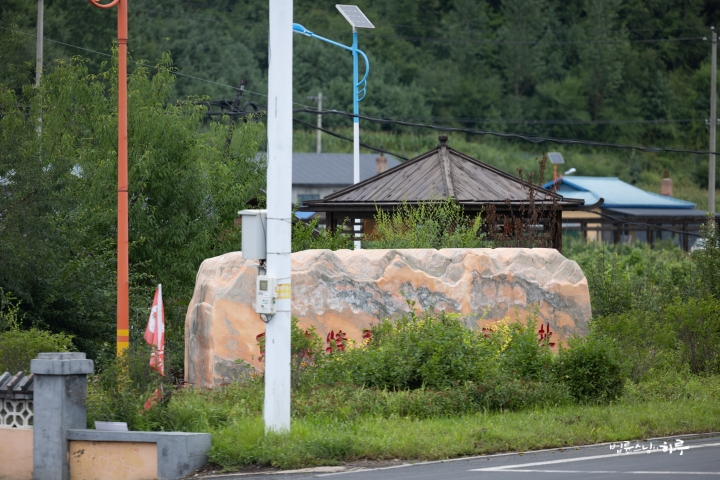
The bus arrived in front of a rock called ‘Ongseong Napja,’ the old name for Myeongwol Village. Indeed, a large rock stood prominently in the middle of the city center.
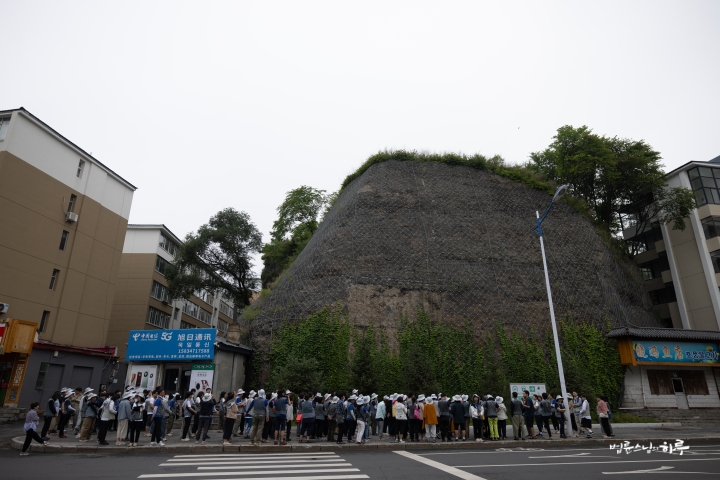
The group briefly stopped at Ando Market for breakfast. After gathering in small groups to buy food according to their tastes, they boarded the bus again.
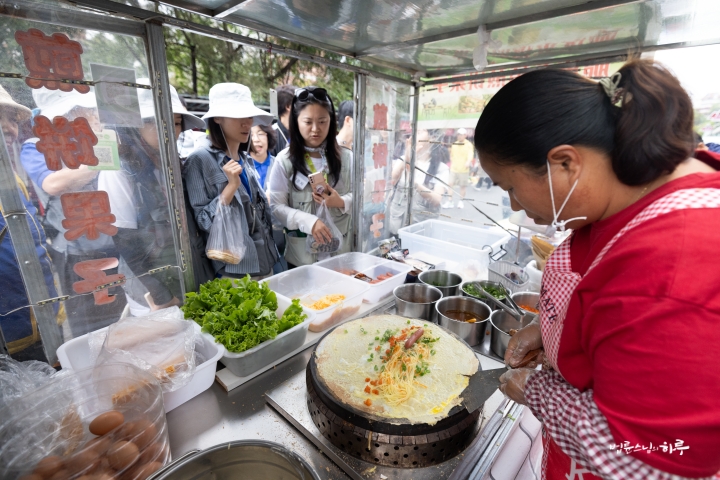
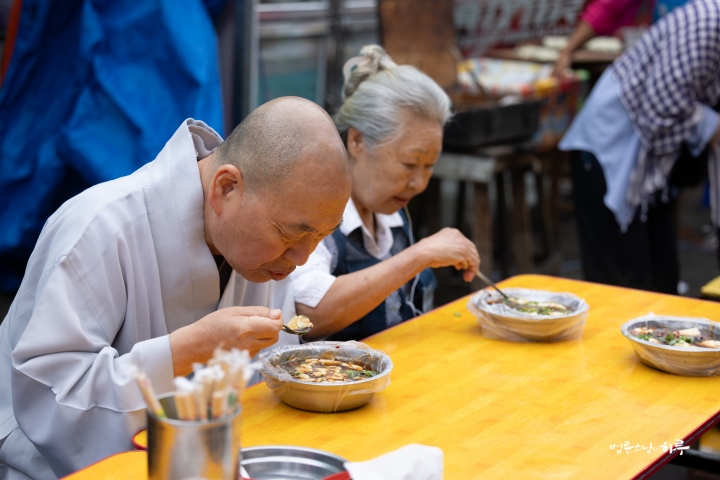
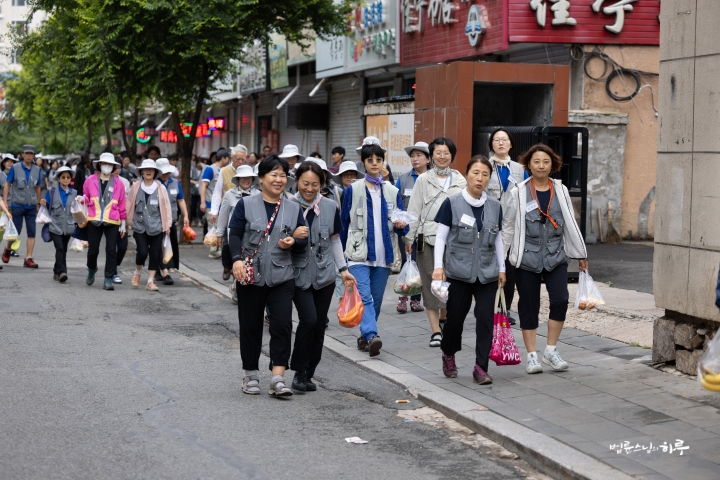
The Myeongwolgu Conference and Gando Special Unit remained only as lonely monuments in the middle of the city, and No traces of the Seonongdang (Zen farming hall) in Myeongwol Village could be found.
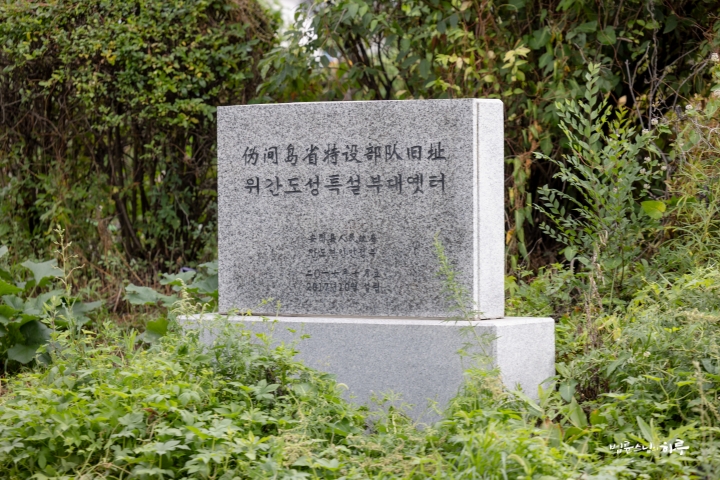
While driving on the national highway, they tried to see the the Seonongdang (Zen farming hall) in Bongnyeong Village, but the road was blocked and they couldn’t go.
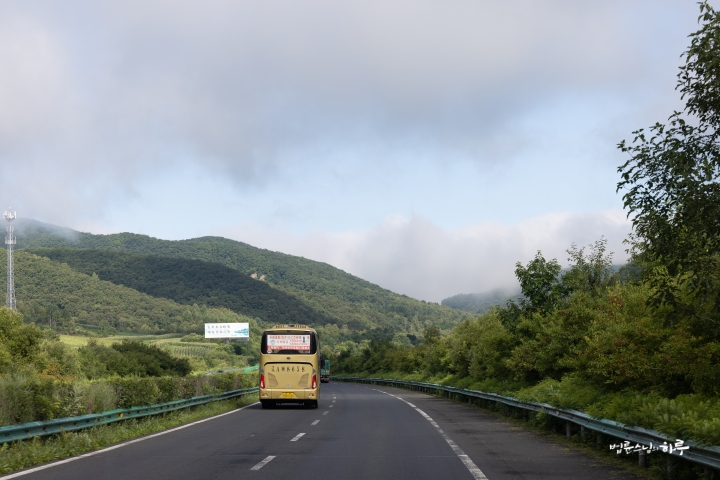
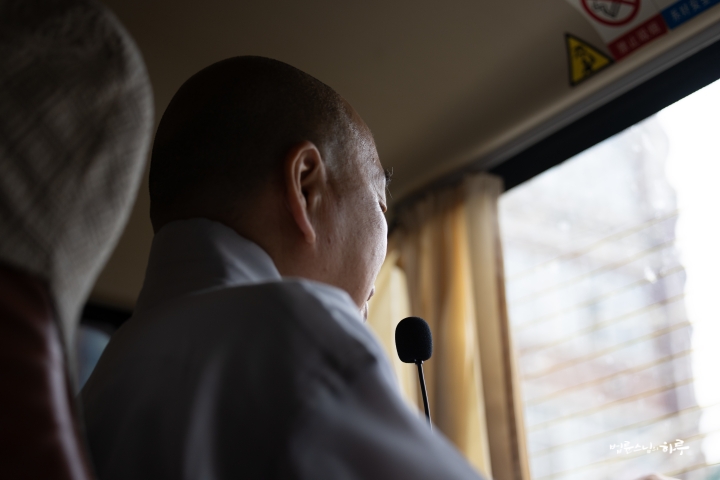
On the bus, Sunim explained in detail why Venerable Yongseong urgently purchased this land immediately after being released from prison in 1922.
Venerable Yongseong’s Secret Farm That Sheltered Independence Activist Families
Venerable Yongseong participated in the March 1st Movement in 1919, and as a result, he was sentenced and imprisoned. He was released in 1921, and after hearing about the Free City Incident upon his release, he secretly came here with funds he had raised to purchase land to protect independence activists. In Seon Buddhism, there is a tradition called ‘Seon farming practice,’ and he used this as a cover, ostensibly promoting the idea of combining farming with meditation. It wasn’t easy to raise money to buy this land. On one hand, he fundraised from wealthy landowners in Jeolla Province, and on the other hand, he connected with the royal palace for fundraising. It is said that Emperor Sunjong’s consort made a special donation. With the money raised this way, he came here.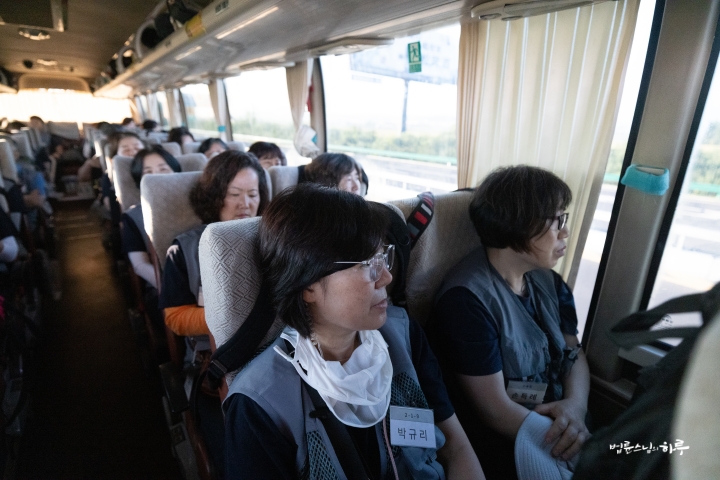
A Base for the Independence Movement Hidden at the Foot of Mt. Baekdu
The farm established this way was called ‘Seonnongdang,’ realizing Seon farming practice, and the harvest was divided 70-30 with those who came to cultivate and live here. At that time, the usual land rental arrangement was 50-50, but he gave more benefits to the cultivators. He also provided various other support, such as funds to build houses. If he had given it for free, it would have been discovered that he was supporting independence activists, so he helped people while maintaining a format that matched worldly rules. Although it was done in the form of open recruitment, in reality, it was mainly families of independence fighters who came. In this way, Seonnongdang was built to protect and nurture independence activists. Do you know the novel ‘Bukgando (North Gando)’? In the posthumous collection of writer Ahn Su-gil, there remains an unpublished novel. Although neither Venerable Yongseong’s name nor the exact location appears in it, it tells the story of an ideal village where people meditate and study, and farm while studying. A few years ago, when we conducted a detailed investigation for the 100th anniversary of the March 1st Movement, we found that the novelist was the son of the general manager of this land and had served as a Sunday Buddhist school teacher at Daegak Temple operated by Venerable Yongseong. In other words, we discovered that the novel was based on his own experiences. There was no particular evidence that Seonnongdang actually existed, but these facts came to light through investigating that novel. Because Japanese surveillance was very strict at that time, Venerable Yongseong had to hide even his comings and goings to Longjing. On the surface, it was packaged as if the monk had entered a retreat and was in complete seclusion, having no contact with the outside world, but in reality, he came to China and carried out these activities. If you go to Bongnyeong Village, there is a neighborhood called ‘Jeoldan Village'(Severed Village). In the late Japanese colonial period, as Japan intensified its oppression, they set fire to the farm there, burning it down overnight and driving out all the residents. That’s how the village got the name Jeoldan Village.”Leaving behind the story of Venerable Yongseong’s independence movement, the tour group now headed to Bohaizhen, where many Balhae relics remain.
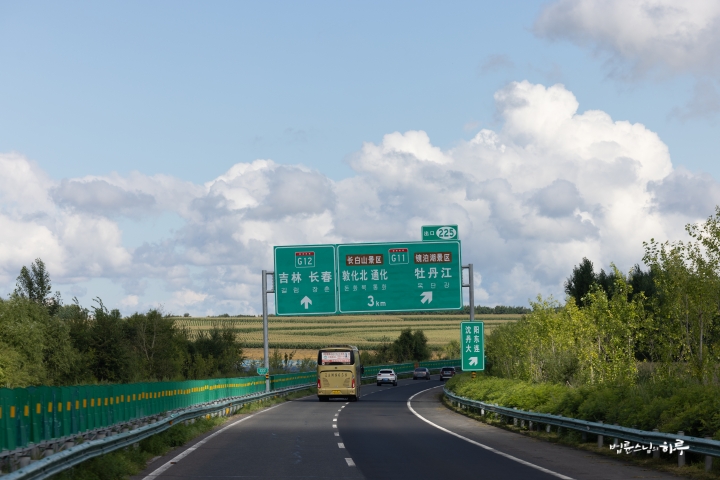
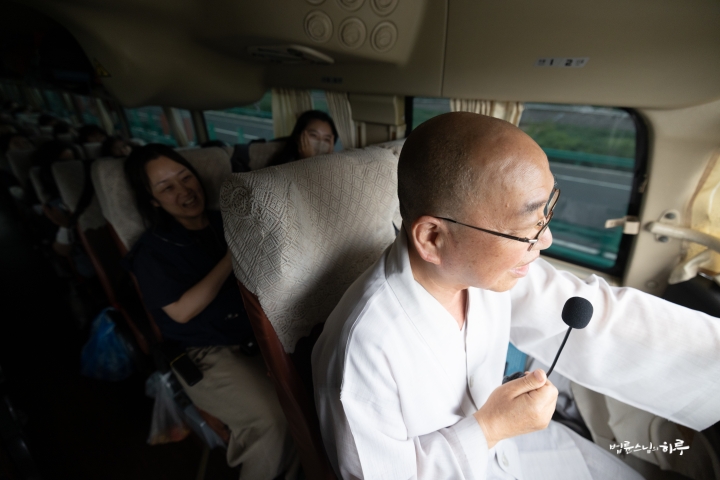
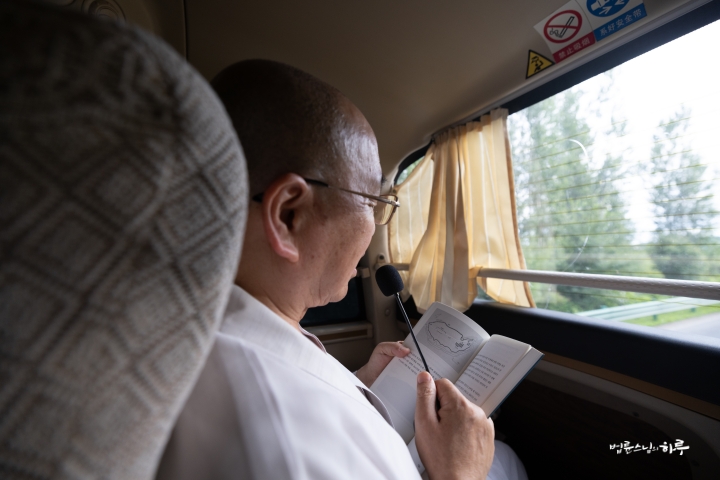
After leaving Ando County and driving on the highway for a while, Dunhua City appeared. Looking out the window, Sunim explained.
The bus continuously traveled across the Manchurian plains where Balhae’s history lives and breathes. Imagining the spirit of the Balhae people who dominated Northeast Asia with territory much larger than Goguryeo’s, they headed to Bohaizhen.
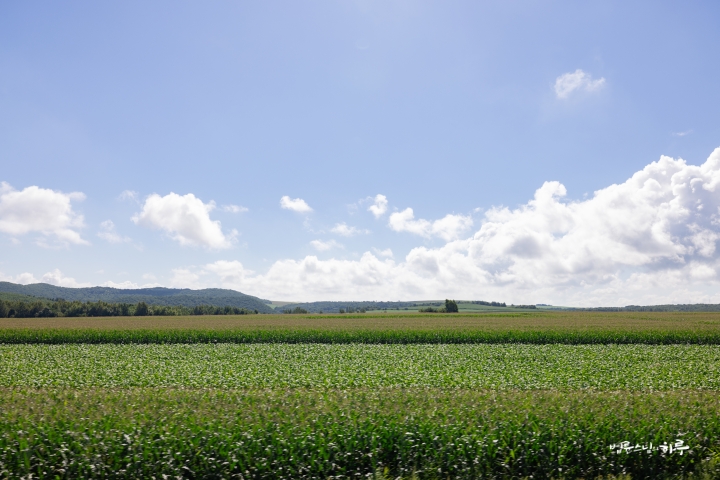
They drove on the highway for 3 hours from Ando County to Bohaizhen. Around 10 AM, they entered Bohaizhen.
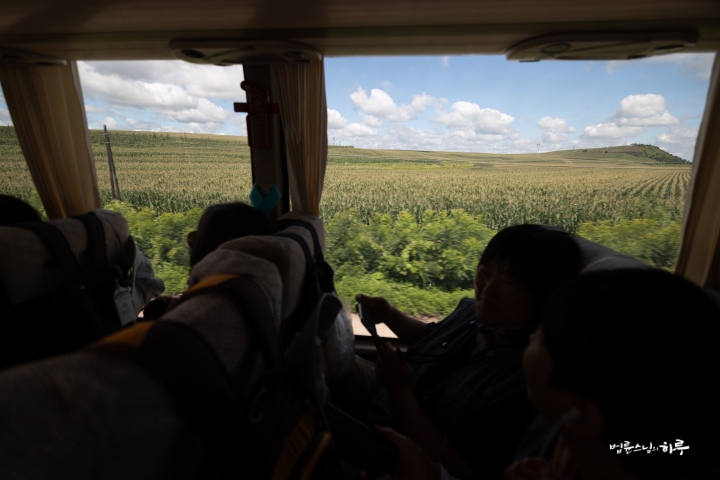
Looking at the wide plains spreading outside the window, they sang ‘Gwangya-eseo’ (In the Wilderness). together.
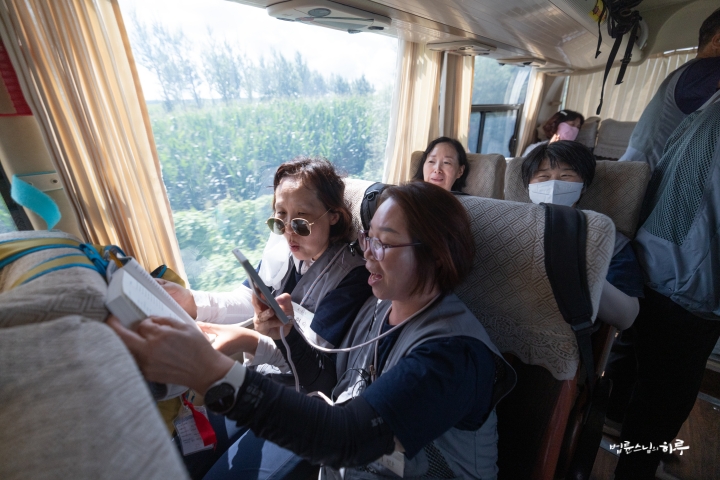
While singing, they arrived at the palace site ruins of Sanggyeong Yongcheonbu, which was Balhae’s capital. First, they moved to the Balhae Museum to view maps of Balhae’s territory, aerial views of the palace fortress, and various artifacts.
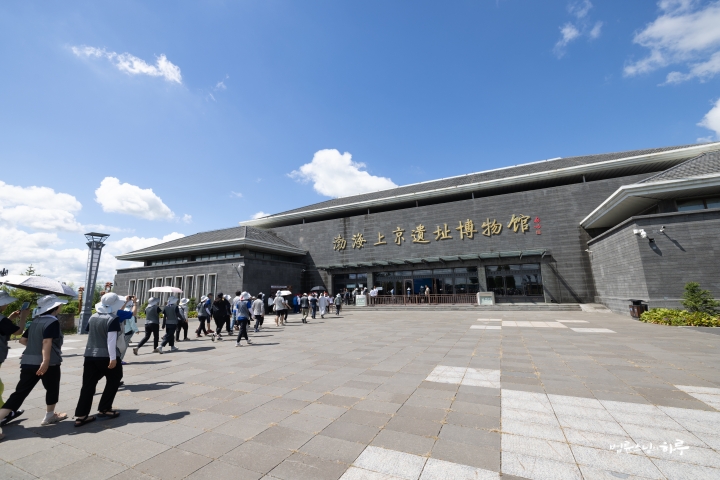
The old, shabby Balhae Museum from just five years ago had been transformed into a magnificent new building.
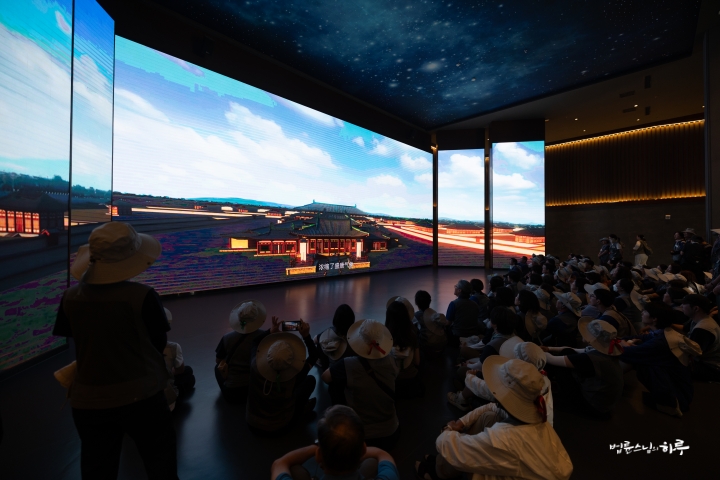
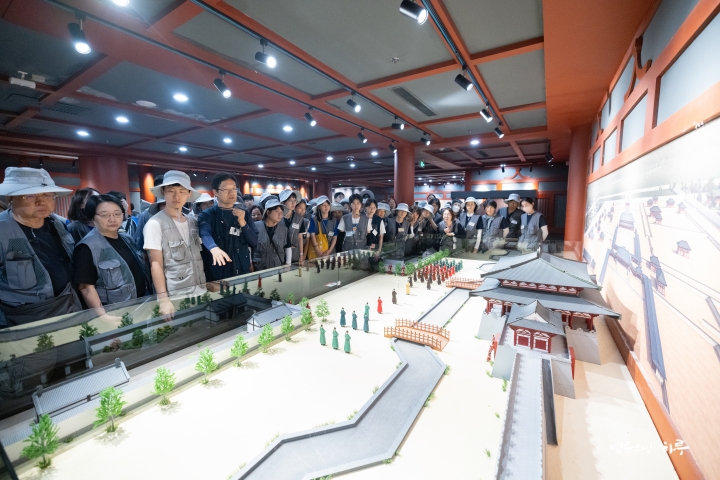
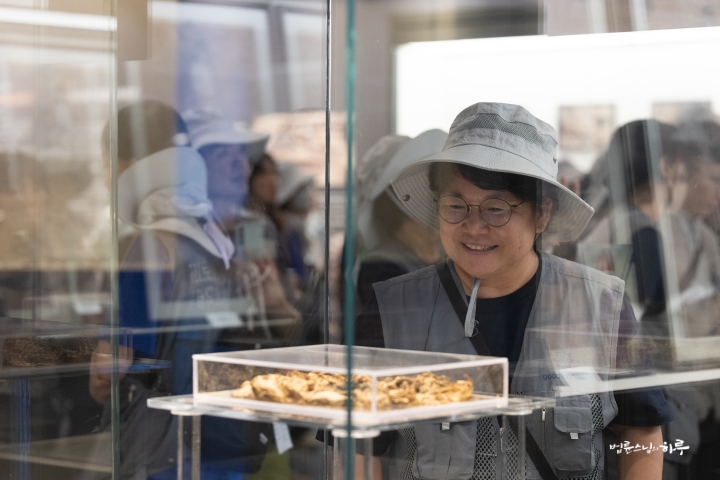
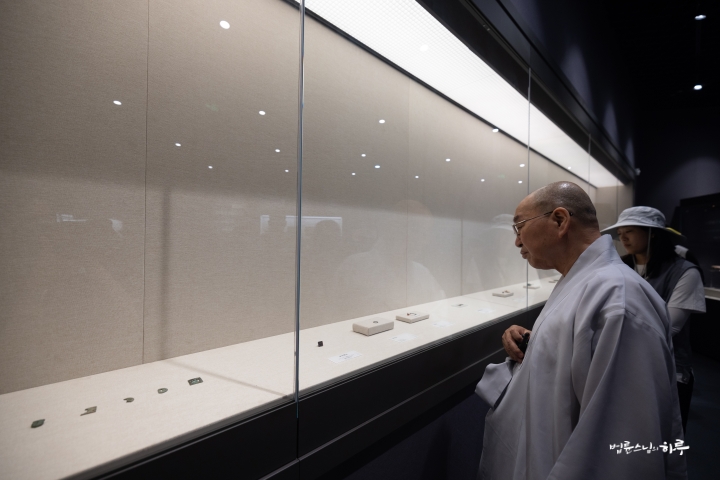
After Lee Seung-yong provided detailed explanations about the artifacts, Sunim once again explained the key points.
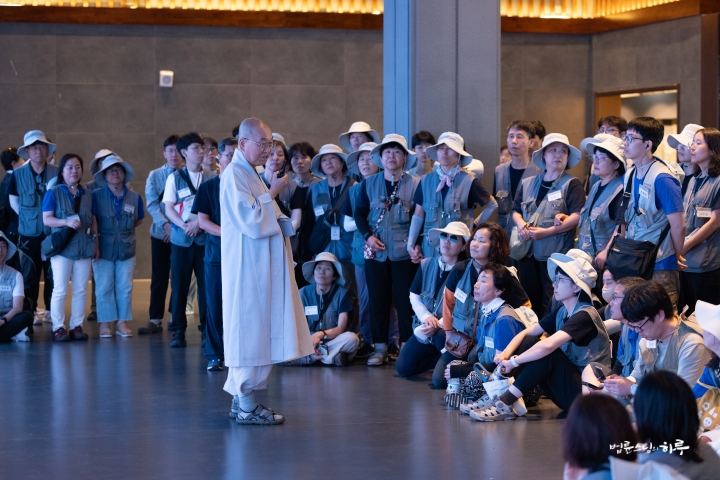
Next, they headed to Heungnyungsa Temple from the Balhae period. The place densely planted with poplar trees in the distance was the outer fortress wall.
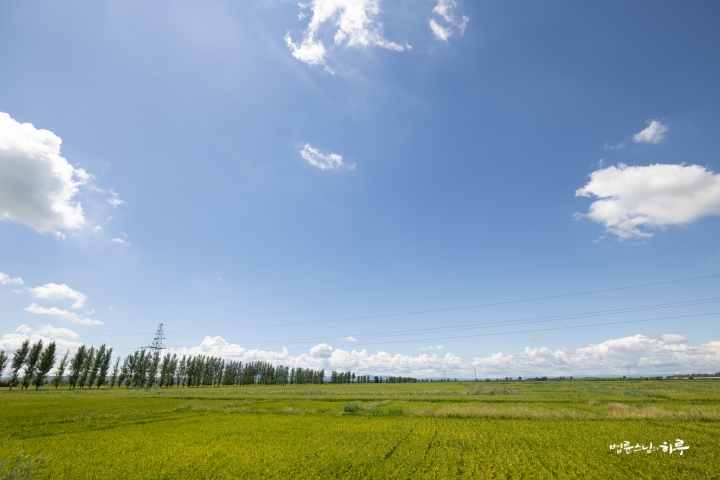
Upon entering the outer fortress of Sanggyeong Yongcheonbu, they immediately arrived at Heungnyungsa Temple.
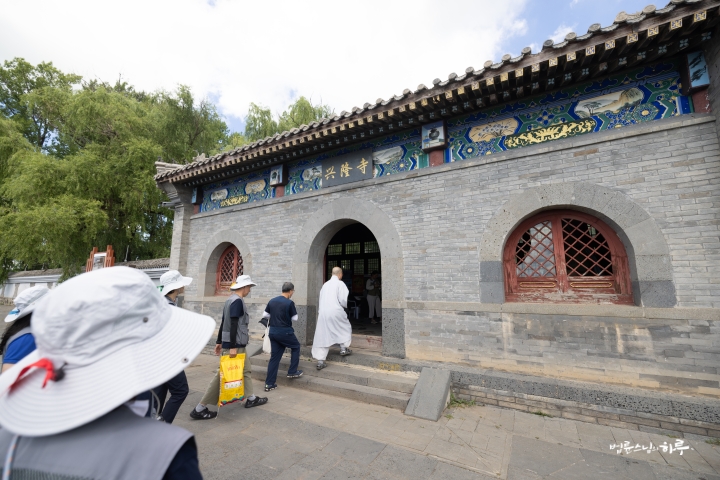
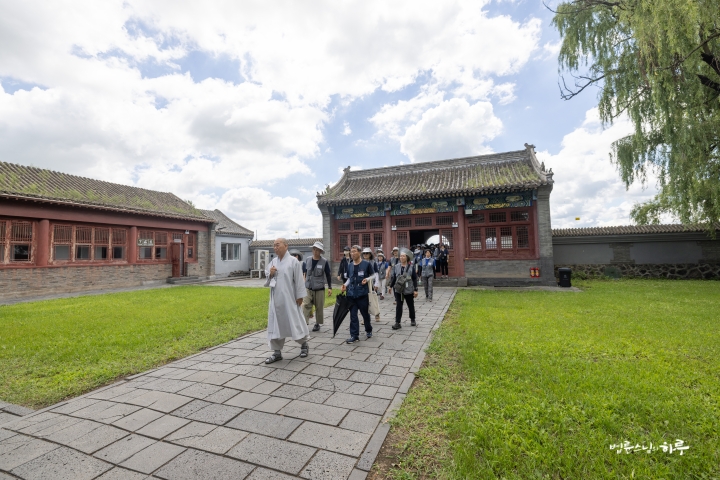
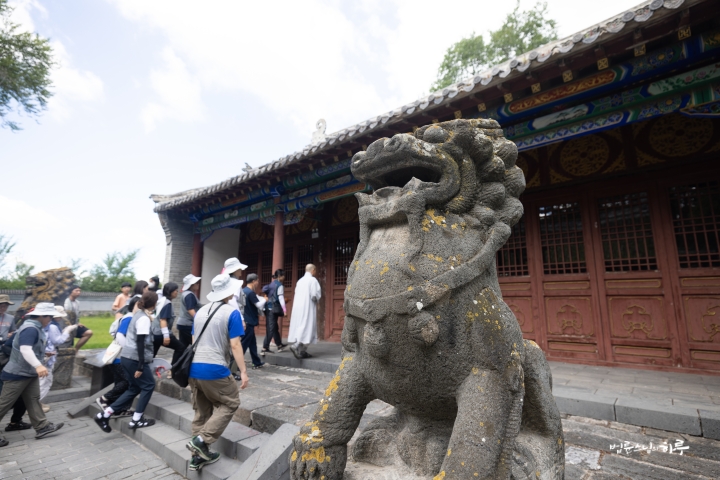
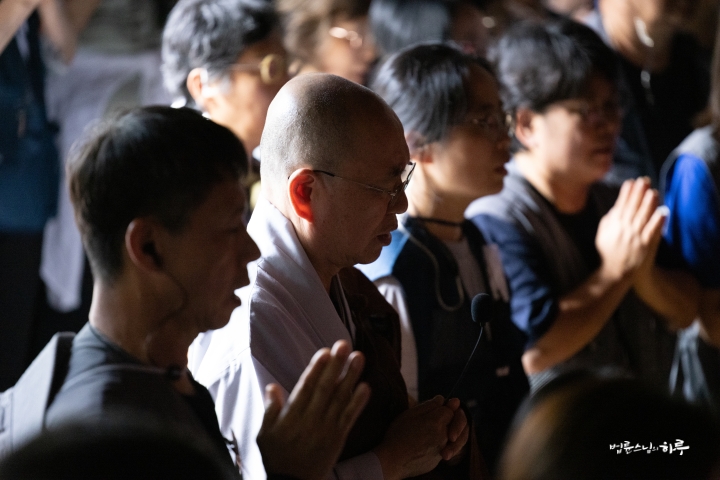
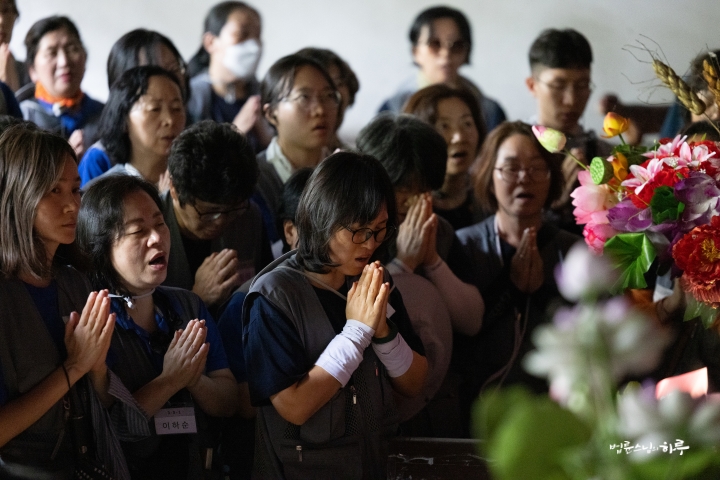
Listening to Sunim’s explanation, they passed through the One Pillar Gate and the Four Heavenly Kings Gate, paid respects to the Great Buddha from the Balhae period enshrined in the main hall, and offered sincere prayers.
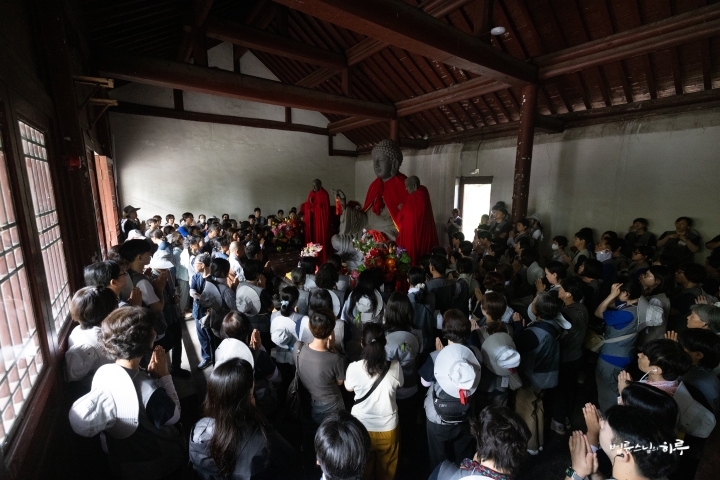
After completing the prayers, Sunim offered a blessing prayer for the tour group.
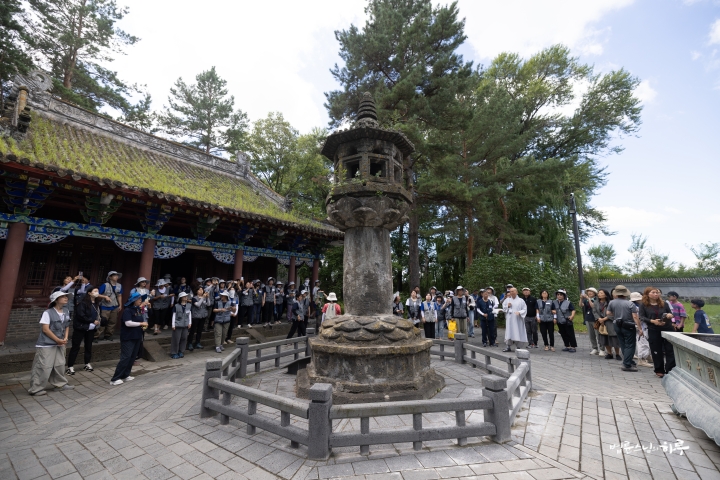
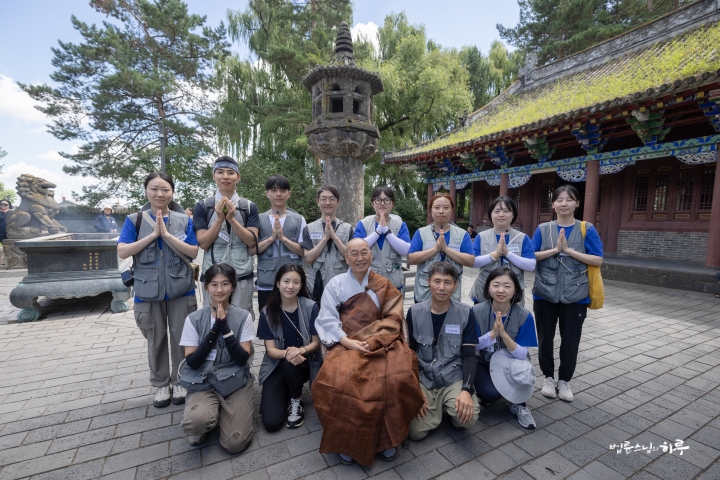
After leaving the Dharma hall, the group took a commemorative photo in front of the stone lantern from the Balhae period. This stone lantern is such a representative artifact of Balhae that it appears in Korean history textbooks. It is a massive stone lantern carved from basalt, which has remained intact since the Balhae period. It can be considered the largest stone lantern currently in the Northeast region.
After leaving Heungnyunsa Temple, the tour group headed to the palace of Sanggyeong Yongcheonbu. There was an inner fortress within the outer fortress, and the palace was within the inner fortress.
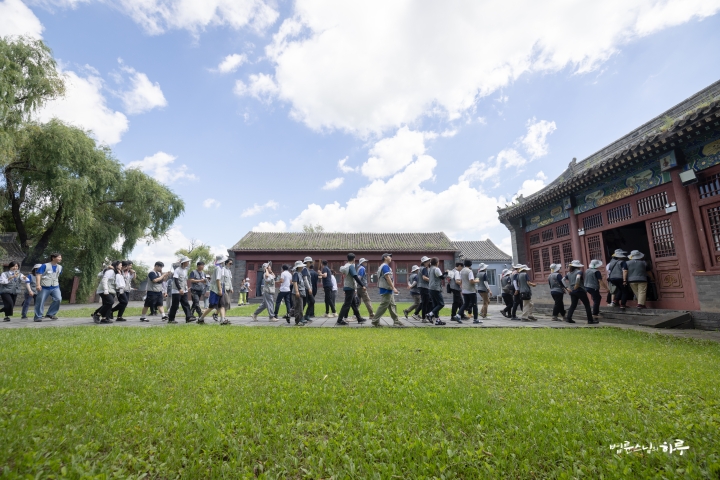
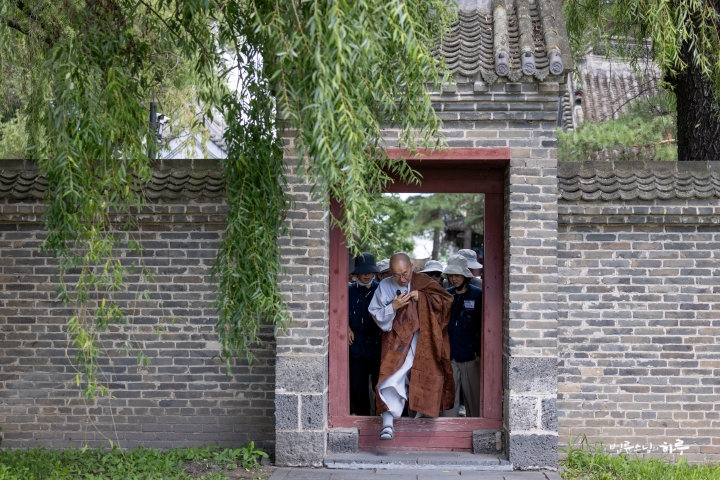
Sanggyeong Yongcheonbu served as the capital of Balhae for 30 years from 755 to 785 during the reign of the third king, Munhwang. After briefly moving to Donggyeong Yongwonbu, the capital was relocated back to Sanggyeong Yongcheonbu during the reign of the fifth king, Seongwang Daehwayeo, and remained there for 132 years until the fall of Balhae. In total, it served as the political, economic, and cultural center of Balhae for 162 years.
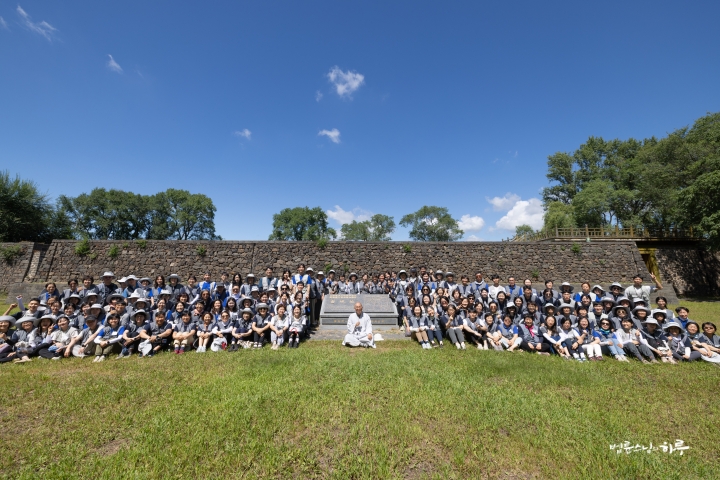
After taking a group photo in front of Obongnu, the main gate of the palace, they examined the model display at the palace entrance. Through the model, they could see at a glance what the actual palace looked like.
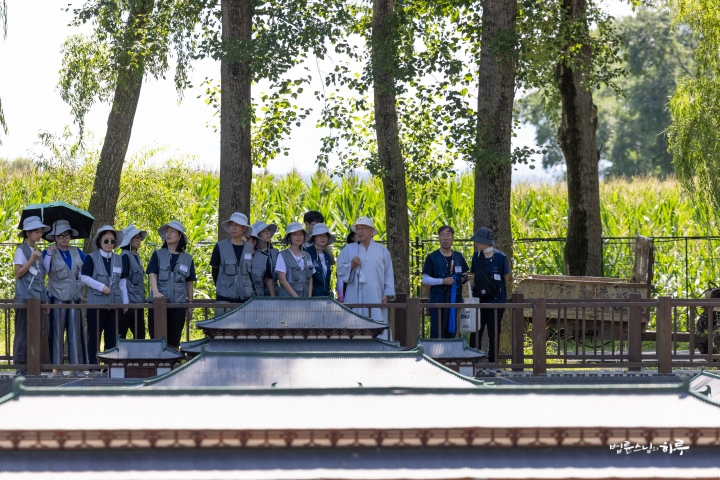
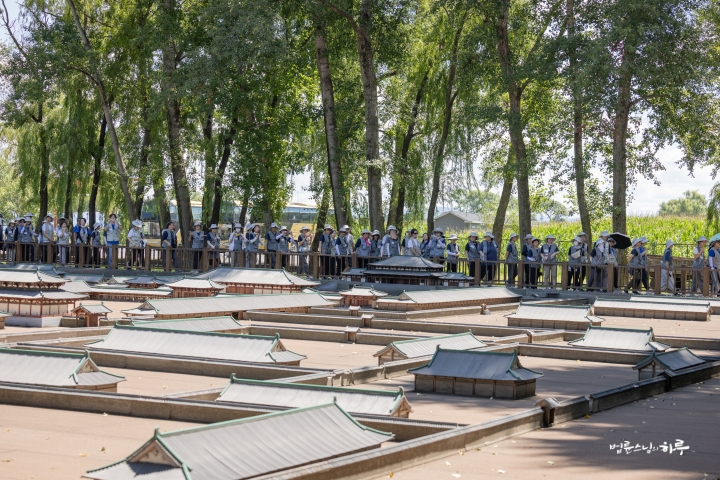
They entered the palace grounds.
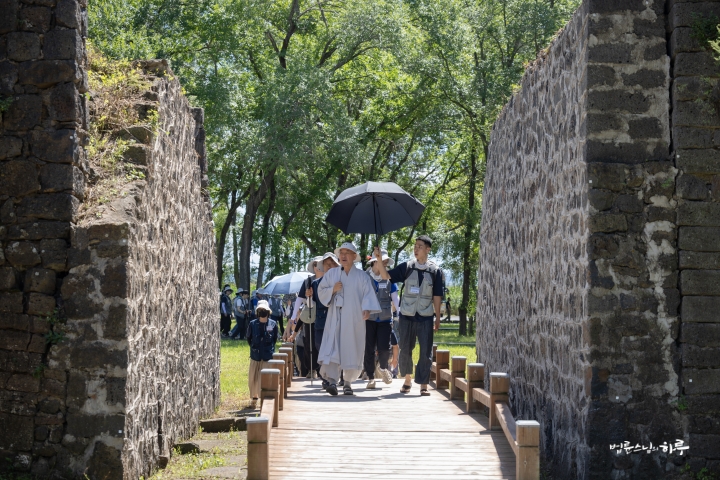
When they climbed up to Obongnu, they could see Palaces 1 through 5 in a straight line.
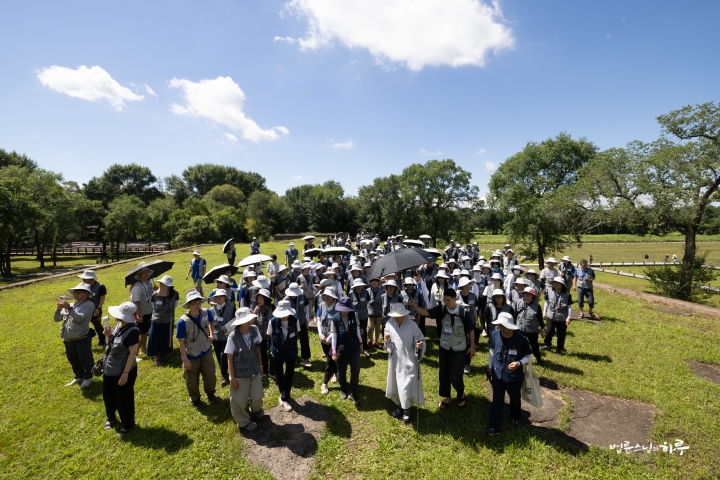
On top of Obongnu, many foundation stones could be seen, which appeared to be traces of where the pavilion once stood. Sunim explained.
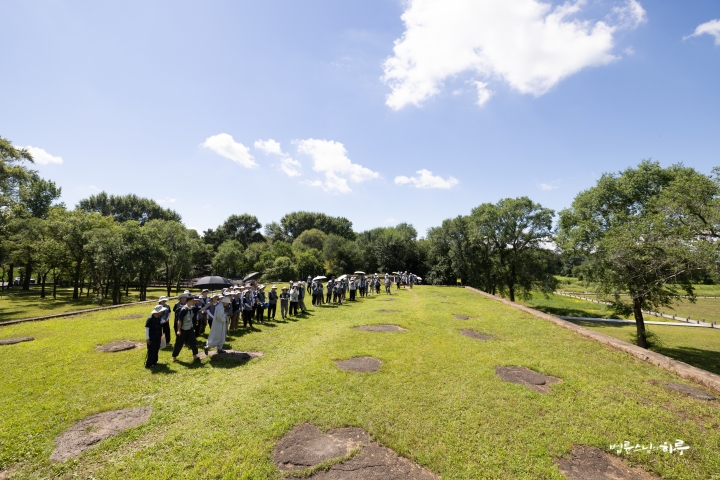
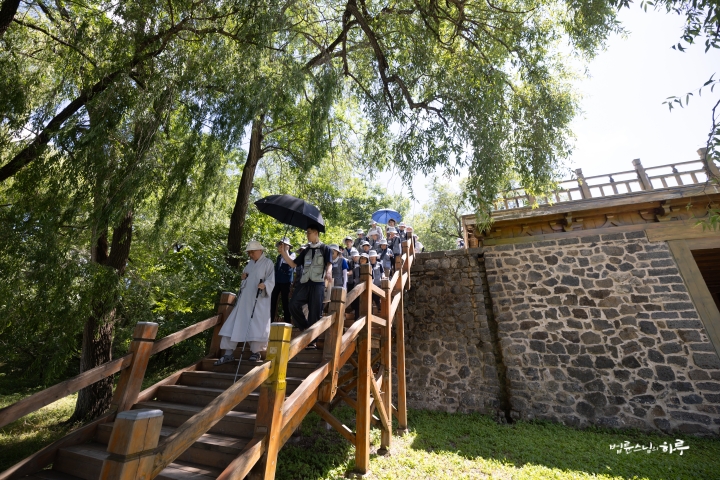
After passing through Obongnu and entering the palace grounds, a vast palace site appeared. There was a path down the middle and corridors connecting from both ends. Sunim joked with a smile.
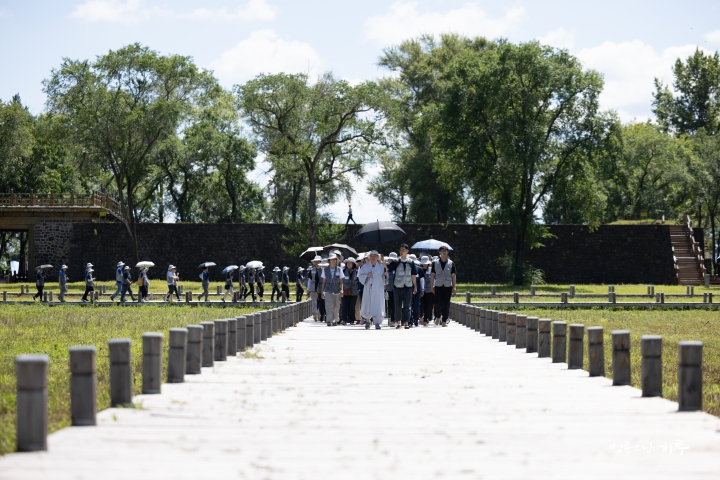
Following Sunim’s guidance, they examined the palaces in order from Palace 1 to Palace 2, 3, 4, and 5, then continued walking to the northern gate at the very back of the palace.
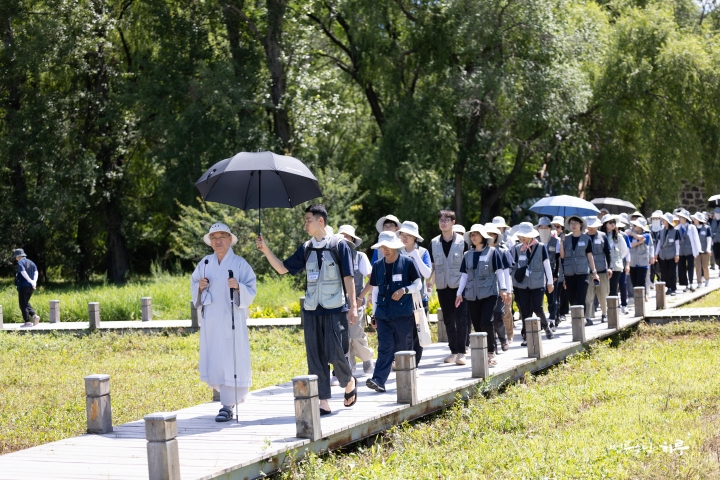
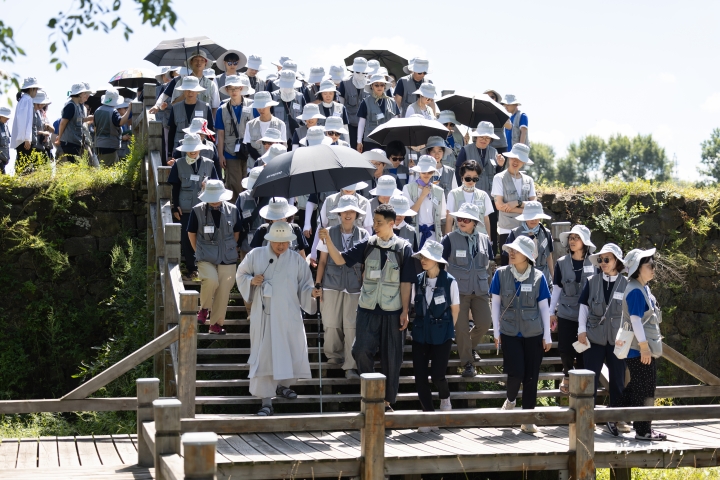
The scale of the fortress was so large that walking around the entire perimeter was no easy task, but everyone’s steps were light, intoxicated by the clear weather and beautiful scenery.
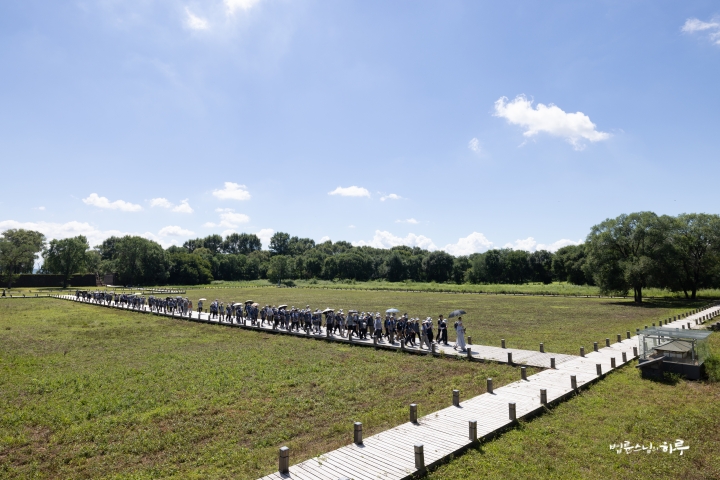
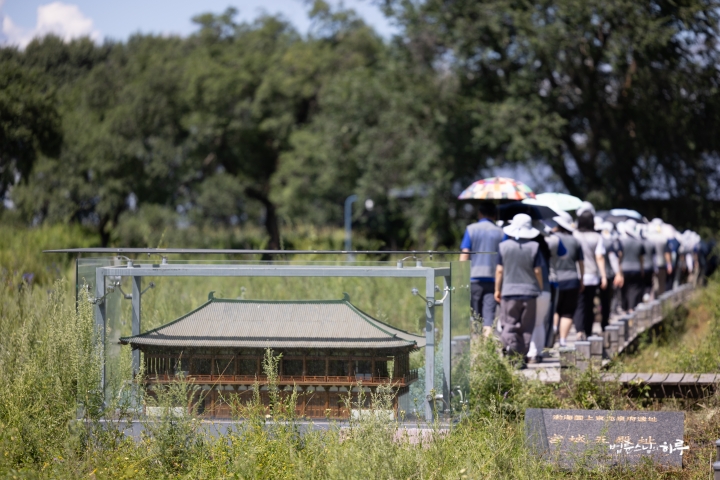
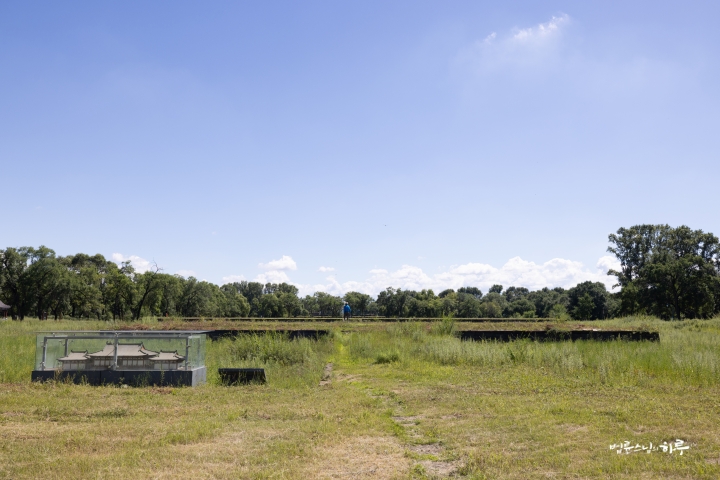
Upon reaching the northern gate and looking toward the palace, they could see that the ground level gradually rose from Palace 5 toward Palace 1, allowing all the palace sites to be visible at once. It was clear that nothing was built randomly; everything was planned. The wisdom of the Balhae people who could create such designs was remarkable.
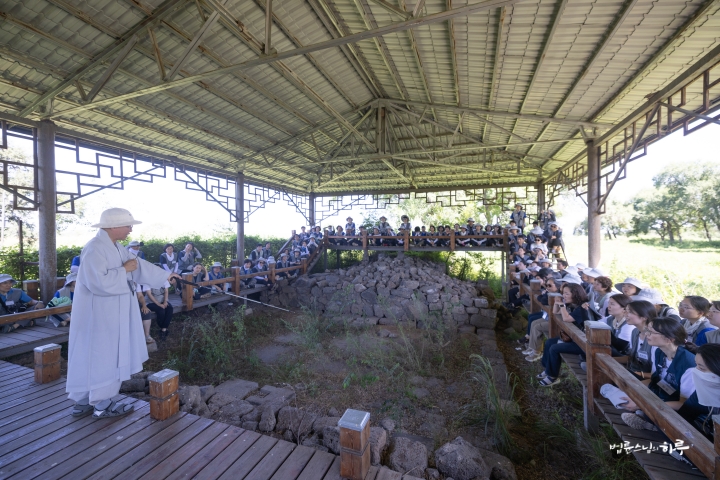
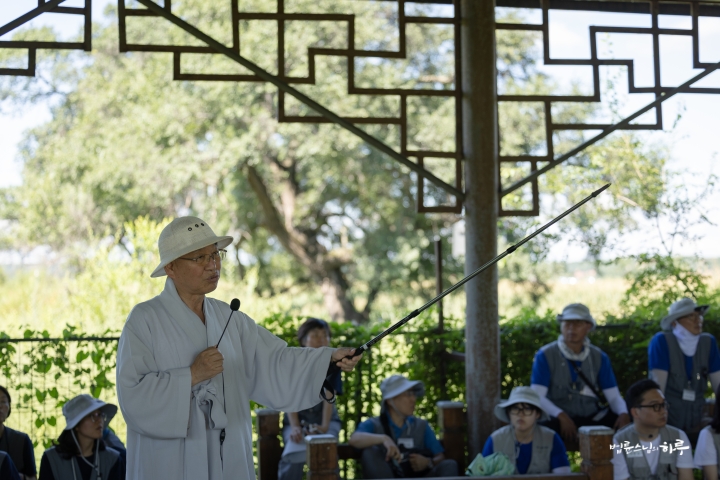
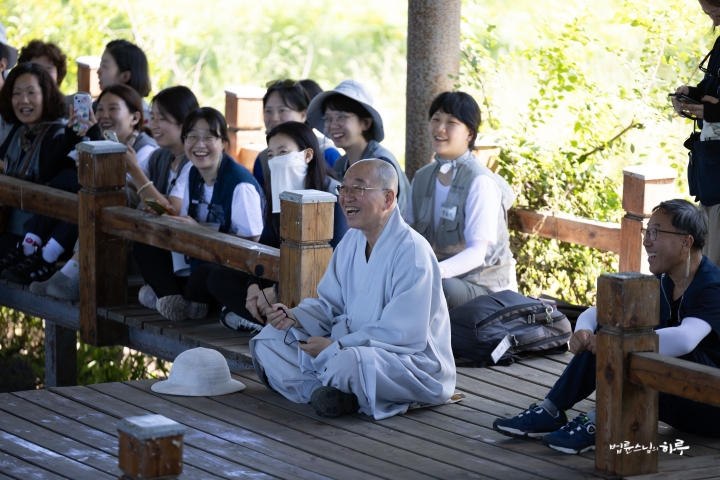
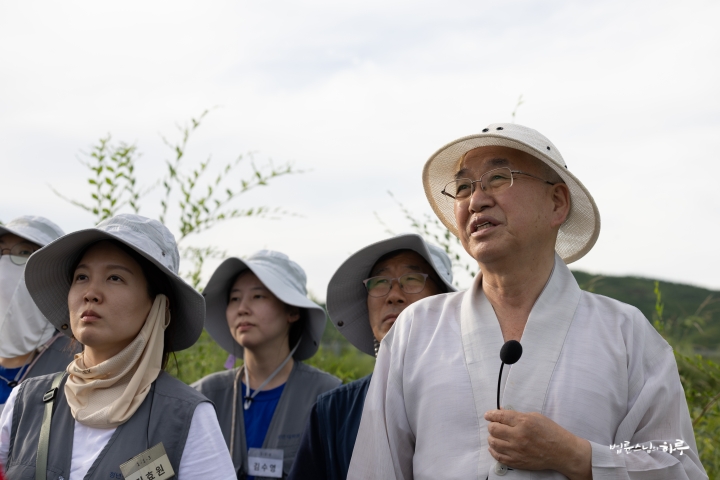
The group took a brief rest at the northern gate to cool off from the heat. One participant sang “Hwangseong Yeteo (The Old Castle Ruins).”
The castle walls have crumbled, leaving only empty grounds with green grass
Telling us of the vanity of this world♬
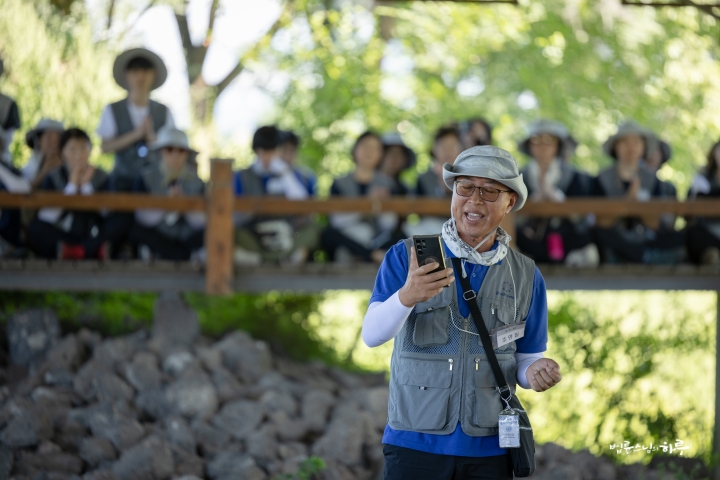
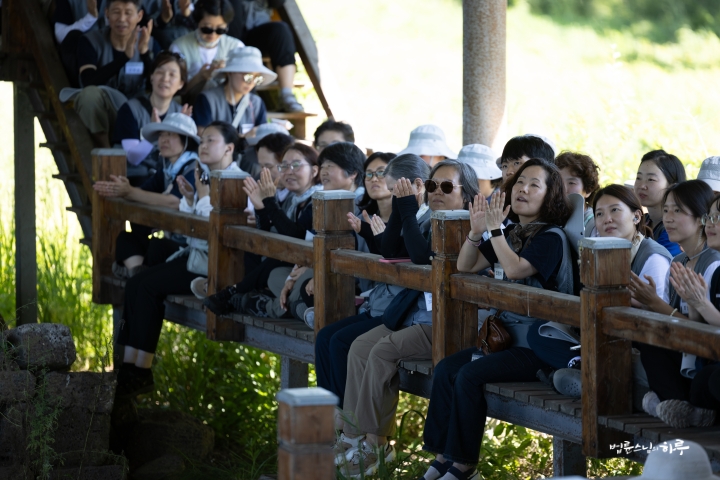
One young participant sang “Balhaereul Kkumkkumyeo (Dreaming of Balhae)” a song by Seo Taiji and Boys.
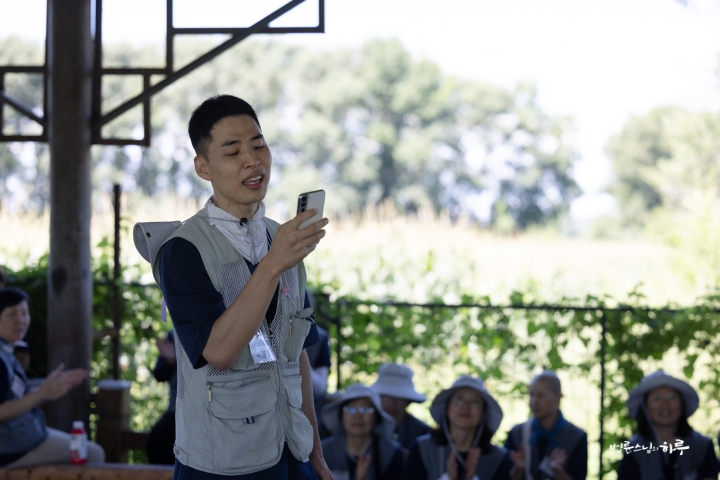
Someday when the borders disappear from my small land ♬
Many people will fill their hearts with hope
I now wish for peace and love
The lyrics of both songs touched everyone’s hearts so deeply that they seemed perfectly suited for this location. Though the Korean Peninsula is now divided in two, the group earnestly prayed for peace on the peninsula, inheriting the spirit of the Balhae people who once commanded the continent.
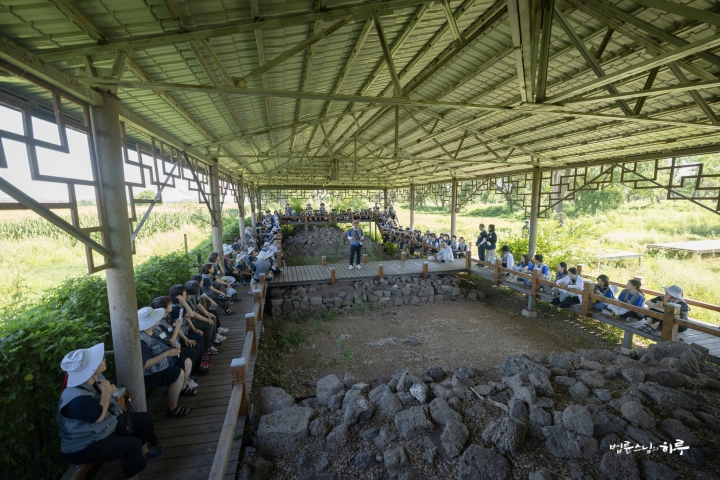
On the way out of the palace, they passed by Palbo Yuri Well, which was used as a drinking water source.
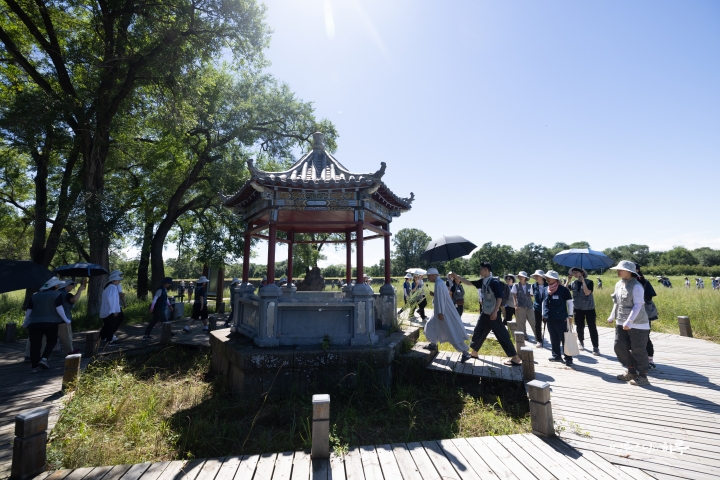
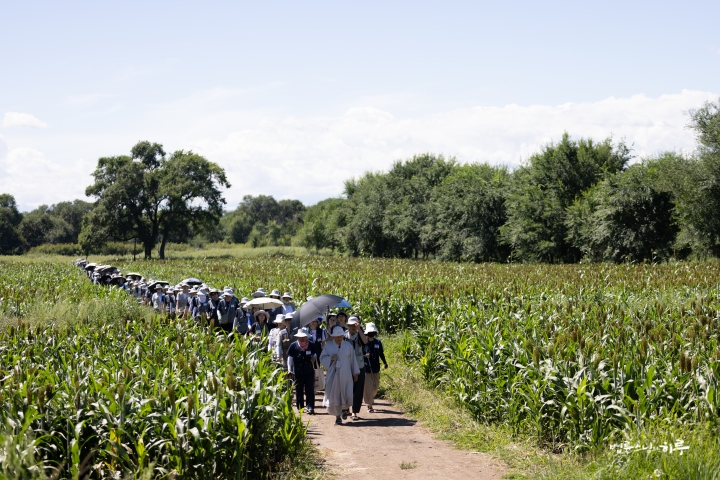
Outside the East Palace, the remains of Eohwawon, where the king used to go boating, were still visible. The Eohwawon lake was said to have been shaped like a human face.
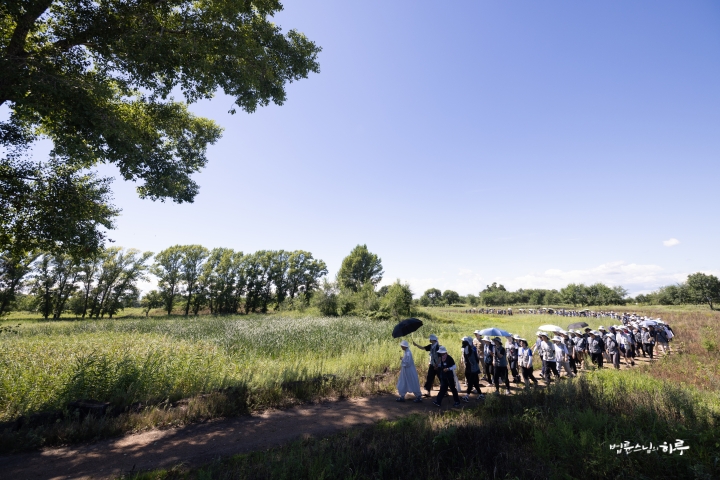
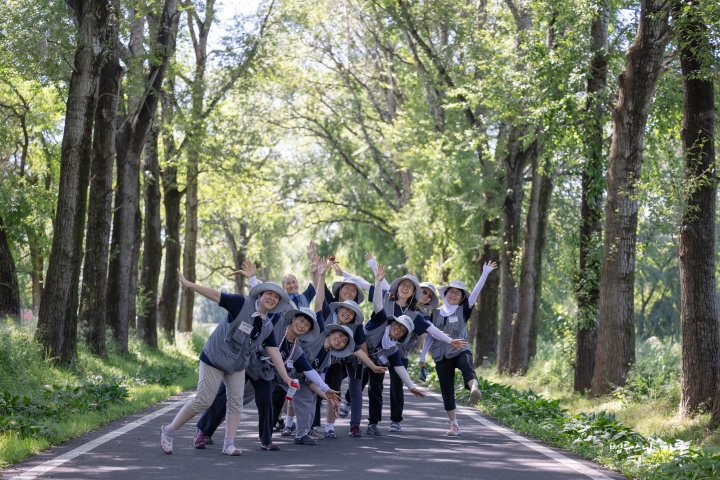
After touring the entire Shangjing Longquanfu palace, everyone boarded the bus again. On the way out around the city walls, they could see Xuanwu Lake, which was formed from quarrying stones to build the fortress.
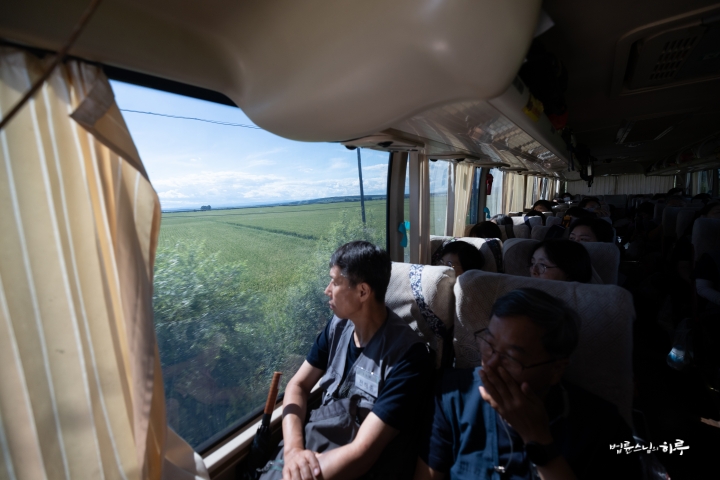
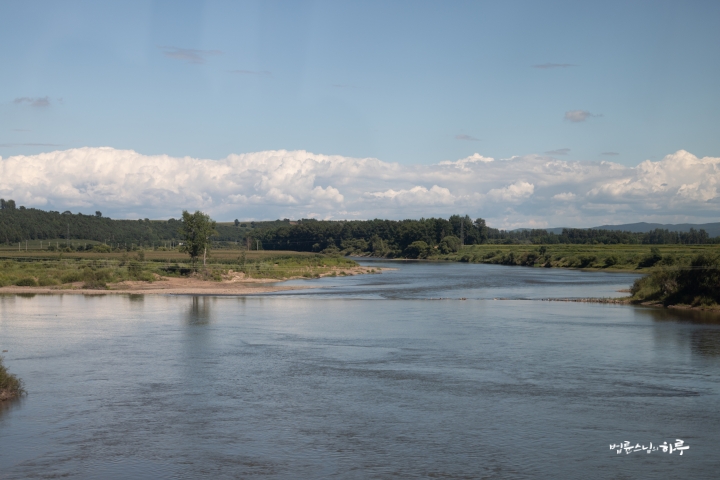
After passing Xuanwu Lake, the Mudan River appeared.
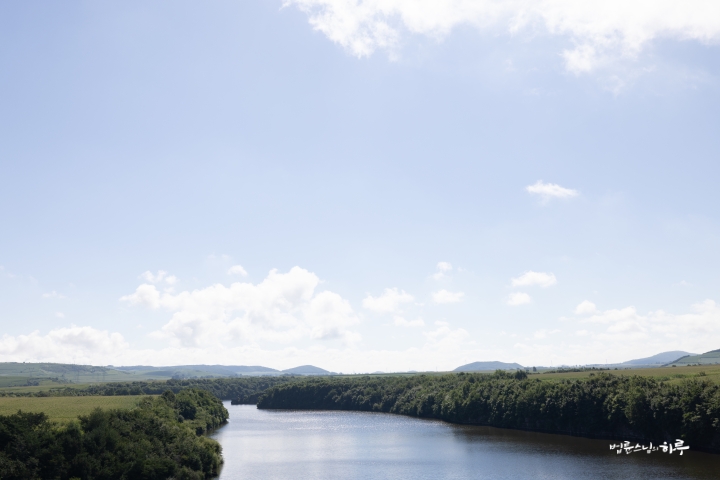
The tour group departed from Bohaizhen and headed to Dunhua to see Dongmo Mountain, where Balhae began.
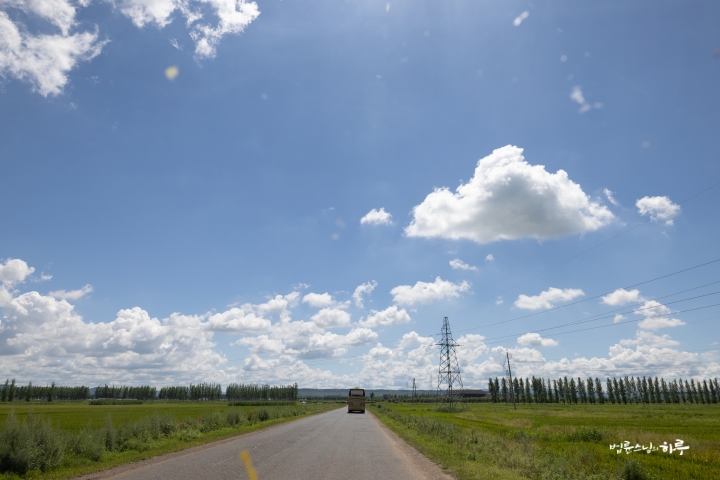
After a two-hour bus ride, they arrived in Dunhua at 4 PM. They had planned to see the Jiangdong 24 Stone Monuments in the center of Dunhua City, but the Chinese government had blocked access to them. Disappointed, they could only receive a brief explanation on the bus as they passed through Dunhua City. Sunim expressed his disappointment.
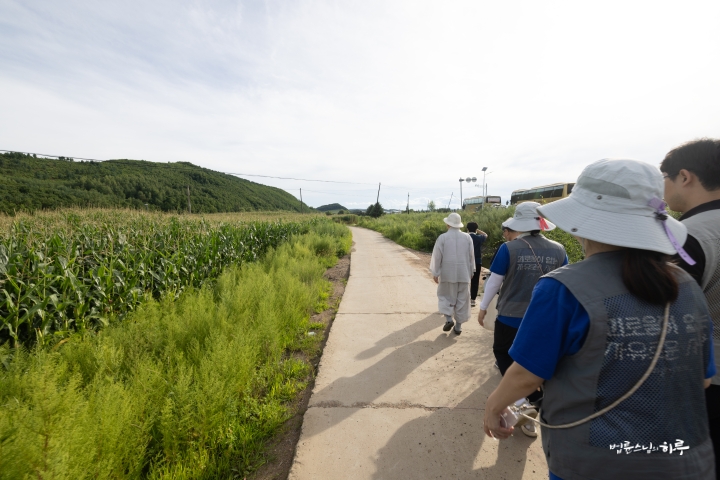
The entrance road to the village leading to Dongmo Mountain was also blocked by public security vehicles and excavators. So they took a detour through farm roads to reach the opposite bank of the river where they could view Dongmo Mountain.
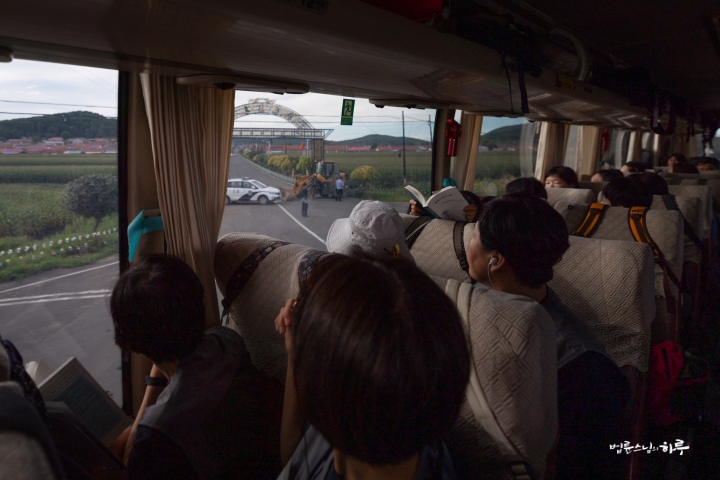
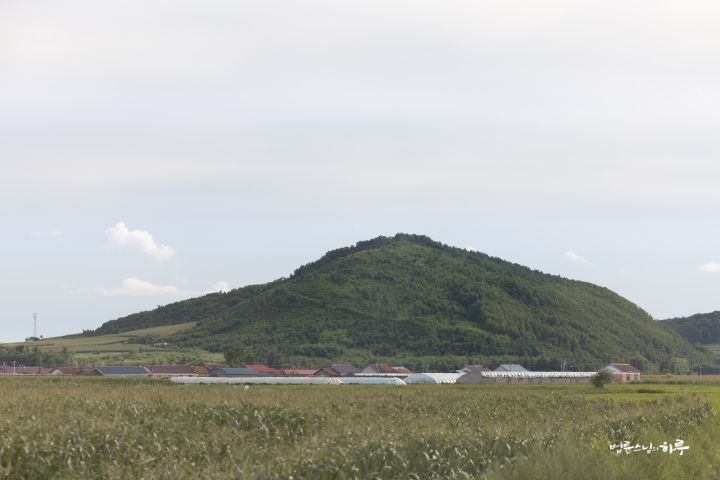
Shortly after, Dongmo Mountain became visible in the distance through the bus window. Dongmo Mountain was Balhae’s first capital, where Dae Jo-yeong, who had become a Goguryeo refugee, escaped from exile and traveled a long distance to establish a new nation.
Dongmo Mountain, Where Balhae’s First Breath Was Taken
The Dashi River flows in front, so there was no need to build fortress walls on the front side. Rivers serve as cliffs preventing enemies from climbing up to the fortress, which is why fortresses were built along rivers. The fortress walls encircle the back of the peak along the 70% elevation line. Though Dongmo Mountain is small in scale like Goguryeo’s Baegam Mountain Fortress, it stands on a wide plain with no other mountains around. So from that mountain, they could see enemies approaching from all directions.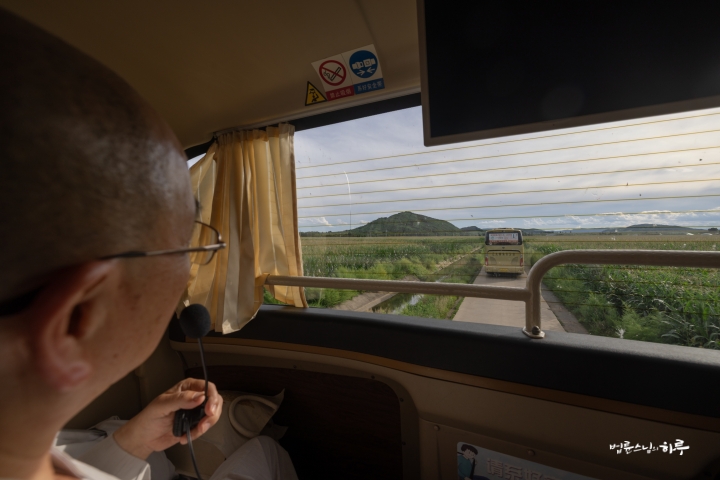
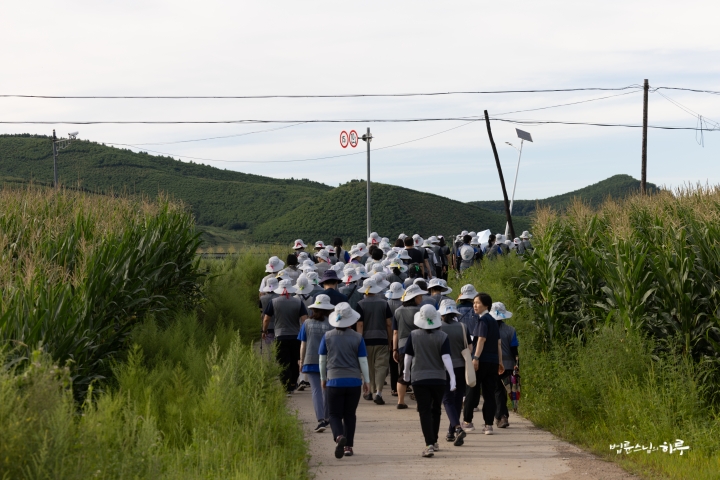
They walked to a spot with a good view of Dongmo Mountain, enjoying the cool breeze.
A low mountain shaped like a conical hat stood alone on the large plain. It seemed rather flat for building a fortress. However, since it was surrounded by plains on all sides, even climbing just a little would provide a clear view of the surroundings.
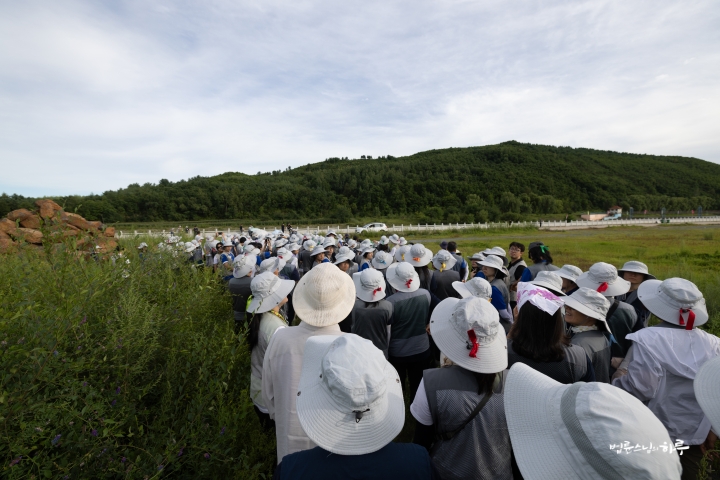
Chinese public security officers arrived in large numbers to monitor them. They even prevented taking photos from a distance.
It would have been wonderful to get close to the fortress walls, but access was prohibited by the Chinese government, so they could only look from afar.
With Dongmo Mountain, they successfully completed the last itinerary of their historical tour.
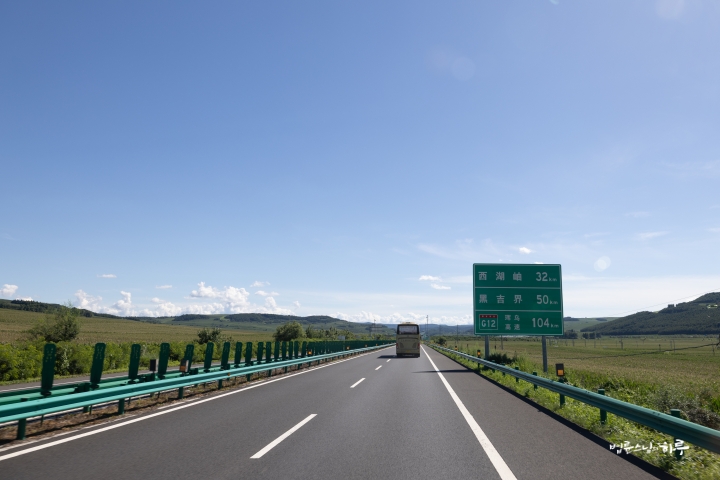
Now the tour group had to travel the long distance to Tonghua. They left Dunhua at 5 PM and drove for four hours straight to Tonghua.
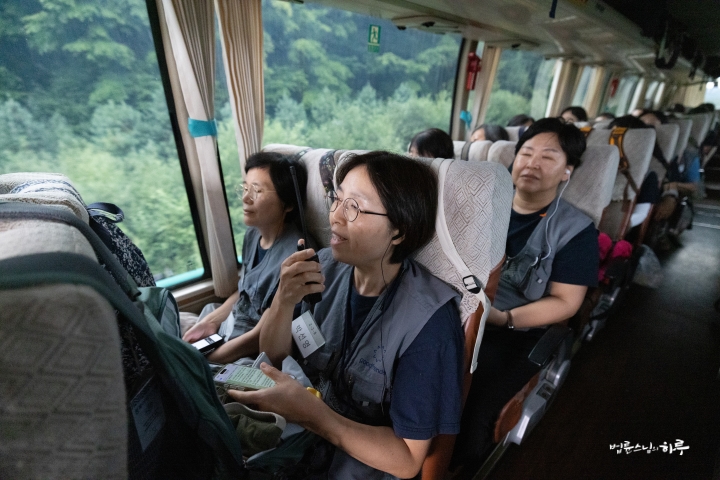
They had a sharing session on the bus. Sunim set an example by sharing his thoughts first.
Following this, participants from buses 1, 2, and 3 took turns sharing their thoughts and singing songs.
Pride in My Roots and Identity Felt Through Visiting Historical Sites
Despite different stories, there was a common resonance. Most participants said, “Walking through history that I had only read about in books felt completely different.” Walking through the ancient capitals of Goguryeo and Balhae and the stages of the independence movement, they physically felt that our history extended beyond the Korean Peninsula to Manchuria and Liaodong.
“Through this trip, I realized and reflected on how I had lived for so long without even knowing which people I originated from. Learning that I’m a member of a people who began as one of the world’s five great civilizations gave me tremendous ethnic pride. After learning about the division of North and South Korea and the fierce struggles of independence fighters, I deeply pondered, ‘What can I do?’ I felt sorry and grateful for the time I didn’t know about their pain and efforts. From now on, I want to participate more actively in Jungto Society activities to make a small contribution.”
Many participants talked about the emotions they felt at independence movement sites. Some shed tears singing “Pioneer” at Ilsongjeong, while others recalled the feelings of independence fighters while looking at the sea.
“I keenly felt the importance of history on this historical tour. Especially, the hearts of the independence fighters still remain heavy in one corner of my chest. We have largely forgotten how they operated here and with what spirit they lived. When I sang ‘Seonguja (Pioneer)’ and ‘Gohyang-ui Bom (Spring in My Hometown)’ at Ilsongjeong, their hearts were conveyed to me and I cried. More than the history of Goguryeo and Balhae, what remained most deeply from this trip was the hearts of the independence fighters.”
This tour didn’t stop at looking back at the past. Participants came to ponder ‘What will we do going forward?’
“Although we couldn’t see many historical sites due to Chinese public security control this time, discovering my own heart trying to find even small traces of our compatriots across the Yalu and Tumen Rivers became an even greater stimulus. I felt a small flame igniting deep in my heart. I learned that even past history isn’t just given to us – we must become the owners and protect it.”
As the saying goes that history isn’t just given but must be protected by us as owners, the sense of mission to prepare for unification and pass on correct history to the next generation appeared in many reflections. This Northeast Asian historical tour was not just a simple trip but a time connecting ‘myself, the nation, and the future.’ We hoped that the emotions felt at these sites would lead to actions for unification and peace in our lives.
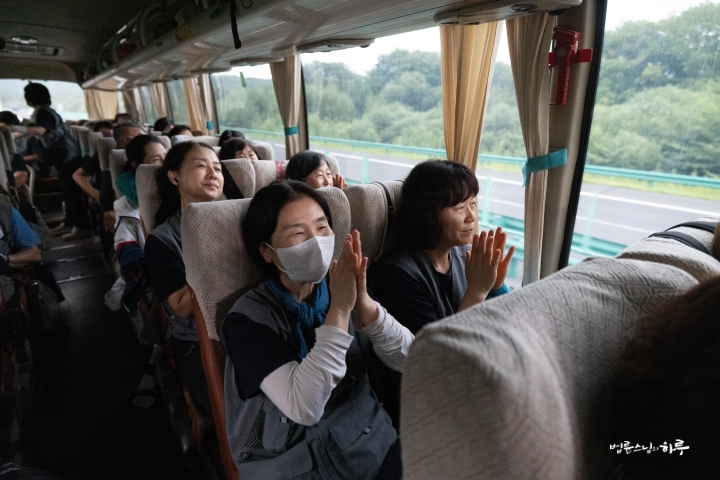
Listening attentively to each other’s reflections made the 6-night, 7-day journey feel even richer. Long after starting the sharing session, they passed through Wusong County. Pointing out the window, Sunim explained about Wusong County.
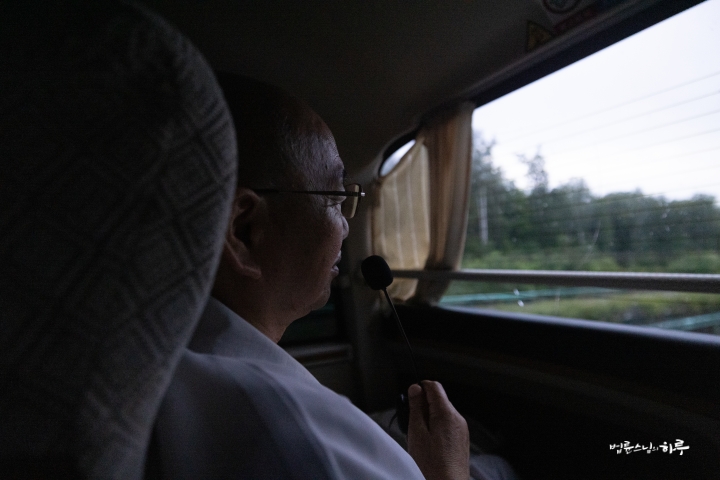
They then had a Q&A session with Sunim.
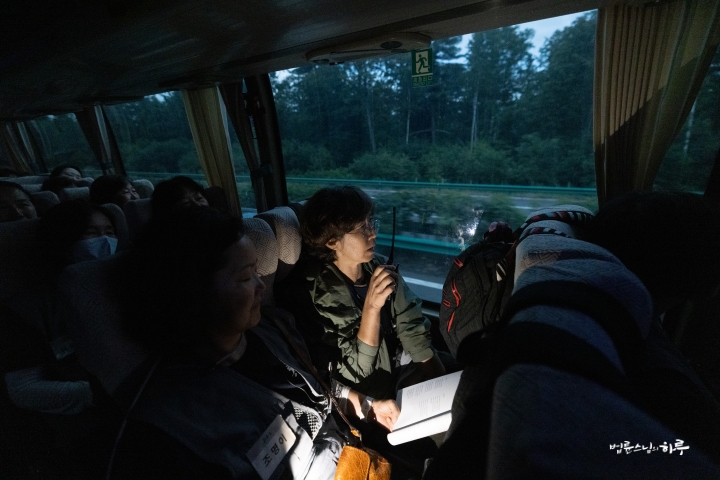
“We have about an hour left to Tonghua. I’m sure you all had many questions during this time, and I’m most sorry that we couldn’t take many questions. From now on, those who want to rest can rest, and those who have questions can ask them.”One young person asked for Sunim’s advice about wanting to write articles or make documentaries about the Korean government’s apparent lack of response to China’s Northeast Project. Others asked about historical tours with Korean-Chinese youth, and whether the founding ideology of Hongik Ingan (benefiting all humanity) was really a possible concept for that era.
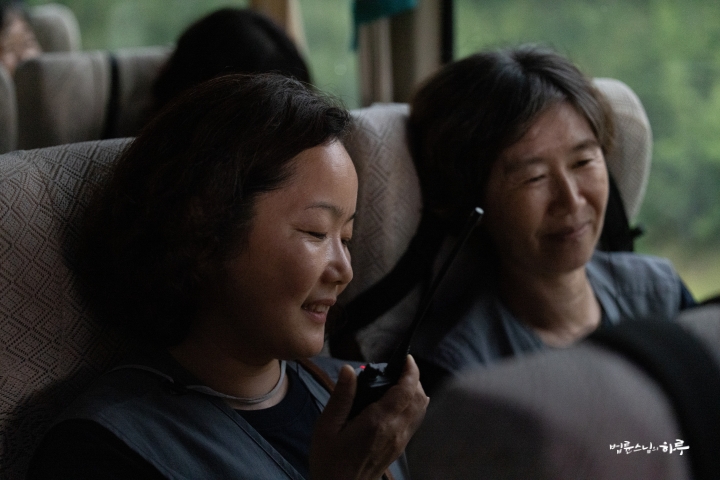
Using the transceiver to converse with Sunim, they arrived in Tonghua City before they knew it. The sun had completely set, and it was 9 PM.


They went straight to the restaurant and had dinner. After passing around a glass each of Tonghua’s most famous wine, Joshin, who was the practical coordinator of this historical tour, gave a toast.

“I would like to express my gratitude to all of you. I believe that thanks to you, the hidden truths of history are being revealed. It has been truly wonderful to be able to do this together.”


They finished dinner and went to their accommodations to unpack their luggage. A short while later, they gathered in the auditorium at 10:50 PM and began the evening lecture.


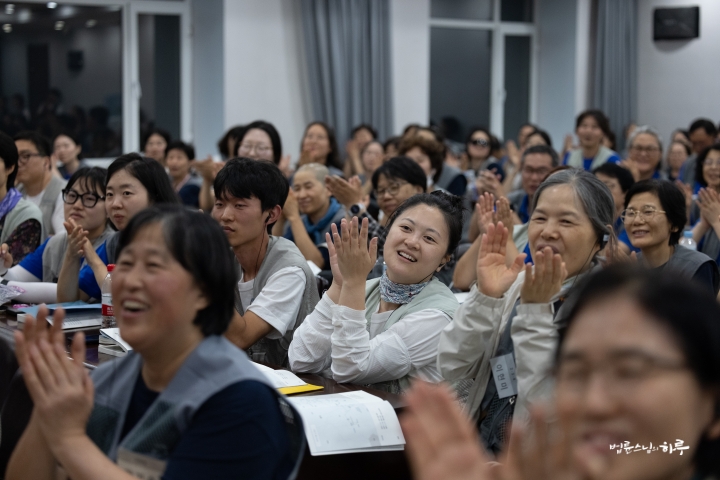
Before starting the lecture, they took time to express our gratitude to the drivers who had worked the hardest during the 6 nights and 7 days. When Sunim presented gifts and expressed thanks, the audience also conveyed their appreciation with loud applause


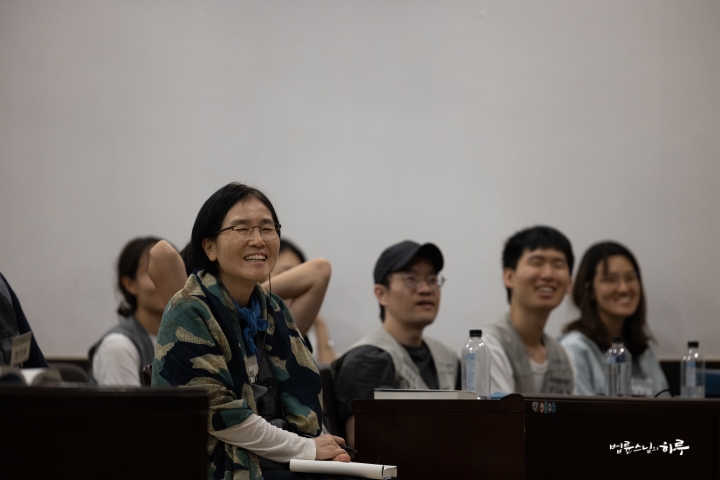
Since this was the final lecture, Sunim gave us a comprehensive summary, looking back on our journey and reviewing what we had seen, heard, and learned. First, he explained what the roots of our people are, and then how our national history has unfolded up to the modern era.”

From the Han Nation to the Republic of Korea: In Search of Our Roots
Jumong, the founder of Goguryeo, declared, ‘I am a descendant of Northern Buyeo.’ Hae Mosu, the founder of Buyeo, said, ‘I am a descendant of Dangun,’ and Dangun said, ‘I am a descendant of Hwanung.’ Hwanung stated, ‘I am the son of Hwanin, the Heavenly God.’ However, Hwanin never declared whose son he was. While he must have been someone’s son, there are no further records, so we cannot know. When we trace history backward like this, it is an undeniable fact that Goryeo is the successor of Goguryeo, Goguryeo is the successor of Buyeo, Buyeo is the successor of Dangun Joseon, Dangun Joseon is the successor of Baedal, and Baedal is the successor of the Han nation. This is what we ourselves have declared about our ancestry—it’s not something someone fabricated or distorted. We simply haven’t been well aware of these facts until now.”
The Origin of Our Civilization: From Hwanin to Hwanung to Dangun
Our historical roots are not merely fanciful tales. You can see related artifacts in museums. When we speak of civilization, we refer to the Neolithic period onward. That’s why the history of the world’s four great civilizations is considered to be about 5,000 years. However, as artifact excavation has become more sophisticated recently, the dates have been pushed back to 12,000 years ago. According to our conventional understanding, people first gathered to live together, and as they lived together, religion and social classes emerged. However, artifacts discovered in Turkey from 12,000 years ago show a magnificent ‘megalithic culture’ that appears divine, but no traces of collective residential areas were found. This represents a revolutionary change in human civilization history. In other words, rather than religion arising from collective living, religion came first, and then collective labor and residence followed to build religious structures. From this perspective, we can push back the origin of Neolithic civilization to 12,000 years ago, and Hwanin’s Han nation, which was passed down like a legend, becomes a historically plausible story.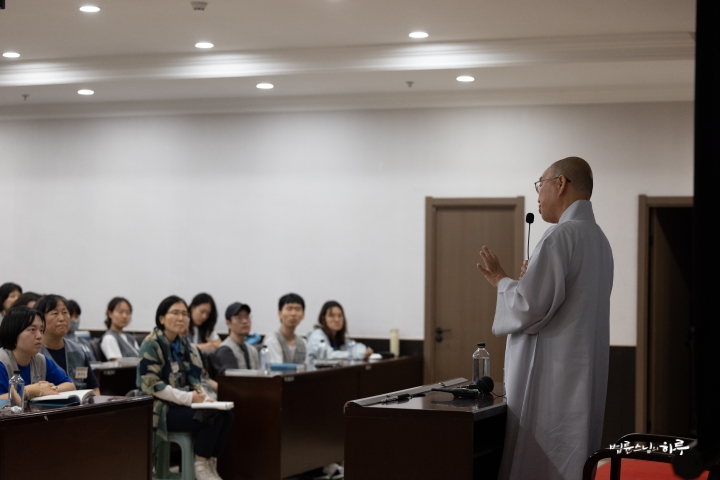
Northeast Asian Civilization History: From Buyeo and Goguryeo to Balhae and the Northeast Asian Empires
North Buyeo and Goguryeo inherited these three roots. Buyeo and Goguryeo existed during what is called the ‘Era of Multiple States,’ which should be understood not as single unified nations but as forms where the eldest lineage maintained leadership while multiple nations competed. Under them were various minority ethnic groups including the Khitan and Jurchen peoples. However, the forces that held mainstream royal authority and maintained the state were the Buyeo and Goguryeo peoples. After Goguryeo fell, its descendants established Balhae, greatly expanding the territory. In this process, the Mohe people became the demographic majority, and eventually the Mohe and Khitan peoples became major government officials. Previously, all positions up to middle management were held by Goguryeo people with minority groups in lower positions, but by late Balhae, minority groups occupied major positions except for the king. Thus, these minority groups learned state governance, and after Balhae’s fall, when the Goguryeo people failed to succeed to ruling authority, the Khitan’s Liao Dynasty, the Jurchen’s Jin Dynasty, and the Mongols’ Yuan Dynasty began establishing empires in succession. Eventually, our people, the Goguryeo descendants, lost leadership to our cousins and brothers, and the Yuan Dynasty conquered the Central Plains. During the Northern and Southern Dynasties period, the Sixteen Kingdoms of the Five Barbarians occupied the Central Plains, and later the Manchus also ruled the Central Plains. From a civilizational perspective, in East Asian history, the periods when Northeast peoples ruled all of East Asia and when the Han Chinese ruled are exactly half and half. This is how we need to view history broadly. Based on our understanding of our people’s origins – Hwanin’s Han Kingdom, Hwanung’s Baedal Kingdom, and Dangun’s Joseon Kingdom – we can see that Buyeo, Goguryeo, and Baekje competed for legitimacy. Understanding that minority groups grew after Balhae’s fall and went on to conquer the Central Plains brings us closer to historical facts. I hope you will understand the ancient history section from this perspective. Tomorrow at the Liaohe Museum, you will be able to see some artifacts that demonstrate this history.”Sunim then provided concluding remarks about modern history, from the independence movement to the division of Korea.
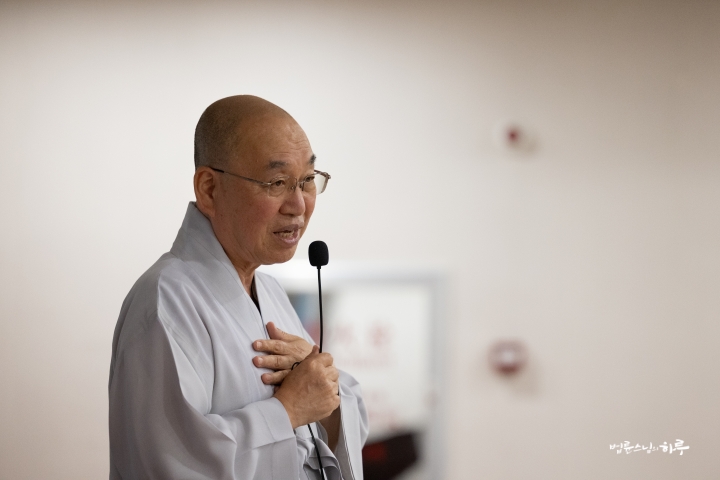
Division Created by Foreign Powers and Our Lost Independence Movement History
At that time, the victorious nations were the United States and the Soviet Union. When discussing post-war arrangements after Japan’s surrender, the United States was to take charge of mainland Japan while the Soviet Union would oversee Manchuria. Taiwan was to be under U.S. control. Regarding the Korean Peninsula, the Soviet Union and the United States argued over who would take charge, eventually agreeing to divide it at the 38th parallel – halfway between 33 and 43 degrees – with the U.S. taking the south and the Soviet Union the north. There was absolutely no reason for the division between North and South; it was simply decided during the process of organizing post-war territories. If the U.S. and Soviet contributions to the East Asian Pacific War had been similar, Japan probably would have been divided. However, since the U.S. contribution was 80% and the Soviet influence only 20%, all of Japan came under U.S. jurisdiction, and only Korea, Japan’s colony, was divided for administration. At that time, the North had advantages in economic and military conditions and international standing, so they refused to accept the division and attempted unification by force, starting the Korean War. However, the plan failed when U.S. forces intervened. It would have been better if it had stopped there, but the South, thinking they could achieve unification, pushed northward with the goal of ‘anti-communist unification.’ We only think about how the North invaded first and say North Korea invaded, but North Korea and China claim the opposite – that America invaded based on our subsequent push northward. So they view the timing of the invasion differently. When South Korea advanced north, China entered the war and pushed back down, and after the front lines pushed back and forth, they stopped at the current armistice line. The division was not created by our needs but by foreign powers. North and South Korea formed governments under foreign influence to their advantage, and although they established independent governments, they were actually within their spheres of influence. During the war, liberals from the North fled to the South, while those with socialist leanings in the South crossed to the North. They were misunderstood and persecuted because of their different ideologies. Thus, the division of North and South Korea began as a division created by foreign powers, solidified internally through war into an ‘internal division,’ and continues to this day. Now each government claimed to be the legitimate successor of our national history. South Korea’s main justification is that it inherited the March 1st Independence Movement and the Provisional Government in Shanghai, and secondly that it held general elections under UN supervision. North Korea’s identity is that independence movement forces were the main force in establishing the Democratic People’s Republic of Korea. In the past, North Korea called for building a unified state while South Korea advocated for two separate states and somewhat taboo the idea of unification. Now that the balance of power between North and South has changed, South Korea talks about unification while North Korea advocates for two separate states.
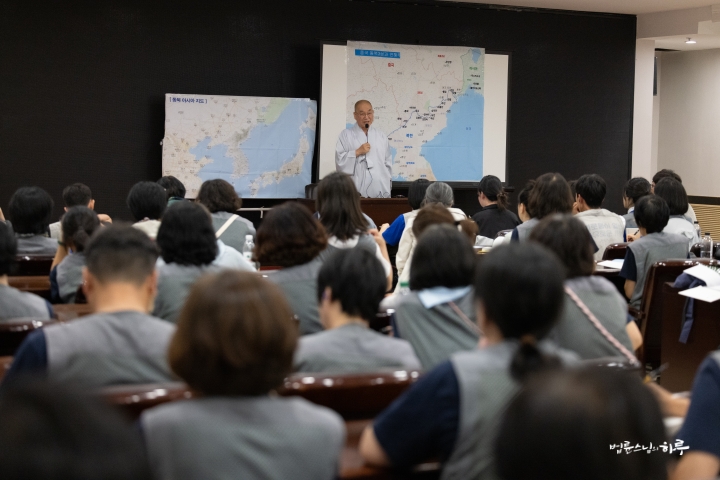
Today Built on Forgotten Names, the Pride We Should Have
Of course, independence would have been difficult without America’s help. However, we should have pride that we also contributed sufficiently to independence. I’m not saying we should create something that doesn’t exist, but rather restore what already exists. One issue stems from the division between North and South Korea, and another comes from our perfectionism. Even if someone fought for independence in their youth, if they had even a slight pro-Japanese record in their later years, we erase all records of that person. As a result, except for a few who died young, it’s difficult for anyone to survive in history. In the end, those who died shouting for independence or writing poems are remembered as if they were the core figures of the independence movement. While it’s true that they contributed to independence, independence wasn’t achieved through their efforts alone. The sacrifices of countless people created today’s Republic of Korea. We live today not only on the historical facts and famous figures we know, but on the sacrifices of countless unnamed people buried in history whose names we don’t even know. If we understand this, we can have humility, gratitude, and pride.Historical Consciousness Makes Us More Confident
This is why we endure such hardships on these history tours – to study with this mindset. While it’s unpleasant when Chinese security controls us in various ways, this is something we must endure to learn and confirm our history. Of course, we could get angry and say “I’ll never come back” and not return, but our purpose isn’t tourism, is it? And somewhat paradoxically, this kind of stimulation actually helps you. Rather than going everywhere we want, not being able to go to some places actually helps inspire determination. In Buddhist terms, they are “reverse bodhisattvas.” By doing unpleasant things, they stimulate us and make us work harder. That’s why I think this level of interference is like seasoning. It’s okay if we can’t see all the independence movement sites. Sometimes we need this kind of seasoning more than seeing everything. When they tell us not to go, we don’t just not go – we go, wait, fight, persuade, and sometimes still can’t go. This is also part of the history tour. That’s why I don’t think this history tour has significantly deviated from our original purpose.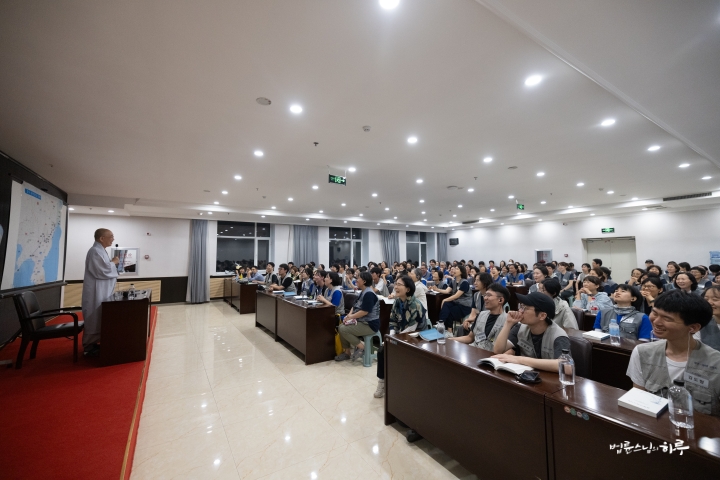
The lecture concluded with loud applause.
Tonight is the last night of the Northeast Asian History Tour. Participants wrote their reflections and shared them within their groups. By the time all activities were completed, it was past midnight. Since everyone had to wake up at 4:20 AM as usual tomorrow, they hurried to bed.
Tomorrow morning, the group will travel to Shenyang to visit the Liaoning Provincial Museum, which they couldn’t see on the first day. After wrapping up the history tour, they will head to Shenyang Airport to fly back to Korea.