Sudden Overseas Assignment: Feeling Disappointed and Anxious About the Future
Jul 9, 2025. Weekly Dharma Assembly, Asia Lecture Tour (1) Singapore
Hello. Today marks the first stop of the Asia lecture tour, with Sunim’s Dharma Q&A being held in Singapore.
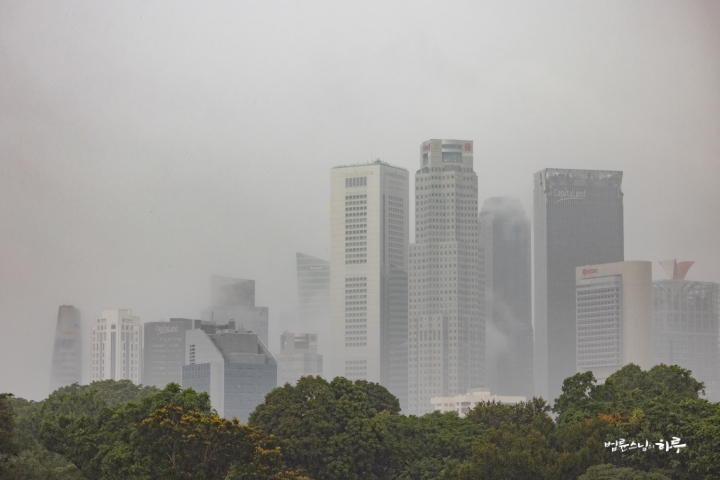
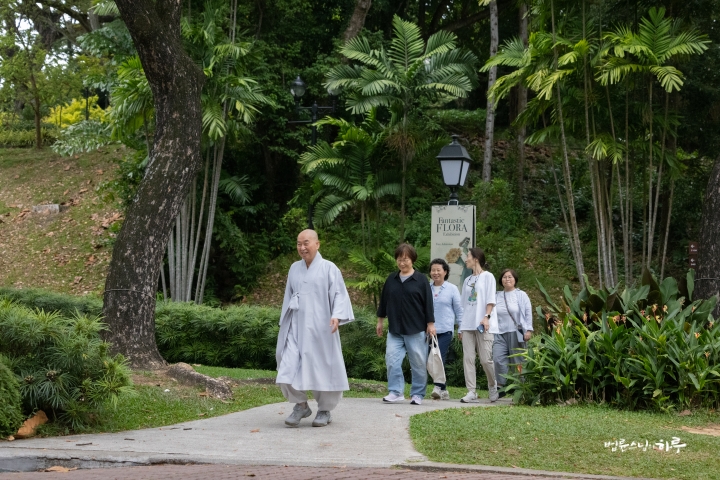
After completing morning practice and meditation, Sunim had a simple breakfast at 7 AM. Since there was a park right in front of the accommodation, he went for a brief walk after the meal.
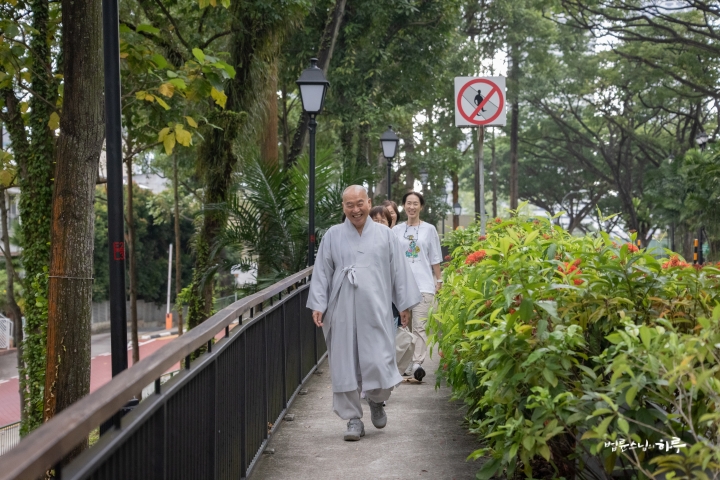
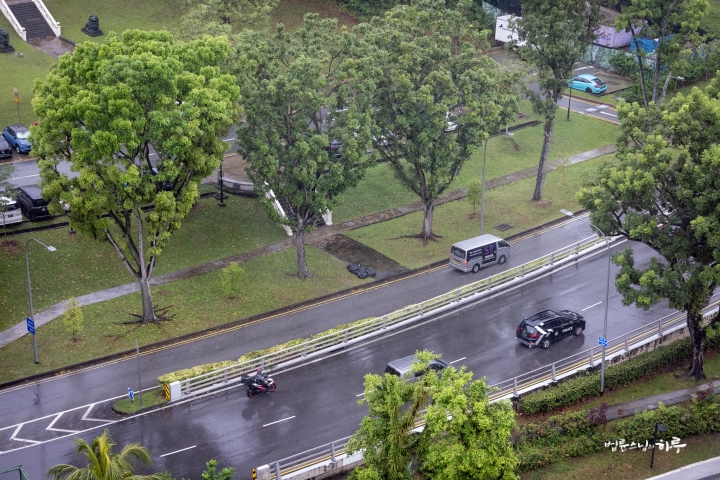
As Sunim reached the park entrance, dark clouds gathered and lightning began to split the sky. After briefly looking around the park, he hurried back to the accommodation. Raindrops started falling, and as soon as he entered the accommodation, heavy rain began pouring down.
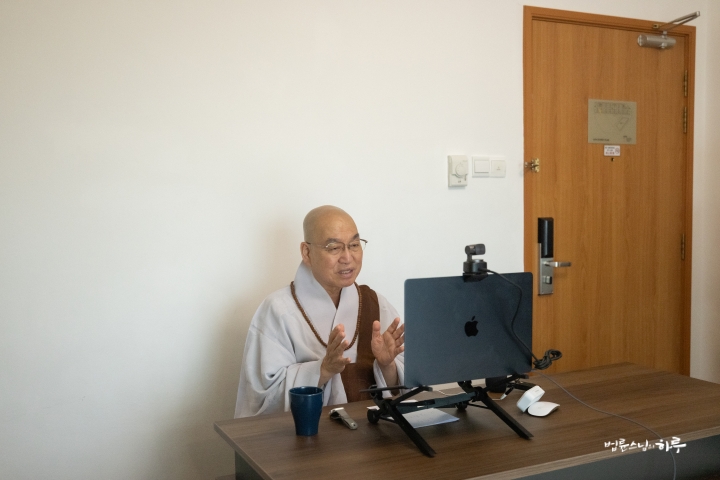
From 9 AM, Sunim conducted a live broadcast of the Weekly Dharma Assembly from the accommodation. It was 10 AM Korean time. After all Jungto Society members entered the video conference room, they recited the Three Refuges and the Heart Sutra, then watched a video together about the news of Jungto practitioners from the past week.
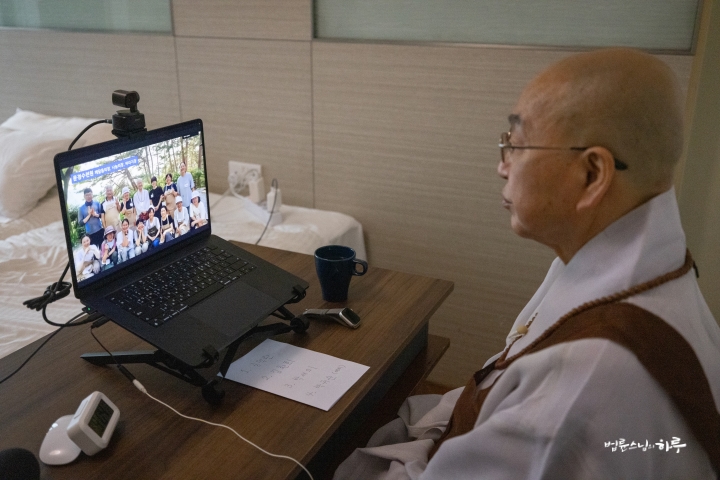
After the video ended, Jungto Society members requested a dharma talk from Sunim with three prostrations. Sunim expressed his gratitude to the members who had volunteered in various places over the past week.
“The weather has been quite hot lately, hasn’t it? Last week, I also traveled to various places to host the Southeast Asian monks who came for the INEB Study Tour, and it was really hot. The heat wave continues this week as well. In my childhood memories, it wasn’t until early August that the sun-drenched yards and streets became too hot to venture out. But now, even though it’s only early July, it feels as hot as early August back then. Not only in Korea but worldwide, abnormal high temperatures continue. Even in Europe, where summers are relatively cool, heat waves reaching 40 degrees Celsius persist. It seems we’re experiencing climate change firsthand.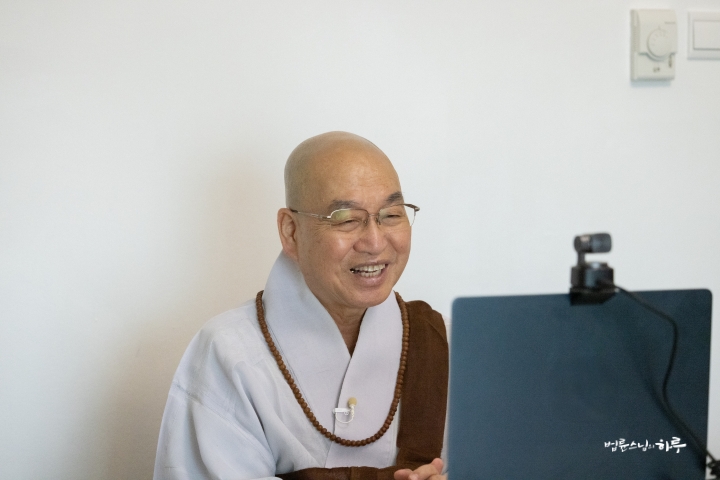
Following this, those who had submitted questions in advance had conversations with Sunim. One person expressed disappointment in not being able to fully focus on painting and asked Sunim for advice on how to concentrate completely on their artwork.
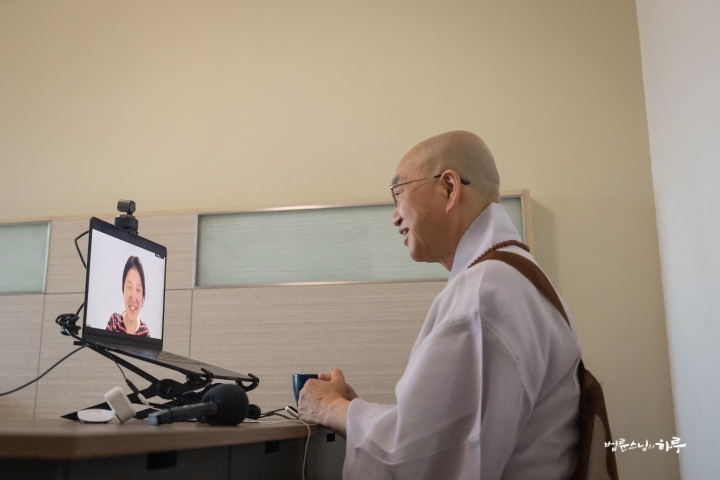
I Can’t Focus on What I Really Want to Do Well
“I majored in fine arts in Germany and want to live as a painter. For 10 years after graduation, I’ve been painting while working part-time, but even when I sit in my studio, I can’t focus on my work. Not only when painting but also during morning prayers, my mind is filled with plans due to worries about the future. When I do my part-time job, I can concentrate on that work, but during the time I should be painting—which I really want to do well—I end up watching YouTube or having many distracting thoughts. I’m disappointed in myself. How should I approach this so I can immerse myself in painting?”
“Since you’re young, is it okay if I speak frankly? You won’t be hurt or resentful, will you?”“Yes, it’s fine.”
“Actually, you don’t want to paint; you want to become famous. If you really wanted to paint, you would forget to eat, forget to sleep, forget you need to go to work, and just paint. That’s the kind of person who truly wants to paint.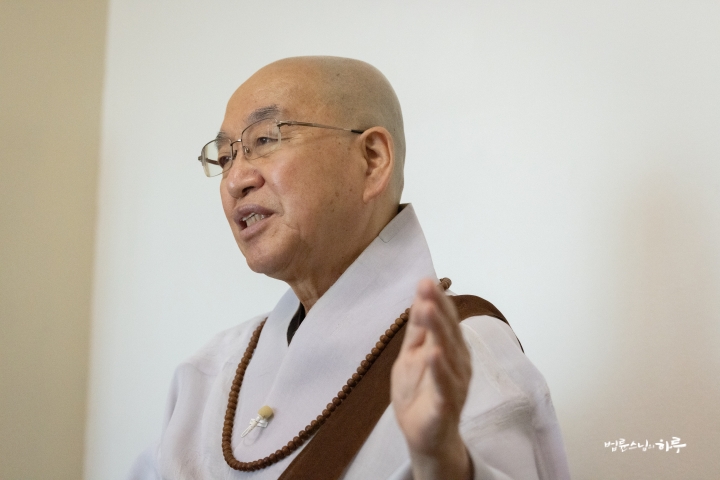
“Yes, I think I need to look at myself more honestly. However, I have an exhibition in September, so it’s difficult to quit right now.”
“Then just push through until September. After that, don’t force yourself to worry anymore. If you don’t want to do it, don’t.”“Yes, I’ll prepare hard for the exhibition until September, and then quit without regrets.”
“Think of it as your last and really do your best this time. Even if you don’t want to, paint hard thinking ‘This is the last time!'”“Yes, I understand. I thought Sunim would scold me a lot, but thank you for speaking so warmly.”
“Did I scold you less than expected? Then I’ll scold you more.” (laughter)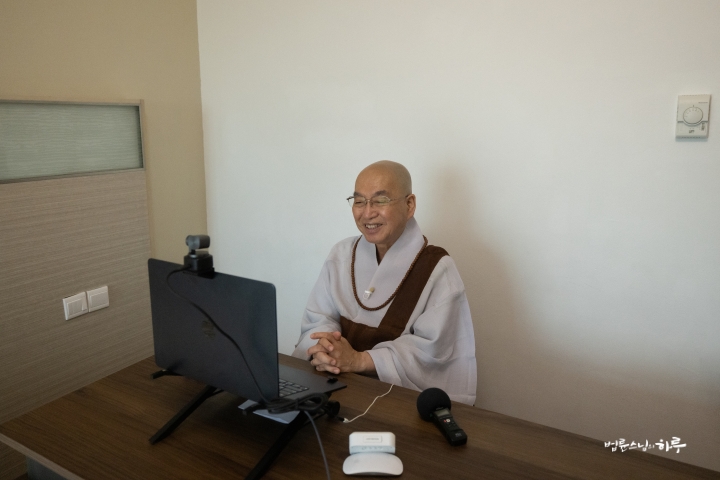
“Thank you for your honest opinion, Sunim. I’ll look at myself more honestly and do my best for this exhibition. Thank you.”
Questions continued to follow. After conversing with four people, it was 11 o’clock and the live broadcast of the Weekly Dharma Assembly concluded.
After finishing the Weekly Dharma Assembly, Sunim had lunch with members of Singapore Jungto Society at a nearby restaurant.
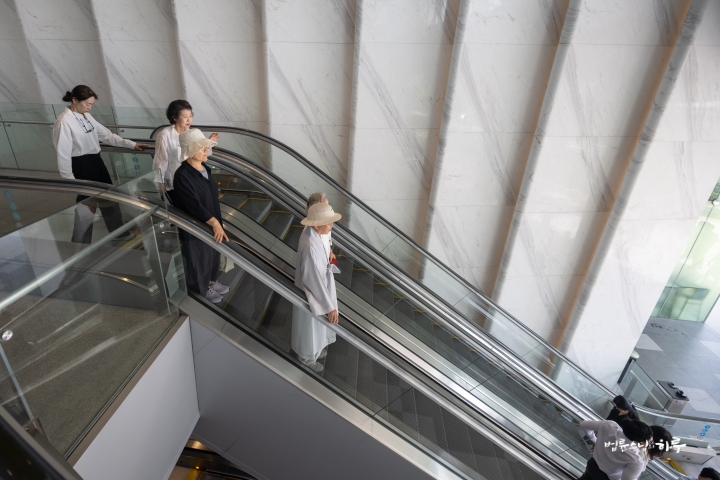
The members had taken leave or half-days from work to prepare for today’s lecture. Grateful for their dedication, Sunim greeted them with a smile.
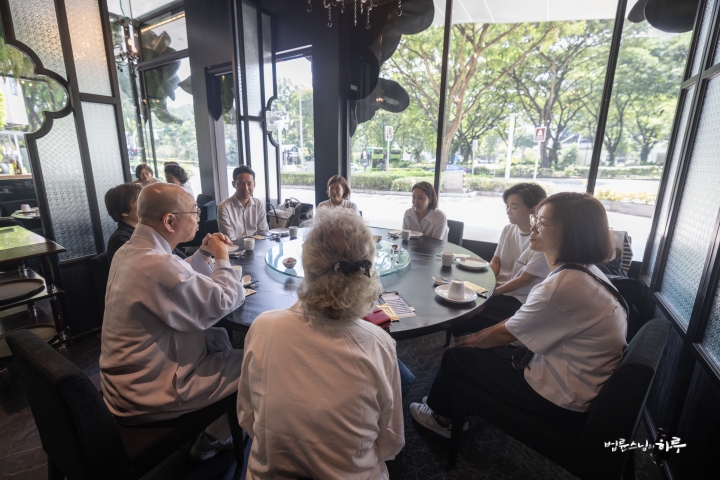
The members understood the encouragement in Sunim’s words and laughed together. One person asked about Sunim’s well-being.
“How is your health, Sunim? You look better than when you came last year.”
“I’m not in good condition. I can’t even remember when I was last healthy.” (laughter)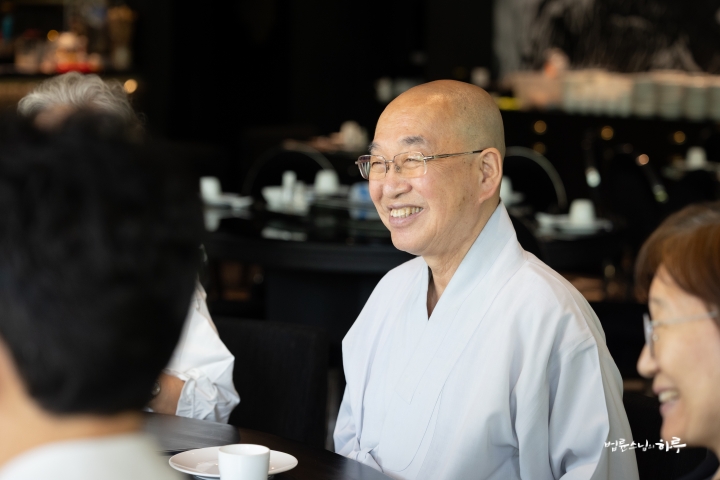
During the meal, they shared updates about the local situation in Singapore and the members’ recent activities. One member expressed gratitude.
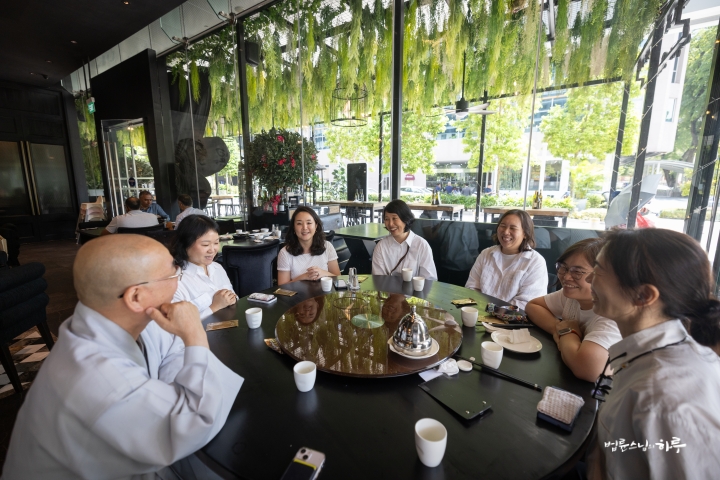
“I came to Singapore and was running a travel business, but it became very difficult as the COVID pandemic dragged on. Graduating from Jungto Dharma School and the Sutra Course was a great help during that time. Without Jungto Society, it would have been really hard to endure. Thank you.”
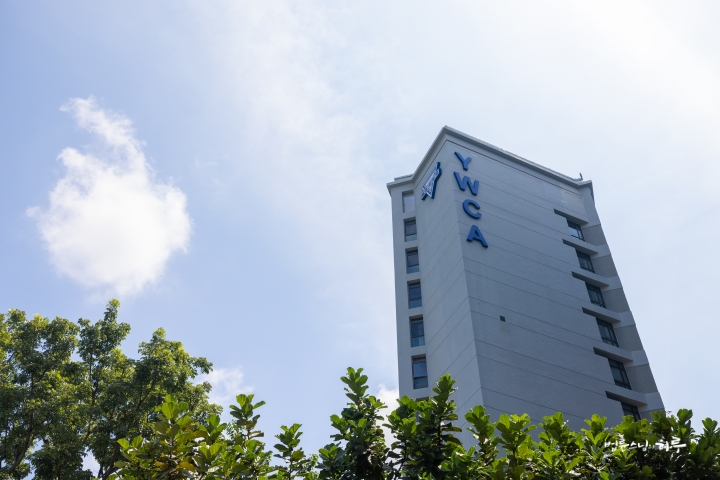
After ample conversation, they returned to the YWCA Fort Canning Centre, which served as both accommodation and lecture venue, after 2 PM.
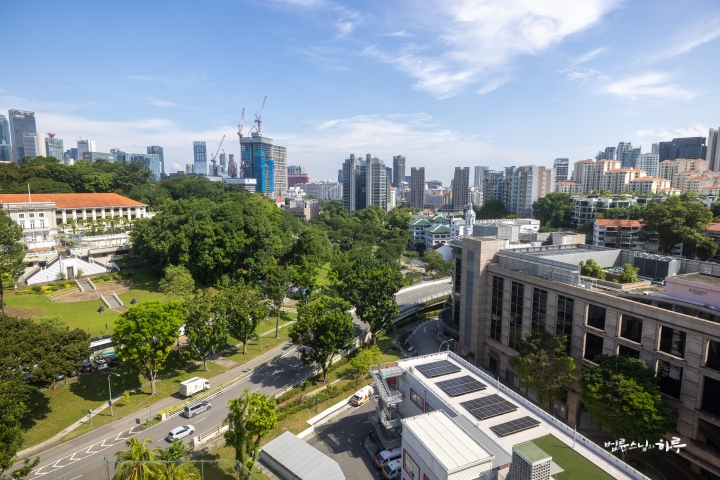
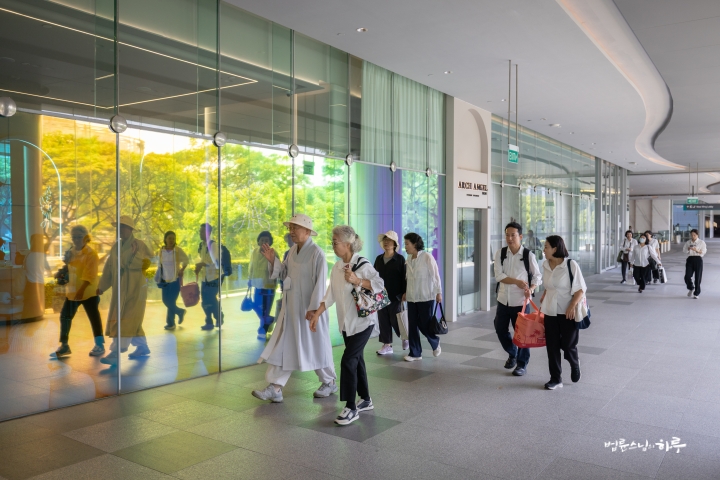
Before going up to the accommodation, Sunim toured the venue for tonight’s lecture.
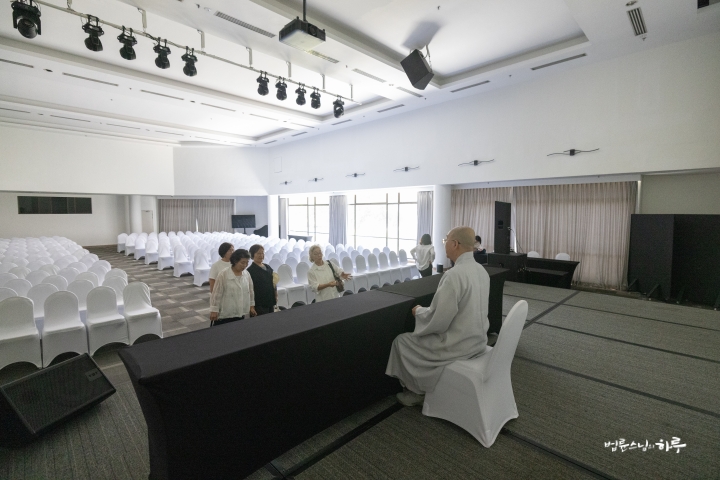
Volunteers dispersed throughout the venue to begin preparations for the lecture.
“Well then, please take care of the preparations. I’ll go upstairs.”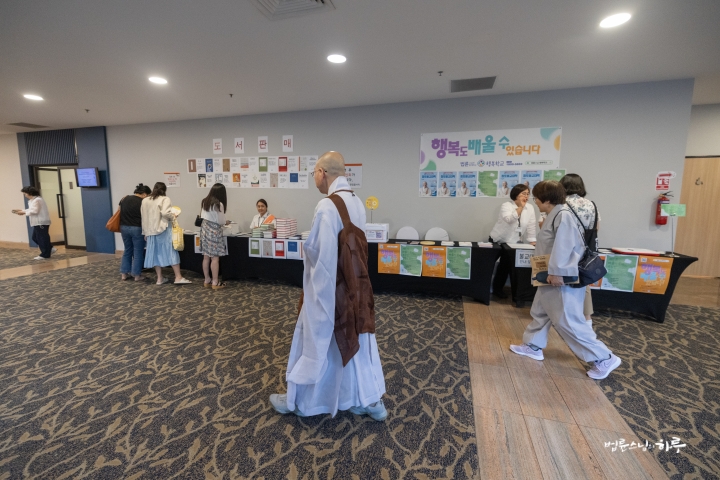
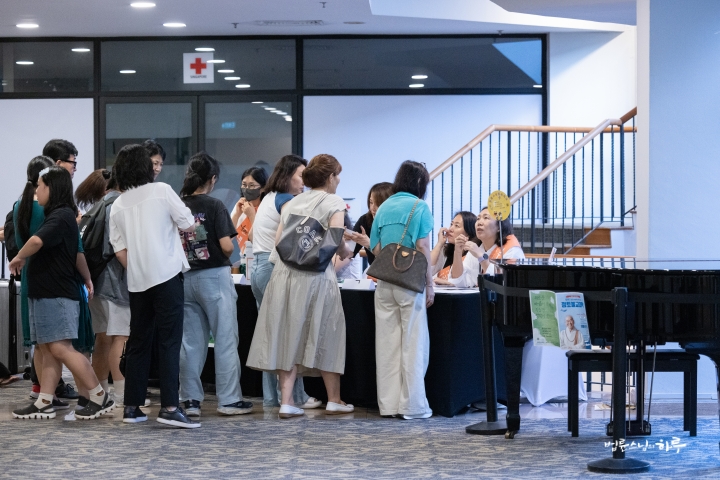
After attending to some work and taking a brief rest in the accommodation, Sunim headed to the YWCA auditorium where today’s lecture would be held at 6 PM. Volunteers were warmly welcoming the Korean expatriates who had come to the lecture hall.
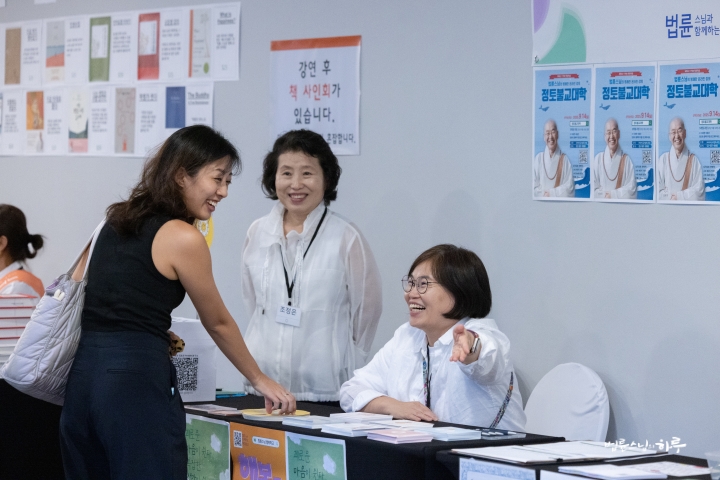
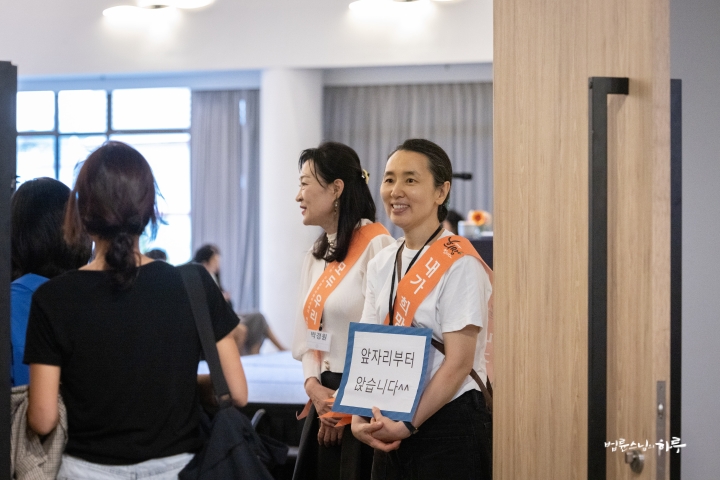
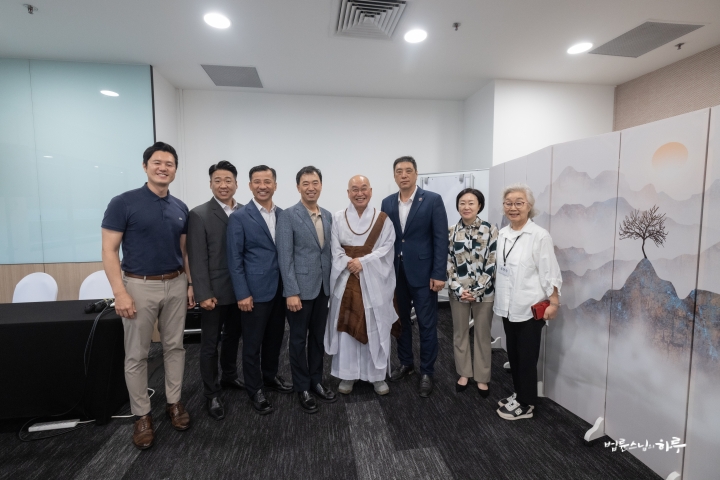
From 6:20 PM, Sunim had tea with local dignitaries from Singapore in the waiting room in front of the lecture hall. Many people were present to greet Sunim, including the president and vice president of the Singapore Korean Association, the women’s association president, and the minister-counselor from the embassy.
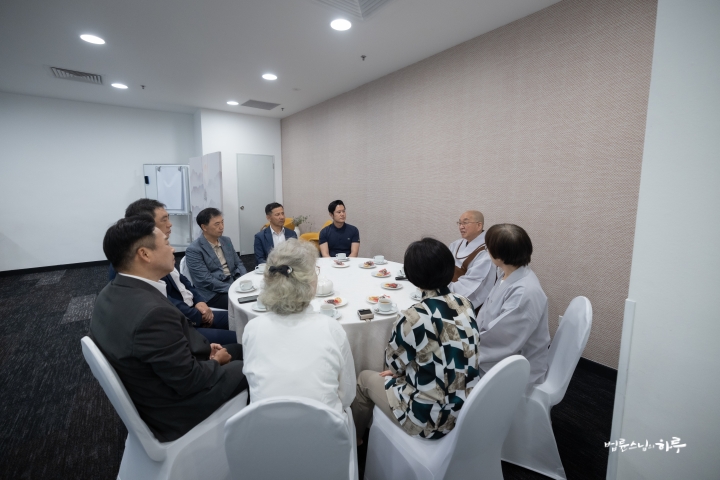
“Sunim, you travel abroad so much. How many overseas lectures is this for you?”
“This is my first overseas lecture this year. In the first half of the year, I stayed in Seoul without moving for a hundred days to give the 100-Day Dharma Talk. Singapore is my first overseas lecture after the 100-Day Dharma Talk ended.”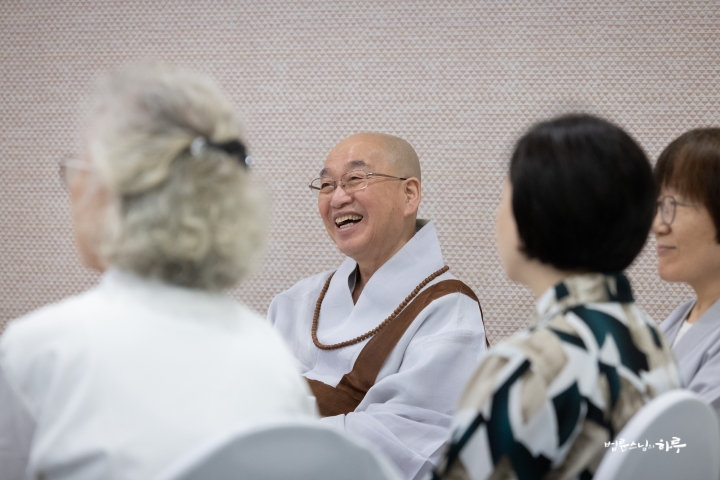
The president of the Korean Association mentioned that this year has special significance.
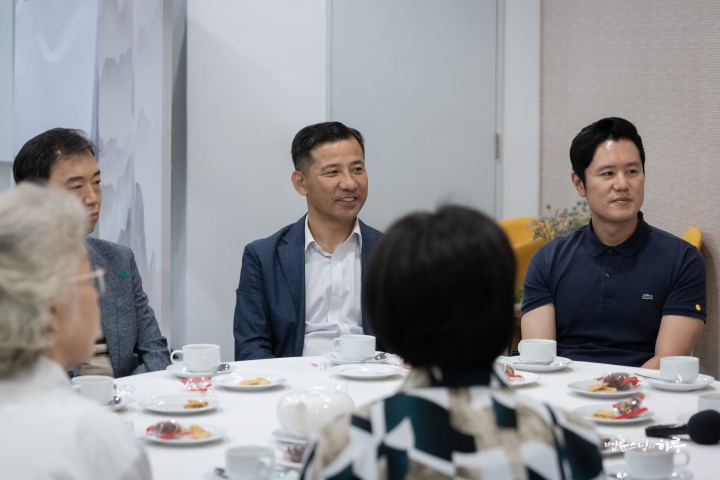
“This year marks the 50th anniversary of diplomatic relations between Korea and Singapore. There are 25,000 Korean expatriates living here. So we’re preparing various events.”
The local dignitaries asked Sunim various questions. Everyone was curious about how Sunim, who frequently travels abroad, feels.
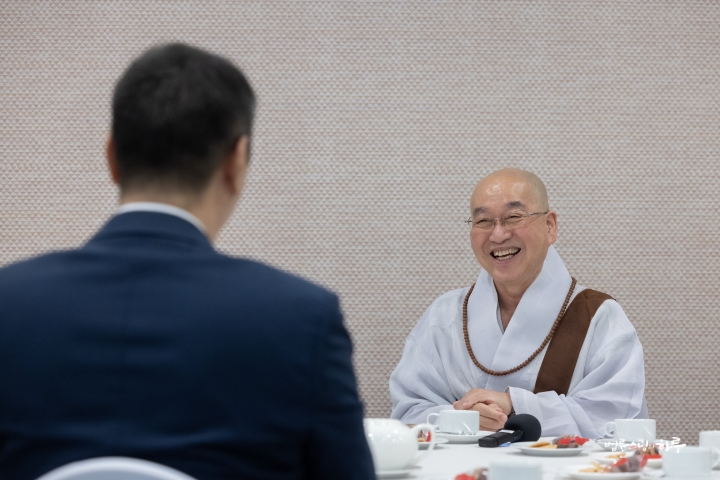
“Sunim, you give lectures in many countries. Are there characteristics unique to each expatriate community?”
“Generally, people think that since Southeast Asia has many poor countries and Europe has many wealthy countries, the expatriate communities in Southeast Asia would be poor while those in Europe would be wealthy. However, the reality is quite the opposite. In Southeast Asia, most people went as investment immigrants, so the expatriate community often belongs to the upper class in those countries. However, in Europe, most went as labor immigrants, so they often belong to the lower class in those countries. Of course, in America, it’s about half investment immigrants and half labor immigrants.”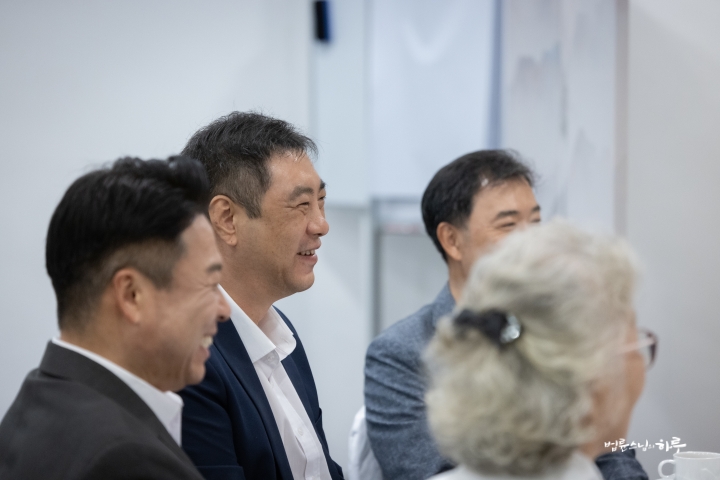
“Especially since you listen to many people’s concerns, Sunim. While people’s worries might be similar everywhere, are there any differences?”
“The concerns of expatriates living in Southeast Asia aren’t very different from those of people living in Korea. However, expatriates living in Europe often worry about their identity. Despite living in Europe for a long time, they’re not Europeans, yet returning to Korea isn’t comfortable either. I receive many questions about this identity confusion. Also, expatriates abroad often feel psychological burden when their elderly parents are about to pass away and they can’t take care of them. However, expatriates in Southeast Asia frequently travel back and forth to Korea as if visiting their own home, so such concerns are relatively weaker.”As they conversed, it was time to start the lecture. After finishing tea and taking commemorative photos, everyone moved to the lecture hall together.
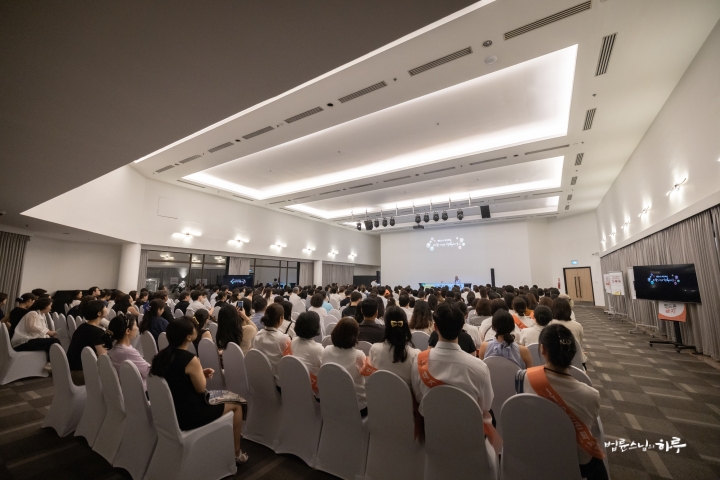
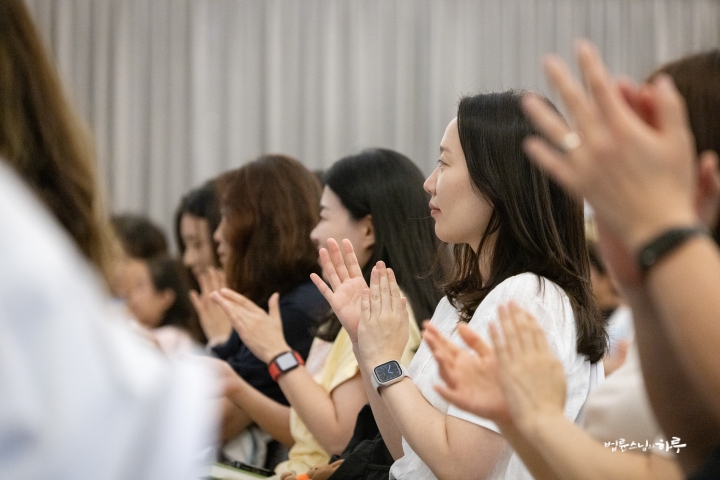
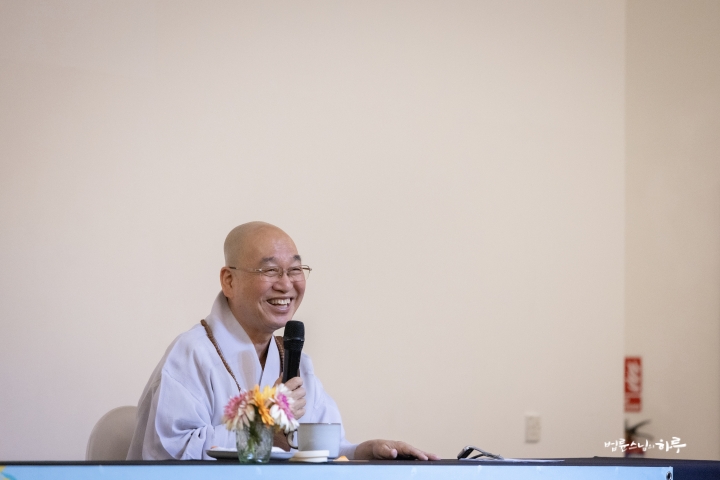
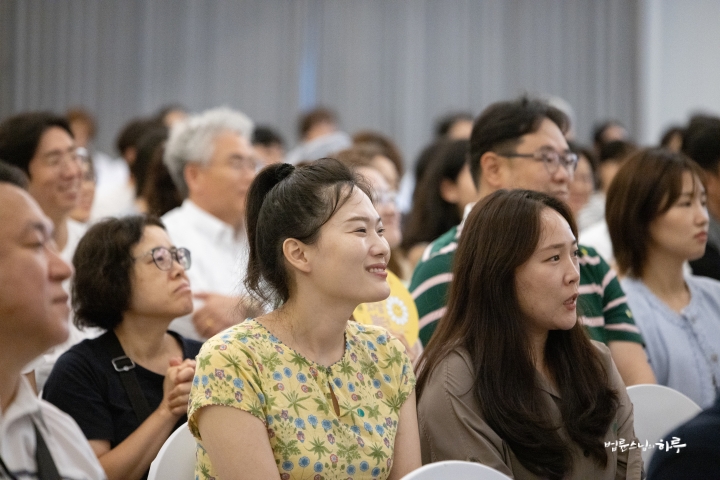
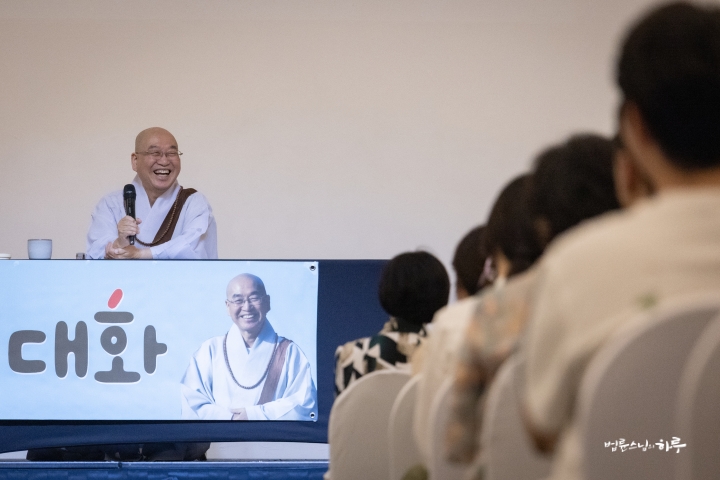
About 300 expatriates filled the venue. After the introductory video about Sunim ended, he took the stage amid enthusiastic applause from the audience.
“Yes.”
The Climate Crisis Is No Longer Someone Else’s Problem
Recently, I visited the wildfire-affected areas in Gyeongsangbuk-do. According to the affected residents, the wind was as strong as a typhoon, and the speed at which the fire spread was impossible for people to keep up with. The fire crossed one mountain, then another, hopping all the way to the East Sea. It was fortunate there was the East Sea; without it, the flames might have continued indefinitely. The wildfire even burned moored boats and caused massive damage to the coastline before finally ending. These were the kind of massive wildfires we used to see only in Australia, Siberia, LA, or Canada, things we always thought of as other countries’ problems, but now they can happen in our country too. The area burned in this single wildfire equals the combined area of all wildfires over the past 30 years. The scale of damage was so extensive that many people lost their homes and livelihoods. The flames spread so quickly that monks living in valley hermitages and elderly people in rural areas had no time to escape.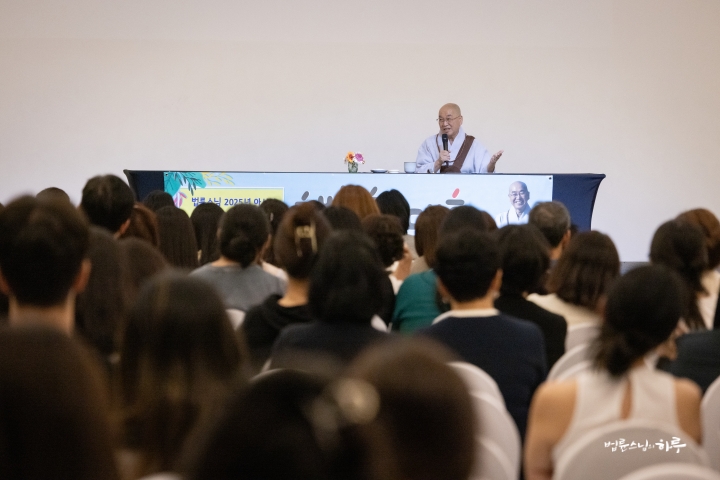
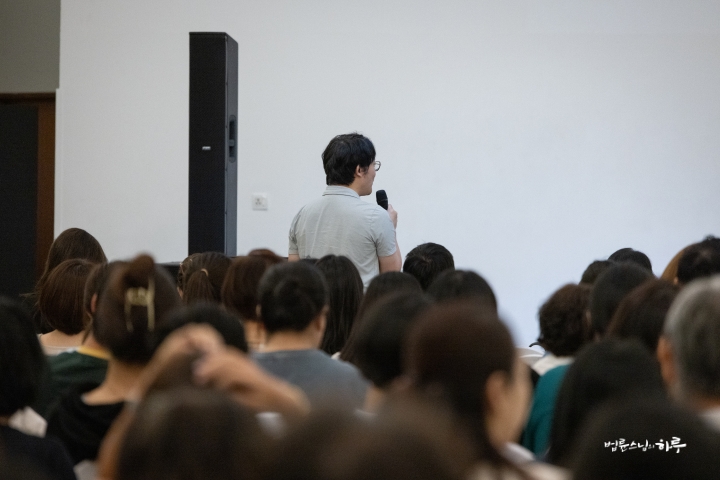
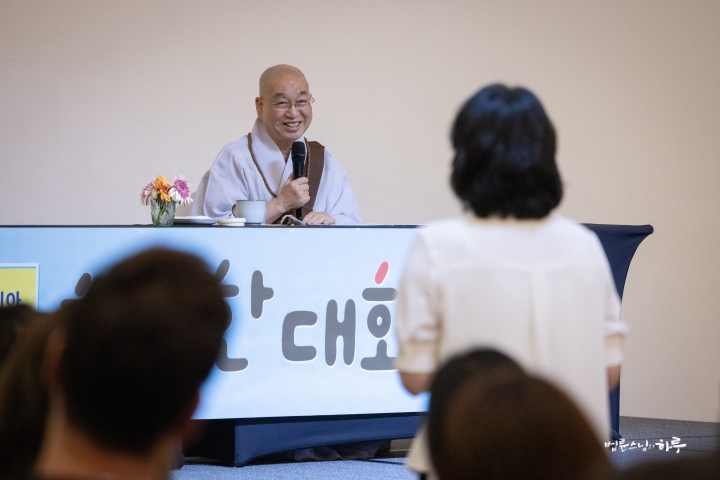
Next, those who had pre-registered questions raised their hands and engaged in conversation with Sunim. Over the course of two hours, nine people asked Sunim questions. One of them shared that he had come to Singapore unwillingly due to company reorganization and sought Sunim’s advice on how to deal with feeling pushed aside from headquarters.
Sudden Overseas Assignment: Worried About the Future Amid Disappointment and Anxiety
“I’m an expatriate who just started my third week in Singapore. Due to company reorganization at the end of last year, I was removed from the team I was managing and sent here as an expatriate. While some people congratulate me on the overseas assignment, for me it was too sudden a change. I felt disappointed with the company when I was instructed to prepare work with local staff from the very beginning. Now that I’m here, I feel somewhat resigned, and while I try to pull myself together thinking ‘Let’s still work hard,’ I don’t feel at ease. I’m also very anxious about whether there will be a position for me when I return to headquarters in a few years when I’m older. What mindset should I have in this situation?”
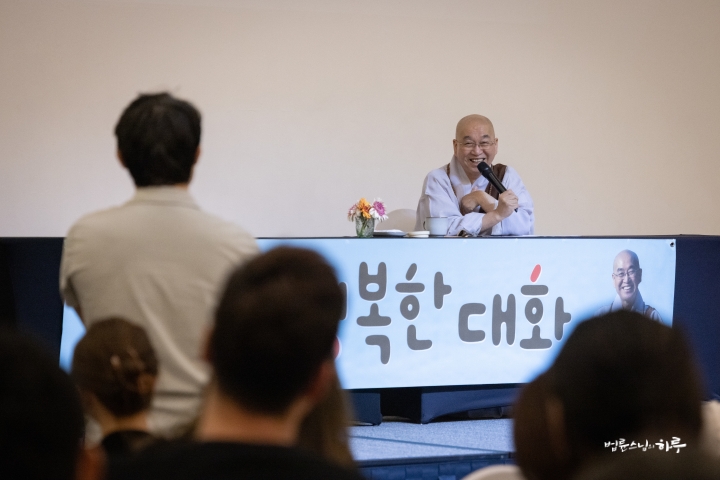
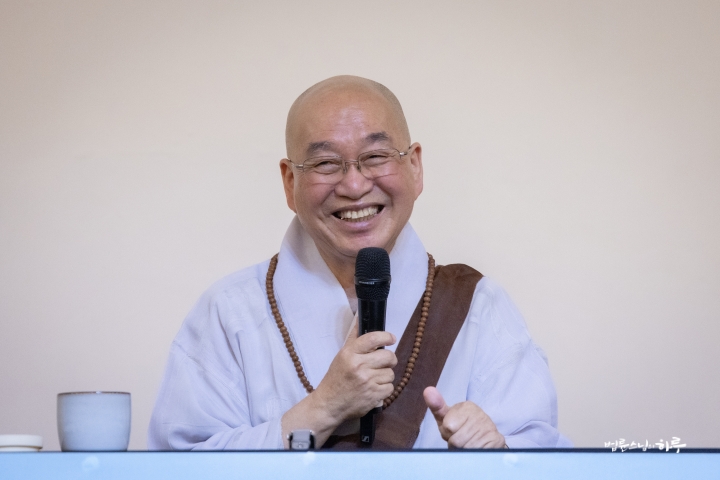
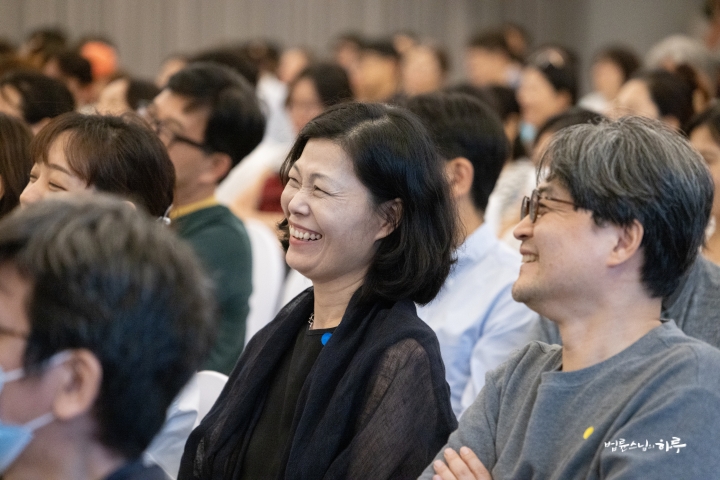
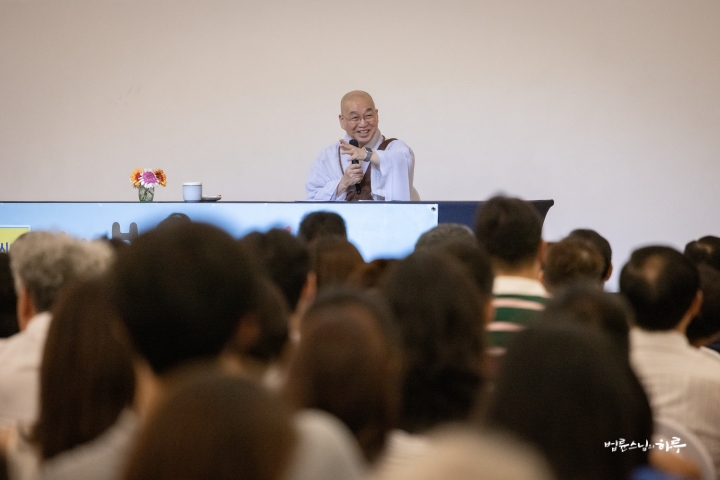
“Thank you. I understand well.”
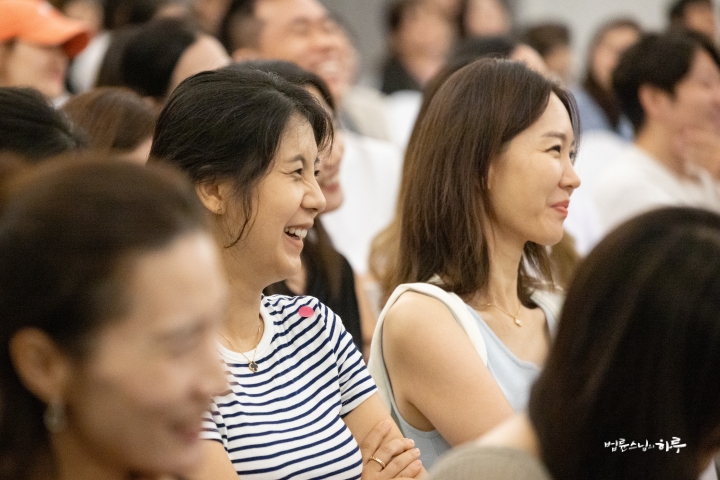
Questions continued one after another.
○ It’s time for me to retire and I’m economically prepared for life after retirement, but I’m still afraid of retiring. How should I deal with my attachment to the company?
○ My mother always took care of me less among family members. How can I manage my feelings of disappointment and anger?
○ A week after being diagnosed with a rare blood cancer, my husband asked for a divorce. What mindset should I live with?
○ Singapore is unfamiliar and the sales work I’m doing for the first time is too difficult. Meeting people is always burdensome.
○ I get angry at the unfair things I have to see. How should I manage my mind?
○ I came to Singapore because I disliked Korea. Depending on my mood, I want to go back to Korea, then want to stay in Singapore again – my mind goes back and forth. What should I do when my mind keeps changing?
○ Sunim, you’ve been consistently active for decades without being shaken by external conditions. How can one live consistently?
○ As South Korea went through various presidents, I too have lived my life through countless changes. How should I live the time I have left?
After taking impromptu questions from the audience, it was well past 9 PM. Though it was regrettable, the lecture concluded with promises for the next one.
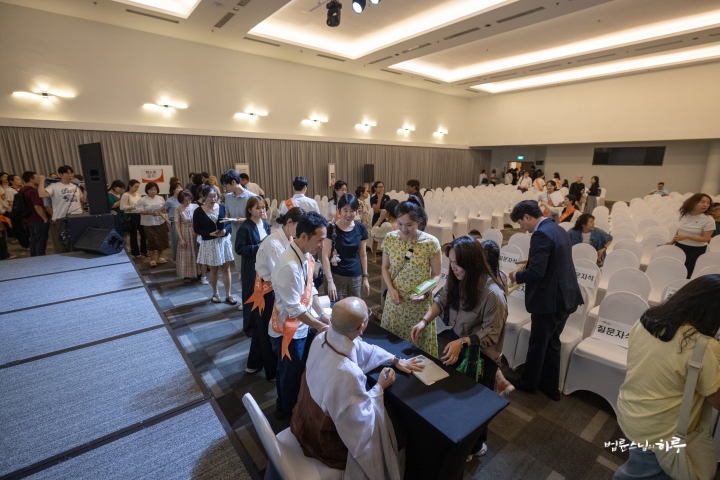
After the lecture ended, Sunim immediately came down from the stage for a book signing session. Many people lined up in a long queue to receive Sunim’s autograph.
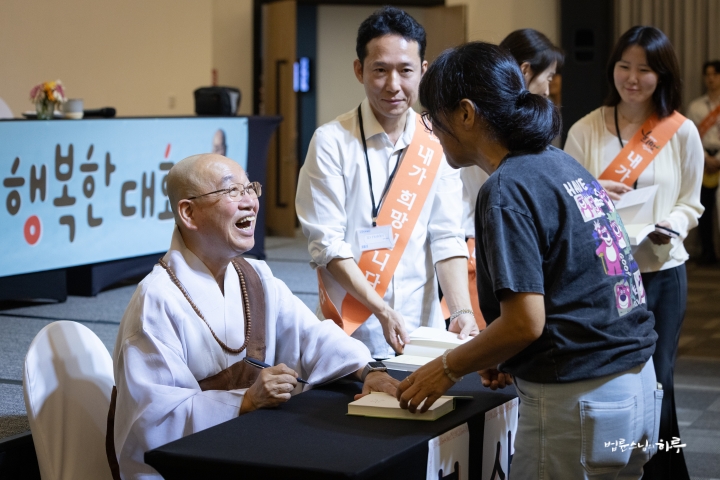
Participants each expressed their gratitude to Sunim. After the book signing ended, Sunim took a commemorative photo with the volunteers who had prepared the lecture.
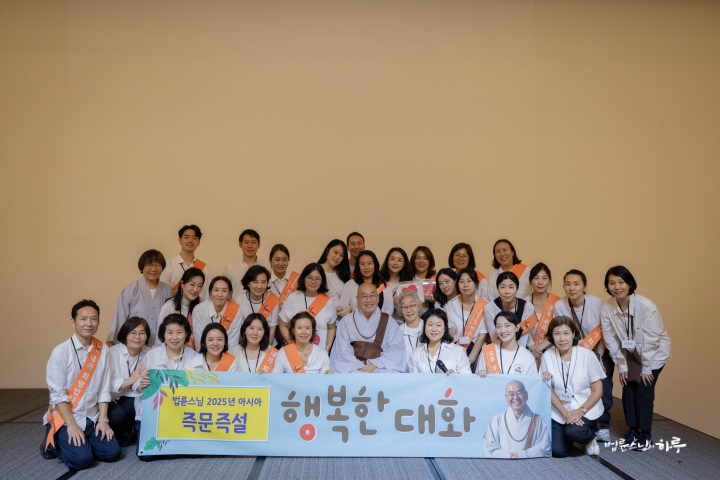
“Singapore, fighting!”
Sunim expressed his gratitude to the volunteers and then left the lecture hall.
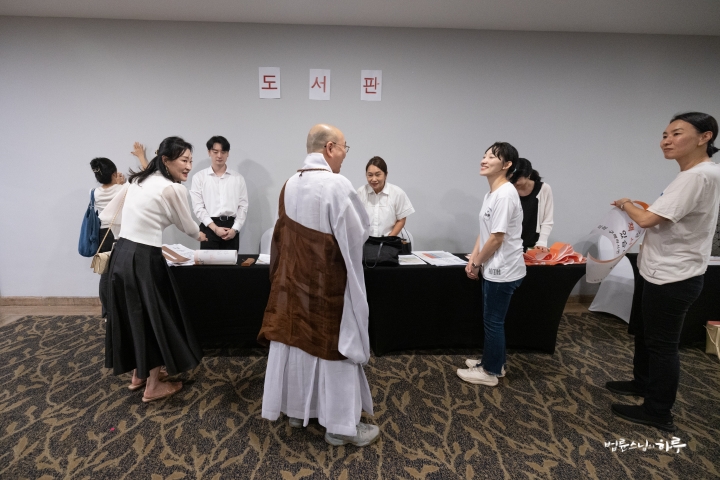
The volunteers had a sharing session with Dharma Teacher Myodeok. Everyone shared their joy, saying it was a time to experience what the ‘Mosaic Buddha’ that Sunim mentioned in his Dharma talk really meant.
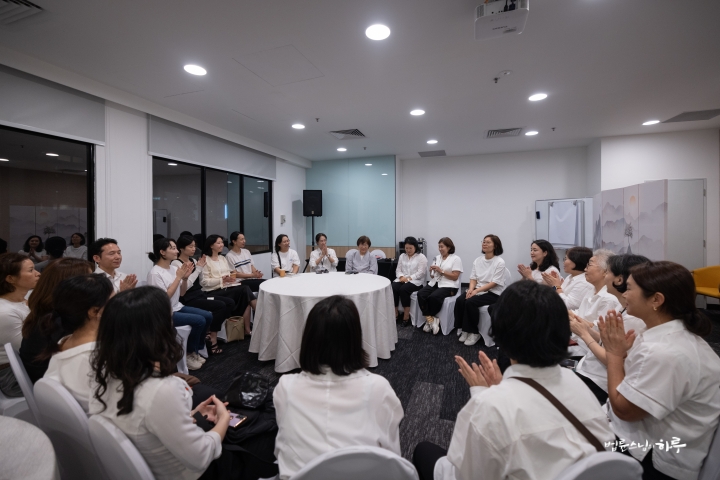
“Last year, I came as a participant, and I was so grateful to see all the volunteers. That’s why I participated as a volunteer this year. After volunteering, I feel proud. I’m even happier because when I made eye contact with each person after the lecture, many people donated generously.”
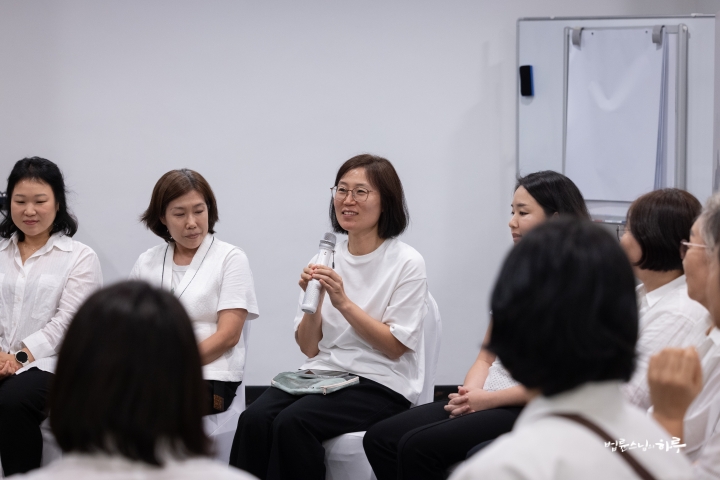
“Watching volunteers accurately carry out their assigned roles everywhere, I felt ‘This is what the Mosaic Buddha is.'”
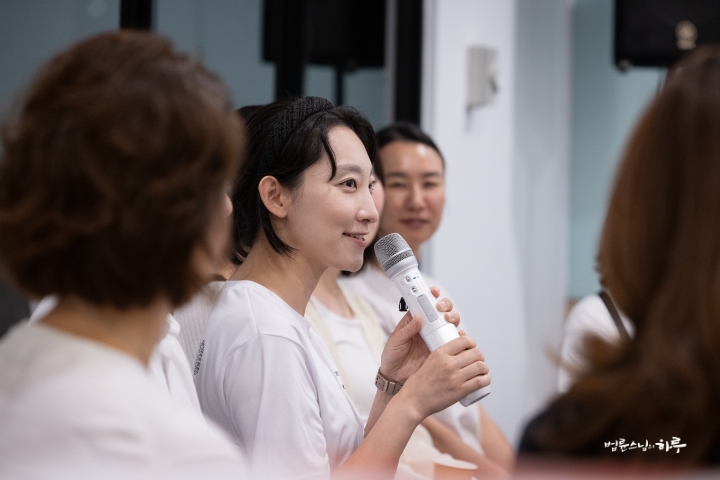
“In today’s lecture, Sunim said that the mind is always changing, so it’s not something to rely on. While preparing for the lecture, I experienced dozens of different emotions arising. That’s when I realized that volunteering becomes practice.”
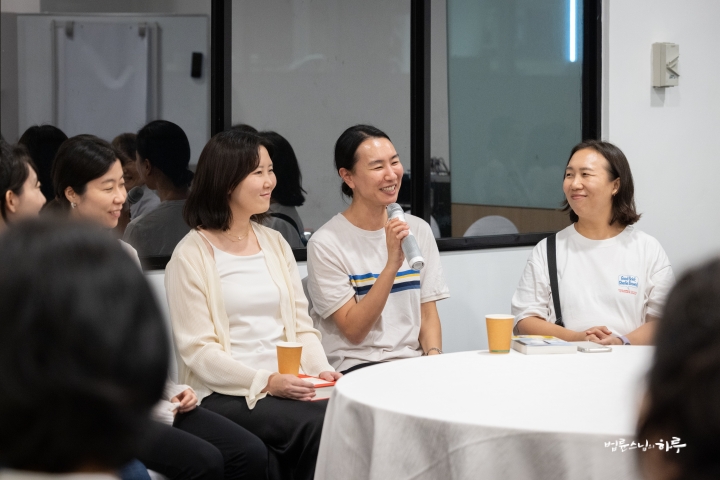
“Before the lecture, I worried a lot about how many people would come. When the lecture started and I saw the venue was completely full, I breathed a sigh of relief. The fact that I didn’t accomplish this alone but together with so many volunteers brought me even greater joy.”
They concluded the sharing session with loud applause, encouraging each other for their hard work. After returning to the accommodation, today’s schedule ended after 11 PM.
Tomorrow, Sunim will depart from Singapore early in the morning and travel to Vietnam. In the evening, he will continue with the second lecture of the Asia tour in Ho Chi Minh City, Vietnam.