After filing for divorce, my life feels shattered. What should I do?
May 16, 2025 - 100-Day Dharma Talk - Day 89, Friday Dharma Q&A
**May 16, 2025. 100-Day Dharma Talk – Day 89, Friday Dharma Q &A **
Hi. This is the 89th day of Venerable Pomnyun Sunim’s 100-Day Dharma Talk. Today is Friday, when anyone can participate in the public Dharma Q&A session. Heavy rain has been pouring all day in Seoul.

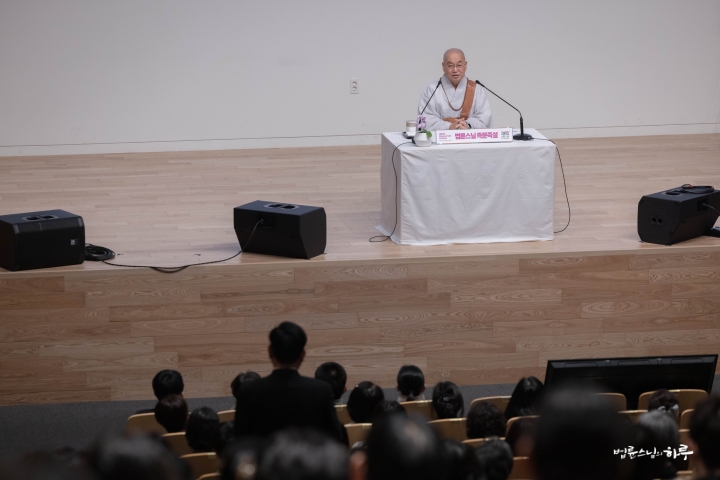
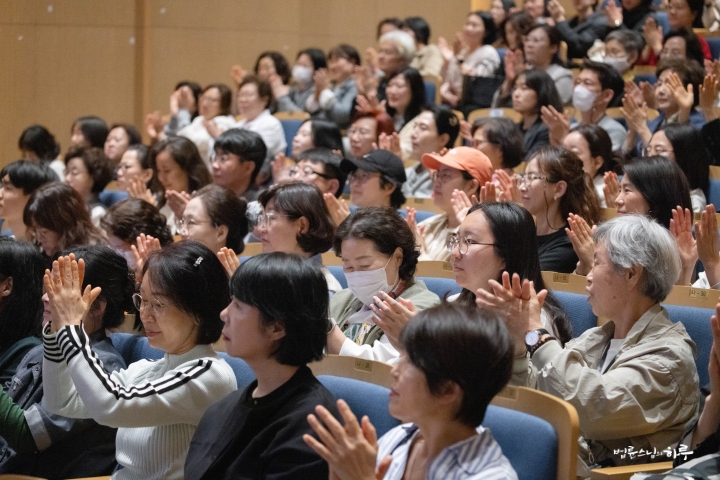
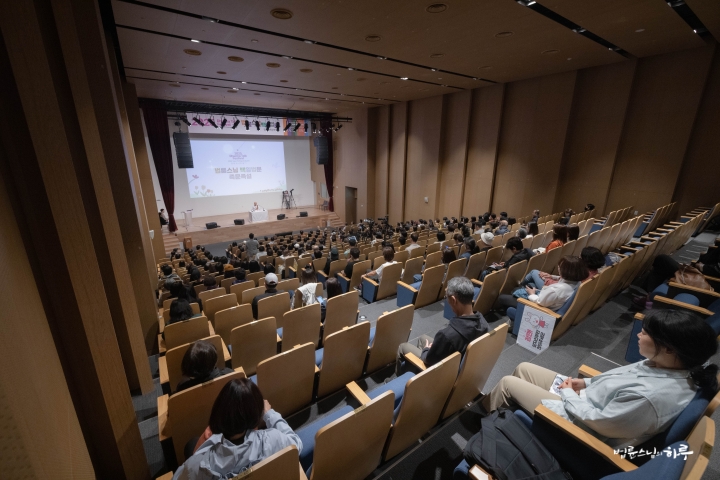
After completing his morning practice and meditation, Sunim headed to the Jungto Social and Cultural Center to conduct the Friday Dharma Q&A session. Volunteers had arrived early to welcome citizens who came to attend the Q&A.

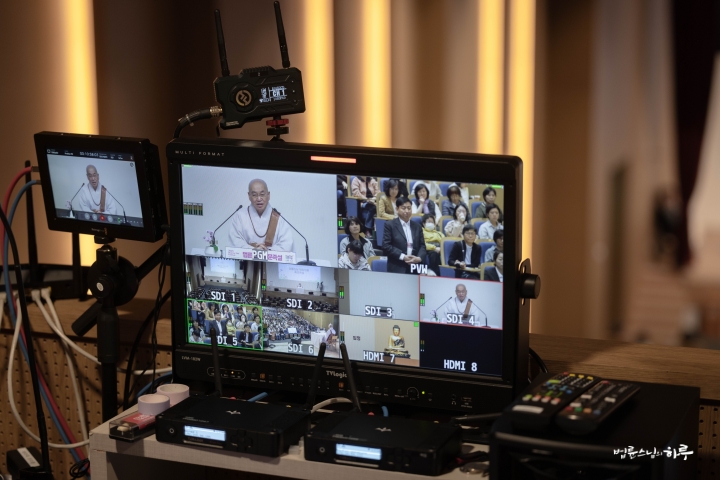
At 10:15 AM, the YouTube livestream began, and everyone recited the Three Refuges and Words for Practice together. About 220 people were present in the audience, while approximately 3,500 viewers were connected to the YouTube livestream as the dialogue began.
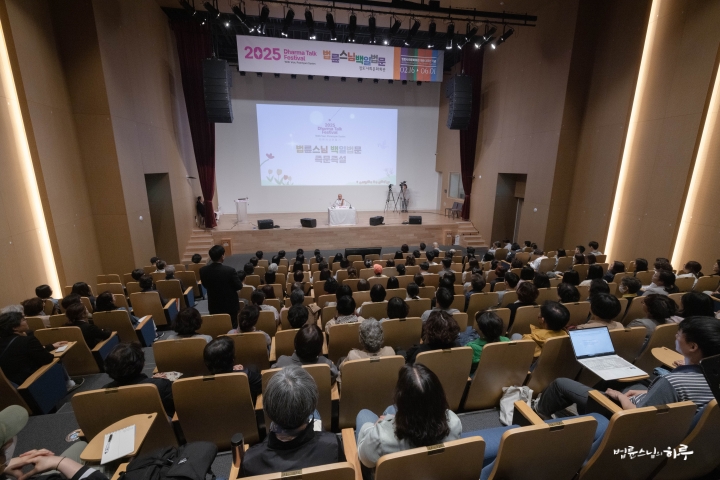
During the hour and a half session, three people asked Sunim questions. One of them explained that he had entered divorce mediation with his wife and was feeling a sense of helplessness, as if his life was falling apart. He asked Sunim for advice on how to recover from this emotional state.
After filing for divorce, my life feels shattered. What should I do?
“Three days ago, I submitted a mutual divorce application, and I have a six-month-old son. The mediation period has just begun, and I feel as though my entire life is being invalidated. The values I’ve held dear seem meaningless now. I’m trying to maintain a normal routine—getting up in the morning, eating properly, exercising, doing my work well, and sleeping adequately—but I still struggle to find the courage to face each day. How can I overcome this situation?”
The questioner was tearful, stumbling over his words as he struggled to ask Sunim his question.
“My mother also said, ‘At least you have a child, that’s fortunate.'”
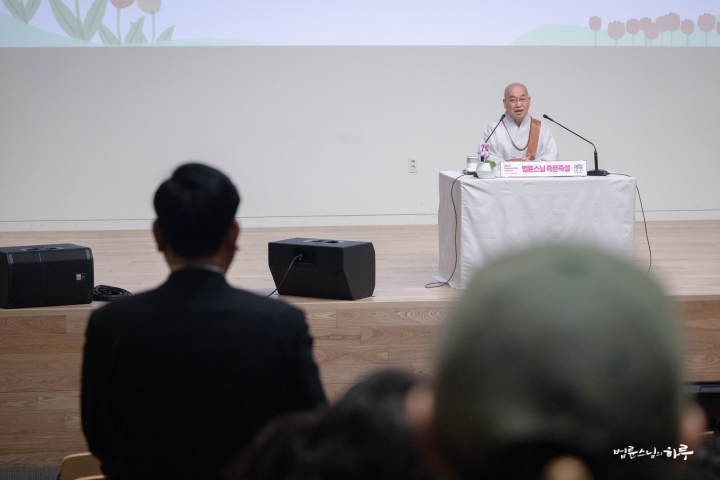
“I was the one who suggested divorce first. The biggest issue was that we couldn’t meet each other’s expectations. I thought, ‘After all I’ve done, shouldn’t I receive this much in return?’ while my wife felt, ‘I’ve prepared meals and taken care of everything, what more do you want?’ In terms of daily responsibilities, we both fulfilled our roles diligently, but that wasn’t what we truly wanted. My wife wanted me to be more attentive and caring, while I wanted some time to myself occasionally—to meet friends and get some fresh air. But my wife asked me to inform her in advance before going out, which felt restrictive to me. Eventually, these conflicts kept recurring, and we couldn’t find a compromise.”
“You weren’t ready for married life.”“That’s correct. Actually, I never intended to get married. But my wife genuinely cared for me, and I came to depend on her emotionally. I decided to marry her because I thought, ‘This person would make a good spouse.'”
“Marriage isn’t just about living together; it’s a commitment to depend on each other to some extent. If you don’t have that mindset at all, you shouldn’t get married in the first place. If you say, ‘I’ll be late today, I’m meeting a friend,’ it’s natural for your partner to ask, ‘What’s the occasion? Who are you meeting?’ If even that feels like interference to you, it’s difficult to maintain a marriage. In that case, it’s better to live alone from the start. So I understand why you ended up divorcing. But this isn’t something you should be sobbing about.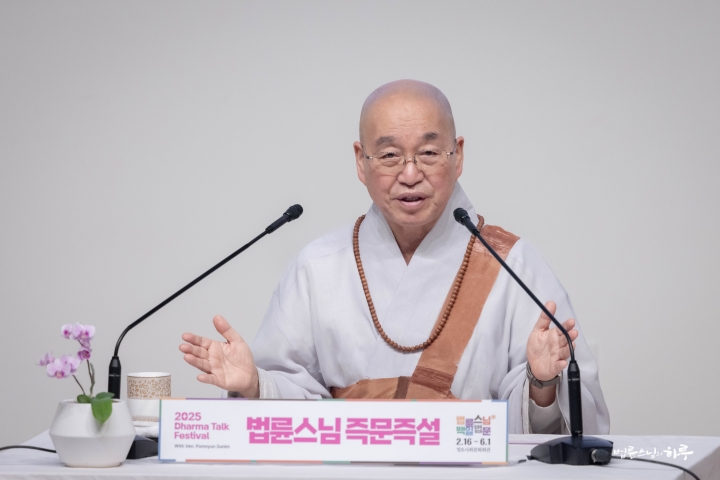

“No, that’s not the case.”
“Marriage is an equal relationship. It’s not right to base a marital relationship on who earns more money or who is more capable. Even if one person is bigger and the other smaller, together they become one. Assets acquired after marriage, regardless of who earned them, are divided equally in divorce. The higher earner doesn’t get to keep more. Of course, assets owned before marriage are excluded, but assets created together after marriage are divided equally regardless of contribution. Whether you get divorced or not is your choice, but the point is—why are you getting emotional as if you did something admirable?” (laughs)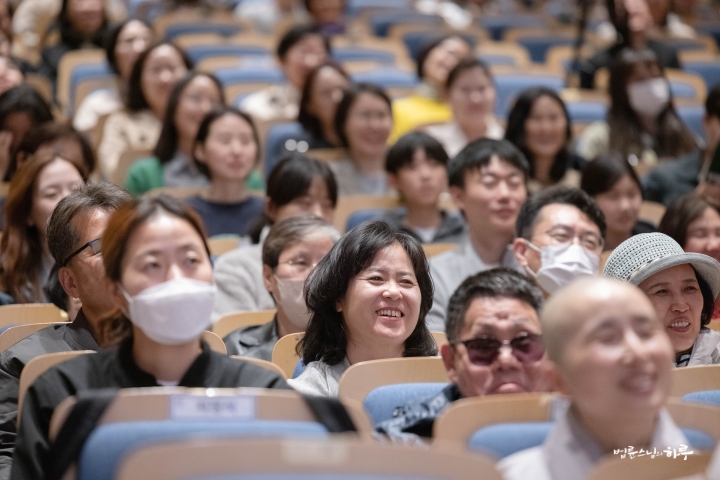
“I miss my child, and I feel like I’ve done something wrong.”
“Then you should reflect on your mistakes, not whimper. This isn’t a time to be overwhelmed by emotions and sob. If you’ve truly realized your mistake, even if you’ve filed for divorce, you can go back the next day and say, ‘I was wrong,’ and start over. If you only want to see your child and not your wife, that’s like wanting to eat the good parts and throw away the peel. Such an attitude isn’t right. You can stay together or separate. The problem is your attitude toward marriage. If you’ve divorced like that, you should be clear that you won’t marry again. You shouldn’t think that you might marry again if someone better comes along. You should be firmly resolved not to marry again, regardless of what woman appears. If that’s not the case, you need to change your perspective on marriage starting now. You can’t live as you did when you were single. Marriage is about two people coming together to create a new community. This is precisely the law of dependent origination that Buddha taught.”“I’m actually very embarrassed. My question seems so shallow now. What struck me most from your talk today is that when you form a family, it becomes a completely new community. I think I’ve been living without recognizing this at all. Thank you.”
Questions continued to come in.
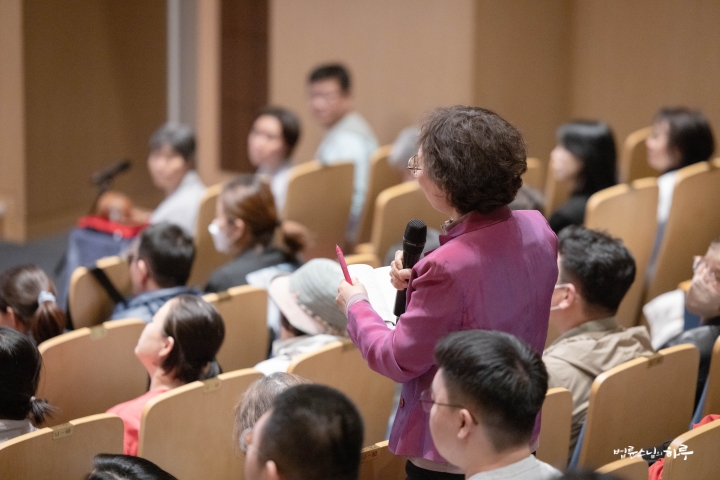
I find it very difficult to work with someone in my department whom I really dislike. I’m wondering how I can feel more comfortable around this person.
I heard there are about 120,000 multicultural foreigners from 88 countries who want to learn Korean. Is there an easy way for them to learn Korean?
I feel small and intimidated among other wealthy parents. How should I understand and manage my discomfort when it comes to spending money?
I live with my eldest son, who reads many Buddhist books and tries to teach me, and I’m worried about his future.
Today, after taking five questions, it was time to conclude. Regretfully, at 12 PM, the lecture ended.
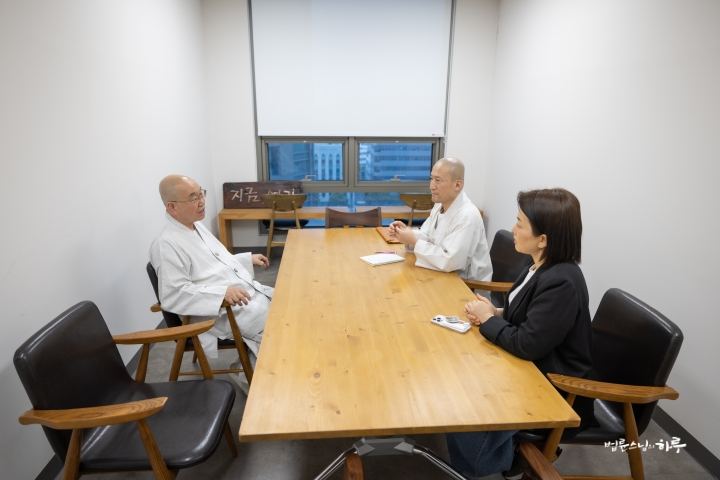
Sunim had lunch with the Sangha in the dining hall on the first basement level. After finishing his meal, at 1:30 PM, he met with the coordinator of The Peace Foundation’s solidarity projects. After discussing inviting the Sri Lankan religious leaders’ group to the International Reconciliation Conference event in July, the meeting concluded.
At 2 PM, Sunim discussed with The Peace Foundation staff how to once again inspire hope in today’s discouraged young people, just as he had done 12 years ago through the Youth Concert, which brought hope to the youth of South Korea.
At 3:30 PM, Sunim held an online meeting with the community Dharma teachers. After discussing various topics related to Jungto Society’s operations, the meeting concluded.
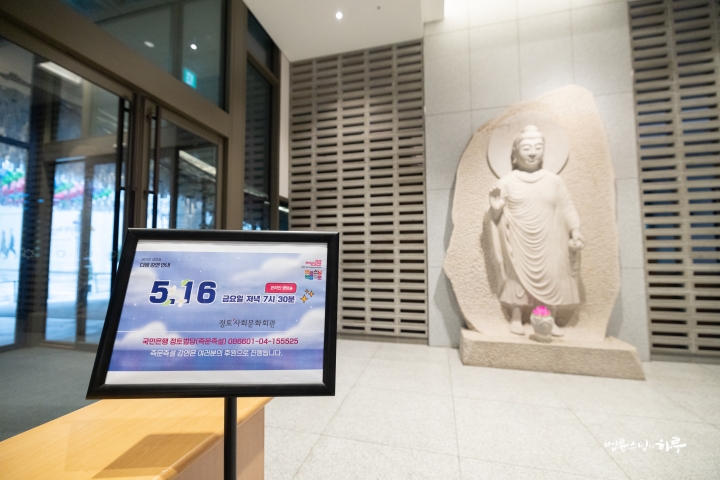
As the sun set, at 7:30 PM, Sunim began the Friday Dharma Q&A for working professionals. Many citizens came to the Jungto Social and Cultural Center after work to attend the Dharma Q&A. About 5,200 people connected via YouTube, and around 160 people were present at the venue.
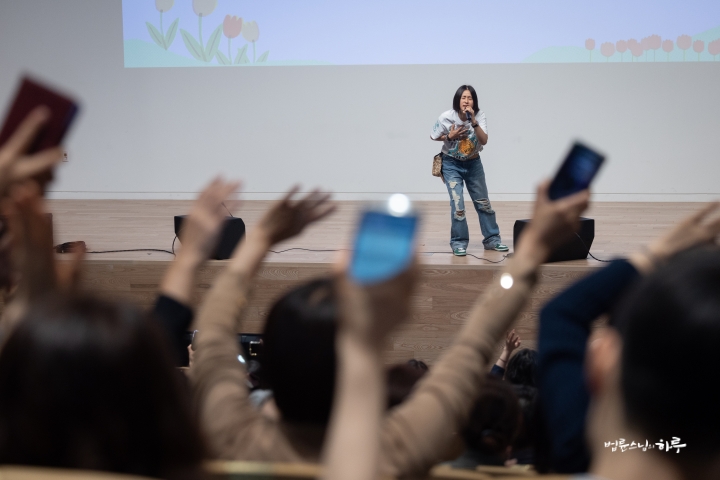
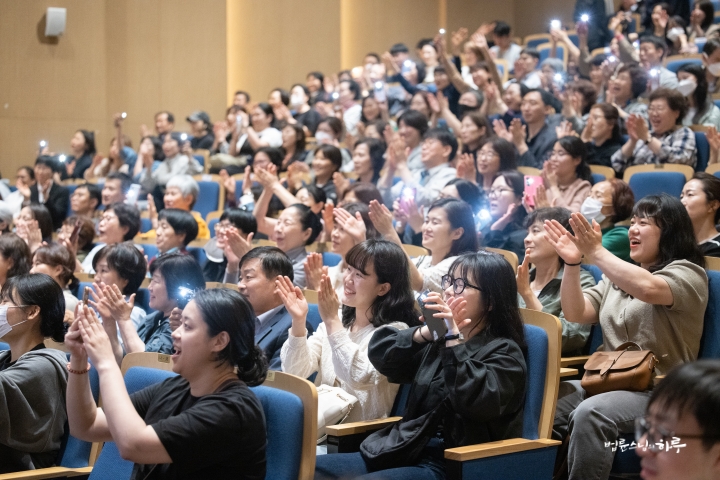
Today, before starting the Dharma Q&A, a special performance was arranged. Singer Maya, a member of Gilbeot, a social service group for broadcasting, film, and theater professionals, gave a congratulatory performance. With her characteristic intense energy and explosive vocal power, she performed the song “Red Sunset,” receiving an enthusiastic response from the audience.

After finishing her song, Maya briefly introduced herself.
“I am Maya, a member of Jungto Society. Thank you for your enthusiastic cheers. I will also take Venerable Pomnyun Sunim’s teachings to heart and be of good use to the world.”
She then sang “I Shout Myself” to thunderous applause and cheers from the audience before leaving the stage.
After reciting the Three Refuges and Words for Practice, Sunim took the stage. For an hour, seven people raised their hands and conversed with Sunim. One of them shared concerns about her father, who had lived diligently all his life but recently began frequently enjoying entertainment, wondering how to view this as a child.
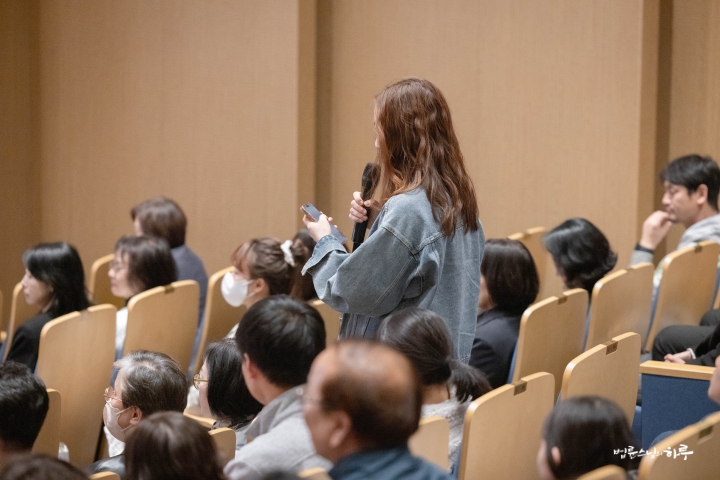
A Father Who Has Fallen into Indulgence After Retirement: What Should I Do as His Child?
“I’m concerned about my father’s sudden indulgence. He has always been focused solely on work, with his only hobby being watching TV Chosun. Thanks to his frugal lifestyle, he’s now financially comfortable. But as he’s gotten older, especially after my marriage, he seems to have lost his sense of purpose. His peers go hiking or play golf, but my father has few friends and spends his time watching TV at home. Recently, he started going to karaoke bars with a new employee at his company. When he goes, he spends between 300,000 and 600,000 won, and sometimes goes three times a week. If it’s just a temporary indulgence, that’s fine, but I’m worried if this continues. My mother is also becoming increasingly troubled. As his child, how should I handle this situation?”
“Just leave him be. You said he’s lived diligently all this time, right? Now it’s okay for him to do what he wants. What’s been suppressed in his heart is finally being released. It’s fine to enjoy yourself fully at least once before you die. Your father’s children are all grown up, so don’t worry, and instead encourage him by saying, ‘Have a good time.’ He’s spending his own money, so there’s no problem. If your mother is worried, she could go along with him. Don’t tell your father, ‘Take mother with you,’ but tell your mother, ‘If you’re worried, why don’t you go with him?'”“I’ll try saying that.”

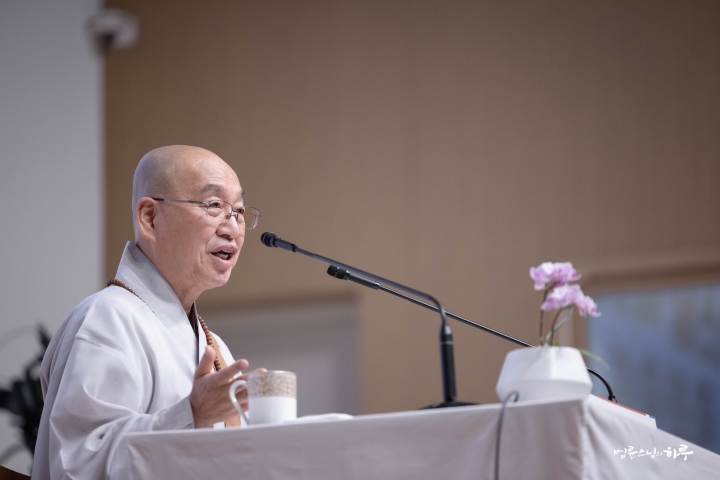
“My father’s job is already physically demanding, and after going out to have fun, he was so tired the next day that he got into a car accident. Fortunately, he wasn’t seriously injured, but my mother is very worried.”
“Tell your mother, ‘Don’t worry. If he passes away, all his money will be yours.’ It’s not so bad to die doing something you enjoy. Living a long life isn’t necessarily living well. It’s okay to live a life where you do what you want until the end. I understand the concern, but if that’s how he chooses to live, it’s right to respect his choice. When parents farm and give their children pocket money, the children use it to buy coffee and drinks for their partners, and that seems fine. So why interfere when parents spend their own money? We need to view people with a more open perspective. Don’t look at things from such a narrow viewpoint. Of course, if someone’s behavior harms others or breaks the law, it should be moderated. But beyond that, whether it’s parents or spouses, we need to adopt an attitude of letting go a little.”“I’m actually planning to go to a karaoke place with my father next time. I came here expecting the kind of answer I’ve heard in your Dharma Q&As before, but you’ve given me even more insight than I expected. Thank you.”
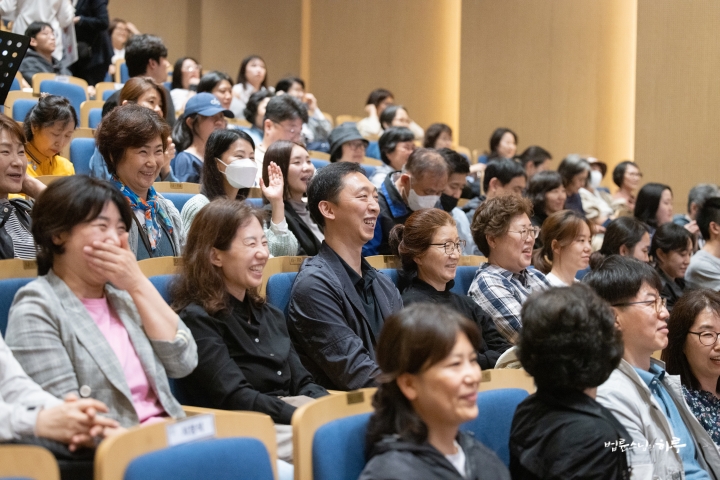
The questions continued.
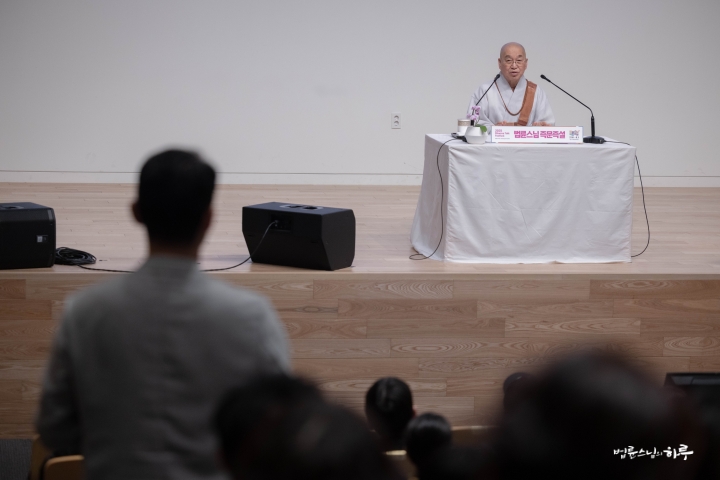
I felt that a male colleague slightly touched my chest at work. I’ve been feeling uncomfortable and can’t stop thinking about it. How should I respond?
A few years ago, I became ill from trying to juggle raising my first child while writing my thesis. The symptoms still persist, and I’m wondering whether I should have a second child.
My younger sibling had been taking care of our 93-year-old mother in our hometown, but after she gave me a bankbook with a large sum of money, my sibling felt hurt, and eventually, I ended up taking care of her. What kind of mindset should I have in this situation?
I found a new job but impulsively quit after just one day. I feel guilty about my high level of anxiety.
By the time the conversation ended, it was 9 PM. Sunim concluded the lecture with the Four Great Vows, promising to meet again at the same time next week.
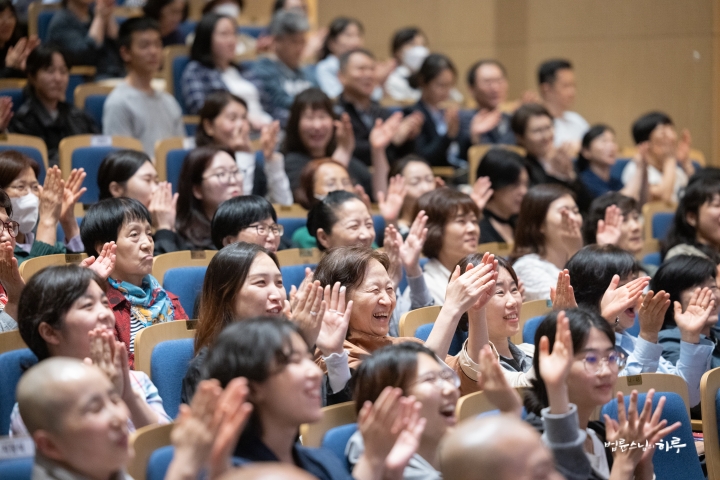
After leaving the lecture hall, Sunim immediately departed from Seoul and headed to Dubuk Jungto Retreat Center.

After driving on the highway for 3 hours and 30 minutes, Sunim arrived at Dubuk Retreat Center at 12:30 AM and concluded his day.
Tomorrow, Sunim plans to work on the farm in the morning and then hold an online Dharma Q&A session with students from the Jungto Dharma School in the afternoon.