How can I Improve My Self-Esteem?
Feb. 9, 2025 - Day 6 of Trongsa Exploration in Bhutan (Jongtang, Gakal, Semji)
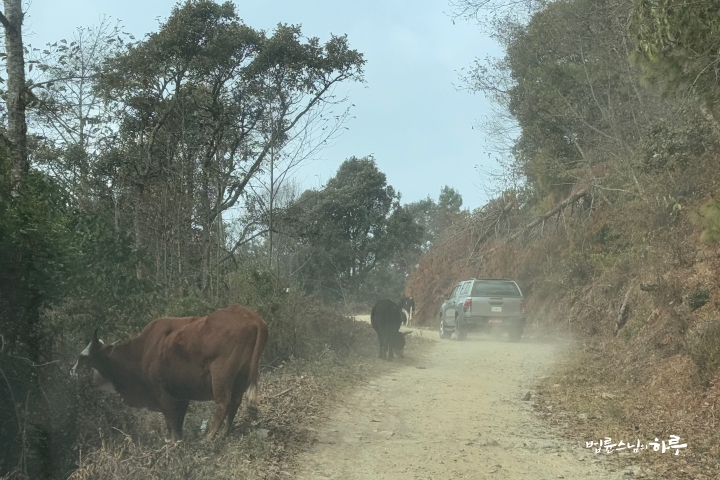
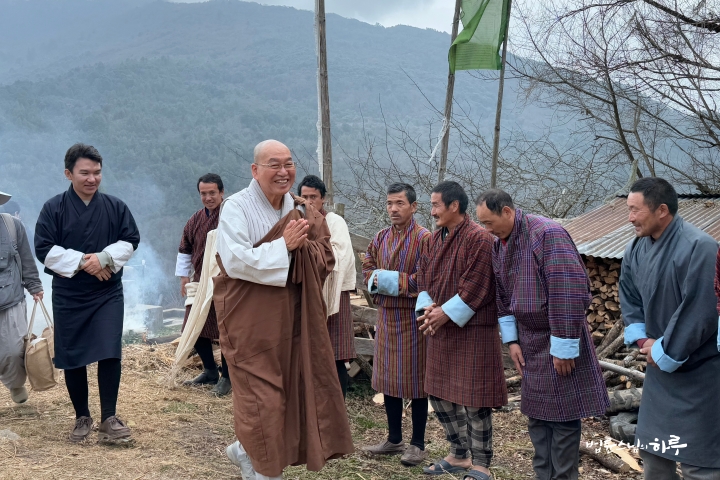
Villagers were waiting at the village entrance to welcome Sunim. As Sunim and his group got out of the car, the villagers welcomed them with songs and guided them to the village temple.
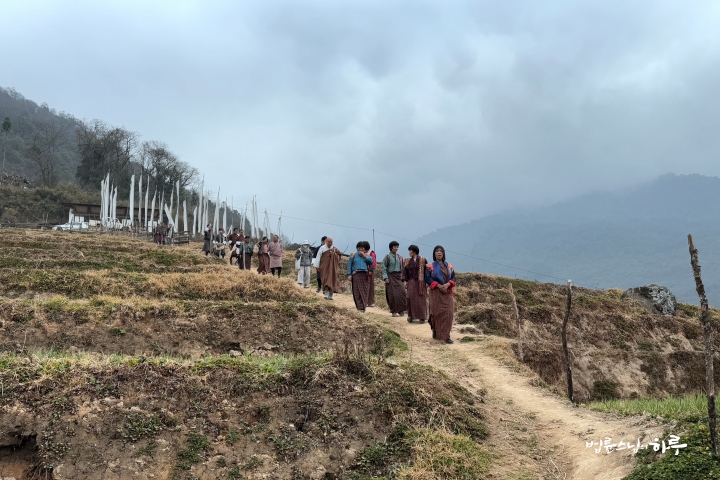
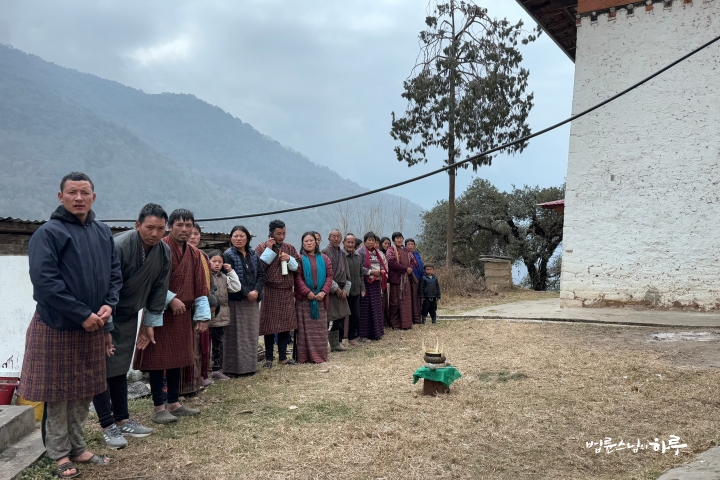
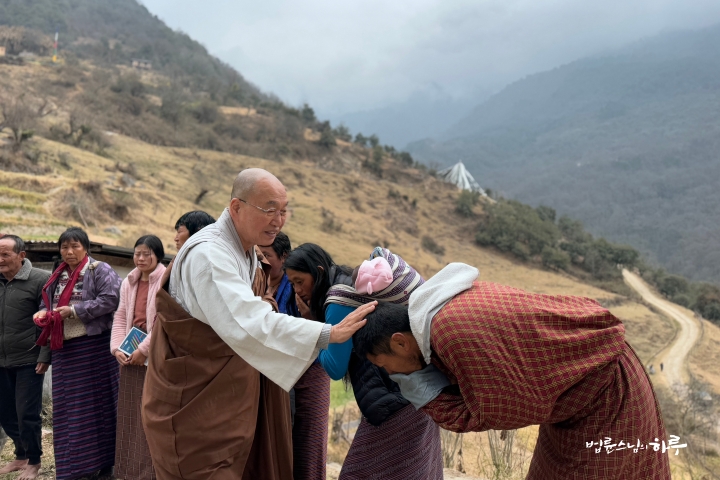
Sunim paid respects at the temple, participated in a welcome ceremony, and then sat down to drink butter tea. The villagers took turns making an offering to Sunim.
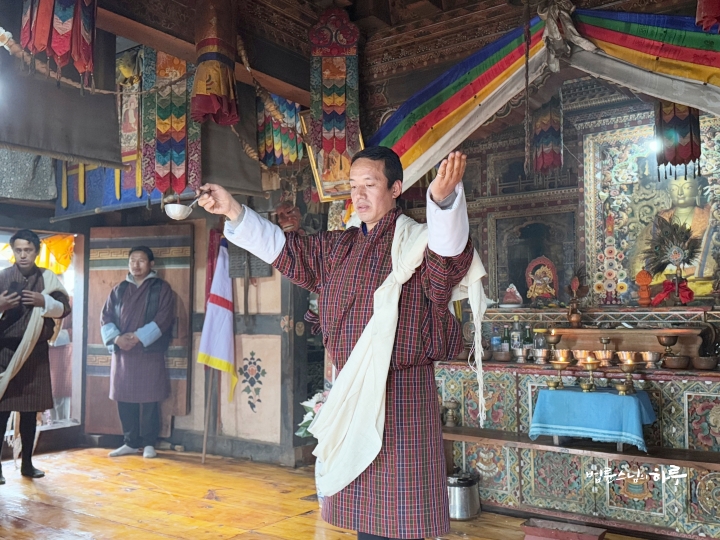
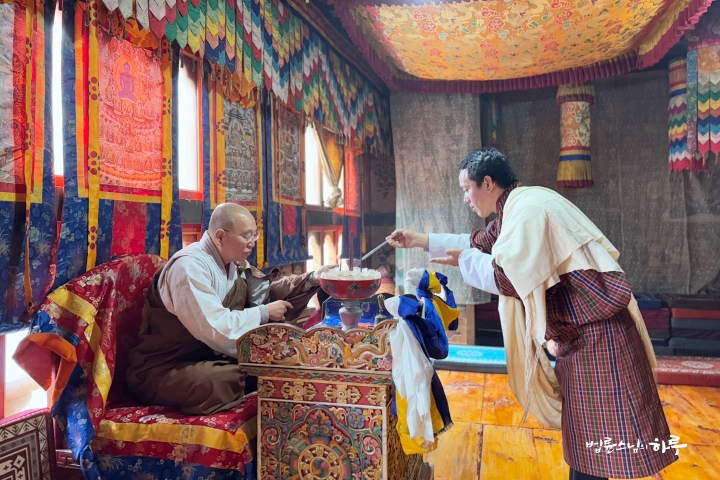
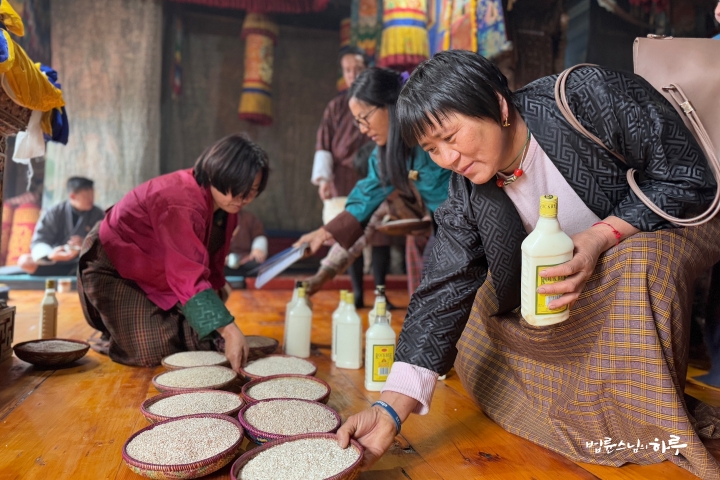
First, the Mangmi (deputy head of the county) explained the current situation of the village. Sunim recited the Three Refuges in Pali, offered a blessing prayer towards the offerings sincerely offered by the villagers, and then began the conversation.
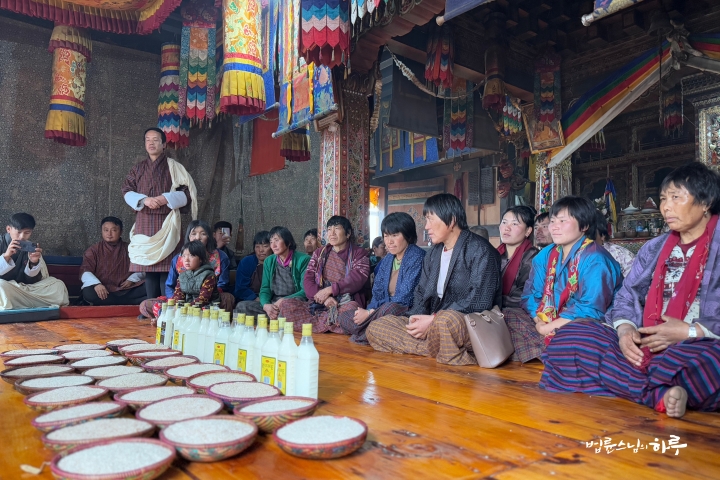
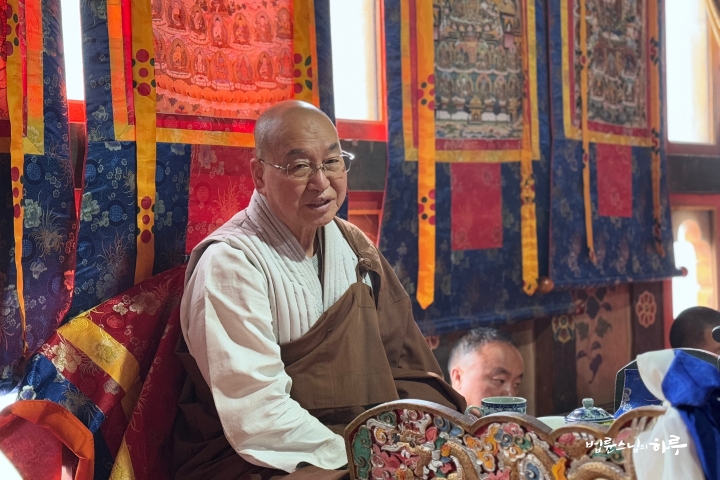
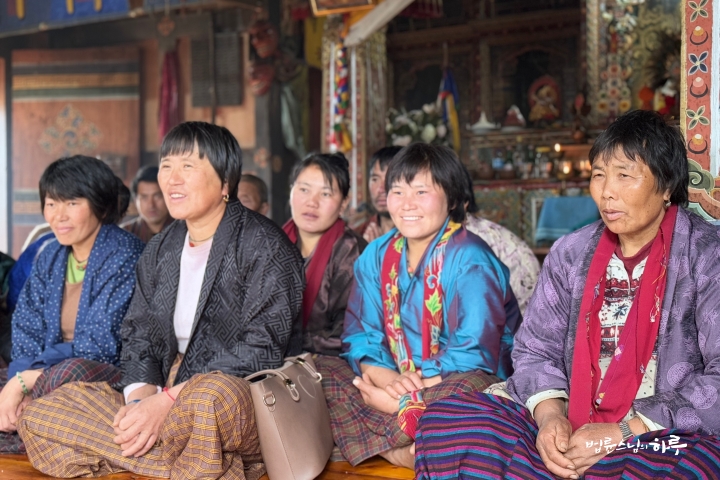
Sunim explained that JTS project funds come from donations by Korean Buddhists and emphasized the need to use these funds judiciously. He clarified that the primary purpose of JTS projects is to improve living conditions, prioritizing those in dire need of better housing environments. After Sunim’s explanation, the residents shared their needs.
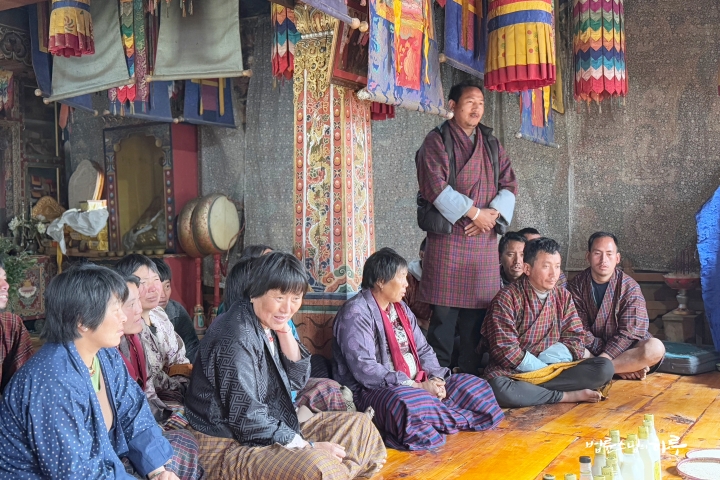
“Although you said we’re not eligible for support, road paving is essential to develop livestock farming, which is Jongtang village’s main industry.”
“We built a path for people to use before, but it’s now damaged.”
“We need facilities for men to practice archery, just as women have for singing and cultural activities.”
“There’s no accommodation for monks at the temple.”
After the residents finished speaking, Sunim responded:
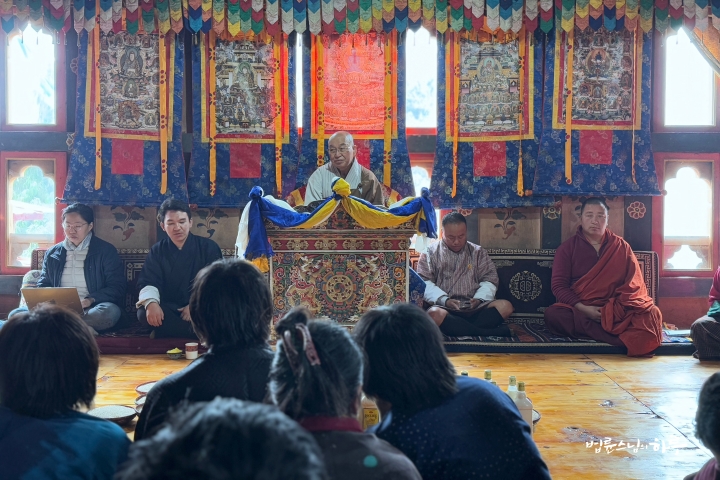
The residents continued to make requests to Sunim.
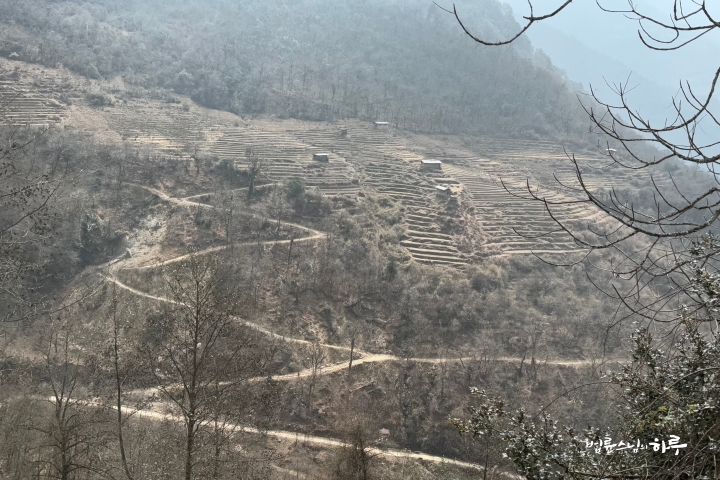
“Although Jongtang is in a remote area of Nubi Gewog, it has a large population. Previously, a young man prepared to start a poultry farm. The local gup (head of the county) actively encouraged youth settlement projects, even supporting loan applications. However, running a poultry farm requires buying feed and distributing eggs, which makes good roads crucial. Due to the poor road conditions in Jongtang village, the young man eventually abandoned his poultry farm project and left. As you saw on your way here, when there are events and we need to transport goods, it’s difficult because all the roads are unpaved. We’d like to pave the roads with cement.”
The residents continued with their requests:
“Because we’re at a high altitude, our chili harvest is a bit late. As a result, our chilies are ready when the market is already flooded, so we can’t get a good price.”
“Many people here raise cattle. We’ve set up a shared refrigeration facility to collect and sell milk collectively, and we’re in the process of building a place for people to stay around the refrigeration facility. However, we’re short on roofing materials. We’d like support for roofing materials.”
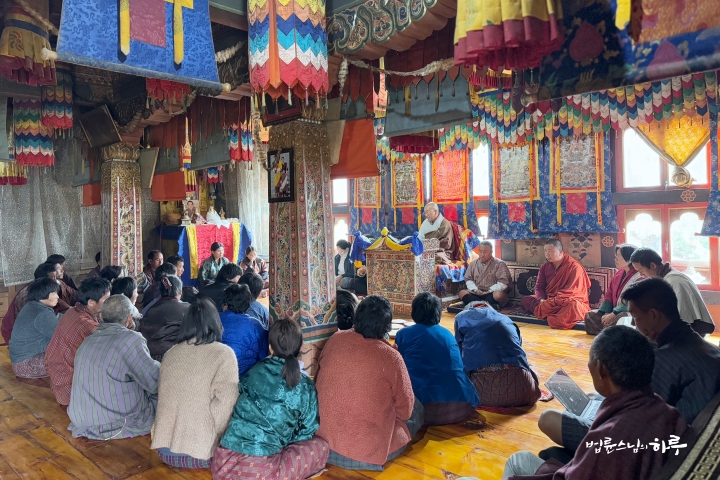
Sunim again explained JTS’s project principles and plans.
“JTS has a three-stage plan for its projects. The first stage is improving living conditions. The second stage is increasing income levels. For this, we’re researching whether changing rice farming methods or seeds could increase yields, if creating shared seedbeds for distribution could reduce work, how to build farm roads, and which fruit trees might be better to plant. In the case of Jongtang village, we need to research when and how to ship chilies to get the best price. If you ship at the same time as everyone else, prices drop. You need to ship a little earlier or later to get a fair price. There are methods to change the cultivation period, or you could build storage facilities to hold the produce until it’s time to ship.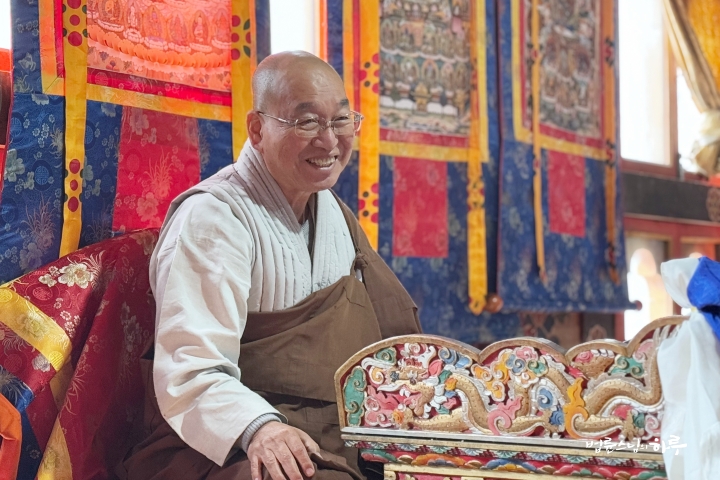
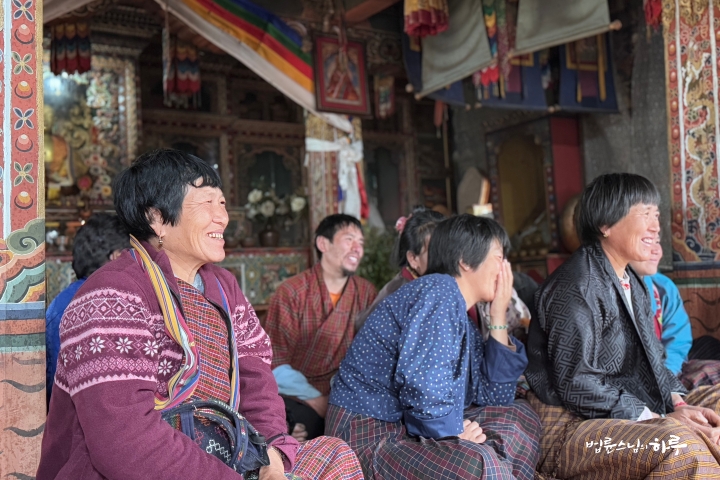
After concluding his conversation with the residents of Jongtang village, Sunim presented them with a donation. As he walked towards the village entrance, the residents sang to bid him farewell. Sunim gifted prayer beads to those who sang him off and then departed for Gakal village. He arrived in Gakal village at 12:30 PM.
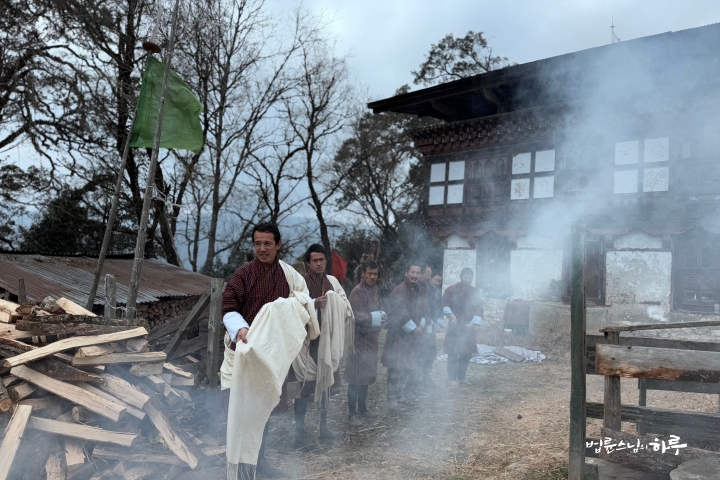
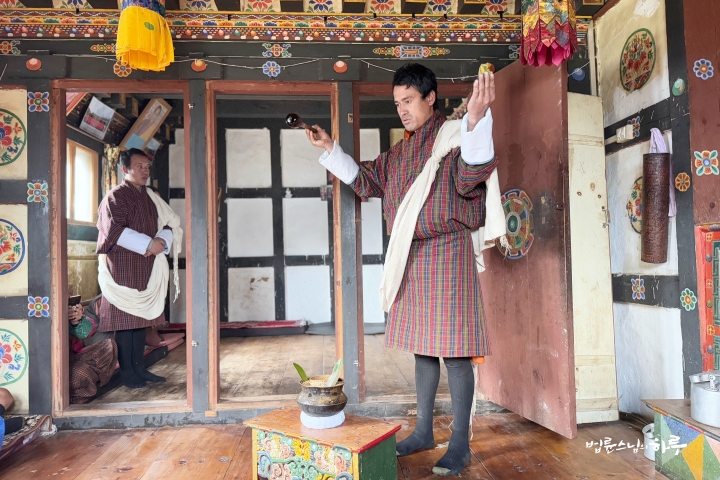
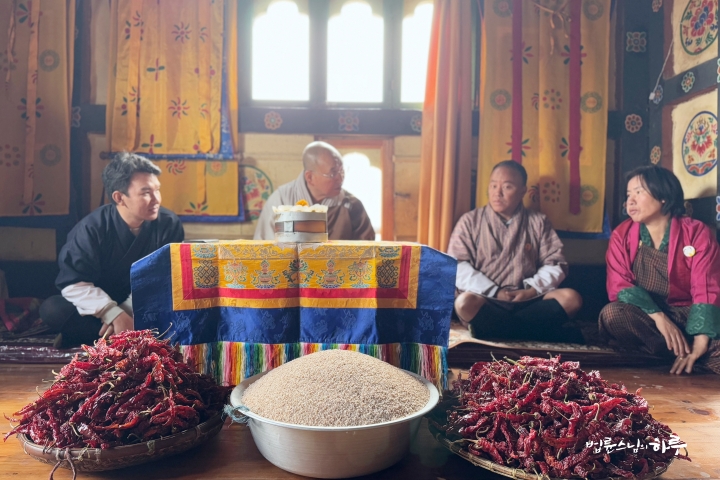
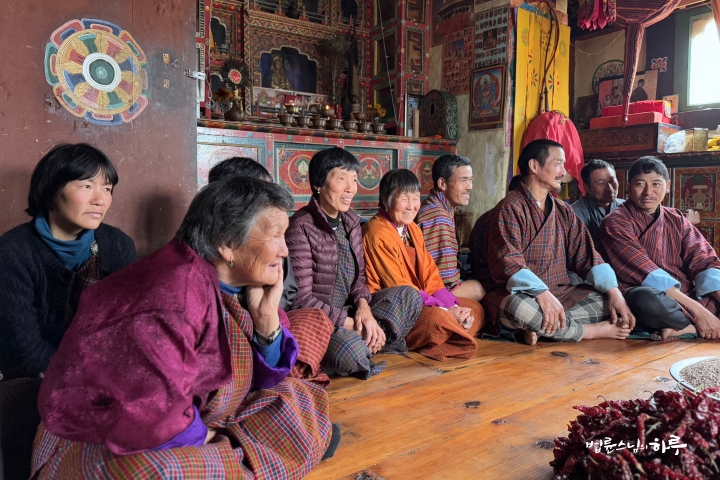
The dialogue with Gakal village residents was scheduled to take place in a villager’s home. Sunim paid respects at the prayer room inside the house and participated in a welcoming ceremony. The residents offered rice and dried chili peppers they had grown as offerings to Sunim.
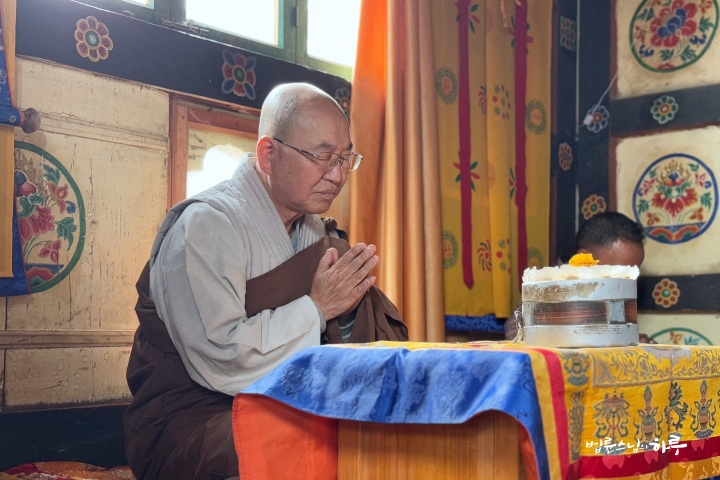
Before beginning the conversation with the residents, Sunim had lunch prepared by the homeowner. During the meal, he discussed the chili peppers produced in the village with the Gup (district head).
“Nubi Gewog is famous for its chili peppers. The first harvest is offered to the King, and subsequent harvests are sold. Gakal village also grows chili peppers successfully. However, fruit farming doesn’t do well here. We tried growing apples in the past, but it wasn’t successful.”
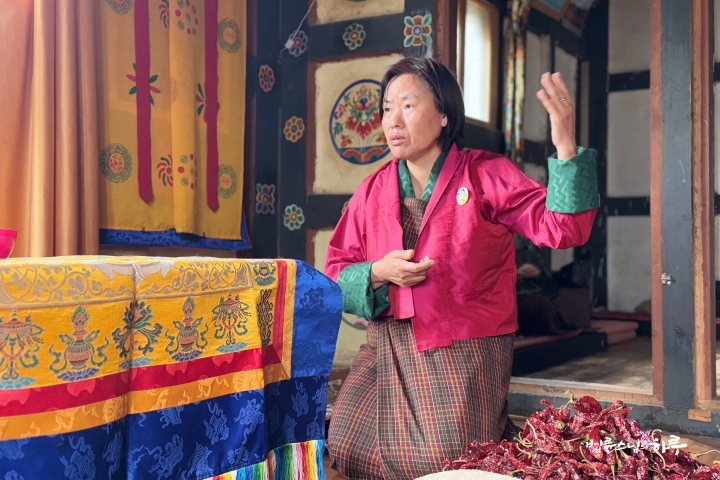
After lunch, Sunim began his conversation with the residents.
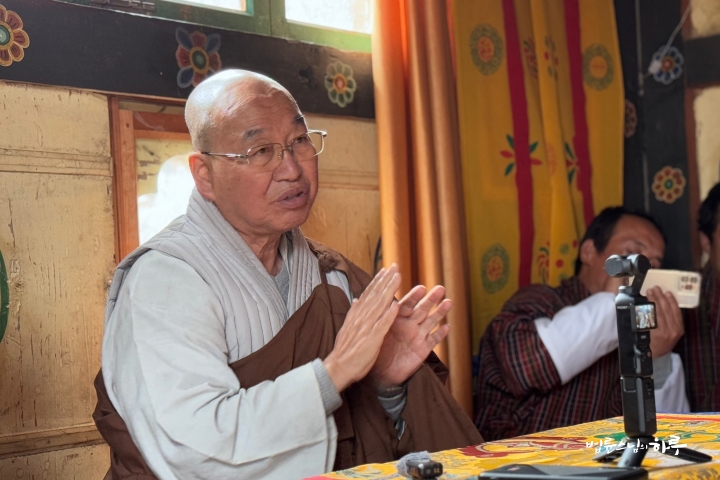
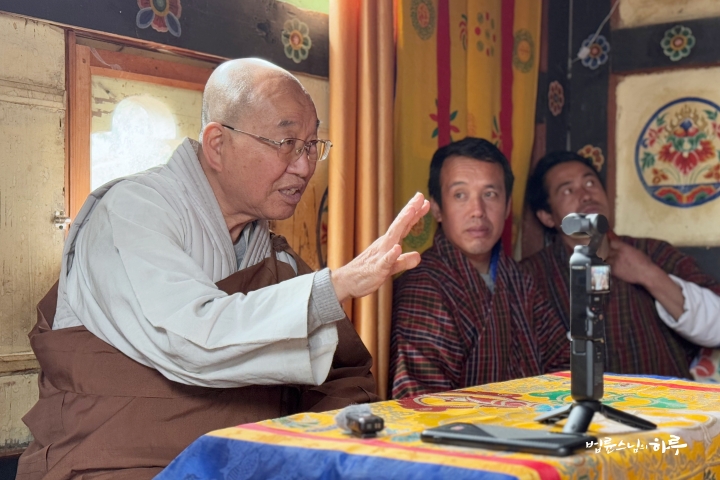
Sunim explained in detail which projects are eligible for JTS support and which are not. Then, an elderly woman mentioned that her house lacked adequate water supply. Sunim responded:
“Providing water to areas without it is within JTS’s support scope. However, it’s difficult to support connecting a 1km pipe for just one person. Why don’t you try collecting water in a large container during the night when people use less water? As time passes, the government will improve facilities, so it would be good to upgrade the water system then.”The residents continued with their requests.
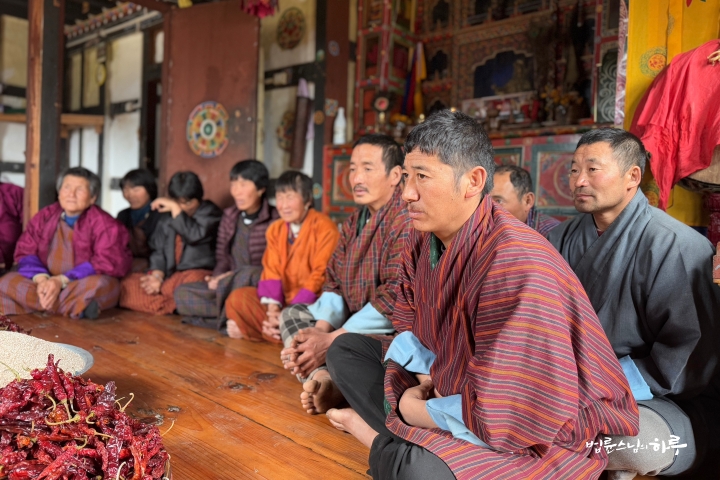
“The road is made of dirt and has a slope, so water flows over it. This makes it difficult for cars to pass. It’s so slippery when cars go uphill that we’d like to pave it with cement.”
Sunim replied:
Another elderly woman requested houses to be built for her children who don’t have homes. Sunim smiled and responded:
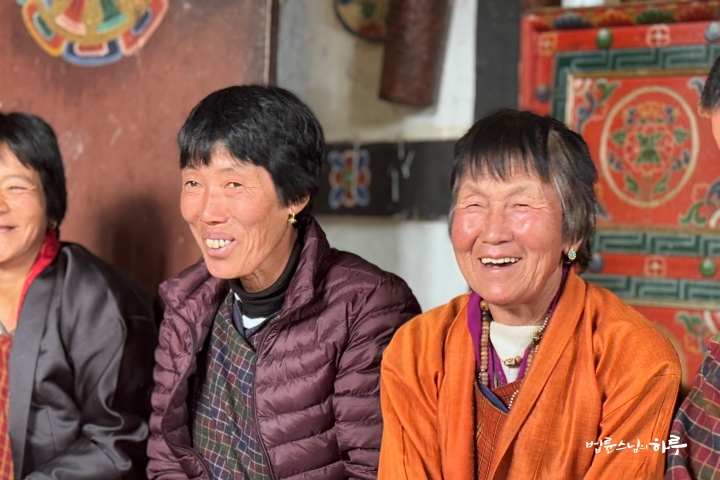
“I have ten children, but none of them work, so they can’t afford to build houses. I want to build houses for my children to live in.”
“Grandmother, why do you want to build new houses when you can renovate the existing one?”“I need to build houses while I’m alive so my children can live in them.”
“Yes, I want to live comfortably.”
“In that case, support is possible.”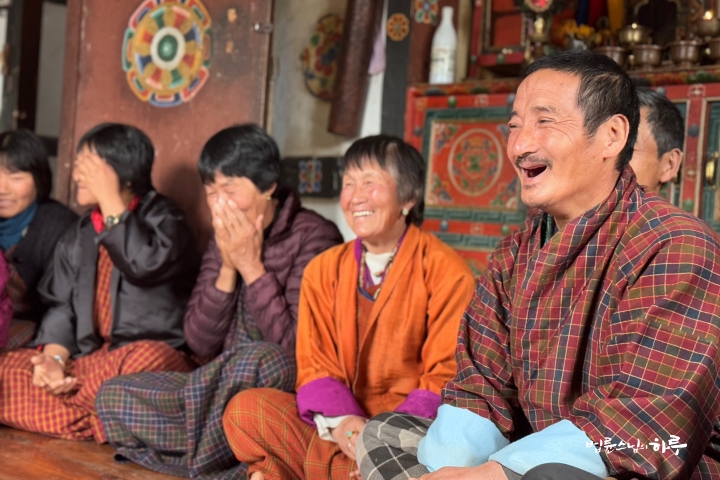
After concluding the meeting with Gakal residents, Sunim returned the chili peppers and rice that the residents had offered. During the conversation, the wind grew stronger, and the weather became cold enough to see one’s breath. The villagers suggested that Sunim have a warm cup of tea before leaving.
While drinking the tea prepared by the villagers, Sunim briefly chatted with the Gup. The Gup agreed with Sunim’s approach to conversing with the villagers and JTS’s support methods, saying:
“In the past, the government used to provide everything unconditionally, but now the government is also minimizing support and looking for ways for residents to manage on their own. This trend will continue in the future.”
At 3 PM, they arrived at Semji village in Ji Chiwog, the last site to be surveyed for the day.
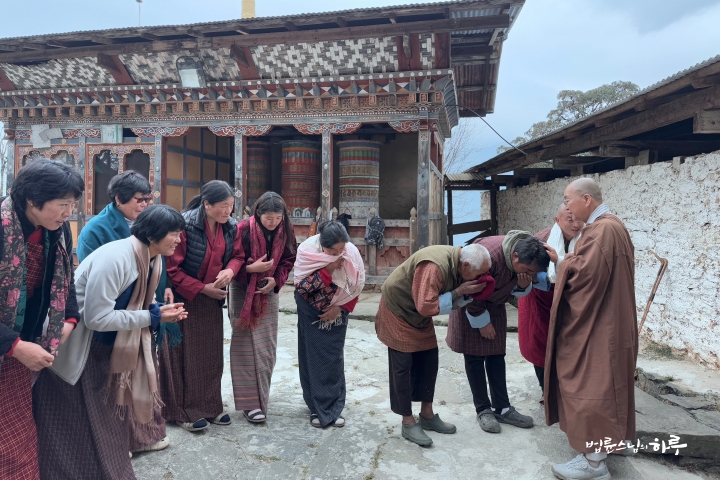
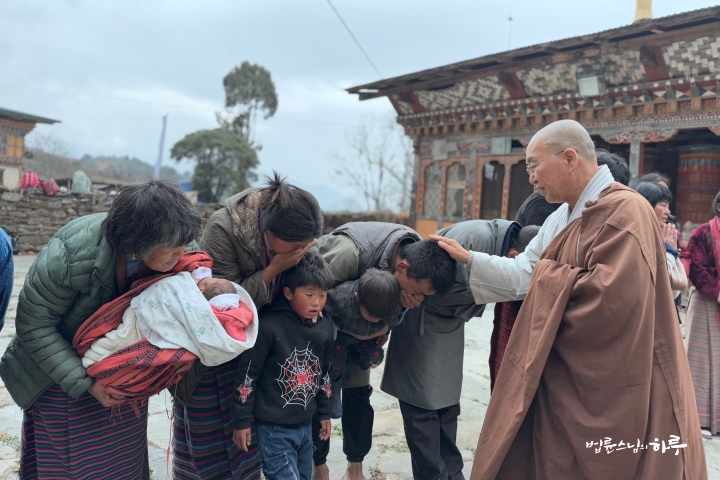
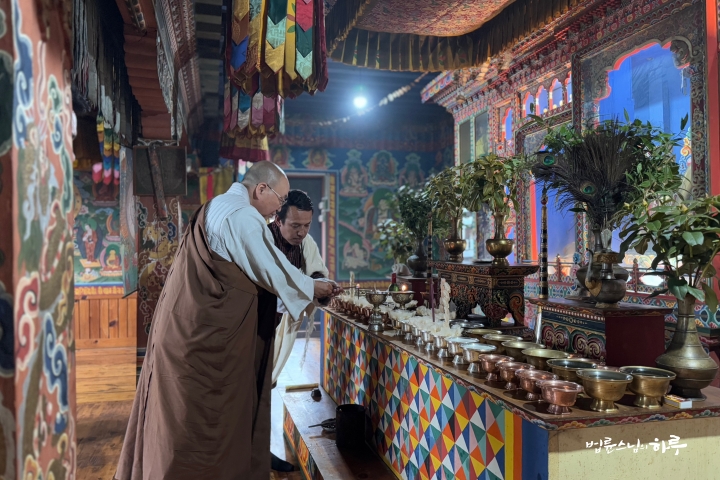
The conversation with the residents was scheduled to take place at the temple in Semji village. After paying respects at the temple and participating in a welcoming ceremony, the dialogue with the residents began.
“It’s nice to meet you. The JTS project aims to improve our living conditions. It’s not a project to increase income. It’s about making our current living conditions a bit more convenient. Even though we live in the countryside, we want to make our homes clean and comfortable, not envying city dwellers. Many elderly people live in rural areas, and they’re not in good health. We want to help them live a bit healthier through some minor treatments.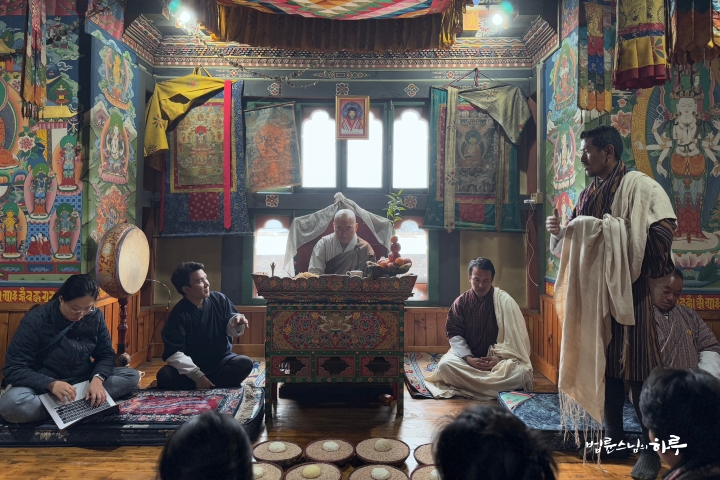
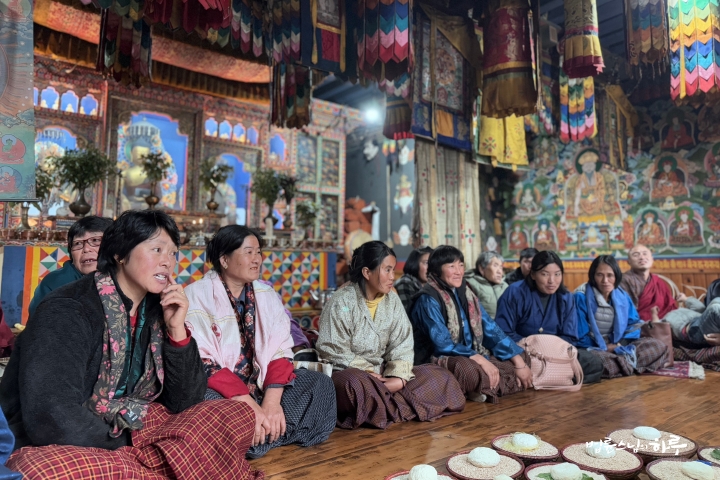
Sunim explained the purpose and content of the JTS project in detail to the residents of Semji village. Then, an elderly man who had difficulty hearing and speaking requested a house to be built for him. Sunim responded:
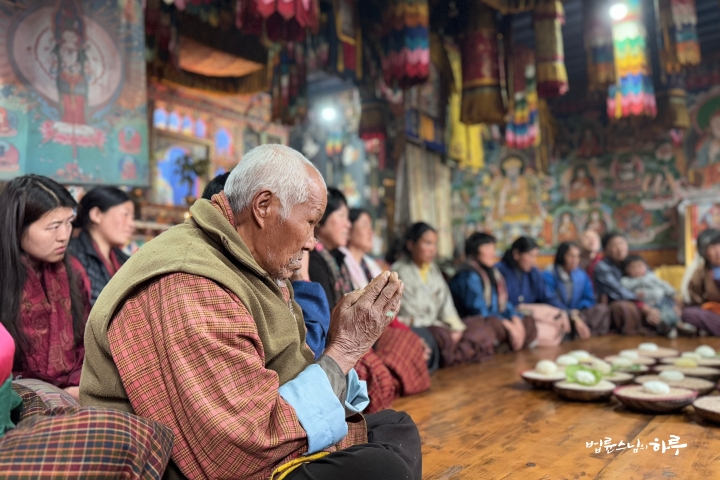
A villager spoke on behalf of the elderly man who couldn’t speak:
“This elderly man says he wouldn’t feel comfortable living in someone else’s house. He’s requesting a house where he can live alone.”
Sunim replied:
“In that case, the villagers can discuss and consider repairing the house where he currently lives. Whatever you decide, please discuss it with the Tshogpa and the villagers.”The elderly man was hard of hearing and had difficulty speaking. Throughout the conversation, a villager helped by using sign language to facilitate communication between the elderly man and Sunim. When told that a house could be built, the elderly man put his palms together and half-bowed to Sunim.
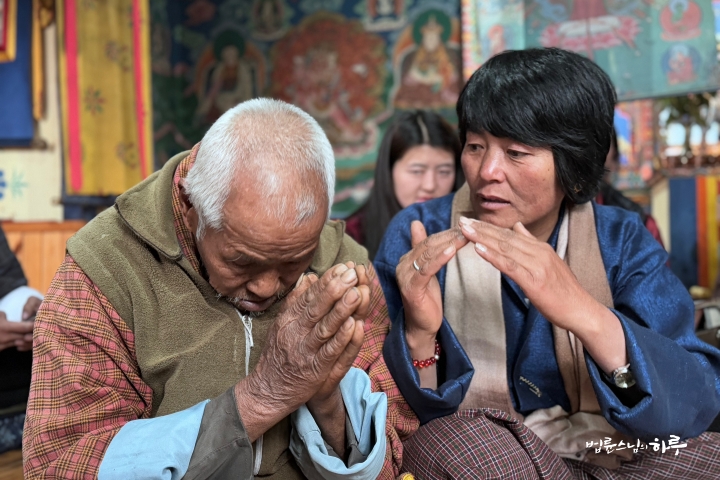
Sunim once again explained the content and purpose of the JTS project and concluded the dialogue with the residents.
“Let’s work together to build houses for those without homes, repair houses for those with poor living conditions, build fences around fields, connect water pipes, improve irrigation channels, and do other such tasks. Let’s make our village a little more comfortable to live in.”After completing all the planned site visits for the day, Sunim moved to his accommodation. Upon arriving at the lodging at 5:10 PM, Sunim instructed the vice abbot and administrator to find ways to systematically care for the homeless elderly man with disabilities in Semji village. He then proofread manuscripts before concluding his daily routine.
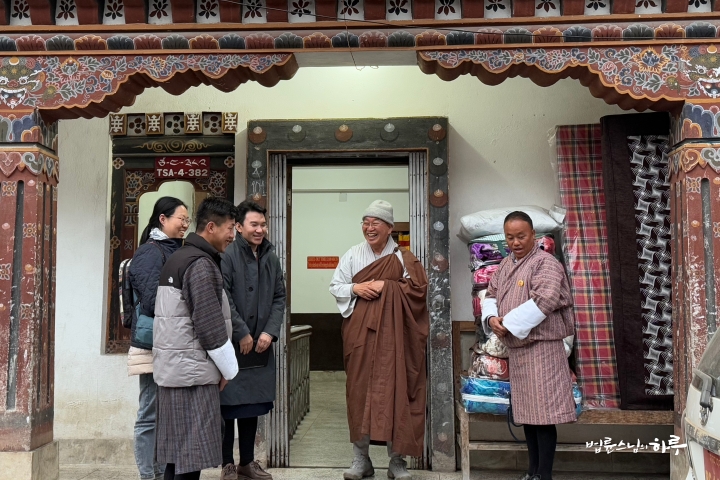
Tomorrow, he plans to visit two villages and have a meeting with Trongsa officials in the evening to summarize the findings from the site visits.
As there was no Dharma talk today, here is a last month’s Dharma Q&A.
How Can We Increase Our Self-Esteem?
“I’ve recently heard a lot about how having high self-esteem is necessary for happiness. However, I don’t fully understand the exact meaning of self-esteem or its scope. For example, when I’m severely scolded by my boss, is it considered building self-esteem if I think, ‘I’m a good person, so it doesn’t matter what that person says’? Some people around me say that self-esteem means thinking, ‘I’m still a good person regardless of what others say’ even when they’ve made a big mistake or committed a crime. I’m curious about what true self-esteem really is.”
“Usually, when the word ‘true’ is attached, it’s mostly a lie. There’s no need to add ‘true.’ Just state the facts. However, it’s very difficult for us to know the facts because we live with many misconceptions.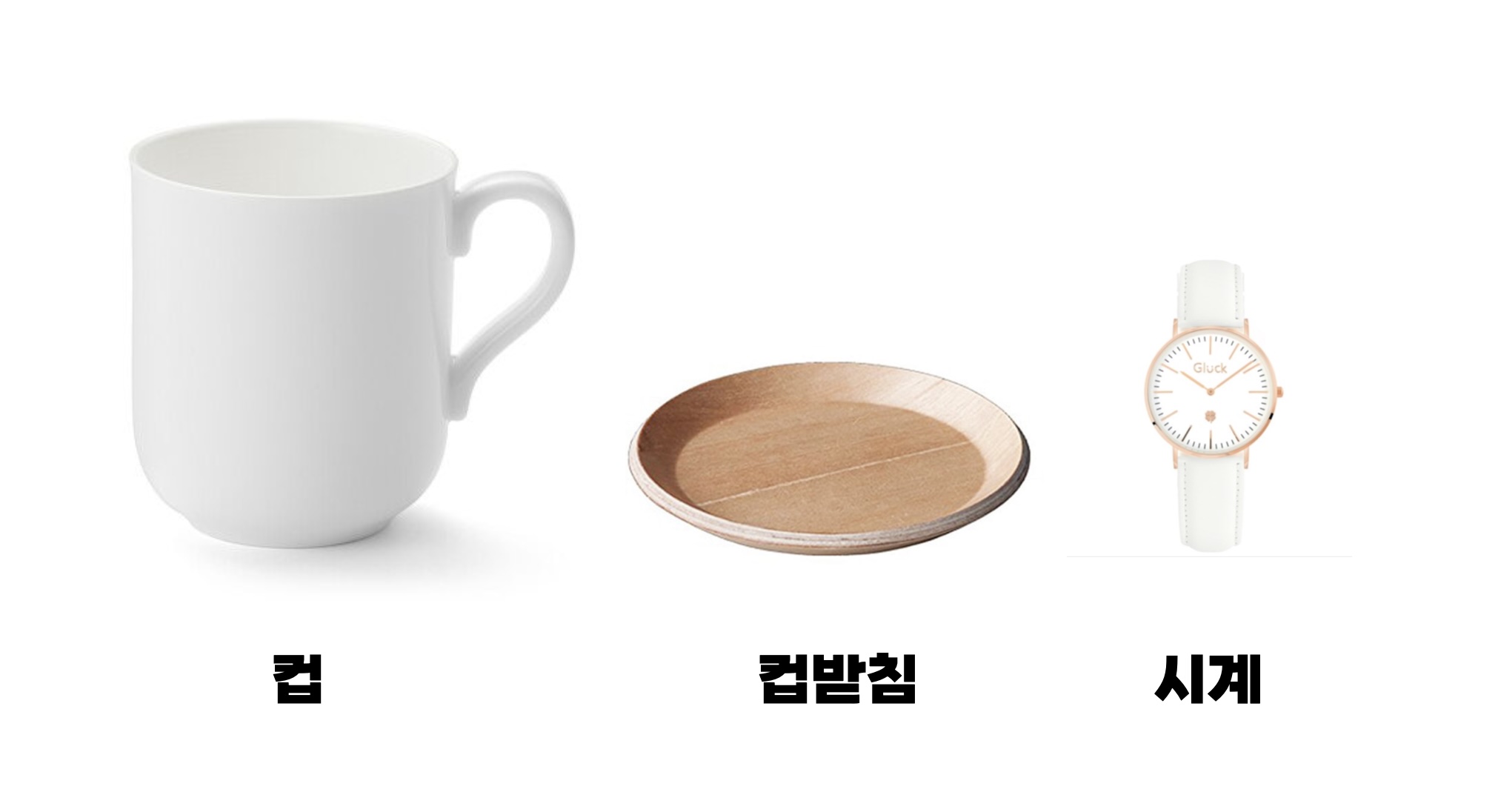
“It’s smaller.”
“Then compared to this clock, is this coaster bigger or smaller?”“It’s bigger.”
“You said this coaster is small once and big once. So, is this coaster big or small?”“It could be big or small. I’m not sure.”
“A college graduate doesn’t know if this is big or small?” (Laughter)“It seems small.”
“When asked if this is big or small, some people say it’s small, and others say it’s big. Those who say it’s big think they’ve objectively recognized that it’s big. Those who say it’s small think they’ve objectively recognized that it’s small. Both believe they’re telling the truth. This is where conflicts arise. ‘How can that person say something small is big?’, ‘How can that person say something big is small?’ We constantly conflict in this world, arguing about who’s right or wrong, correct or incorrect, big or small. But if we observe a little more deeply, this coaster is neither big nor small. It just is. Big or small doesn’t come from the coaster itself, but from the phenomenon that occurs when our sensory organs perceive it. When the coaster is with the cup, we perceive it as small, and when compared to the clock, we perceive it as big. We mistakenly think ‘it’s big because it’s big’ or ‘it’s small because it’s small’ when we perceive it. When we say ‘big’ or ‘small,’ it’s not that the object is objectively big or small, but that we perceive it that way. In Buddhism, this is called ‘all things are created by the mind’ (一切唯心造). Right or wrong, correct or incorrect, cheap or expensive – these don’t objectively exist that way, but are issues arising from our perception. For example, if one person says it’s big and another says it’s small, it’s not about who’s right, but that the two people have different perceptions. When one person says God exists and another says God doesn’t exist, we shouldn’t approach it as ‘whose words are correct?’ It’s just that the two people have different beliefs. So depending on the situation, some people might say the same thing is expensive, while others might say it’s cheap. Some might say ‘This item is new,’ while others might say ‘This item is old.’ These are all matters of perception. Then what is the essence of existence? Existence is just as it is. In existence, there’s nothing beautiful or ugly, big or small, good or bad. Existence is just existence. In Mahayana Buddhism, this is called ’emptiness’ (空). It’s expressed as ‘all existence is empty,’ but this doesn’t mean it doesn’t exist. It means it’s neither big nor small. It means it’s neither right nor wrong. In early Buddhism, this is called ‘non-self’ (無我). It means there’s no substance in that existence that’s big or small. It doesn’t mean that existence doesn’t exist. There’s no dirtiness or cleanliness, no bigness or smallness. It just exists. However, when we perceive, we sometimes perceive this as big, sometimes as small. Sometimes we perceive it as expensive, sometimes as cheap. Sometimes we perceive it as clean, sometimes as dirty. We perceive it in tens of thousands of ways. So it can be nothing, but it can also be anything. This is the essence of existence. Feeling inferior is the same. Feeling inferior is a matter of perception. It’s perceived that way in comparison to someone else. If a student who ranks 5th in class thinks ‘I’m good at studying,’ it’s because they’re comparing themselves to the 10th-ranked student. If they think ‘I’m bad at studying,’ it’s because they’re comparing themselves to the 1st-ranked student. When I have no money, the friend I meet might be considered well-off with about 100 million won. At that time, my dream might be to have 100 million won too. But does it end when I get 100 million won? No, it doesn’t. When I have about 100 million won, someone with 1 billion won appears among the people I meet. Then that person becomes the new point of comparison. Then I want to have 1 billion won too. When I had 100 million, I couldn’t even meet or think of meeting someone with 10 billion or 100 billion. But when I have 1 billion, I get introduced to or accidentally meet someone with 10 billion. So it never ends. When you’re 60, you might think you’re too old to start something new. But when you meet someone who’s 70 or 80, they tell you ‘You’re still in your prime.’ The social elders I interact with, even though they’re older than me, always treat me like a friend. Sometimes they ask, ‘How old are you this year, Sunim?’ When I answer ’70,’ they say, ‘Oh, you’re still in your prime.’ Originally, there’s no such thing as old or young. In Southeast Asia, I’m incredibly mystified. Southeast Asian monks, like our old ones, are treated as elders even at 60, with novices supporting them as they walk, but they’re amazed to see me, at 70, running around. All of this comes from perception based on comparison. Due to these perceptual issues, we live trapped in illusions like ‘I’m inferior,’ ‘I’m superior,’ ‘I’m good,’ ‘I’m bad.’ It’s not only the illusion of inferiority that brings us suffering. The sense of superiority also brings tremendous pain. I am just as I am. All existence is just as it is. When you realize this, whether others say it’s big or small, clean or dirty, you’ll just think ‘That’s how that person perceives it.’ Due to past habits, you might feel a bit uncomfortable at first, but looking back, it becomes nothing. This is self-esteem – having positivity about your own existence.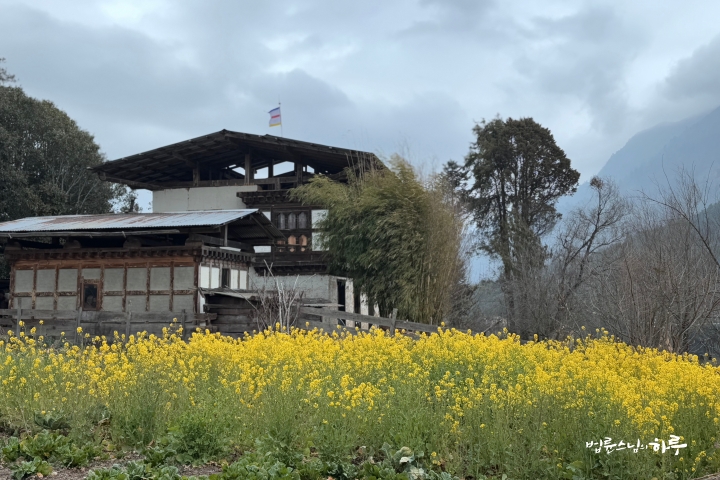
“Thank you. I understand well.”