The Best Pilgrimage Is Seeing the Landscape of the Mind
Jan 11, 2025 - India Pilgrimage Day 1, Opening Ceremony
Hello. Today is the first day of the 34th India Pilgrimage. In the early morning, Sunim conducted a Dharma Q&A broadcast for the Sutra Course, guided a tour of the Sarnath Museum in the morning, and held the pilgrimage opening ceremony in the evening.
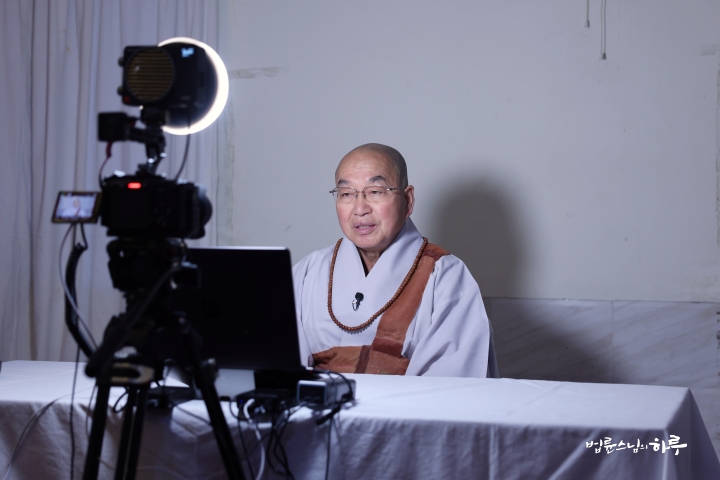
After completing his morning practice and meditation, Sunim conducted a live Dharma Q&A broadcast for the Sutra Course students from the meditation hall on the rooftop of the Myanmar temple at 6:10 AM. About 1,200 students connected online and greeted each other by waving their hands.
First, they watched a video showing the practical activities the Sutra Course students had been engaged in over the past month. Then Sunim began the dialogue.
.
‘We have accumulated great merit by making offerings to the Buddha until now. Won’t we lose that opportunity when the Buddha enters nirvana?’ The Buddha replied.
‘Ananda, do not worry. There are four kinds of offerings that bring the same merit as offerings made to the Tathagata. First is giving food to the hungry, second is giving medicine to the sick, third is helping the poor and comforting the lonely, and fourth is supporting those who practice purely. These four offerings bring the same merit as offerings made to the Tathagata.’ With this in mind, Jungto Society is doing its best to ensure that all the donations you make are used entirely to help people in need, rather than building temples.”Then Sunim took questions about topics that students had been curious about during their studies. Five people pressed the raise hand button and had a dialogue with Sunim. After answering questions for two hours, the live broadcast concluded.
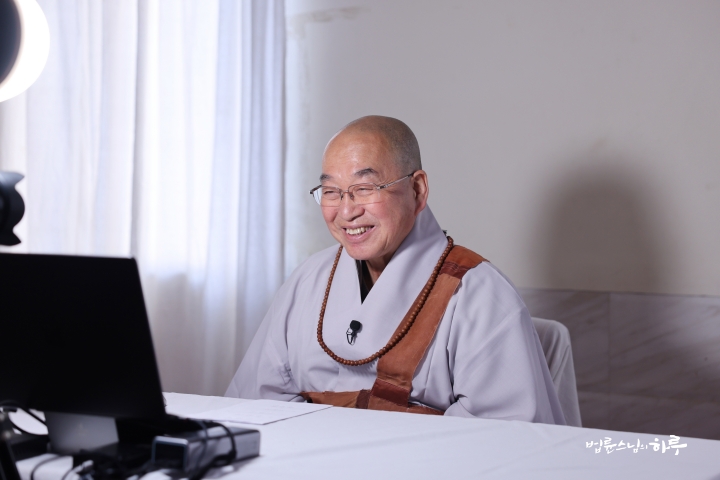
After the broadcast, Sunim had a brief conversation with the abbot of the Myanmar temple who had provided accommodation for the pilgrims and the venue for the broadcast. Sunim expressed his gratitude to the abbot and offered a donation.
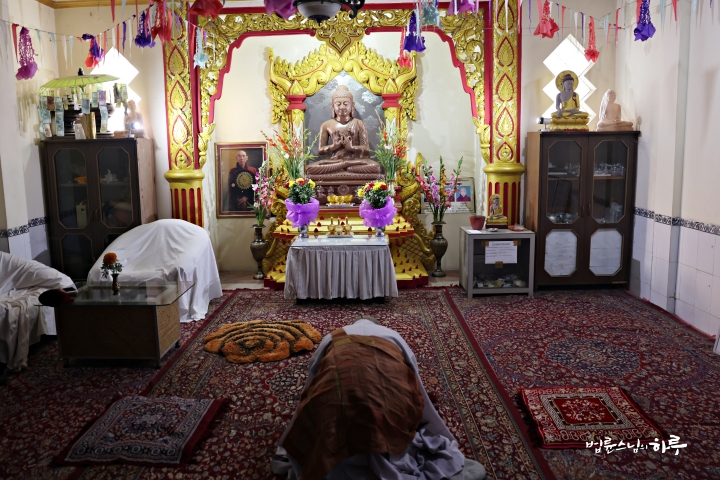
The abbot said he was from Chittagong in southeastern Bangladesh and belonged to the Rakhine ethnic group. Rakhine State, which borders southeastern Bangladesh, has been experiencing ongoing civil war between government forces and rebels for three years, and residents are facing severe food shortages. Sunim had tried to provide food aid to Rakhine State but found it difficult to obtain permission from the Myanmar government. He was exploring ways to provide support through the Bangladesh border region when he coincidentally met this abbot from that area.
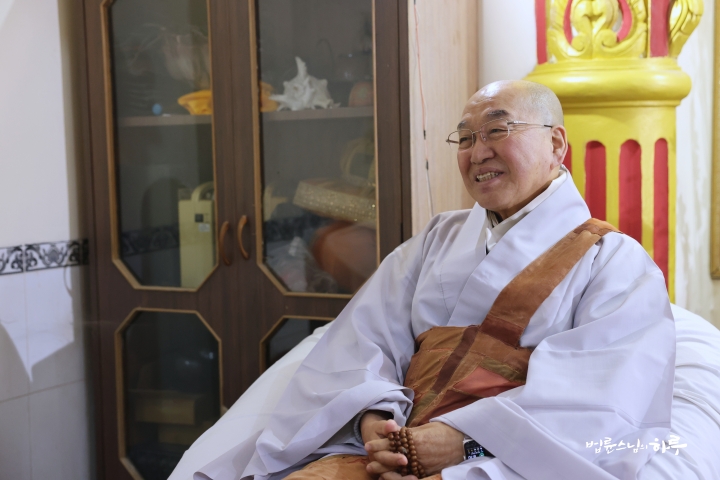
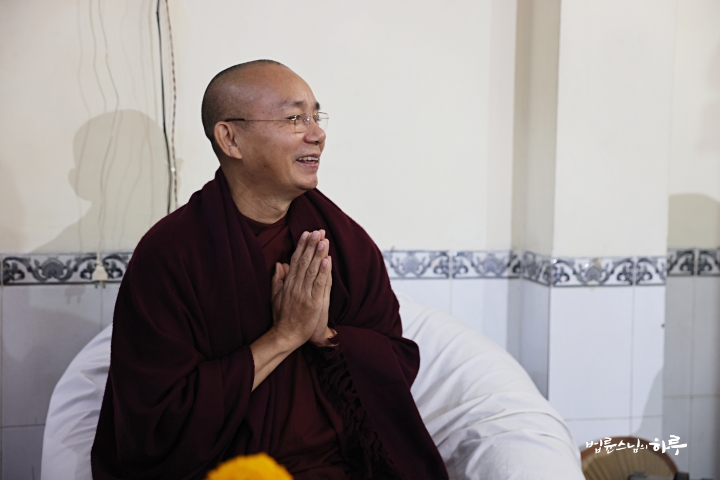
The abbot expressed his desire to help in assisting the residents. They agreed to stay in touch and then parted ways.
After returning to the accommodation for a brief rest, Sunim moved to the Sarnath Museum at 10 AM. The pilgrims had toured the Mulagandhakuti Vihara in groups with their assigned Dharma teachers that morning and were waiting for Sunim in front of the museum.
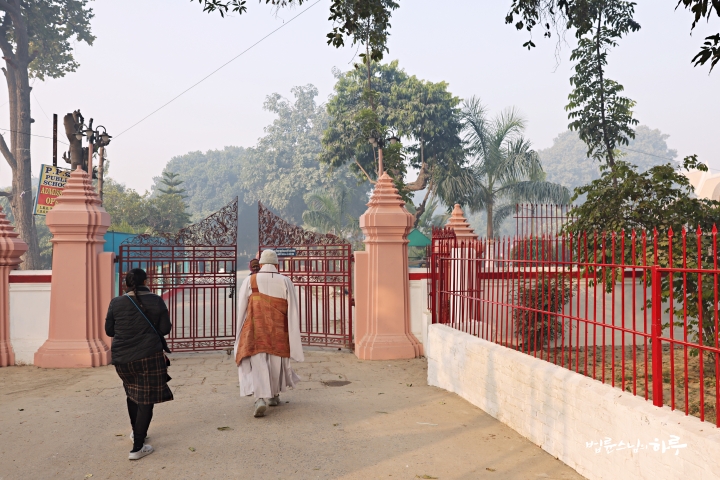
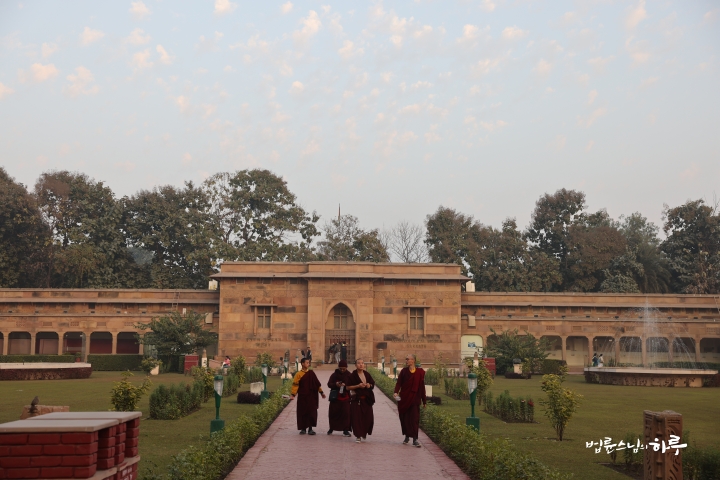
Sunim greeted the pilgrims warmly.
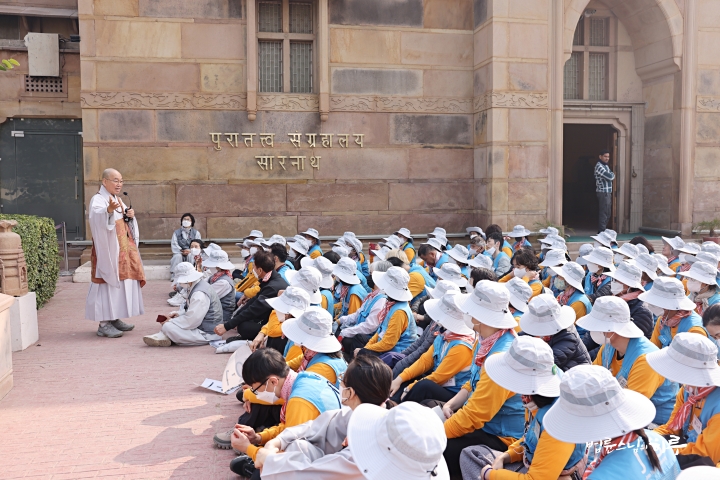
“No!”
The pilgrims responded energetically. Sunim explained the history and culture of India to help the pilgrims better appreciate the historical sites.
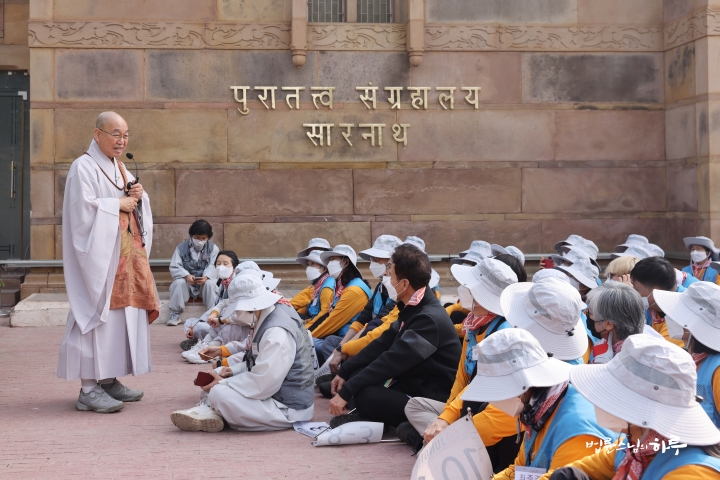
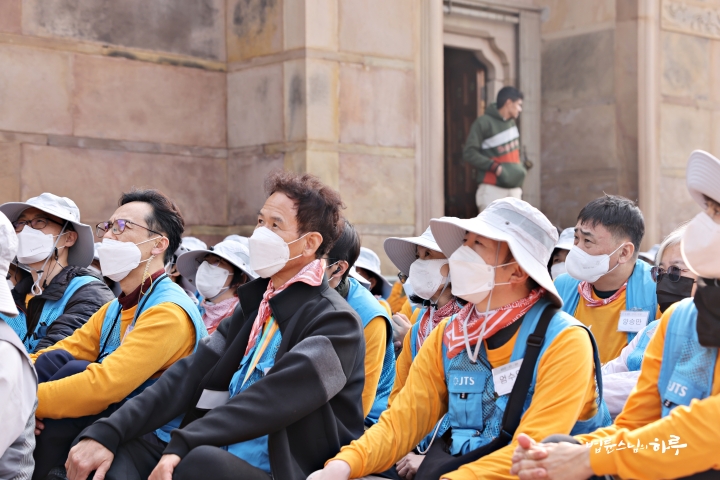
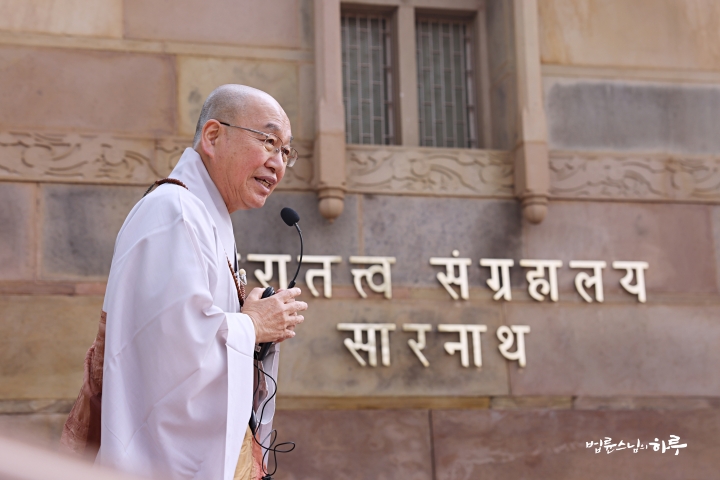
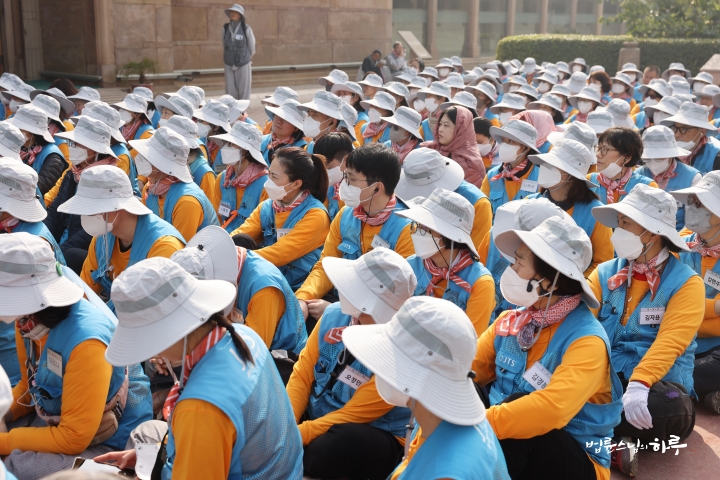
After finishing the guidance, Sunim briefly looked around the artifacts outside the museum.
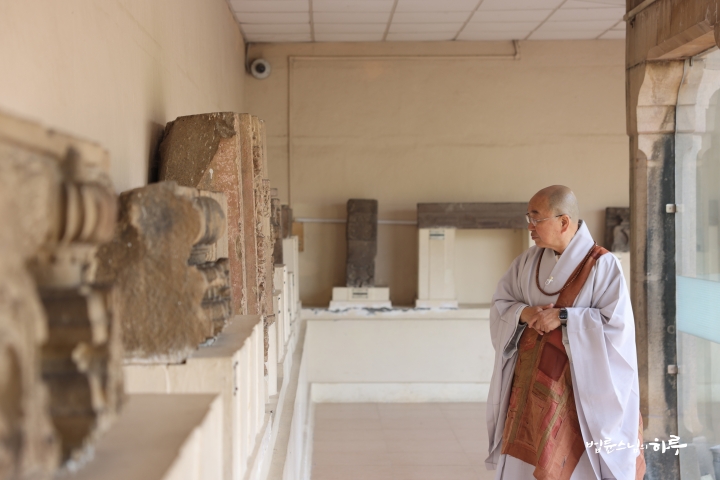
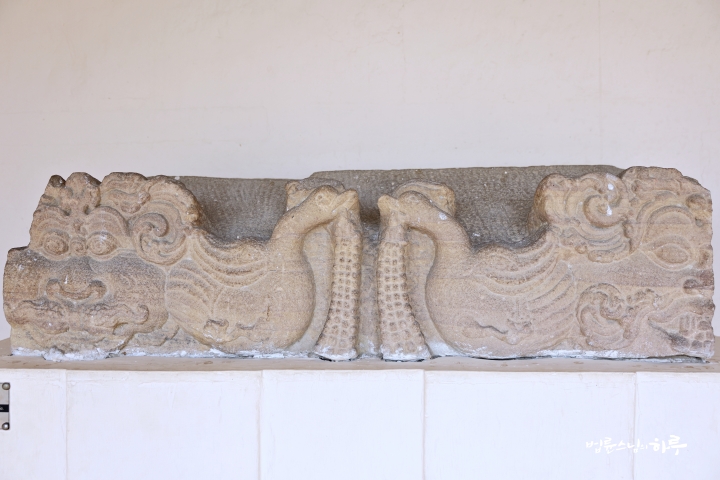
After examining the route to ensure pilgrims could view the exhibits in an orderly manner, Sunim returned to the lodging to check on the preparations for the 100-day practice.
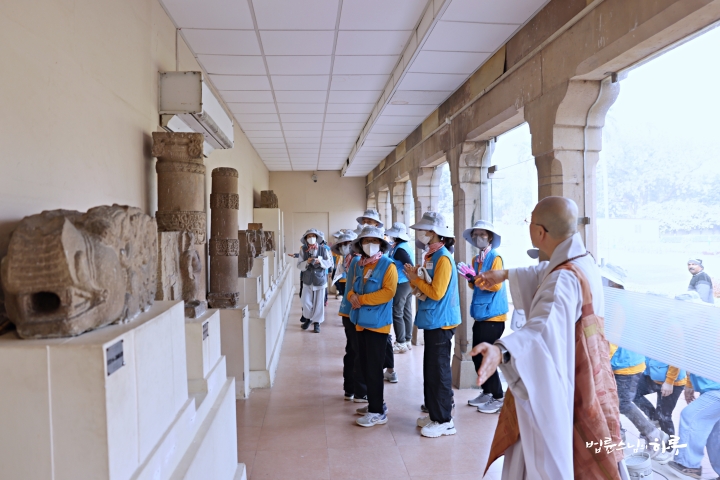
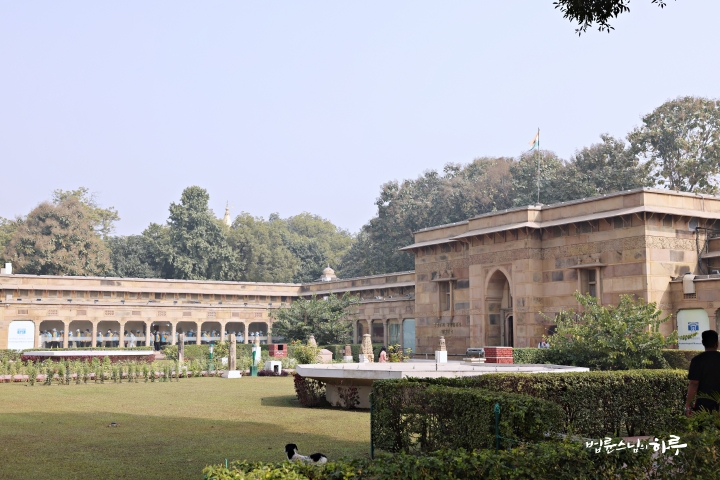
After finishing their museum tour, the pilgrims headed to the Ganges River with their group leaders. In the streets of Sarnath, pilgrims lined up to wait for rickshaws.
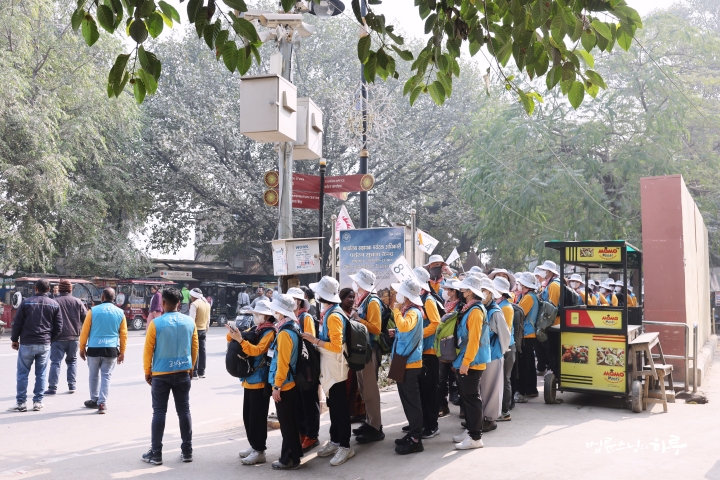
At 2 PM, all 400 members of the pilgrimage group safely arrived in Varanasi, including the 67 pilgrims who departed last from Korea and the 173 who were scheduled to join in Varanasi.
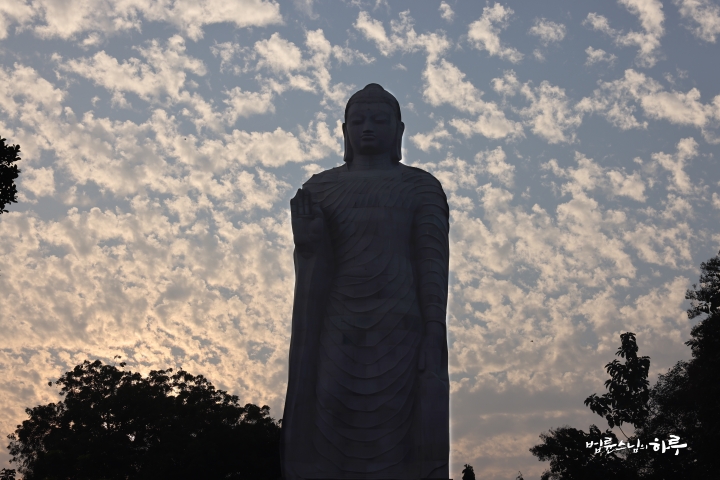
As the sun set and 6 PM approached, the opening ceremony for the 34th pilgrimage began in the Vipassana Hall of the Thai temple.
First, small gifts were presented to the drivers who had safely transported the pilgrims from Delhi to Varanasi and would continue to accompany them throughout the pilgrimage.
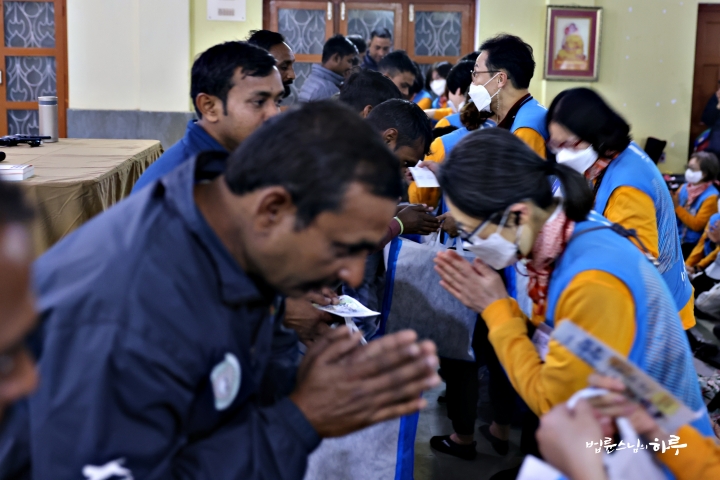
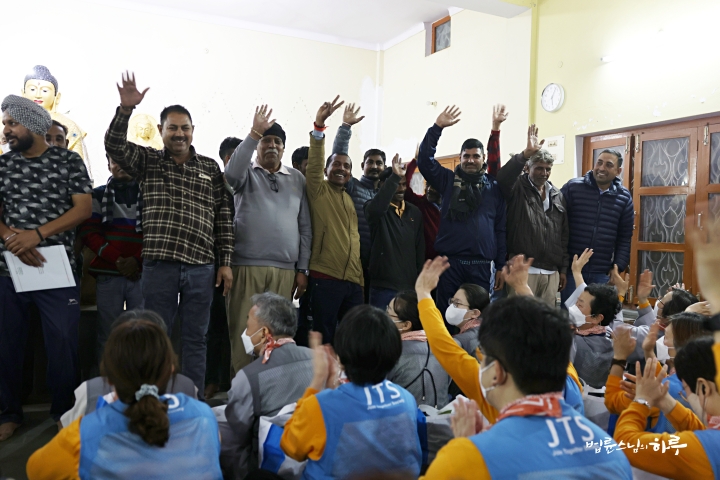
Next, the lead Dharma teachers, bus captain, and team leaders for each vehicle were introduced.
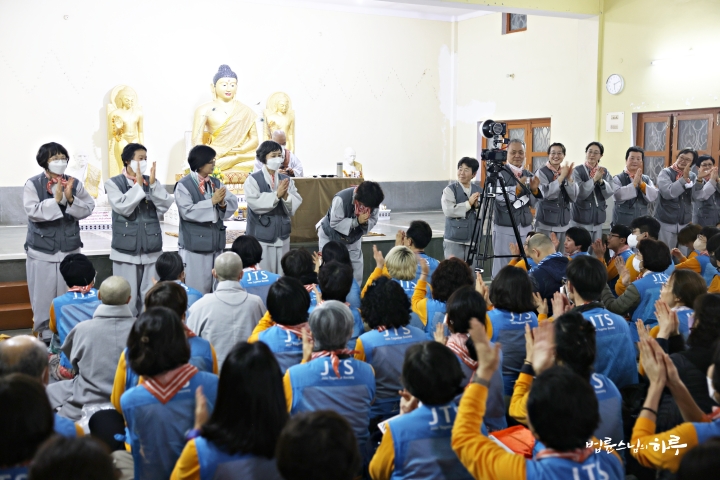
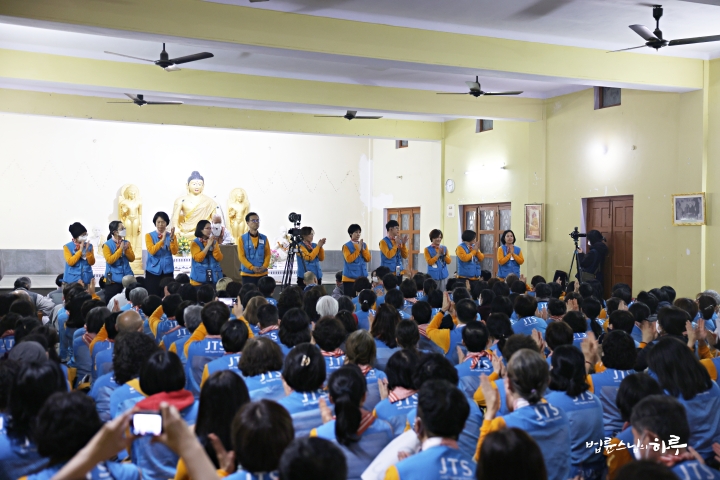
Finally, the staff members were introduced.
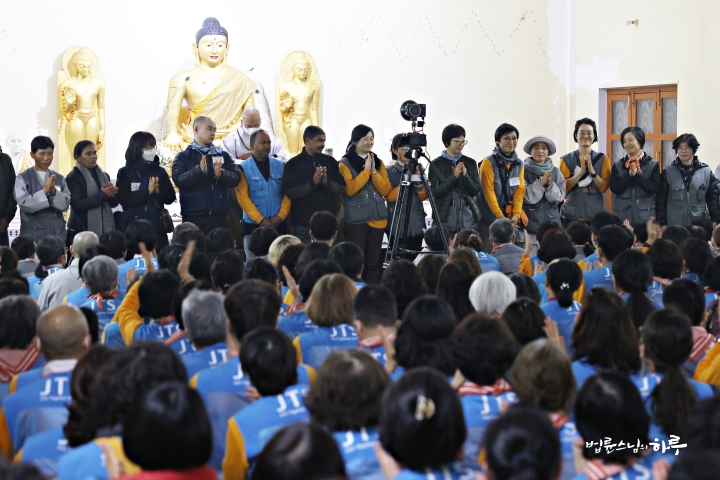
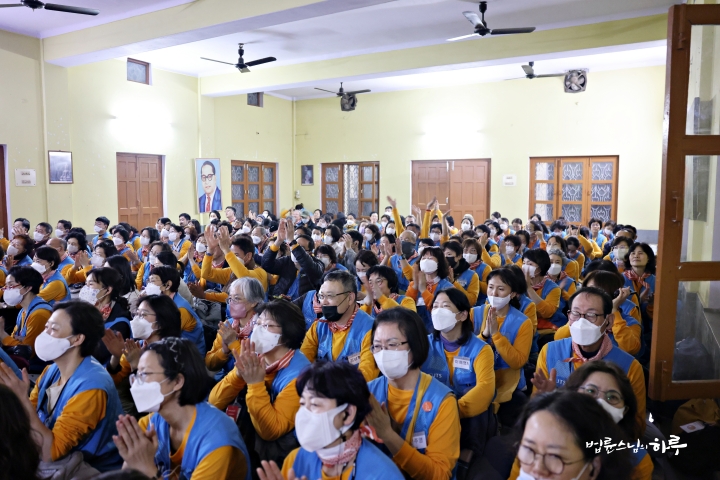
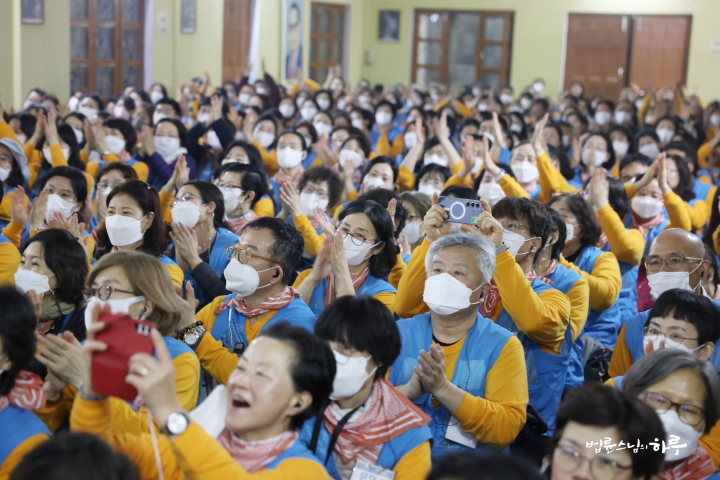
The pilgrimage group applauded warmly as each person was introduced. All are precious connections who will share this 34th pilgrimage. The Dharma teachers guide the group and provide overall schedule information, while the bus captains and team leaders take care of individual members. Medical professional Jungto practitioners monitor the group’s health, and staff members work behind the scenes to ensure the pilgrimage runs smoothly. In this way, everyone’s dedication and roles come together to complete the mosaic Buddha.
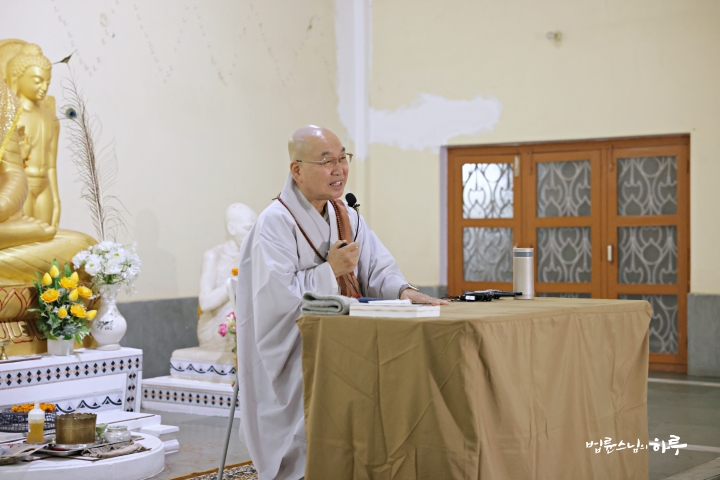
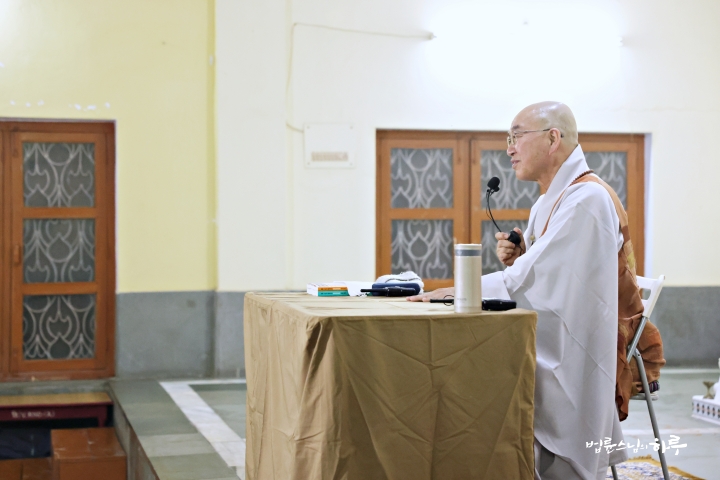
After the introductions, Sunim began his opening Dharma talk.
“Although we call it a pilgrimage because we’re visiting sacred places, from a Buddhist perspective, it’s not accurate to say that there are particularly sacred lands or especially sacred days. This is because the Buddhist teaching is that all phenomena are empty.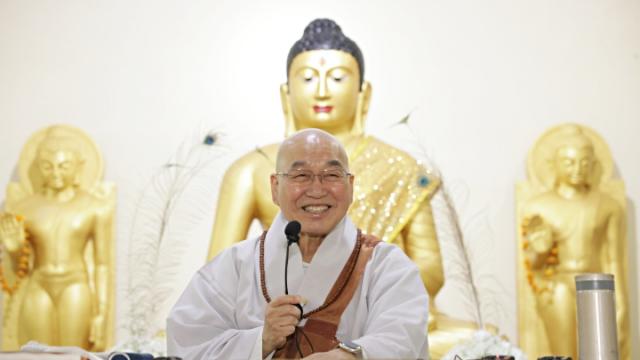
The Reason for Pilgrimage
A pilgrimage is about following in the footsteps of Gautama Buddha, our great teacher whom we respect most and consider our role model. Studying Buddha’s footsteps through books and videos in Korea can be somewhat abstract, limited to memorizing or understanding with our minds. The reason for pilgrimage is to learn vividly how Buddha actually responded to many problems in this world during his time, and how he guided people who were suffering and in anguish to find their way out of suffering. We’re doing field study, like going to Lumbini in Kapilavastu where Buddha was born and realizing, ‘Oh, he was born in this kind of natural environment, among these kinds of people.’ You may have forgotten, but you’ll be learning in the field what you’ve already studied. We’ll directly visit the places where various events occurred: the east gate of Kapilavastu where Buddha left for his spiritual journey, Bodh Gaya where he attained enlightenment, the story of the angry elephant sent to harm Buddha, the story of Devadatta throwing a rock and injuring Buddha’s leg, the story of a murderer appearing to harm Buddha, and so on. When you go to these places and see and hear about them, you’ll remember what you learned before, and when you tell these stories to others in the future, they’ll be ten times more vivid.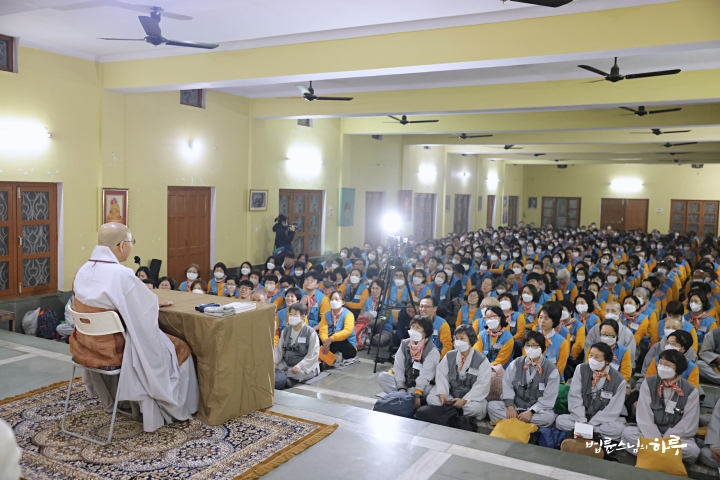
“We don’t.”
“If you say you’re here to follow in Buddha’s footsteps but complain about food, clothing, or sleeping arrangements, then there’s no point in coming on this pilgrimage. The Buddha lived like this without any complaints, suffering, or sadness. Yet he still helped others.Think of the Buddha Whenever Complaints Arise
Of course, this doesn’t mean that complaints shouldn’t arise at all. It’s unavoidable that words sometimes slip out without us realizing. How can we control it if complaints keep coming out despite our efforts? It’s best not to complain, but even if complaints do arise, remember the Buddha. The reason we learn Buddha’s teachings is to learn how not to complain in these situations. That’s why we’ve spent money to come all the way here. We’re not here for sightseeing. If you want to sightsee, you should go on an overseas trip, not a pilgrimage.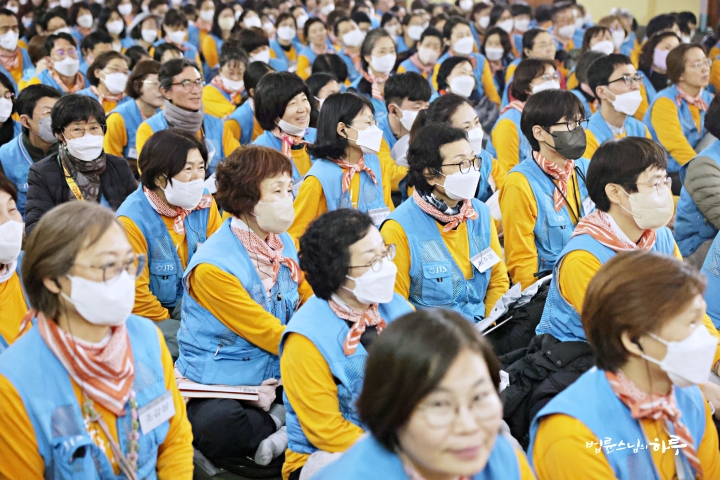
The Best Pilgrimage Is Seeing the Landscape of the Mind
Under the same conditions, some people complain while others are always smiling. Observing this, you should be able to realize, “This is my karma,” or “This problem arises from my stubborn habits.” This doesn’t mean you shouldn’t get irritated or angry. In the same situation, if you can recognize, “It’s me who’s getting irritated,” or “It’s me who can’t bear this,” that’s a significant gain. Seeing yourself means seeing your karma. There’s no need to be too tense. Inevitably, even if you try to hide it, your true nature will come out after just three days here. Observe carefully when your temper flares. When a child begs, at first you might feel pity and pat them, but if they keep following you, you’ll soon snap, “I already gave you something!” Both the giving and the anger come from your own mind. The child is just continuing to follow you, whether you give or not. If you make your pilgrimage about observing your own mind like this, you won’t feel that you’ve wasted money or time. If you get irritated because you can’t wash your face or because it’s noisy when you’re trying to sleep at night, the pilgrimage becomes hell. You can’t go back tomorrow because of your pride, and you have no choice but to stick together with them anyway, so it’s hell. So, it’s better for you to approach this with a joyful and positive mindset. Whether you came because someone recommended it, because you wanted to, or because you were forced to, you’re here now. There’s no use in thinking, “My wife told me to come, and now look at this.” Whether you’re injured because someone hit you, a rock fell on you, or you made a mistake, if your leg is broken, you need to go to the hospital first. Who’s at fault isn’t important. Similarly, since you’re already here, try practicing accepting this situation positively. The most important thing in a pilgrimage is to observe your own mind. As you see the local people and breathe in the dust, please observe your own mind.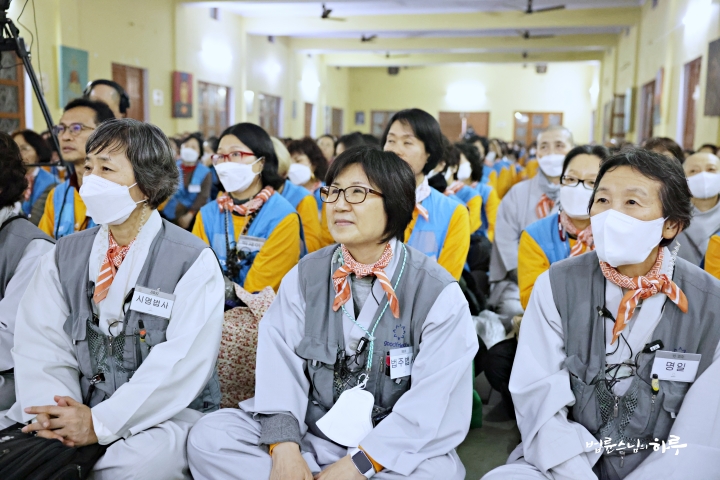
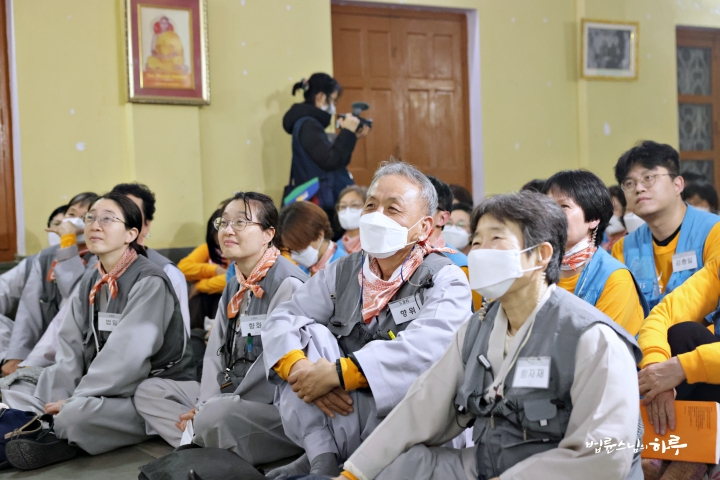
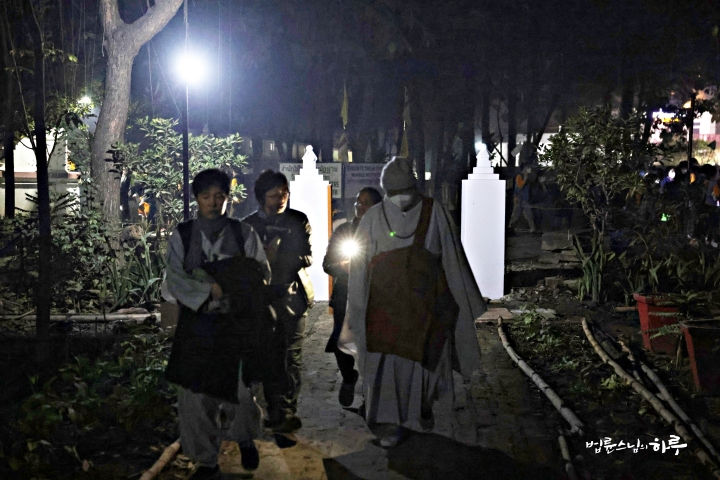
After the opening ceremony, the pilgrims returned to their respective accommodations to retire for the night.
Tomorrow, the precept ceremony is scheduled to take place in Sarnath, the site where Buddha gave his first sermon.