How can we reach an agreement when we have different opinions?
Nov 06, 2024 - Tea Meeting with Representative Lee Jae-myung, Invited Lecture for the 20th Anniversary of the Political Movement ...
Hello. Today, there is an invited lecture at the National Assembly of the Republic of Korea.
Sunim departed from Dubuk Retreat Center at 3 AM and headed to Seoul. After driving on the highway for 3 hours and 30 minutes, he arrived at the Seoul Jungto Center at 6:30 AM.

After breakfast, Sunim proofread manuscripts and attended to work before taking his seat in front of the camera in the broadcasting room at 10 AM sharp to begin the live broadcast of the Weekly Dharma Assembly.
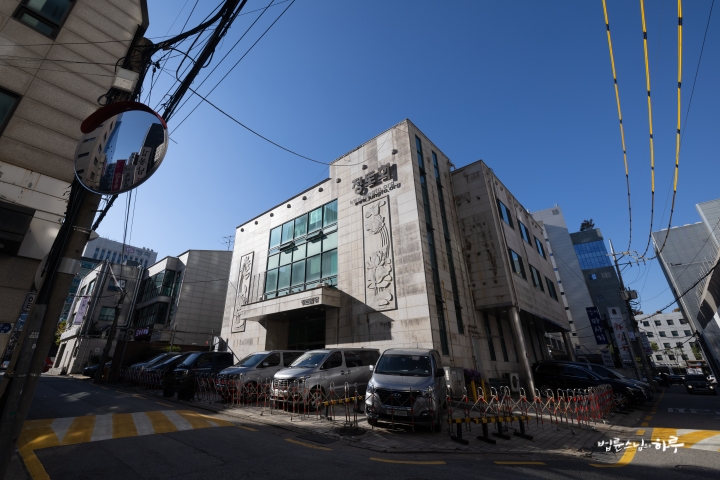
As all Jungto Society members entered the video conference room, Sunim greeted them.
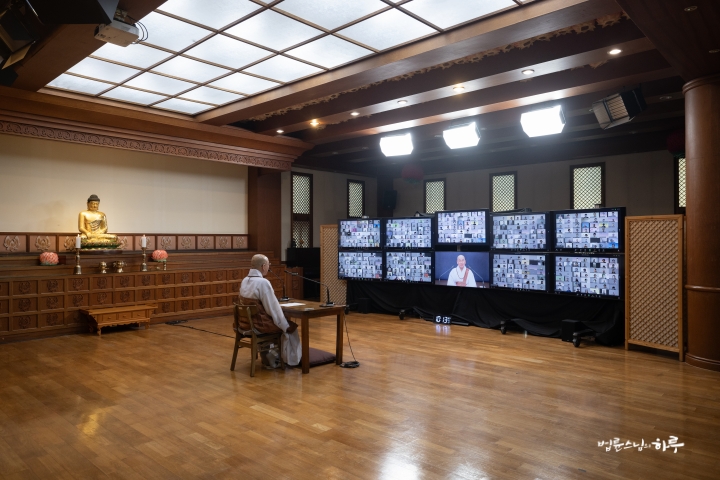
After watching the video, Sunim continued speaking.
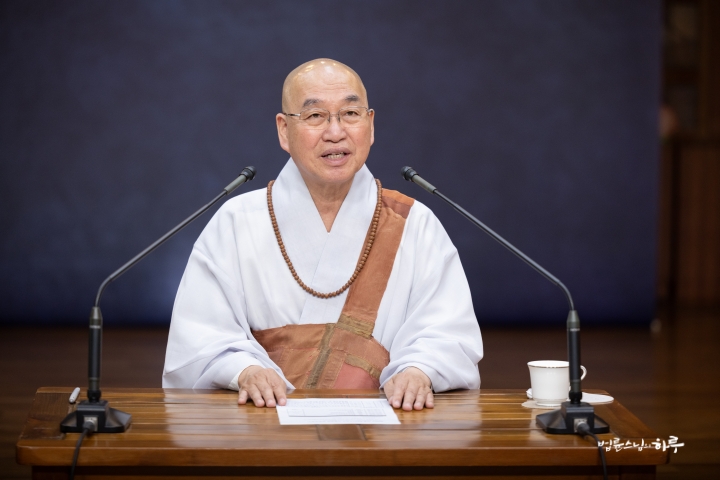
Sunim then had conversations with four people who had submitted questions in advance.
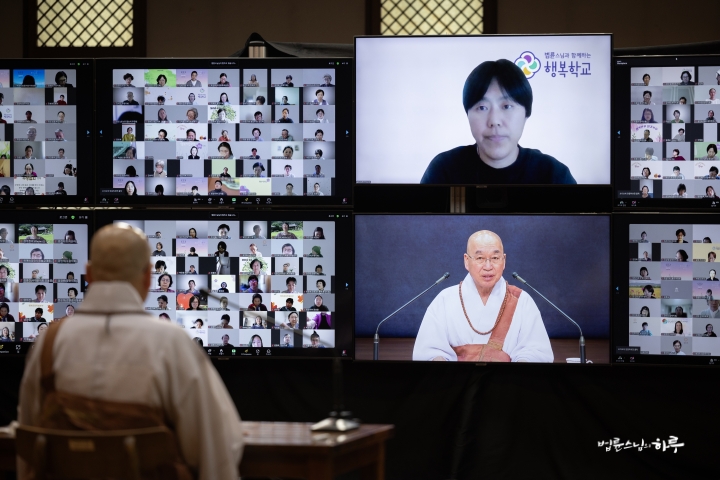
There is a precept in the Five Precepts that says not to kill, but I feel guilty every time I kill flies or mosquitoes, as if I’m always breaking the precept.
I don’t understand what it means my own habits can become my refuge.
I often get angry at my family members. How should I manage my emotions?
I was disqualified from the final screening for leading member education because I have to do shift work at my job. Is there any chance of leniency for unavoidable work-related cases?
After finishing the conversations, it was 11:30 AM. Sunim left the broadcasting room and headed to the Jungto Social and Cultural Center to have lunch with the Women’s INEB participants.
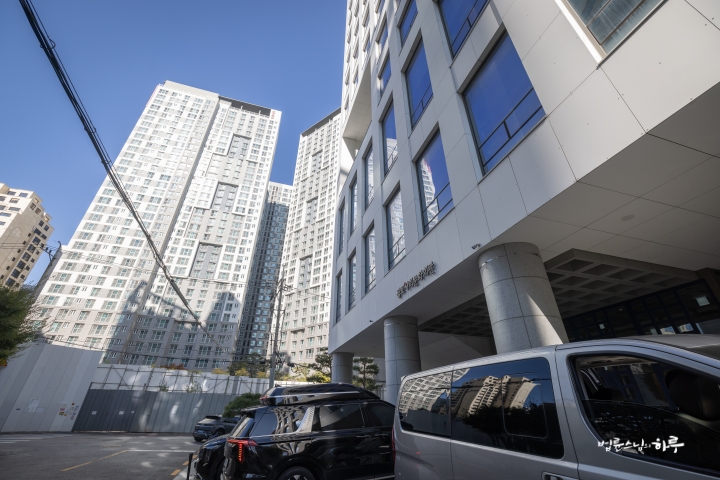
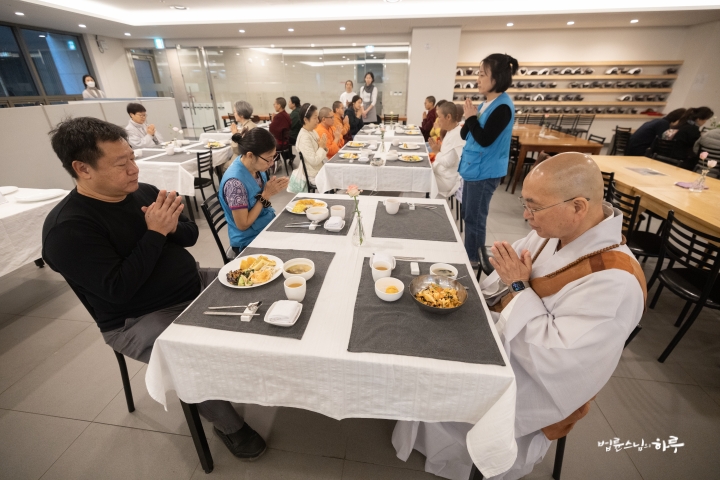
In the basement dining hall, volunteers had prepared food for the Women’s INEB participants with great care. Sunim thanked the volunteers.
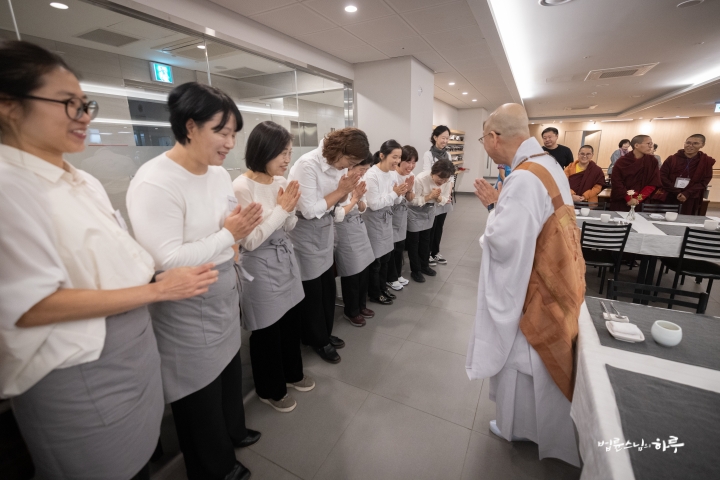
Bhikkhuni nuns from Sri Lanka offered a blessing prayer for the volunteers who prepared the food.
After finishing the meal, Sunim immediately headed to the National Assembly. He was invited as a speaker for the 20th anniversary ceremony of a National Assembly research group called ‘Political Forum for Unity’. Upon hearing this news, Democratic Party leader Lee Jae-myung requested a tea meeting to hear Sunim’s thoughts on the current state of affairs.
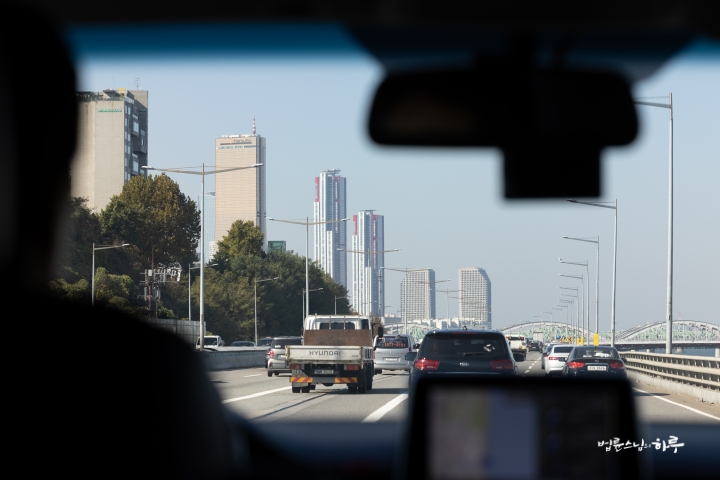
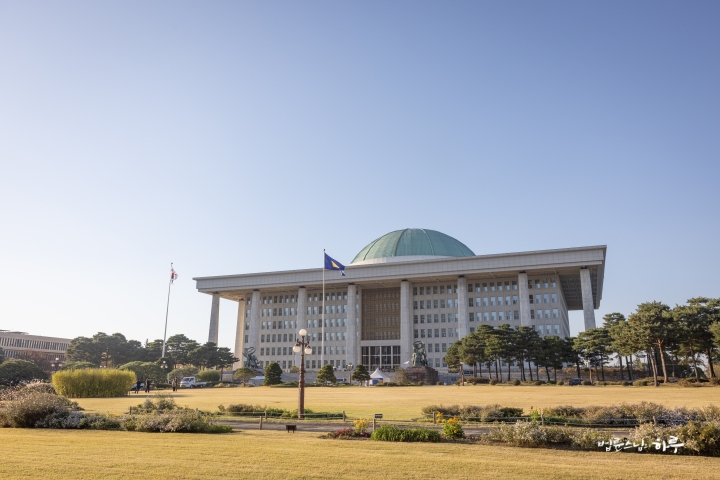
At 1:20 PM, Sunim arrived at Sarangjae in the National Assembly in Yeouido, Seoul. As Sunim got out of the car, Democratic Party leader Lee Jae-myung personally greeted him.
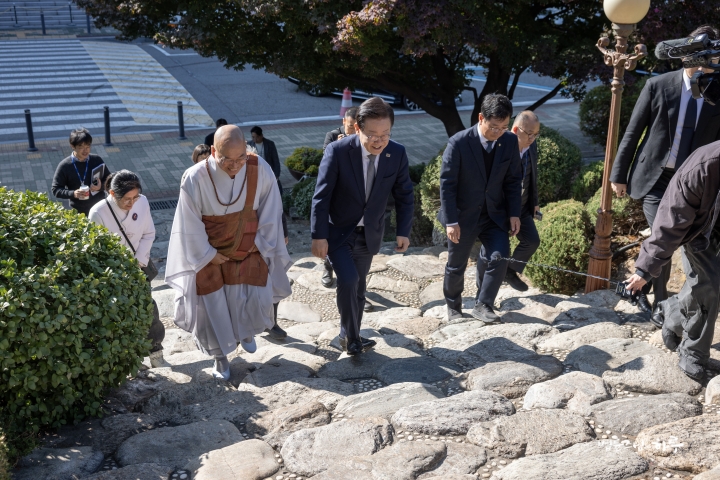
“Welcome. It’s been a while since you’ve come to the National Assembly, hasn’t it?”
“Yes, it’s nice to see you.”After exchanging greetings, they walked to Sarangjae. Dozens of reporters competed for coverage at the photo zone.
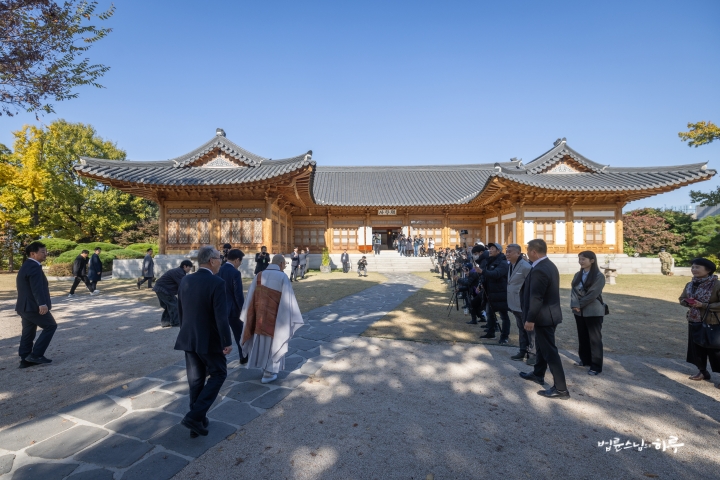
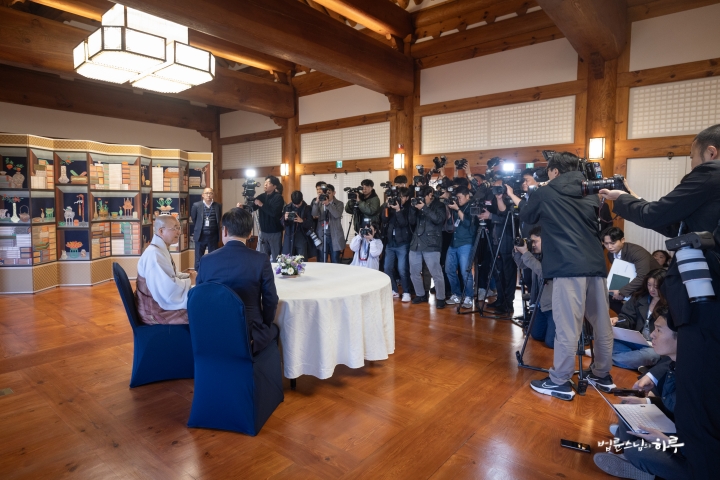
The War Crisis on the Korean Peninsula Has Become Serious, and I Would Like to Hear Sunim’s Thoughts
The tea meeting was to be held privately, but the first 5 minutes were allowed for media coverage. First, Democratic Party leader Lee Jae-myung asked Sunim for his thoughts.
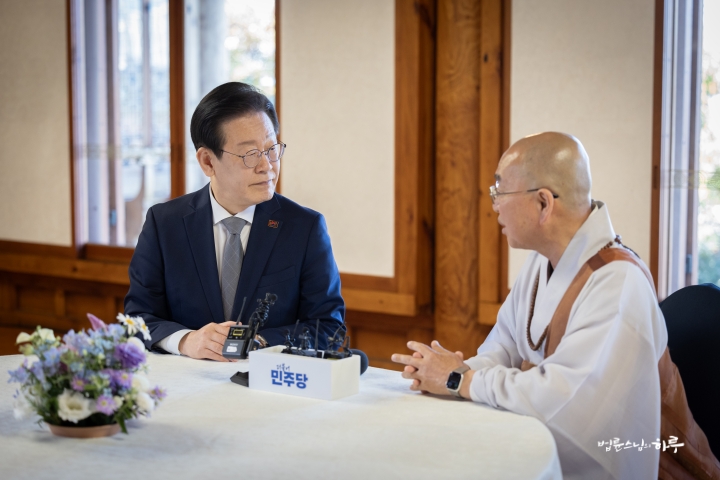
“These days, the world is in turmoil, people are struggling with making a living, and especially the risk of war on the Korean Peninsula has increased and the peace issue has become serious, so I wanted to hear your thoughts.”
In his opening remarks, Sunim emphasized three points: the war crisis on the Korean Peninsula, the seriousness of the medical crisis, and the difficulties of the common people’s economy. He urged the Democratic Party to actively work towards solving these problems instead of just blaming the government.
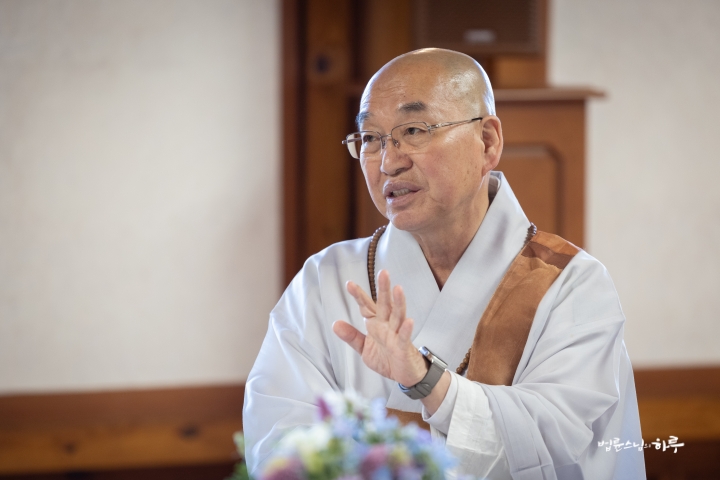
“That’s not the case, but it might appear that way.”
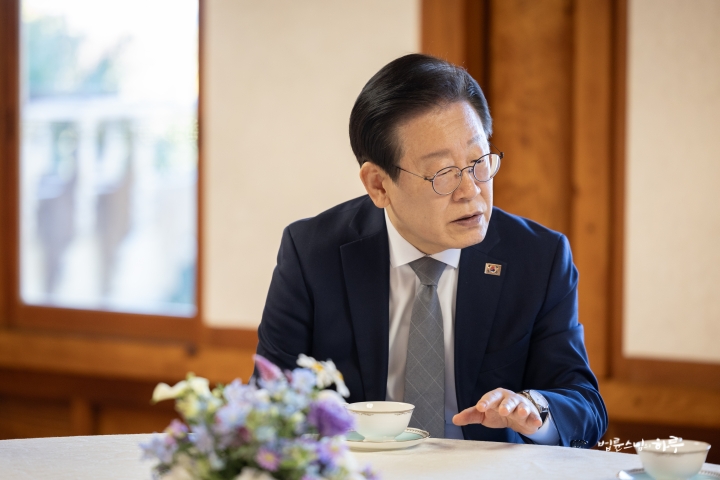
“That’s not the case.”
“Third, the common people’s economy, especially centered around small businesses, is very difficult now. Because the common people’s economy is so difficult, I recently traveled from Seoraksan (Mt. Searak) along the east coast to Geoje Island. About 80 percent of the accommodation businesses were almost closed. While we can’t revive all small businesses, I think it’s very important to help them land softly to minimize damage. But I’m concerned that the political sphere might be continuing to neglect this issue. I think there needs to be care at the government level for the difficulties faced by small and medium-sized enterprises and self-employed individuals.”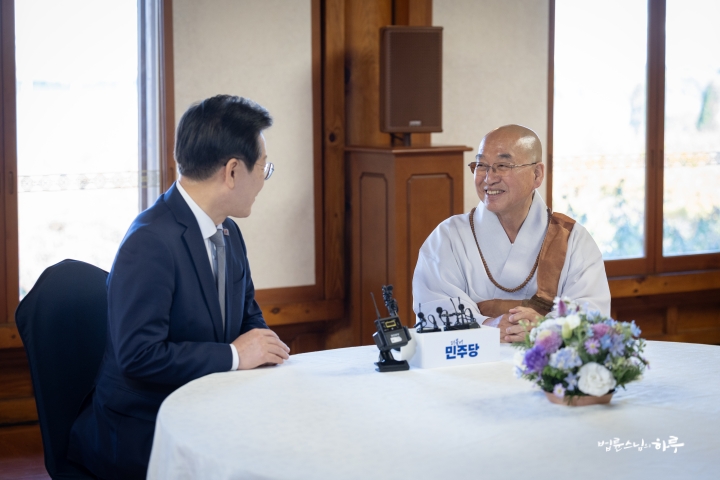
“That’s right. I actually wanted to hear such words from you, which is why I asked for your time.”
“Of course, I think the biggest problem is the government’s inadequate measures. But I also think the Democratic Party, which holds the majority in the National Assembly, bears a great responsibility. We can’t solve this problem just by blaming the government. In that sense, I hope you will respond actively.”“I understand well.”
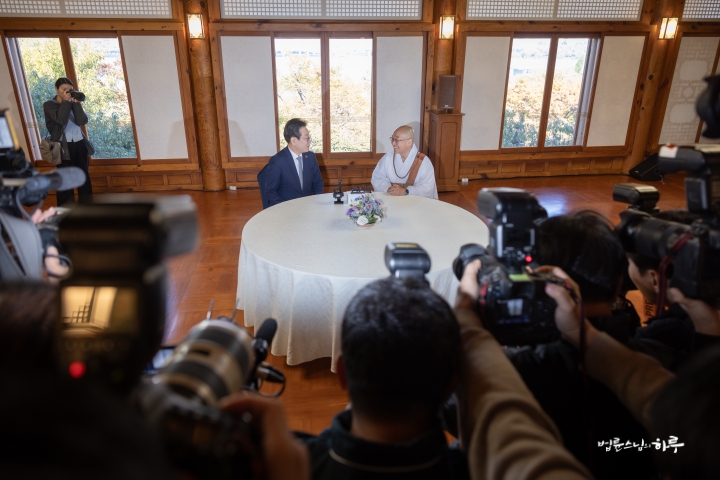
After these opening remarks, they had a private tea meeting for about 30 minutes. Once all the reporters left, the two had a more candid exchange of views on current national issues.
Park Nam-soo, former head of Cheondogyo, also joined the private tea meeting as a representative of the Religious People’s Association for Reconciliation and Peace of the Korean People, conveying the points of greatest concern to the people, including the risk of war on the Korean Peninsula.
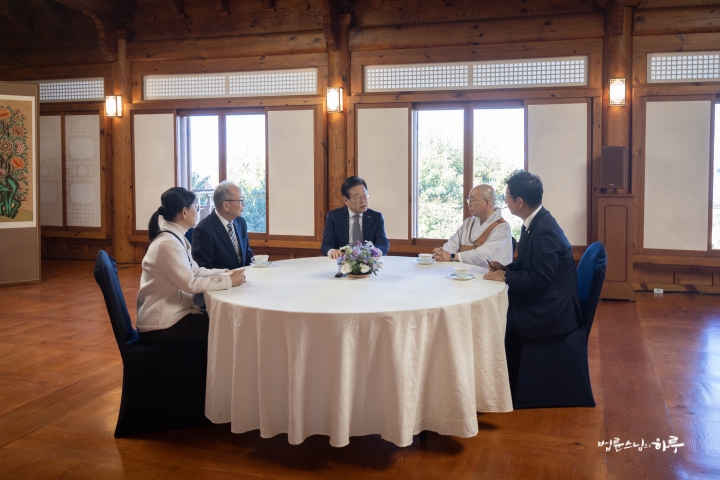
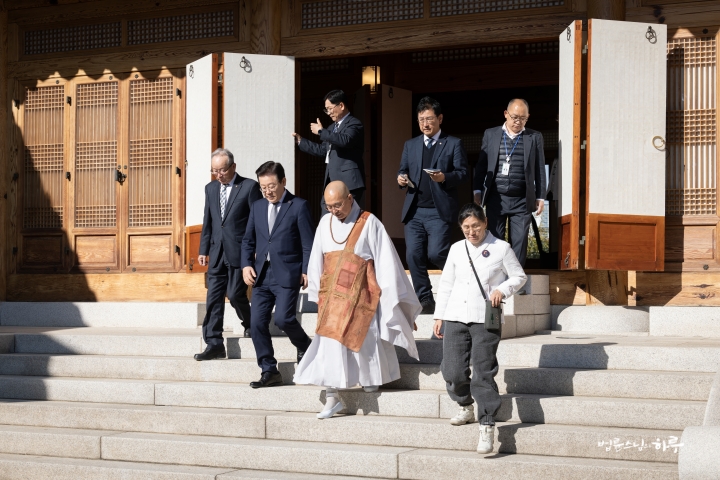
After finishing the tea meeting, Sunim left Sarangjae, exchanged greetings with Lee Jae-myung, and headed to the National Assembly Library.
“Sunim, thank you for your good words today.”
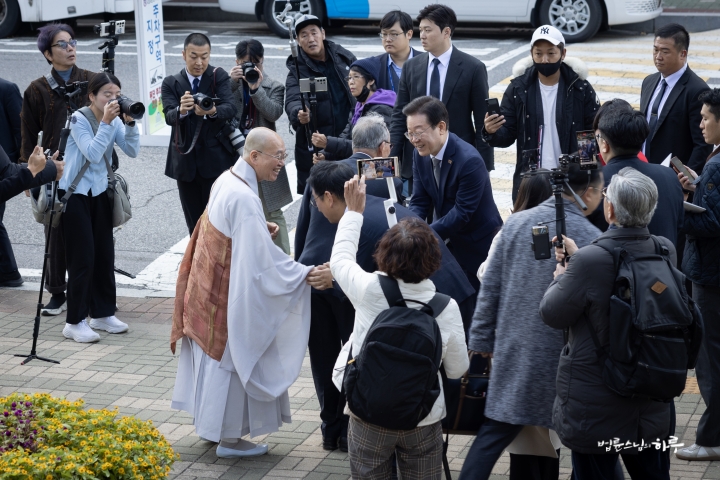
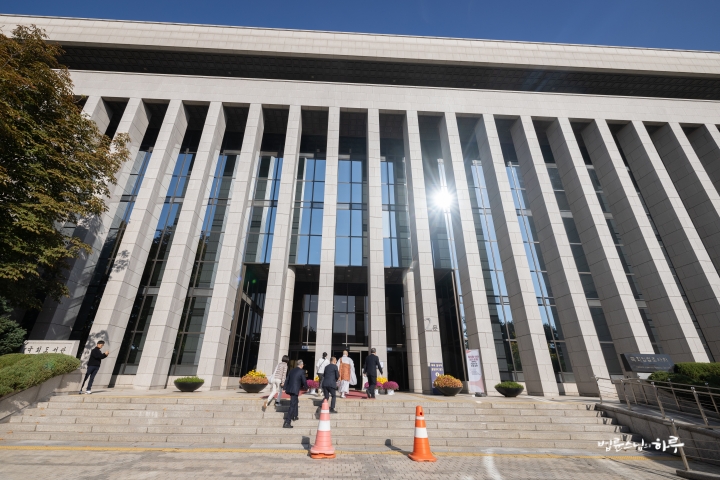
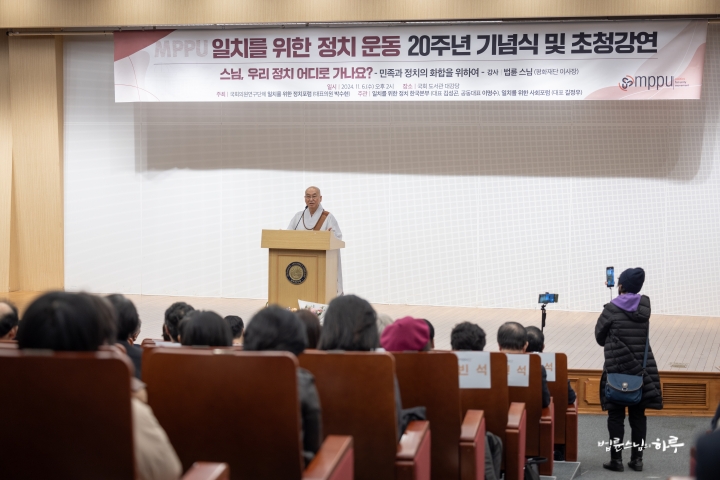
Sunim then headed to the National Assembly Library to attend the 20th anniversary ceremony of the Political Forum for Unity. Upon arriving at the auditorium on the first basement floor of the National Assembly Library, all the attending members of the National Assembly came out to warmly welcome Sunim.
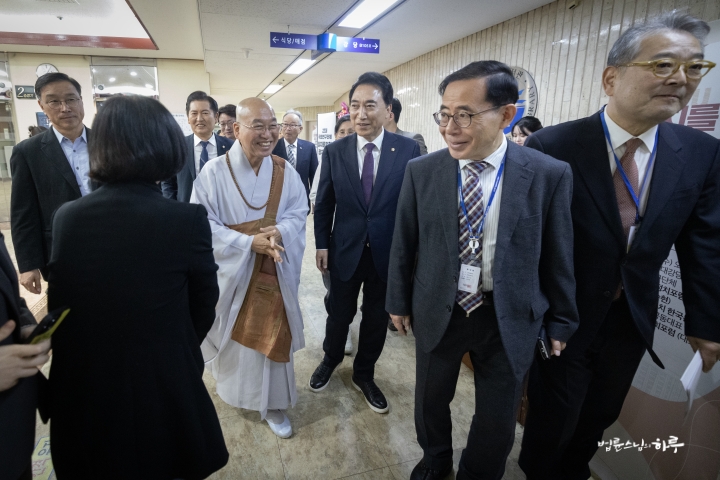
“Thank you so much for taking the time out of your busy schedule.”
The ‘Political Forum for Unity’ is a political movement group with an international network that started in Italy. It aims to contribute to human harmony and unity by applying universal brotherhood and love to political reality. In Korea, current and former members of the National Assembly, administrators, scholars, legal professionals, and individuals from various fields participate.
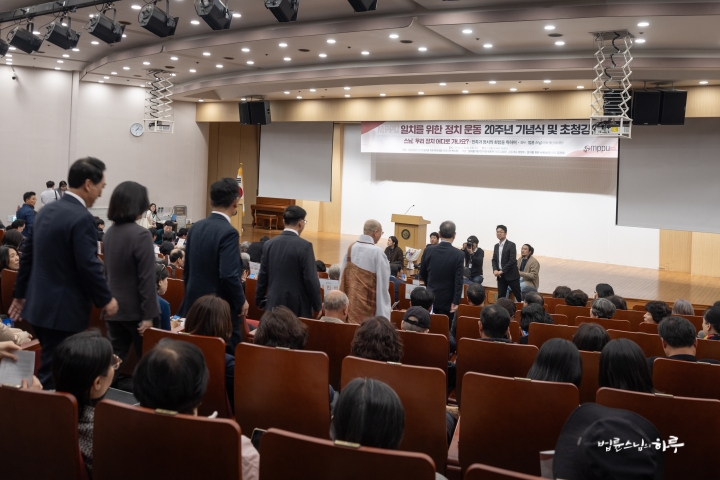
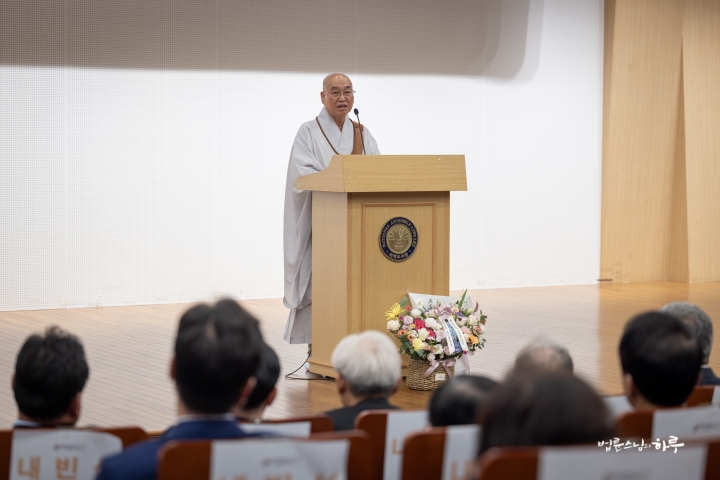
After listening to the opening speech by Congressman Park Soo-hyun, congratulatory remarks by Park Chan-dae, floor leader of the Democratic Party, and words of encouragement from Bishop Pio Moon Chang-woo of the Catholic Diocese of Jeju, Sunim gave the keynote lecture.
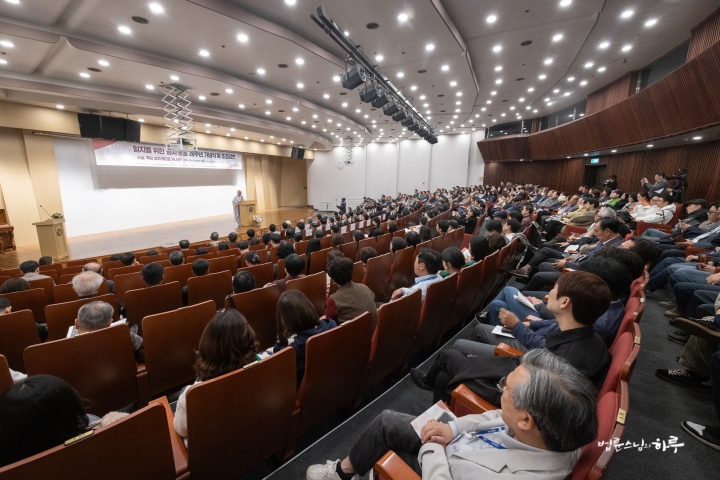
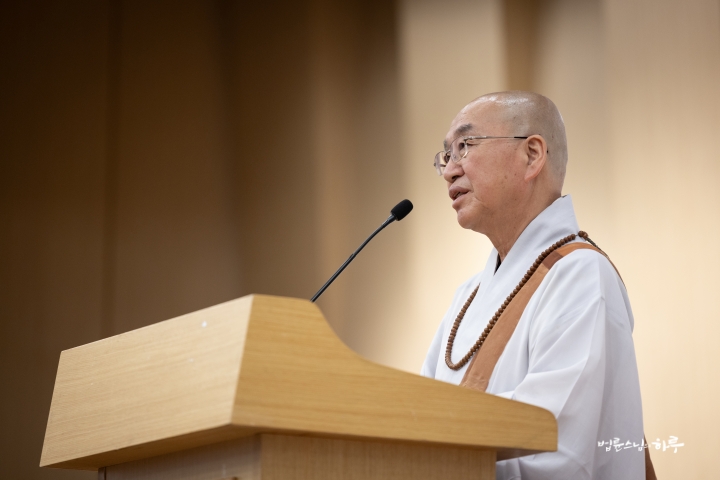
Sunim began his lecture by expressing sympathy with the group’s aim to apply love to political reality and emphasizing what true love is.
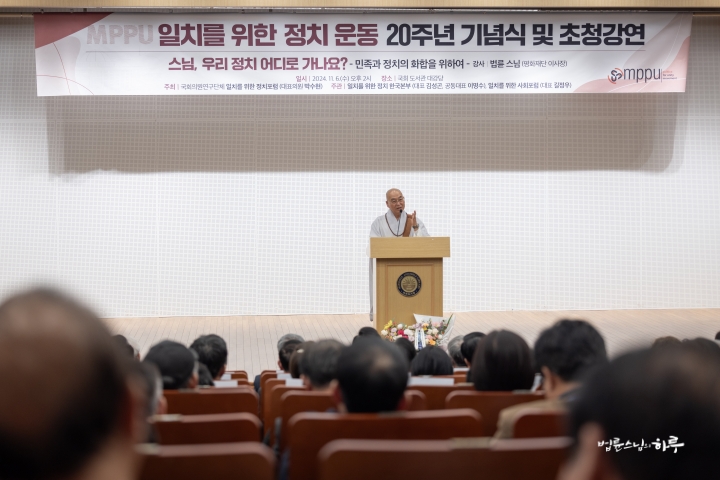
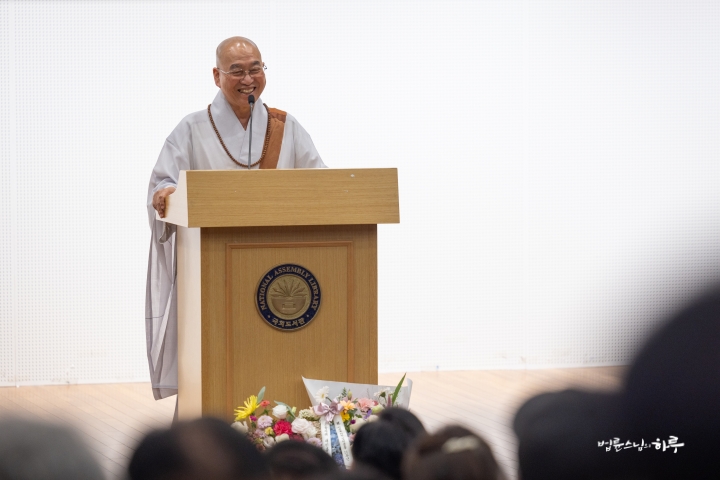
Love Without Understanding Is Violence
When we have no recognition or understanding of those different from us, we tend to condemn them. We even demonize them. However, when we acknowledge those who are different from us and understand that they might have reasons for their actions from their perspective, no hatred or anger arises. Understanding the other person doesn’t mean they are right or that they did well. Today, peace on the Korean Peninsula is threatened as the risk of armed conflict between South and North Korea continues to rise. This intense conflict occurs because there is no mutual recognition or understanding between the two sides. South Korea criticizes North Korea only from its own perspective, and North Korea does the same to South Korea. South Korea claims that sending leaflets to North Korea is justified, while North Korea sending balloons with waste is a violation of the armistice agreement. North Korea says the exact same thing.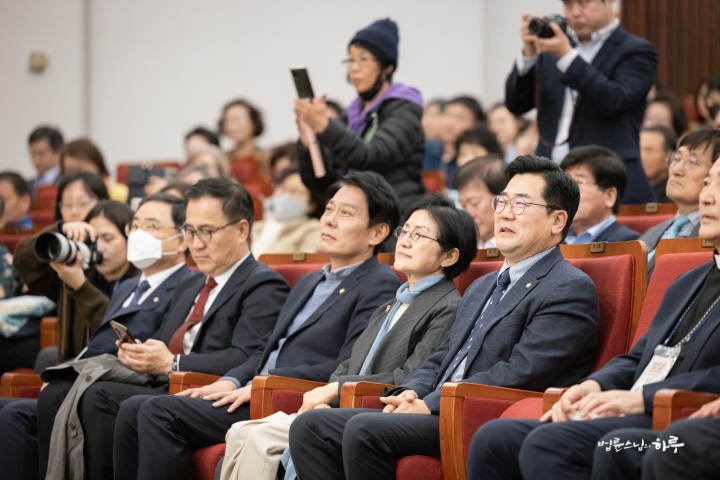
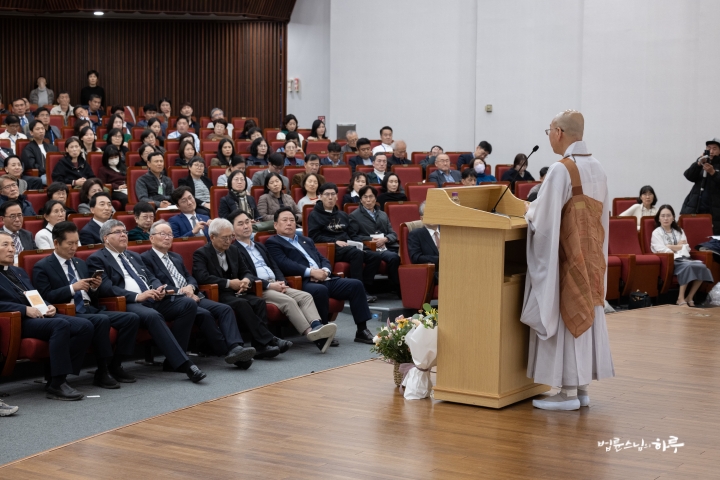
How to Reach an Agreement When Opinions Differ
What’s the easiest way to reach an agreement? It’s to completely agree with the other person’s opinion. That’s the simplest method. What’s the most difficult way? It’s to make the other person agree with your thoughts. I don’t understand why people avoid the easy path and always choose the difficult one. Getting others to agree with your opinion is the hardest thing to do. It’s impossible even between spouses or parents and children. Yet, most people seek to have others agree with their views. That’s why life becomes so noisy and challenging. The easiest way to agree with someone is to say, “Yes, you’re right. Let’s try it your way!” But we often don’t choose this easy path. The second easiest way to reach an agreement is to agree on common points if there are any, and discuss the differences later. However, in our country, people criticize this as collusion. So, they seek ways to push their arguments through without compromising, while completely denying the other side. To avoid compromise, they end up defining the other party as absolute evil.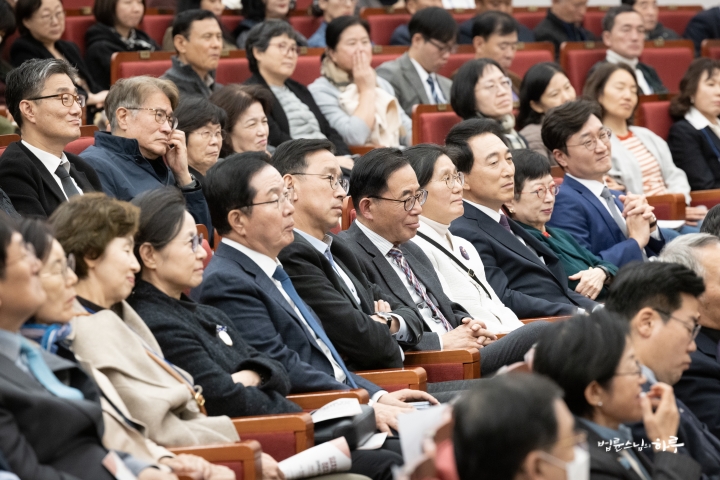
The Tragedy of South and North Korean People and Weapons Being Supplied to Foreign Wars
The Korean Peninsula has suffered numerous war damages over the past 5,000 years, but it’s often said we have never invaded or massacred other countries. He mentions that when we sent troops to Vietnam recently, we say we fought against communist guerrillas, but from Vietnam’s perspective, we interfered with their independence. Now, it’s reported that North Korea has dispatched troops to the Russia-Ukraine war from the standpoint of the North Korea-Russia alliance. Additionally, our country’s weapons are said to be highly effective in destroying people and buildings, resulting in a significant profit from weapon exports. While people proudly call it “K-defense industry,” I believes this is nothing to be proud of. Shouldn’t we be ashamed instead? Is providing weapons to Ukraine, causing mass destruction, truly in line with South Korea’s national interests, both present and future? It seems we have completely forgotten the immense suffering and loss of life we experienced during the Korean War, even though only 70 years have passed. North Korea has reportedly sent not only weapons but also people to the Ukraine war. Isn’t South Korea also itching to dispatch troops? I thinks we need to reflect on these actions. Sunim points out that South and North Korea are currently in a near-state of war. Whether it’s South Korea sending leaflets and drones to North Korea, or North Korea sending drones and balloons filled with trash to South Korea, these actions, regardless of the reasons, are already violations of the armistice agreement. However, South Korea justifies its actions by claiming to provide information to improve the human rights of North Korean citizens, while North Korea also rationalizes its actions in its own way. The small land of the Korean Peninsula is filled with an enormous amount of weapons of mass destruction and nuclear weapons. Additionally, South Korea has formed a military alliance with the United States, the world’s strongest military power, while North Korea has formed a military alliance with Russia, the second strongest military power. If a war were to break out on this land, the damage would be unimaginably massive.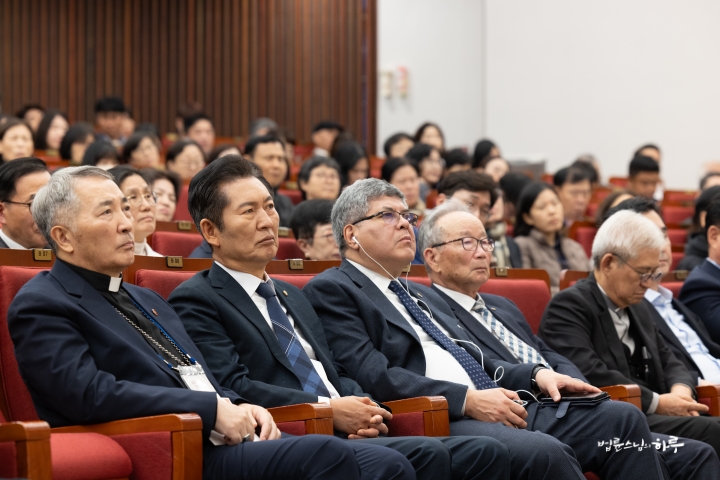
Compromise Is Democracy When Implementing Reforms
It is not correct to criticize compromise as ‘political collusion’. This is because while compromise may be seen as ‘political collusion’ during a revolution, it is ‘democracy’ when implementing reforms. Reform is not about pushing through 100% of what I think. Reform means gradually improving things by considering the other side and agreeing to reduce 100 desired changes to 50. If we can’t do it this time, we try again next time, and if not then, we try the time after that. This is how we should progress. Therefore, we need to change the political system where the winner takes all. We need to shift to a perspective of reaching mutual agreements. I understand that this is difficult to achieve. We conducted our independence movement uncompromisingly, and our democratization movement in the same way. So, being uncompromising is ingrained in us. Those who compromised were treated as traitors and criticized as ‘sell-outs’. We have always lived in a culture where hardline voices were mainstream, so compromise was seen as somehow morally incorrect. Recently, with the strengthening of fandom politics, even your supporters don’t tolerate compromise at all, do they? Even within the party, if someone expresses an opinion slightly different from the mainstream view, they are branded as traitors. We must not continue to be swept up in this social atmosphere. If conflicts intensify because of this, a single party or individual might succeed, but the country as a whole will fall into great difficulty.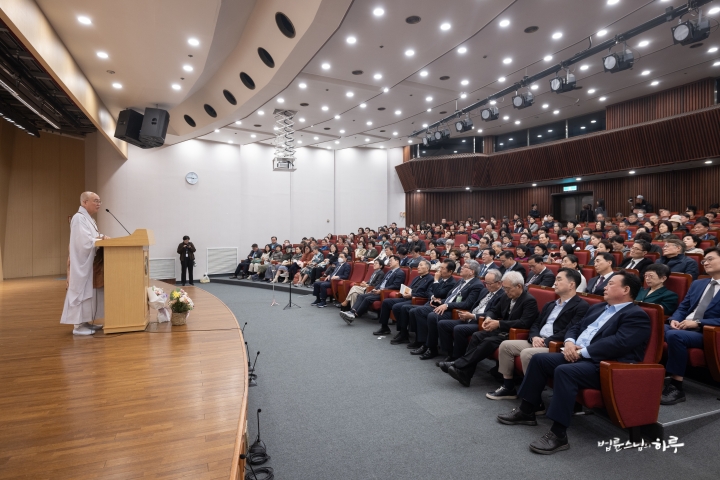
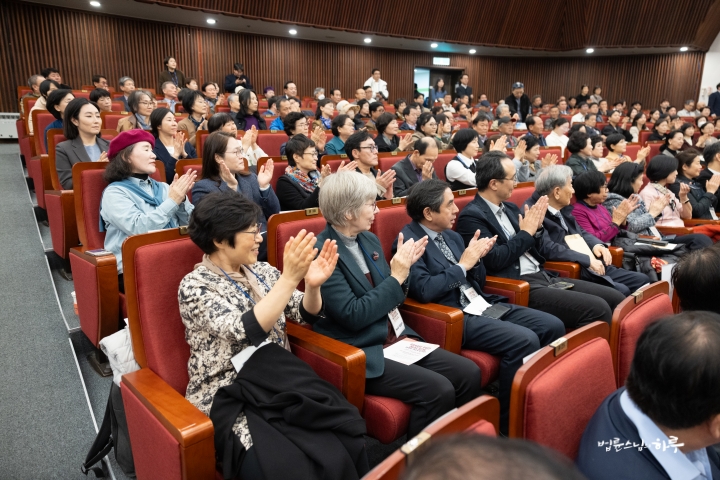
All the politicians in attendance listened intently to Sunim’s words. After the hour-long lecture, Sunim left the stage to a round of applause.
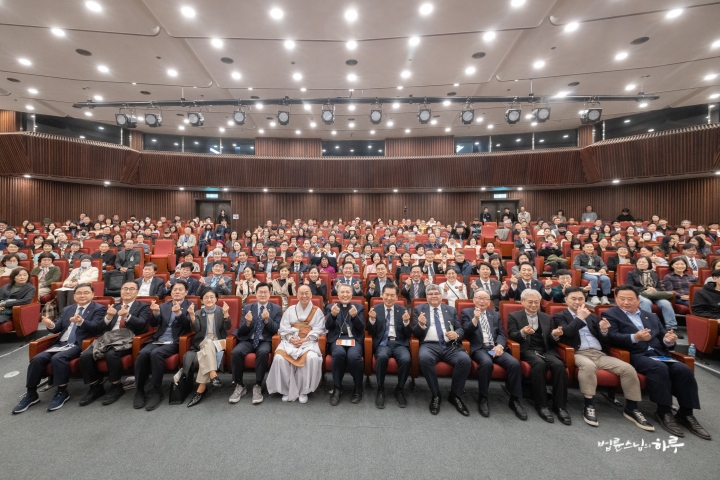
After taking commemorative photos with the attending members of the National Assembly and guests, Sunim left the National Assembly.
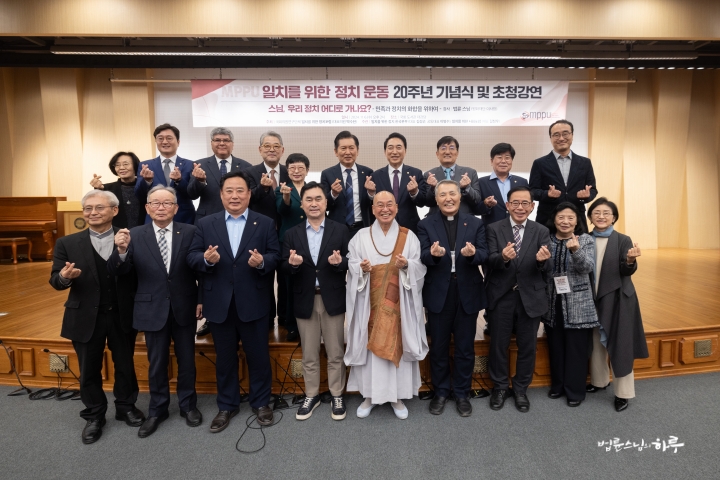
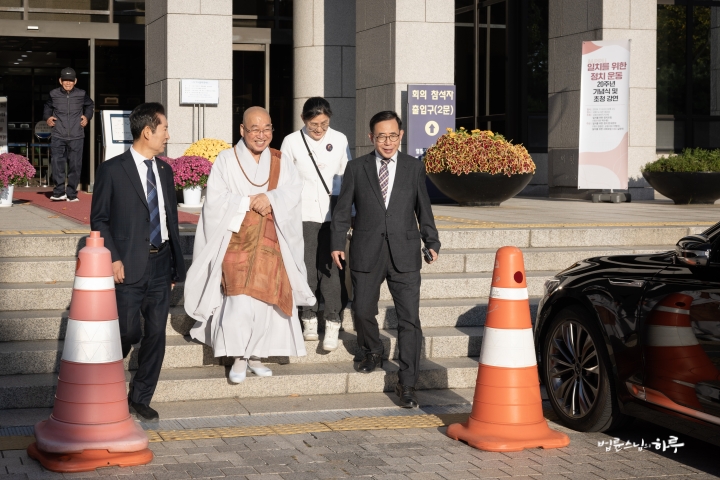
“I really enjoyed your lecture today. Thank you.”
Sunim returned to the Seoul Jungto Social and Cultural Center by car. By then, the sun had set.


From 7:10 PM, Sunim spent time wrapping up the week-long Jungto Society study tour program with the female INEB participants.
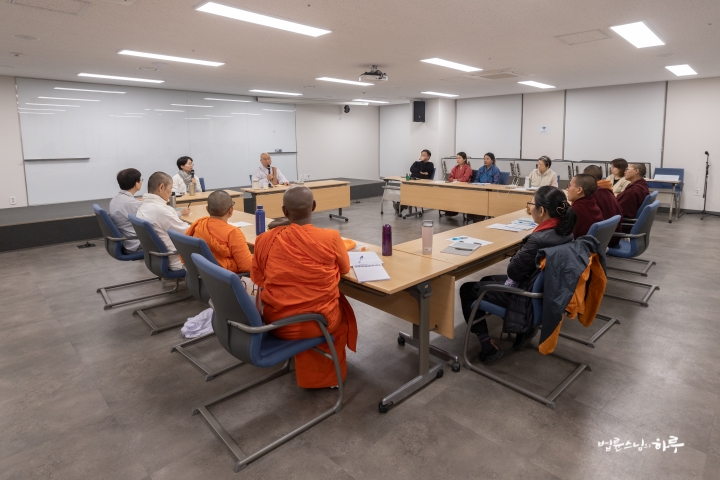
First, each participant took turns presenting their reflections. All participants had written extensively on paper about what they had felt during the past six nights and seven days.
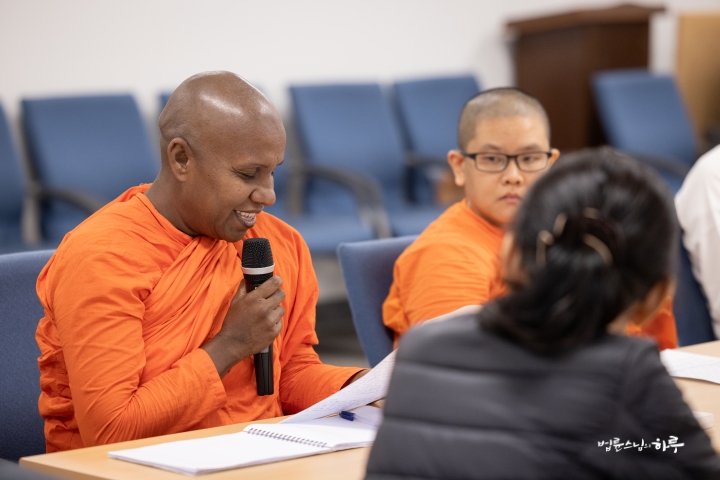
“It was very touching to see the staff always smiling despite the tight and demanding schedule. I learned a lot about environmental practices and I plan to live as an eco-Buddha when I return home. The only regret is that there wasn’t enough time to rest or regroup due to the tight schedule.”
“I was able to learn about engaged Buddhism everywhere. Seeing the volunteers at Jungto Society, I resolved not to lose hope. Venerable Pomnyun Sunim has done a lot of relief work in Sri Lanka, and now I hope that Jungto Dharma School will be opened in Sri Lanka. Sri Lanka also needs Buddha Dharma. I want to bring the Jungto Society model to Sri Lanka.”
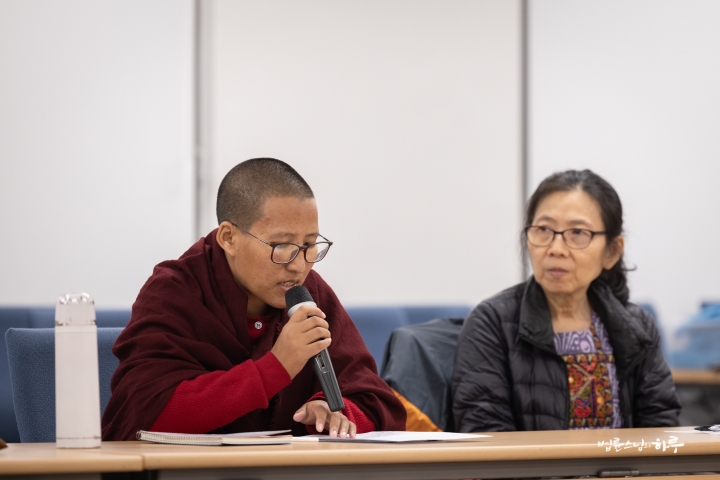
“All participants were women. Perhaps because of this, everyone was more attentive, considerate of each other, and very humble. It was a more special study tour than ever before. I remember most vividly Venerable Pomnyun Sunim’s words that bodhisattvas go to hell, not heaven, to save sentient beings. Sleeping together in a large room was also an unforgettable experience.”
“I learned that there’s more to Korea than just BTS and bibimbap. All members of Jungto Society showed how they apply Buddha Dharma in their daily lives. I think I can apply the practice of defecating and fermenting it for recycling in Ladakh as well. Seeing the Saligo Center where items are recycled, I want to operate something similar in the organization I work for.”
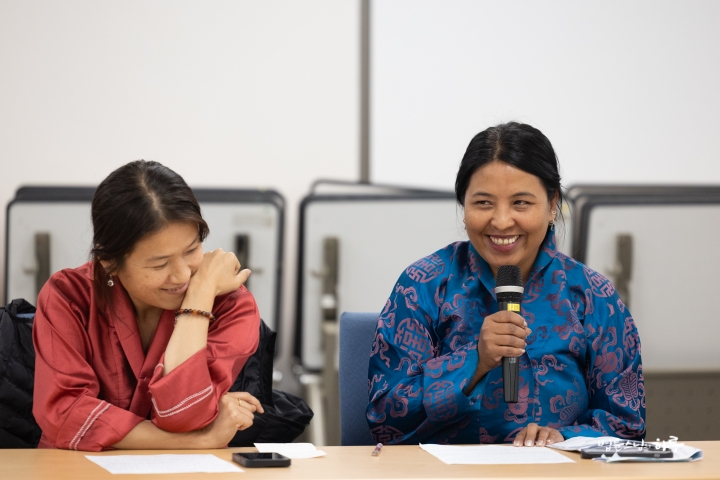
“I cried a lot while watching videos of Venerable Pomnyun Sunim doing many things for all sentient beings and having direct conversations with him. I already knew about Buddhist philosophy, but this was the first time I saw how it’s applied in daily life. I would like to participate in the Awakening Retreat later. I want to experience for myself why people volunteer.”
“I was amazed to see so many people living a life of practice and service without receiving any salary. I was able to learn a lot about living a frugal life and recycling resources.”
Sunim listened attentively to each person’s presentation and took notes on necessary points.
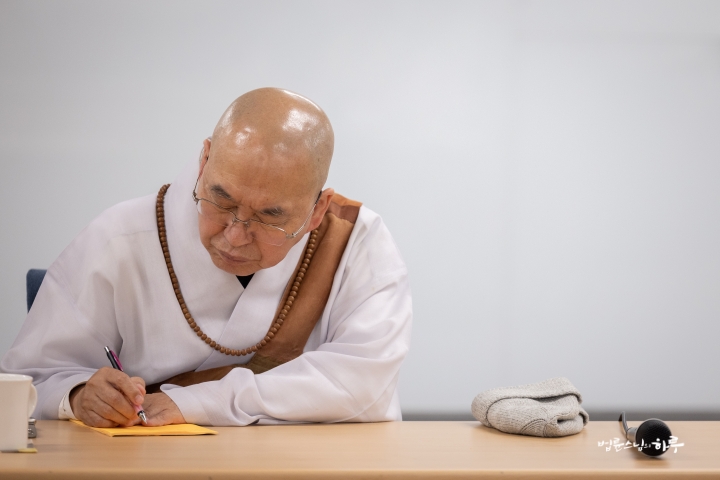
As the reflections continued, everyone’s eyes gradually turned red. The six nights and seven days were filled with continuous moments of inspiration. The staff who worked behind the scenes also shared their thoughts one by one.
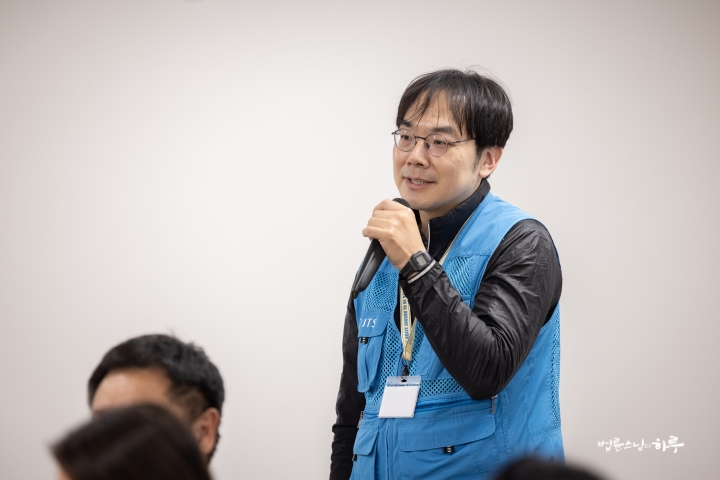
“I’ve been volunteering as a driver for this program for 10 years. My life also changed after meeting Venerable Pomnyun Sunim. I hope that you can all return to your countries and spread the seeds of Buddha Dharma.”
The participants gave even bigger applause to the volunteers who took time off work to help with interpretation, driving, accommodation guidance, and photography.
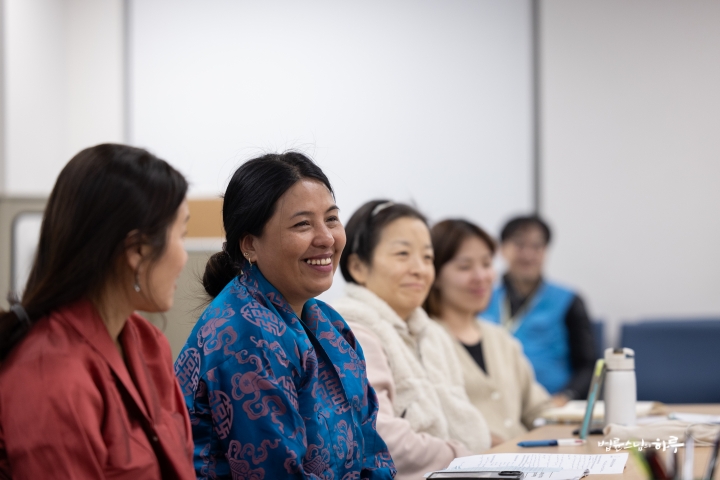
Dharma teacher Deokseong, who accompanied the entire schedule, also shared her thoughts.
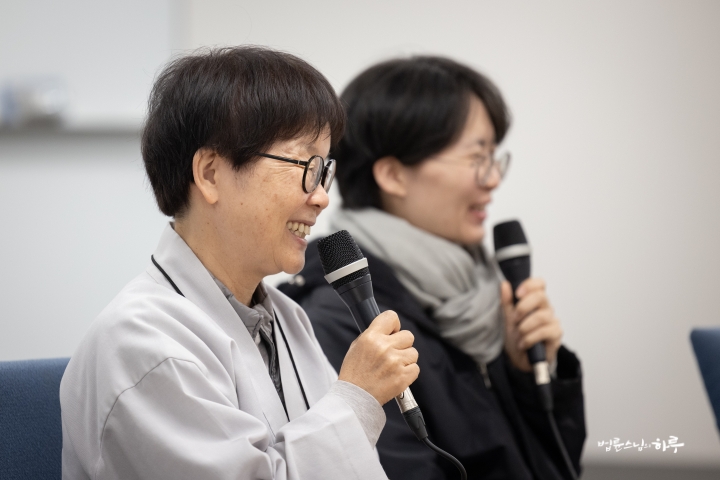
“Female activists played a big role in shaping the current Jungto Society. Just as I did, we prepared this program hoping that Buddha Dharma would spread widely in Southeast Asia through all of you. I was glad to feel your enthusiasm for learning Buddha Dharma, and I was also able to reflect once again on Venerable Pomnyun Sunim’s teachings. Let’s continue to work together to solve the suffering of people in the world.”
Lastly, Moo, the Secretary General of INEB, shared his thoughts.
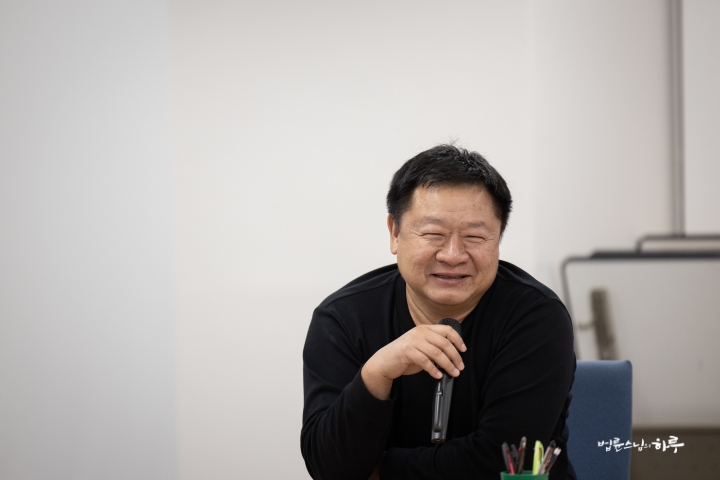
“It’s been 10 years since we started conducting INEB study tours. At first, only male bhikkhus participated. Gradually, it expanded to include female bhikkhunis. I think it’s very meaningful that female lay practitioners joined this time. It seems similar to how the Sangha community created by the Buddha expanded. I’m grateful to Venerable Pomnyun Sunim and Jungto Society for always welcoming us kindly.”
After the reflections, Sunim gave closing remarks. Both bhikkhunis and female activists are engaged in activities to help people in need. Sunim talked about what to keep in mind when helping those in need.
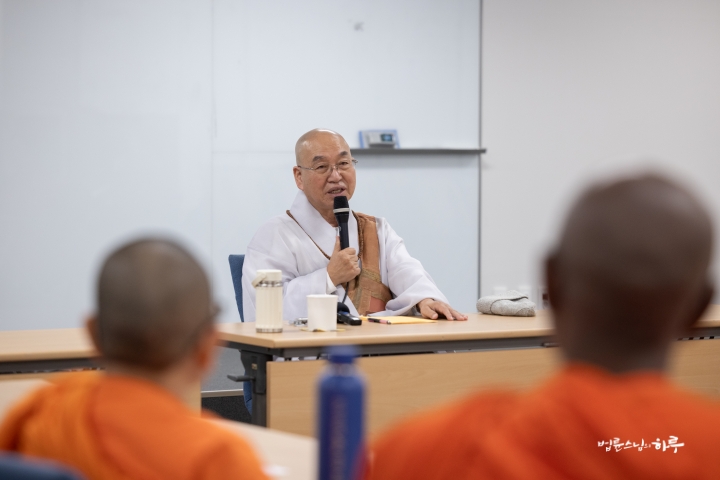
Points to Consider When Helping Those in Need
I hold the view that people should basically live independently. This is because all living beings in nature live on their own. When they receive support from outside, their wildness or self-reliance is mostly damaged. For example, livestock live with the help of humans. In return, they have to provide labor. If not, they must provide milk or meat; there’s always a price to pay for support. That’s why it’s important to be self-reliant if possible. Although being self-reliant is difficult, it’s the only way to become the master of one’s own life.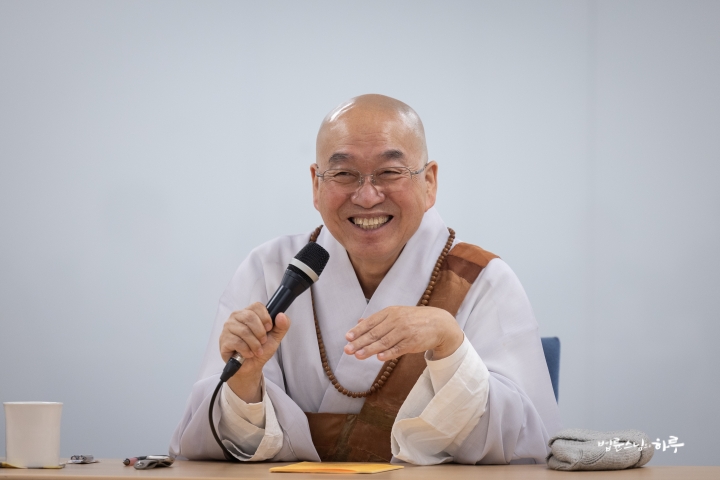
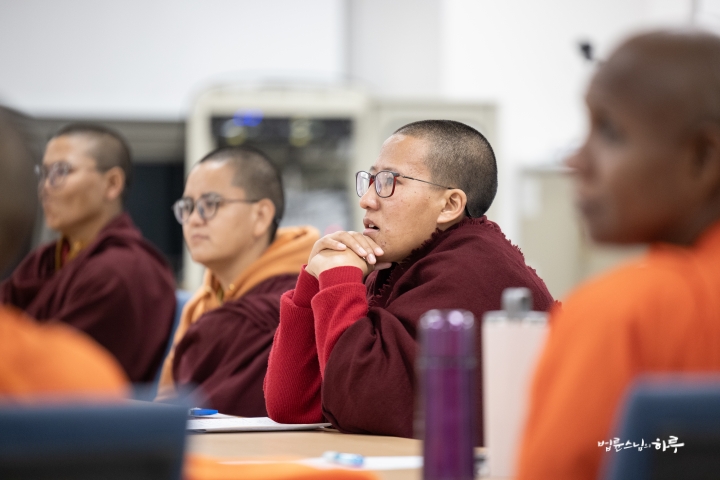
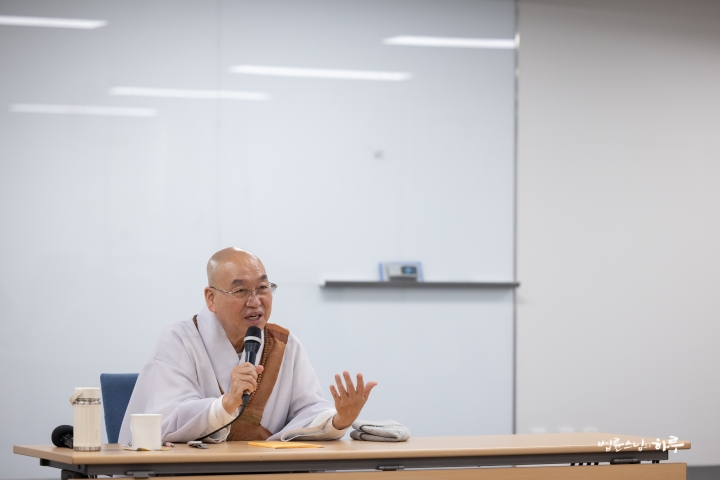
After saying this, Sunim took questions on points that were still unclear. A bhikkhuni from Ladakh raised her hand to ask a question.
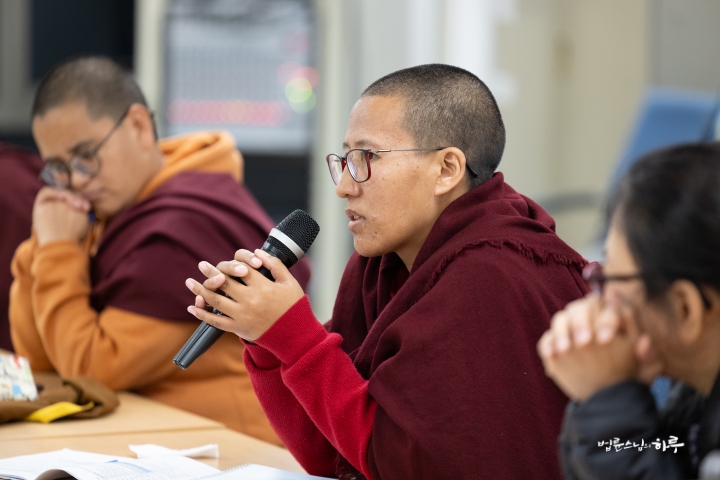
How Should Women Approach Their Activities in a Patriarchal Society?
“Sunim, you have a wealth of experience and have walked many paths, so I’d like to ask for your advice on how we should live our lives. The organization I belong to is run entirely by bhikkhunis. Although we are engaged in activities that contribute to society, the society I live in is very patriarchal. As a result, many bhikkhunis become discouraged and experience conflicts while carrying out their activities. What perspective should we adopt as we continue our work?”
“How should you live your life? Just live it.”Sunim began his response with a smile.
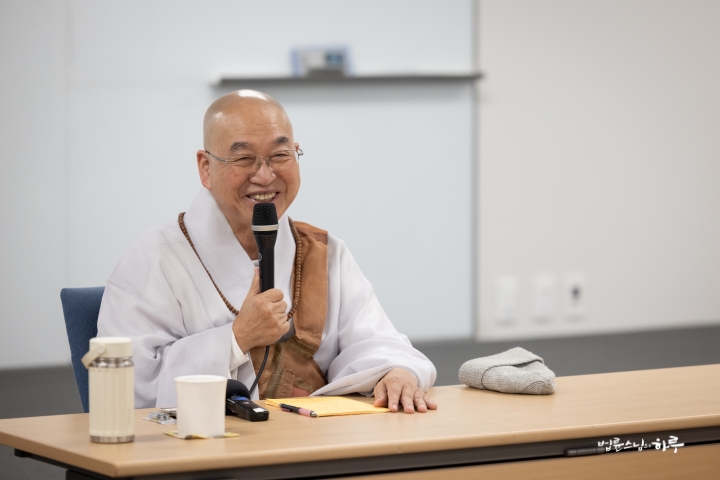
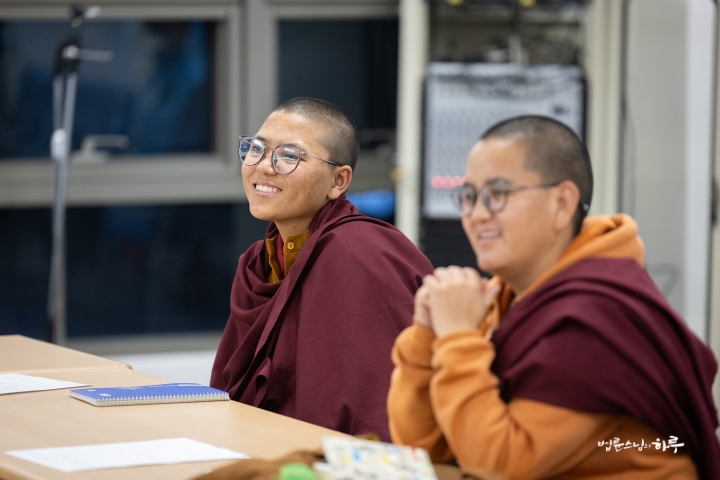
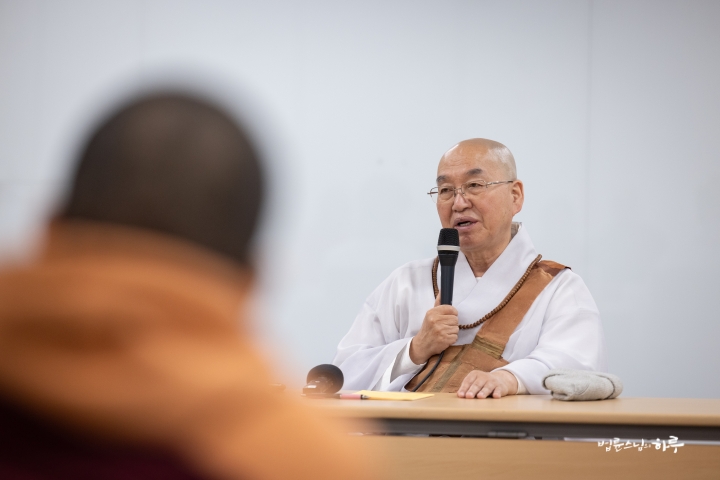
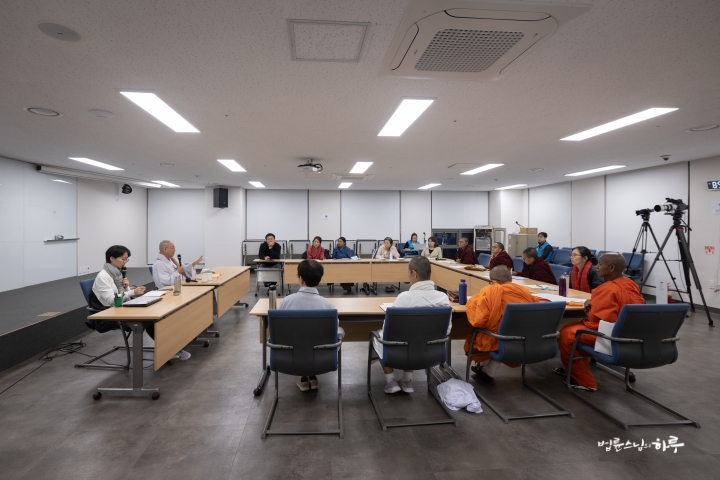
After another hour of Dharma Q&A, the conversation concluded past 10 PM.
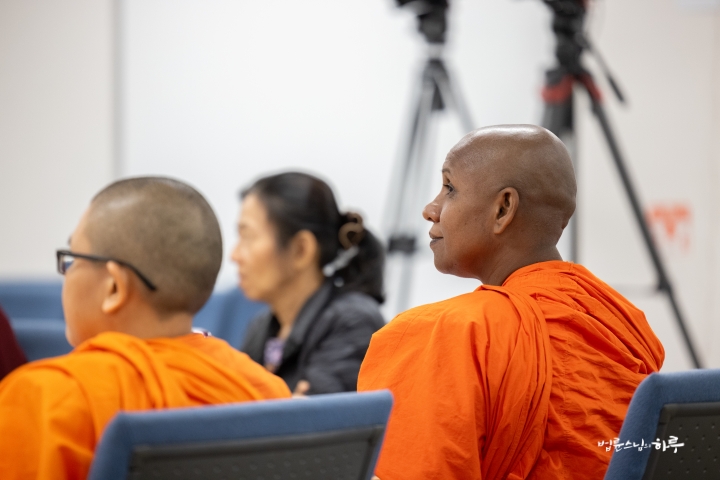
Lastly, there was a gift-giving session. Sunim presented each participant with a book of his Dharma talks translated into English and a wind chime.
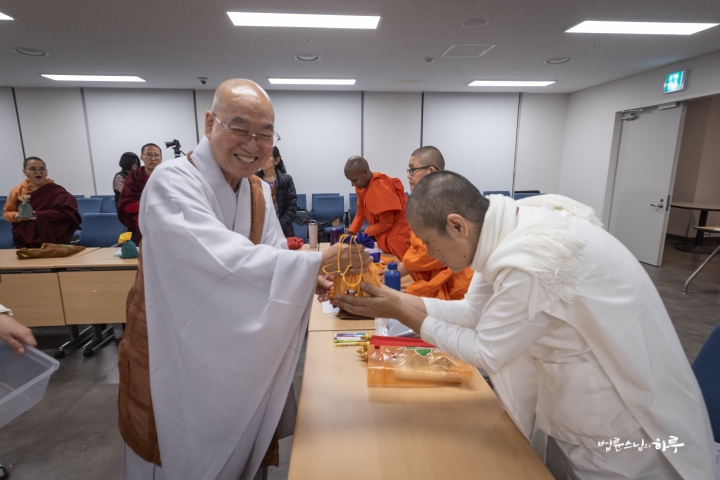
All the female INEB participants were delighted to receive gifts from Sunim. The participants also brought gifts they had prepared and presented them to Sunim.
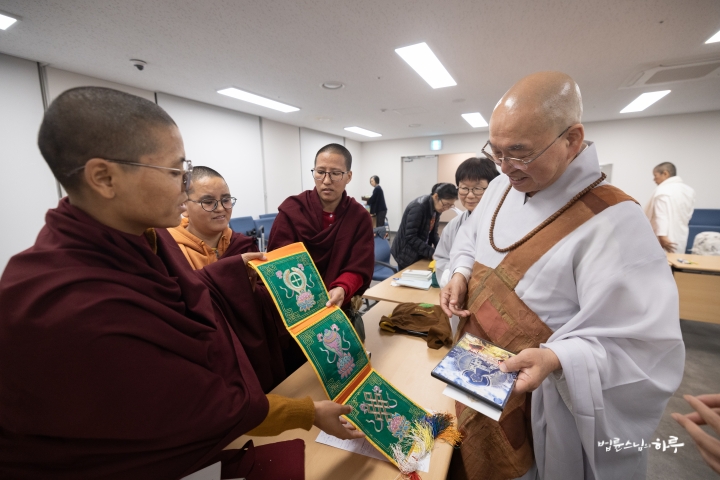
While exchanging gifts, they expressed their gratitude for each other.
“Thank you.”
A bhikkhuni from Sri Lanka prostrated on the ground, conveying her gratitude to Sunim.
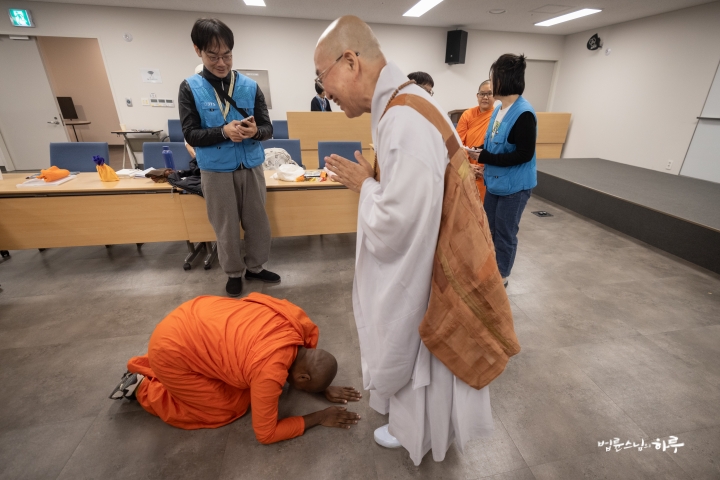
Tears welled up in her smiling eyes. After taking a final group photo together, they reluctantly accepted the farewell.
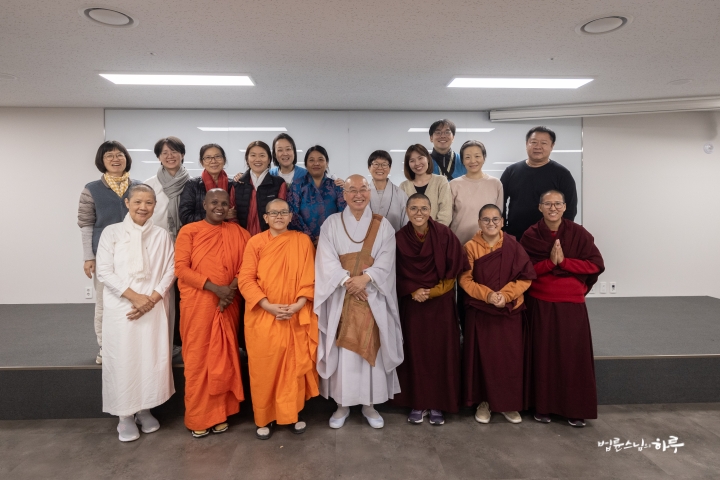
Tomorrow, Sunim will depart for Dubuk Jungto Retreat Center at 3 AM from Seoul. He will spend the entire day hosting a celebration for the elderly living near the retreat center, and in the evening, he will conduct the ninth Dharma Q&A session of “Happy Dialogue” in Ulsan.