How Can I Overcome the Grief When Patients Pass away?
Oct 12, 2024 - Return to Korea, Venerable Pomnyun Sunim's Dharma Q&A for Healthcare Professionals
Today is the day for a Dharma Q&A session for healthcare professionals.

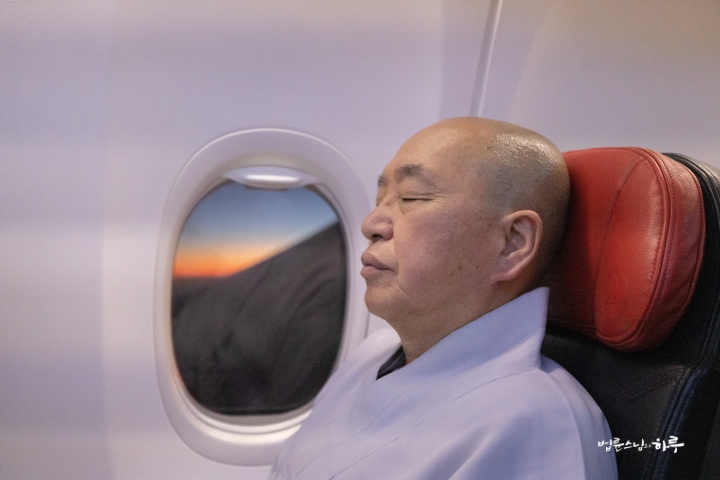
Sunim departed from Istanbul Airport at 5:40 PM Turkish time yesterday and took short naps throughout the night on the plane. After a 9-hour and 40-minute flight, he arrived at Incheon Airport at 9:20 AM Korean time.
After retrieving his luggage and exiting, he took a commemorative photo with the JTS delegation who had accompanied him.
“Thank you all for your hard work.”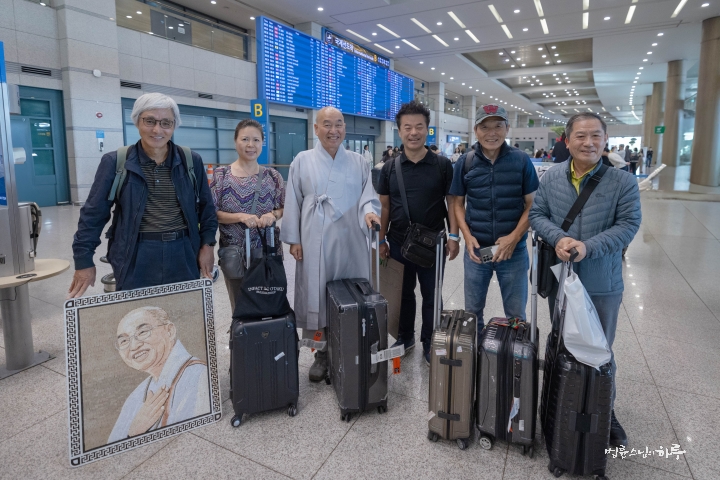
Upon leaving Incheon Airport, Sunim headed directly to the Seoul Jungto Center.
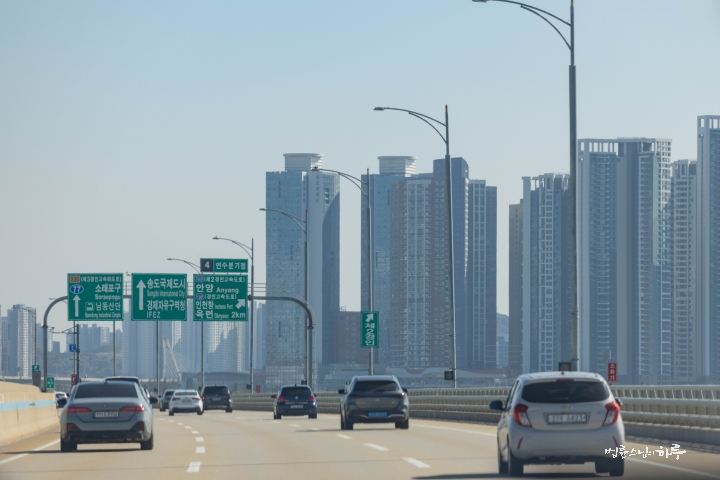
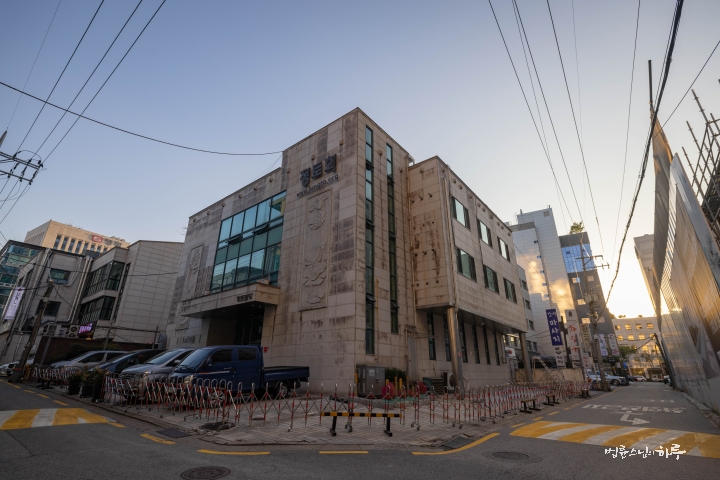
After arriving at the Seoul Jungto Center at 11:50 AM, he rested to recover from the journey. Perhaps due to the demanding schedule of the Türkiye-Syria visit, Sunim was not feeling well.
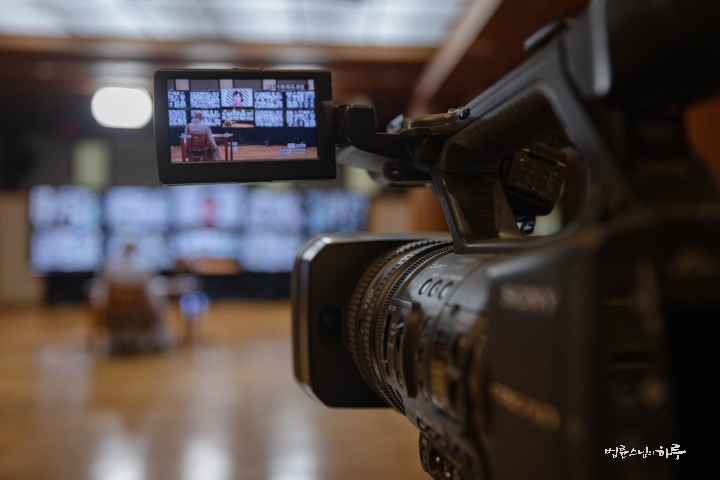
After getting enough rest in the afternoon, the Dharma Q&A session for healthcare professionals began at 4 PM. About 200 members of the Healthcare Professionals Jungto Society entered the video conference room.
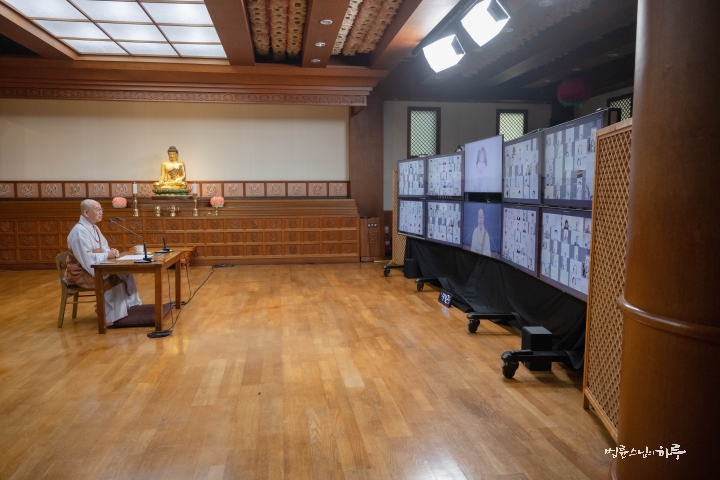
Since its establishment, the Healthcare Professionals Jungto Society has consistently held annual Dharma Q&A sessions with Sunim. They watched a video showcasing the journey of the Healthcare Professionals Jungto Society over the years. It highlighted their medical volunteer activities in Mindanao, Philippines, weekly free medical services for marginalized communities at JTS multicultural centers in Ansan, Ilsan, and Busan every Sunday, and medical support provided at various Jungto Society events.
Sunim then expressed his gratitude for the efforts of the Healthcare Professionals Jungto Society and suggested additional roles they could play in the future.
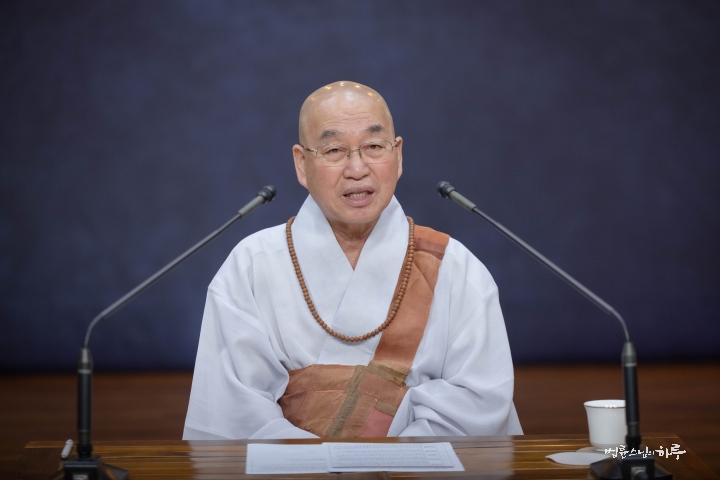
The Role of Healthcare Professionals in Global Relief Efforts
JTS is engaged in three activities around the world: educational support, emergency relief, and medical support. We can say that we’re doing relatively well in educational support and emergency relief. However, our medical support is still lacking. To provide proper medical support, JTS needs to operate a hospital in Korea. This would allow medical professionals affiliated with the hospital to be dispatched to establish hospitals or provide medical support on-site. Currently, without medical professionals among our relief workers, even when JTS builds a hospital in India, we can’t operate it efficiently. It’s barely functioning at the level of a health center. To provide proper medical support, we need a lot of help from you.Therefore, there are many ways in which the Healthcare Professionals Jungto Society can greatly contribute to JTS’s relief activities in the future. Among the seven sustainable development projects recently being pursued in Bhutan, healthcare is included. JTS primarily supports people living in poor rural areas. When I personally visited rural Bhutan, I saw elderly people who couldn’t see, hear, or had no teeth, but weren’t receiving any support. So we’re planning to provide cataract surgeries, hearing aids, and dentures for the elderly. Addressing the physical discomforts experienced by the elderly is also something that medical professionals should take the lead in resolving.
The Healthcare Professionals Jungto Society has conducted several medical activities in Mindanao, Philippines, treating people in need. They went again this year. I hope you can put a little more heart into your activities, not just in Mindanao, Philippines, but wherever medical personnel are needed, such as Bhutan, India, Laos, Myanmar, and Sri Lanka.
However, before helping others, shouldn’t we be healthy ourselves first? You must be mentally exhausted from taking care of others’ health. Today, let’s have a conversation for your own mental health.”
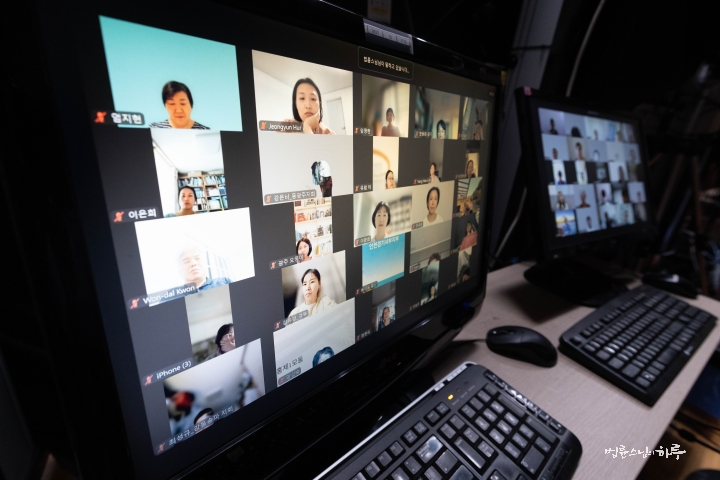
Sunim urged medical professionals to volunteer more frequently and then opened the floor for questions from the participants. Over the course of two hours, eight people pressed the “raise hand” button and engaged in conversations with Sunim. One of them sought Sunim’s advice on how to approach the dilemma of treating patients who come outside of working hours.
Should We Treat Everyone Who Comes Outside of Working Hours?
“I currently live and work alone at a community health clinic. I’m not obligated to work during early weekday mornings or weekends, which are outside my regular hours. However, some residents come during these times. I feel uneasy ignoring them, but if I see everyone, I have no personal time. So, unless it’s an emergency, I often pretend not to be there and don’t open the door outside of working hours. I feel conflicted because I volunteer for Jungto Society, but tend to behave individualistically in my everyday life. What mindset should I have?”
“It’s okay to work only during your designated hours. I too answer all questions during the agreed-upon time for Dharma Q&A. But when it’s over and I’m about to leave, if someone grabs me saying, ‘Sunim, I have a question,’ I reply, ‘Working hours are over.’ Some people come up to me even when I’m using the restroom and ask, ‘Sunim, can I ask you something?’ Some approach me when I’m naked in the bathhouse and say, ‘Sunim, can I ask you something?’ Should I answer all these questions too? No. Similarly, you should work during your working hours, but it’s okay not to work outside those hours.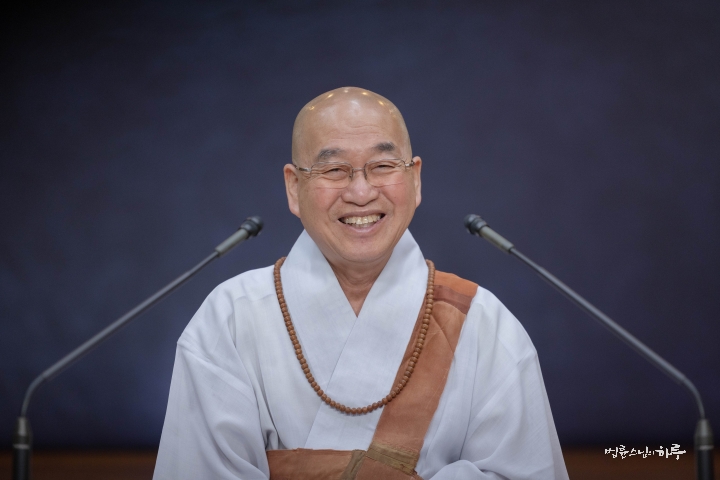
After several announcements, the number of people coming outside working hours will decrease. You don’t need to worry about whether you should work 24 hours or stick to working hours. Even with this announcement, you’ll have to open the door and help in emergencies. After a few times, things will settle. If an elderly woman knocks late at night, and it turns out to be something that could have waited until the next day, treat her this time but ask her to come during working hours next time. Also, make this announcement in the village:
‘Dear village residents, the community health clinic’s working hours are from 9 AM to 5 PM. I have a personal life too, so please try not to come outside of working hours. Unless it’s a real emergency, please respect the working hours.’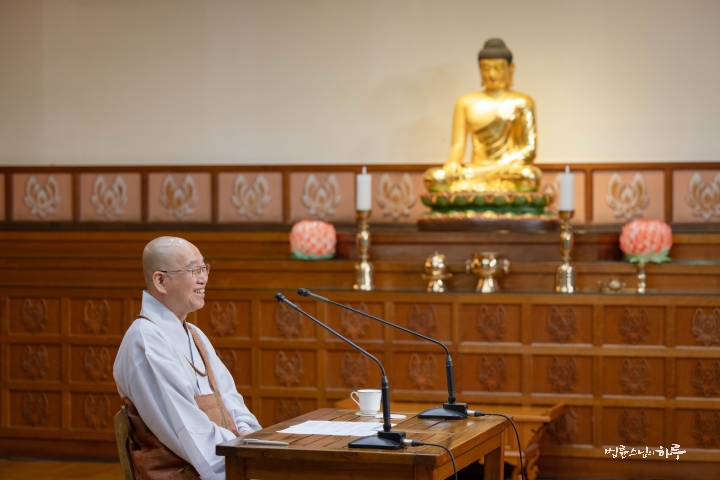
“Yes, thank you.”
The questions continued.
I’m a resident who recently resigned. We work 36 hours straight: 12 hours regular, 12 hours on-call, then 12 hours regular again. When I can’t sleep, I easily get angry at the nurses. How can I solve this problem?
I worked in obstetrics and gynecology. When performing an abortion for a mother who already had four daughters, we discovered the fifth baby was a boy. When the mother asked if it was a girl, I said yes. I wonder if that was also a sin.
I run a pharmacy. I’ve been enduring unfair demands from a nearby hospital doctor for three years. With what mindset should I resolve this conflict?
I’ll become a nurse next year, but I’m terrified of workplace bullying. How can I overcome this and work as a nurse for a long time?
I’m a nursing student. I feel like I should do everything well, so I have trouble starting, and although nursing suits me, I feel my abilities are lacking. What perspective should I have?
I’m a doctor. Western medicine contains many chemical components. How should we view Eastern and Western medicine? Should we only view psychiatric medications positively?
The last questioner was also a doctor. They asked for Sunim’s advice on how to overcome the grief when patients pass away.
How Can I Overcome the grief When Patients Pass Away?
“I’m an internal medicine doctor who worked in a general hospital for 20 years and have been running a nursing home for 6 years now. I’ve written tens of thousands of death certificates while working in hospitals. I remember crying in front of a patient’s family when my first patient died about 30 years ago. Even now, I still feel very distressed when a patient passes away. As an internal medicine doctor, I’ll continue to witness patients passing away in the future. How can I overcome the sadness I feel each time?”
“From my perspective, I don’t think you need to worry too much. Why? Because even while crying, you’ve already written tens of thousands of death certificates. So, in the future, you can just continue writing them while crying.”“I see.” (Laughter)
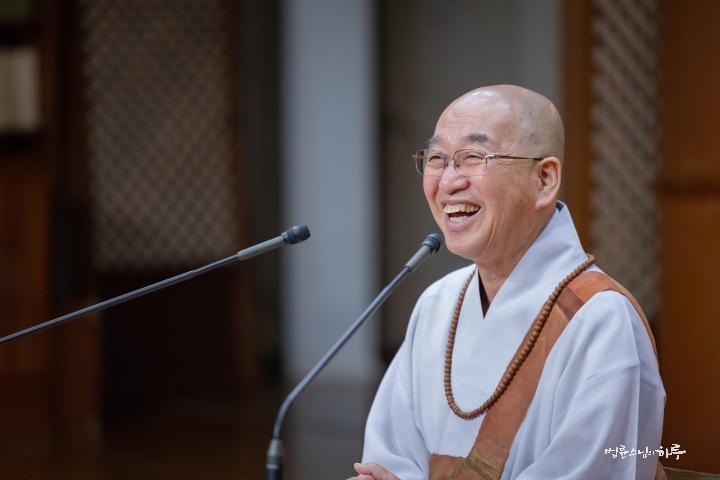
“Yes, I’m married and have two children.”
“I see. You’ve gotten married while crying, had children while crying, and done everything else. So, you can just continue doing everything while crying in the future. There’s no problem at all. It’s not a big deal. Of course, it hurts when someone you’ve been treating passes away. You’re not a machine, so how could you not feel anything when someone dies? If the pain was so severe that you quit being a doctor, that would be different. But for someone who has written tens of thousands of death certificates while crying, what more can I say? You’ve done well so far, you’re doing well now, and you’ll continue to do well in the future.The fact that you’ve come this far without quitting, even while crying, sounds to me like you’re asking, ‘I’ve done well so far, please tell me I’ve done a good job.’ That’s why I’m telling you that you’ve done well. You’ve done well so far, and if you continue like this, there won’t be any problems.”
“Actually, about two weeks ago, a patient passed away. I had been treating them for several years, so it was very difficult emotionally.”
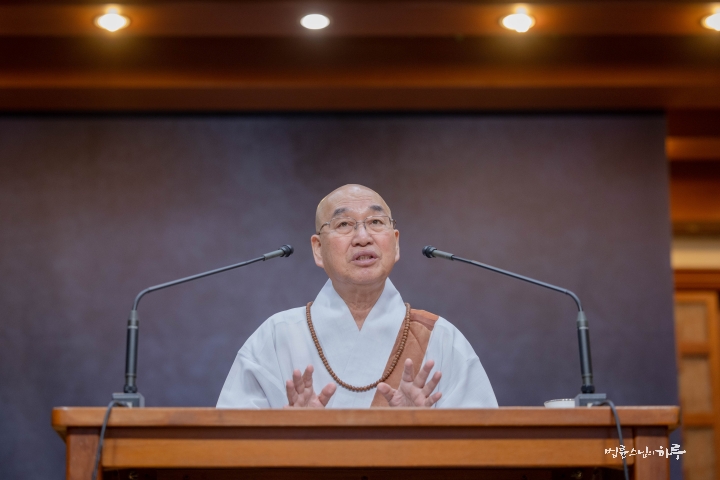
Given your profession, you’re bound to encounter many dying people. Monks also often encounter deceased people and those who have lost family members when performing memorial services. But if a monk cried along with the mourners every time they performed a memorial service, how could they continue their work? For families, it’s not a frequent occurrence, so they fall into grief. But for monks, it’s an almost daily occurrence, so if they get too caught up in sad emotions, it becomes difficult to do their job.
For doctors like you, especially in general hospitals, you’ll encounter deaths almost daily. In large hospitals like general hospitals, people die regardless. Someone you examined today might die, or someone you’ve been treating for three years might die. Someone is bound to die in such an environment. If you were to cry your heart out every time, it would be difficult to continue being a doctor. Death is always difficult, but given your profession, you need to accept the fact that you’ll inevitably see people die every day. People come to the hospital when they’re sick, and not everyone who’s sick can recover, right? Some get better, and some pass away – that’s natural. Especially in a nursing home like yours, where most patients are elderly, deaths are bound to be more frequent. In fact, most people in nursing homes are facing death. It’s just a matter of whether they’ll die today, tomorrow, a year from now, or three years from now. Most of them are in their 70s and 80s, so they’re likely to die before you do.
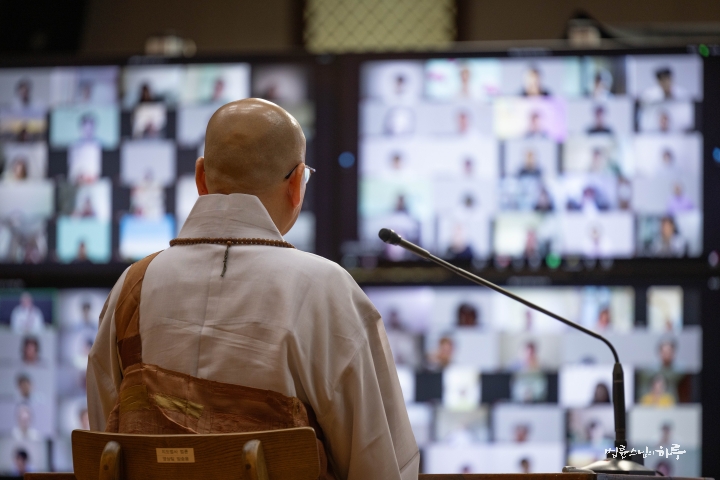
“Yes, thank you.”
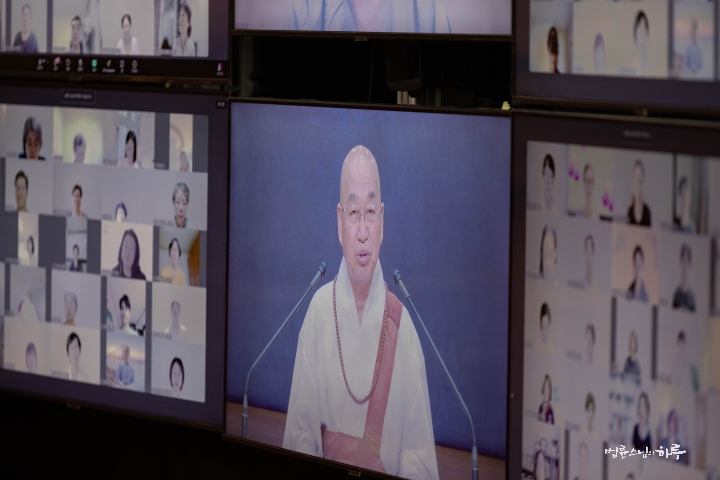
It was a time to gain the right perspective on how to serve as a healthcare professional. By the time the conversation ended, it was past 6 p.m. Sunim gave some final words to wrap up.
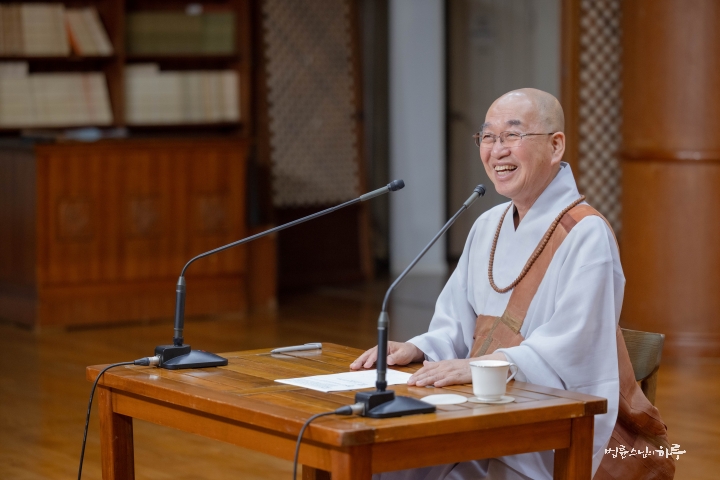
The live broadcast ended with a promise to meet again at the next lecture.
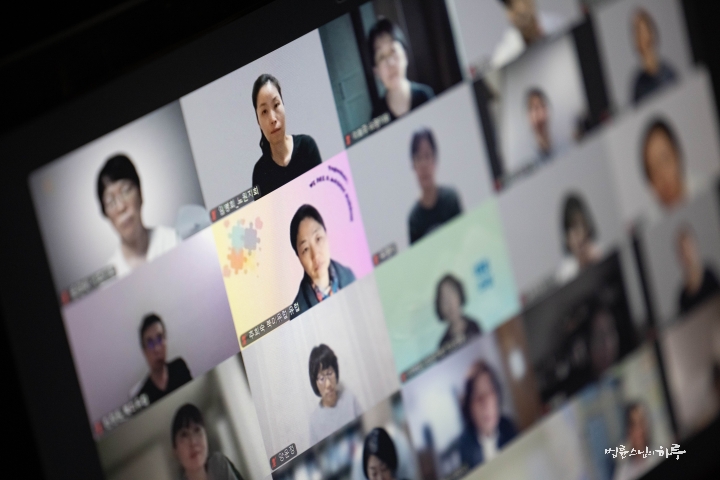
Immediately after the live broadcast, Sunim headed to a funeral home. The mothers of two Jungto Society Dharma teachers had passed away in succession.

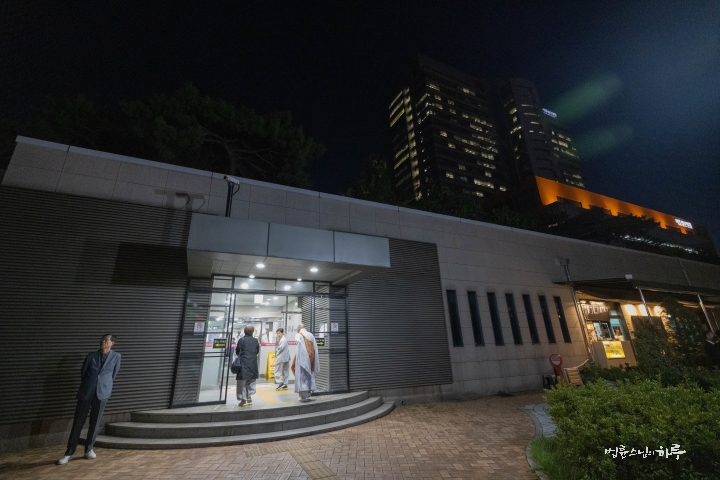
First, upon hearing the news of Dharma Teacher Bosu’s mother’s passing, Sunim briefly paid respects. After consoling the family members keeping vigil at the funeral home, he offered a short prayer and Dharma talk for the deceased.
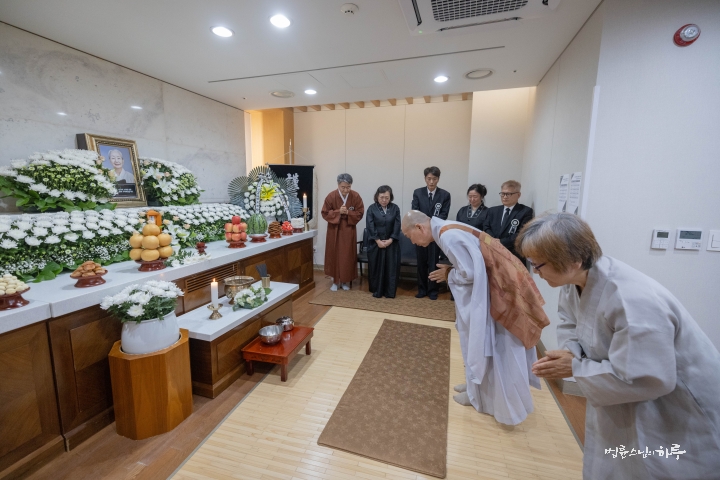
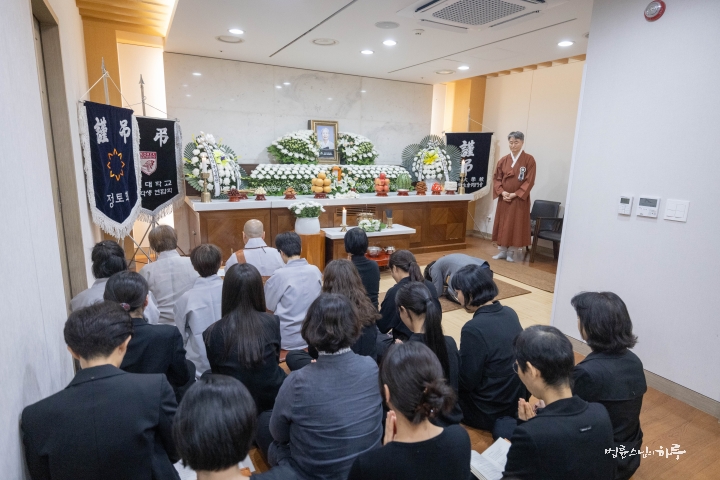
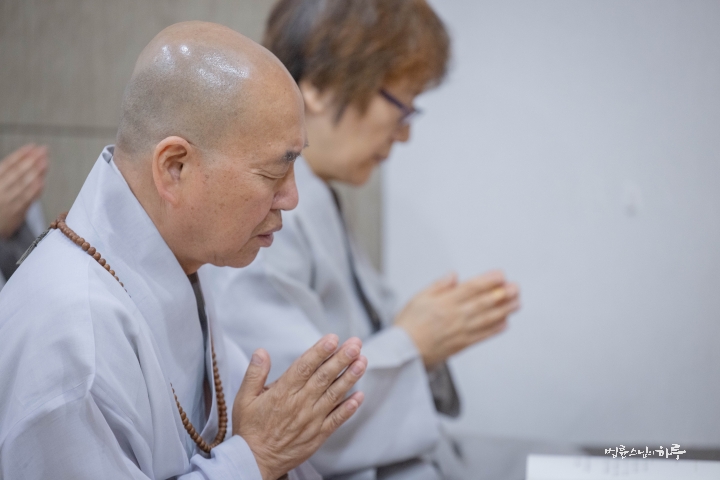
If there is hesitation or delay in answering my question, even if the merits of your donations from past lives until today are as great as a mountain, all those merits are like a dream and will not help you achieve rebirth now.
We, the members of the Sangha, will recite three verses of the Liberation Mantra for the deceased.
May you, through the merit of this chanting, be reborn in the Pure Land, where you can live comfortably without illness or worry, listen to Amitabha Buddha’s teachings, awaken, and attain liberation and nirvana.”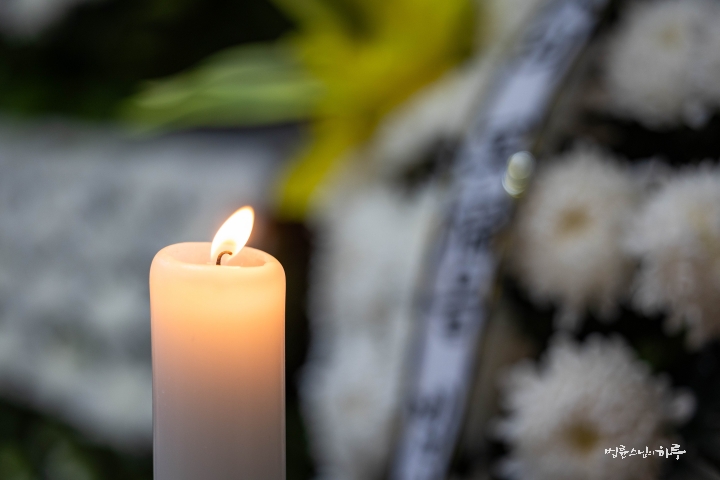
After sincerely performing the memorial prayer, Sunim exchanged greetings with the family members.
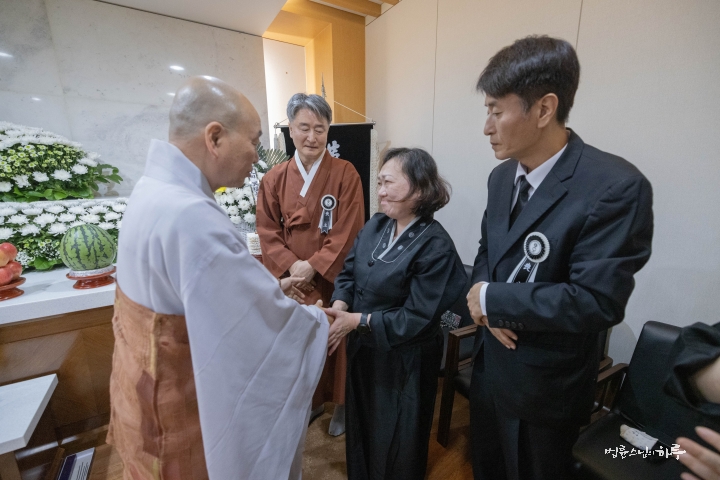
After paying respects, Sunim had a light meal while comforting the Dharma teacher who had suffered the loss, and then left the funeral home.
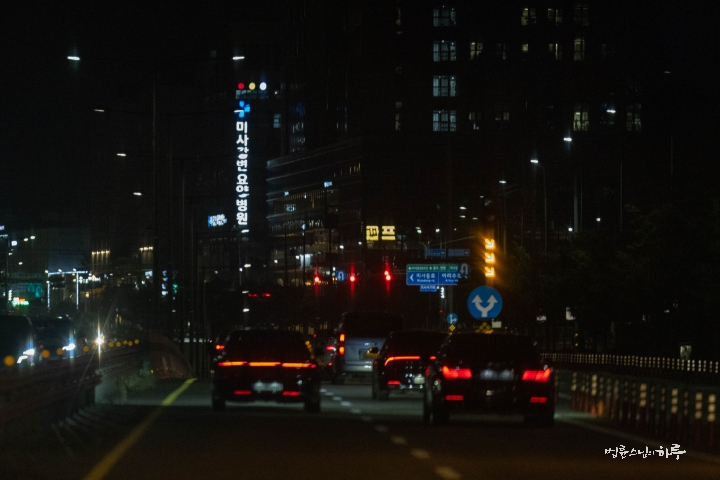
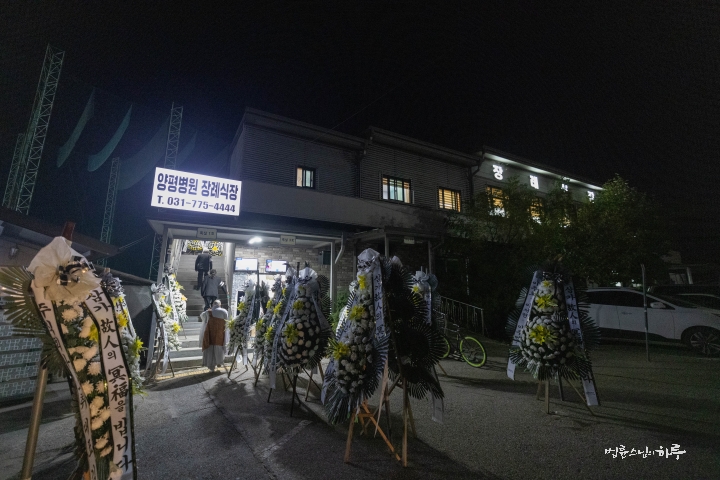
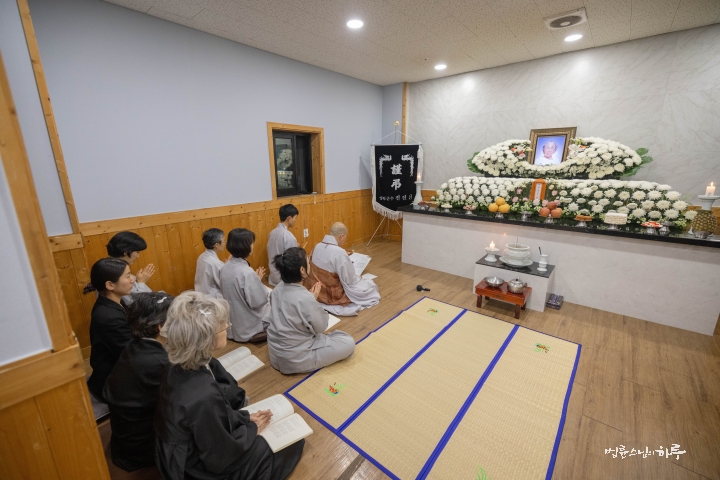
Sunim then got back in the car and headed to pay respects to Dharma teacher Heegwang, whose mother had passed away. After a two-hour drive, he arrived at the funeral home in Yangpyeong.
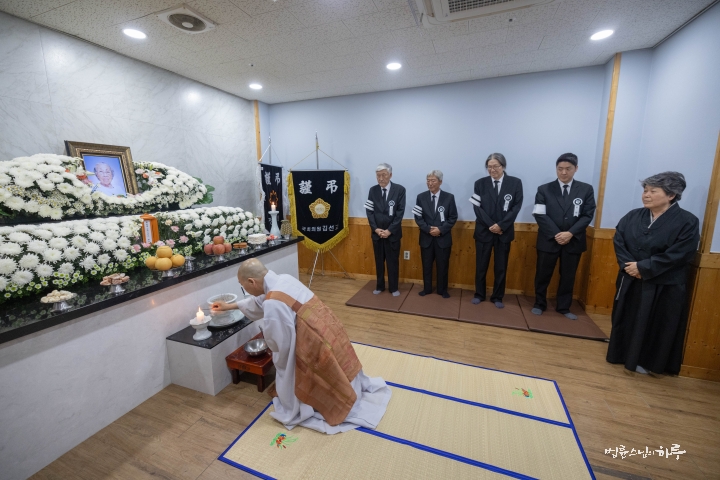
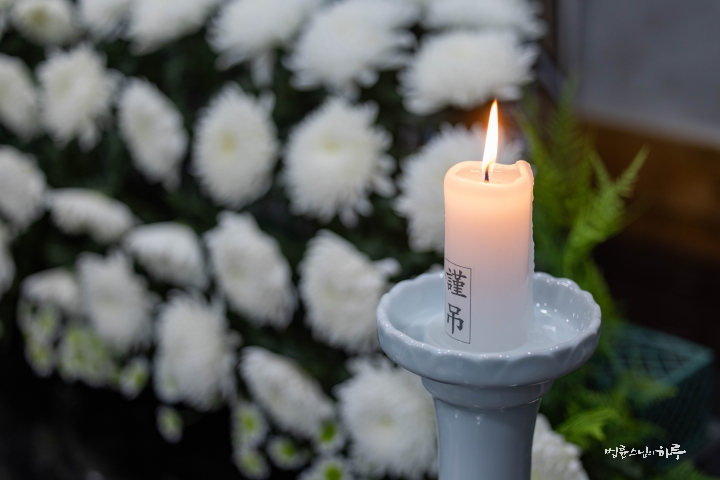
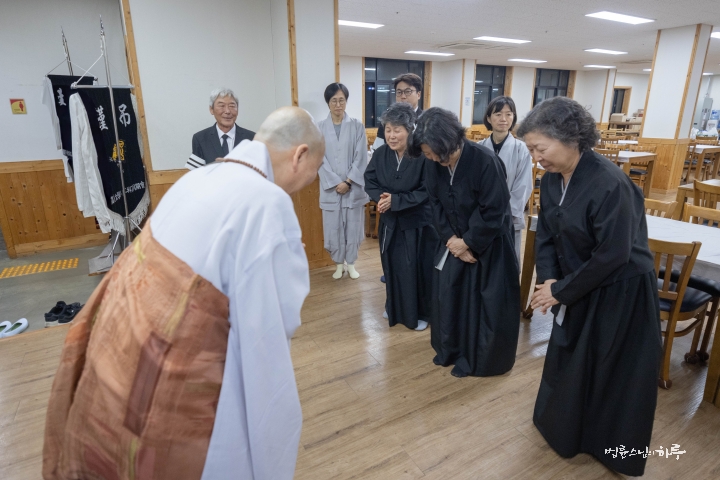
After placing incense and paying respects, Sunim offered a brief memorial prayer and Dharma talk. After finishing the prayer, he comforted the family members and left the funeral home again.
At 9 PM, Sunim departed from Yangpyeong and headed towards the Dubuk Jungto Retreat Center.
After driving on the highway for three hours, Sunim arrived at the Dubuk Jungto Retreat Center just after midnight, concluding the day’s activities.

Tomorrow, Sunim plans to conduct an online Dharma Q&A early in the morning for foreign students attending the Jungto Dhamma School, followed by a full day guiding a historical tour of Gyeongju for Happy Citizens.