Should I Endure Even When Others Behave Badly?
Sep 28, 2024 - Jungto Dharma School and Jungto Buddhism Course Entrance Ceremony, 5th Anniversary of Kim Hong-shin Literary Museum
Hello. Today is the day for the online live broadcast of the Jungto Buddhism Course entrance ceremony in Seoul and the invited lecture for the 5th anniversary of the Kim Hong-shin Literary Museum in Nonsan.

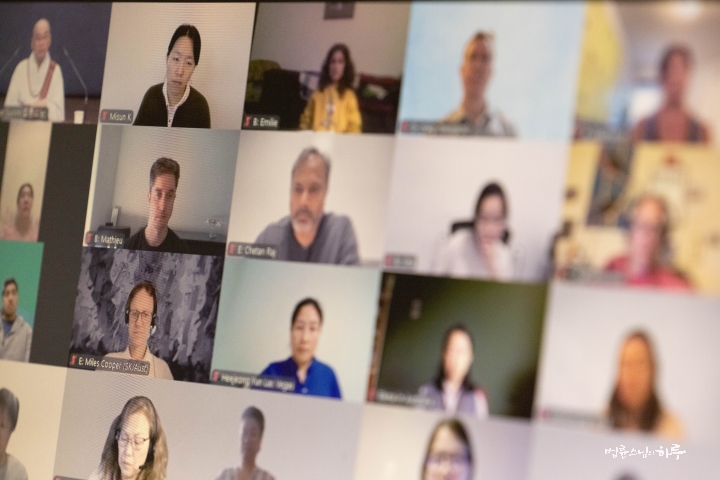
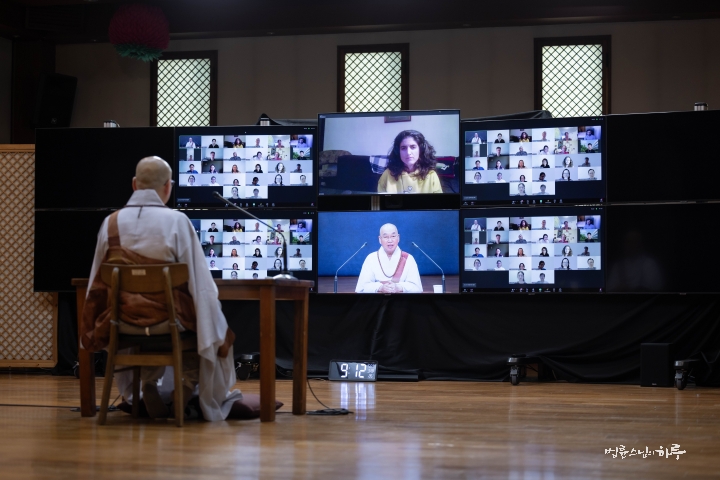
After completing his early morning practice and meditation, Sunim began the day with an online Dharma Q&A session with Jungto Dharma School students at 8 am. The Jungto Dharma School is an English-language course of the Jungto Buddhism Course. Fifteen students from the Western and Eastern United States, Canada, Australia, Hong Kong, Singapore, Indonesia, and Korea are taking the class.
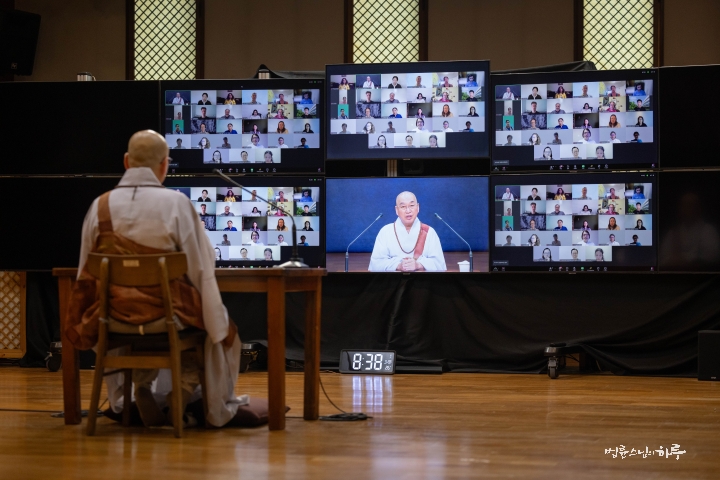
Four students, representing each group, shared their impressions of the “Human Buddha” curriculum they had studied over the past month. After listening to their reflections, everyone bowed three times to Sunim, requesting a Dharma talk.
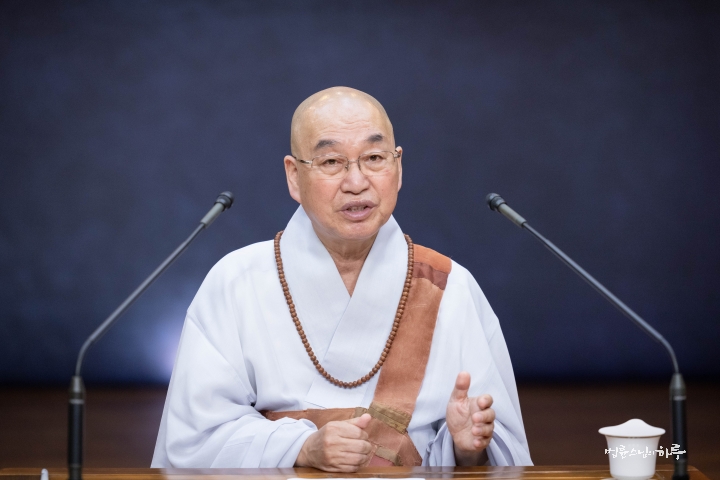
Sunim began with a greeting.
▲ Watch the video
After watching the video, Sunim continued:
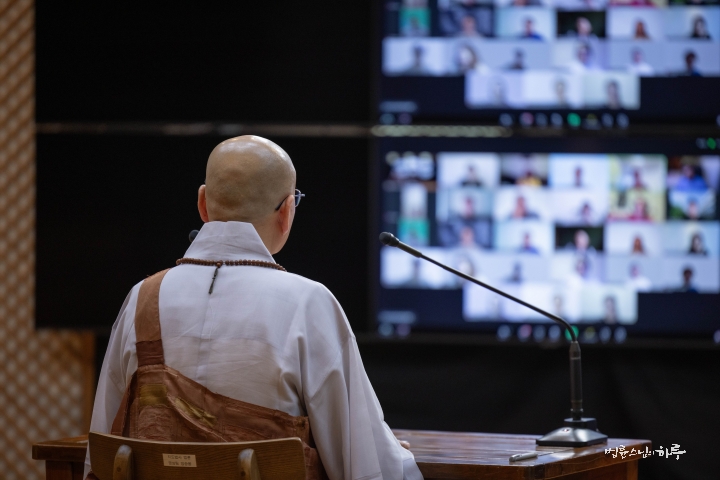
What We Should Do as Global Citizens
Those of us who have abundant water should help those who lack it. Those who have enough food should help the hungry, and those with multiple sets of clothes should help the naked. Those who can receive adequate medical treatment when sick should provide at least a packet of medicine to those without medical facilities. Those who have homes should help the homeless build at least a shelter to protect them from rain. Those who can live in their hometowns should help refugees who have to leave their homes. This is the teaching of Buddha, and also the teaching of Jesus. What’s important is not whether your religion is Buddhism or Christianity, but how you can put these teachings into practice.”Then, questions were taken about the “Human Buddha” curriculum they had been studying. Two people asked questions. One of them expressed doubts about the Buddha’s renunciation.
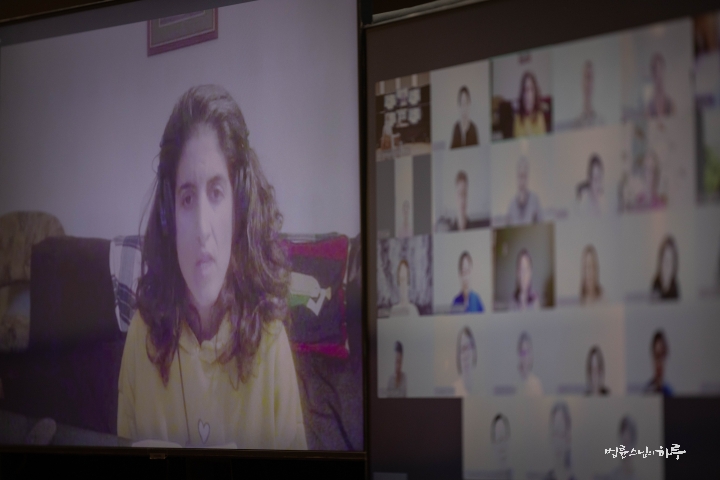
I Find It Hard to Accept the Buddha’s Renunciation. What About His Family?
“When I read about the Buddha leaving his wife and newborn son and going away for many years before returning, I had a hard time accepting it. Because as a mother, I can’t accept my husband leaving us to basically find himself and help society. I believe that he has to help your family first before you can help anybody else. I’m trying to understand, is it just historically that people of that time did this as a part of their life, or was it just him who was able to do this?”
“I can fully understand why you might have such doubts. Let me give you an example from my own experience, which is a bit different from the relationship between a husband and wife that you mentioned. When I decided to become a monk, my mother strongly opposed it and was very sad. She even said she would die if I didn’t leave the temple. If you were in this situation, what do you think you would have done?”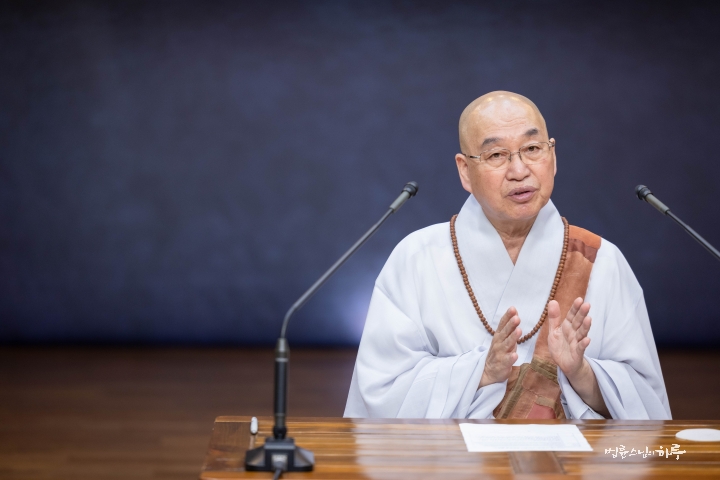
“I think it would have depended on my relationship with my mother. If it was a good relationship then I would try to listen to her. It also depends on how old I would be at that time. If it wasn’t a good relationship then I would leave.”
“I had a very good relationship with my mother. It wasn’t a bad relationship at all. But if I had to listen to my mother just because we had a good relationship, wouldn’t I end up living as my mother’s slave for the rest of my life? If I don’t follow my mother’s words, it would make her sad, and if I don’t want to make her sad, I would have to follow her words. But my decision wasn’t about harming my mother, stealing from her, insulting her, or causing her trouble. If it were such actions, of course, I shouldn’t do them. However, any adult over 20 has the freedom and right to live their own life. If you don’t take a path just because someone opposes it, you’re living a constrained life. Of course, if you fully agree with your mother’s words, you can give up, but that’s also based on your own decision, and everyone has the right to go the way they want. The path I wanted to take wasn’t about doing bad things, was it?”Historically, people who fought for their country’s independence when it was colonized faced similar difficulties. It’s the same for soldiers who participate in war when their country is invaded. Even when people fought for democracy, dictatorial governments would imprison them or cause harm to their families. So, there are times when you have to leave your family to do something socially just, which is why it’s not a good perspective to view leaving family as always wrong.
It’s also mentioned in the scriptures. When Buddha explained to his father why he was leaving home, he said, ‘I’m not leaving for my personal benefit, or to be born in heaven alone, or because I’ve been deceived by someone.’ From a modern perspective, the role of being a husband to a woman and a father to a child might seem important, but in Buddha’s time, what was more important was the duty of a child to their parents, and the social responsibility of a prince to succeed to the throne and lead the country. That’s why the person who opposed Buddha’s renunciation the most was actually his father. It was because the prince was the one who would succeed to the throne.
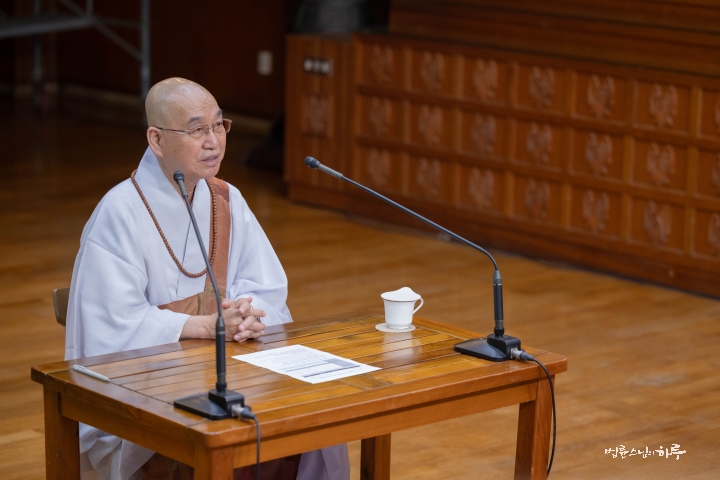
If you become too attached to your family, as the questioner seems to be, that attachment becomes a major obstacle to becoming free from suffering. It’s not about leaving home, but about letting go of attachment. To be free from suffering, you must let go of attachments. Even if something were to happen to your husband and he were to die tomorrow, a practitioner should be able to feel momentary sadness but quickly regain the strength to live their own life. Practice means maintaining equanimity and living your own life no matter what situation you find yourself in.”
“I’m not so concerned about him leaving his wife, but it’s more about his child. To be grown for 12 years of that child’s life, I think is being selfish and leaving the wife in a position to raise him by herself. I’m glad she came from a wealthy family, so maybe she had a lot of help. But the child is going to be different. Being raised by a single mom versus having both parents there, so that’s where I come from. But I understand that you have to take care of yourself and look at your own suffering. I’m just saying that’s what irked me as I’m trying to learn about Buddha. But thank you for your explanation.”

Questions continued to pour in. After the conversation, Sunim gave some closing remarks.
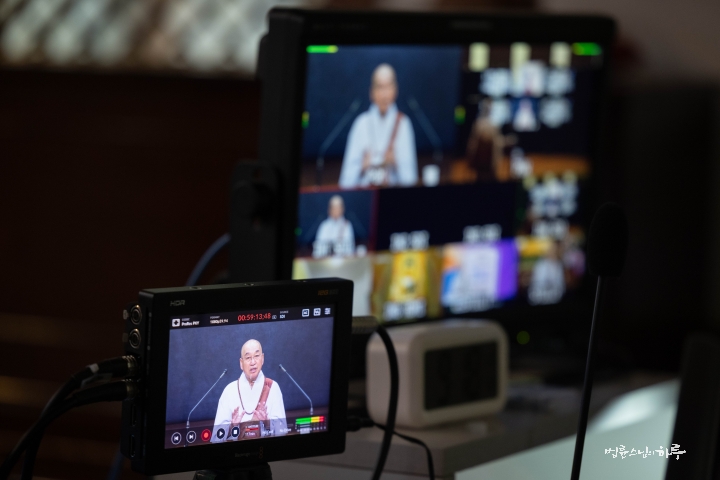
“I hope you will continue to study the life of the Buddha in depth. And if you have any questions during your studies, please always feel free to ask.”After a short break, the Jungto Dharma School entrance ceremony began at 10 AM. This year, about 2,000 students from both domestic and international locations enrolled to attend the online Dharma School classes.
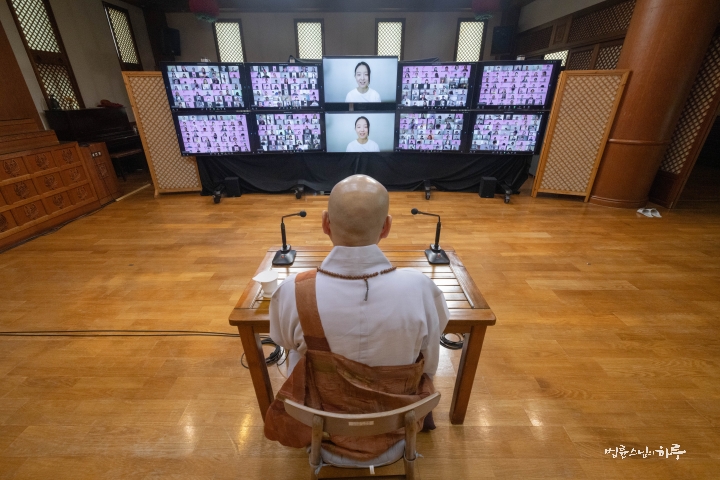
After watching congratulatory messages and performances from senior graduates, we took time to hear the thoughts of the new students. Listening to each person’s impressions, we could feel the excitement and anticipation of new beginnings.
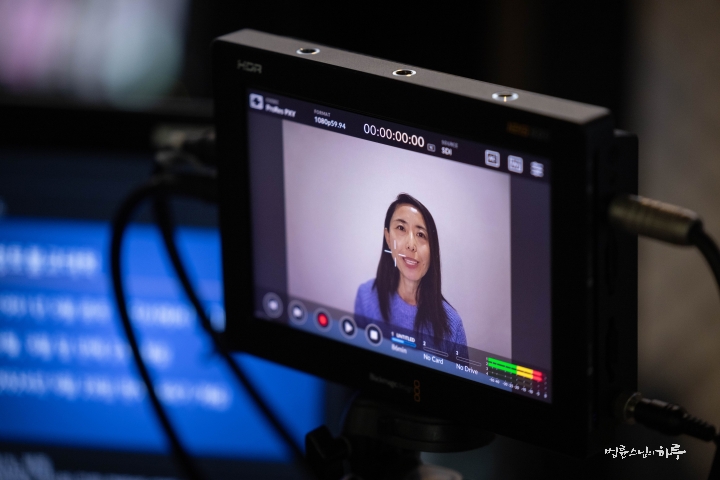
Following the welcoming speech by the President of Jungto Society, everyone together requested an entrance ceremony Dharma talk from Sunim. Sunim first conveyed his congratulations.
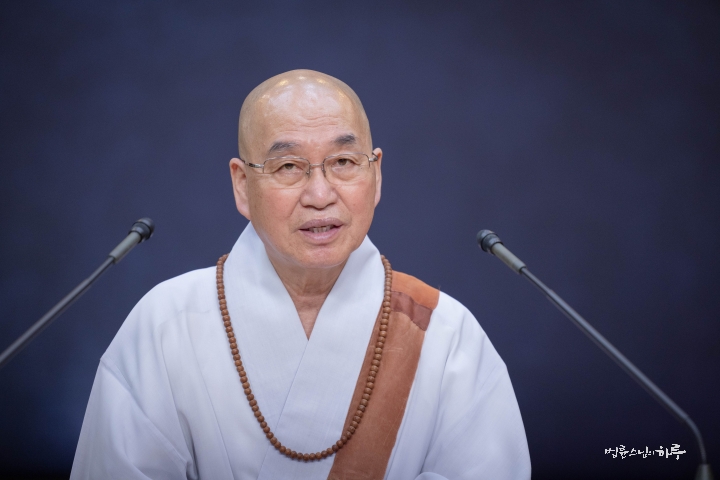
He then explained the curriculum of the Jungto Dharma School.
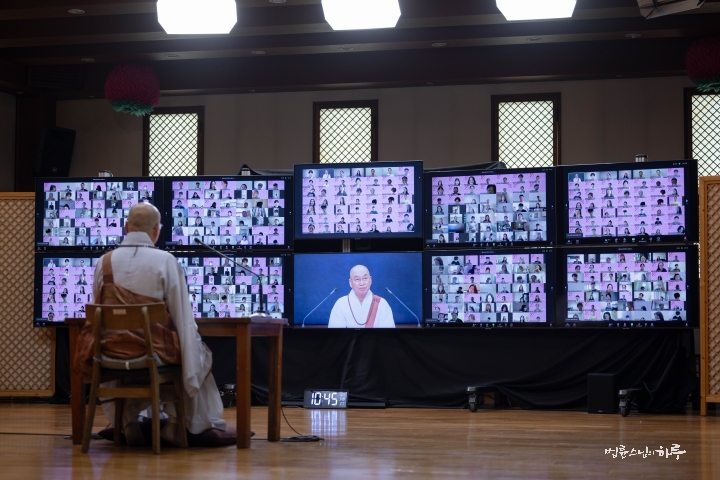
Are You Ready to Transform Your Life?
“The Jungto Dharma School is a five-month course that focuses on two main areas. First, ‘Practical Buddhist Thought’ emphasizes the principles of liberation from suffering as taught by the Buddha and the norms to be observed in practice. Second, ‘Human Buddha’ explores the social and historical context of Buddha’s birth and upbringing in India 2600 years ago, his concerns, the mainstream and non-mainstream philosophies of the time, and how Buddha, influenced by these, questioned the world, renounced to the non-mainstream side, and then, realizing that wasn’t the path to enlightenment either, proposed a new path rejecting both mainstream and non-mainstream – the ‘Middle Way’. He became free from suffering himself and shared his experience to help others live without suffering.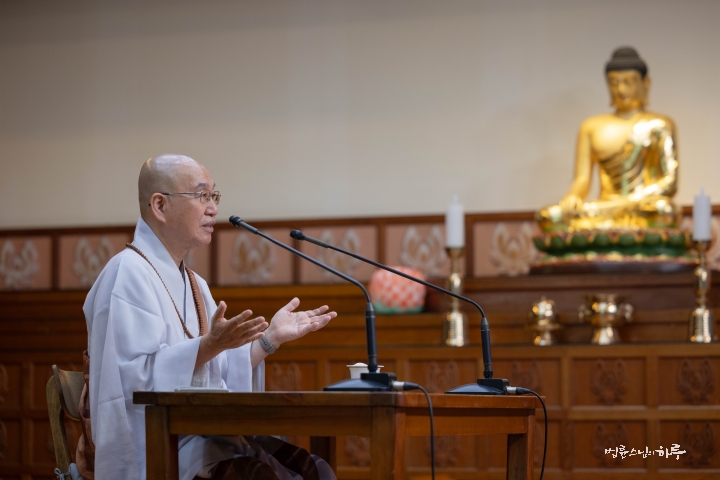
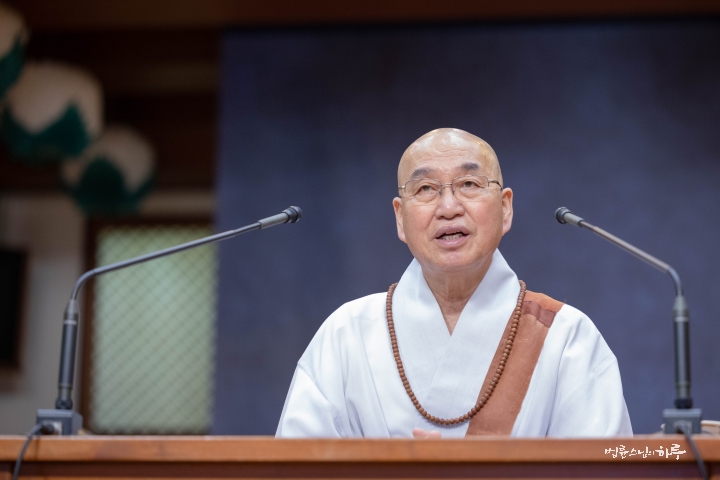
Five Months That Will Transform Your Life
This is my 55th year since entering the temple. I’m not someone who just talks about what’s written in books. I only talk about what I’ve directly experienced among the stories in the scriptures, and even then, I don’t talk about everything I’ve experienced. I only talk about experiences that are also mentioned in the scriptures to avoid promoting mysticism. The Jungto Dharma School curriculum is a collection of the essence of what I’ve experienced while studying Buddhism. So don’t study casually, but focus on the classes with the perspective that ‘I can learn all of Sunim Pomnyun’s 50 years of experience.’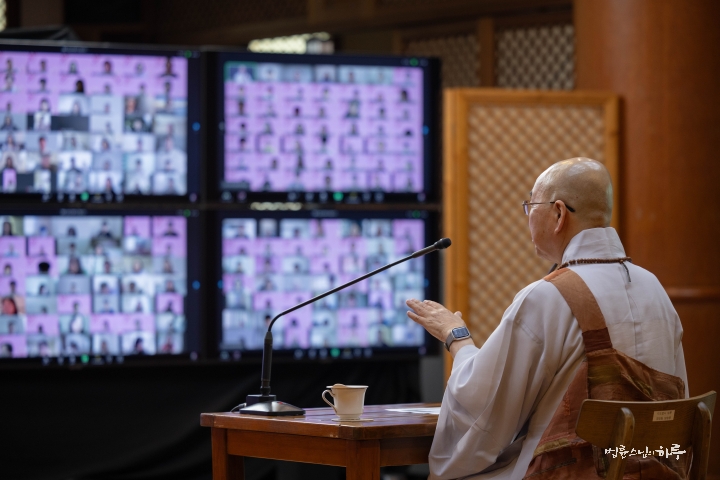
After the entrance ceremony Dharma talk, all participants entered group video conference rooms for initial greetings and self-introductions.
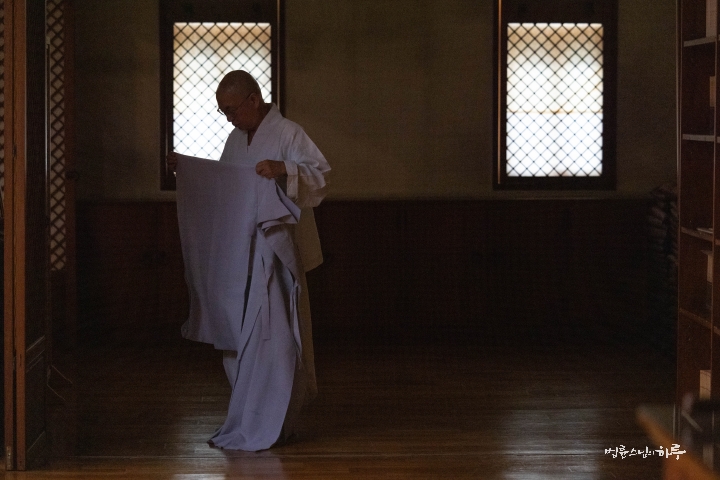
After leaving the broadcasting room, Sunim headed to Nonsan to attend the 5th anniversary ceremony of the Kim Hong-shin Literary Museum.
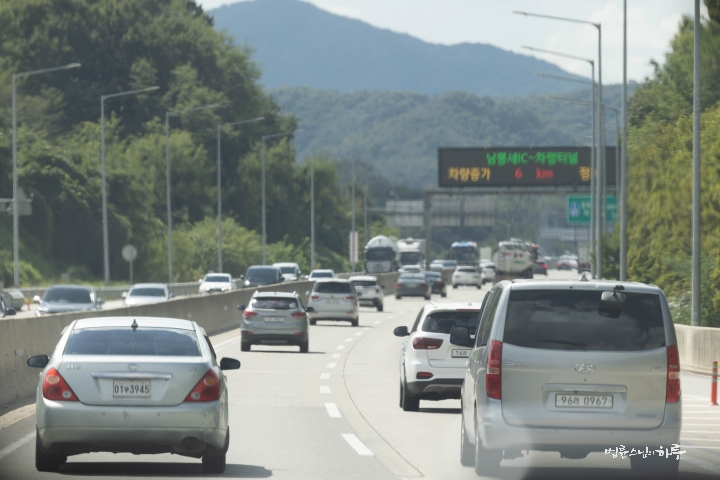
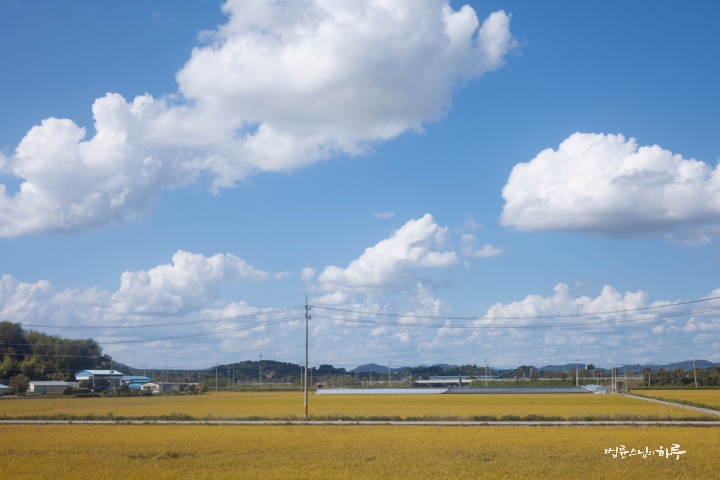
Along the highway, the sight of rice fields turning golden, waiting for harvest, caught the eye. Sunim quietly said while looking out the car window:
After a three-hour drive from Seoul, we arrived in Nonsan. The Kim Hong-shin Literary Museum was located right next to the Konyang University campus.
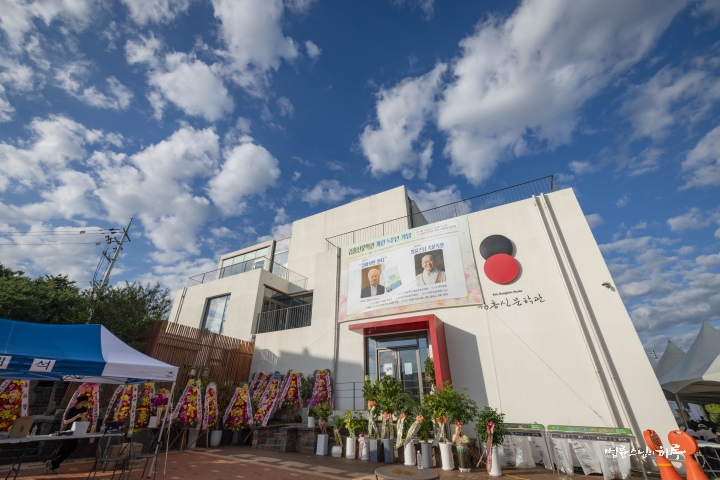
As Sunim arrived, writer Kim Hong-shin warmly welcomed him.
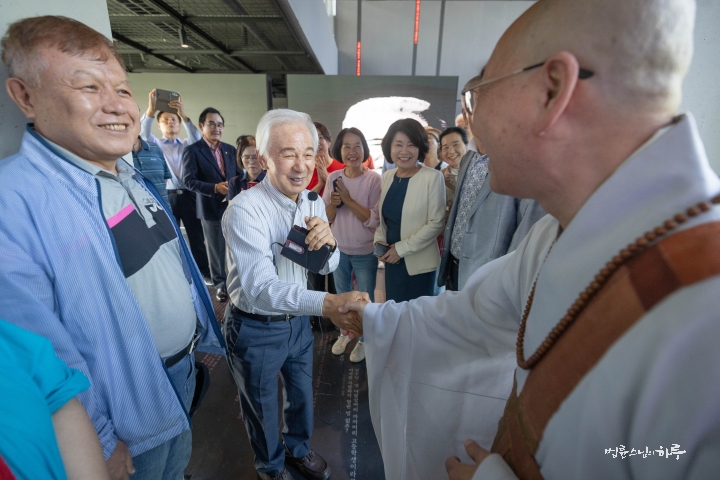
“Sunim, thank you so much for coming.”
Writer Kim Hong-shin personally gave a detailed tour of various parts of the museum.
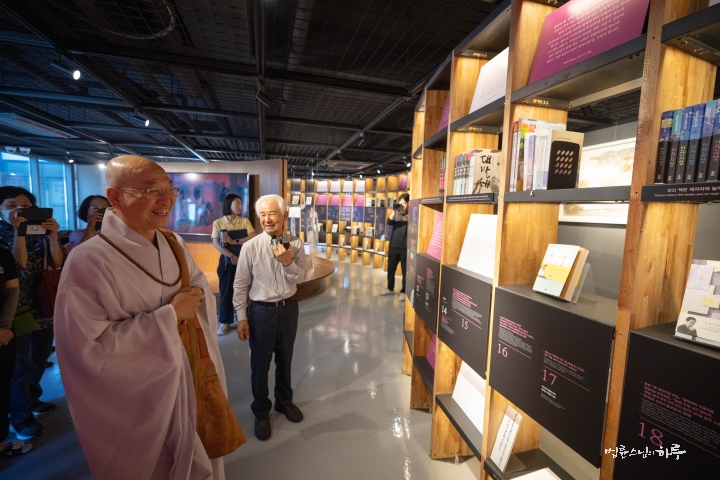
The Kim Hong-shin Literary Museum was established to highlight the literary spirit of Kim Hong-shin, Korea’s first million-seller author, and to promote local culture and arts, with the support of his junior from the same hometown, Chairman Nam Sang-won. This cultural space, created by the friendship and love for their hometown between seniors and juniors from the same area, had various exhibits installed. Upon reaching the Daebalhae exhibition hall, the writer said:
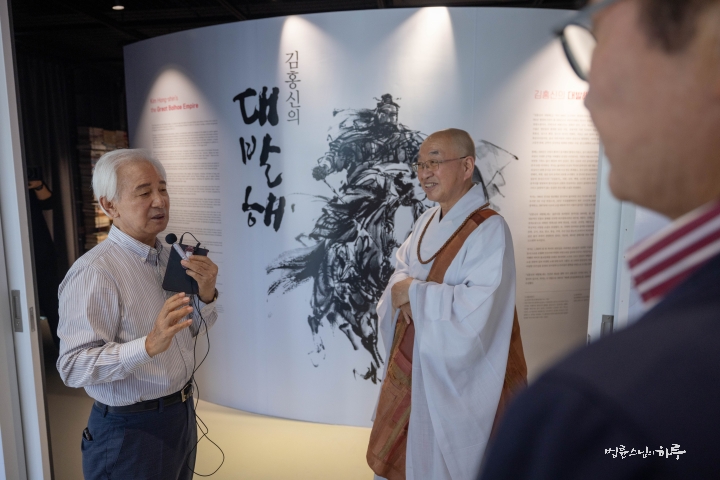
“Sunim, you must see this space. I wrote the historical novel ‘Daebalhae’ based on my experiences of doing volunteer work with you. This exhibition hall displays the materials I collected to write Daebalhae and the original manuscript.”
Sunim also smiled and said:
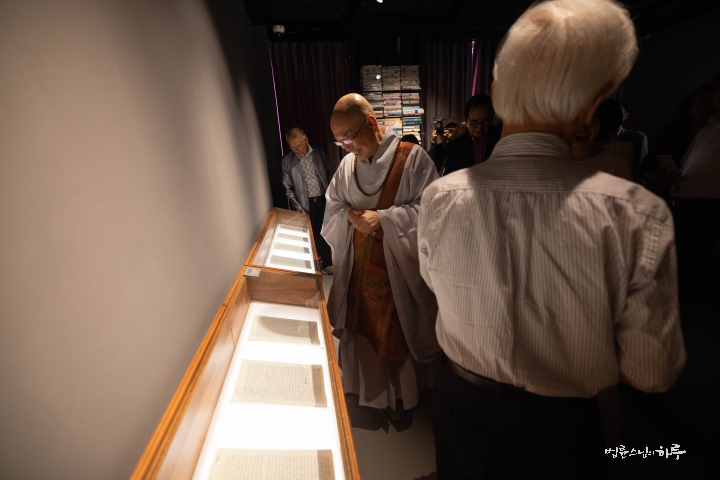
Sunim toured various spaces including the permanent exhibition hall showcasing the author’s life, the special exhibition hall for themed exhibitions, the archive exhibition hall, the literary observatory, the open multipurpose room for visitors, and even a cafe.
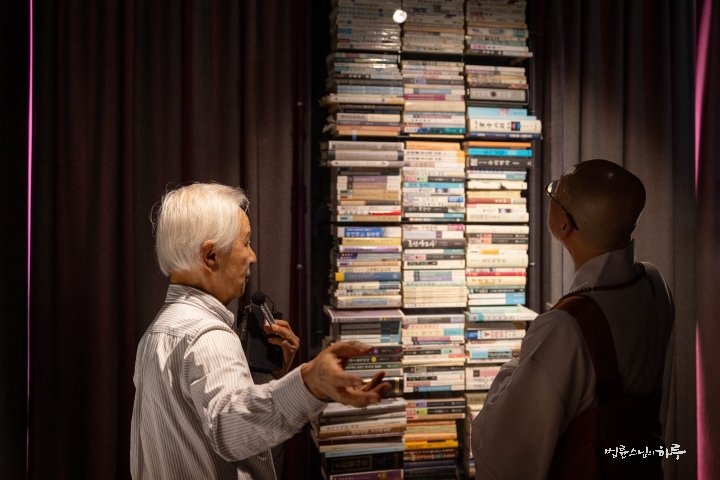
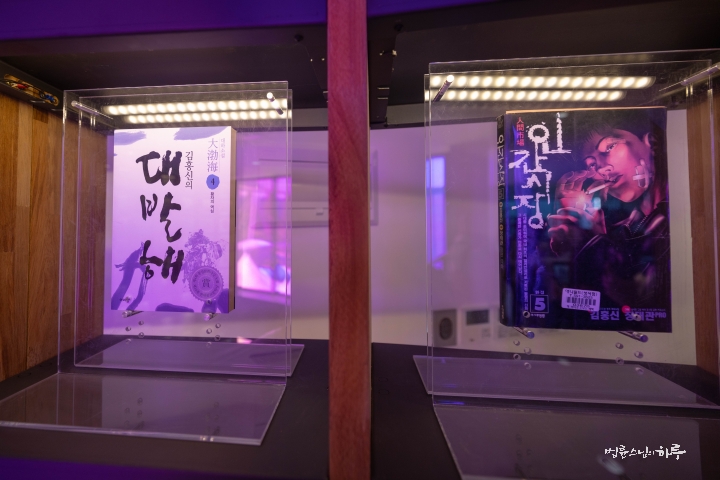
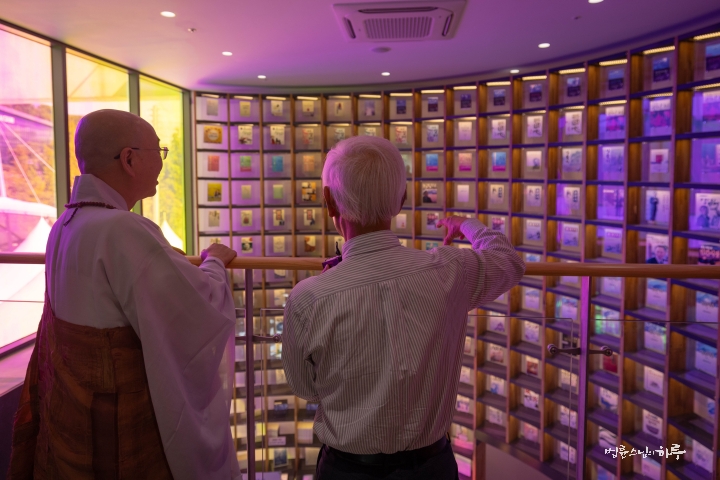
The writer is famous for his novel “Human Marketplace,” which depicts social injustice, abuse of power, and the sorrows of the dispossessed. Many stories about this book were exhibited throughout. The writer’s thorough social awareness and critical consciousness, cold intellect, and sharp writing style played a role in preventing ordinary citizens from conforming to political power and awakening the self-esteem of the people.
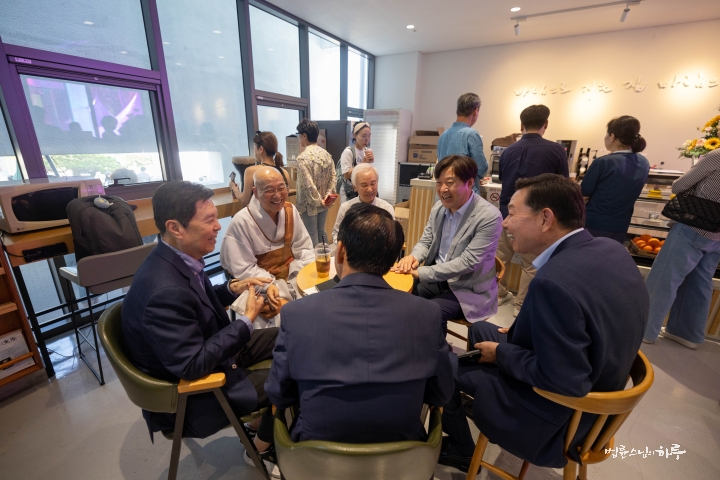
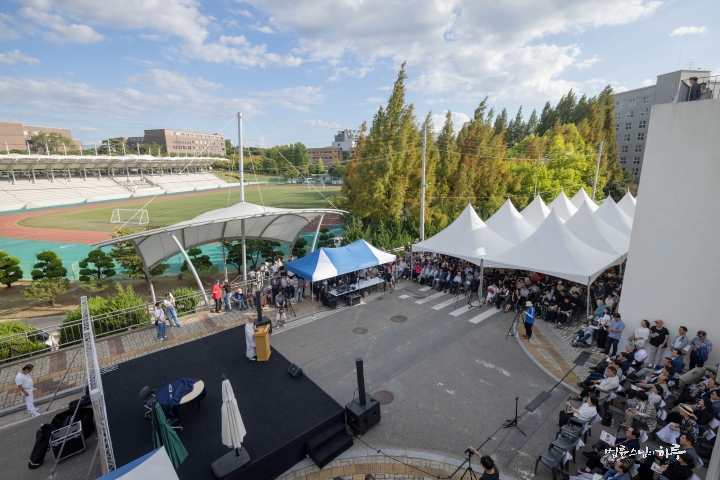
After having a pre-meeting at the cafe and conversing with local dignitaries, we all moved to the front yard of the museum. As Sunim and writer Kim Hong-shin appeared before about 500 citizens, they were greeted with a big round of applause.
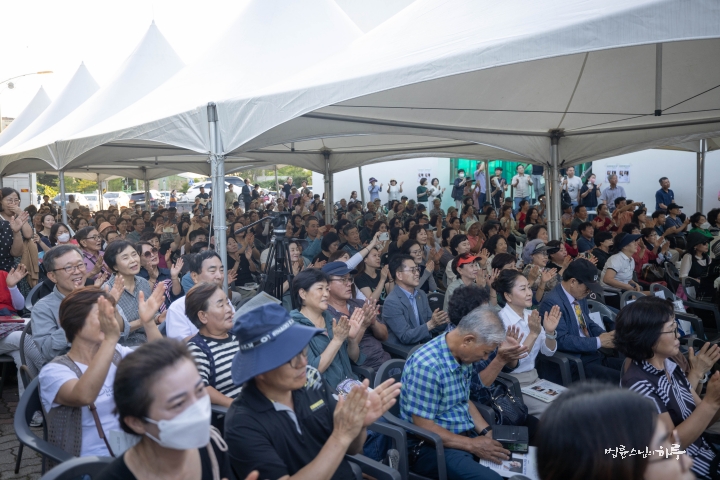
First, writer Kim Hong-shin and voice actress Seo Hye-jeong had a book talk, followed by a Korean traditional music performance. Mr. Kim Byung-jo volunteered his talent as the MC. It was a rich time filled with good words and beautiful music.
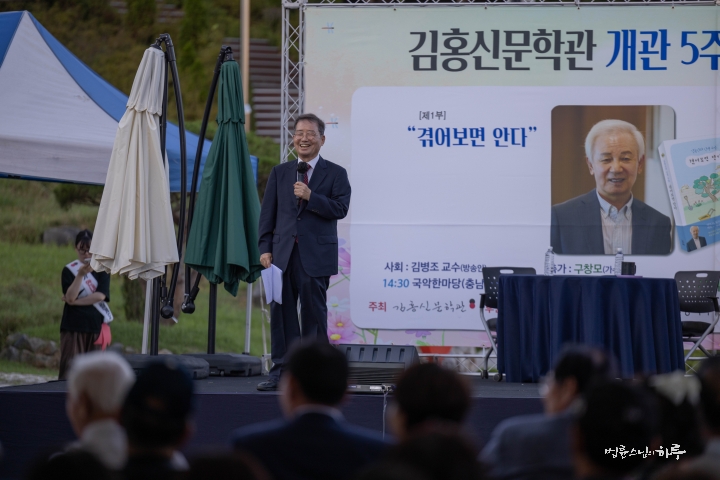
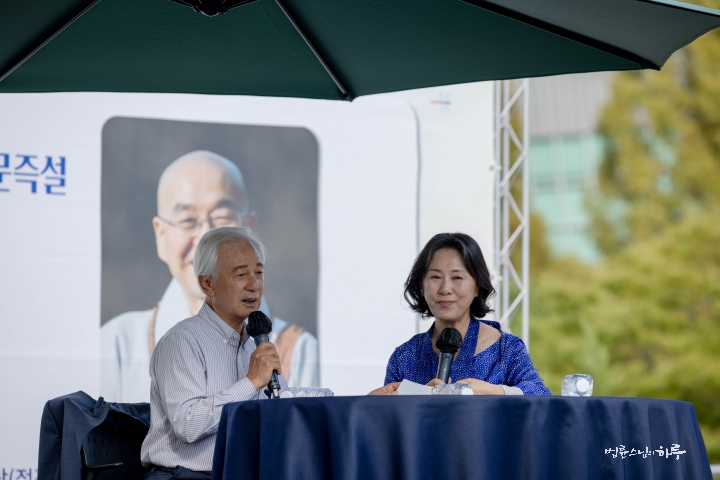
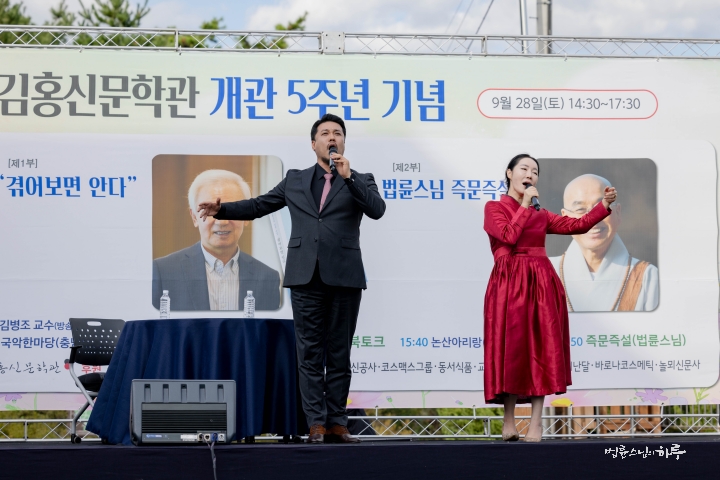
Then, at 3:50 PM, Sunim’s Dharma Q&A began. Sunim first gave a greeting:
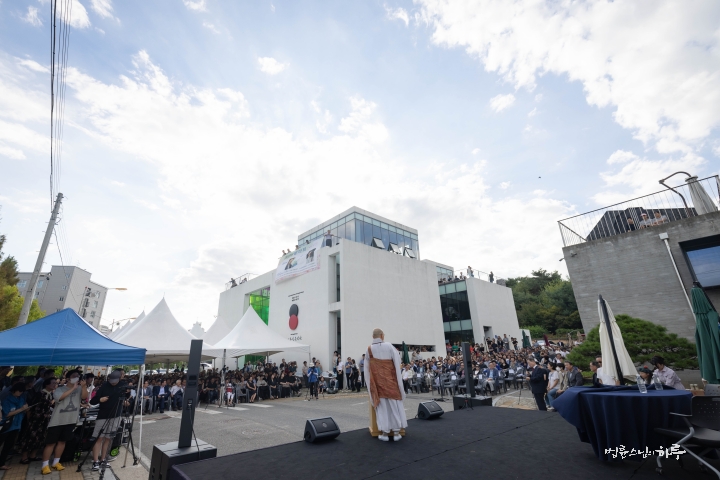
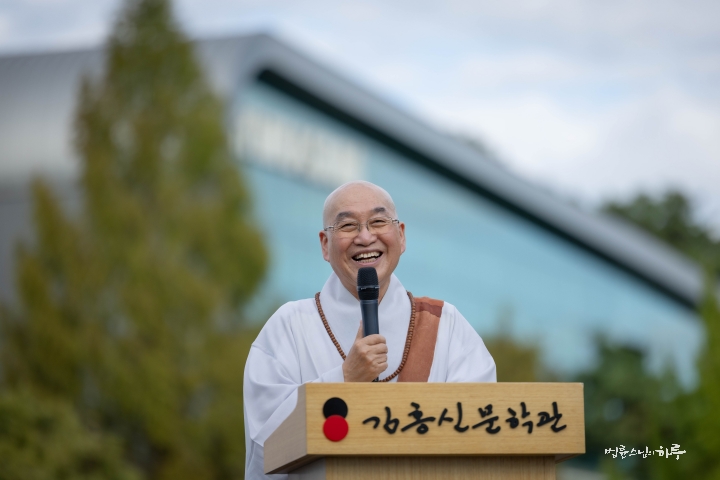
Dharma Q&A is a place where we can have light conversations, like friends talking to friends, when you have doubts or troubles in life. Anyone can raise their hand and ask a question.
Hands shot up here and there to ask Sunim questions. The first questioner was a young aspiring writer.
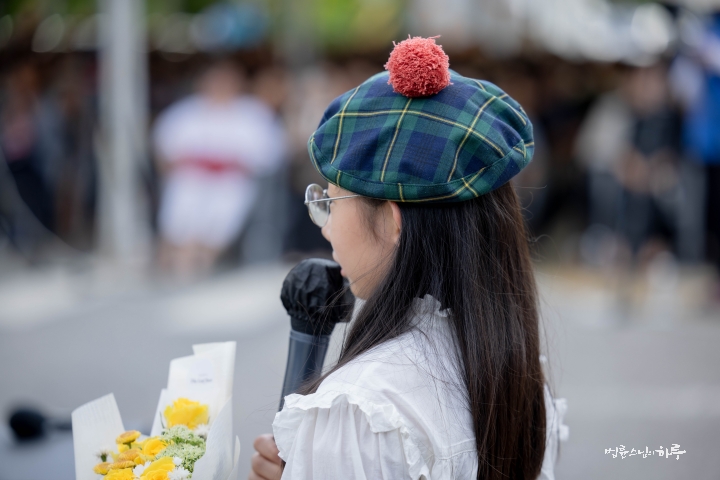
How Can I Write Well?
“My dream is to become a writer. Sunim, since you speak well, I think you must write well too. I want to write well, but how can I write excitingly?”
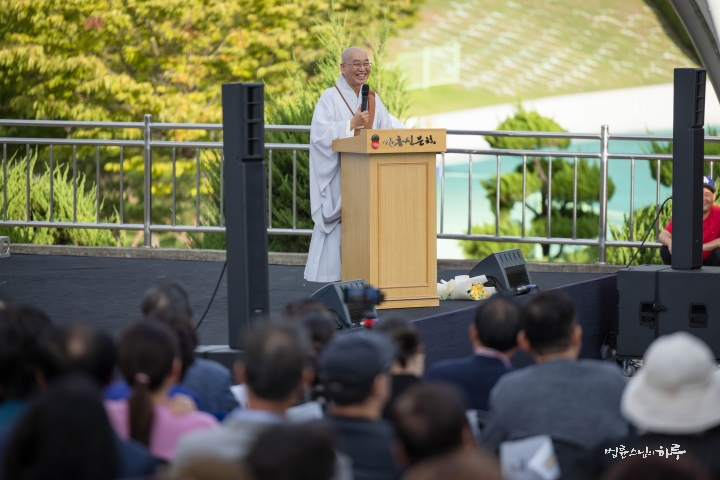
“Thank you.”
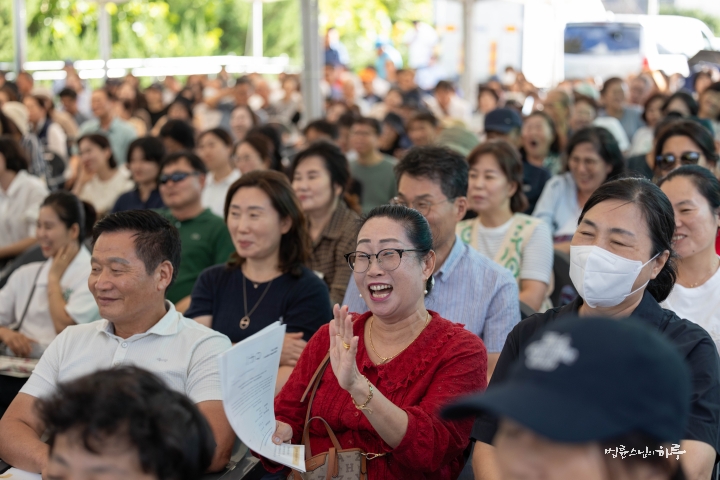
The next questioner asked for Sunim’s advice on how to deal with someone who continues to behave badly.
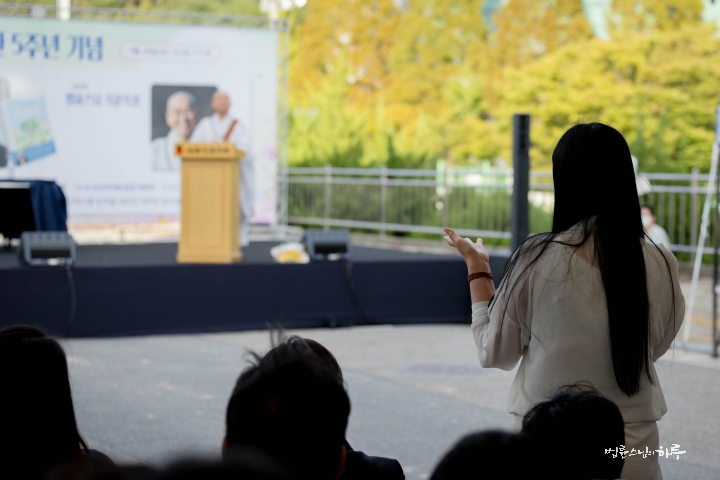
Should I Endure Even When Others Behave Badly?
“My concern is that I keep having problems in my relationships with people. As I work with many people, conflicts arise, and most people just tell me to keep enduring. But I don’t understand why I have to keep enduring and letting go when the other person keeps making mistakes. I want to find an answer on how to handle situations where the other person continues to behave badly.”
“Who tells you to endure?”“Everyone does.”
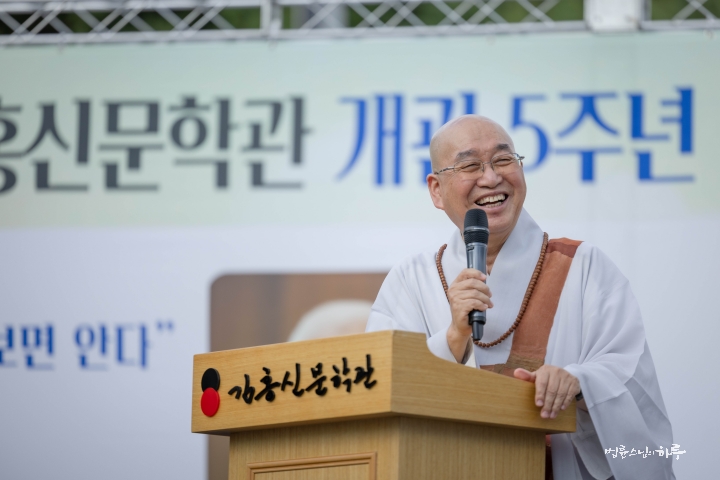
“But if I live like that, I keep getting further away from the world.”
“Is that a gain or a loss?”“It’s a loss. Because I have to live alone. I want to get an answer.”
“There is no answer. If it’s a loss, you should endure, and if enduring is too painful, you can get angry and accept the loss.”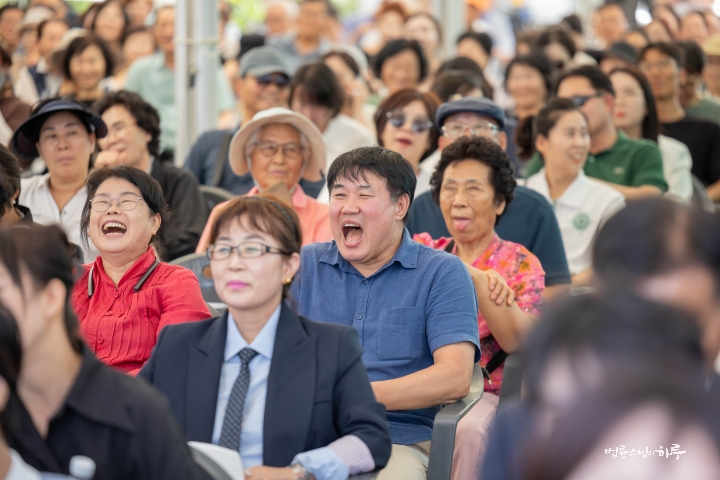
The next questioner asked how to let go of greed.
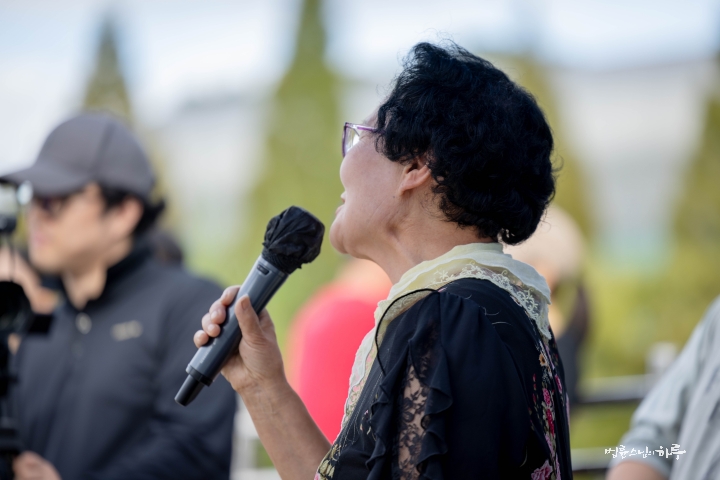
How Can I Let Go of Greed?
“I know I should let go of greed, but I can’t. How can I let go of greed?”
“You say you can’t let go of greed? If you can’t let it go, then keep holding onto it. What’s the problem?”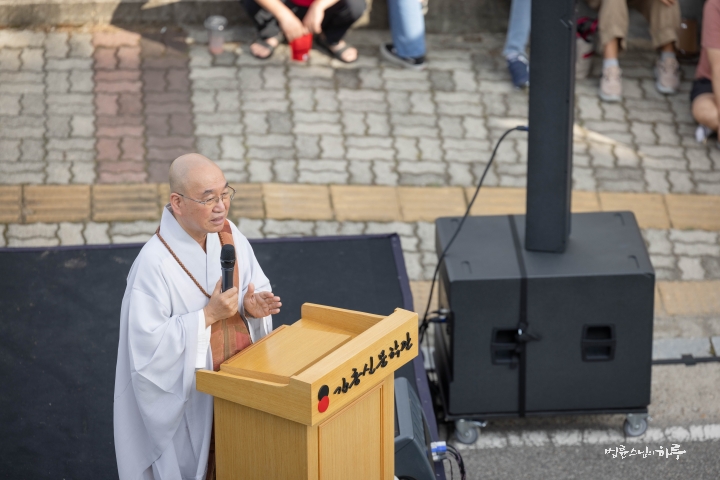
“I’m wondering if there’s a good method to let go of greed.”
“Why do you need to let go of greed?”“Monks usually tell us to let go of greed, don’t they?”
“People say they suffer because they can’t let go of greed, so we advise letting go of greed to avoid suffering. If you’re not suffering while being greedy, then just live as you are. Nothing is set in stone.”“I see, thank you.”
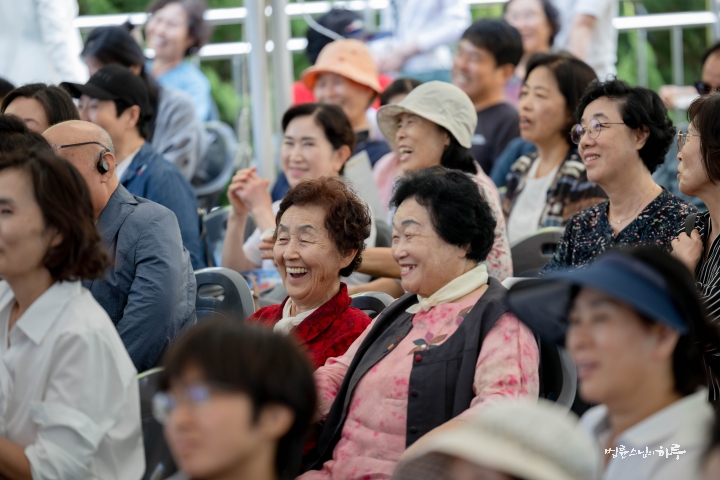
The questions continued. Today, to accommodate more people’s questions, Sunim gave shorter answers than usual.
I often read storybooks to my grandchildren. How should I soothe them when they throw tantrums?
I know you engage in interfaith dialogues. What have you learned from this, and what aspects of other religions do you respect?
How can we persuade the generation that experienced the Korean War about peace and unification on the Korean Peninsula?
How can teachers help students who are struggling emotionally or financially?
How do you relieve stress during difficult times?
I think the danger of nuclear weapons is greater than climate change. What mindset should citizens have for peace and unification on the Korean Peninsula?
Society emphasizes the need to follow laws, but why are there more people who don’t obey the law? How can laws be applied more fairly?
The last questioner asked about the difference between large and small lanterns when hanging them.
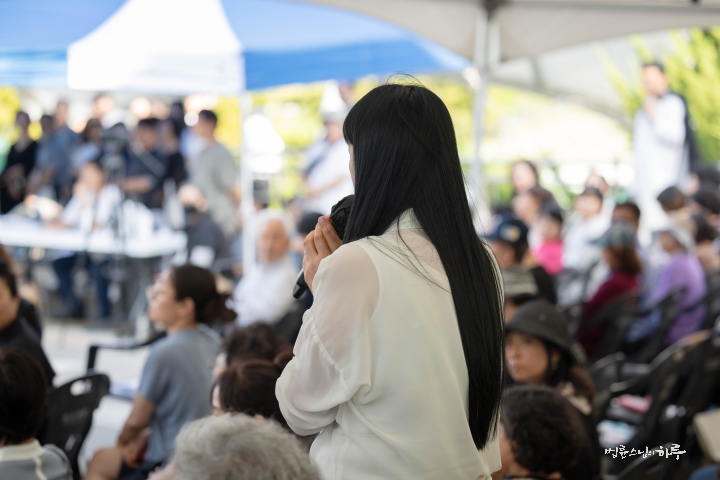
How Much Difference in Efficacy Is There Between Large and Small Lanterns?
“I’ve been going to temples for a long time, but I have a concern. When hanging lanterns, if you donate a lot of money, they give you a big lantern, and if you donate less, they give you a small lantern at the edge of the yard. I don’t have much money, so even though I want to hang a big lantern, I can’t, and if I hang a small one, it ends up at the edge of the yard. Is there more effect if you hang a big lantern? I’m curious about how much difference in efficacy there is between small and large lanterns. Usually, people hang lanterns to pray for blessings or health from Buddha. I’d like to know what difference there is between big and small lanterns.”
“How much do you know about Buddha? Do you think Buddha lived in poverty and then became a prince through practice? Or do you know that Buddha was originally a prince but gave up everything to become a mendicant?”“I know that Buddha used mountains as walls and the sky as a blanket.”
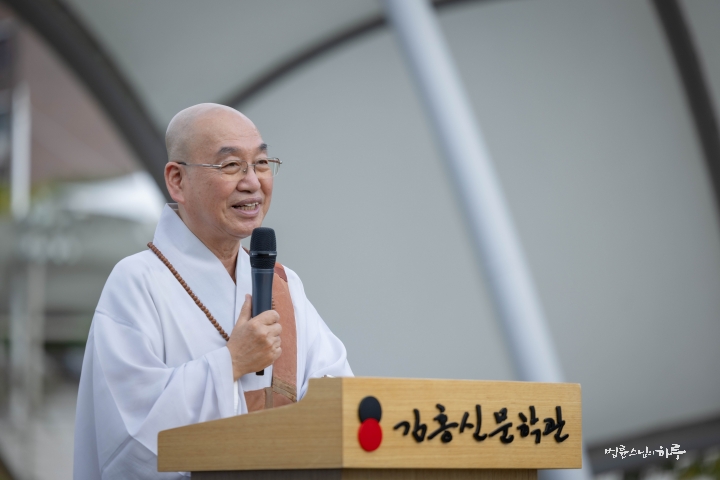
“When I go to the temple, I feel ashamed if I just leave without doing anything, so I hang a lantern. I’m curious if hanging a big lantern has more effect.”
“Buddha has given up everything, so he has nothing to give you.”“Then I don’t need to hang a lantern?”
“It’s up to you. It’s your money.”“I understand.”
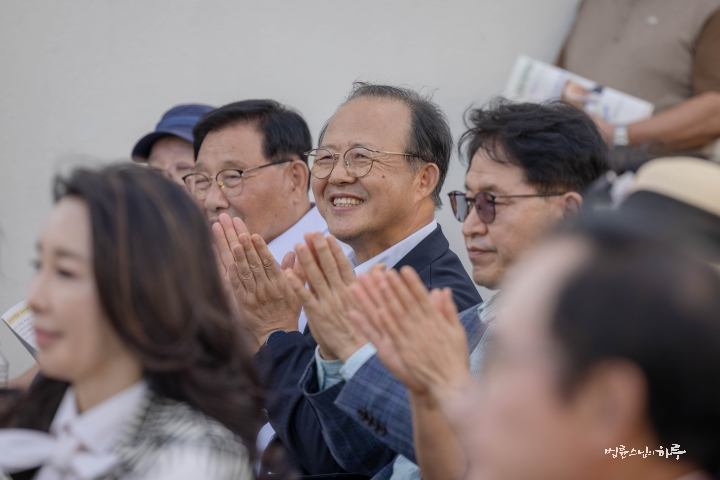
The promised hour and a half quickly passed as Sunim answered many questions. Finally, he concluded the lecture by talking about his connection with writer Kim Hong-shin.
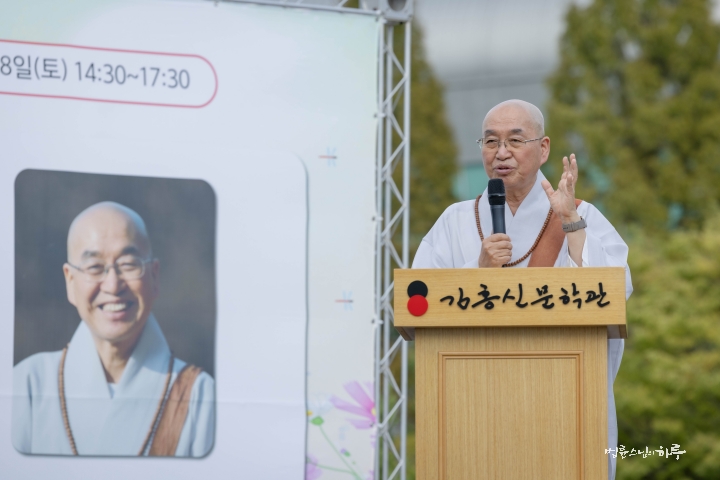
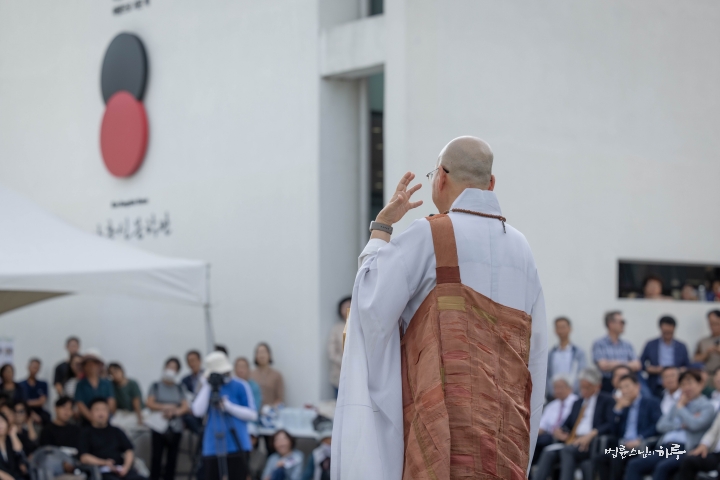
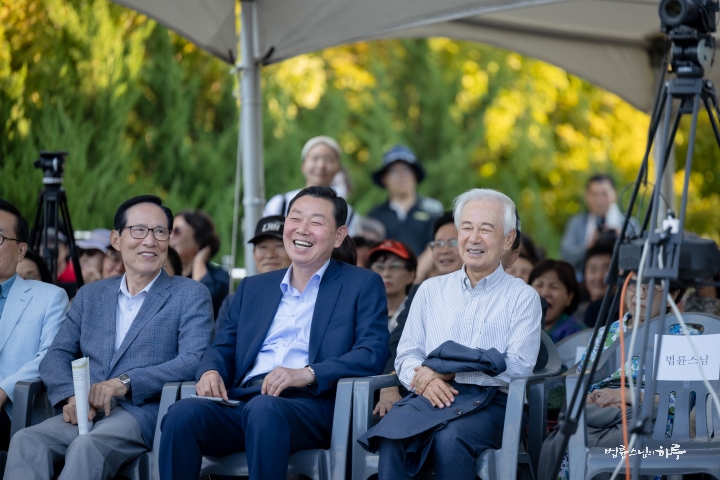
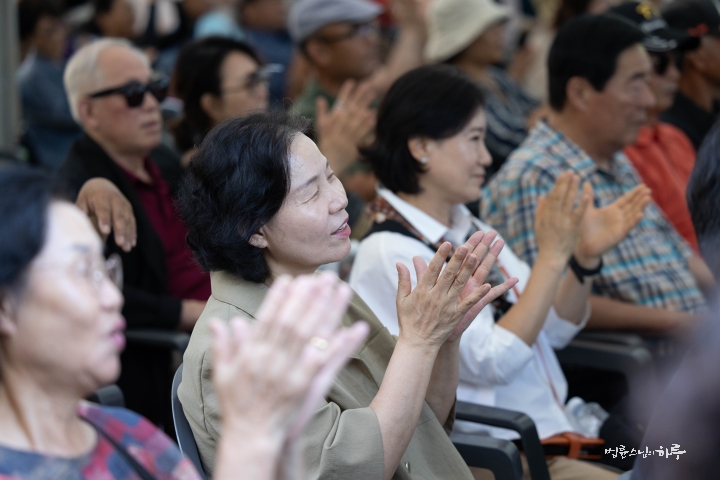
The invited lecture ended with a big round of applause.
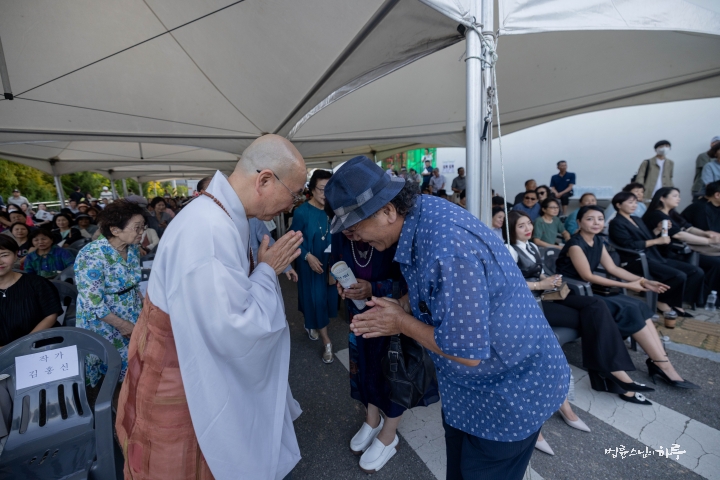
Many citizens came to greet Sunim. After exchanging greetings warmly, he went to the writer’s study for dinner.
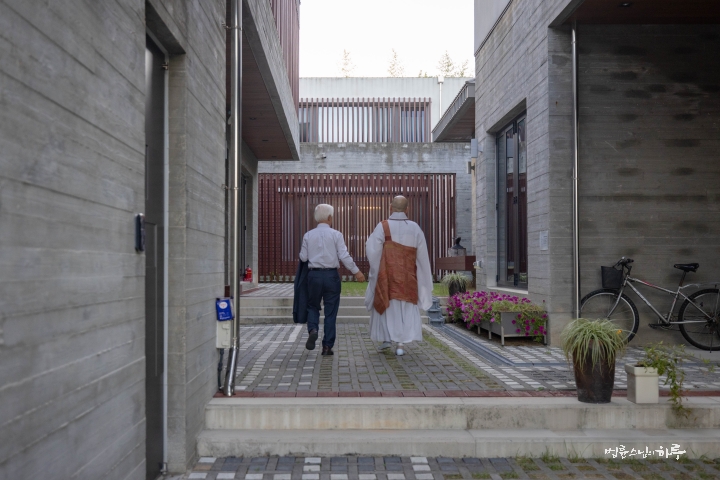
He had a bowl of noodles and continued the conversation with the attending dignitaries. After finishing the conversation and taking commemorative photos with the dignitaries, he departed from Nonsan.
“Thank you for coming such a long way, Sunim.”
As the sun set, he left Nonsan at 7 PM. After driving for 3 hours, he arrived at Dubuk Retreat Center at 10 PM and concluded the day’s schedule.
Tomorrow morning, Sunim plans to take a tour of the field, and in the afternoon, he will visit the Gyeongju area for a pilgrimage commemorating the 200th anniversary of the birth of Choe Je-u.