I’m Surrounded by Selfish People. Should I Cut Off All Relationships?
Sep 7, 2024 - Oceania Dharma Q&A Tour (3) for Korean Expatriates in Auckland, New Zealand
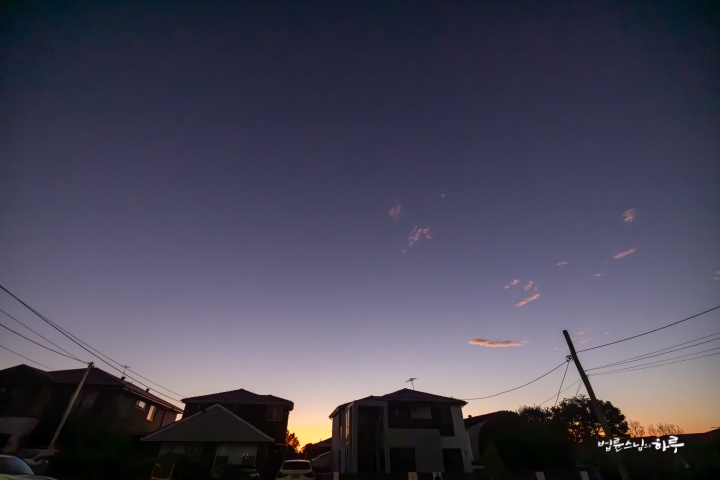
After completing his morning practice and meditation, Sunim had breakfast at 5 AM in his accommodation and departed for Sydney Airport.
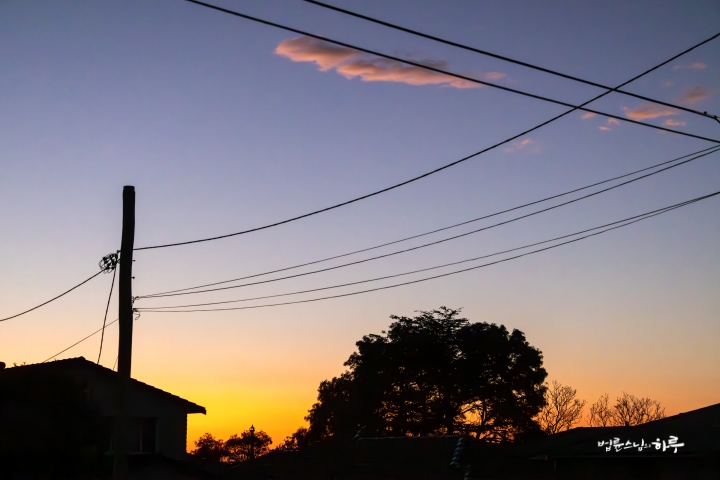
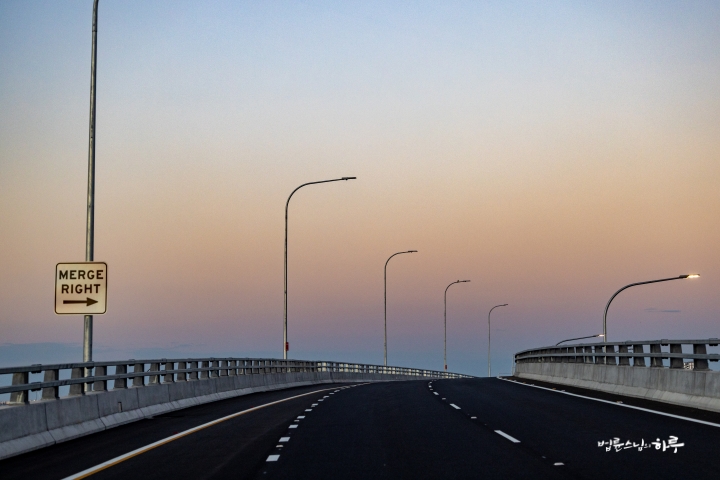
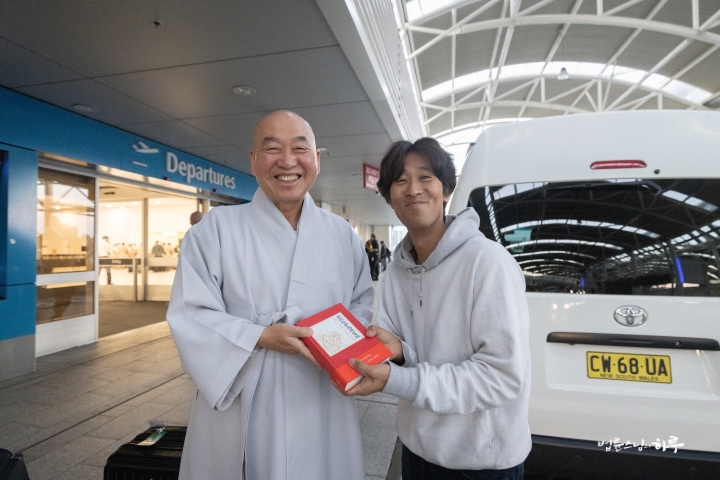
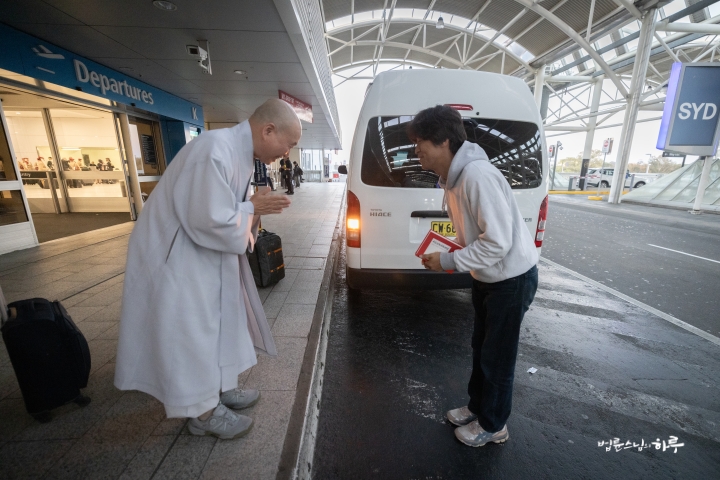
On the way to the airport, dawn was breaking outside the car window. Upon arriving at the airport, Sunim signed and gifted his book on the Diamond Sutra to Jeongmin Pyo, who had provided driving assistance during the two-day stay in Sydney, as a token of gratitude. They took a commemorative photo together.
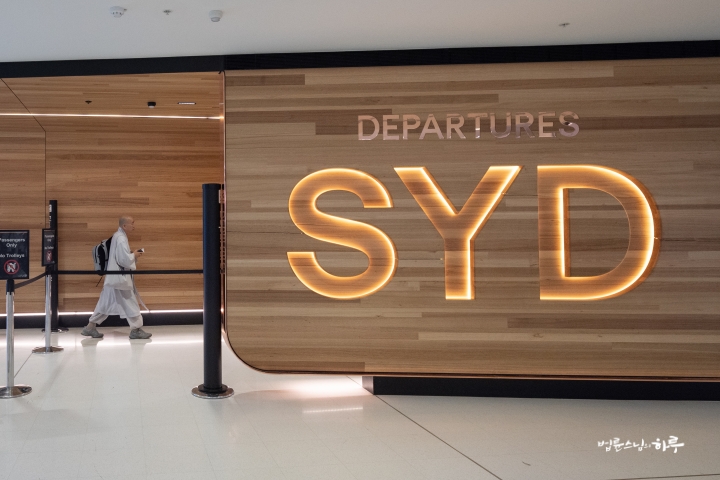
After completing the departure procedures, Sunim waited at the gate before boarding the flight to New Zealand.
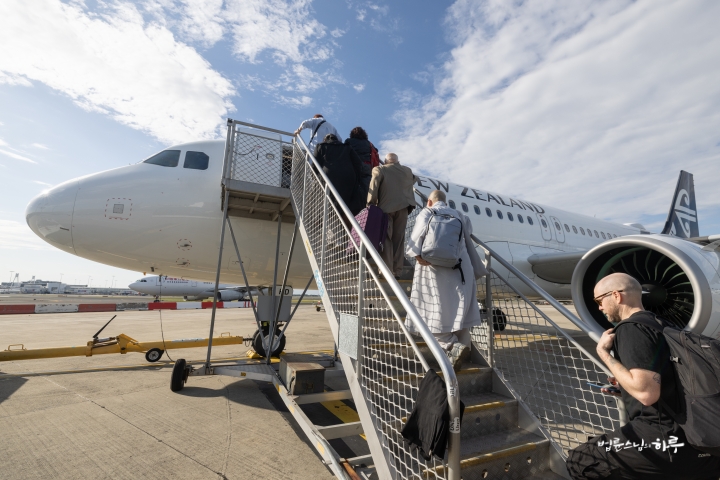
The plane departed from Sydney Airport at 8:45 AM and arrived at Auckland Airport in New Zealand at 1:55 PM local time after a 3-hour and 10-minute flight. Due to the time difference, the time was advanced by 2 hours, making it already afternoon upon arrival.
Upon exiting the airport, Mr. and Mrs. Park Jeong-yun, along with Park’s sibling and Kim Jin-hyun, who had prepared for the New Zealand lecture, greeted Sunim with a bouquet of flowers.
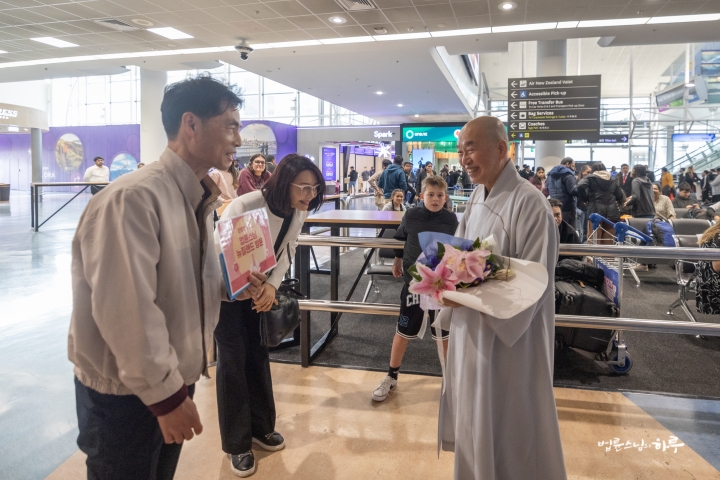
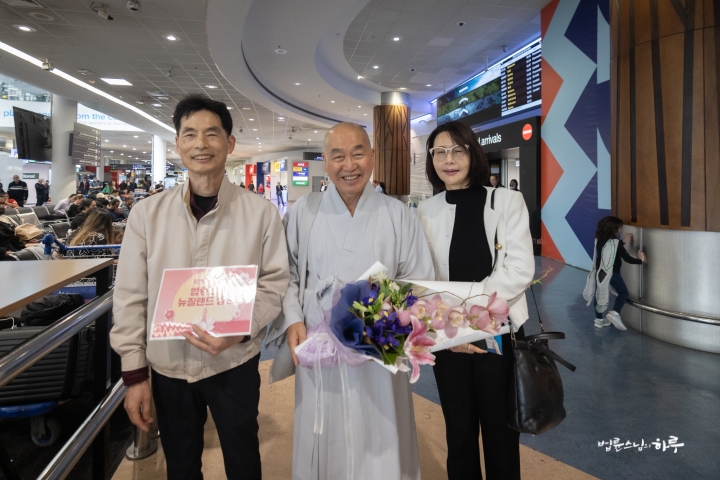
“You must be tired from traveling abroad so much. I’ve seen photos of you sitting in cramped seats on planes. Why don’t you sit in wider seats when you fly?”
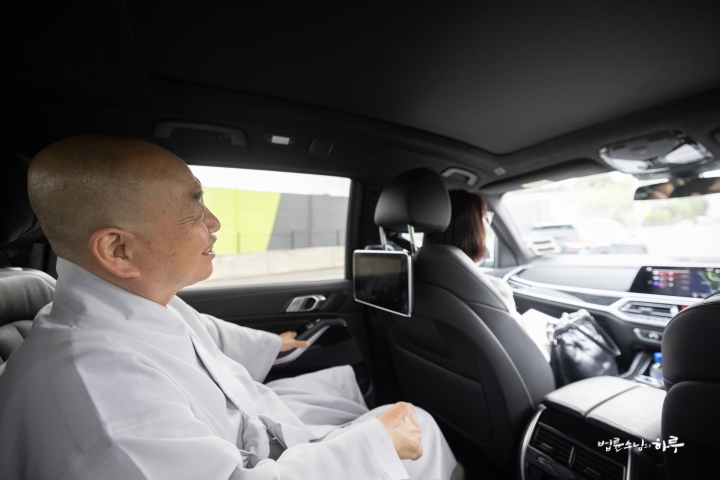
“It’s all the same when I close my eyes and open them again.” (laughs)They took a commemorative photo together and then headed to the accommodation by car.

In the car, they reminisced about old memories and chatted. Park Jeong-yun had a connection with Sunim from 40 years ago when he heard Sunim’s Dharma talk as a high school student. His younger sibling also had a connection from the same period, having heard Sunim’s Dharma talk as a middle school student. Park Jeong-yun recalled the old memory and said:
“At that time, my younger sibling ran away from home, and you took care of them, didn’t you?”
Sunim also recalled the memory and replied:
“I got a call saying that some children had run away, and when I looked into it, they had come to Seoul. I showed them around Children’s Grand Park and bought them a drink. But when I arrived, they quickly tried to hide their glasses. So I persuaded them to let me put them up at the temple and took the children there. Late at night, I heard thumping from the main hall, and when I went to check, the children were bowing in repentance. That was almost 40 years ago now.”“Although I haven’t been able to fully practice all the Dharma teachings I heard in middle and high school, they have been a great help throughout my life. Thank you, Sunim.”
After about 40 minutes of travel, they arrived at Park Jeong-jin’s house, which would be Sunim’s accommodation for the day.
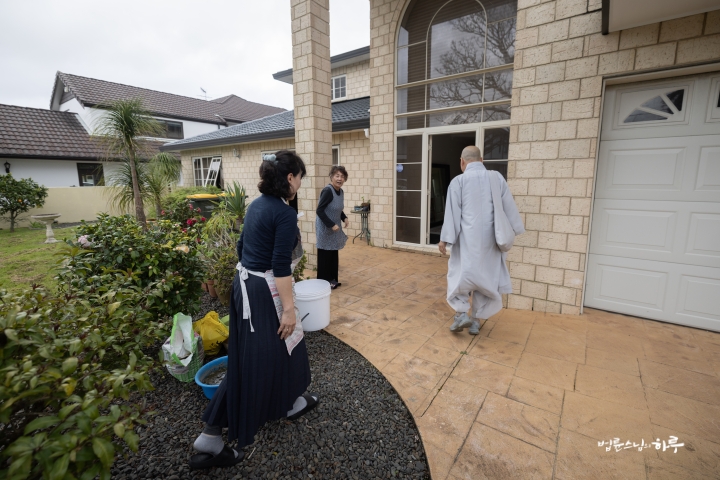
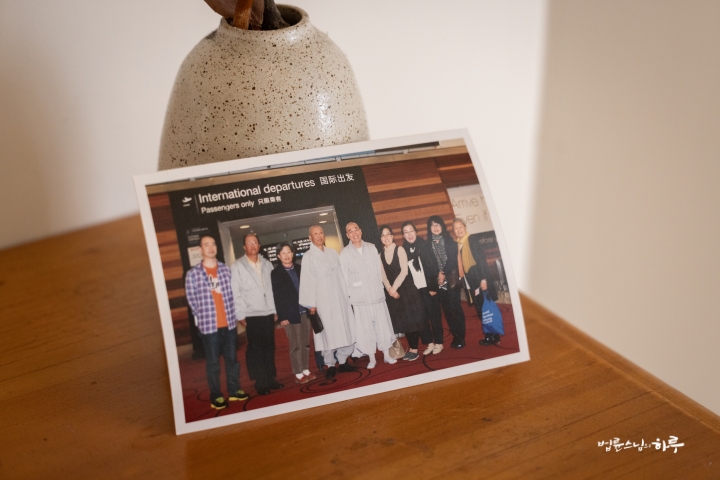
Sunim had also stayed at this accommodation 10 years ago when he came to New Zealand for a lecture. Upon entering the house, there was a photo of Sunim taken 10 years ago.
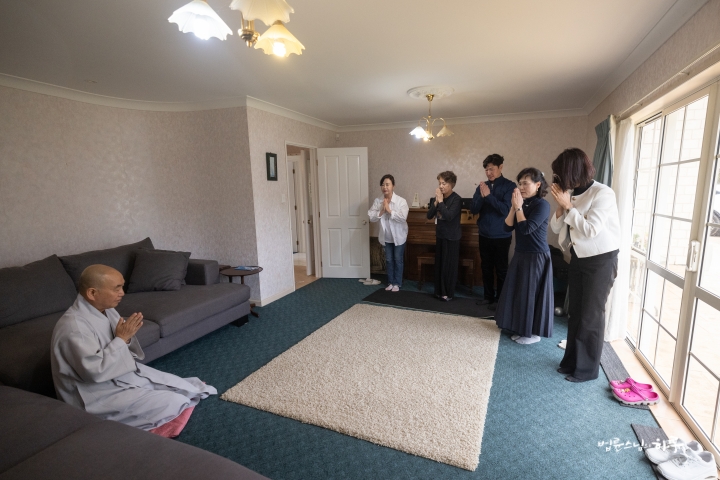
The Jungto Society members greeted Sunim with three bows.
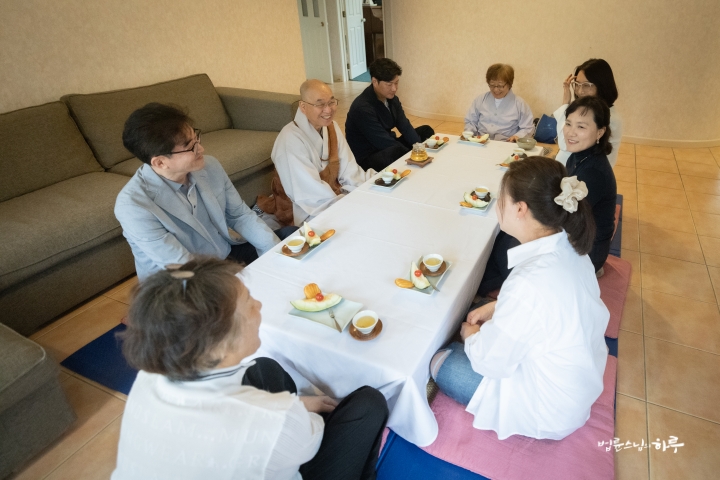
After having lunch, they shared tea together and caught up on recent events.
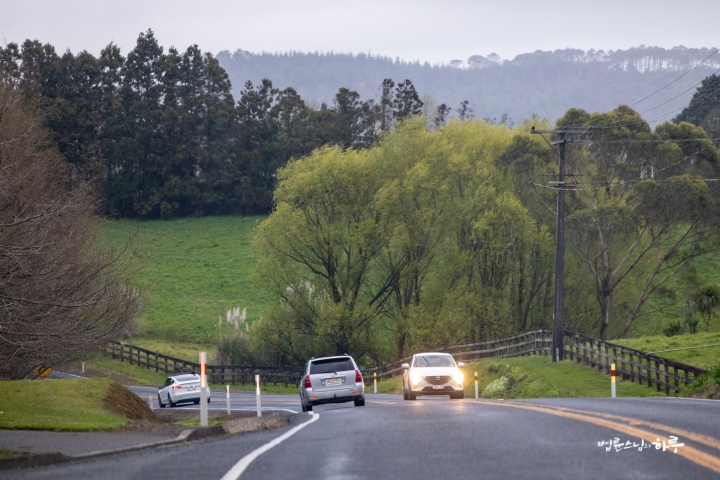
After finishing tea, we visited Namguk Seon Temple, a Korean temple located in Kumeu, west of Auckland, at 5 PM. The temple’s name was changed from Namguk Jeongsa to Namguk Seon Temple to revitalize the spirit of Seon Buddhism while renovating the temple.
Ten years ago, when Sunim visited New Zealand, the devotees of Namguk Seon Temple took charge of preparing for the lecture.
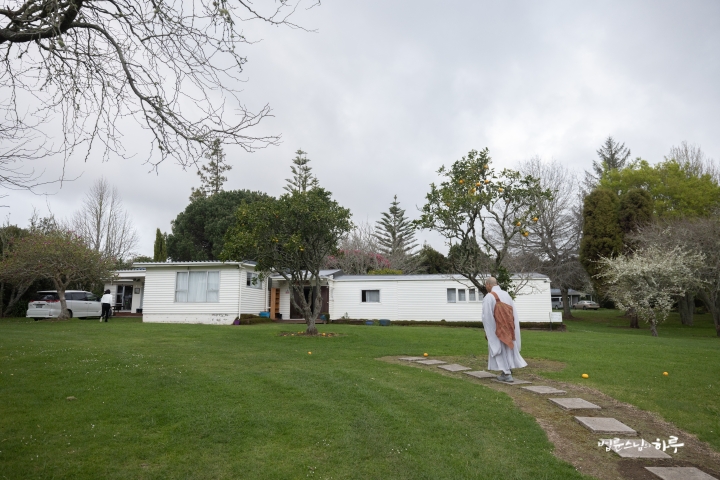
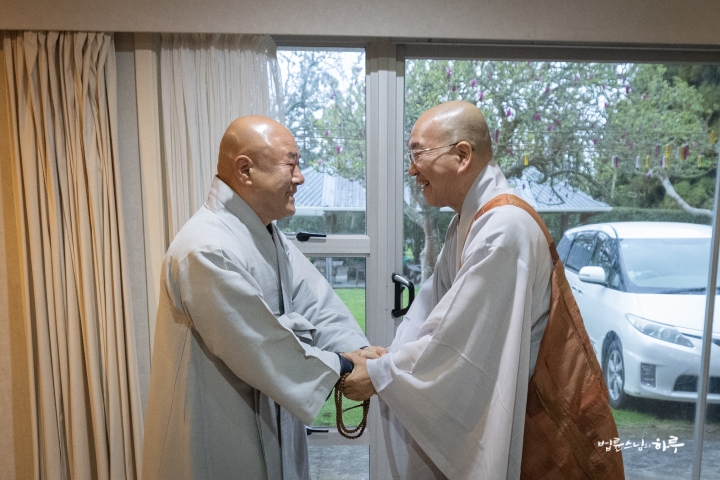
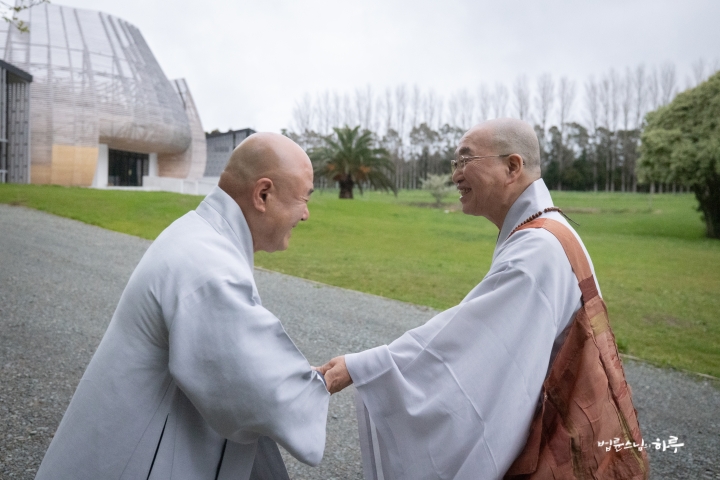
After paying respects at the main hall, Sunim met with Venerable Beobil, the head monk of Namguk Seon Temple.
“I was planning to visit you at the lecture hall, but I couldn’t go due to poor health. I asked someone to convey my apologies, but I’m really grateful that you came here in person.”
After drinking a cup of warm tea offered by the head monk, we looked around the main hall together.
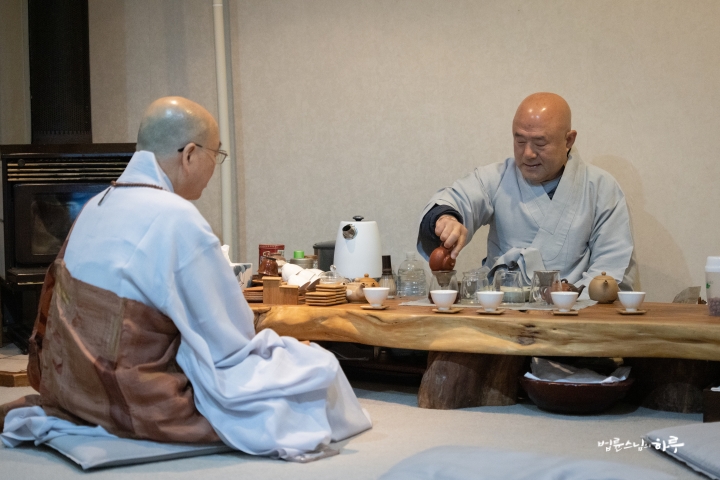
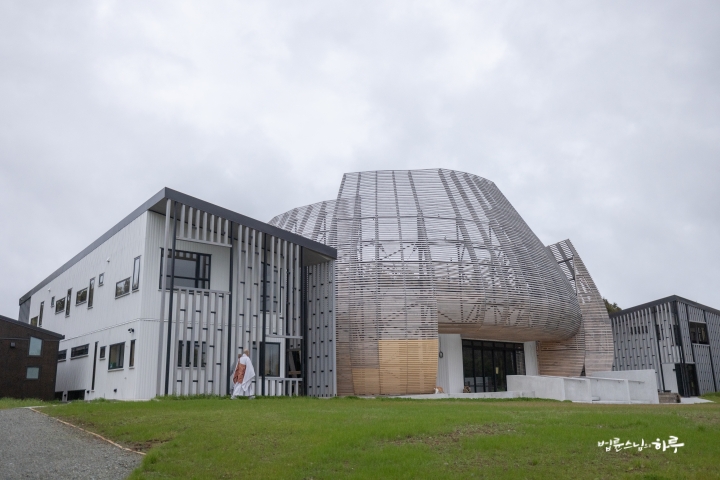
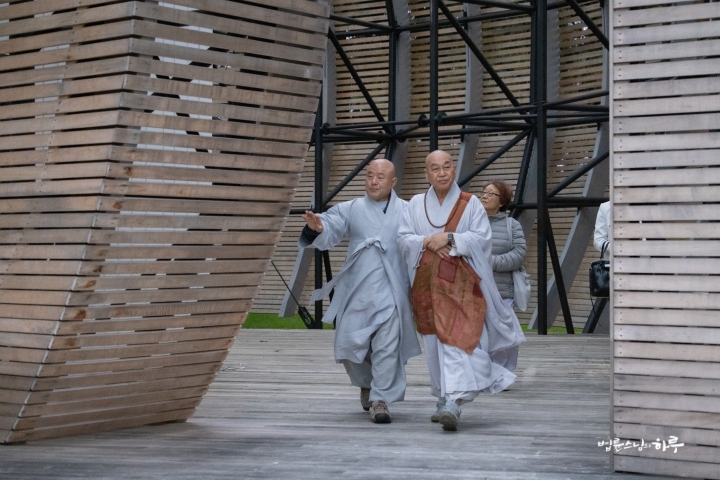
Venerable Beobil came to New Zealand six years ago and has been dedicated to temple construction. He introduced the newly built main hall, which is nearing completion.
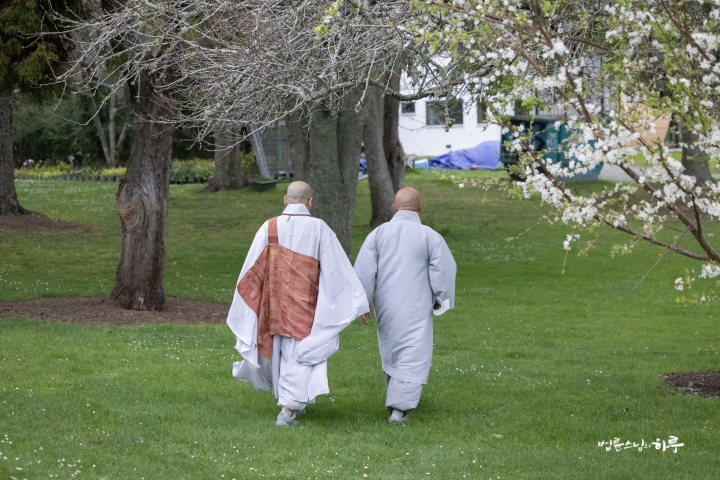

Spring flowers were just beginning to bloom in New Zealand. The lotus-shaped main hall was beautiful against the green fields.
“Thank you.”
We left Namguk Seon Temple at 6:10 PM and arrived at the lecture venue after a 30-minute drive.
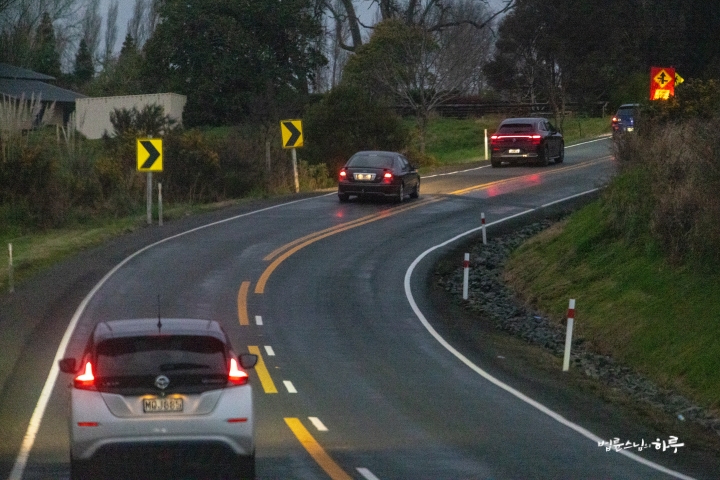
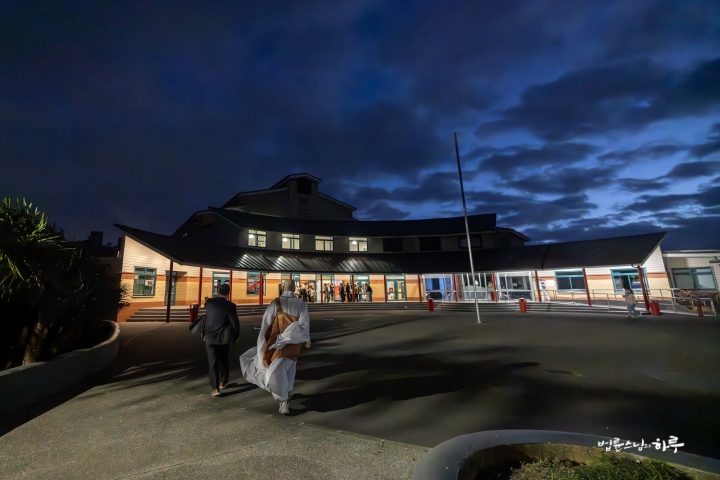
Today’s lecture is being held at Rangitoto College. The Dharma Q&A session will take place in the auditorium of New Zealand’s largest co-educational high school.
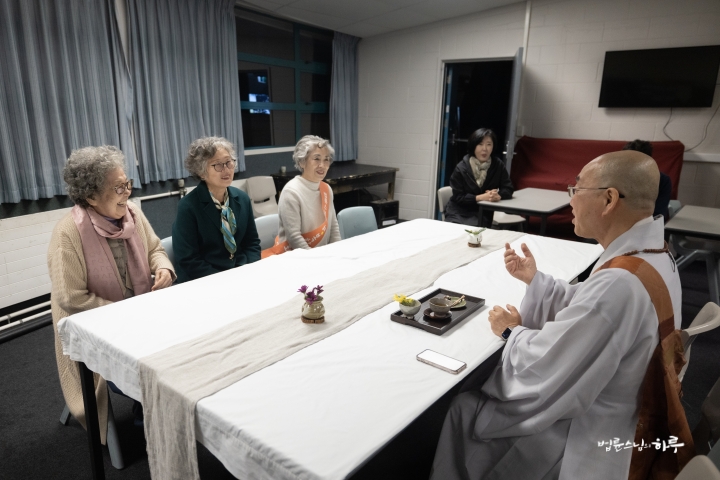
Arriving 20 minutes early, Sunim had a brief tea session with the tea ceremony team from Namguk Seon Temple in the backstage waiting room.
The president of the devotees’ association, whom Sunim was meeting after 10 years, greeted him warmly.
“Sunim, how is it that you haven’t changed at all in 10 years? It’s miraculous that you remain unchanged despite your busy schedule.”
Sunim smiled and replied:
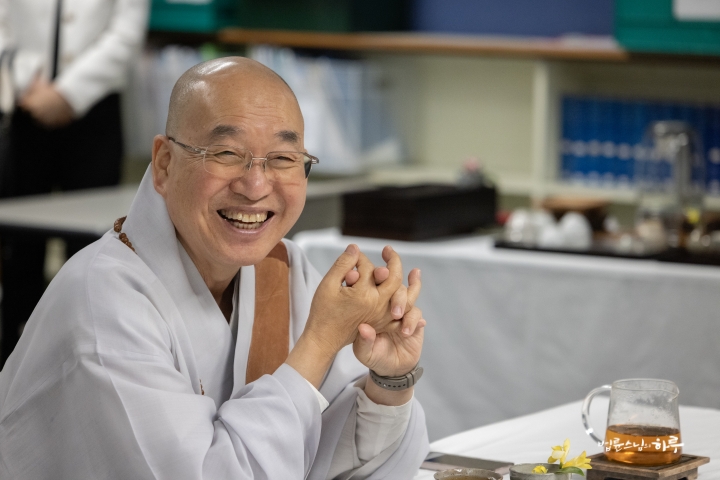
“Your good health is a blessing to us, Sunim.”
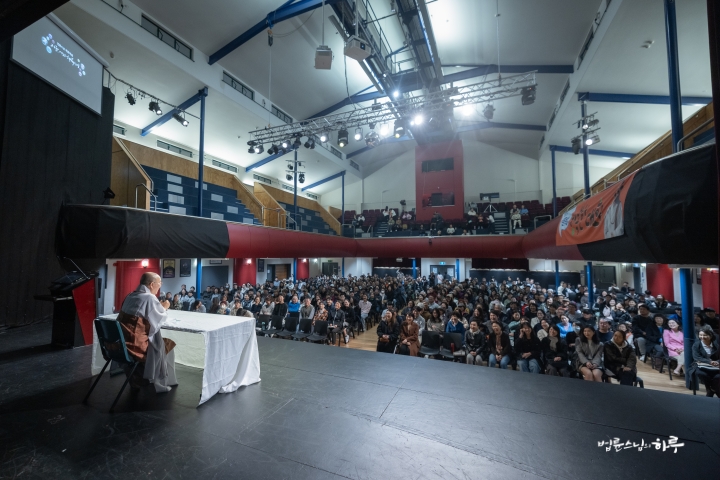
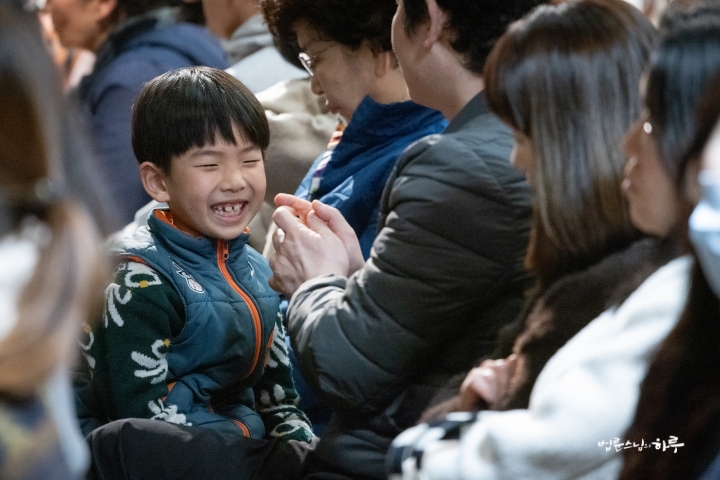
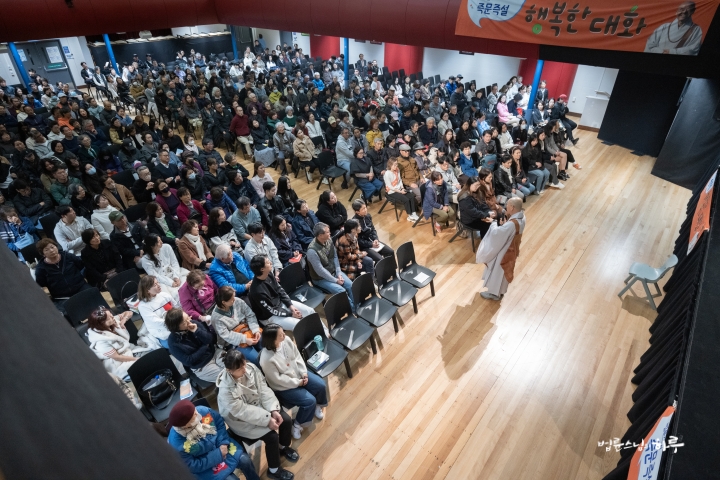
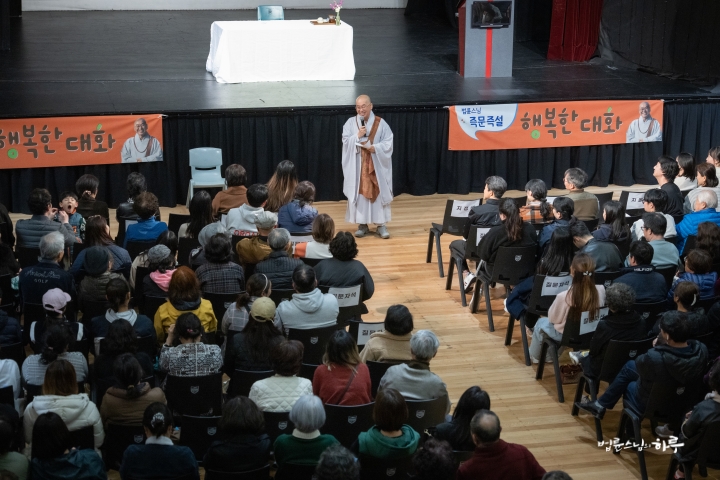
“Thank you.”Soon it was time for the lecture, and Sunim entered the hall. About 500 Korean expatriates living in New Zealand came to the lecture. The first floor was full, and people were seated on the second floor as well.
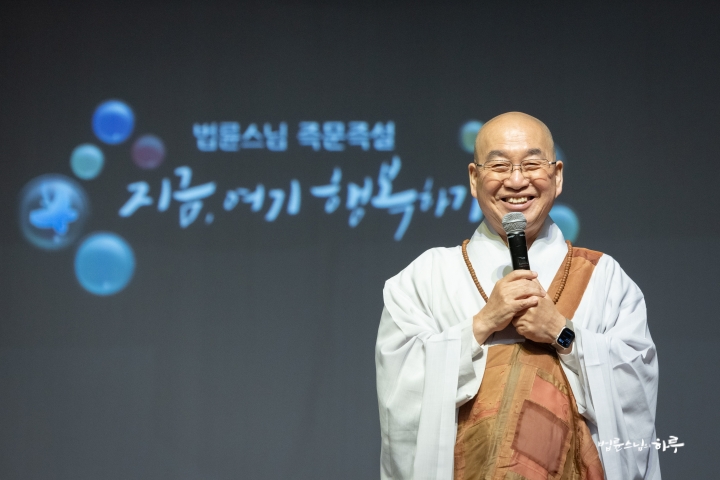
At 7 PM sharp, after showing a video introducing Sunim, he walked onto the stage. There was a big round of applause and cheers. Sunim smiled and gave his opening remarks.
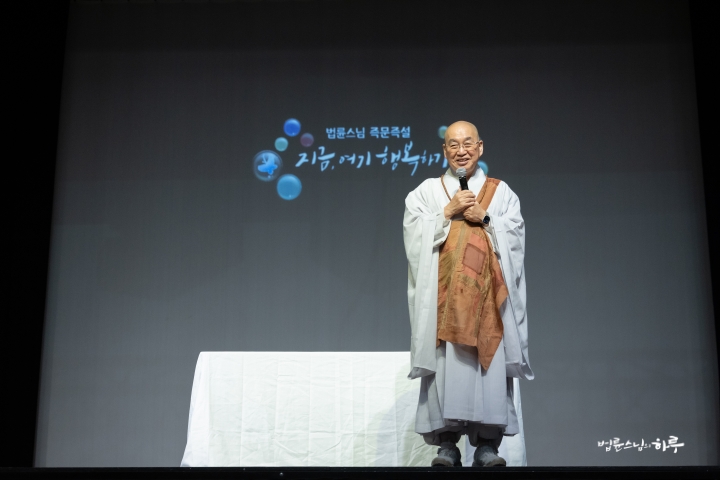
How Can We Live Life Without Suffering?
This overseas schedule is for one month. I’m moving to a different city every day and giving lectures. Two weeks ago, I visited Switzerland and Germany, then Turkey, India, Bhutan, Thailand, and yesterday I gave a lecture in Sydney before coming to New Zealand today. From here, I’ll be going to Melbourne, Perth, Brisbane, East Timor, and then to the North American West Coast – Seattle, Vancouver, San Francisco, LA, and San Diego.Many people ask if it’s not tiring to travel so much, but it’s the planes that are tiring, not me. I just eat and sleep on the plane, and before I know it, I’ve arrived at my destination. (Laughs)
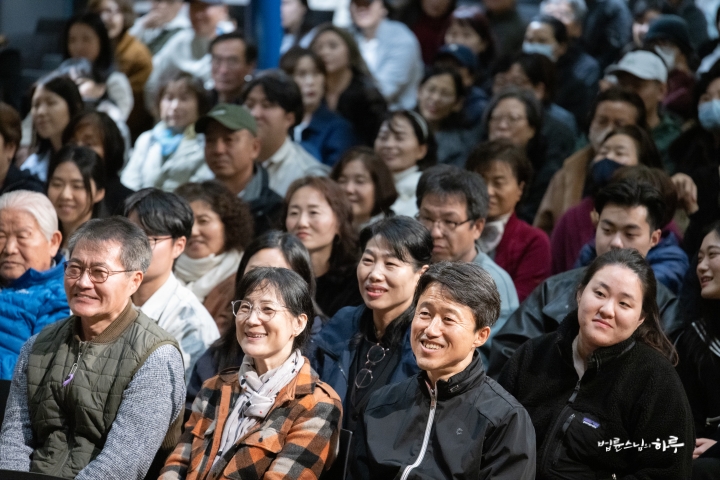
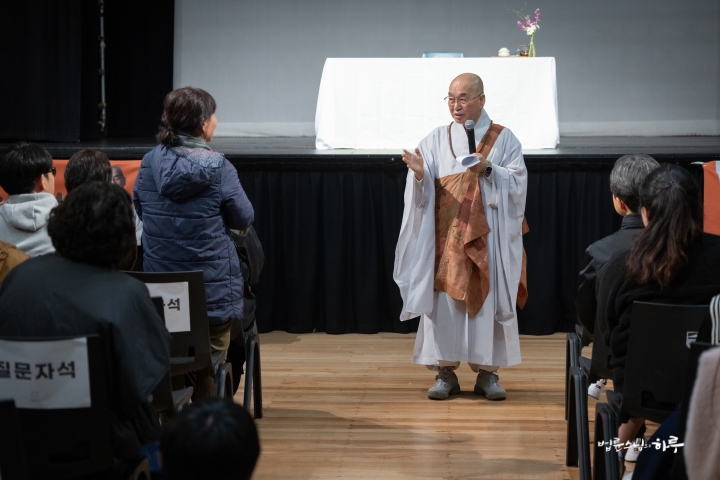
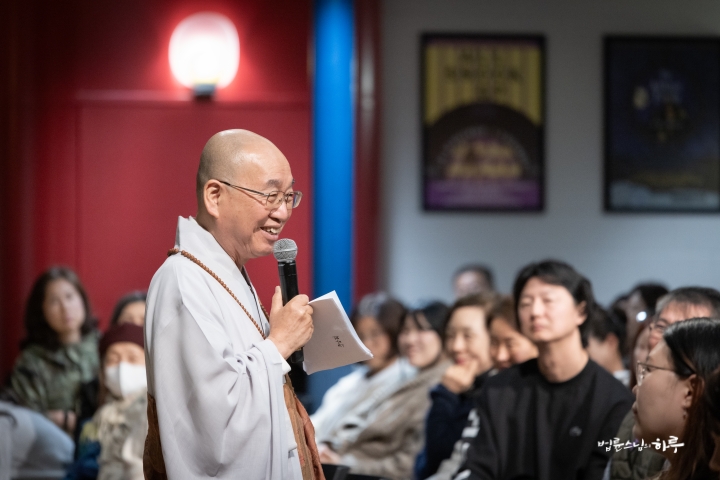
Those who had submitted questions in advance raised their hands and asked Sunim questions. At the end of the lecture, impromptu questions were also taken from the audience. Over the course of 2 hours and 30 minutes, 11 people were able to have a dialogue with Sunim. One of them mentioned that after retirement, they were cutting ties with people who didn’t get along with them, and asked for Sunim’s advice, expressing concern about what would happen if no one came to their funeral. The audience burst into laughter as they listened to the conversation between Sunim and the questioner.
I’m Surrounded by Selfish People. Should I Cut Off All Relationships?
“I retired from all my work last year. With the extra time, I wanted to reflect on my life and think about what to do next. As I was sorting things out, I realized that the few people around me don’t get along with me at all. I started cutting off contact one by one, blocking their numbers, until there was no one left. I thought, ‘This won’t do. I need to meet new people,’ so I started going to church on the recommendation of an acquaintance. That person seemed to me to be very devout, polite, and trustworthy – really a good person. But when I was in the process of selling my existing house and looking for a new one, I realized that this person had found out I had a large sum of money and was trying to swindle me. I’m not the type to fall for such things, but I was so shocked that as soon as I got home, I blocked all the church people’s contacts. I couldn’t spread rumors about it since I hadn’t actually been scammed yet.
I’m getting on in years now and don’t know when I might die. People usually judge a person’s life by the number of mourners at their funeral. When I die, my daughter will be fine, but I’m worried about what my son-in-law might think. I don’t think I’ve lived my life wrongly. Is it okay to just live like this? Or should I meet people I don’t get along with, thinking about that time?”
“Most people seem to have only a few close friends. But in my case, everyone around me seems to be selfish. When I was working, I just let it slide, but now that I’ve retired and looked back, I regret wasting so much time and money on such people.”
“Yes, in that case, you can cut off all relationships and live alone. For example, if I go to buy something and it’s too expensive, I can just leave without buying it. Or I could negotiate and buy it cheaper, or if it’s absolutely necessary, I could buy it at their price. There are no other options. You’re essentially asking, ‘I really want to buy this item, but they won’t lower the price. What should I do?’Shall I be more direct? The reason you think ‘everyone around me is selfish’ is because you are selfish.”
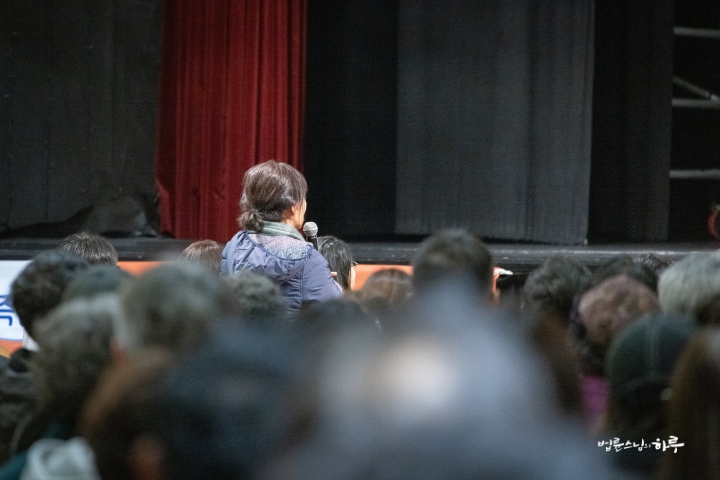
“No, I’m definitely not selfish.”
“If I’m talking to someone and they keep insisting on their own opinion, and I say ‘This person is really stubborn,’ does that mean I’m stubborn or not? How can I say someone is stubborn if I don’t have any stubbornness myself? It’s because I’m more stubborn than the other person that I say that. A person without stubbornness would be able to say, ‘Yes, you’re right!’ The reason you think the people around you are selfish is because you have that trait yourself. You don’t know yourself well.”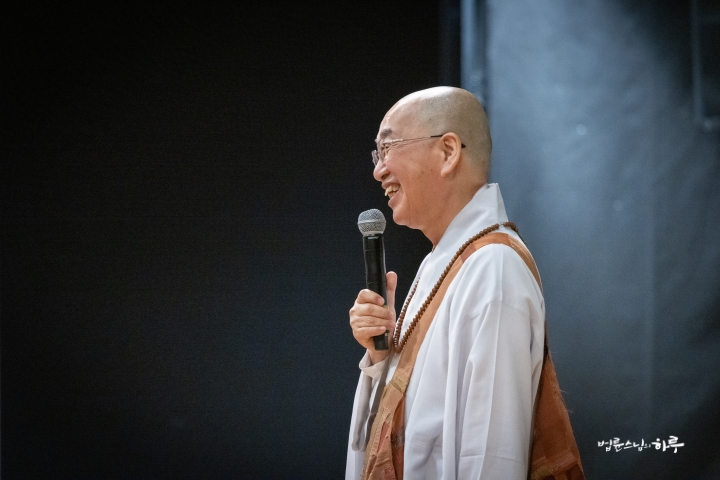
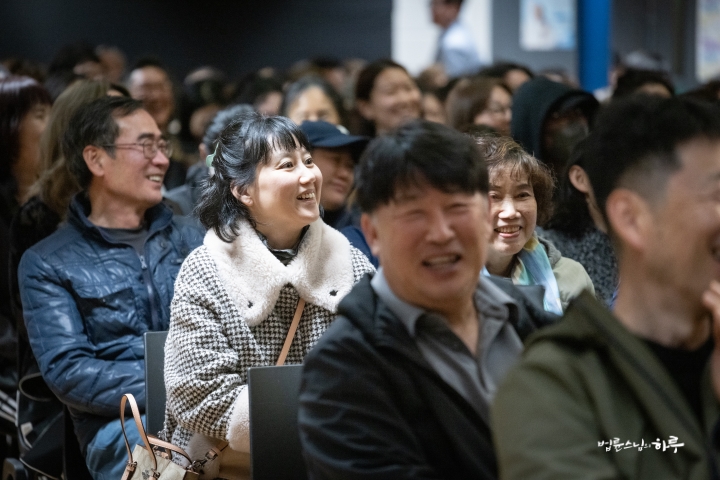
“Is that so?”
“If that’s not the case, then you might have a bit of anxiety or suspicion. First, you should get a medical check-up. From what you’ve said, it seems you have anxiety about the future. And for some reason, perhaps due to some past hurt, you also seem to have a bit of suspicion. Because you have both anxiety and suspicion, we can say that you’re not in a mentally healthy state right now. If you go to the hospital and the doctor says, ‘Everyone is like that to some degree,’ then you’re fine. If not, taking a mild tranquilizer might help. If you take medication as recommended by the doctor, your mental state will become much more stable. Generally, the threshold for determining whether a symptom is a disease is set at about 95 percent. If you’re within the 95 percent, they say you’re fine, but if you exceed that threshold, it’s classified as a disease.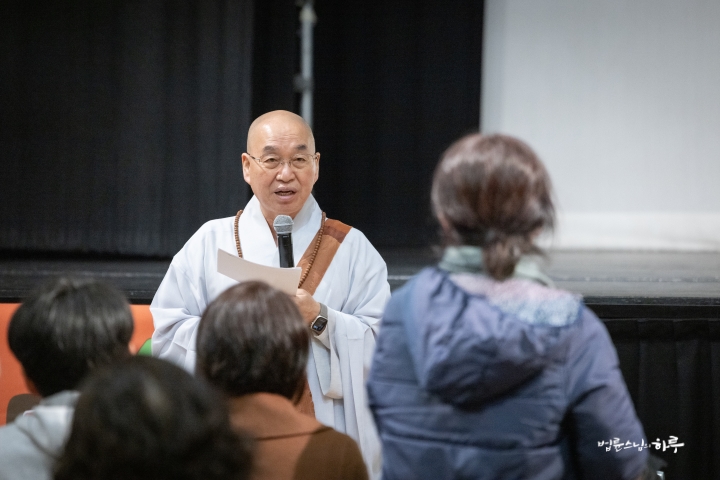
If you want to make friends with many people, you need to give a little. You can’t hold onto your emotions. If someone has a bit of a nasty temper, it might be uncomfortable to meet them. But you’ll never lose anything to such a person. Because people who get angry easily are very unlikely to be con artists. On the contrary, people who are extremely kind, speak well, look good, dress well, spend generously, and seem fine in every way are much more likely to be con artists. It’s like using different bait when fishing, depending on the fish you want to catch.
I understand that you found your colleagues and acquaintances unpleasant due to their personalities. But they are unlikely to cause you harm. The people who seemed fine to you are more likely to be con artists. So when someone approaches you too kindly, you should be a bit cautious. There’s nothing in the world that’s absolutely advantageous or disadvantageous. There are no unconditionally good people, nor unconditionally bad people.
“Actually, I felt more comfortable after cutting off contact with people.”
“If you feel more comfortable, then that’s fine. The fewer people who come to your funeral, the better. What good does it do you if many people come to pay their respects after you’re dead? That’s all just for your children to make money. They’re trying to recover the condolence money they’ve given out before. The number of people around you matters while you’re alive, but it doesn’t matter at all after you’re dead. The number of mourners at your funeral, and even the way the funeral is conducted, have nothing to do with the deceased. That’s for the living to deal with, so you don’t need to worry about it. No matter how devoutly you attend a temple, if your child goes to church, will your funeral be Buddhist or Christian?”“It would be Christian, I suppose.”
“That’s all for the living to decide, so you don’t need to worry about it.”“I see, I understand now.”
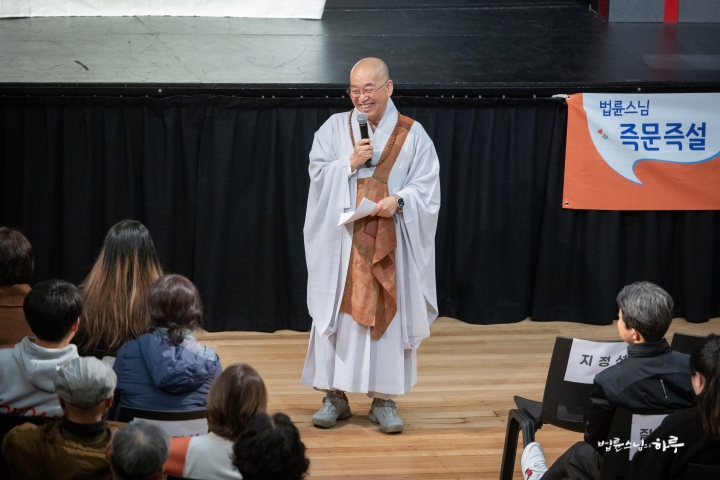
“Thank you.”
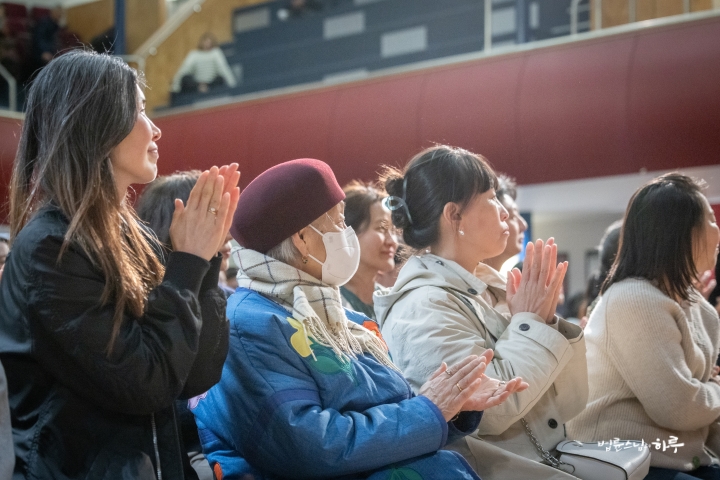
The questions continued to pour in.
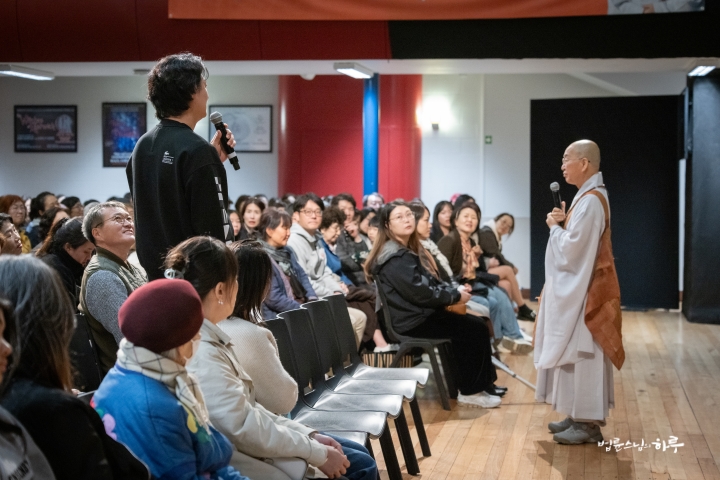
I’m 73 years old this year. My mother-in-law and husband live in New Zealand, while my children live in Korea, Australia, and Singapore. Where should I live as I get older?
I’m raising a 13-year-old child with high-functioning autism. As a parent, what should I do to prepare for when the child is alone in the future?
I’m a working professional. I want to marry my boyfriend who is 4 years younger, but I’m worried about the uncertain future as he’s still a student.
My close friend works in a laboratory and is struggling with guilt over killing mice. How can I help her?
The current North-South relations have deteriorated to the point where war might break out. What role can overseas Koreans play?
My head is full of things I want to do, but it’s difficult to put them into practice. How can I implement my plans?
I’ve been married for over 30 years. I often want to have time alone, but I always feel guilty about my husband. What should I do?
What is Buddhism? I’d like to hear Sunim’s thoughts on the definition of Buddhism.
Is there a good way to properly recover the money I lent to my older brother?
I recently saw a video of Sunim working on sustainable development projects in Bhutan. I’m wondering if there’s a need for dental volunteer services as well.
By the time the conversation ended, it was almost 10 PM. Sunim immediately began a book signing session at the foot of the stage. Many of the attendees received autographs and expressed their gratitude to Sunim.
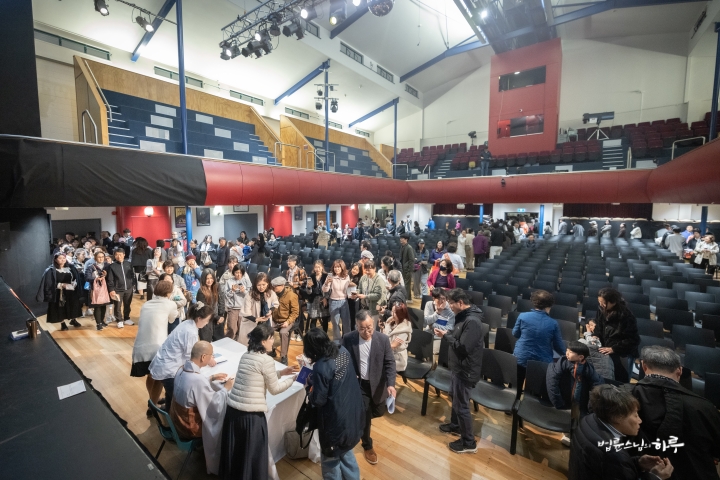
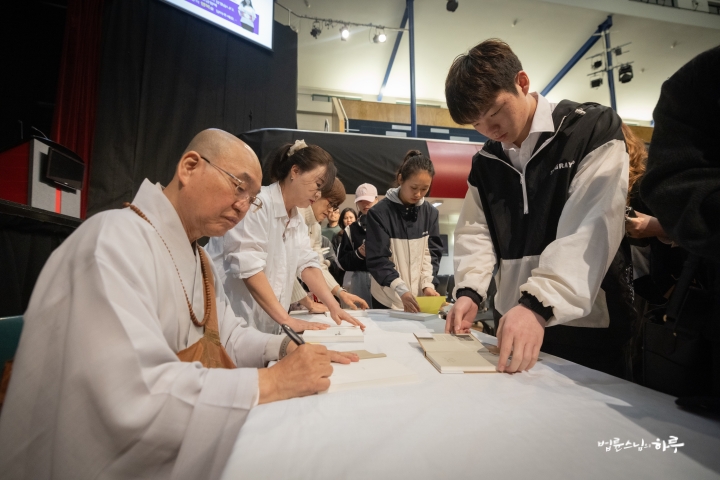
“Thanks to Sunim, I’m living happily in New Zealand. Thank you.”
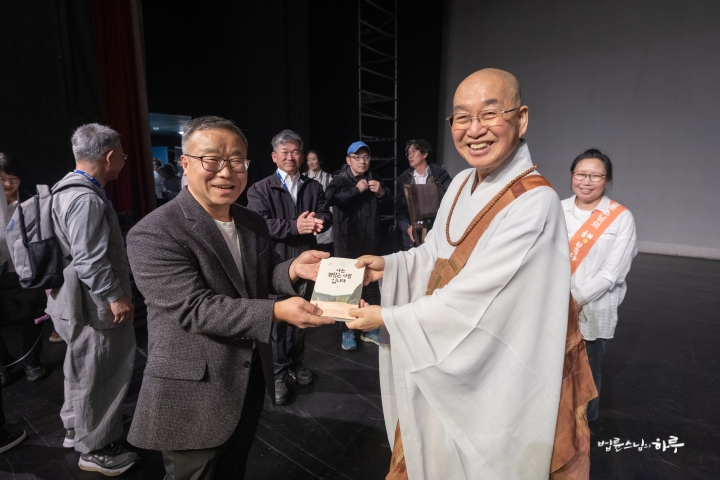
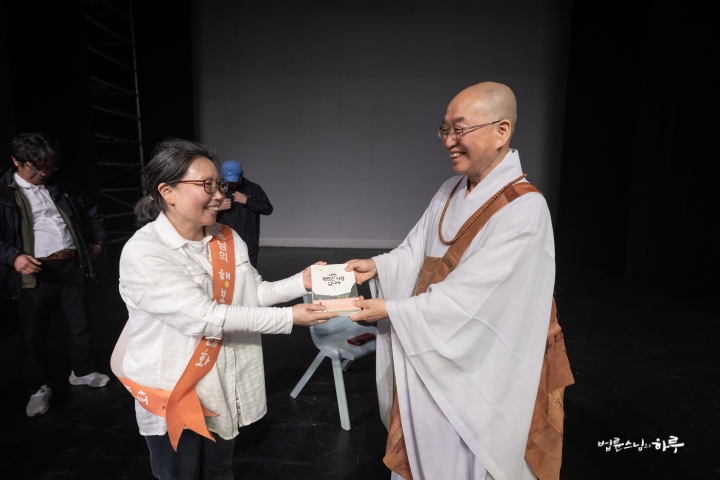
After the book signing, Sunim gifted his books to the main organizer and co-organizer of the lecture. The main organizer had traveled 3 hours from outside Auckland, while the co-organizer had come from 9 hours away to prepare for the lecture.
Then, Sunim took a commemorative photo with all the volunteers who helped prepare for the lecture.
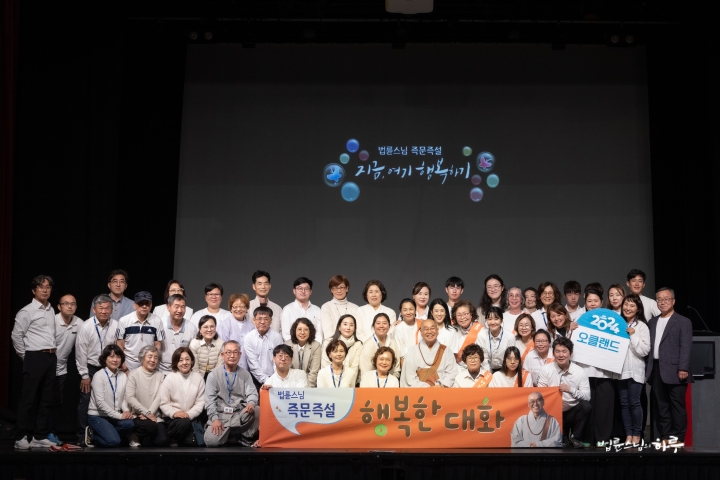
“Auckland, New Zealand!”
As Sunim was leaving after taking the group photo, the volunteers lined up on both sides and gave him a warm round of applause.
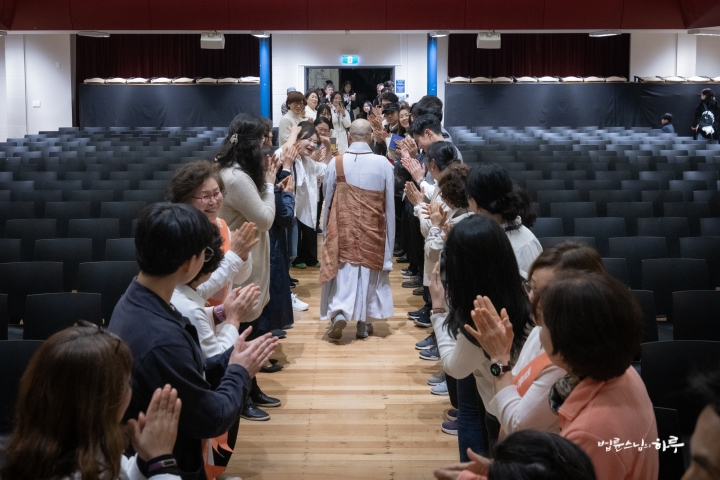
“Sunim, thank you for coming to New Zealand. Please stay healthy!”
The Auckland lecture concluded successfully amidst the enthusiastic cheers of the volunteers.
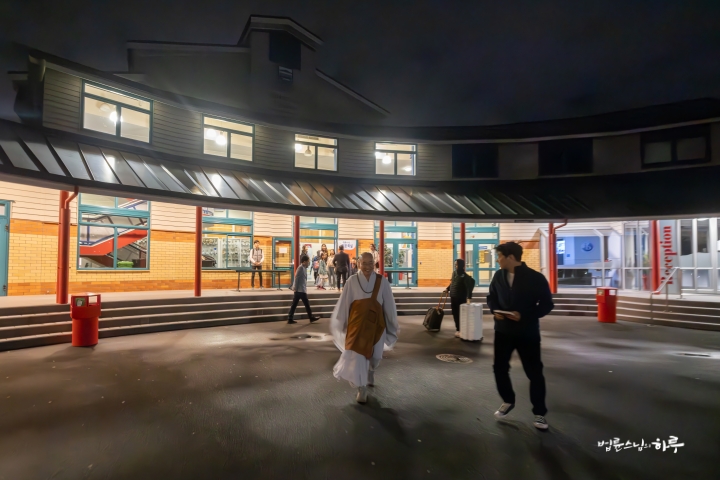
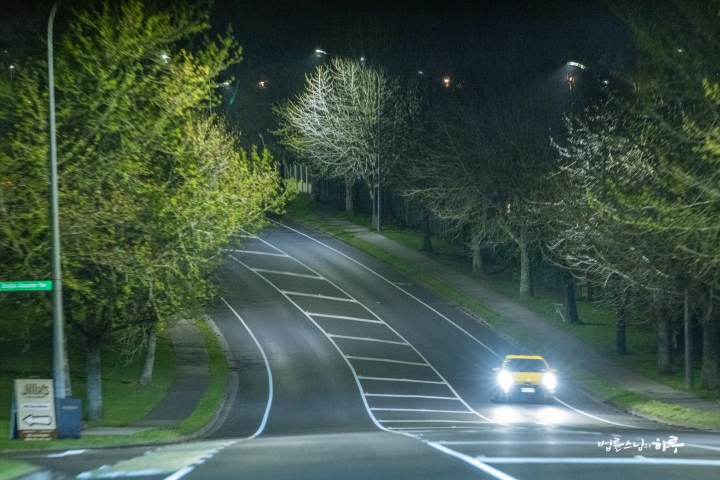
It was well past 10 PM when Sunim returned to the accommodation by car.
Tomorrow morning, Sunim will depart from Auckland Airport and travel to Melbourne Airport in Australia. In the evening, he is scheduled to give a Dharma Q&A lecture for Korean expatriates living in Melbourne.