How Can We Live Happily While Consuming Less?
Sep 3, 2024 - Lecture at Royal Thimphu College, Meetings with Bhutan Tourism Council, Ministry of Agriculture, and Tarayana Foundation
Hello. Today, after completing the JTS workshop schedule, Sunim moved to Thimphu to give a lecture for university students and meet with Bhutanese government officials.
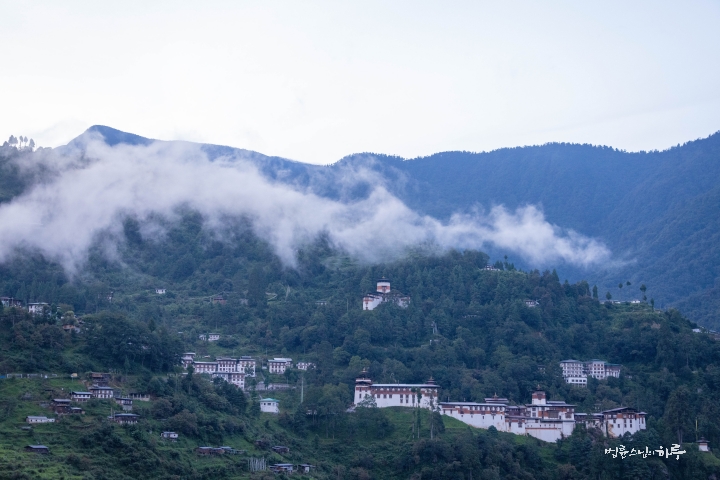
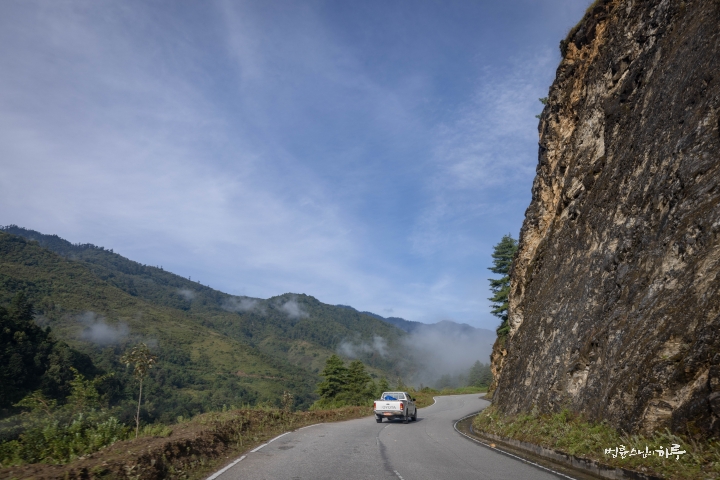
After finishing his early morning practice and meditation, Sunim departed for Thimphu at 5:30 AM. Dawn was just breaking. The beautiful Trongsa, shrouded in clouds, gradually receded into the distance.
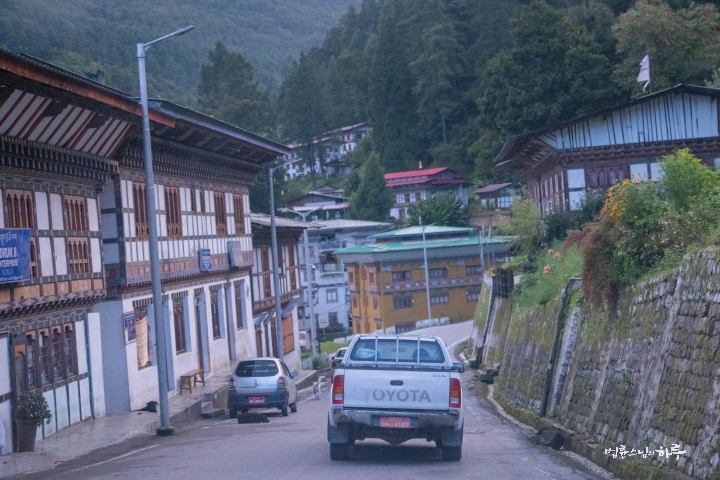
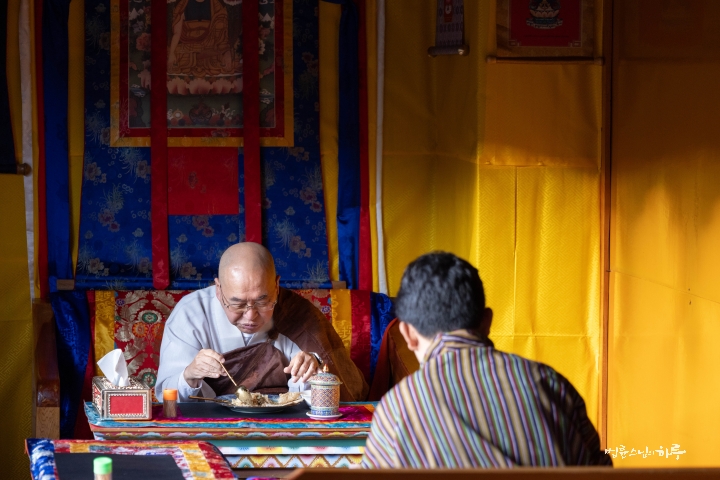
During the journey, Sunim briefly stopped at a restaurant for breakfast before continuing on the way.
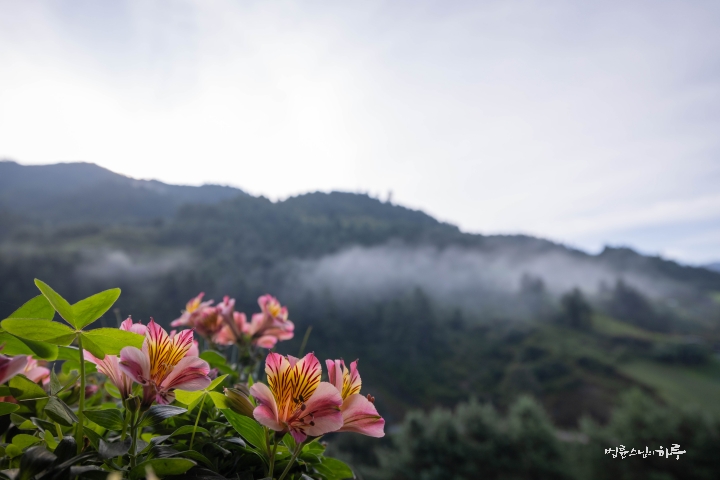
The route from Trongsa to Thimphu requires crossing two passes over 3,000 meters in altitude. Usually, these high passes at over 3,300 meters are shrouded in fog, but today the sky was clear, revealing the majestic Himalayan snow-capped mountains in the distance.
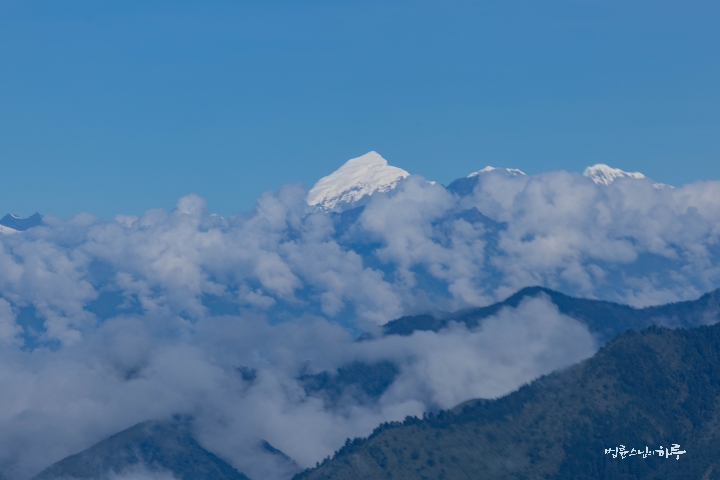
At 10:50 AM, Sunim arrived at Dochula, the second pass. Considering the driver’s well-being, Sunim briefly stopped the car and shared a cup of tea together.
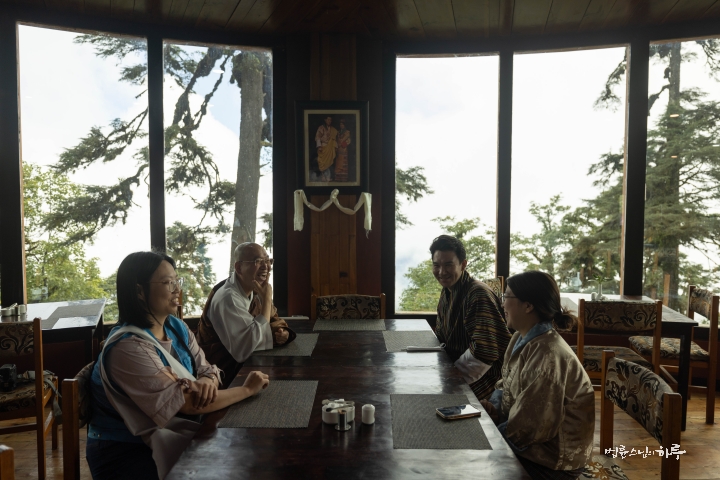
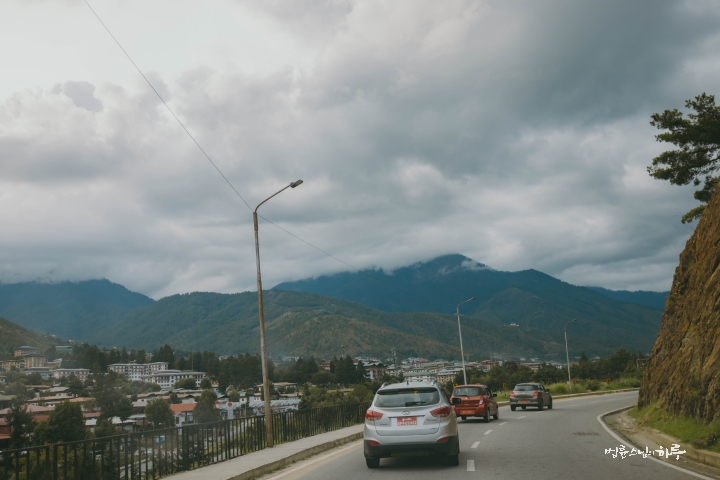
After getting back in the car and driving along the winding mountain roads, Sunim arrived in Thimphu at 11:30 AM. He unpacked at the home of Rinchen Dawa, who served as the interpreter during this Bhutan visit. After lunch, Sunim headed to the university for the lecture.
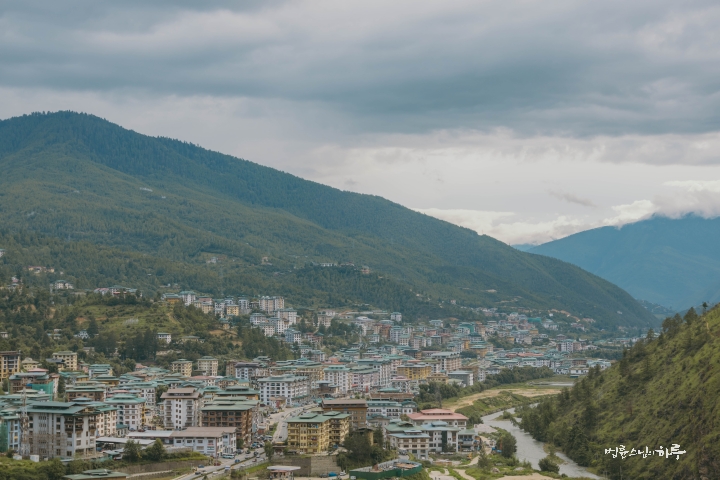
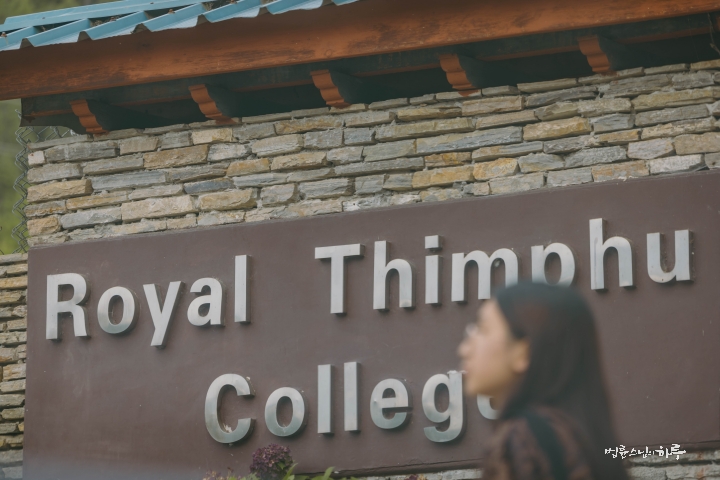
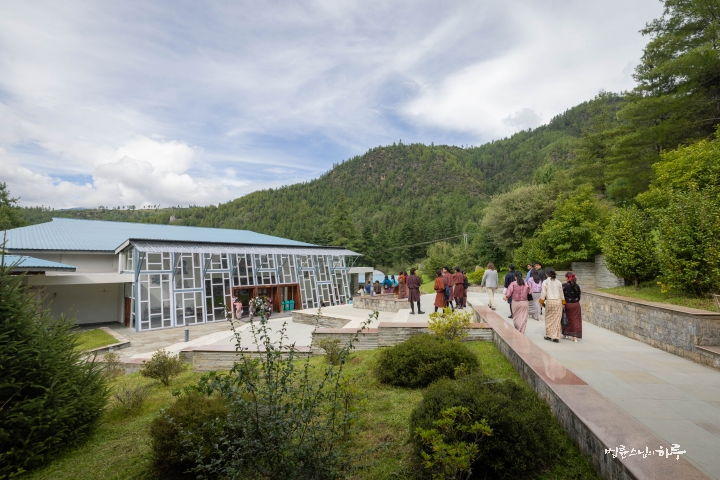
At 2:50 PM, Sunim arrived at the Royal Thimphu College. As he got out of the car, the dean and professors warmly welcomed him.
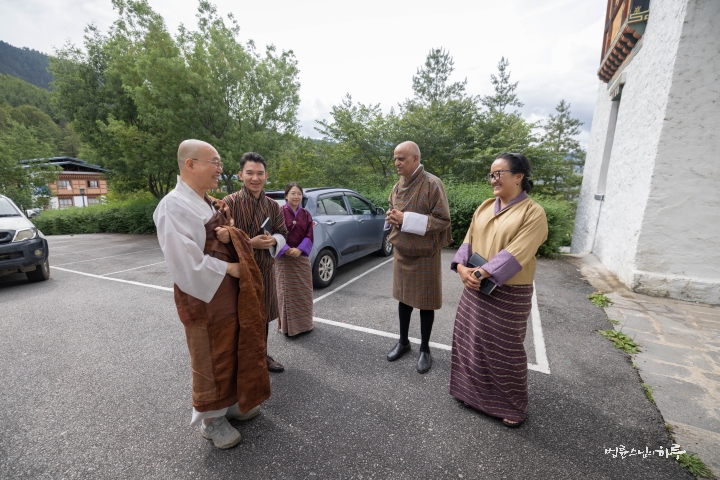
Before the lecture, Sunim went to the president’s office to have tea with the university president. The president expressed gratitude for visiting at such an opportune time.
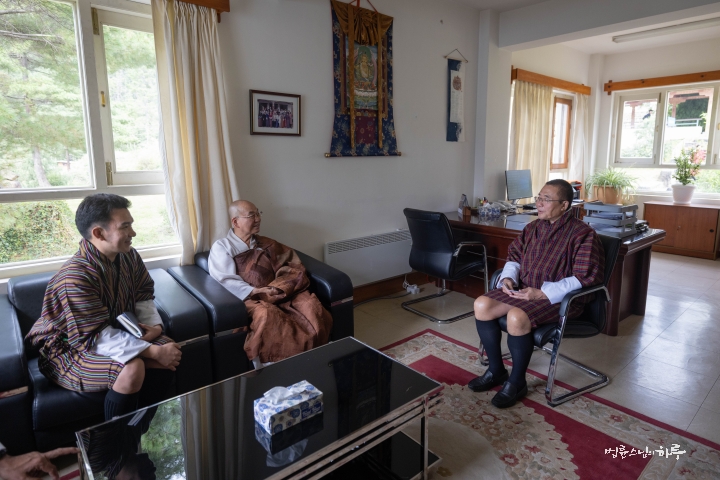
“Thank you for visiting us. This is the largest university in Bhutan. We have 1,900 students studying here. Through your lecture today, our students will learn a great deal. It is an honor for our school. We started the semester in August, so your visit comes at a very appropriate time.”
> “Thank you.”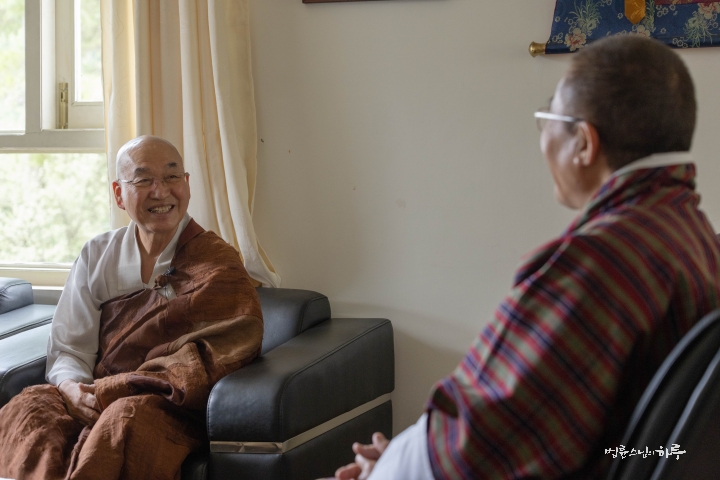
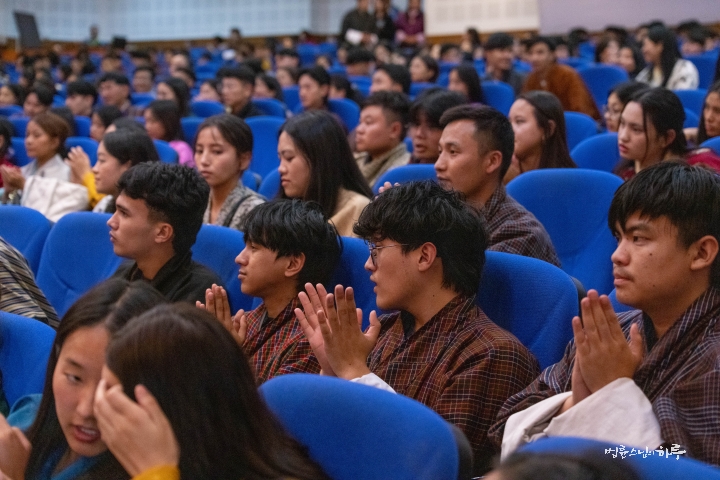
As it was time for the lecture to begin, they moved together to the auditorium. Students who had finished their classes were entering the auditorium in small groups. With over a thousand students filling the seats, Sunim began his greeting.
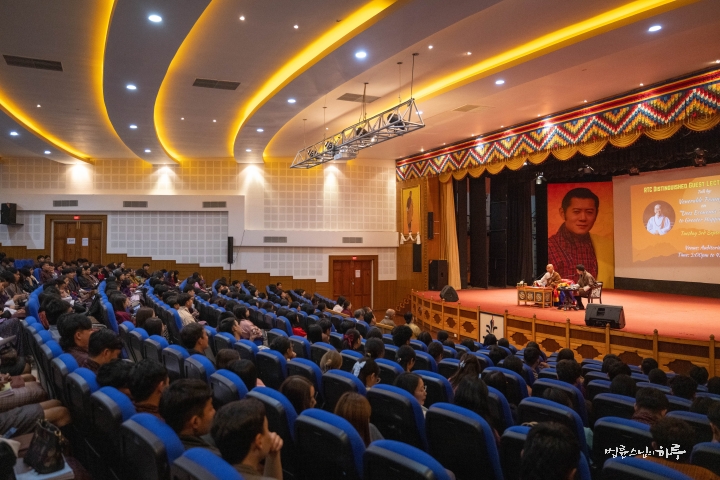
Sunim spoke about the climate crisis, consumerism, and the Gross National Happiness (GNH) index, explaining why he came to Bhutan and what kind of life he hopes the young people of Bhutan will lead.
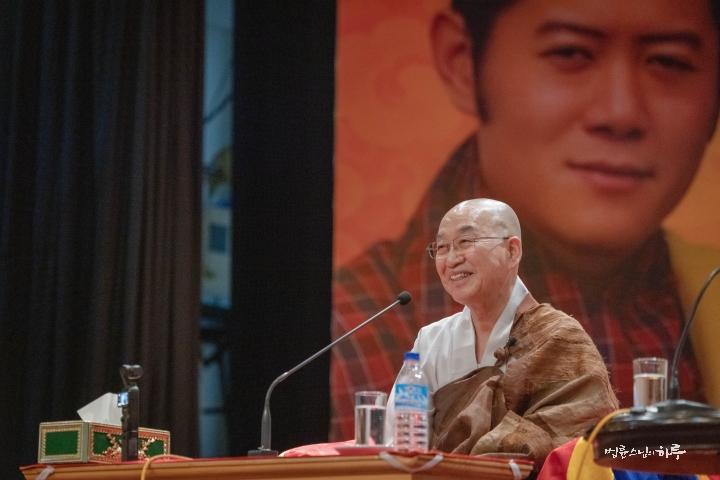
“YES!”
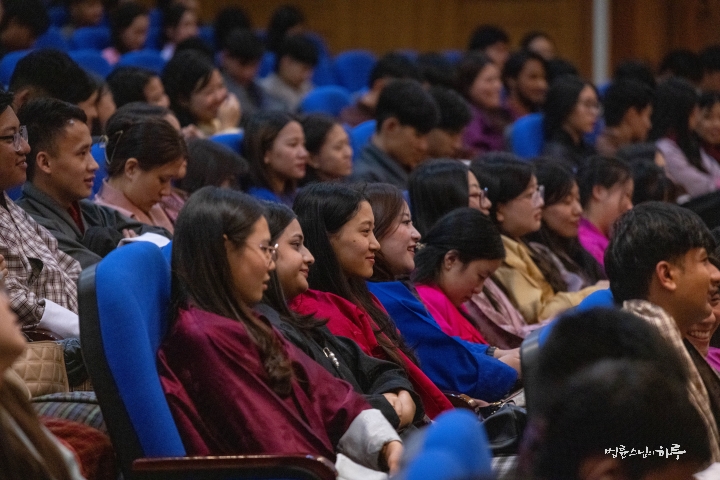
The consequences of our efforts to live well are increasingly becoming a reality that could lead to our collective demise. Despite this, we are unable to stop and are rushing even faster towards the cliff of mutual destruction. You have already joined this race. That’s why you’re all in a hurry to move from rural areas to cities, and from cities to foreign countries like Australia or Canada. When you visit rural areas, you’ll find that only the elderly remain, while the number of young people is rapidly decreasing.
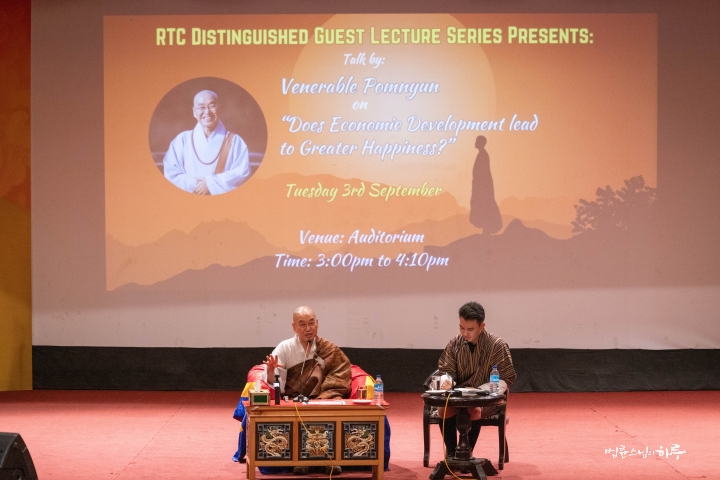
People Rushing Towards the Cliff of Mutual Destruction
What I want to convey to you is that using this ‘material production index’ as a standard for living well can no longer be a source of hope. Although Korea’s material index has greatly increased compared to the 1960s, people’s happiness index hasn’t risen significantly. Moreover, this direction in life is now causing a survival crisis for all life on Earth. So what should we do now? We need to consider whether we should continue on this path, stop, or find a new way.There’s a story in the scriptures that compile Buddha’s teachings. Many animals lived in a forest. Suddenly, these animals began to run in a certain direction, one by one. The first to start sprinting was a rabbit. Seeing this, a deer asked:
“Where are you going?”
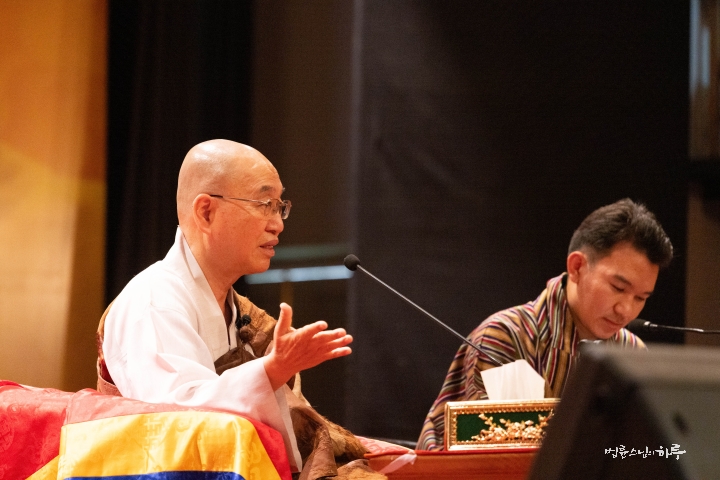
“Really?”
“Yes, really!”So the deer started running too. A cow nearby asked the deer:
“Why are you running so fast? What’s happening?”
“They say the sky is falling and the earth is sinking!”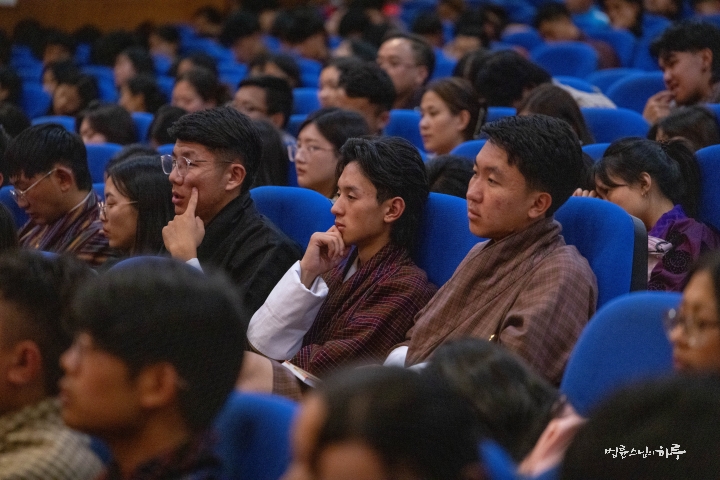
“Where are you going?”
“I don’t know.” “Then why are you running like that?” “The cow was running, so I followed.”“Why was the cow running?”
“The deer was running, so I followed.” As he kept asking, it finally came to the rabbit who ran first. “Why did you run, rabbit?” “I heard the sound of the sky falling and the earth sinking, so I ran.” “Where did you hear that?”So they took the rabbit to that place. It was under an acorn tree. Upon closer inspection, they found a single acorn that had fallen. The rabbit had been taking a nap and was startled awake by the sound of the falling acorn. In the scripture, the lion-like being is likened to the Buddha. And the forest animals are compared to foolish sentient beings. These beings are constantly running without knowing where they’re going.
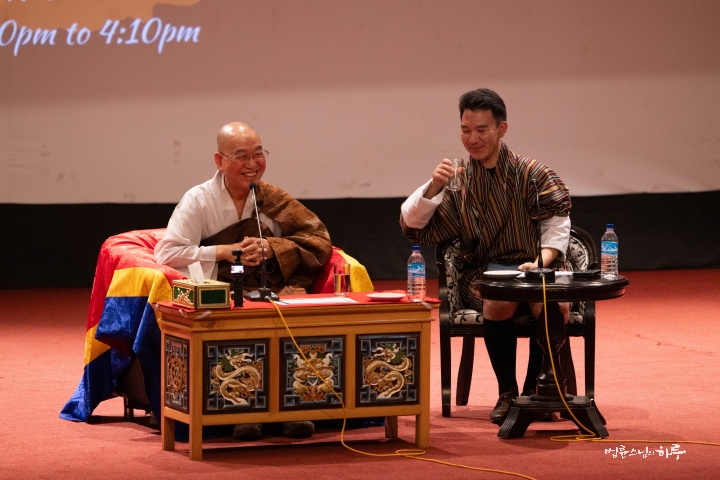
To Create a New Civilization to Overcome the Climate Crisis
Perhaps the current state of humanity, where we think that producing and consuming more means living well, and everyone is racing ahead of each other, is similar to the animals in the scripture. Just as the lion stopped the animals with a loud roar and revealed the cause of their rush to save them from danger, the Buddha is the one who enlightened us that this path leads to destruction and showed us the path of liberation from suffering. The Buddha said 2,600 years ago that following material desires is never the path to true freedom and happiness. The concept that best expresses this teaching of Buddha in modern society is the GNH (Gross National Happiness) index proposed by the 4th King of Bhutan. Twenty years ago, when it was suggested that ‘it is not right to set the standard of living well based on material indices; it should be evaluated by a happiness index,’ people didn’t pay much attention. Some even scoffed, saying, “Can you be happy if you’re poor?” However, with the advent of the climate crisis, people’s thoughts have changed dramatically. Now, if we don’t find a way to be happy while consuming less, we won’t be able to overcome this climate crisis. In the past, when governments invested, they focused on ‘how much production effect will this investment have?’ But now, in New Zealand, they are using ‘how much happier will this investment make our citizens?’ as an evaluation criterion. This change can be a new hope for us.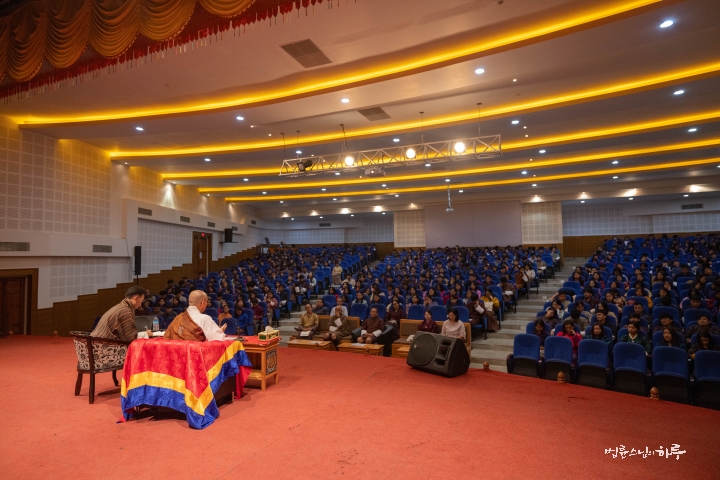
From a development-centered perspective, the least developed countries are defined as underdeveloped. However, from an environmental value perspective, the undeveloped state has the highest environmental value. Therefore, instead of following in the footsteps of developed countries, why don’t we find a new path that preserves environmental values and leads humanity?
That’s why I came to Bhutan. I’m currently trying to create a model for sustainable human life in the climate crisis era by going to Zhemgang, the most underdeveloped area within Bhutan. If you’re interested, I’d like to work with you to establish the GNH (Gross National Happiness) concept that preserves Bhutan’s values in our human society. It might seem like a ‘useless effort’ now, but as the climate crisis worsens, the model we create could become a new hope for humanity.”
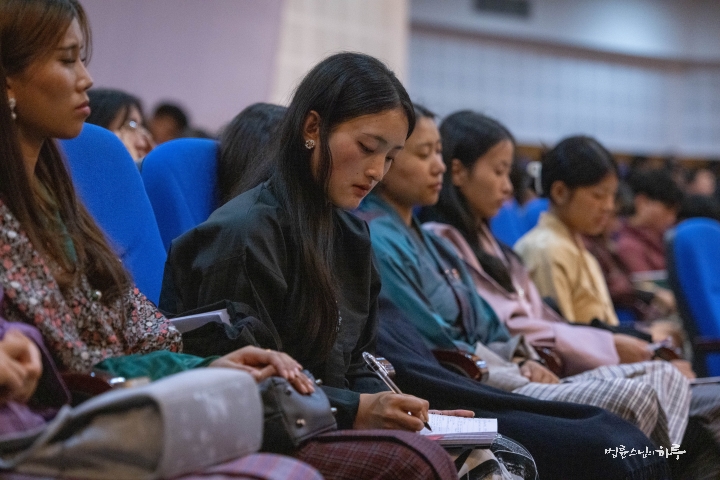
Then, Sunim took questions about curious points. Hands shot up everywhere as students asked questions. One student asked about North Korea.
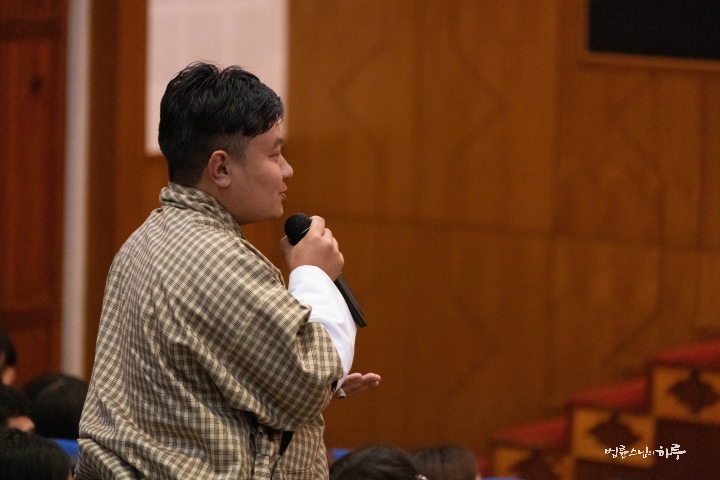
Is North Korea a Very Poor Country with Severe Dictatorship?
“I’d like to ask about North Korea. From what I’ve heard, North Korea is a very poor country and Kim Jong-un’s dictatorship is extremely severe. I’m curious if this is true.”
“Yes, it’s true. Between 1995 and 2000, many North Korean residents died of starvation. Many refugees fled to China, and about 35,000 of them have now settled in South Korea.For the past 30 years, I have been providing humanitarian aid to North Korea and helping North Korean refugees in China. However, from the Chinese government’s perspective, these refugees are considered illegal immigrants, so helping them is deemed illegal. Some of our volunteers have been arrested by Chinese authorities, detained, and then deported.
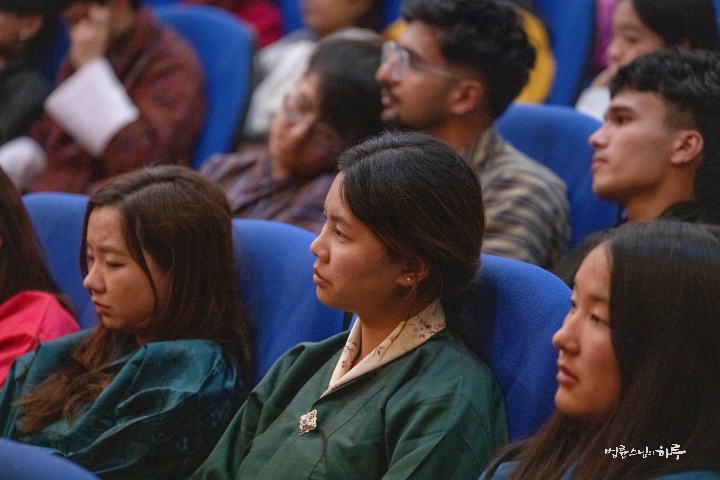
Unfortunately, the content of the question is true. However, rather than just criticizing the political system, we should prioritize providing aid and support to the people living there without discrimination.”
Another student asked about “what would have happened if the lion had followed other animals” in reference to the earlier discussion about Bhutan needing to be a lion. As Sunim was answering this question, it was already time to conclude the lecture. Regretfully, but promising for next time, the lecture ended with a big round of applause.
After the lecture, Sunim moved to the president’s office to have tea again with the president. The president expressed interest in the sustainable development work Sunim is doing and asked if he was also involved in the Gelephu new city development.
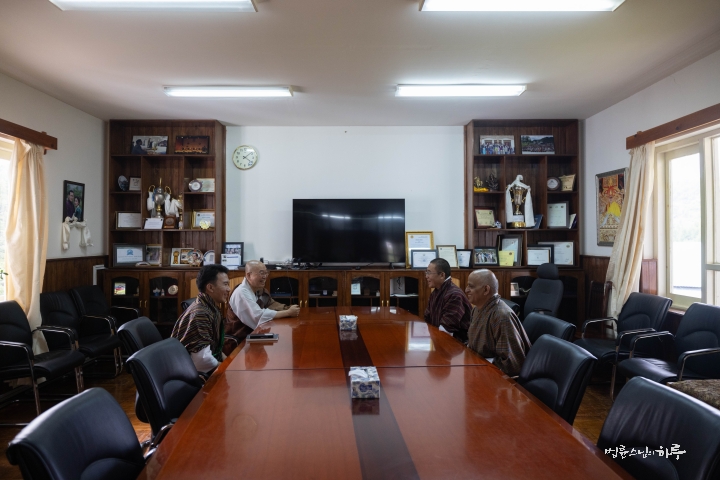
“The King of Bhutan is promoting the development of Gelephu new city. Are you also supporting this project?”
“No, I don’t oppose new city development, but I don’t support it either. I mainly support preserving environmental values and improving the lives of the extremely poor. This is because economic support helps increase happiness when people are poor. However, this support doesn’t continue indefinitely. Therefore, the sustainable development that JTS is doing in Bhutan is different from general relief activities. That’s why we started a village development project in Zhemgang province, which has the highest poverty rate. We plan to do sustainable development in the entire regions of Zhemgang and Trongsa for five years.”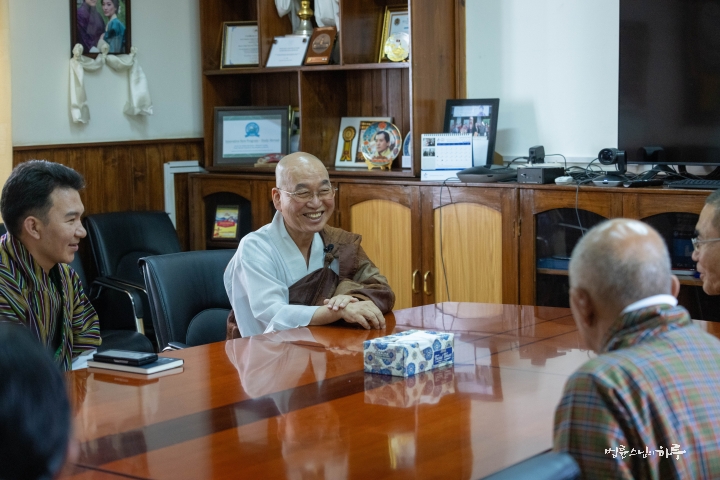
Sunim then explained in detail about the purpose, methods, and targets of sustainable development currently being carried out in Bhutan. The president asked again.
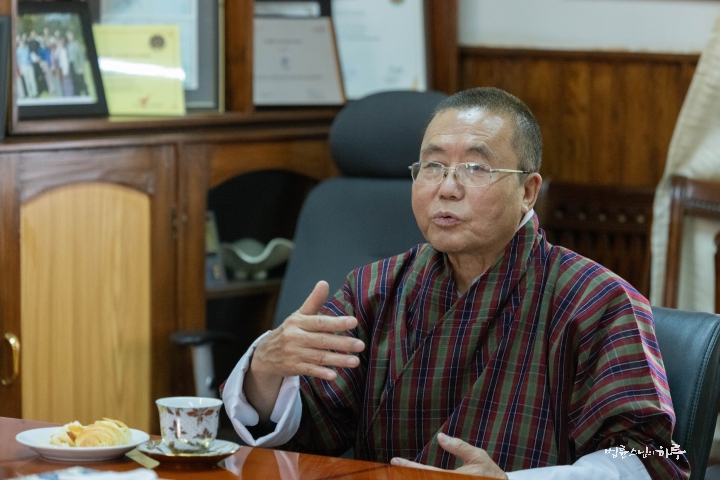
“Your principles and perspectives are excellent. Are you providing scholarships to students in the Zhemgang region who want to go to university?”
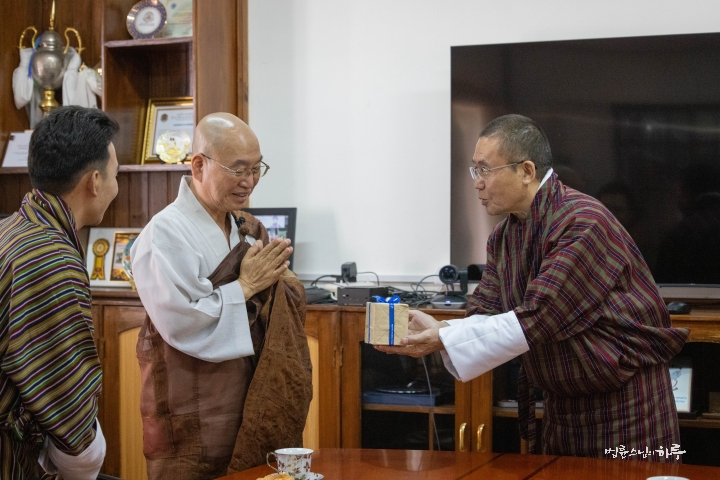
“I believe people should strive to go to university on their own. If someone can’t attend elementary school, I support them unconditionally in such cases. Even in earthquake-affected areas or conflict zones, if there’s no elementary school, I provide support anywhere in the world.”As it was time for the next appointment, Sunim stood up. The president gave Sunim a gift for giving a free lecture to the students. After taking a commemorative photo in front of the school, they left Thimphu University.
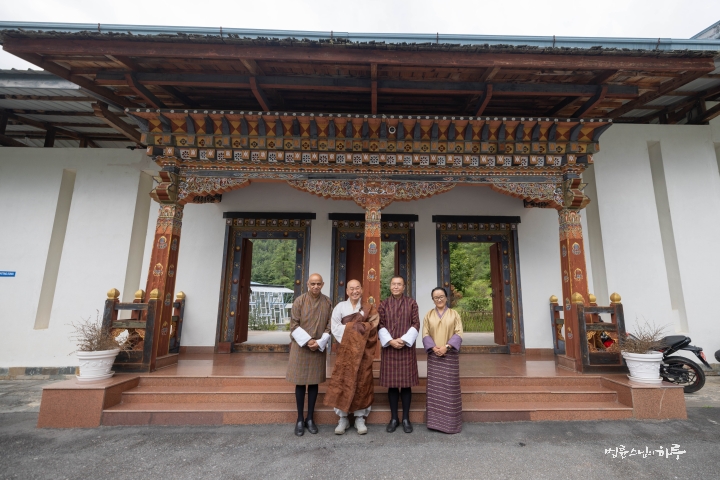
They got in the car and headed to the Tarayana Foundation to meet with tourism officials. The tourism office was on the first floor of the foundation.
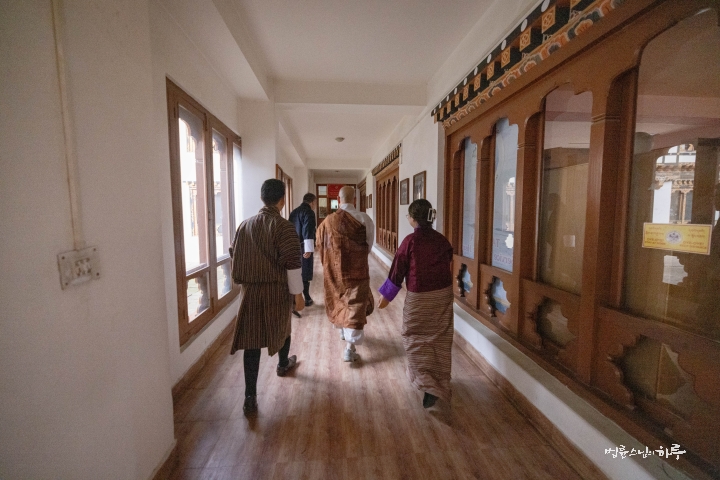
Sunim had an hour-long conversation with the deputy head of the tourism office on the topic of improving tourism infrastructure. Currently, about 100,000 tourists visit Bhutan, and they are implementing many policies with the goal of expanding this to 300,000. Sunim shared some opinions about Paro Taktsang Monastery, the most famous tourist attraction in Bhutan.
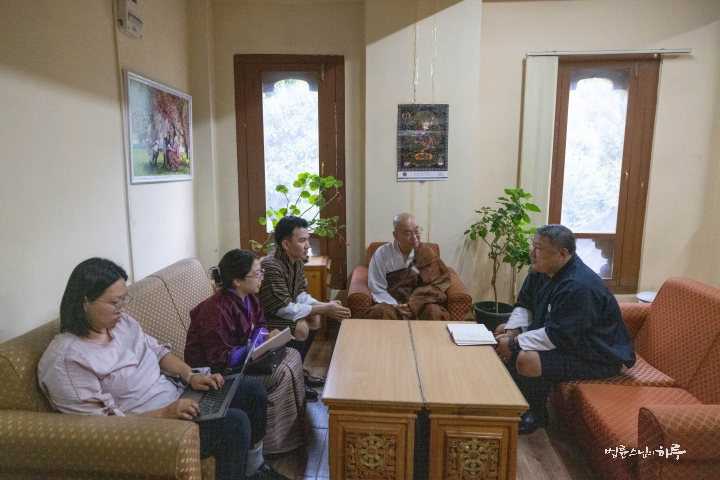
Sunim then shared many ideas about tourism policies, parking lots, parks, and preservation of sacred sites, using Paro Taktsang Monastery as an example.
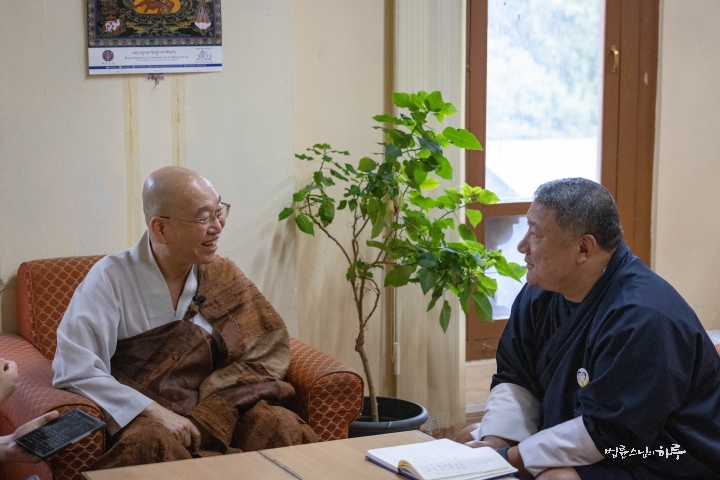
At the end of October, they agreed to bring experts from Korea, including environmental experts, national park experts, garden experts, and designers, to conduct a survey and explore improvement measures, and then cooperate with relevant departments.
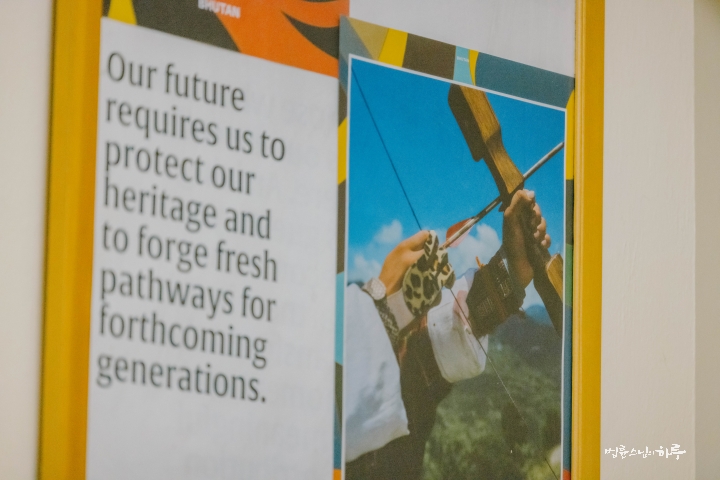
Next, they went up to the second floor of the foundation and from 6 pm, Sunim met with officials from the Bhutan Ministry of Agriculture. Sunim shared the contents of the workshop he had with officials from Trongsa and Zhemgang over the past three days and asked a few questions about Bhutan’s agricultural policies.
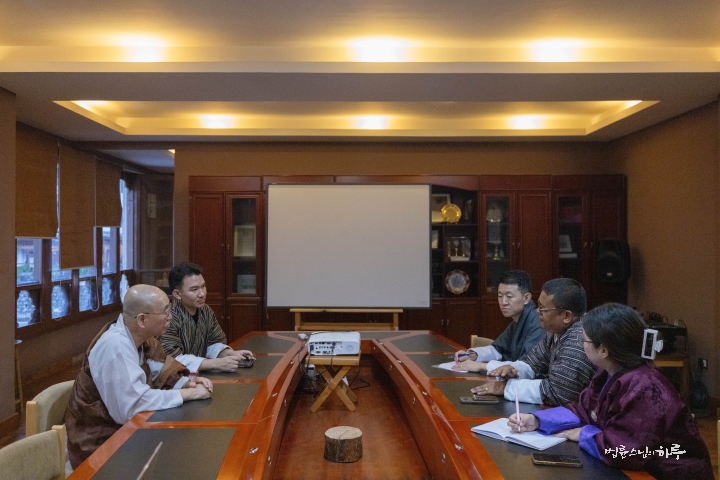
Sunim then asked one by one about what support the Bhutanese government is providing and what support it cannot provide for various issues that villagers have complained about, such as fruit tree seedling support policies, livestock support policies, and policies for changing the use of rice fields and dry fields.
“The Bhutanese government says they can provide support, but when I ask the residents, they say they don’t get any support. In such cases, can I contact you to confirm?”“Yes, I will do that.”
They agreed to keep in frequent contact whenever there are inquiries in the future and concluded the meeting.
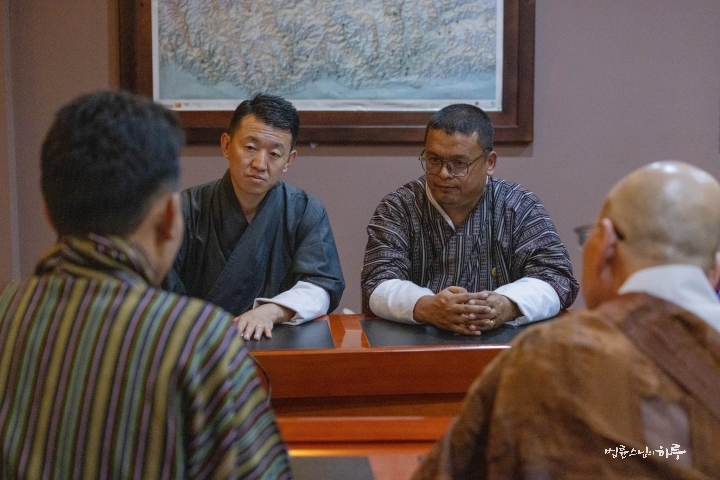
Immediately after, Sunim had a brief meeting with the deputy secretary of the Bhutanese royal family, followed by a meeting with the Tarayana Foundation from 7 pm.
The Tarayana Foundation is an organization that carries out poverty eradication projects centered on rural areas. Among various projects such as housing construction for the homeless, providing drinking water, installing toilets, generating income from handicrafts, and microloans, they have prioritized housing improvement and have built or repaired over 2,600 houses so far.
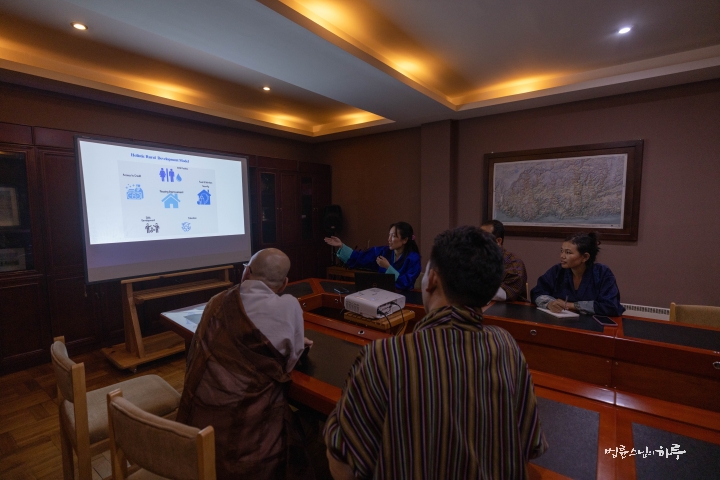
The foundation officials explained in detail to Sunim about the progress of the housing improvement project, how priorities are determined, and the achievements so far, and then made a proposal to Sunim.
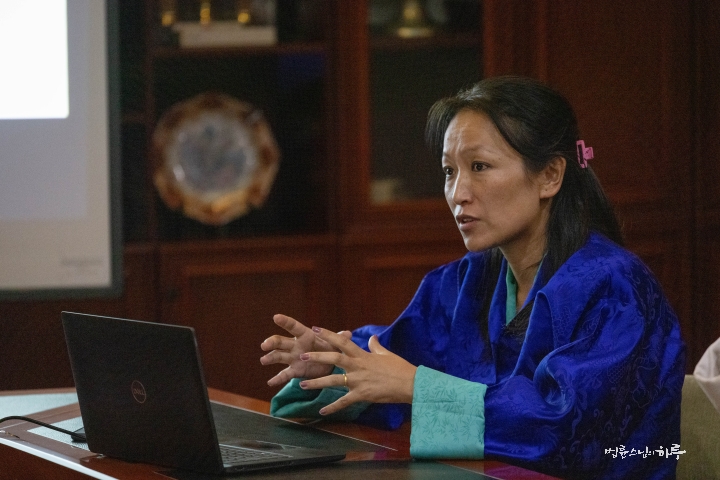
“Our foundation fully agrees with the sustainable development method that Sunim is implementing in Bhutan, so we would like to collaborate with you. The government’s free support policy had limitations in making people dependent, and especially, it took too long for the government to make decisions. We agree with your philosophy, so we hope you will contact us whenever you are interested.”
Sunim explained that while Tarayana Foundation and JTS have similar perspectives and do similar work, there are some differences, and he explained what sustainable development JTS is doing.
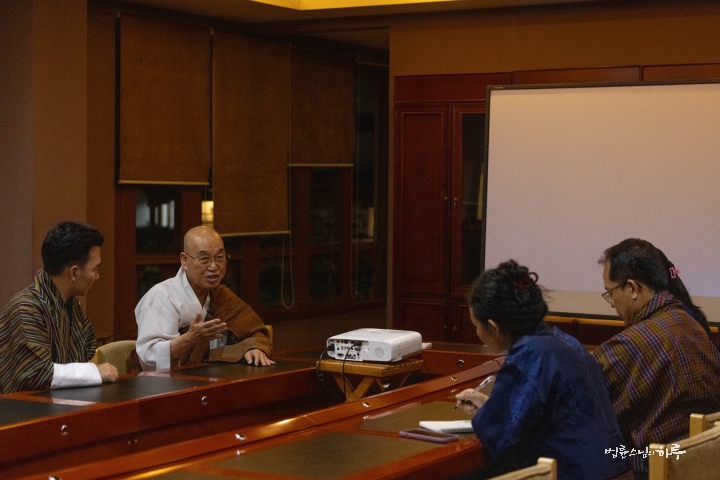
How Is It Possible to Live Happily While Consuming Less?
However, the sustainable development project that JTS is currently carrying out in Bhutan has some differences from this. First, more important than helping those in need is the environmental perspective of ‘sustainable development’. As the environmental crisis worsens and it becomes impossible for people to live, we are trying to create a new model that people around the world might think, ‘Maybe we can go live in Bhutan?’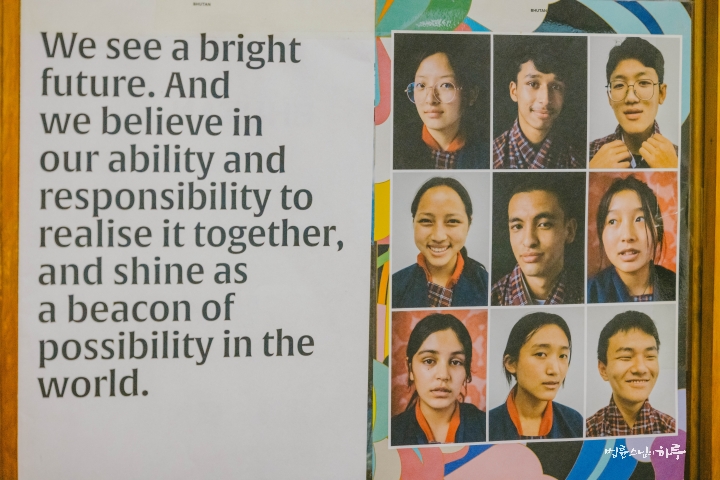
In this way, the minimum living conditions must be met. The goal is not development, but we only develop to the minimum extent necessary for human survival. We do not get involved in any further demands. Of course, in terms of results, there is no difference in helping the poor. However, the difference is that we do not encourage their desires and ensure that they become self-reliant. So, JTS focuses on these two issues: the problem of the climate crisis and the teachings of Buddha Dharma.
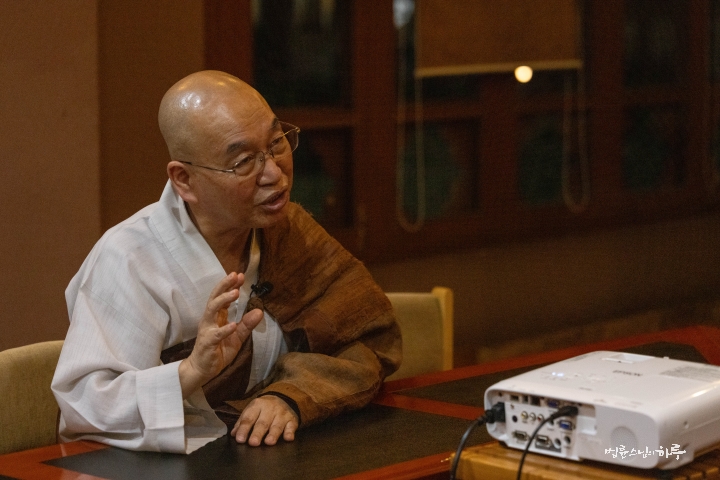
Sunim then explained in detail about the targets, methods, and purposes of sustainable development.
After listening to Sunim’s explanation, the Tarayana Foundation activist said that if the results don’t match the Sunim’s hard work and efforts, they would feel very sorry for the Sunim.
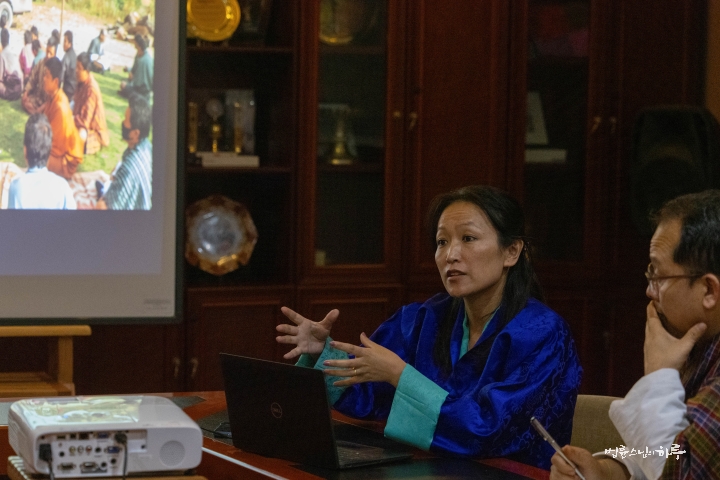
“Sunim, the Bhutanese government takes a long time to do anything. This is because there’s too much work and too few people in the field. And I feel sorry and apologetic that there might not be as much achievement as you think, given how much you’re striving for the Bhutanese people.”
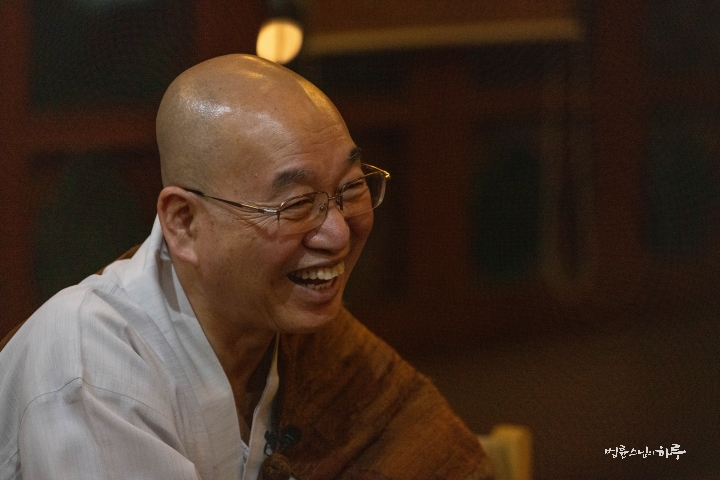
Sunim smiled and replied.
Not Just Building Houses, But Changing People’s Mindsets
However, for Bhutan to develop in the future, government officials need to change. So, I’m carrying out this project while observing whether the mindset of government officials can change. In fact, while officials in Bhutan may seem problematic within the country, when compared to officials in other countries, Bhutan’s officials are actually quite good. In another country, it’s impossible to cooperate with officials in this way. After talking a lot with the officials over the past three days, I saw hope. First of all, all the officials are Buddhists. They all chanted well too. So, I emphasized the need to save public funds and said this:‘This budget is tax money paid by the Bhutanese people. It’s not the government’s money, but the Lama’s money. The Lama’s money is Buddha’s money, so if you misuse this money, you’ll face serious consequences. Buddha is always watching, so you must use it very transparently and wisely.’
They quickly understood why they needed to save money. Being a monk gives me a bit of an advantage in this way. (Laughs)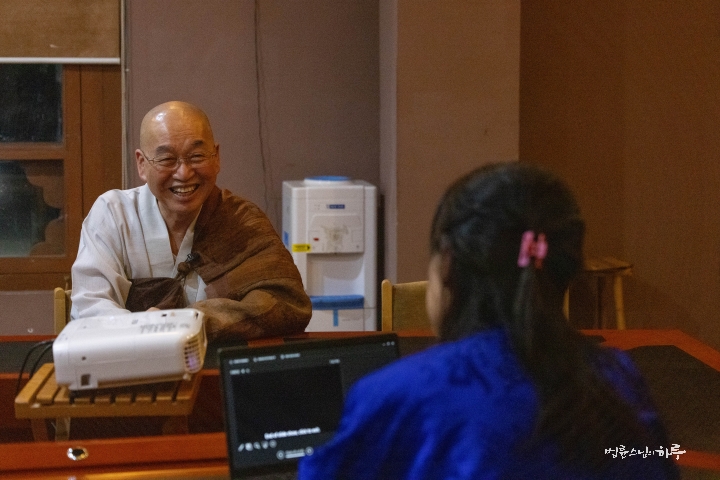
“Thank you. Please contact us anytime.”
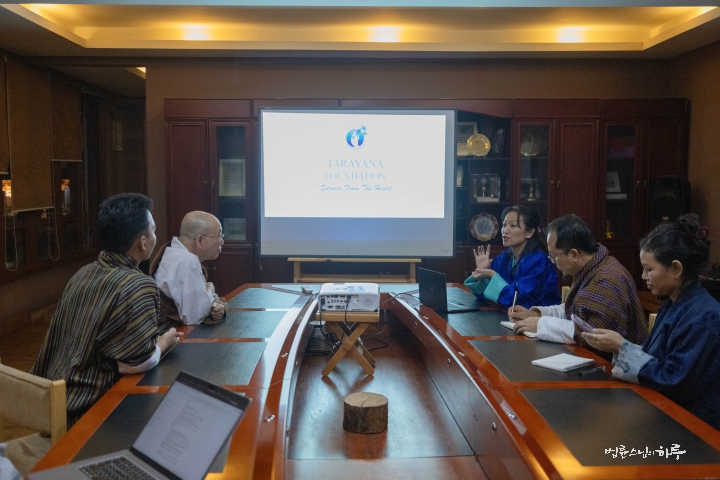
After an hour-long conversation, we concluded the meeting, agreeing to keep in touch and cooperate in the future.
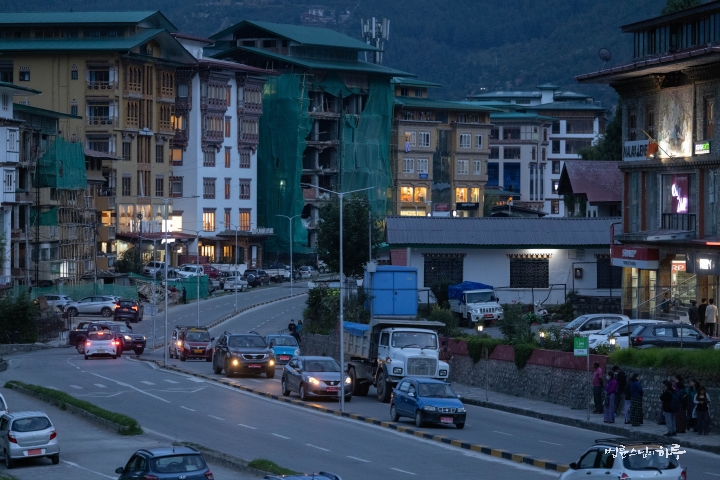
After leaving the Tarayana Foundation, we briefly stopped at Sanmaru, a Korean restaurant. Originally, we had made a reservation to have dinner with the central government officials who had accompanied us on the site visit, but the appointment was canceled due to successive meetings. We had a late dinner of simple porridge and salad, returning to our lodging just before 9 o’clock.
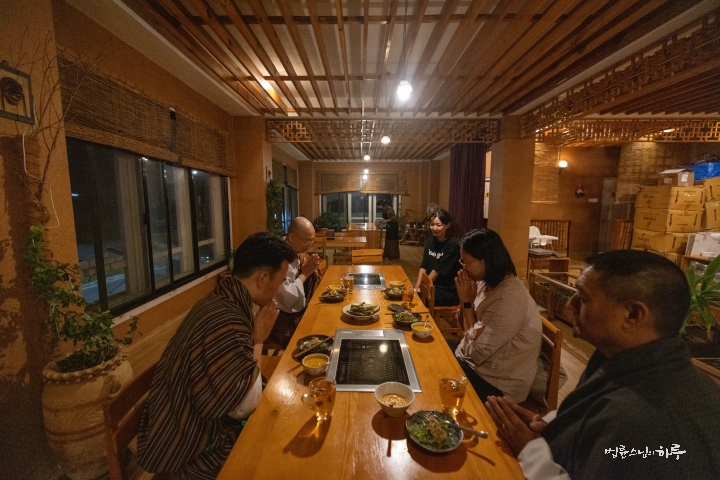
Today’s accommodation is at the home of Rinchendrawa, who is serving as our interpreter. Sunim went to bed after proofreading manuscripts and handling various tasks.
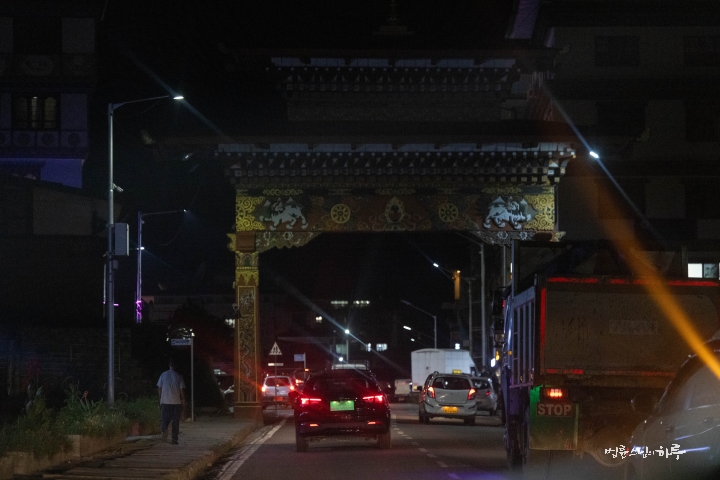
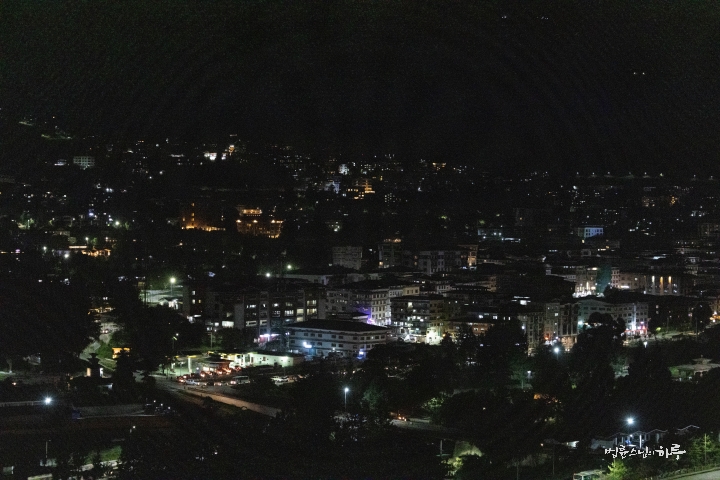
Tomorrow’s schedule begins with a live broadcast of the practice assembly at dawn. In the morning, Sunim will visit a Sangha university and temple in Thimphu. At lunch, he will meet with a cabinet minister of the Bhutanese government for discussions. In the afternoon, he will depart from Paro Airport, transit through Bangkok Airport, and in the evening, board a flight to Sydney to begin his lecture tour in Oceania.