How Was Sunim Able to Maintain Unwavering Dedication Throughout His Life?
Aug 17, 2024 - Day 2 of Youth Camp
Hello. Today is the second day of the Youth Camp with Jungto Society’s young volunteers.
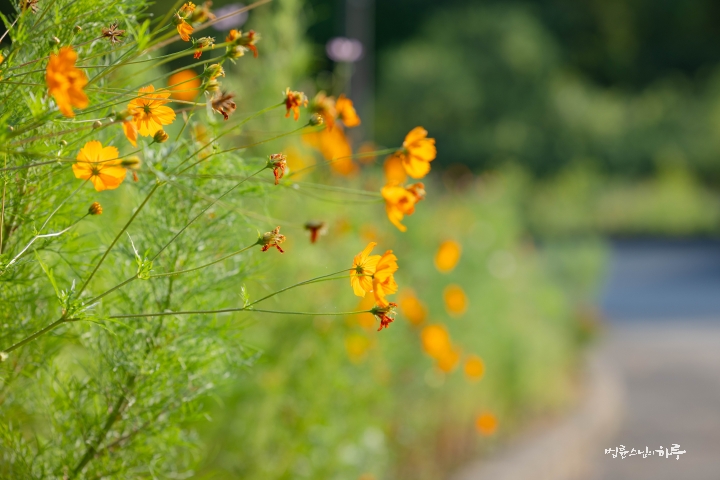
About 100 young people staying at the Jungto Retreat Center in Seonyu-dong, Mungyeong woke up at 4:30 AM, completed their practice and meditation, and then participated in group work.
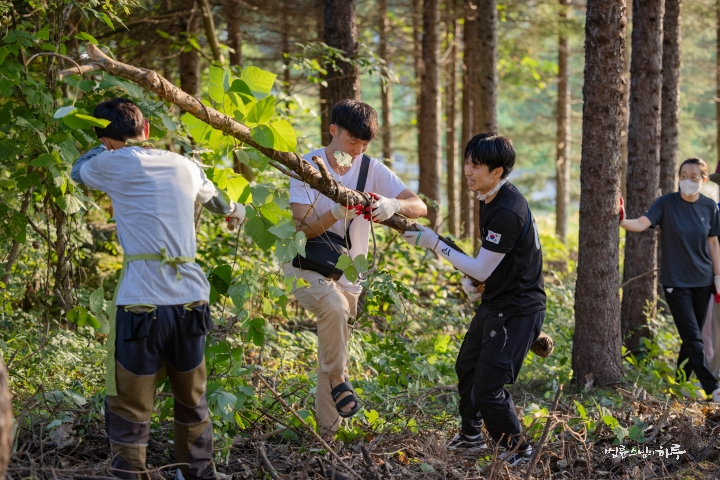
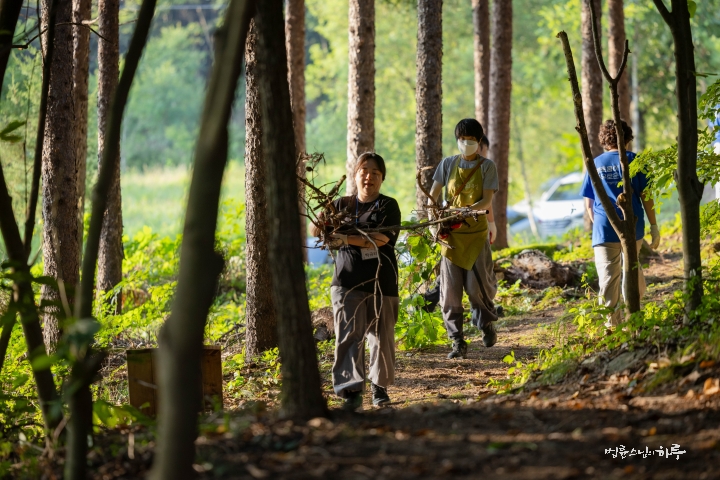
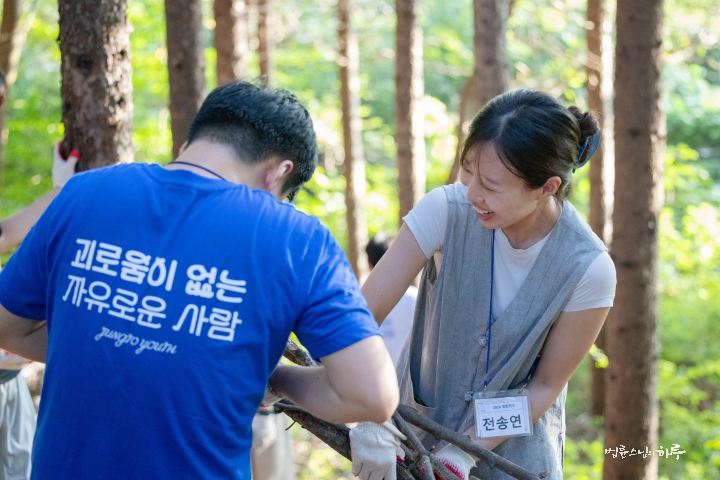
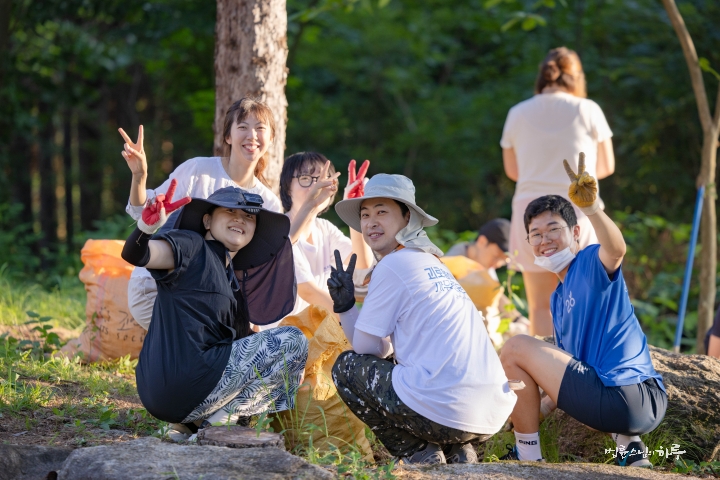
Some pulled weeds around the retreat center, while others picked up broken branches and pine cones on the forest walking path. After working in various places, they had breakfast at 7 AM.
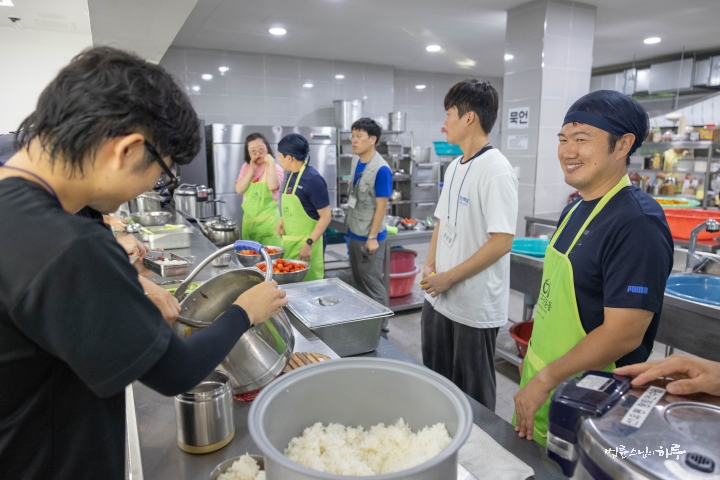
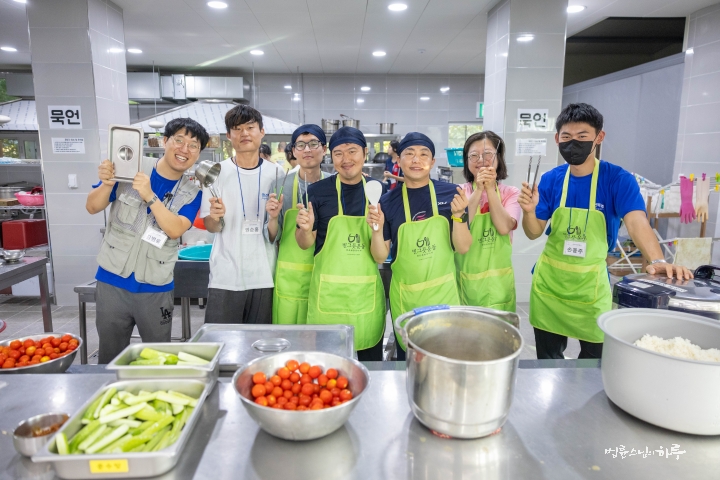
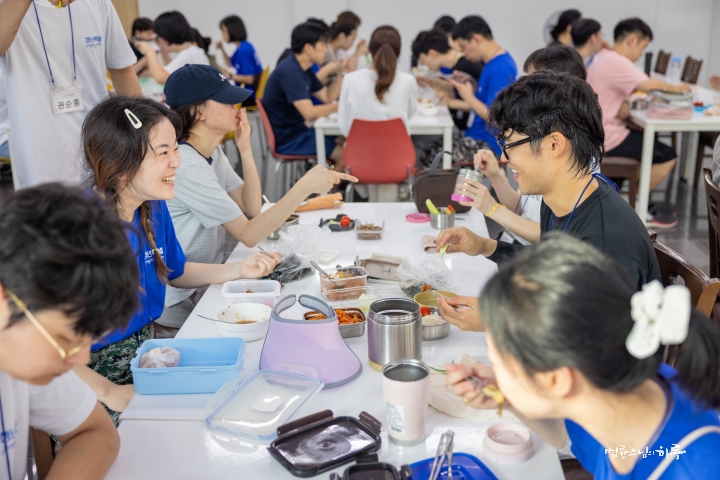
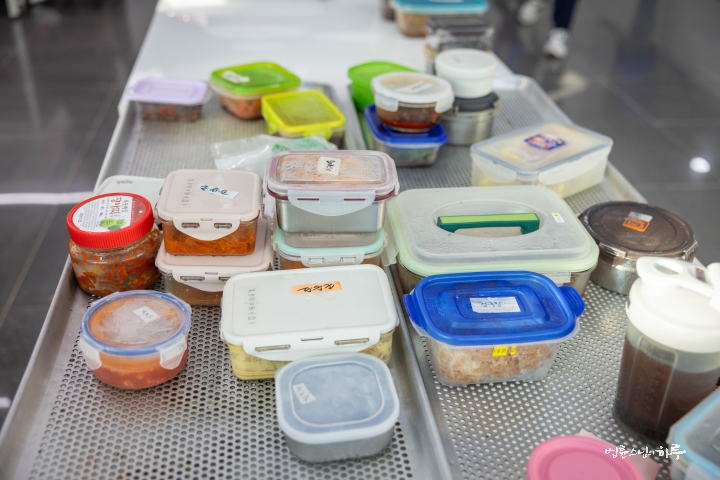
They enjoyed a delicious meal of rice and soup prepared with care by senior members of the Special Youth Division, along with side dishes they had brought from home.
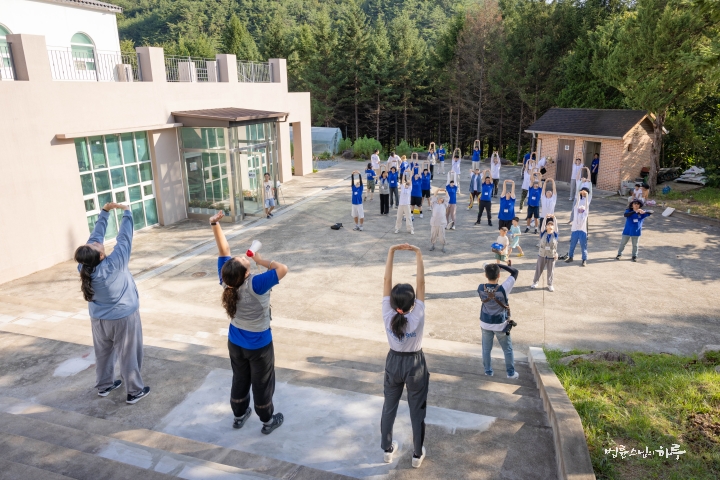
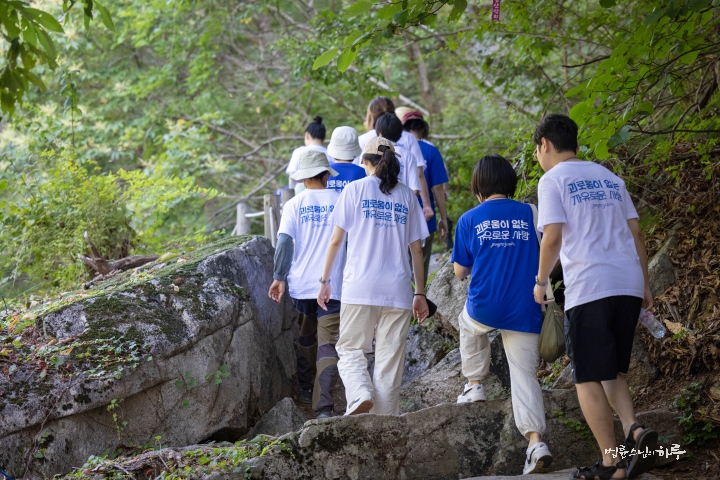
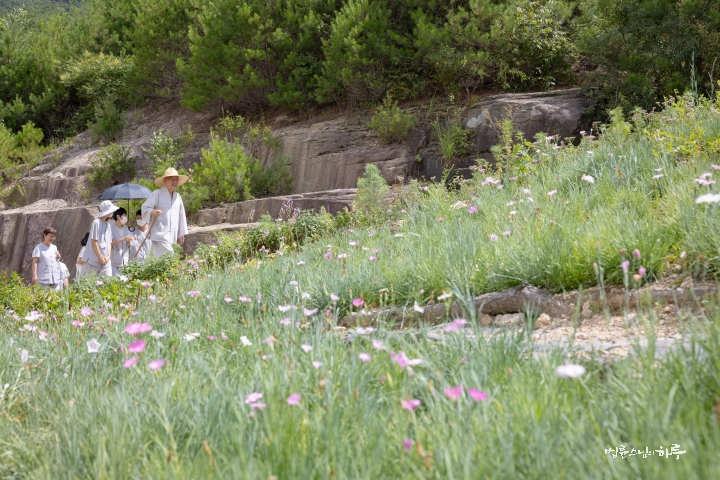
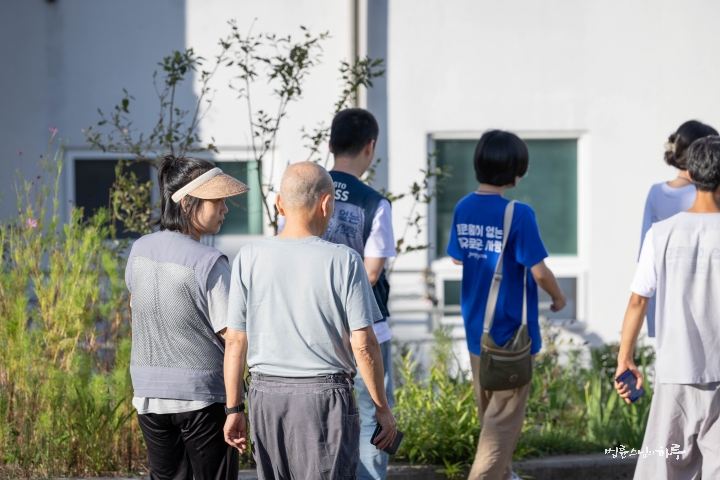
After breakfast, they went for a walk with Sunim. After morning exercises, they left the retreat center and walked slowly to Hakcheonjeong, an area with large, oddly-shaped rocks.
They chatted with fellow practitioners while listening to the sound of water flowing in the valley and breathing in the fresh air.
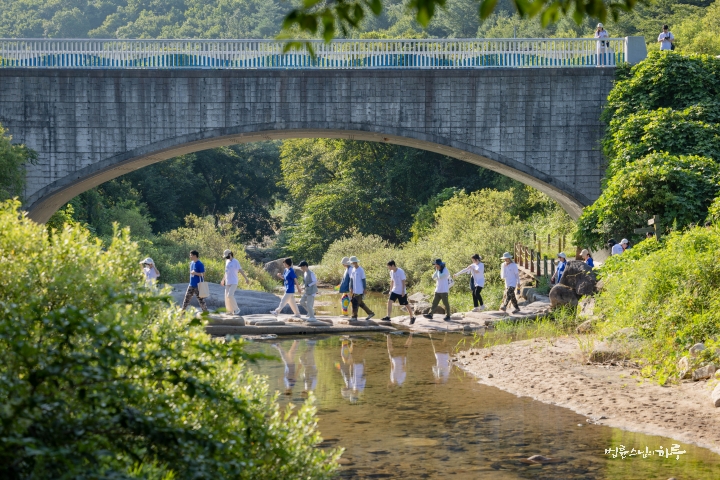
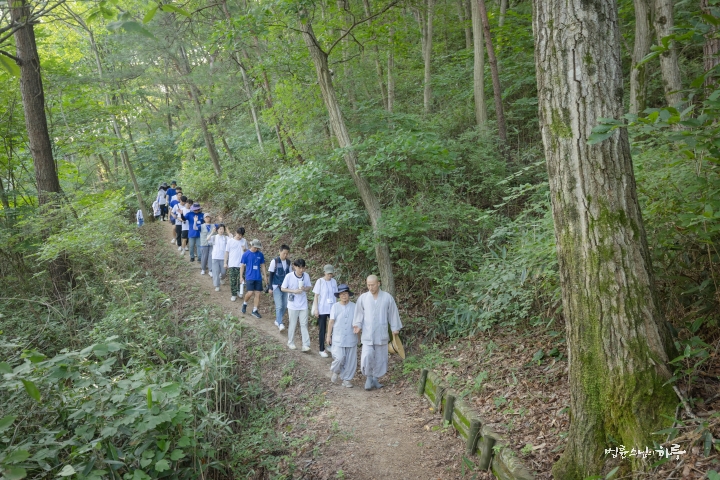
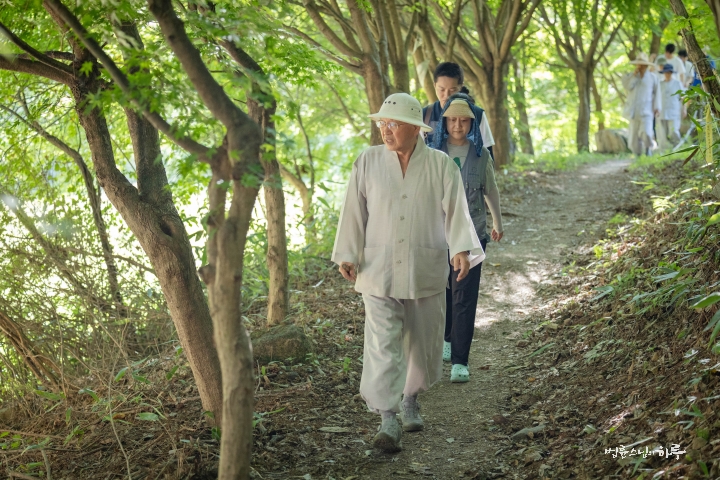
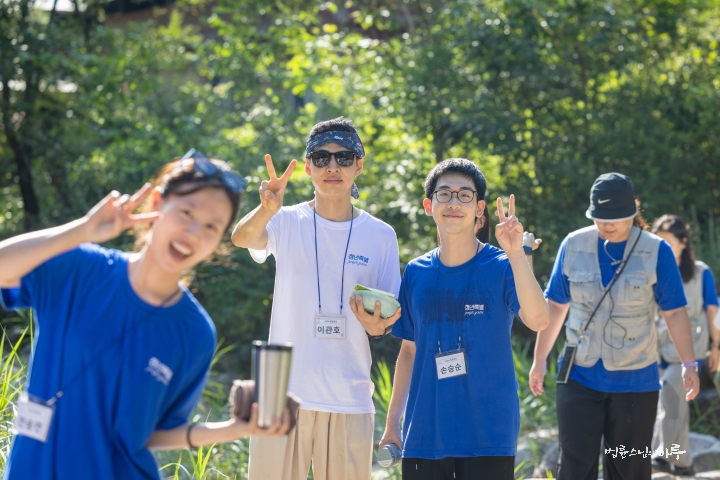
After listening to Sunim’s explanation at Hakcheonjeong, the young people enjoyed some healing time by dipping their feet in the valley stream flowing between the wide rocks and playing in the water.
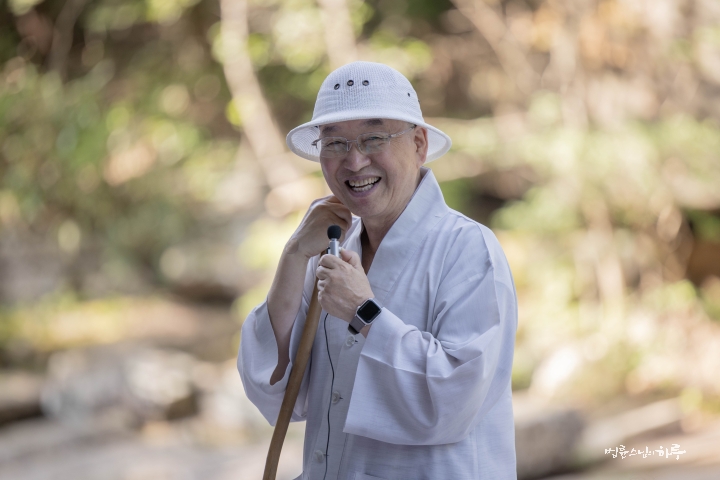
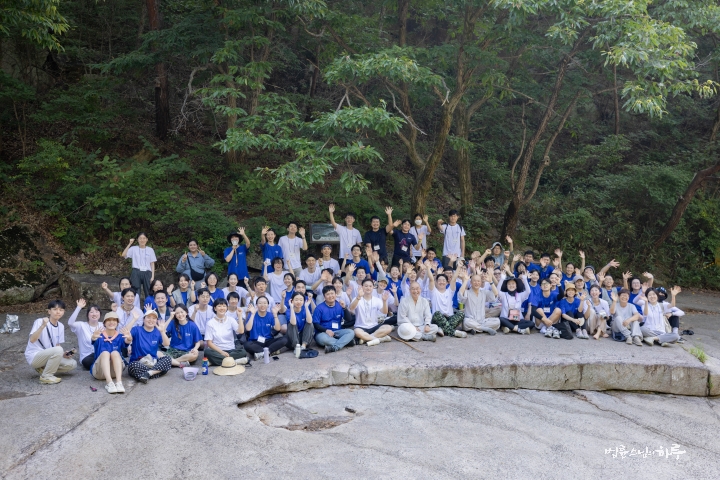
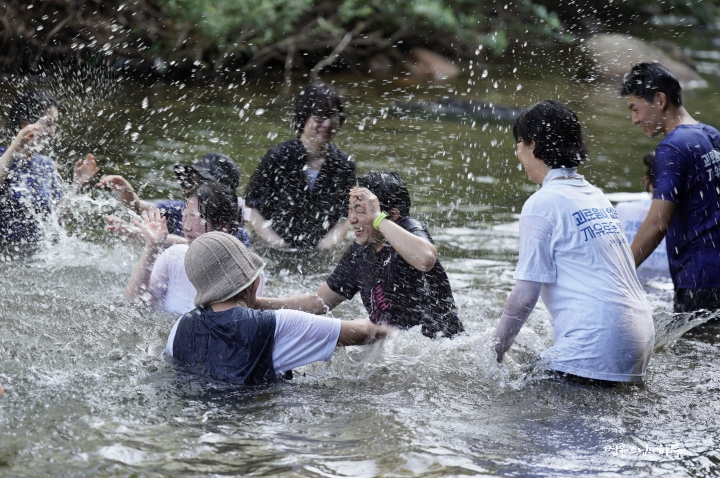
Due to knee pain, Sunim returned to the retreat center by car, while the young people spent more time at the stream before walking back along the same path.
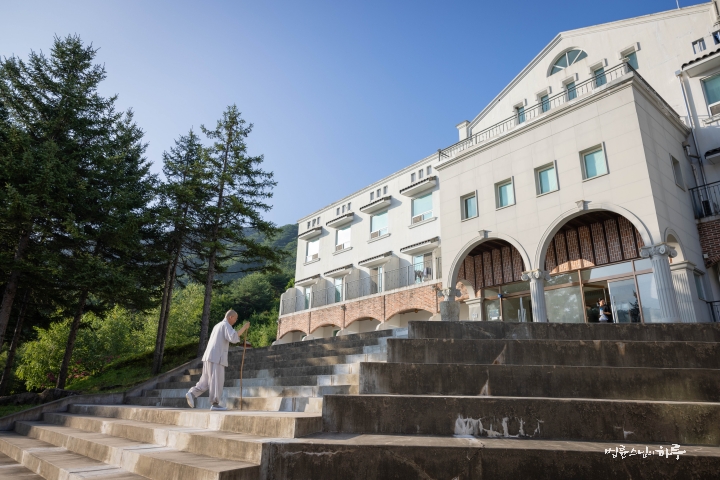
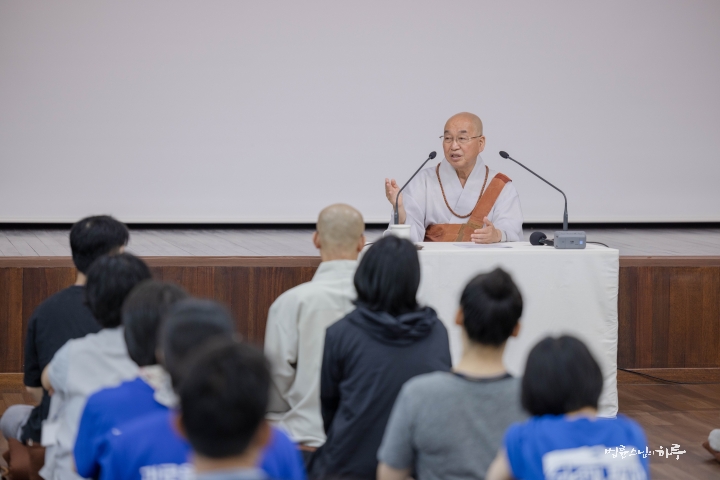
After the healing time, they gathered in the main hall at 10 AM to begin a dialogue session with Sunim. This session focused on the topic of “Balancing Work, Practice, Career, and Jungto Society Activities”.
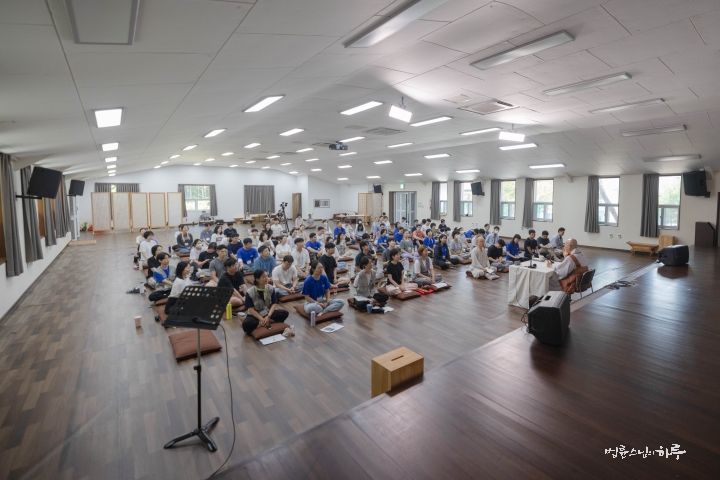
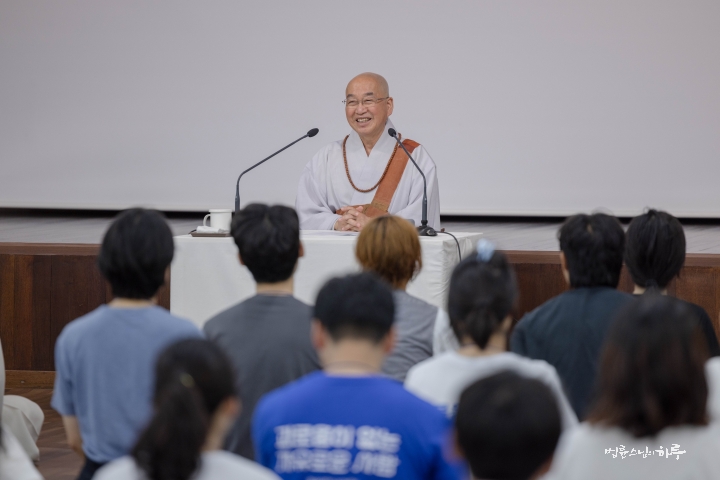
First, Sunim explained in detail what Jungto Society means by “unifying work and practice”.
“Our daily lives consist of work and play, or work and rest. We usually call it work when we do productive activities, that is, when we earn money. We call it rest when we relieve physical fatigue. And we call it play when we relieve mental stress. Most play involves spending money. When we work hard to earn money, we become physically tired and mentally stressed. So we need to rest physically and play mentally. If we can’t rest because of work, we become physically exhausted, and if we can’t play enough, stress builds up.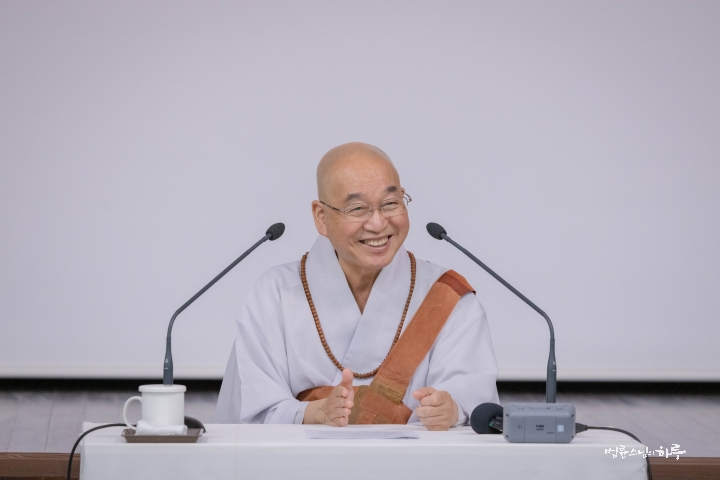
**Why Does the Same Act of Dancing Become Work for Some and Play for Others?
**
This is what we call ‘volunteering’ – when there’s no exchange of money. If you’re supposed to get paid but don’t, it’s called forced labor. What’s the issue that causes this difference? For example, let’s say two people are working in a field. One is a laborer and one is the field owner. You can tell who’s who when the work is done. The one who pays money is the owner, and the one who receives money is the laborer. We like to receive things, but that’s not the path of an owner, it’s the path of a servant.
An improvement from this was the serf system in medieval times. Serfs couldn’t be bought and sold like slaves. They were tied to the land and received money for cultivating it. For example, they might cultivate 3,000 pyeong for the landowner and keep 1,000 pyeong for themselves. However, the landowner couldn’t buy or sell the serfs.
Further progressing from this, in modern capitalist society, we have wage laborers who work for money. Wage laborers are bound by money. Slaves were bound by status, serfs were bound to the land, and wage laborers are bound by money. Because they’re bound by money, they can be employed regardless of their status or education, as long as they’re paid. That’s why you might work for one company and then move to another if they offer more money. This might seem like the attitude of an owner, but in reality, you’re bound by money. Slaves were happy if their master fed them well, clothed them well, and gave them a good place to sleep, because they were receiving the best benefits from their master compared to other slaves. Serfs were happy if their master gave them more land. Wage laborers consider it the greatest happiness to work less and earn more money. So the way for wage laborers to be happy is to work less and earn more money. If possible, they want to do easier work rather than difficult work, clean work rather than dirty work, comfortable work rather than dangerous work, and get paid as much as possible – that’s considered the best job.
What Is True Liberation from Labor?
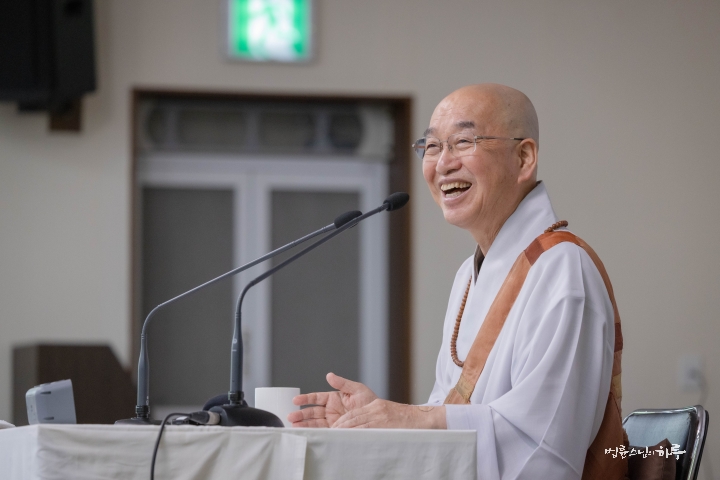
So is reducing working hours and increasing wages the liberation of labor? Is it liberation for slaves if the master doesn’t beat them, feeds them well, clothes them well, gives them a good place to sleep, and makes work less difficult? The liberation of slaves is freedom from their status. The liberation of serfs is freedom from the land. The liberation of wage labor is freedom from the bondage of money. Working less and earning more is not the liberation of labor. Owners are not bound by working hours. Whether the business is big or small, owners don’t set fixed working hours because all work is their own work.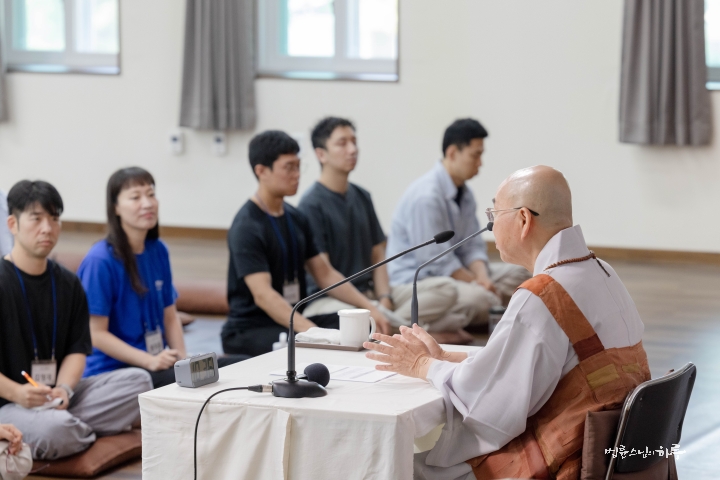
That’s why I think the next stage of civilization will be the era of volunteering. True liberation from labor is when work feels like play. Because it feels like play, you can decide how much to play. Just as we rest after working, if we play too much, we get tired and need to rest. Rest means resting because the body is tired. But play doesn’t require separate rest. For work to become play, we need to return to the mindset of an owner.
Practice Is Turning Work into Play
You might find it mysterious and think I’m like steel when you see me doing so much work, but I’m just doing it for fun. Because work has become play, there’s no need to play separately. To turn work into play, it’s important to organize your perspective. Having the attitude to accept work as play is what we call ‘practice’. When you turn work into play, it becomes practice itself.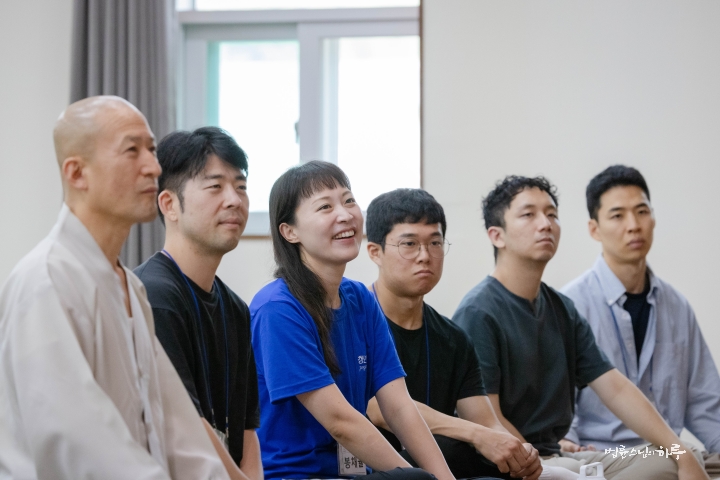
Practice is turning work into play. When we turn work into play, we can truly be liberated from labor. We use tremendous energy to earn money and then spend a lot of money to relieve the stress we got from earning money. This is because we think living well means earning a lot and spending a lot. You think living well is earning 10 million won and spending 10 million won. But isn’t living well not receiving even 10 won and not spending even 10 won?
You need to look at your life more seriously. The method of working hard, accumulating wealth, and planning for retirement is an outdated and risky approach. The most reliable method is the Buddha’s way. He left everything behind, begged for food, wore discarded clothes, and slept under trees, so there was no risk of losing property or being deceived. Moreover, the fact that he was formerly a prince didn’t have a negative effect, but rather a positive one. People naturally trusted him because he was a prince who gave up everything and left the palace. When he lived as a prince, he had several guards following him, and guards watching over him even when he slept, but he slept comfortably alone under a tree in the forest without anyone guarding him. If the Buddha lived 100% comfortably by giving up 100% of what he had, we can live 50% comfortably by giving up 50%, imitating the Buddha.
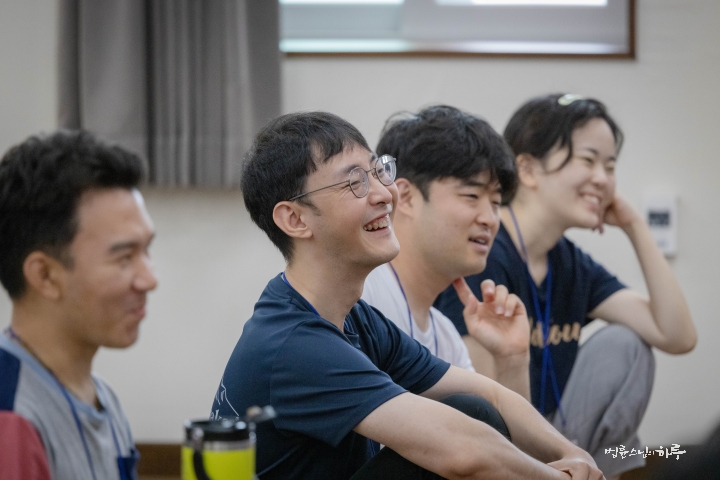
Following this, there were various questions about the difficulties of balancing work life with Jungto Society activities. Three people raised their hands and had a conversation with Sunim.
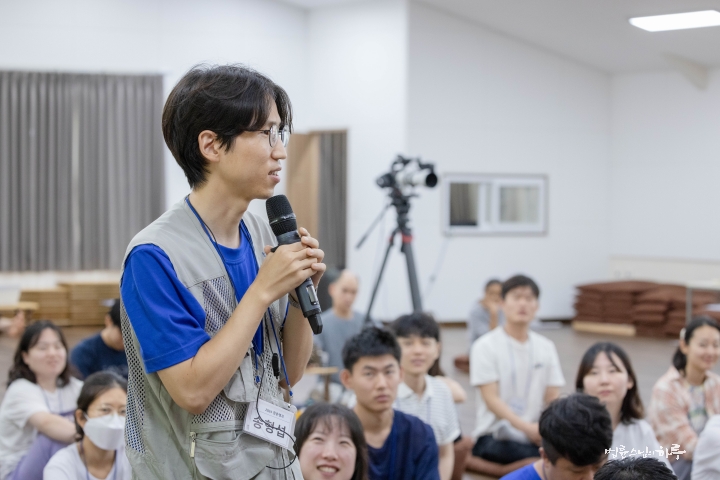
While helping with the Buddhism Course, I find myself dedicating more time than expected, and I feel like withdrawing, seeing Jungto Society activities and work life as separate. What perspective should I have when engaging in Jungto Society activities?
I’ve joined an agricultural company and am farming. I find farming very difficult, but how can Sunim maintain a calm state even in harsh conditions while farming?
I’m doing smart farming as an alternative to climate change, but I’m doubtful if it can really be an alternative due to high energy consumption. How should we view smart farming?
How can we balance maintaining a frugal life and pursuing financial stability for the family, and how should young people with significant financial burdens view marriage and childbirth?
After two hours of conversation, the young people had lunch.
After finishing the meal and taking a break, Sunim resumed the conversation at 2 PM. This time, Sunim gave a Dharma talk on the theme of “Self-realization and Social Practice” and took questions about any uncertainties.
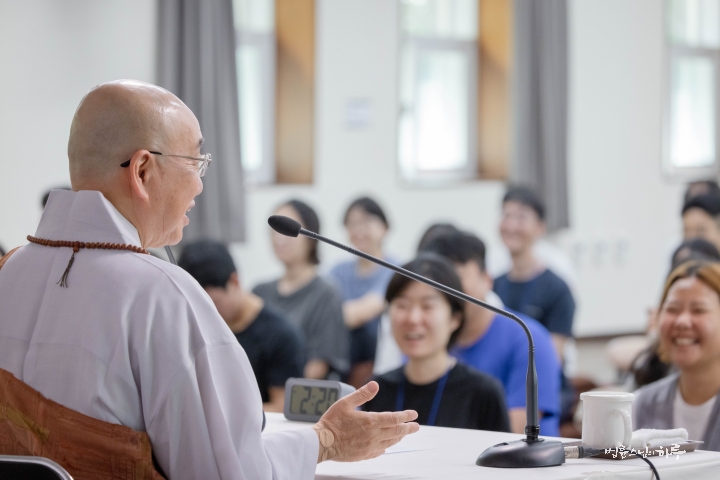
Sunim explained what it means to live a life well-used and then told young people who find social practice activities burdensome that this is also a path for themselves. Through Sunim’s Dharma talk, young people could clearly realize that practice can go beyond individual mind training to social practice.
After the Dharma talk, questions were taken about any uncertainties. Not only those who had applied for questions in advance but also those who wanted to ask questions on the spot freely raised their hands. The conversation continued as long as time allowed.
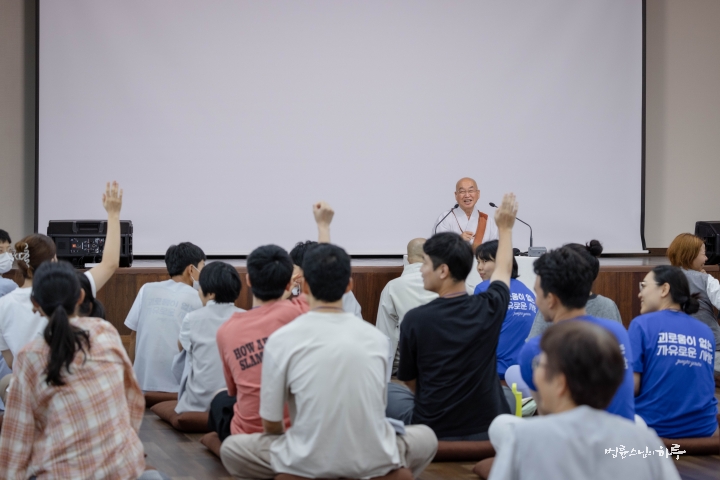
One of them asked how Sunim could walk this path without wavering throughout his life, saying that he experiences a lot of afflictions while doing Jungto Society activities.
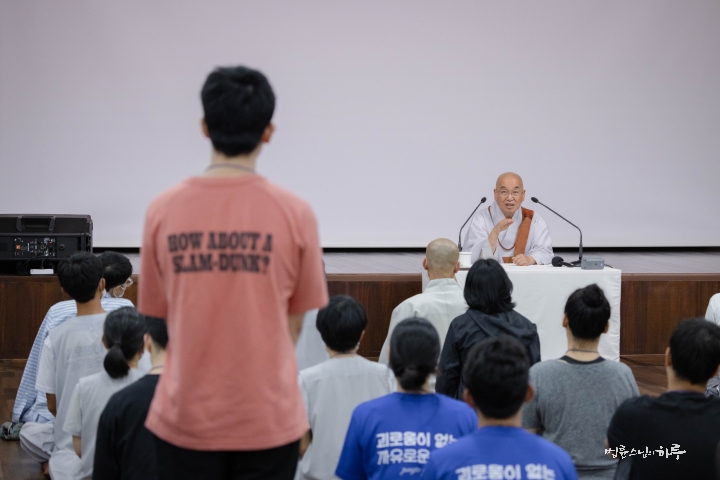
How Could Sunim Engage in Activities Without Wavering Throughout His Life?
“Sunim, you started a movement to create a new civilization centered on practice about 40 years ago when you were in your 30s. I know that the agricultural economy and the four sights that Buddha experienced in his youth had a decisive influence on Buddha’s renunciation. However, I have many worries and afflictions while engaging in activities. Because even though this path is good and I’ve decided to take it, there’s always wavering. There are many enjoyable things in the world, concerns about career paths, thoughts about needing to do some economic activities, and small but constant thoughts about wanting to date and get married. I’m curious if you had no interest in dating and marriage at all in your younger days. I’m curious how you could devote yourself to social practice and propagation activities throughout your life with self-confidence.”
“Looking back, it seems like I walked a path full of confidence, but I can’t say I was confident at the time. I had moments of wavering too. (Laughs)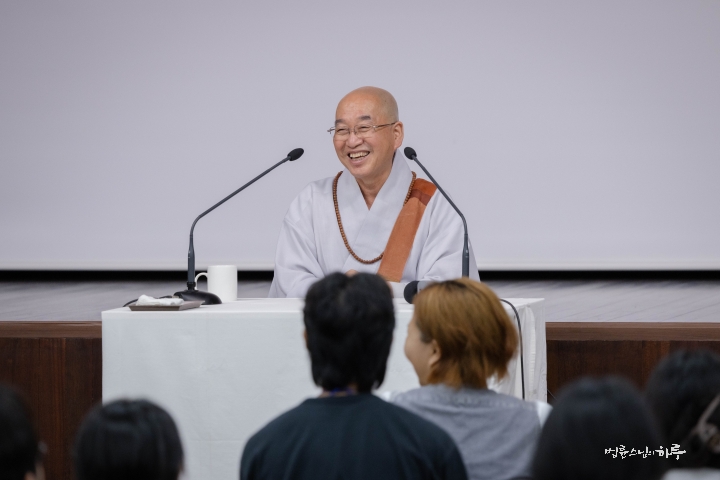
About six months after going to America, I saw scenes of the massacre in Gwangju. When I was in Korea, I only heard rumors but didn’t see it directly. But in America, I saw those scenes vividly on video. I studied in America, but I didn’t have a clear sense that this was my path. So I decided it would be better to return to where I had lived and struggle, whether I lived well or not, and came back to Korea. I think that was when my mind wavered the most, and after that, although I felt bad at times, I never wavered greatly. If I had made a mistake, I might have just stayed in America and taken the path of scholarship. Because I had dreamed of becoming a scientist when I was young, at some point that desire arose uncontrollably in my heart.
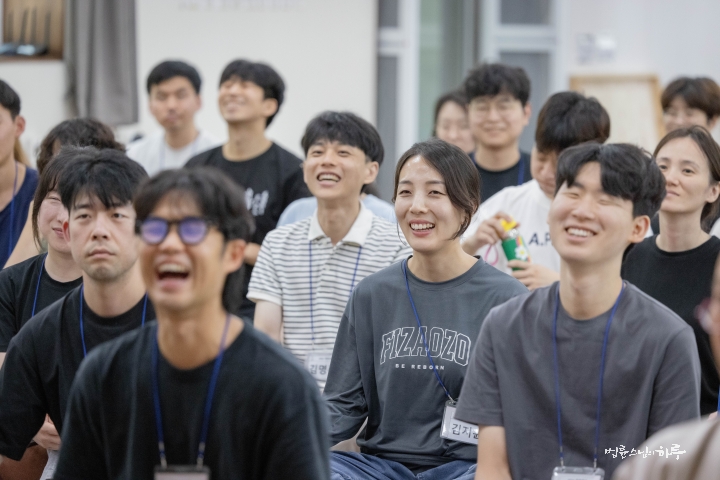
I was good at teaching people from a young age. When I was in second grade of elementary school, our class didn’t have a homeroom teacher. So I learned all subjects and taught the children in my class. When I was in the first year of middle school, I rented a room in a teacher’s house, earned living expenses by teaching their elementary school children, and attended school on a scholarship. During middle and high school, I served as the president of the Buddhist Student Association and the president of the Yeongnam Buddhist Federation, and then immediately became a propagator and taught many people. So I have a very long teaching career. I received early education very well. Thanks to that, I was able to become independent early. (Laughs)
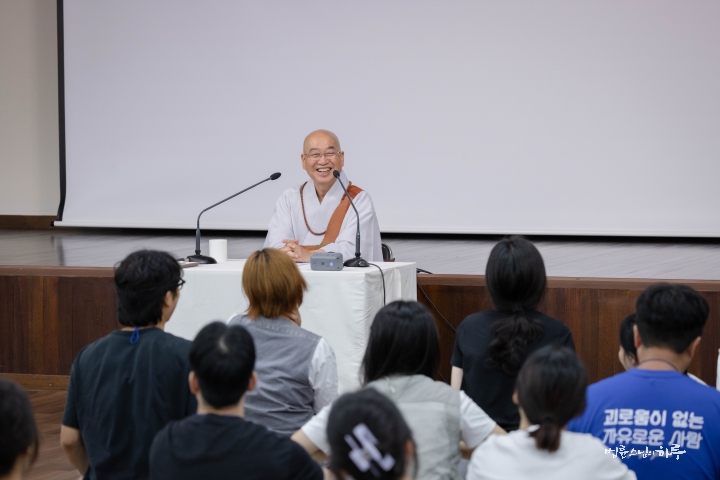
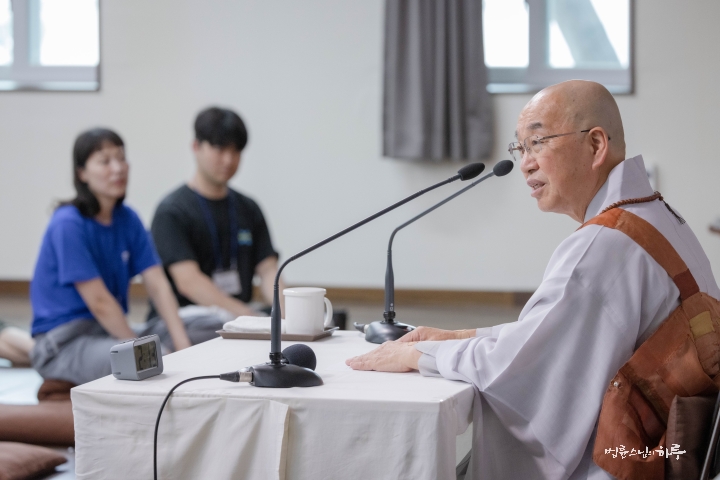
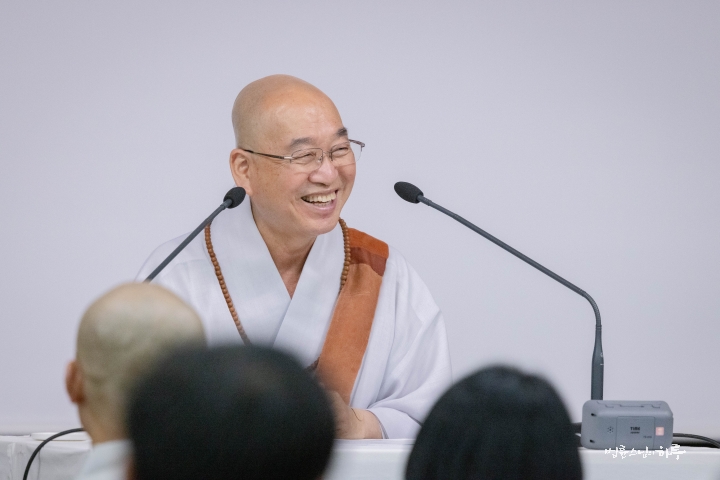
For me, cutting off the affection for my mother when I became a monk was really difficult. It seemed easy on the outside, but there were difficult points inside. Because it was hard to cut off affection for my mother, who was not a relationship I chose but a given karmic connection, I thought it was absolutely not something I could do to choose and form new relationships.
‘It is something that only reckless people can do. I am too fainthearted for that. I am having a hard enough time with my existing relationships, so how could I possibly form new ones?’
I had such thoughts. So you always have to organize your perspective based on your own experience and using Buddha’s teachings as a standard. Even when your perspective is organized like that, afflictions arise again next time. Then you experience again and organize again, and this is how you move forward. It’s not like you suddenly become enlightened once and all afflictions are cut off. In my case too, looking back, it seems like I walked a single path without any problems, but in fact, it turned out this way luckily.That’s why the title of the book I wrote for young people is ‘It’s Okay to Wander.’ It means it’s okay to wander when you’re young. When you’re wandering, you feel like you’re going back and forth on your own, but looking back, it becomes a single path you’ve walked straight.”
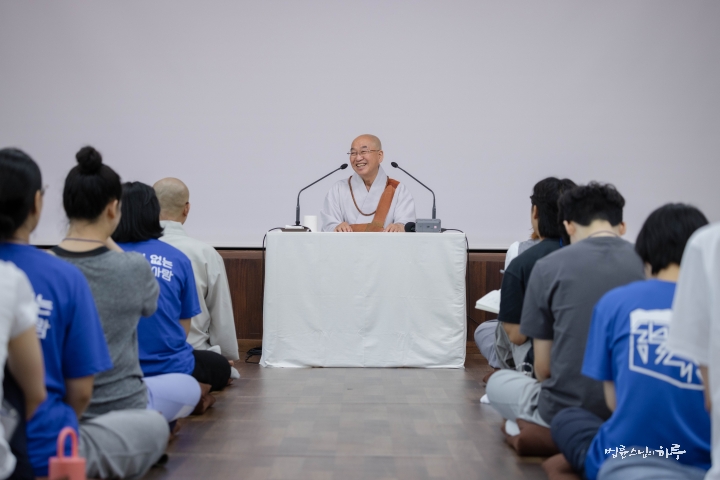
After finishing the conversation, the young pepole took a short break, and from 4 PM, they had a special lecture on “Using Korean Language Correctly” by Ms. Choi Han-sil, the representative of the ecological community Purin Nuri, who has been researching Korean language for 20 years.
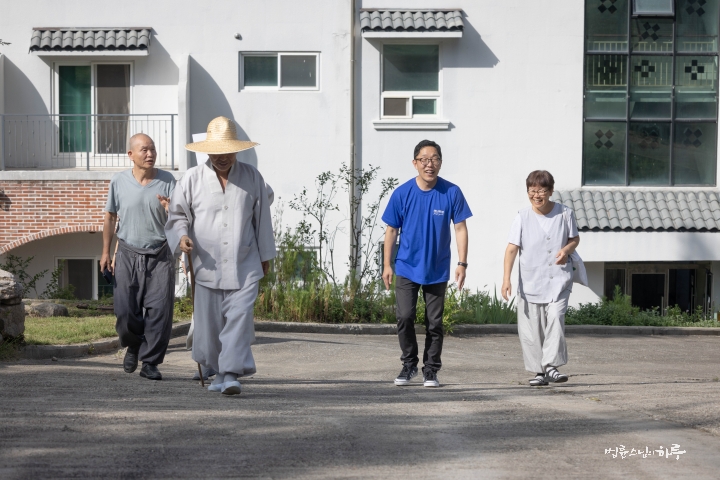
The teacher explained in detail the historical background of why our language has been gradually disappearing.
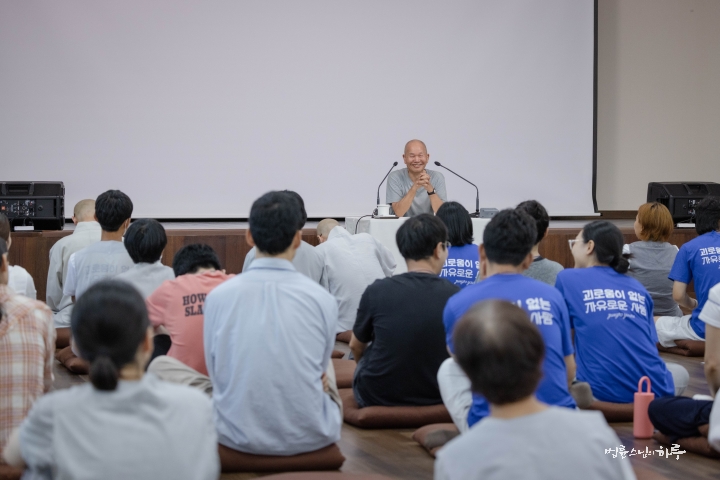
“We use words as if they are all Korean, but in fact, there are too many words that are not Korean. Our people bloomed excellent word flowers before other words were mixed in, but after that, the people who ruled the country brought in Chinese characters and used them in written language, so they gradually took root in our language. The Chinese character ‘江 (river)’ came in and pushed out the Korean word ‘garam’, and the Chinese character ‘山 (mountain)’ came in and pushed out the Korean word ‘moe’.
Moreover, most of the words we use today are Japanese words. Our language life was framed to learn and use all Chinese words when we were under Japanese colonial rule, and we’ve been trapped in that and come this far without anyone looking deeply into it.”
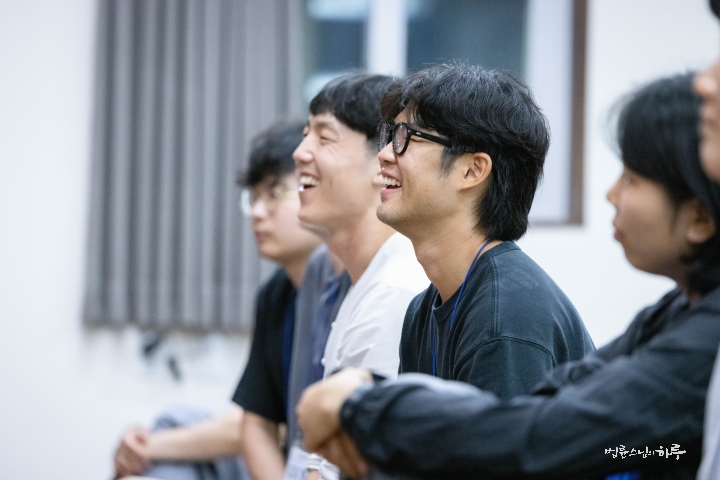
The teacher introduced that there are more than ten words related to rice in Korean. He interestingly talked about abundant Korean words such as narak, ssinnarak, beopssi, mo, uke, ssal, bap, juk, me, nwi, etc. Everyone perked up their ears and focused on the story, seemingly fascinated.
As the young people focused on the Korean language story that they didn’t know well usually, time flew by. After finishing the lecture, the young people expressed their gratitude to the teacher.
“Korean is so interesting. I learned a lot through the lecture.”
The teacher replied.
“Was it interesting? Then you should spread Korean language widely around you.”
After dinner, the sun had set.
From 7 PM, we had a session to introduce and discuss various overseas relief projects conducted by JTS under the theme of ‘International Volunteering’.
Before the discussion, Kim Je-dong, who had traveled a long way to be with the youth despite his busy schedule, greeted everyone.
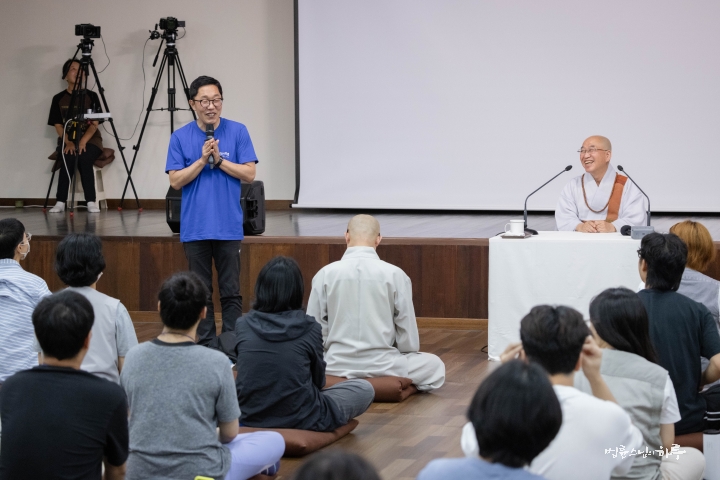
“Seeing you all gathered here like a river on such a hot day makes me very happy. I find it hard to speak more using only Korean. I’ll end my greeting here.” (Laughter)
As Kim Je-dong sat down smiling, Sunim also joked with a smile.
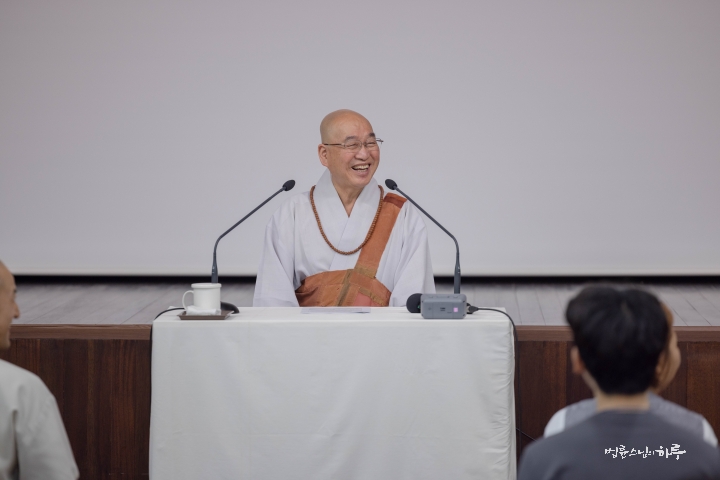
Kim Je-dong stayed until late, attentively listening to Sunim’s Dharma talk and the youth’s stories.
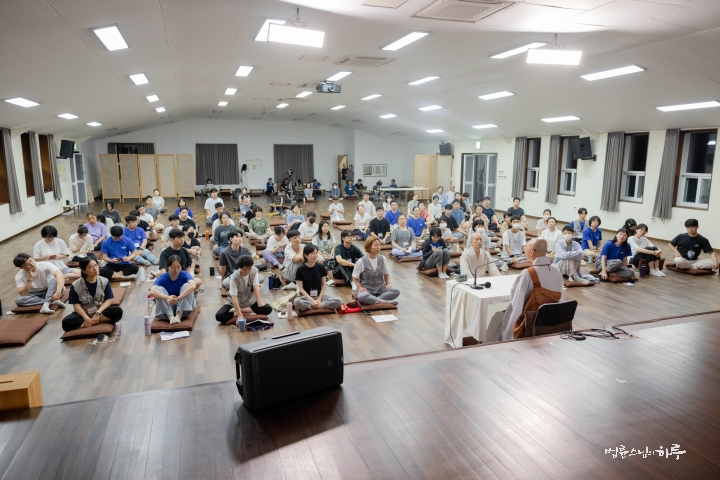
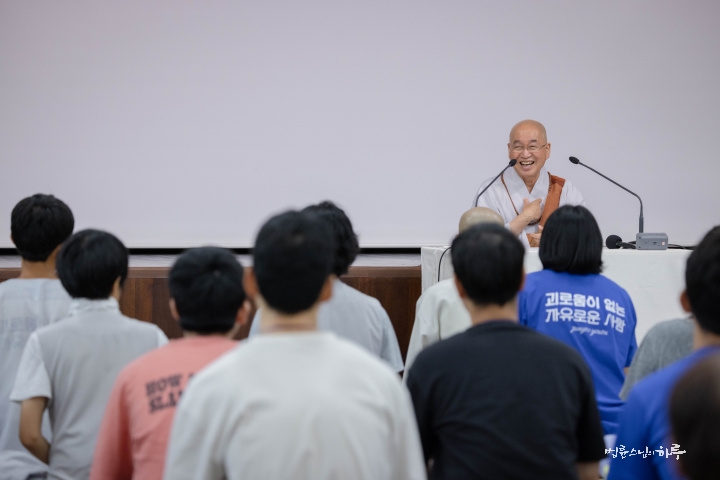
Sunim explained in detail the principles behind JTS projects being carried out in various countries including North Korea, India, the Philippines, Pakistan, Cambodia, Syria, Rohingya refugee camps, and Bhutan. In particular, after introducing the sustainable development project in Bhutan, which many young people are interested in, he talked about the vision that young people participating in such activities can have.
Why You Don’t Need to Worry About Not Having a Job
So it would be best if you quit your jobs and come. I always welcome that. That’s why I always smile when Korea’s unemployment rate is high. Originally, volunteering should be done voluntarily, but since such people are so few, I joke that someone needs to fire people so that the number of volunteers increases. If there are many jobs for young people and you all have a lot to do in Korea, you don’t have to come all the way to Bhutan. Then I plan to gather retired people and continue this project.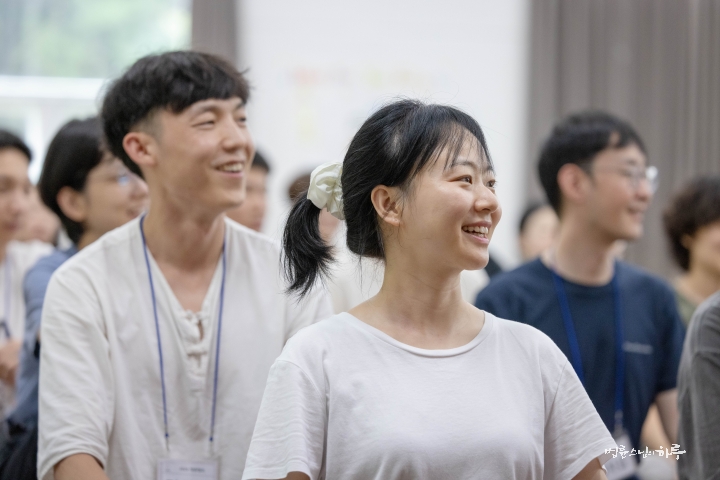
Now is the time for us to create a new civilization together. For example, South Korea is currently causing a Korean Wave with K-dramas and K-pop. Thanks to this, even Korean food has become famous. But honestly, isn’t the Korean Wave all about consumer culture? Is it just pride-worthy that the Korean Wave is blowing? Of course, it’s good that South Korea is getting attention from people around the world. But I’m saying this alone is not enough. That’s not all. If weapons like tanks and artillery that we sell as ‘K-defense industry’ are used for offensive purposes, it’s no small problem. If we are truly conscientious and love peace, we should at least hold rallies to ensure that offensive weapons are not exported, even if defensive ones are okay. If they’re trying to massacre residents in Myanmar with the artillery we sold, shouldn’t we refrain from selling weapons to such places?
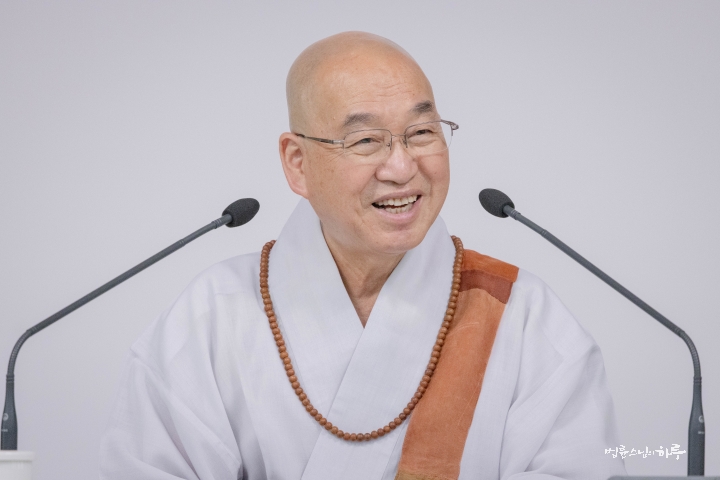
How to Spread True K-Peace to the World
Even if the South Korean government doesn’t participate, Jungto Society alone can do very meaningful work. I’m not trying to tell you, ‘Quit what you’re doing and join Jungto Society,’ or ‘Only do Jungto Society activities.’ There are many choices in life’s path. So I want to tell you not to live too discouraged, but to view life a bit more positively and be more active. I hope you’ll have a slightly more open attitude, ready to go for short-term volunteering without hesitation whenever you have free time. So if South Korea can help improve the lives of poor people in other countries beyond just being popular, this could truly be called K-peace. In fact, I think South Korea’s future direction should be in this direction.”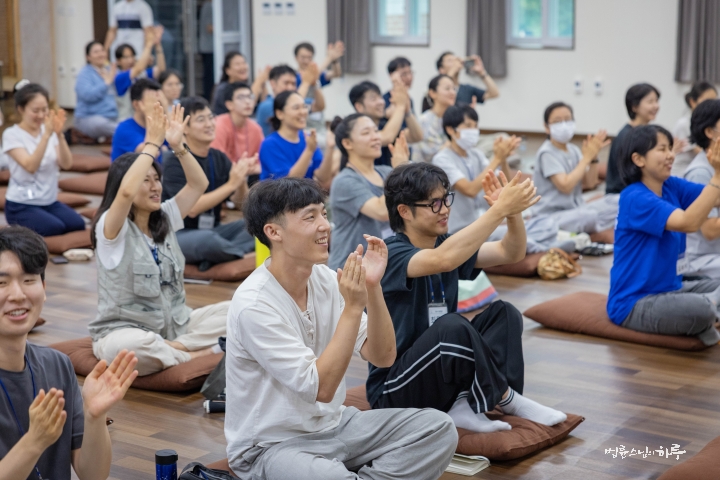
Then, the young people had time to freely discuss questions and suggestions about international volunteering and Jungto Society activities. When they announced that they would take questions on the spot, several people raised their hands. Many questions poured in over the course of three hours.
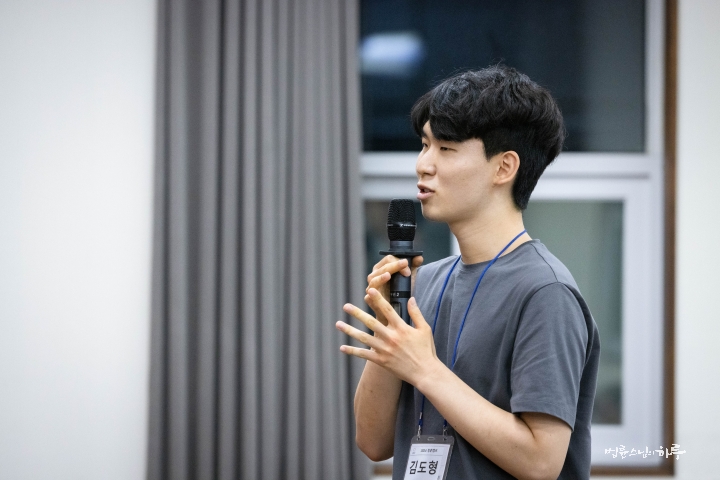
To change the world, it seems we need to make an effort to persuade people with different thoughts when voting. How should we persuade them?
After switching to online, it seems the fun and vitality, which were advantages of offline, have disappeared. It would be good to combine online and offline.
I make a lot of personal efforts to practice environmental conservation, but I keep being conscious of my family members and people around me who are not interested in environmental practices. What perspective should I have when practicing environmental conservation?
I applied to participate in the Seonjae Youth Program, a volunteer activity in India this fall, but I wondered if it would be more helpful to donate the airfare to JTS instead.
How does Sunim access news, and how can we view news objectively without being biased?
It would be good if we could do local practices or offline volunteer activities in groups.
When he finished the conversation, it was well past 9 PM. Today was a long day of dialogue with young people from morning to evening.
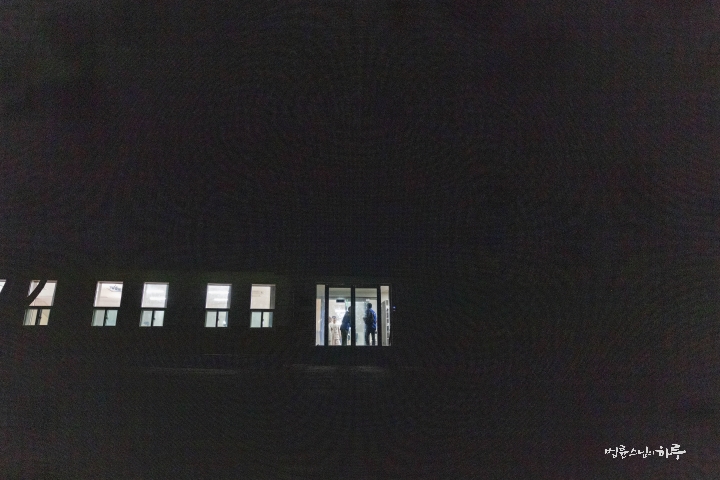
Tomorrow is the third day of the Youth Camp. In the morning, Sunim will have a conversation on the theme of ‘The Future of Youth’, then move to the broadcasting room of Mungyeong Retreat Center to live stream the Baekjung closing Dharma talk. In the afternoon, after live streaming the Jungto Dharma School graduation ceremony, he will return to Seonyudong Jungto Training Center to wrap up the 3-day Youth Camp with a closing ceremony.
A Day in the Life of Sunim is translated by AI, edited by volunteers